For tea producers and packagers, selecting the right small tea packaging machine is a critical decision that impacts efficiency, product quality, and brand presentation. This comprehensive guide explores the different types of machines available, their key features, pricing considerations, and provides expert advice on how to choose the perfect equipment for your specific needs.
Understanding the Different Types of Small Tea Packaging Machines
The market offers several specialized machines designed for various tea formats and production scales. Understanding their core functions is the first step toward a smart investment.
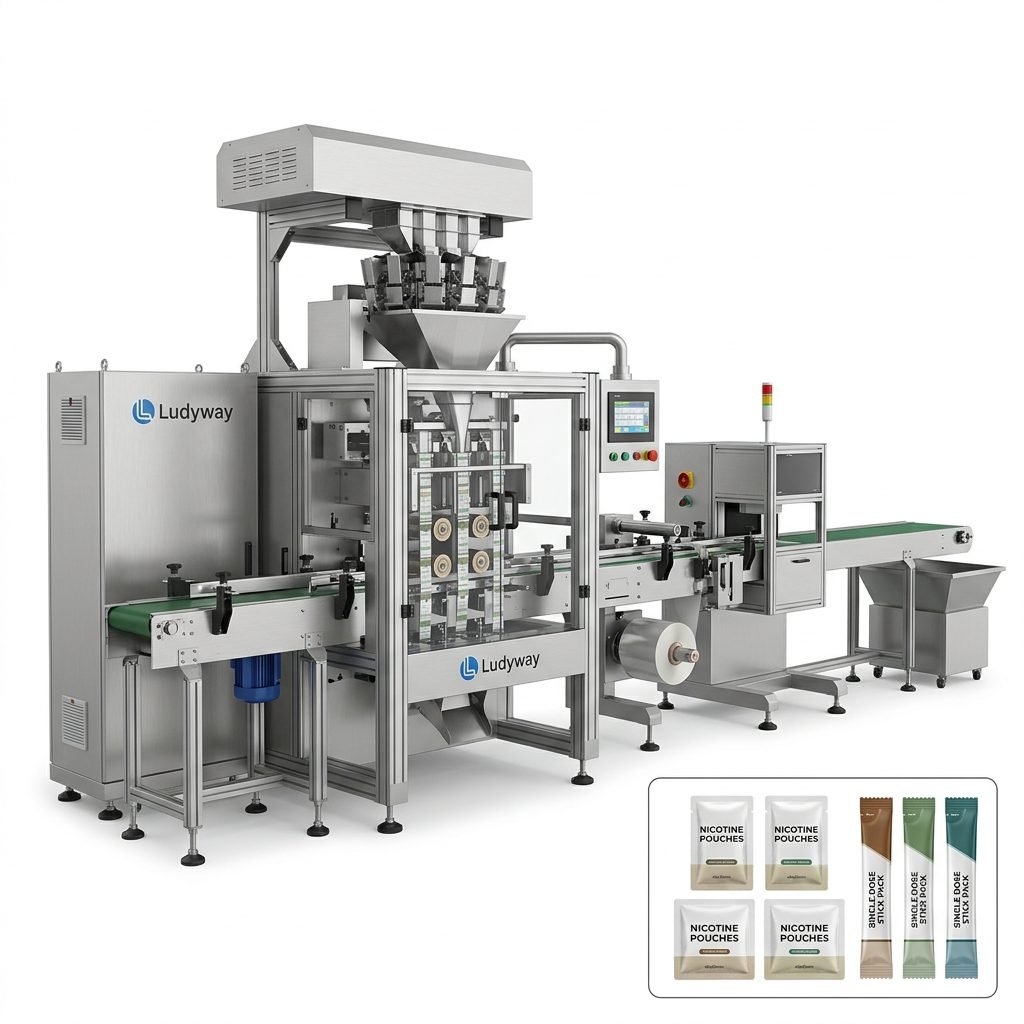
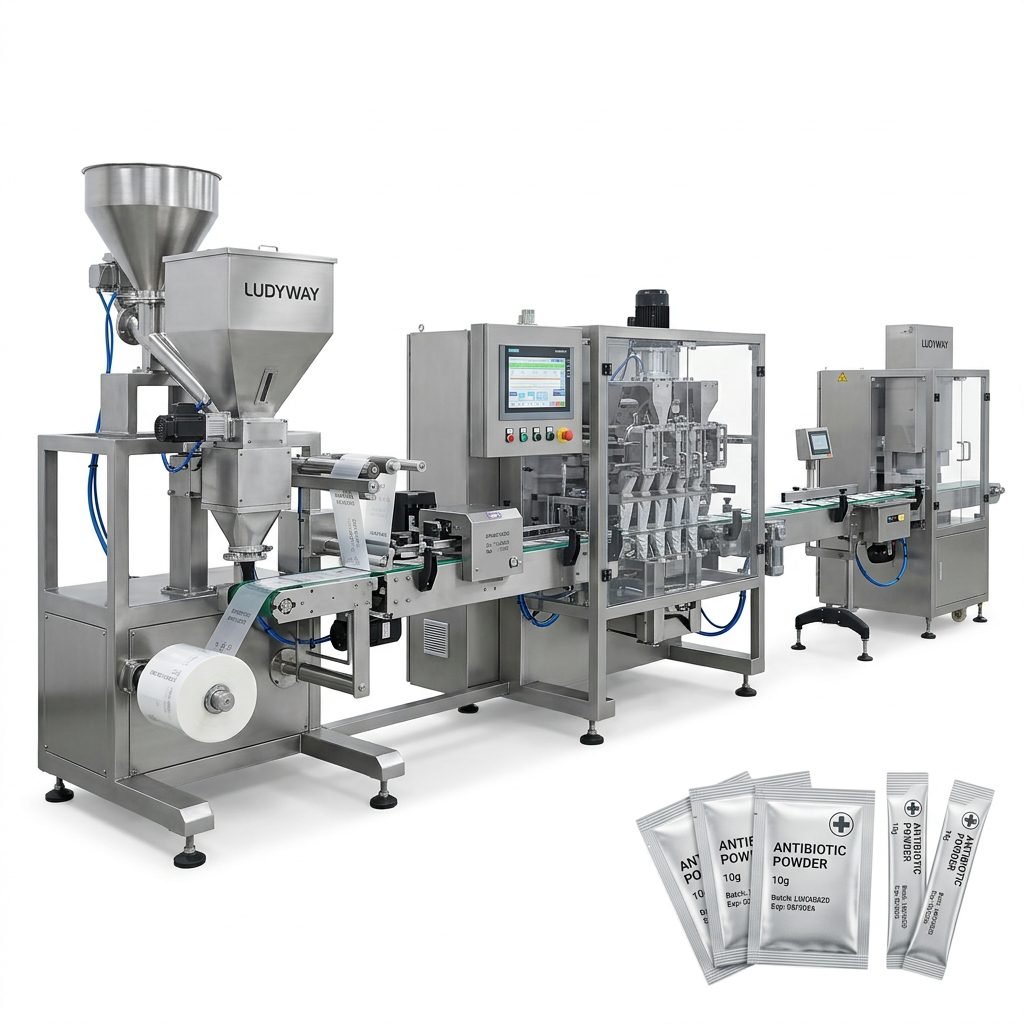
1. Stick Pack Packaging Machines
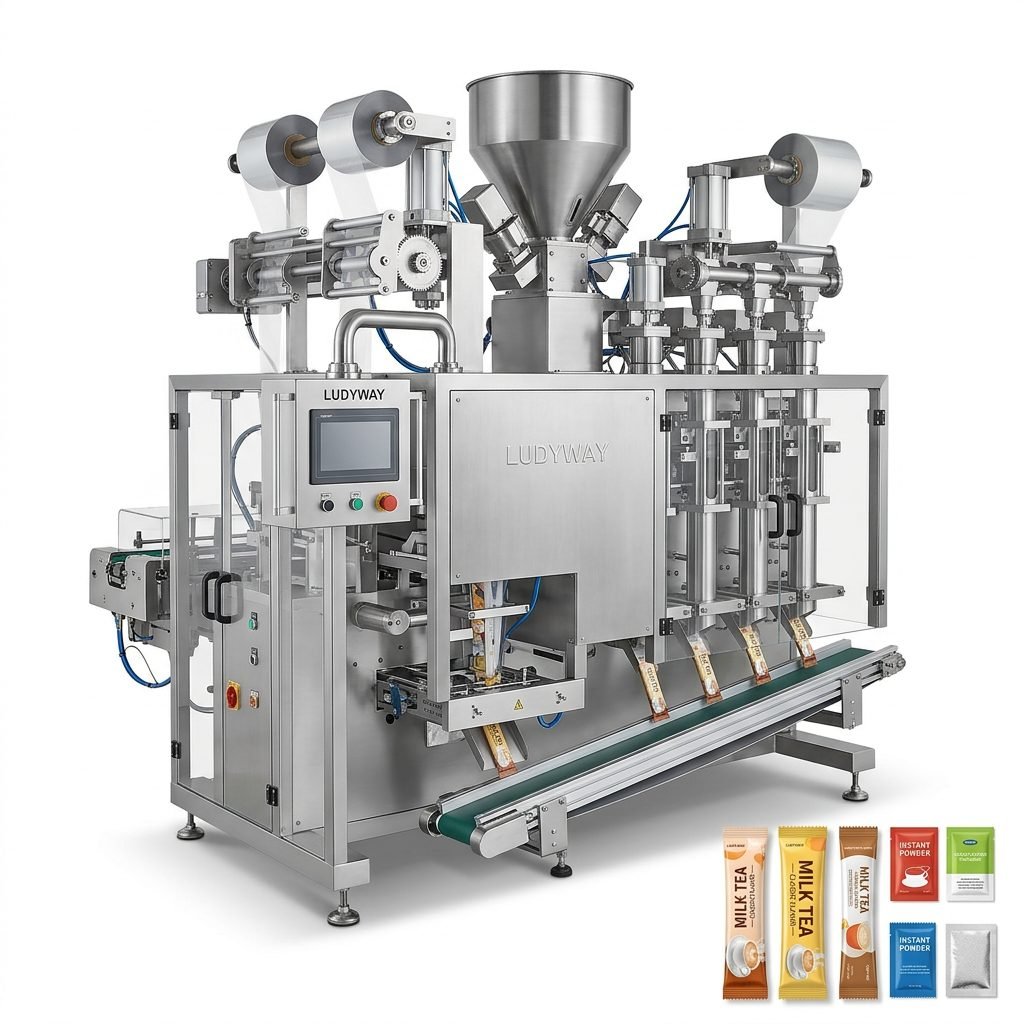
Ideal for single-serving portions of powdered tea, matcha, or instant tea mixes. These machines create long, narrow pouches that are convenient for consumers and perfect for sampling or on-the-go consumption.
Key Application: Best suited for fine powders and granulated mixes. They offer high-speed production and excellent product protection from moisture.
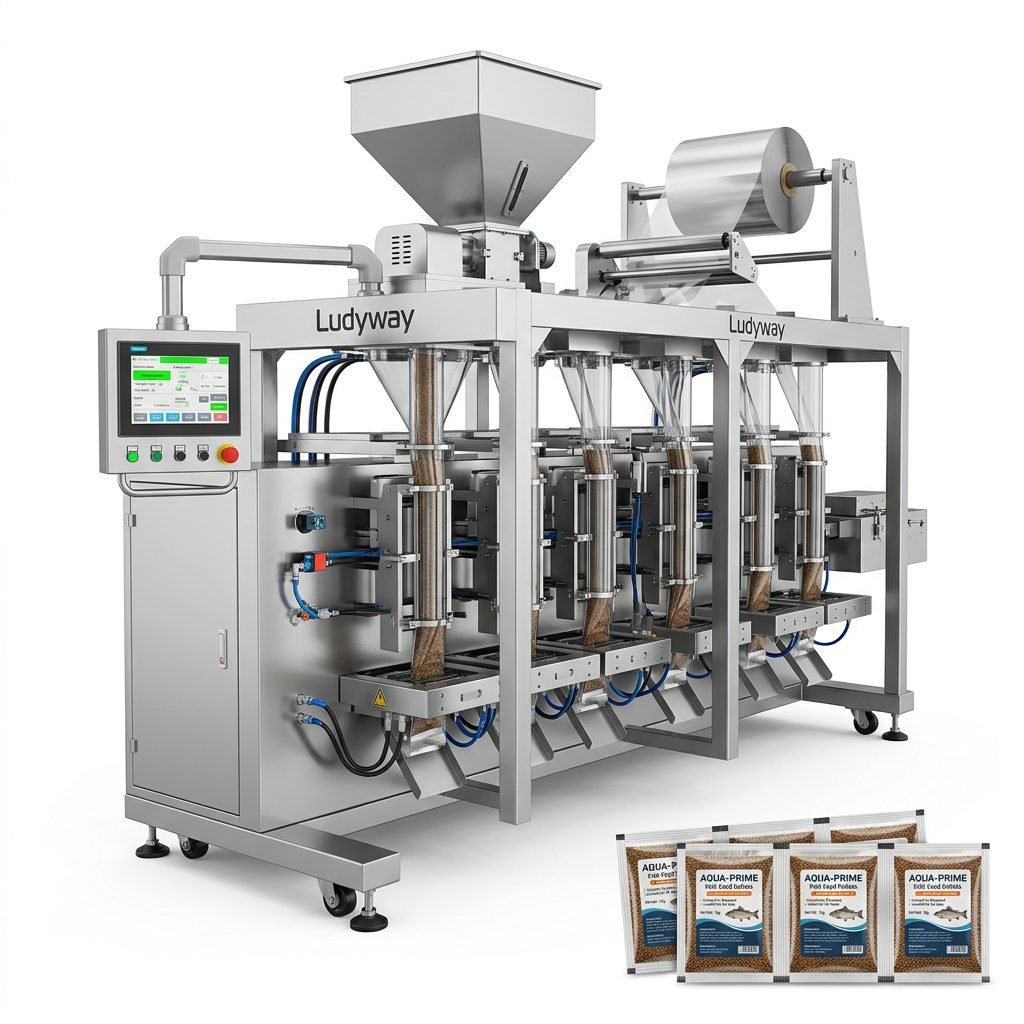
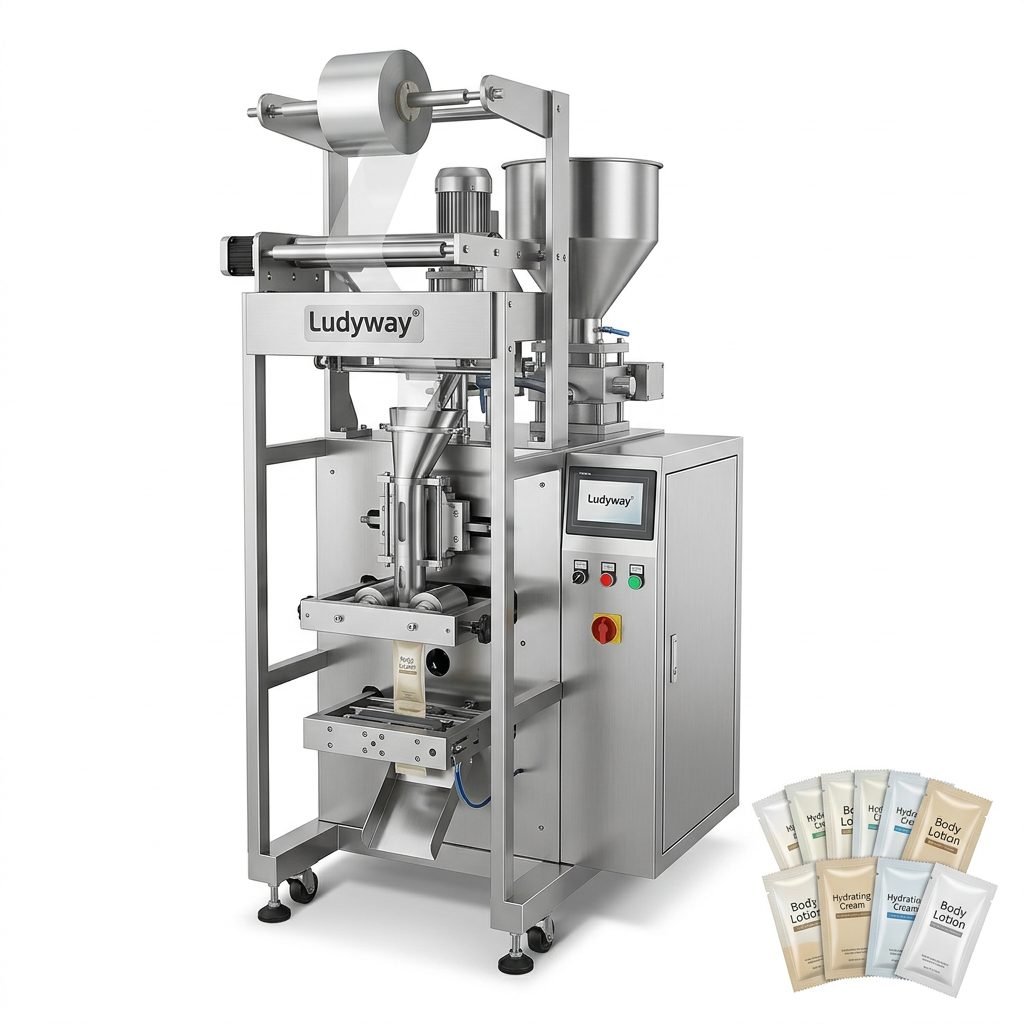
2. Sachet (Pouch) Packaging Machines
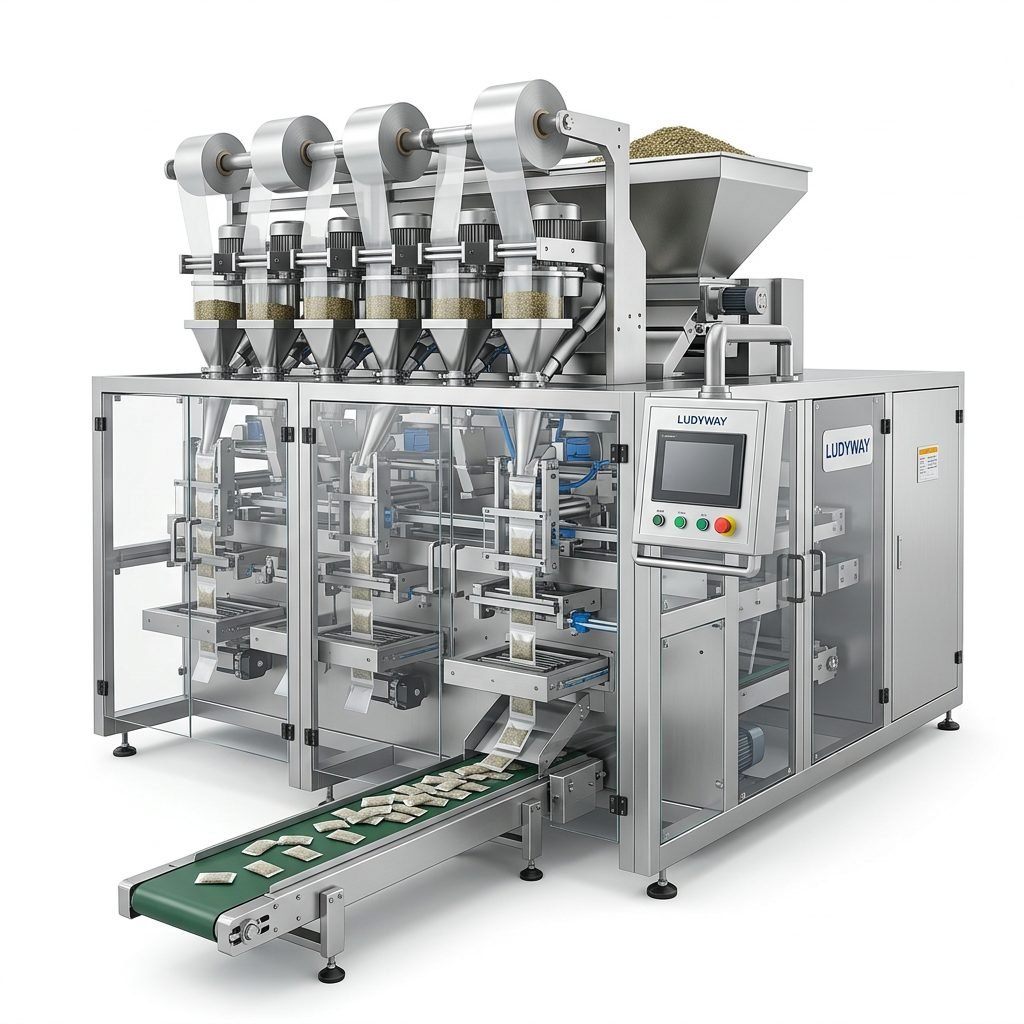
These are the most versatile machines, capable of packaging loose leaf tea, herbal blends, tea bags, and flowering teas. Sachets can be square, rectangular, or pillow-shaped, offering ample space for branding.
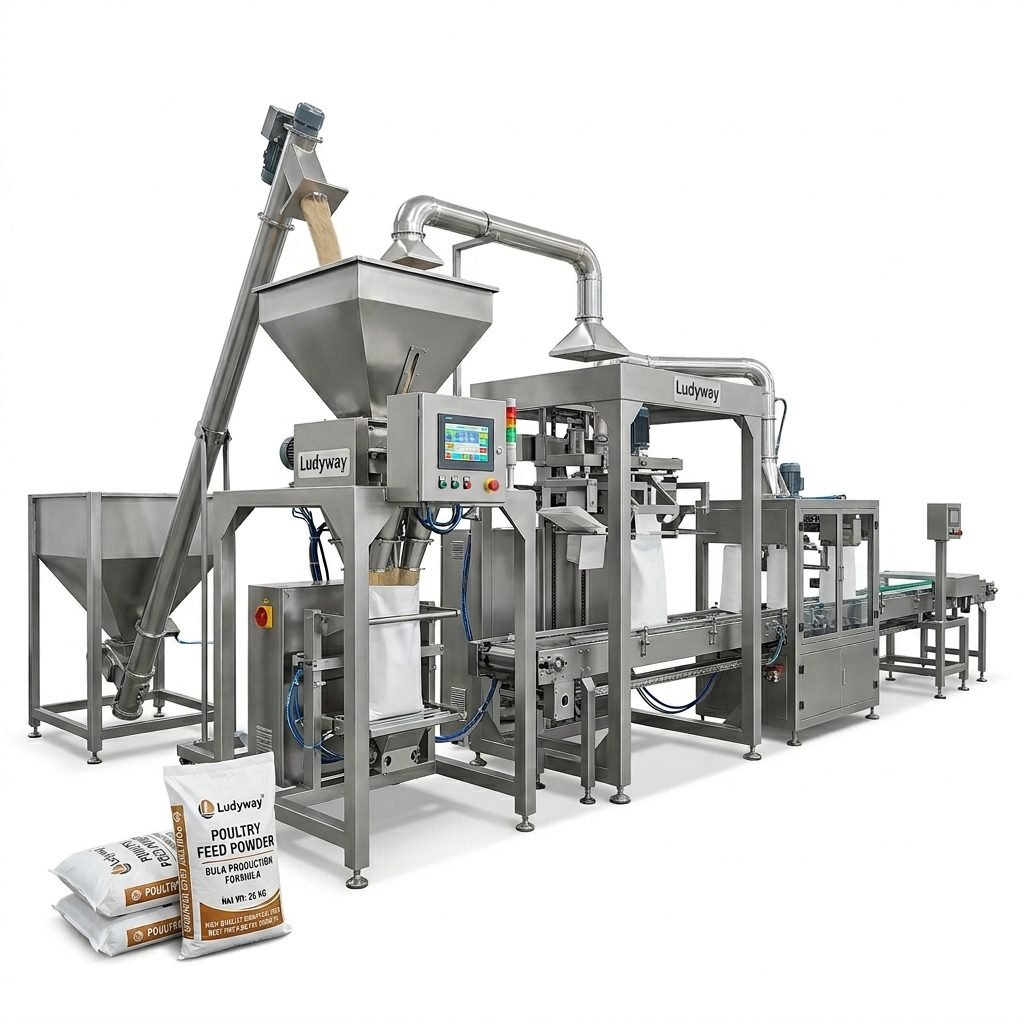
3. Bag-in-Box and Pouch Filling Machines
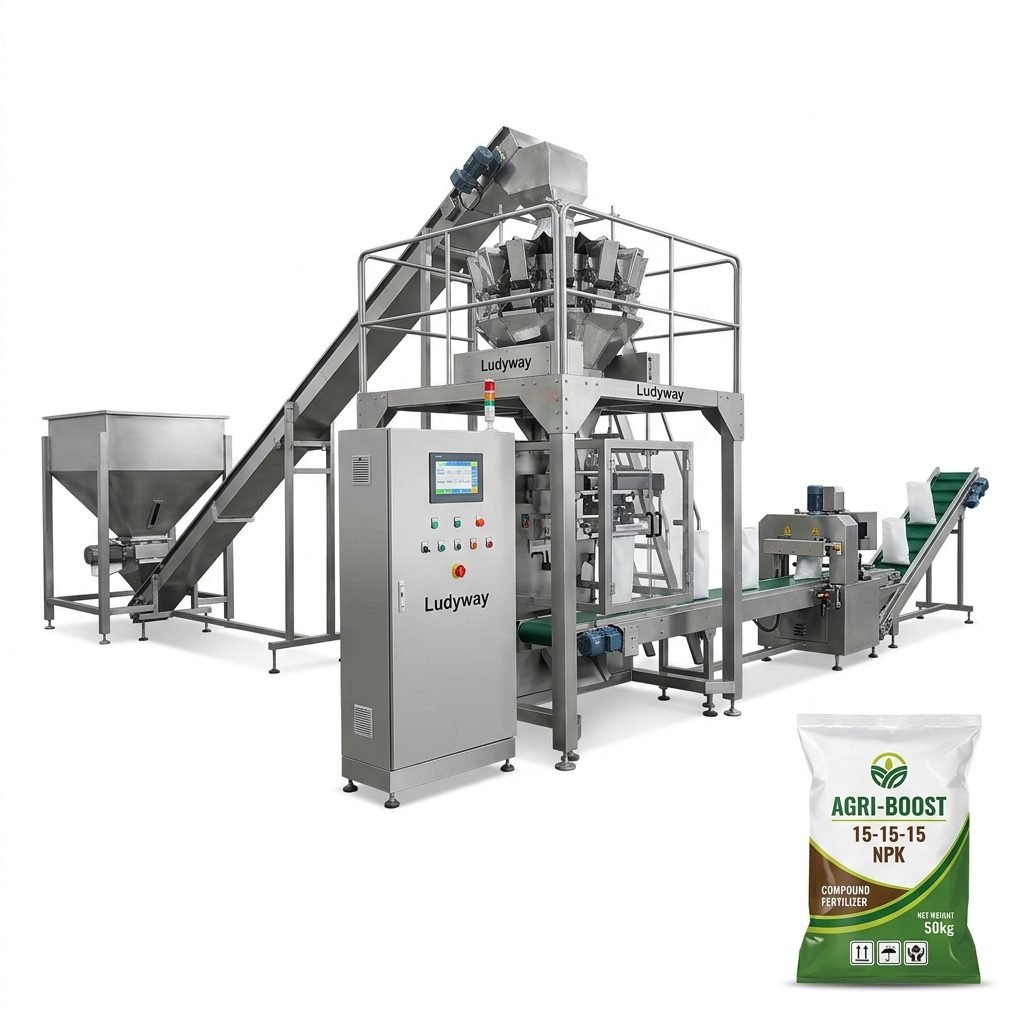
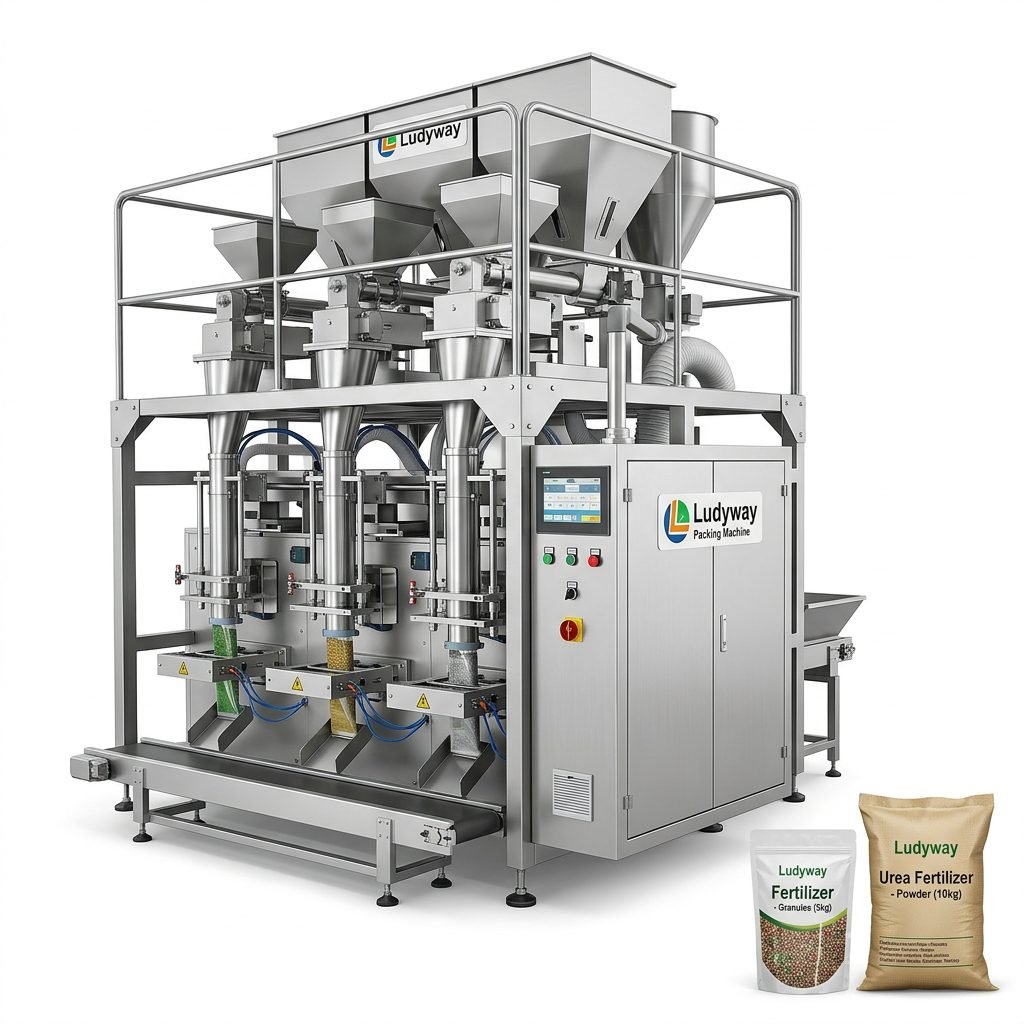
Designed for larger volumes, these systems fill pre-made bags or pouches with a precise weight of tea. They are often used for retail-sized packages (e.g., 100g, 250g) and can be semi-automatic or fully automatic.
4. Tea Bag Packaging Machines
Specialized equipment for producing traditional string-and-tag tea bags. They handle the entire process: forming the bag, filling it with tea, sealing it, attaching the string and tag, and packaging individual bags into envelopes or boxes.
Essential Features to Look For in a Tea Packager
Beyond the type, the machine’s features determine its reliability, flexibility, and ease of use. Focus on these critical aspects.
Weighing and Dosing Accuracy
Consistent weight is non-negotiable for cost control and regulatory compliance. Look for machines with high-precision load cells or volumetric cup fillers, especially for valuable loose-leaf teas.
Packaging Material Compatibility
Can the machine handle your chosen film? Ensure it works with the necessary barrier properties (like AL foil for high-end teas) and laminates (PET/AL/PE, NY/PE). Check the sealing system’s temperature control for consistent, airtight seals.
Automation Level and Speed (Output)
Match the machine’s speed (packs per minute) to your production volume. Options range from manual and semi-automatic machines for startups to fully automatic, multi-lane systems for high-volume output.
🔄 Changeover Flexibility
If you produce multiple tea varieties or package sizes, quick changeover capability is vital. Machines with tool-less adjustments for bag size and simple recipe memory functions can drastically reduce downtime.
Construction and Hygiene
Food-grade materials (like 304 stainless steel on contact parts) are essential. A design that allows for easy cleaning and maintenance (CIP/SIP features in advanced models) ensures product safety and machine longevity.
User Interface and Control System
A user-friendly PLC-based touchscreen interface simplifies operation, parameter setting, and troubleshooting. It should provide clear diagnostics and production data.
Price Range and Investment Considerations
Prices for small tea packaging machines vary widely based on type, features, and automation. Here’s a general breakdown:
- Manual / Semi-Automatic Machines: $2,000 – $15,000. Ideal for small businesses, startups, or low-volume specialty tea producers.
- Standard Automatic Single-Line Machines: $15,000 – $50,000. The workhorse for most small to medium-sized tea companies, offering a good balance of speed and affordability.
- High-Speed Multi-Lane & Fully Integrated Lines: $50,000 – $200,000+. For large-scale production requiring maximum output, often including automatic cartoning and case packing.
Remember to factor in the Total Cost of Ownership (TCO): initial purchase price, installation, training, maintenance costs, spare parts availability, and potential future upgrade paths.
How to Choose the Right Machine: A Step-by-Step Guide
Step 1: Define Your Product and Output Needs
List all tea formats you package now and plan to offer. Calculate your required average and peak daily/weekly output. This will narrow down the machine type and speed required.
Step 2: Evaluate Your Packaging Materials
Your choice of film (structure, thickness, width) dictates the machine’s specifications. Consult with both your film supplier and potential machine suppliers to ensure compatibility.
Step 3: Assess Your Floor Space and Utilities
Measure your available space. Check the machine’s footprint and required utilities (power voltage, compressed air). Ensure there is adequate room for operation, maintenance, and material handling.
Step 4: Prioritize Must-Have Features
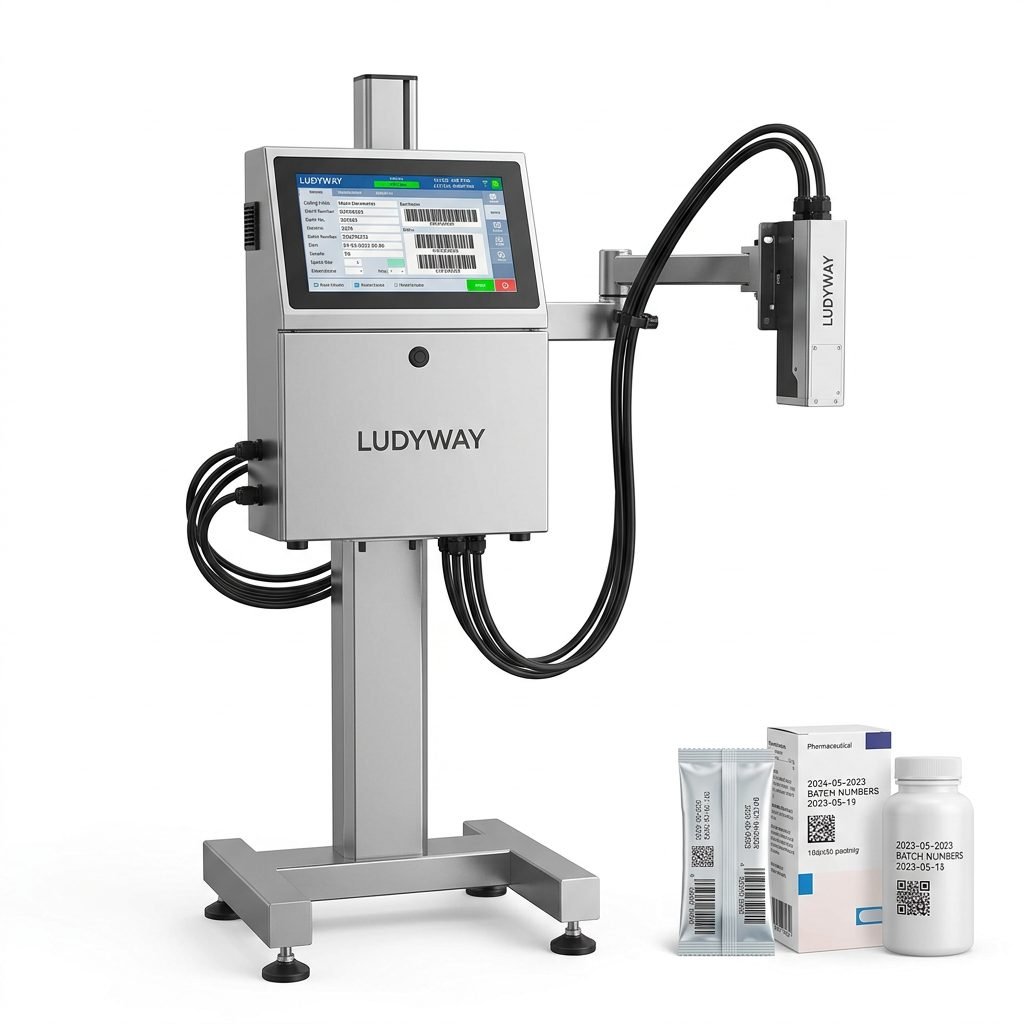
Separate “nice-to-have” features from critical ones. Is nitrogen flushing essential for your premium green tea? Is an integrated date coder a regulatory requirement?
Step 5: Research Suppliers and Request Demos
Choose reputable suppliers with proven experience in tea packaging. Request references and, most importantly, arrange a live product test using your actual tea and packaging materials. This is the only way to verify performance.
✅ Pro Tip: Focus on Service & Support
The machine’s quality is only half the story. A supplier with strong after-sales service, technical support, and readily available spare parts is crucial for minimizing production disruptions. Consider companies with a global support network if you export.
Step 6: Analyze Cost vs. Value
Don’t automatically choose the cheapest option. Analyze the long-term value in terms of reliability, efficiency gains, waste reduction, and the supplier’s support structure. A slightly higher upfront cost can lead to significant savings over time.
Partnering with an Expert Manufacturer
Navigating these choices is easier with an experienced partner. Ludyway Machinery specializes in intelligent packaging solutions for the food and beverage industry. With over 30 years of engineering experience, we offer a range of reliable sachet and stick pack machines suitable for various tea packaging applications. Our focus is on providing customized, efficient solutions backed by professional support to help businesses scale their packaging operations effectively.
Frequently Asked Questions (FAQs)
1. What is the most cost-effective type of tea packaging machine for a startup?
A semi-automatic volumetric cup filler or a single-line automatic sachet machine often offers the best balance of affordability and capability for startups. It allows for professional packaging without the high investment of a fully integrated line.
2. Can one machine package both loose-leaf tea and powdered tea?
It depends. Some sachet machines are versatile with quick changeovers for different product types. However, dedicated powder machines (like stick packers) are optimized for fine, flowing products. A supplier can recommend a machine designed for multi-product use if that’s a key requirement.
3. How important is nitrogen flushing for tea packaging?
Crucial for sensitive teas like green tea or matcha. Nitrogen flushing removes oxygen from the package, drastically slowing oxidation and preserving flavor, color, and nutritional content. It extends shelf life significantly.
4. What are the common maintenance requirements for these machines?
Daily cleaning, regular lubrication of moving parts, inspection and replacement of wear parts (like sealing jaws, cutting blades, and feed augers), and calibration of the weighing system are standard. A good supplier will provide a clear maintenance schedule.
5. How long does it typically take to install and commission a new machine?
For a standard automatic machine, installation and commissioning by a technician can take 3-7 days, including setup, calibration, and operator training. More complex integrated lines require more time. On-site support from the supplier is highly recommended.