For modern farmers and agricultural producers, efficient and reliable packaging is a critical link in the supply chain. It protects products from farm to market, preserves freshness, enhances brand appeal, and ensures compliance with safety standards. Choosing the right agricultural packaging equipment is therefore a significant investment that impacts productivity, costs, and product quality. This guide explores the top types of packaging equipment available and provides a framework for selecting the optimal solutions for your specific farm operations.
Essential Types of Agricultural Packaging Equipment
The agricultural sector utilizes a diverse range of packaging machinery, each designed for specific product forms and production scales. Understanding these core types is the first step toward making an informed decision.
1. Granule and Seed Packaging Machines
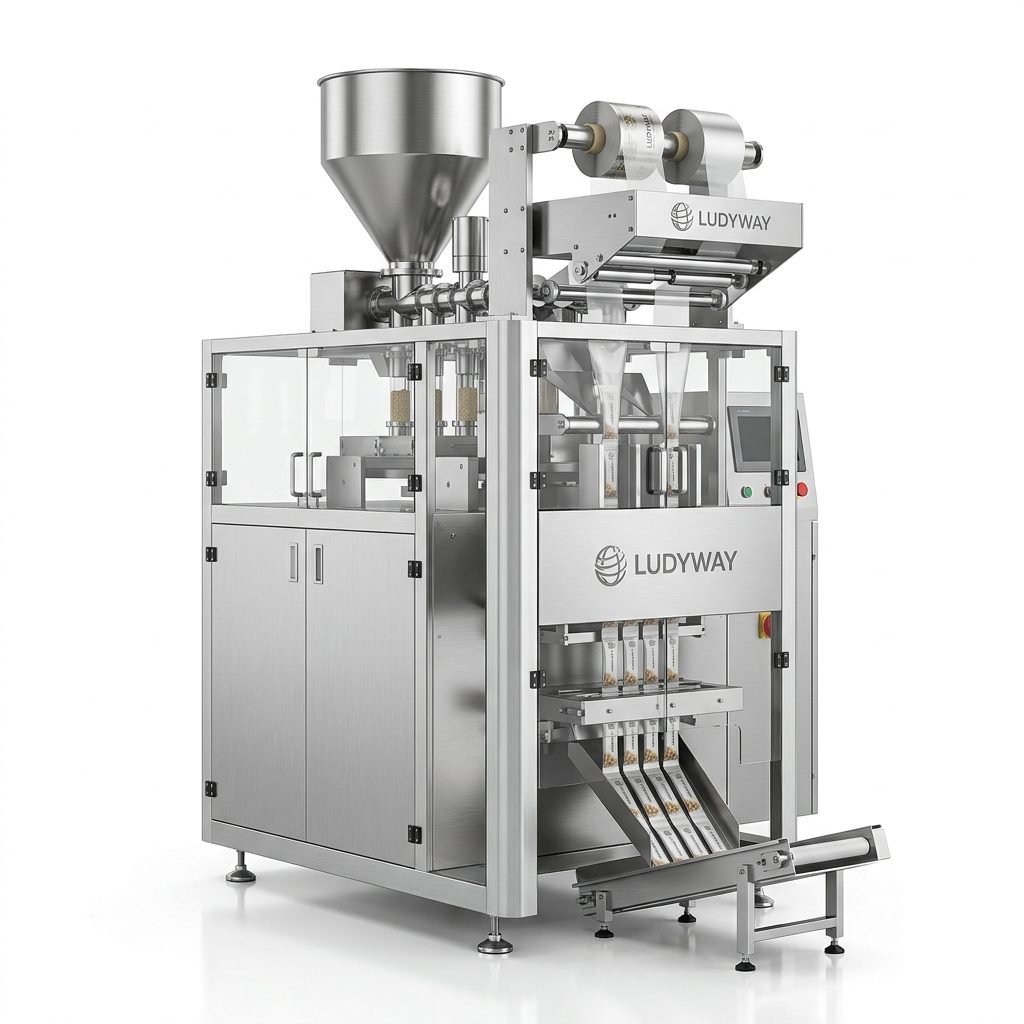
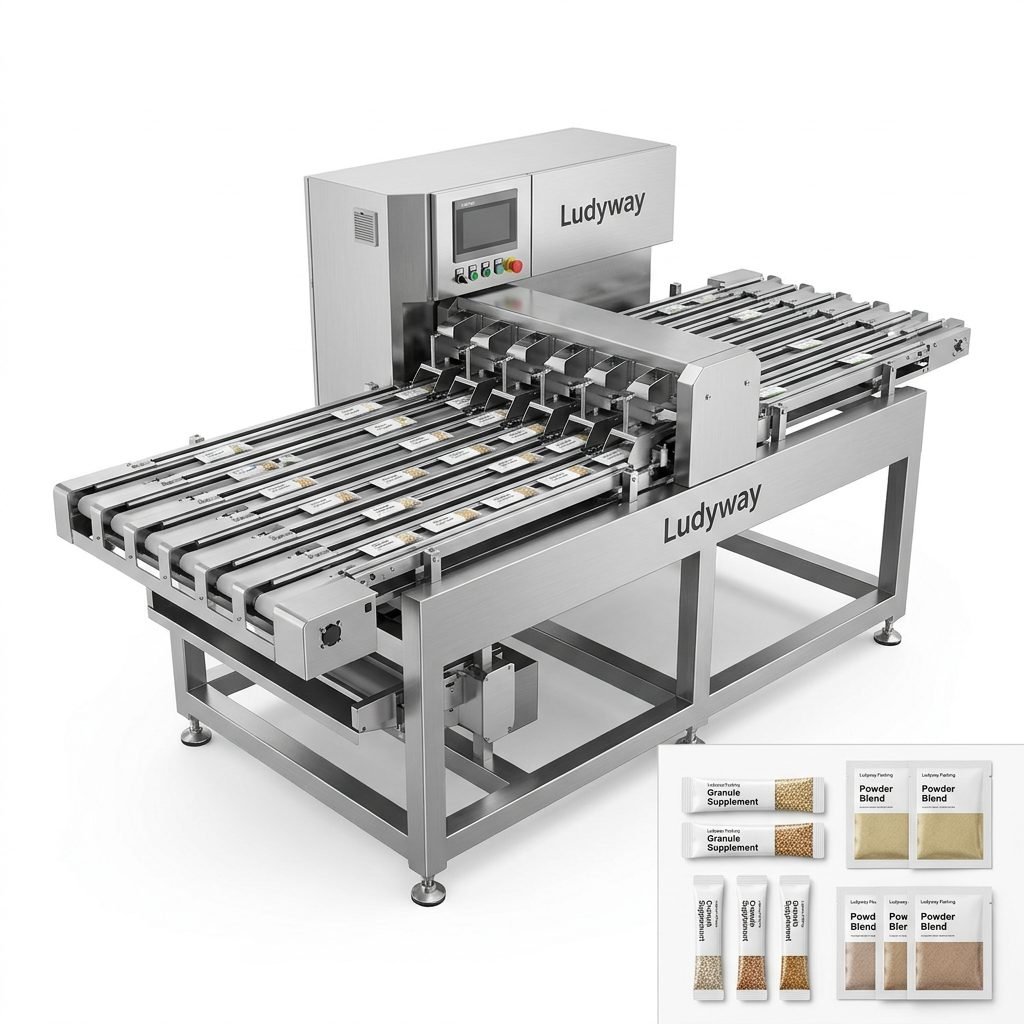
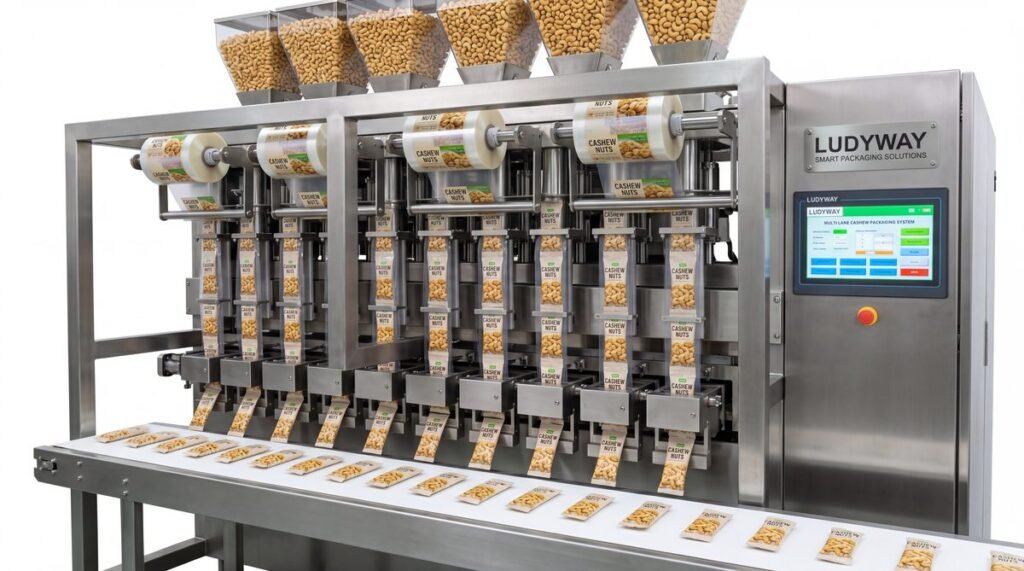
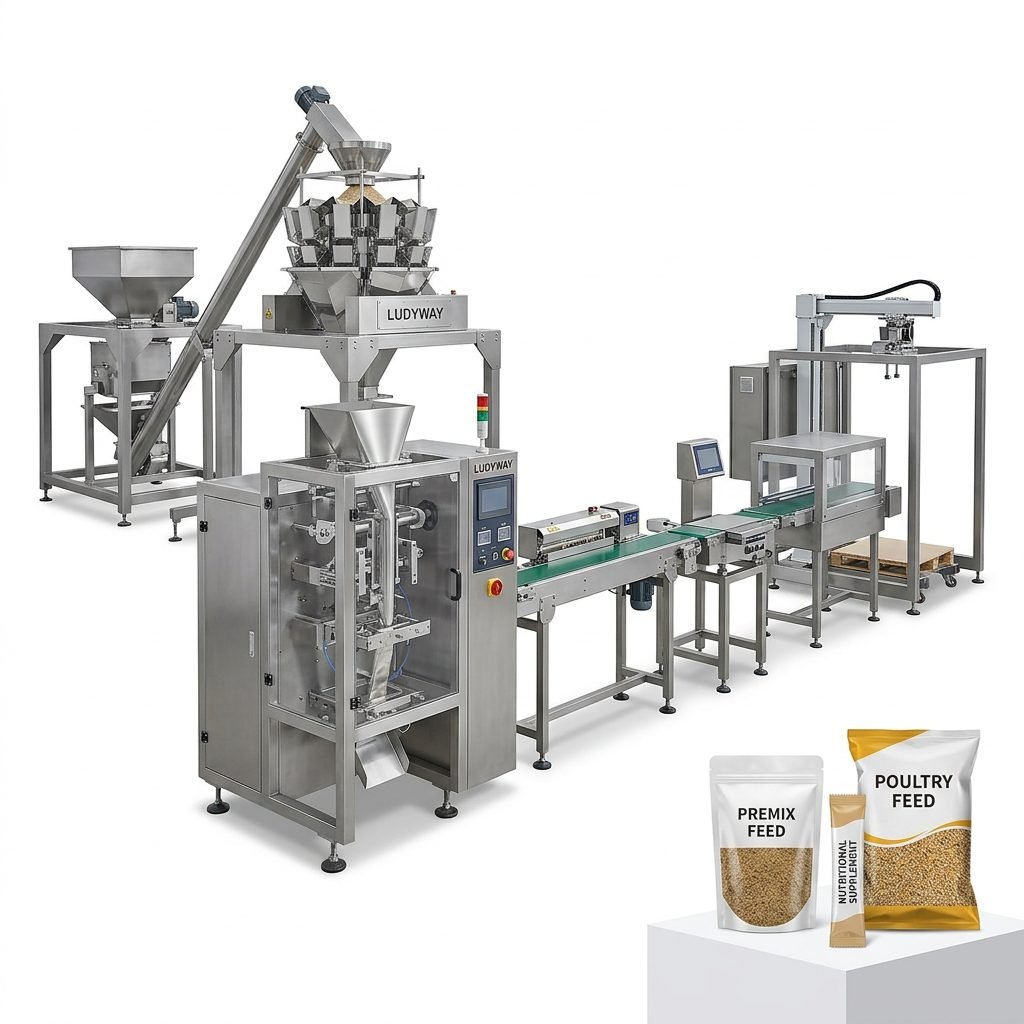
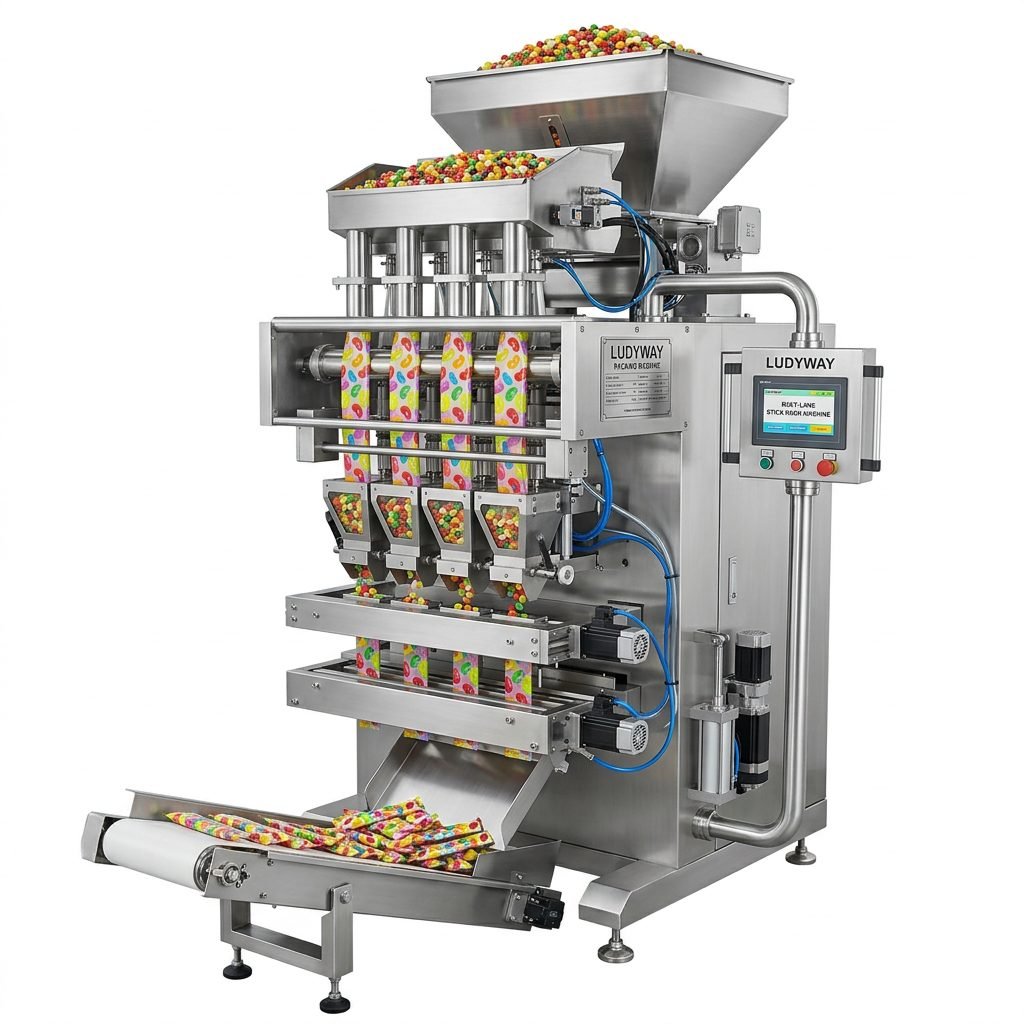
These machines are engineered to handle dry, free-flowing granular products such as seeds, grains, pulses, beans, and certain fertilizers. Precision is paramount here to ensure accurate weight measurement for each package. Modern granule packaging machines often employ advanced multi-head weighers or volumetric cup fillers for high-speed, consistent dosing. They can form various package styles, including bags, pouches, and stick packs, which are popular for single-serve seed portions or garden inputs. Reliable sealing mechanisms protect contents from moisture and contamination.
2. Powder Packaging Equipment
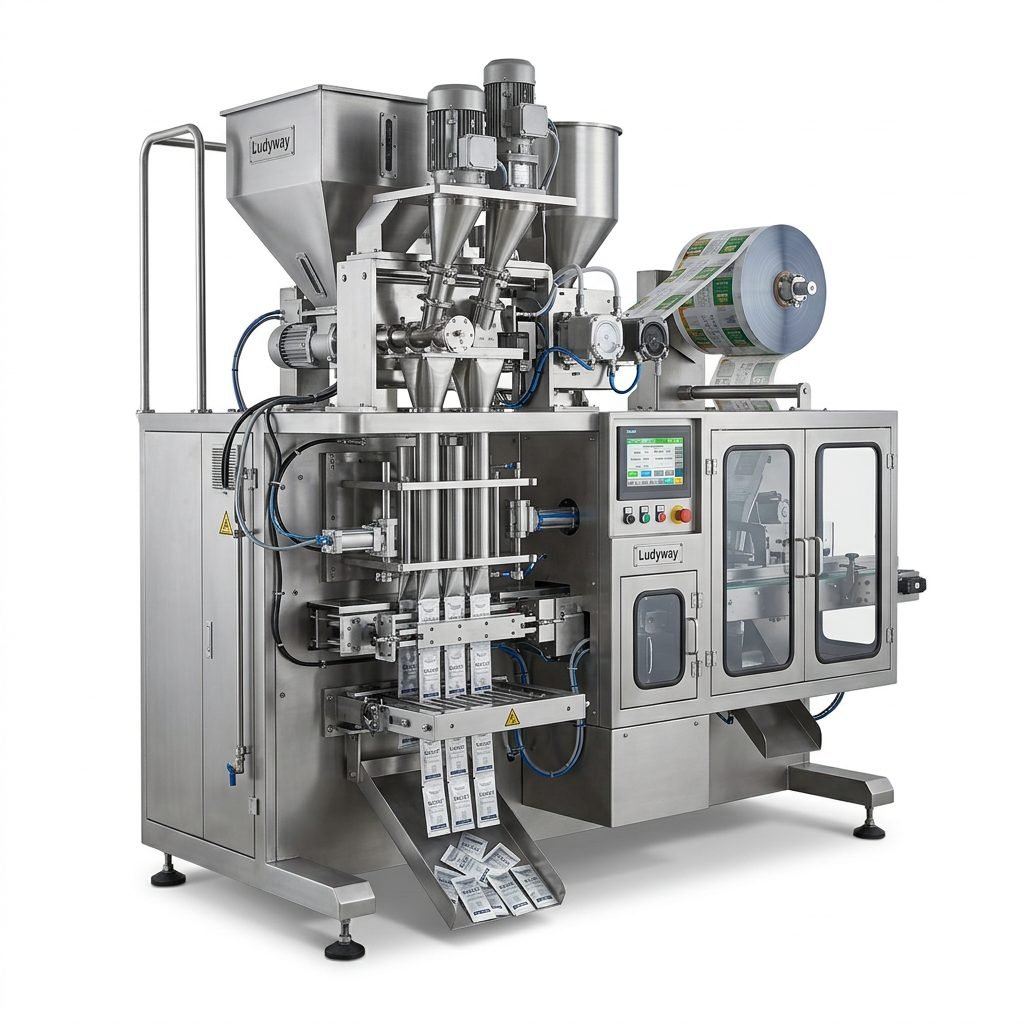
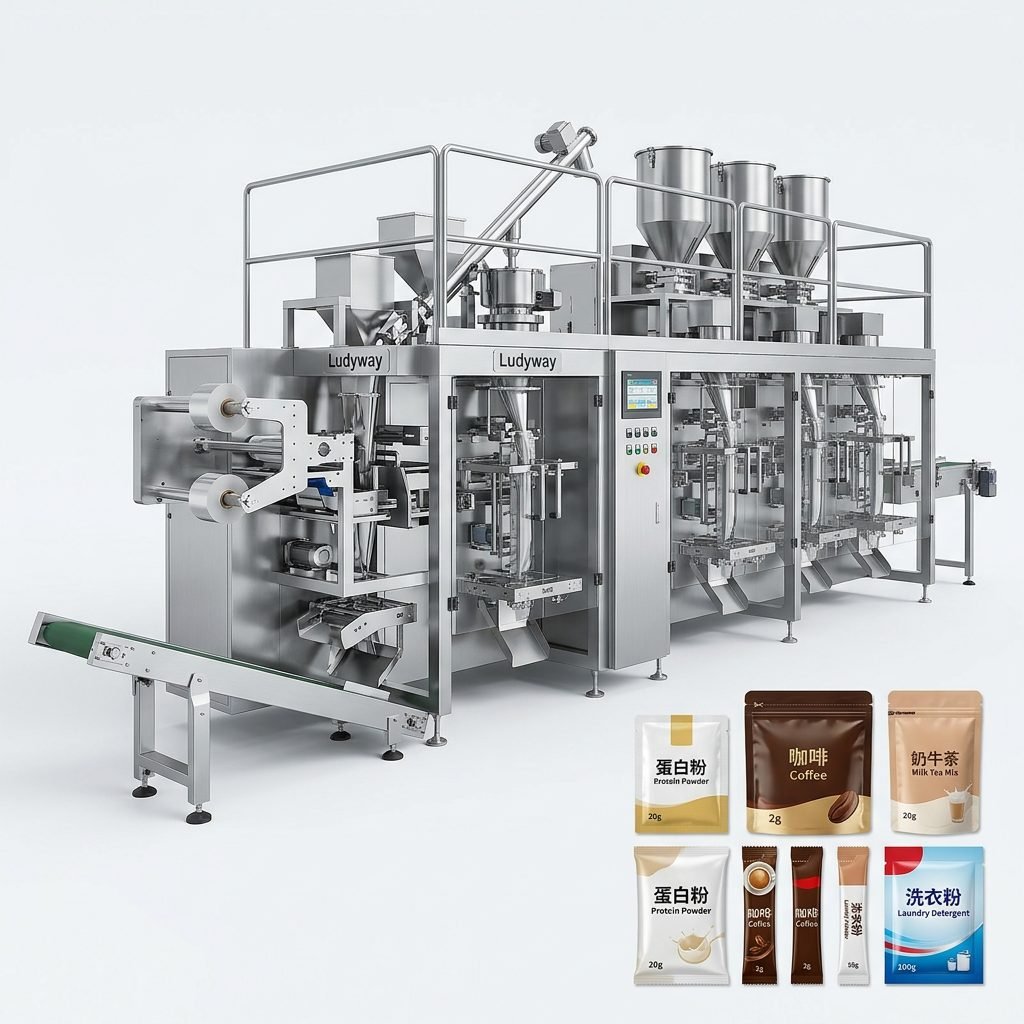
Agricultural powders include items like milk powder, flour, spices, powdered fertilizers, soil amendments, and pesticide formulations. Packaging powders presents unique challenges due to dust generation and potential compaction. Powder packaging machines typically use auger filler systems, which offer excellent accuracy and minimize airborne dust. These systems can be paired with form-fill-seal (FFS) machines to create sealed pouches or sachets. For larger quantities, valve bagging systems are common. Effective dust extraction systems are often integrated to maintain a clean production environment and protect operator health.
3. Liquid and Viscous Product Fillers
From honey and maple syrup to oils, vinegar, and liquid fertilizers, many farm products are in liquid form. Liquid fillers range from simple gravity-fed machines to sophisticated piston or pump fillers that handle products of varying viscosities. Accuracy and cleanliness are critical to prevent waste and ensure package integrity. These fillers are often part of a complete liquid packaging line that may include capping, labeling, and casing equipment. For products like fresh juices or dairy, aseptic filling technology might be necessary to extend shelf life without refrigeration.
Sub-Category: Pouch Packaging for Liquids
Stand-up pouches for liquids have gained immense popularity due to their lightweight, retail-friendly design, and reduced material use compared to rigid bottles. Specialized vertical form-fill-seal (VFFS) machines with liquid filling attachments can produce these pouches efficiently, making them a versatile choice for value-added farm products.
4. Form-Fill-Seal (FFS) Machines: The Versatile Workhorse
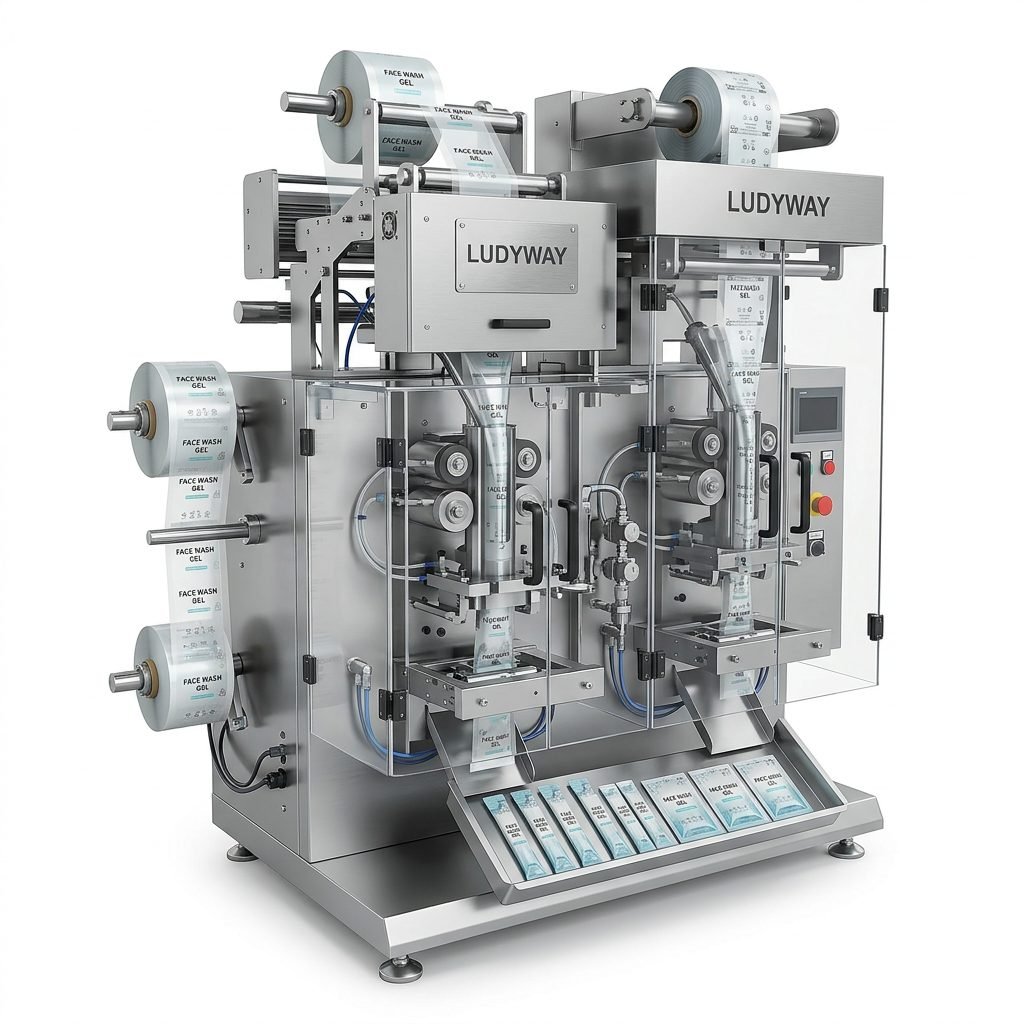
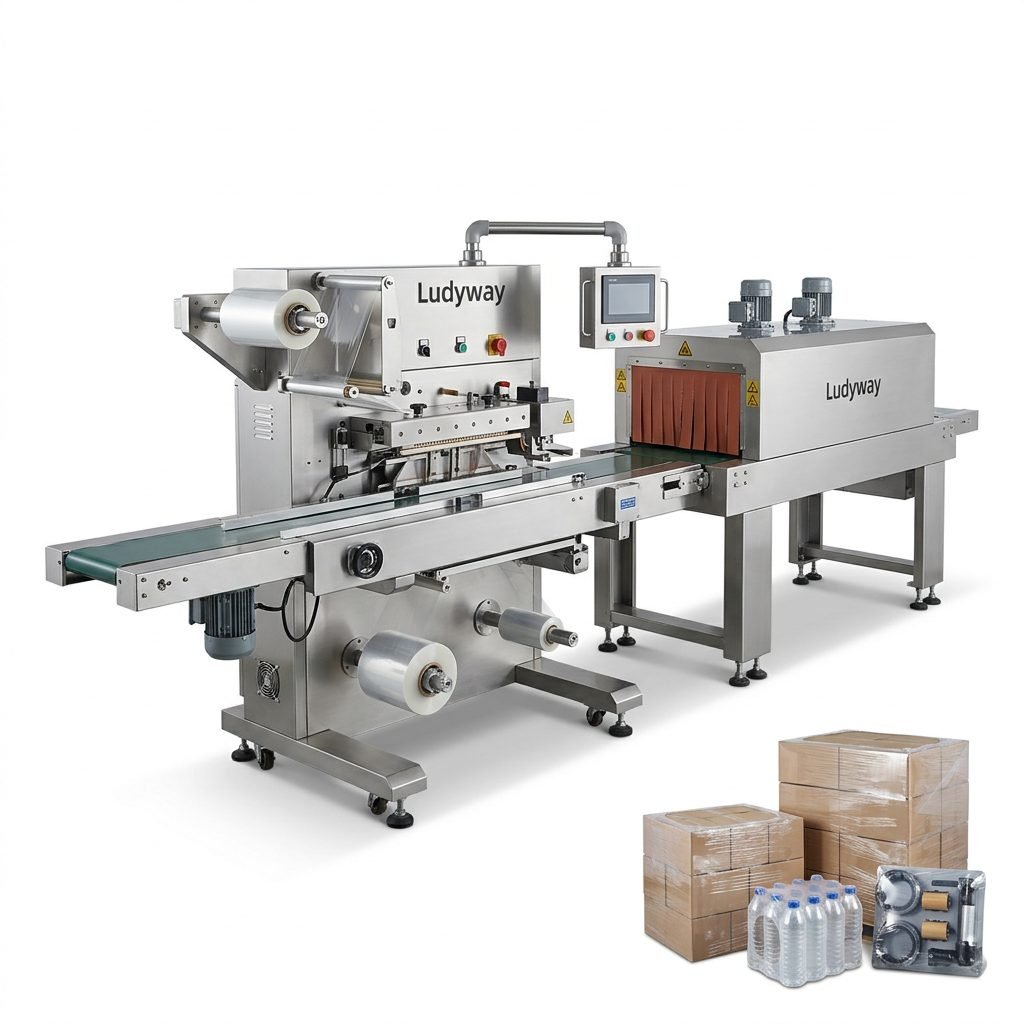
Form-Fill-Seal technology is central to modern flexible packaging. These machines form a package from a roll of film, fill it with product, and seal it—all in one continuous, automated process. They are incredibly versatile and can produce a wide array of package styles:
- Sachets: Small, single-serve packs for sauces, dressings, or seeds.
- Stick Packs: Slim, elongated packs ideal for drink mixes, powders, or agri-chemical samples.
- Pouches: Larger bags for grains, powders, or fresh produce like salads.
The primary advantage of FFS systems is their efficiency, reduced film waste, and ability to create hermetic seals that prolong shelf life. They can be integrated with various filling systems discussed above.
5. Weighing and Bagging Systems for Bulk Produce
For farms dealing with large volumes of fresh fruits, vegetables, or root crops, automated weighing and bagging systems are essential. These systems often start with a multi-head weigher that precisely portions produce by weight. The weighed portions are then delivered to a bagging machine, which opens a pre-made bag (often with handles), fills it, and may close it via tying, heat-sealing, or labeling. These high-speed systems are crucial for meeting the packaging demands of commercial harvests.
How to Choose the Right Packaging Solutions for Your Farm
Selecting equipment is not just about the machine itself; it’s about finding a solution that aligns with your entire operation. Follow this structured approach to evaluate your options.
Step 1: Analyze Your Product and Packaging Requirements
Begin with a deep understanding of what you are packaging.
- Product Form: Is it granular, powdery, liquid, solid, or a combination?
- Product Characteristics: Is it abrasive, dusty, oily, fragile, or sticky? This affects material compatibility.
- Packaging Style: What is your market demanding? Consider consumer pouches, retail bags, bulk sacks, or stick packs.
- Regulatory Compliance: Ensure the machine and packaging process meet food safety (e.g., FDA, USDA) or agricultural chemical regulations.
Step 2: Evaluate Your Production Scale and Growth Plans
Your current and future output dictates the machine’s capacity and automation level.
Small to Medium Farms: Might prioritize semi-automatic machines that offer a balance between cost, flexibility, and reasonable output. A single-head auger filler or a basic vertical bagger could be sufficient.
Large-Scale or Contract Farming Operations: Will require fully automated, high-speed lines. This could involve multi-lane stick pack machines, rotary liquid fillers, or integrated weighing-bagging lines to maximize throughput and minimize labor costs.
Step 3: Assess Key Machine Features and Supplier Credentials
Look beyond the brochure specifications. Key features to investigate include:
- Accuracy & Speed: What is the fill accuracy (e.g., ±0.5%) and packages-per-minute rate?
- Flexibility: How quickly can you changeover between different package sizes or products? Quick-change parts are valuable.
- Durability & Construction: Agricultural environments can be demanding. Look for robust frames and food-grade, corrosion-resistant materials like stainless steel in contact areas.
- Ease of Cleaning & Maintenance: Machines designed with sanitation in mind (e.g., with smooth surfaces, easy disassembly) reduce downtime and meet hygiene standards.
Equally important is choosing a reputable supplier like Ludyway Packing Machine, which brings over 30 years of industry experience. A strong supplier offers:
- Comprehensive technical support and training.
- Availability of spare parts and reliable service.
- The ability to provide customized or turnkey solutions tailored to your specific line integration needs.
- A proven track record with similar agricultural applications.
Step 4: Consider Total Cost of Ownership (TCO) and ROI
The purchase price is just one component. Calculate the Total Cost of Ownership, which includes:
- Energy consumption.
- Required consumables (film, tags, etc.).
- Maintenance and potential repair costs.
- Labor requirements to operate the machine.
Weigh this TCO against the expected Return on Investment (ROI). Benefits contributing to ROI include increased packaging speed, reduced product giveaway through improved accuracy, lower labor costs, enhanced product presentation leading to higher sales, and reduced material waste.
FAQs: Common Questions About Agricultural Packaging Equipment
1. What is the most important factor when choosing a packaging machine for my farm?
The single most important factor is product compatibility. The machine must be specifically designed and tested to handle the physical characteristics (size, shape, flowability, abrasiveness) of your agricultural product reliably and without causing damage. All other decisions flow from this fundamental requirement.
2. Can one machine package different types of products (e.g., seeds and powder)?
Some machines offer a degree of flexibility, but it is often limited. While a multi-purpose auger filler might handle similar-sized granules and coarse powders, significant changeovers (e.g., from liquids to powders) typically require different filling systems. The most efficient solution for handling vastly different products is often separate, dedicated machines or modular systems designed for quick changeover.
3. How do I know if I need a semi-automatic or fully automatic machine?
This decision hinges on your production volume and labor model. Semi-automatic machines require an operator to perform tasks like placing bags or initiating cycles. They are ideal for lower volumes, seasonal operations, or farms with limited capital. Fully automatic machines run with minimal human intervention, often integrated into a continuous line. They are necessary for high-volume, consistent output where maximizing throughput and minimizing labor cost per unit are critical.
4. What kind of after-sales support should I expect from the supplier?
You should expect comprehensive support, including detailed installation guidance (potentially on-site), thorough operator and maintenance training, clear documentation (manuals, parts lists), readily available spare parts, and access to technical support via phone or email. A reliable supplier, such as one with a long-standing reputation, will view after-sales service as a partnership to ensure your long-term success.
5. How can I future-proof my packaging equipment investment?
To future-proof your investment, select equipment from a supplier known for innovation and support. Choose machines with a modular design that allows for upgrades (e.g., adding a coder, a different filler head). Opt for controls that can be updated with new software. Most importantly, partner with a supplier who understands the agricultural sector’s evolving needs and can help you scale or adapt your packaging line as your business grows and market trends shift.