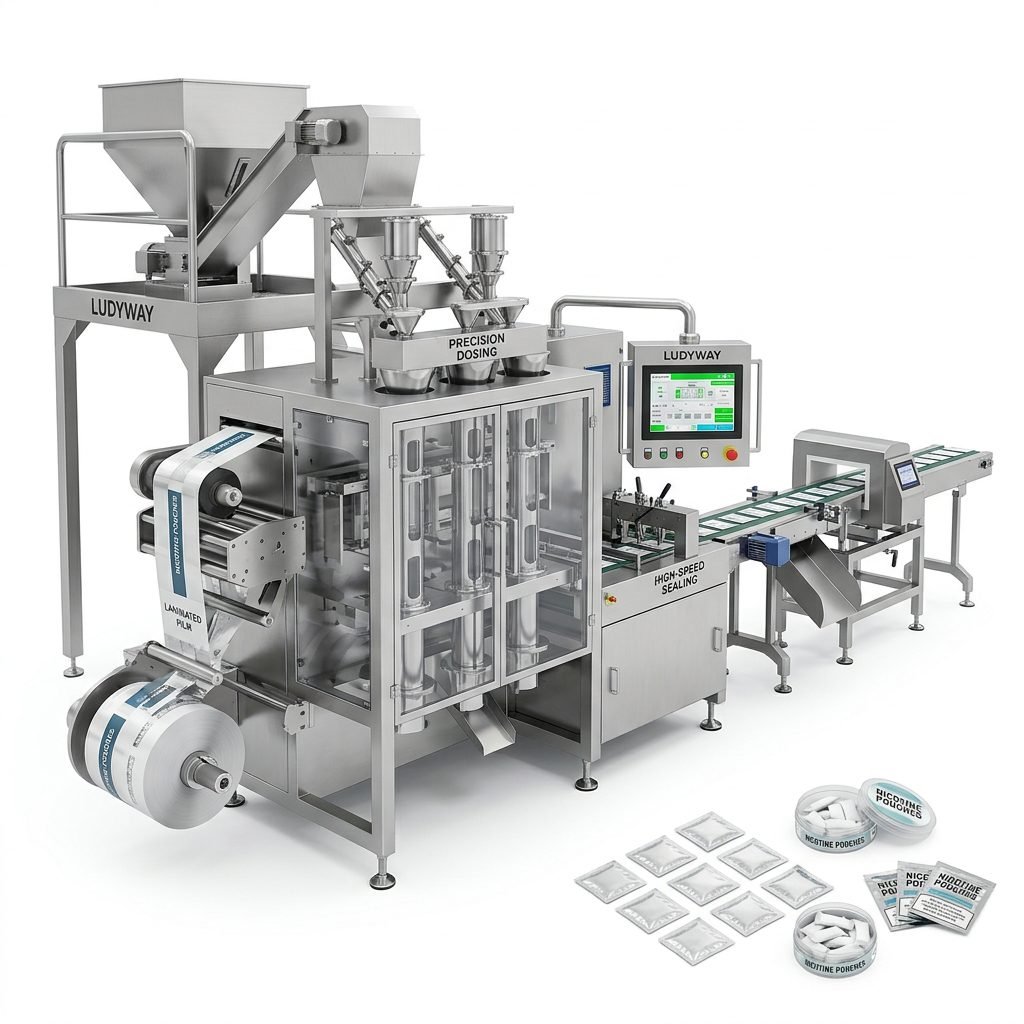
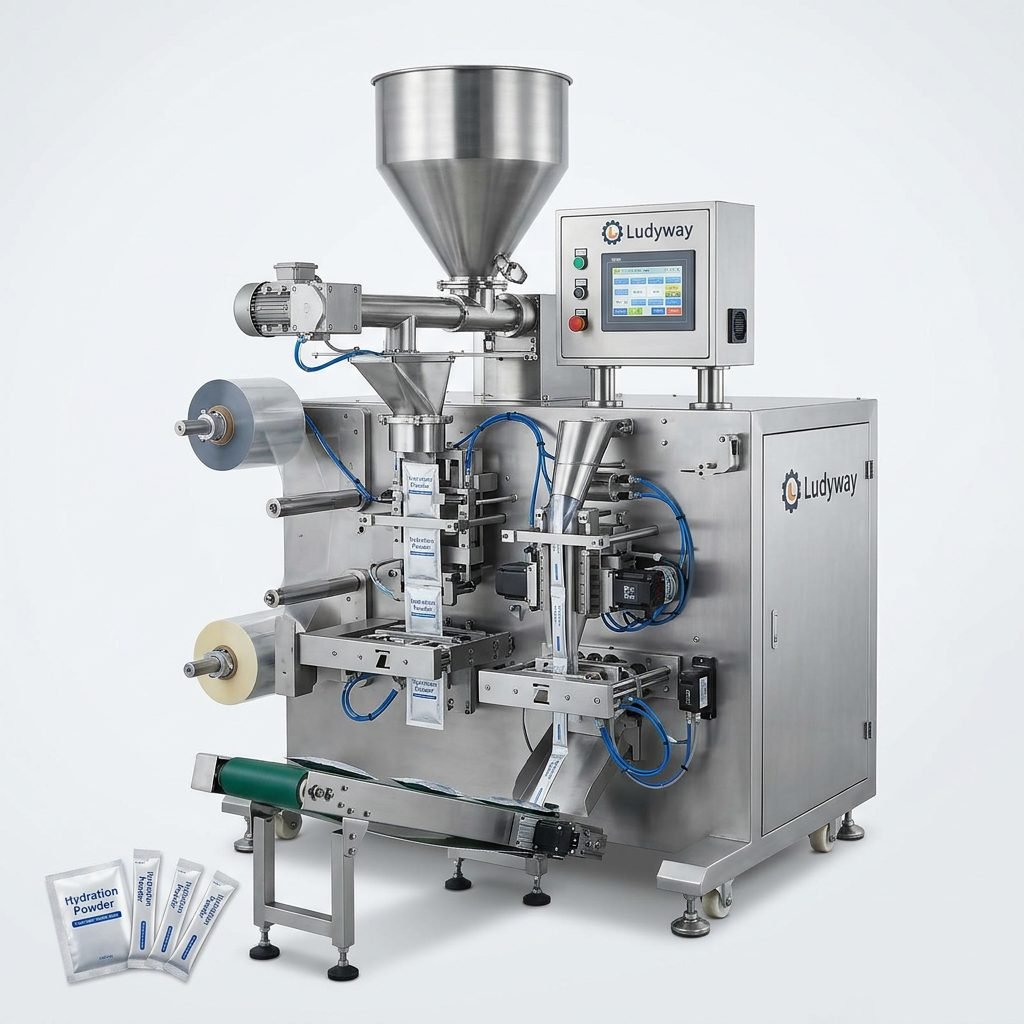
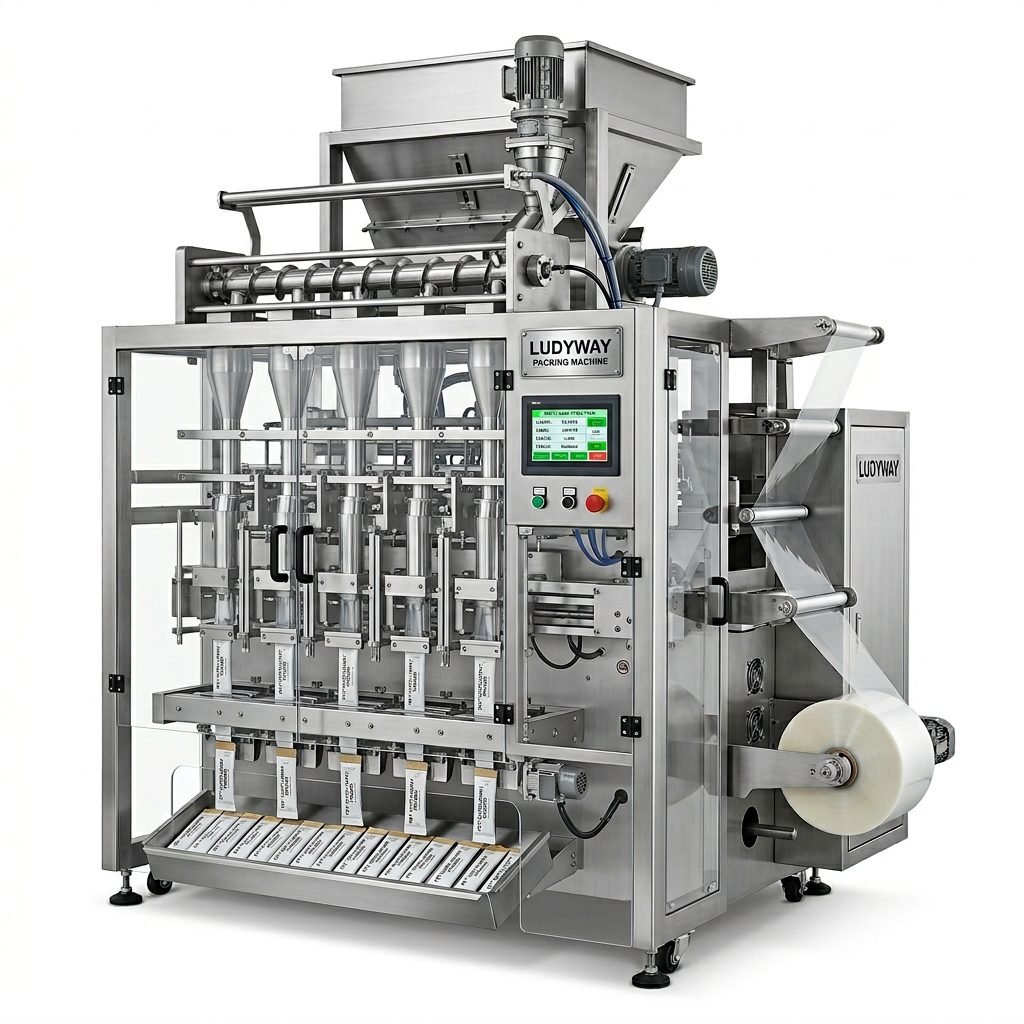
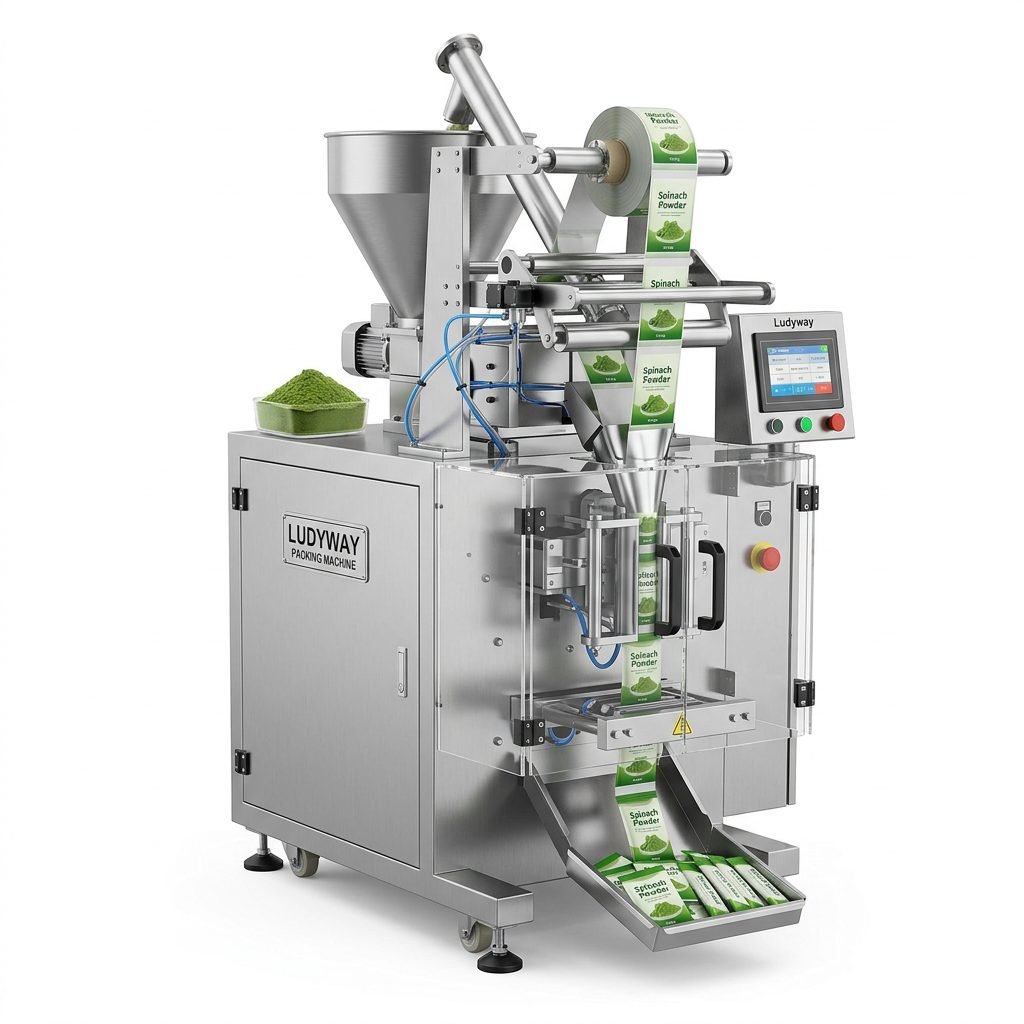
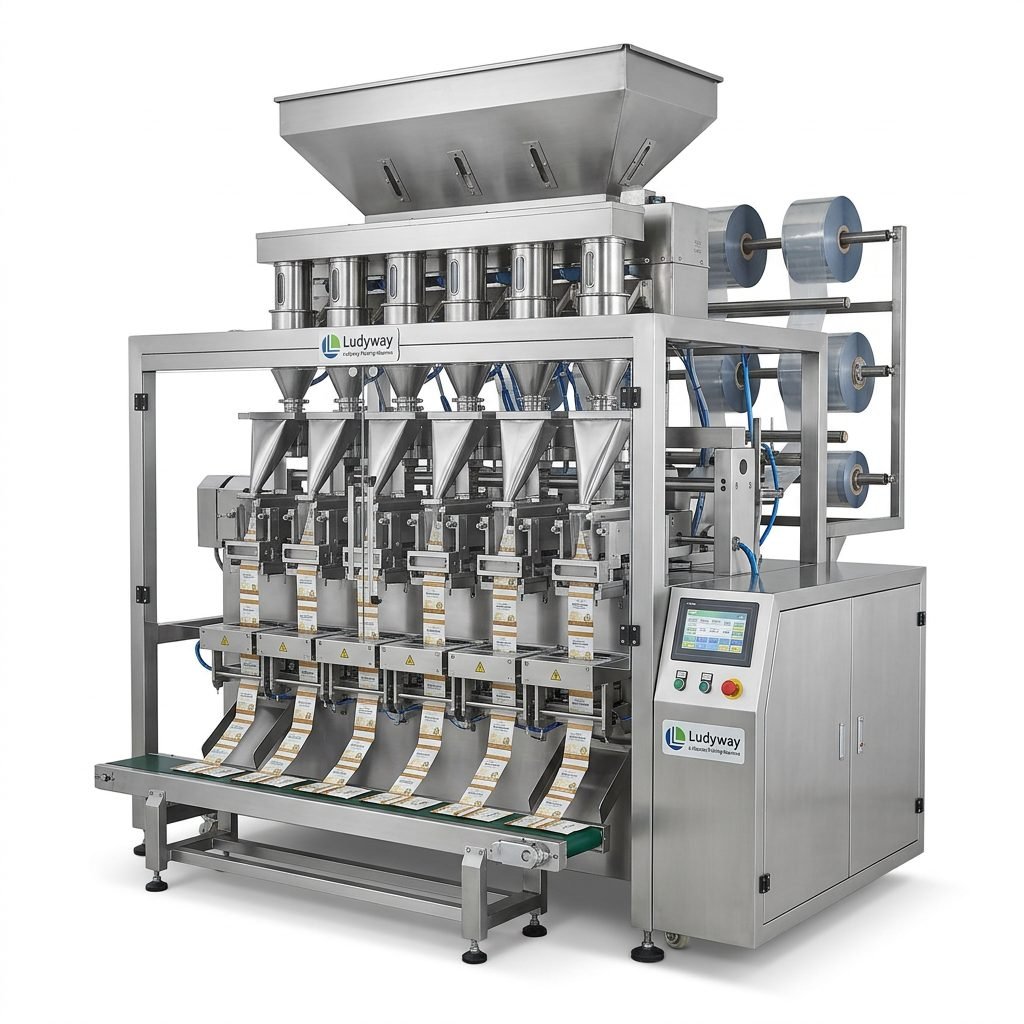
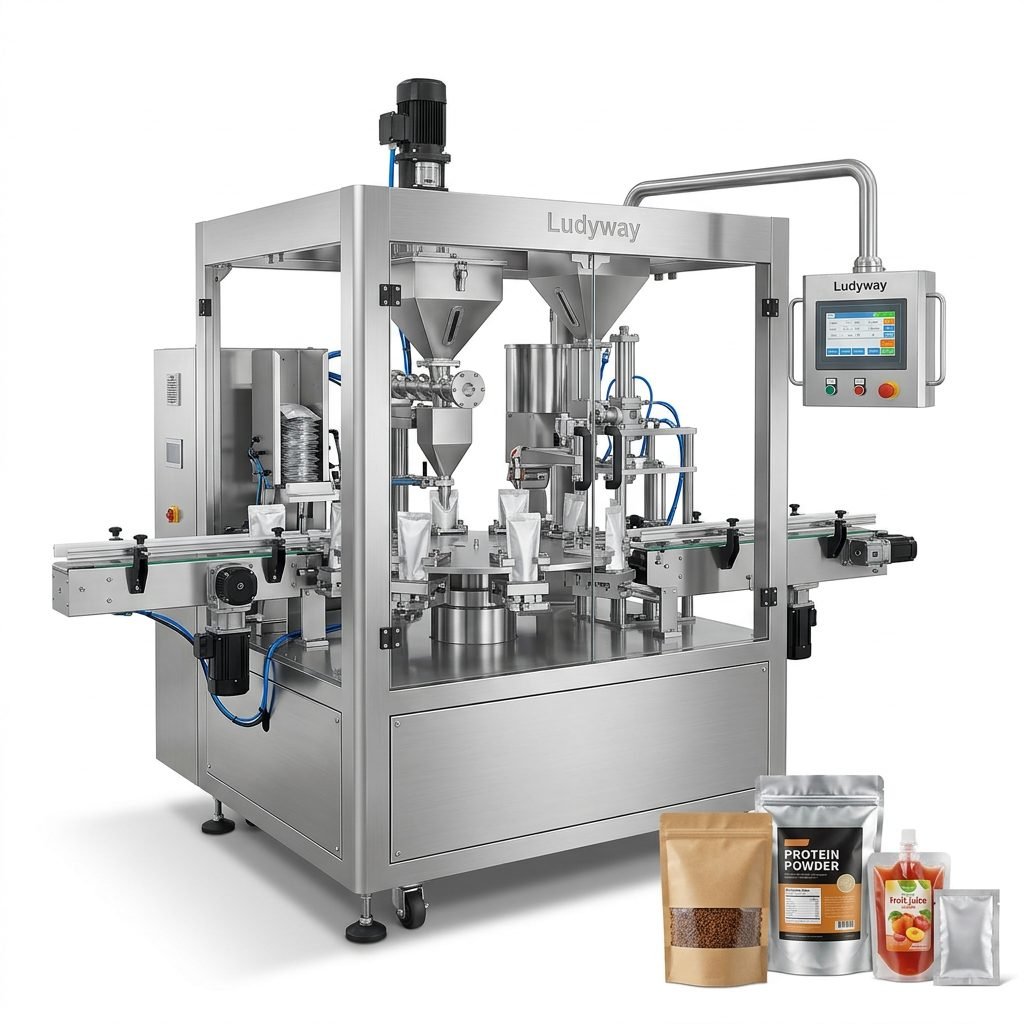
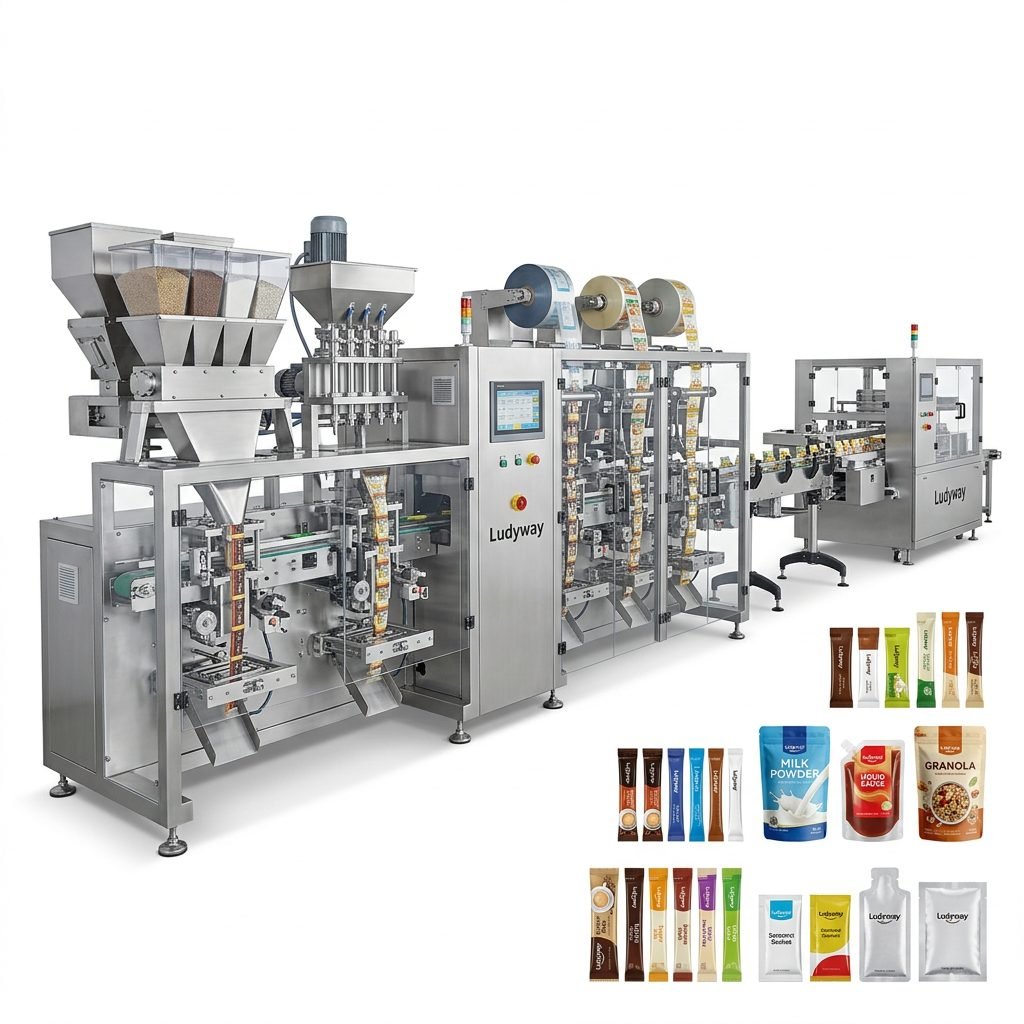
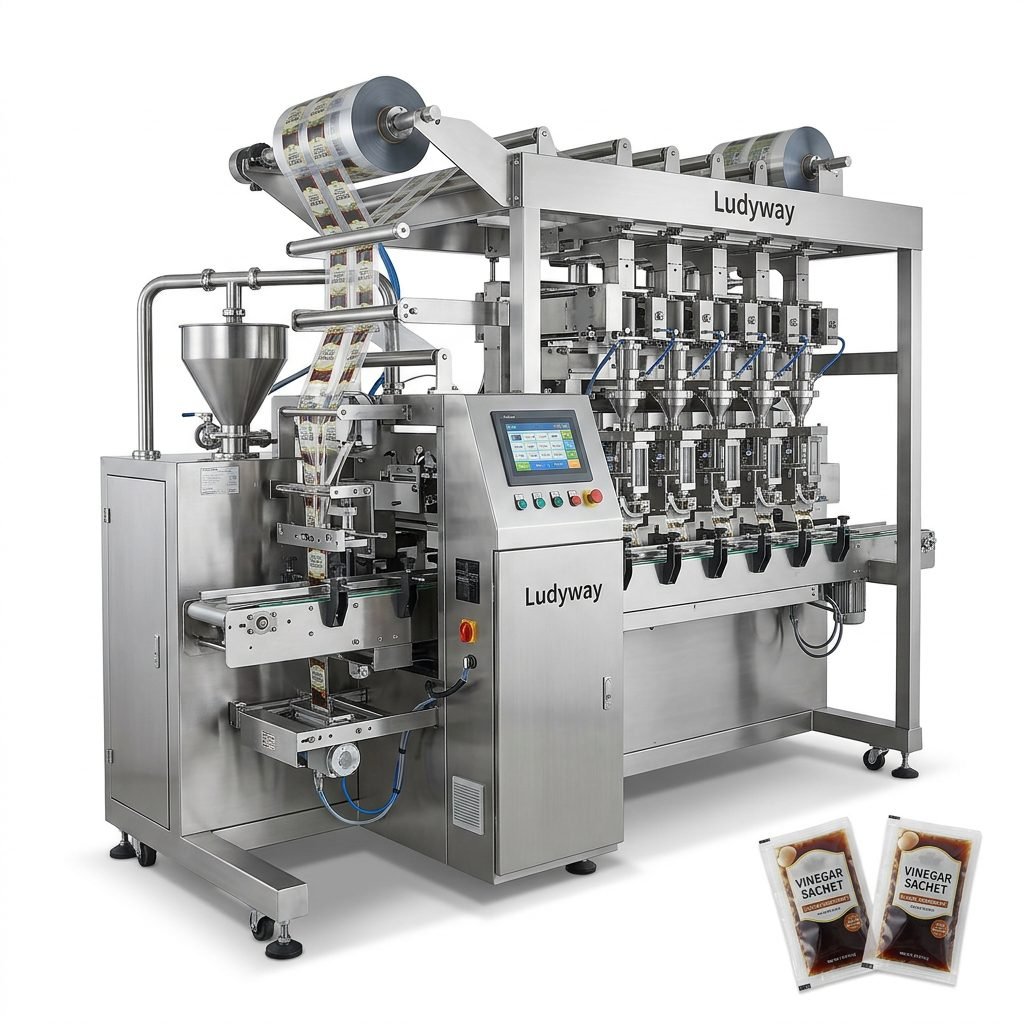
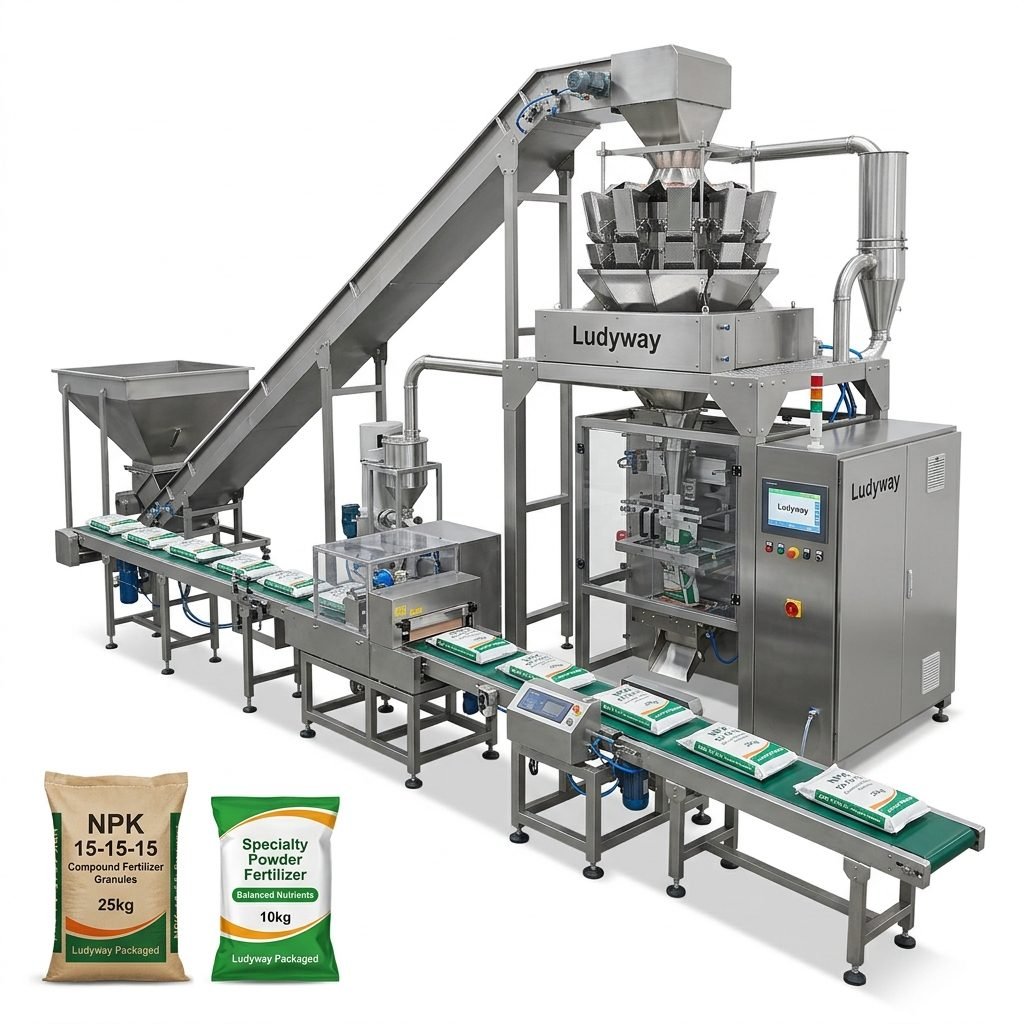
In today’s fast-paced manufacturing landscape, a one-size-fits-all approach to equipment training is a recipe for inefficiency and risk. Customized packaging equipment training programs are no longer a luxury but a critical component of operational success. A tailored program ensures that your operators and maintenance teams possess the precise skills and knowledge required to maximize the performance, longevity, and safety of your specific machinery.
The Critical Need for Customized Operator Training
Standard, generic training modules often fail to address the unique configurations, software interfaces, and production parameters of your packaging line. This gap leads to operator uncertainty, reduced efficiency, and a higher potential for errors that affect product quality and output.
Core Objective: The primary goal of a customized operator program is to build confident competence. Operators should transition from simply running a machine to understanding its function within the broader production ecosystem.
Key Components of an Effective Operator Program
A comprehensive, tailored operator curriculum goes far beyond basic start/stop procedures. It should be structured to build knowledge progressively.
1. Foundational Machine Theory & Safety
Before touching a button, operators must understand the “why” behind the “how.” This module covers the core mechanical and electrical principles of the specific packaging equipment, integrated with machine-specific safety protocols, emergency stop procedures, and hazard identification unique to your setup.
2. Hands-On Operational Proficiency
This is the heart of the training, conducted on your actual production floor or identical equipment. It includes:
- → Startup, Shutdown, and Changeover Sequences: Detailed, repeatable procedures for your specific products and formats.
- → HMI Navigation & Recipe Management: Training on your exact control panel interface and how to call up, verify, and adjust product recipes.
- → In-Process Quality Checks: Teaching operators to monitor for seal integrity, fill accuracy, and correct labeling in real-time, using your quality standards.
- → Basic Troubleshooting & Fault Response: Identifying common alarms, understanding their causes, and performing approved corrective actions.
3. Integration with Production Systems
Training should explain how the packaging machine interacts with upstream (e.g., feeders, conveyors) and downstream (e.g., cartoners, case packers) equipment. This systems-thinking reduces bottlenecks and improves line synchronization.
Building a Robust Customized Maintenance Program
While operators keep the line running, maintenance technicians ensure it runs reliably. A tailored maintenance program shifts the paradigm from reactive repairs to proactive care, directly impacting Overall Equipment Effectiveness (OEE) and total cost of ownership.
The Pillars of Predictive Maintenance
A customized program is built on three pillars: Preventive, Predictive, and Corrective maintenance, with emphasis on the first two to minimize the third.
Essential Elements of a Tailored Maintenance Curriculum
1. Detailed Technical Deep-Dive
Technicians receive manufacturer-level insights into the specific model’s design, including pneumatics, drives, sensors, and sealing systems. This is based on the exact machine documentation and schematics.
2. Scheduled Preventive Maintenance (PM) Execution
Training focuses on executing the customized PM checklist developed for your machine’s duty cycle and environment. This includes lubrication points, belt tension checks, seal jaw inspection, and wear-part replacement schedules.
3. Advanced Diagnostics & Repair
Moving beyond basic alarms, this module teaches systematic diagnostic flows using wiring diagrams and PLC logic traces specific to your equipment. It covers safe component replacement, calibration, and verification procedures.
4. Spare Parts Management & Lifecycle Understanding
Technicians learn to identify critical vs. non-critical spare parts for your machine, understand wear patterns, and manage inventory to minimize downtime. Partnering with a reliable supplier like Ludyway Machinery ensures access to genuine parts and technical support.
Implementing Your Customized Training Program: A Step-by-Step Guide
Successful implementation requires careful planning and partnership with your equipment provider.
Step 1: Needs Assessment & Goal Setting
Collaborate with the machine supplier and department heads to analyze skill gaps, define key performance indicators (KPIs) for training success, and understand the specific operational challenges of your line.
Step 2: Curriculum Co-Development
Work with experts, such as the engineering team from Ludyway Packaging Machine, to build training materials that reflect your actual machine setup, products, and standard operating procedures (SOPs).
Step 3: Blended Learning Delivery
Combine methods for maximum retention: theoretical classroom sessions, interactive simulations, and extensive hands-on practice on the production floor under guided supervision.
Step 4: Certification & Assessment
Establish clear competency benchmarks. Use practical evaluations and knowledge tests to certify operators and technicians. This formalizes skill acquisition and ensures accountability.
Step 5: Ongoing Refresher & Update Training
Schedule periodic refresher courses. Update the training program for any machine software upgrades, new product introductions, or process changes to maintain a high skill level. Leveraging the 30+ years of industry experience of your supplier can inform these updates.
Measuring the Return on Investment (ROI)
The value of a customized training program is quantifiable. Key metrics to track include:
- Reduction in Unplanned Downtime: Fewer breakdowns and faster resolutions.
- Increased OEE: Higher availability, performance, and quality rates.
- Lower Scrap & Rework Rates: Improved first-pass yield due to better operation and setup.
- Extended Equipment Lifespan: Proper care reduces wear and catastrophic failures.
- Enhanced Safety Record: Fewer incidents through better hazard awareness.
Investing in a customized packaging equipment training program is a strategic decision that pays continuous dividends. It empowers your workforce, protects your capital investment, and builds a foundation for sustained productivity, quality, and growth in a competitive market.
Frequently Asked Questions (FAQs)
1. How long does it take to develop a customized training program?
Development time varies based on machine complexity and training scope. A basic program for a single machine may take 2-3 weeks to co-develop with the supplier, while a full line program can take 6-8 weeks. The critical factor is the collaboration and information sharing between your team and the training developers.
2. Can training be conducted on-site at our facility?
Yes, and it is highly recommended. On-site training is most effective as it uses the actual equipment in the real production environment. This context is invaluable for practical learning and immediately applying skills to daily tasks.
3. What is the difference between supplier-provided training and a fully customized program?
Supplier-provided training is often a standard overview of the machine model. A fully customized program is tailored to your specific machine configuration, your products, your existing SOPs, and your team’s unique skill gaps, making it far more relevant and effective.
4. How often should refresher training be conducted?
We recommend a formal refresher course at least annually. Additionally, micro-training sessions should be conducted whenever there is a significant process change, a new product launch, or if a trend of repeated errors is identified.
5. Who should be involved from our team in the development process?
A cross-functional team is ideal. Include production managers, experienced lead operators, maintenance supervisors, and quality assurance personnel. Their input ensures the program addresses real-world needs from all perspectives.