In the competitive world of dried fruit production, the final step—packaging—can make or break your product’s success. The right packaging machine does more than just seal bags; it safeguards freshness, ensures leak-proof integrity, speeds up your production line, and ultimately protects your brand reputation. Choosing the best dried fruit packaging machine is a critical investment that requires careful consideration of your specific product needs, production goals, and operational environment.
Understanding Your Dried Fruit Product Profile
The first step in selecting the ideal machine is a deep dive into your product’s characteristics. Not all dried fruits are created equal, and their physical properties dictate the packaging requirements.
Key Product Considerations:
• Size & Shape: Are you packing delicate cranberries, chewy apricot halves, or sliced mango strips? The machine must handle your product’s form without causing damage or creating excessive dust from broken pieces.
• Oil Content & Stickiness: Fruits like dried coconut or certain nuts have higher oil content. Machines need specific film materials and sealing systems to prevent oil seepage and ensure a strong, clean seal on potentially greasy surfaces.
• Fragility & Dust: Products prone to crumbling require gentle handling systems, such as vibratory feeders with adjustable amplitude or soft-drop mechanisms, to minimize product degradation.
Core Machine Functions for Superior Dried Fruit Packaging
A top-tier packaging machine integrates several key functions to deliver the “faster, fresher, leak-proof” promise. Let’s break down the essential systems.
1. The Weighing System: The Heart of Accuracy and Cost Control
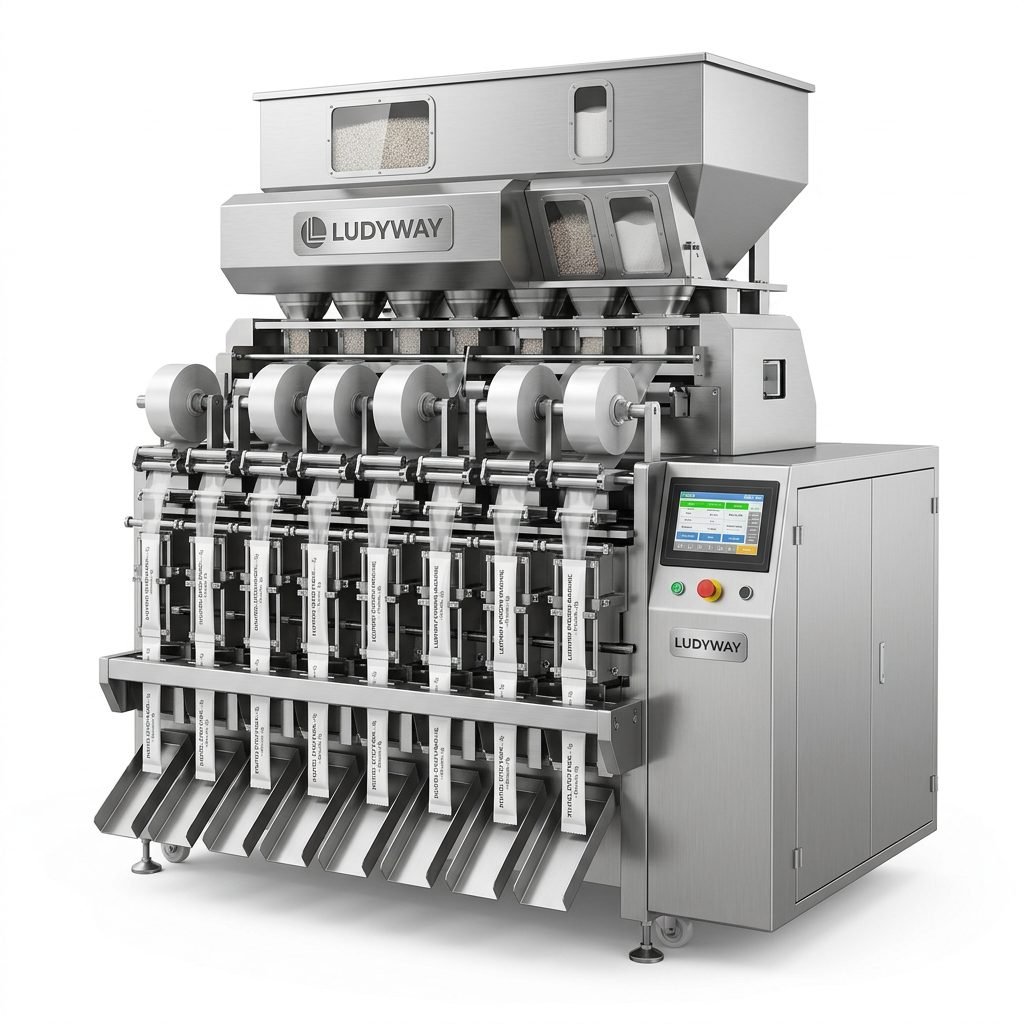
Precision weighing is non-negotiable. Overfilling erodes profits, while underfilling damages customer trust and violates regulations. Modern machines use multi-head weighers or linear weighers.
Multi-head weighers are the gold standard for speed and accuracy, using a combination of hoppers to compute the perfect combination to hit the target weight. They are ideal for high-speed lines packing free-flowing items like raisins or blueberries.
Linear weighers (or single-head scales) are often more cost-effective and suitable for slower speeds or products that are very large, sticky, or fragile, where a gentler, sequential weighing process is better.
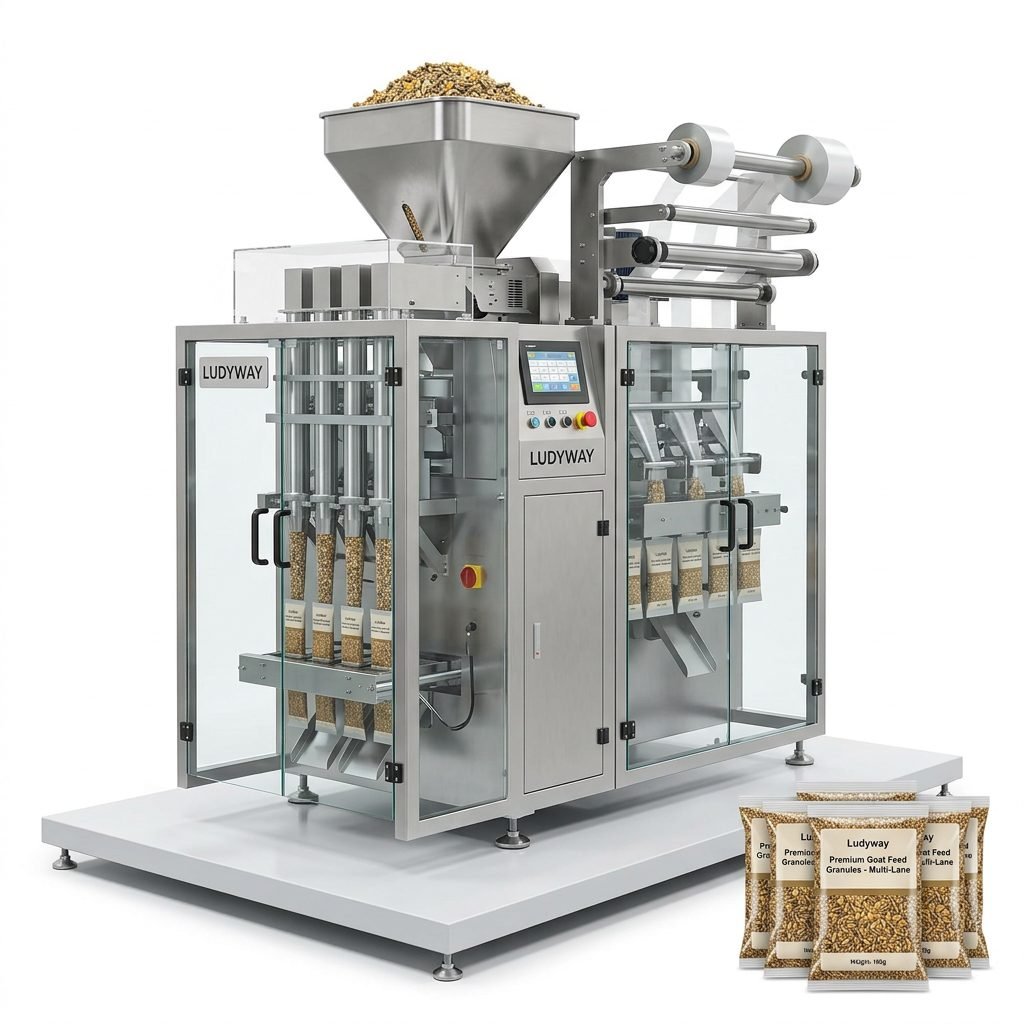
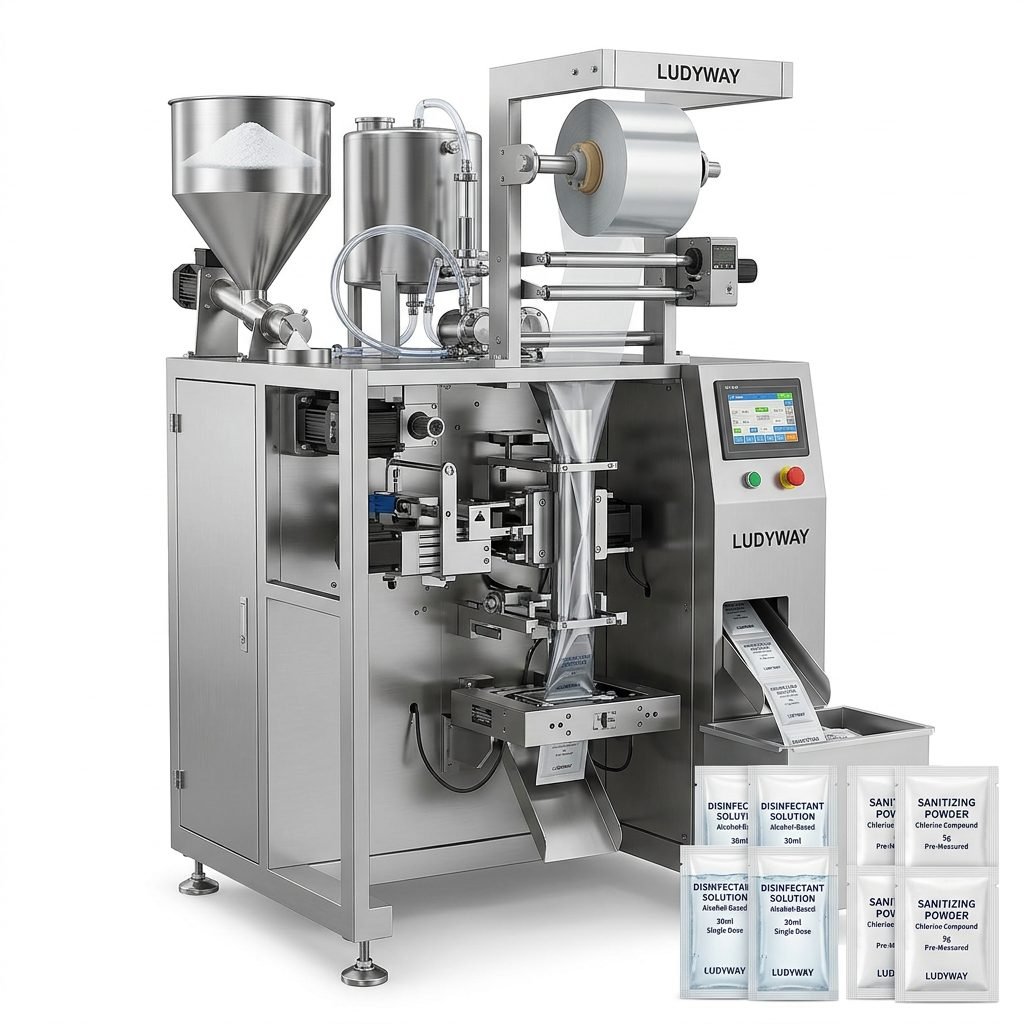
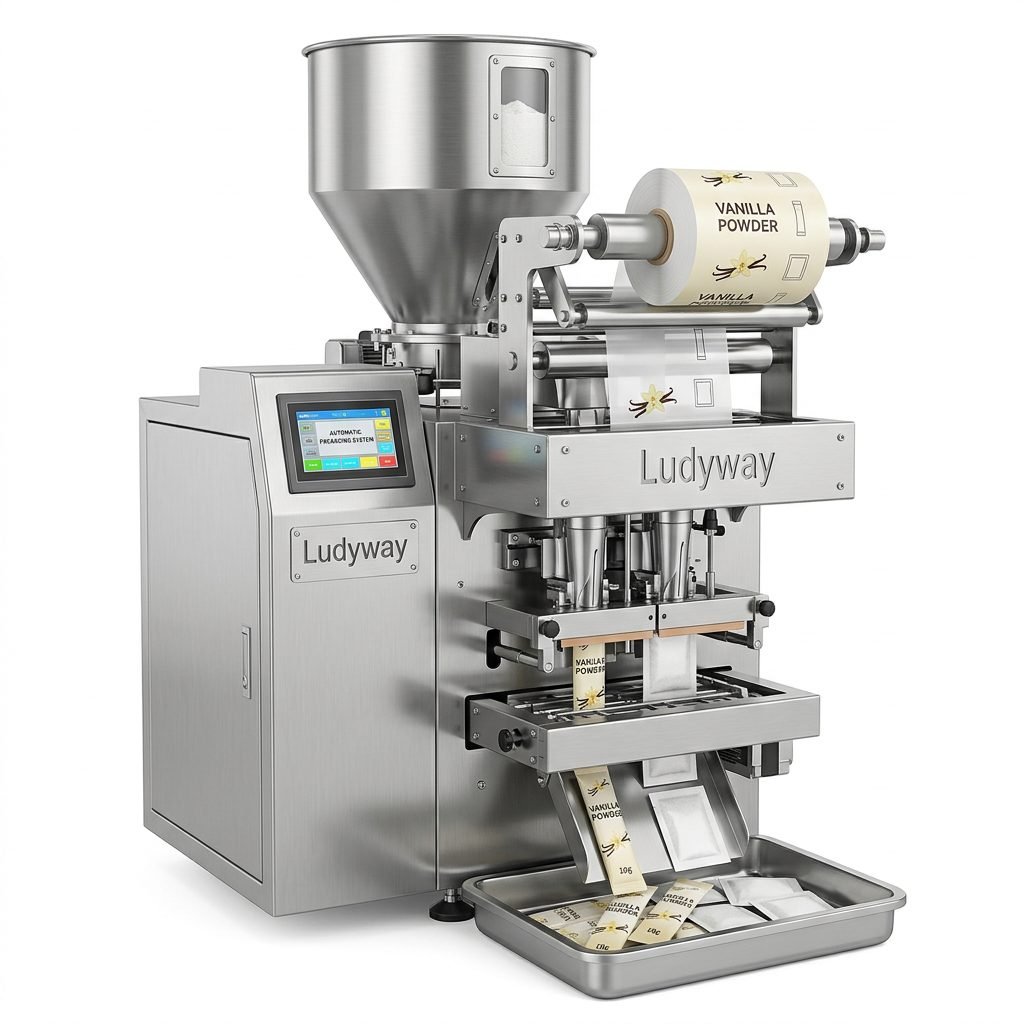
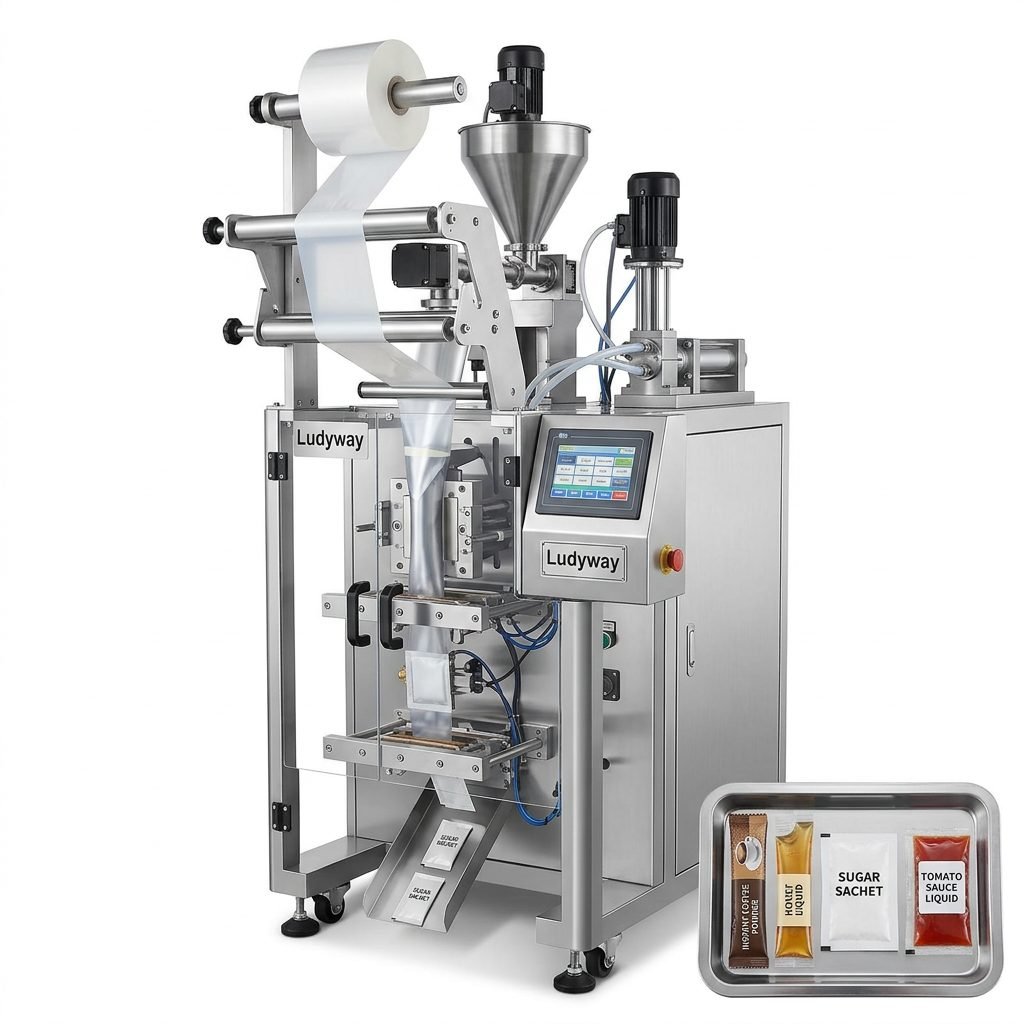
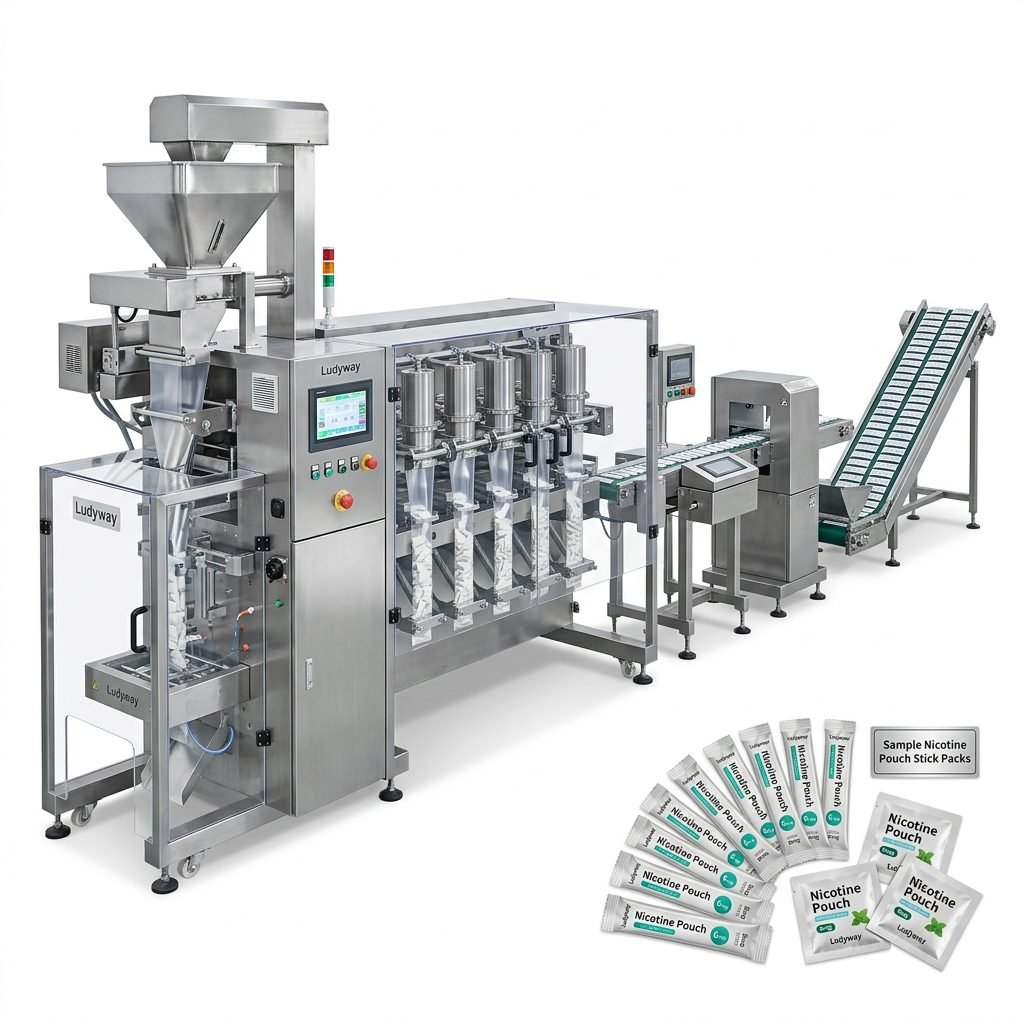
2. The Form-Fill-Seal (FFS) System: Engine of Efficiency
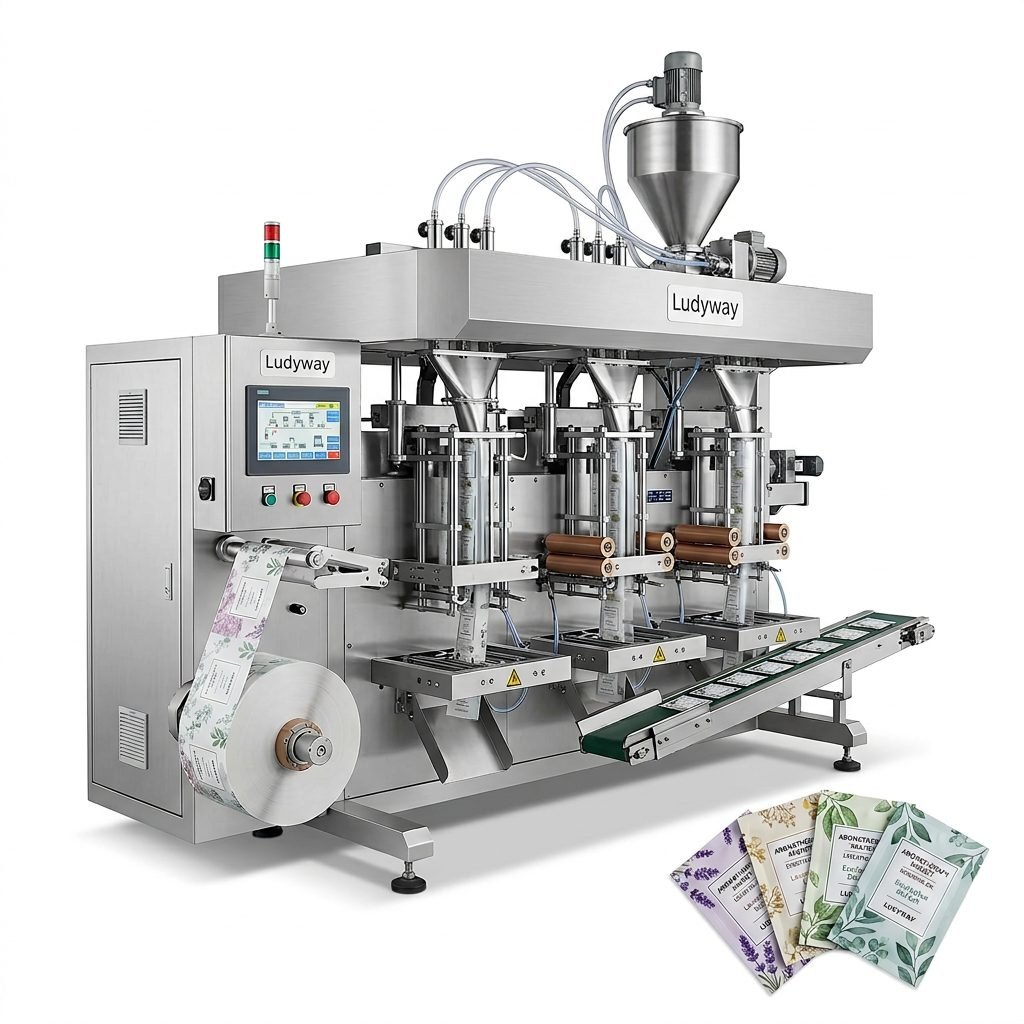
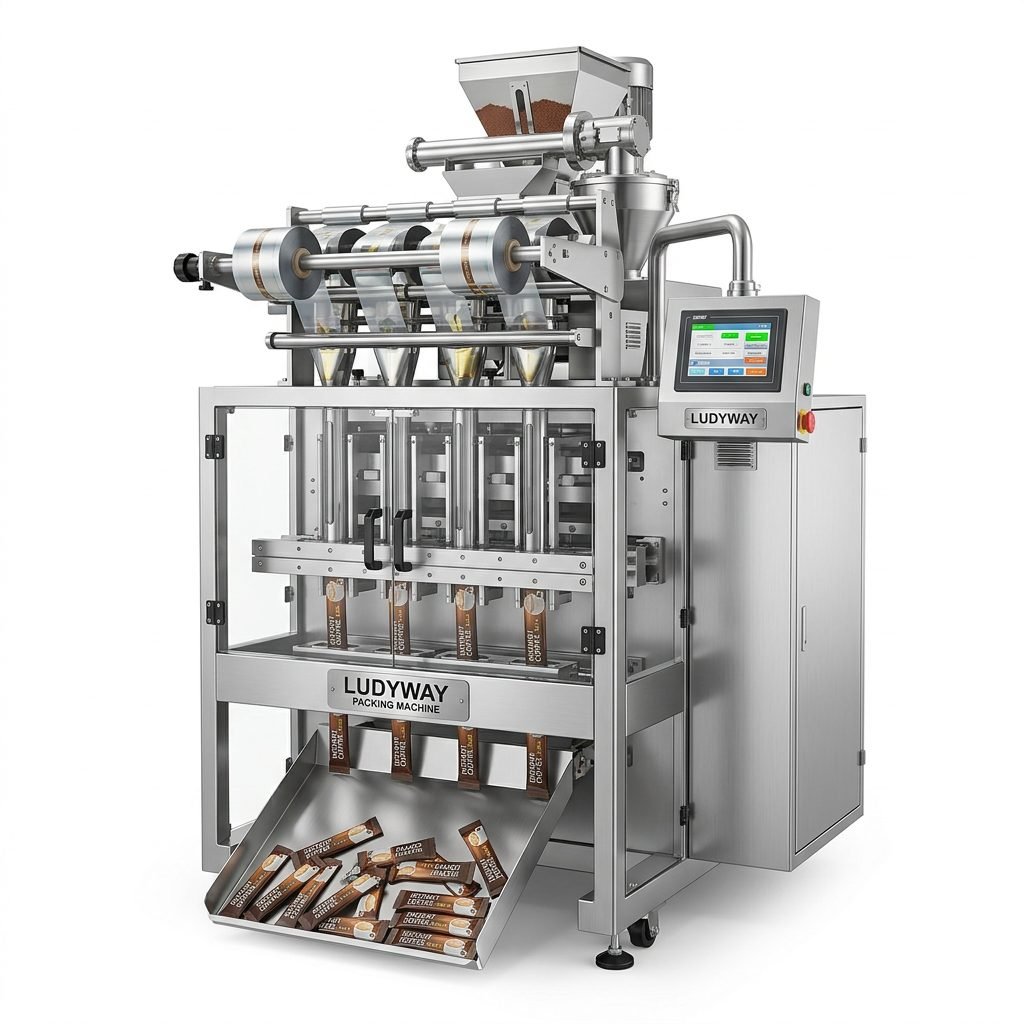
This is where the bag is created, filled, and sealed from a roll of packaging film. The type of FFS machine defines your bag style and capabilities.
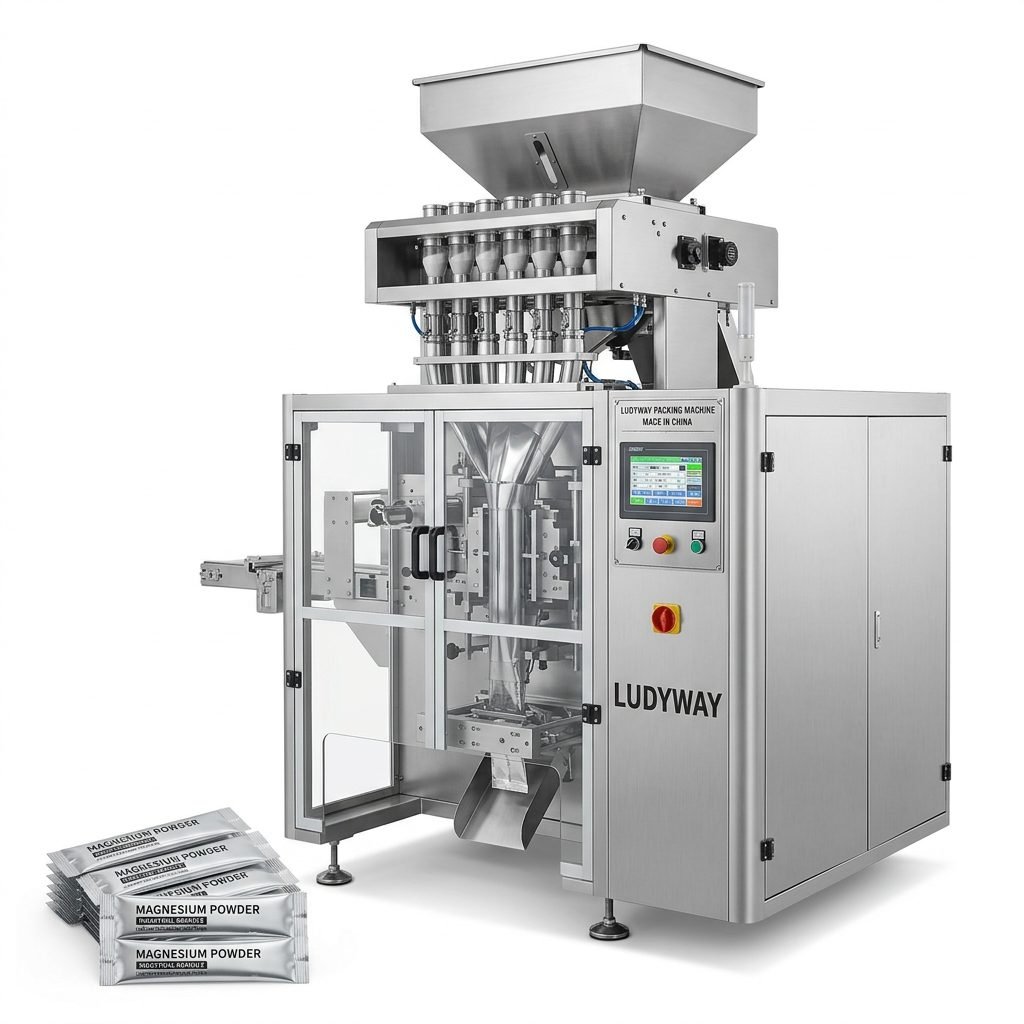
- Vertical Form-Fill-Seal (VFFS): The most common type. Film is formed into a tube vertically, filled, and then sealed horizontally. It’s highly versatile and space-efficient.
- Horizontal Form-Fill-Seal (HFFS): Often used for more complex pouch styles (like stand-up pouches with zippers). The film is handled horizontally, allowing for sophisticated pre-made features.
The sealing jaws are critical here. For dried fruit, which may require gas flushing (Nitrogen or CO2) to extend shelf life and prevent oxidation, the machine must have robust, high-quality sealing systems capable of creating an airtight seal even with gas present.
3. Film Handling & Gas Flushing for Ultimate Freshness
To achieve “fresher” packing, the barrier properties of your film and the ability to modify the package atmosphere are key.
Film: Use high-barrier laminates (e.g., MET-PET/PE) that block oxygen and moisture. Your machine must be compatible with these films and handle them without wrinkling or misalignment, which can compromise the seal.
Gas Flushing: Replacing the air inside the package with an inert gas like nitrogen drastically slows oxidation and spoilage. Ensure the machine has a precise gas flushing system with reliable sensors to maintain the correct gas mixture consistently.
Evaluating Machine Specifications Against Your Needs
Beyond core functions, match these specifications to your operational reality.
Specification Checklist
Speed (Bags/Minute): Don’t overpay for speed you don’t need. Calculate your required output based on shifts and future growth. A machine from a provider like Ludyway Packing Machine can often be scaled with upgrades.
Bag Size Range: Can the machine produce the smallest sample bag and your largest retail bag? Verify the minimum and maximum length and width capabilities.
Changeover Time: How quickly can you switch from packing almonds to dried mango? Look for quick-change parts and recipe memory functions to minimize downtime.
Footprint & Utilities: Will it fit in your facility? Check space requirements and needs for power (electrical phases), compressed air, and gas lines.
The Supplier Partnership: Beyond the Machine Purchase
Your relationship with the machinery supplier is as important as the machine itself. Look for a partner with proven expertise in food packaging, particularly with dried goods.
Technical Support & Training: Ensure comprehensive installation, training, and readily available technical support. Ask about response times and spare parts availability.
Testing & Customization: A reputable supplier will offer to test your actual product on their machine. This is invaluable. They should also offer customized solutions, like specific funnel designs or gentle handling modules, to optimize performance for your product.
Companies with deep industry experience, such as Ludyway Machinery, which brings over a decade of focused innovation in automated packaging, understand that a successful installation depends on this holistic support.
Making the Final Decision: A Practical Framework
1. Define Your “Best”: Is it highest speed, lowest cost per bag, greatest flexibility, or most robust construction? Rank your priorities.
2. Request Live Demonstrations: Always see the machine run, preferably with a product similar to yours. Observe noise levels, ease of operation, and finished package quality.
3. Analyze Total Cost of Ownership (TCO): Look beyond the purchase price. Factor in energy consumption, maintenance costs, expected lifespan, and potential cost savings from reduced film waste and higher accuracy.
4. Check References: Speak to other dried fruit producers who use the equipment. Ask about reliability, support, and any unforeseen challenges.
Investing in the best dried fruit packaging machine is a strategic move to enhance product quality, boost production efficiency, and strengthen your market position. By methodically assessing your product, understanding critical machine functions, and choosing a capable technology partner, you can secure a solution that delivers faster, fresher, and truly leak-proof packing for years to come.
Frequently Asked Questions (FAQs)
Q1: What is the most important feature to look for in a dried fruit packaging machine?
A: While speed and accuracy are vital, the sealing system’s reliability is paramount for dried fruit. It must consistently create a strong, airtight seal, especially if using gas flushing, to prevent spoilage and ensure leak-proof integrity, which is critical for maintaining product freshness and shelf life.
Q2: Can one machine handle different types and sizes of dried fruit?
A> Yes, many modern machines are designed for flexibility. Key factors are a wide bag size range and quick changeover capabilities. However, significant differences in product characteristics (e.g., switching from fine powder from fruit dust to whole figs) may require adjustments to feeders, funnels, or weighing systems. Discuss your full product range with the supplier.
Q3: Is gas flushing necessary for all dried fruits?
A: Not for all, but it is highly recommended for fruits rich in unsaturated fats (like dried coconut, bananas, or mangoes) or those prone to color loss. Gas flushing with nitrogen replaces oxygen, significantly slowing oxidation (rancidity) and preserving color, texture, and flavor for much longer, which is essential for export or extended retail distribution.
Q4: How can I minimize product waste (giveaway) during packaging?
A: This hinges on the precision of the weighing system. Invest in a high-accuracy multi-head or linear weigher. Additionally, work with your supplier to optimize drop height and implement “product saving” software features that calculate the most efficient weight combinations, ensuring you meet the minimum declared weight without excessive overfill.
Q5: What kind of maintenance does these machines require?
A: Regular preventive maintenance is crucial. Daily cleaning to remove dust and debris, weekly checks of sealing jaw temperatures and alignment, and periodic lubrication as per the manual are standard. Choosing a supplier that offers clear manuals, training, and readily available spare parts is essential for minimizing downtime and maintaining consistent performance.