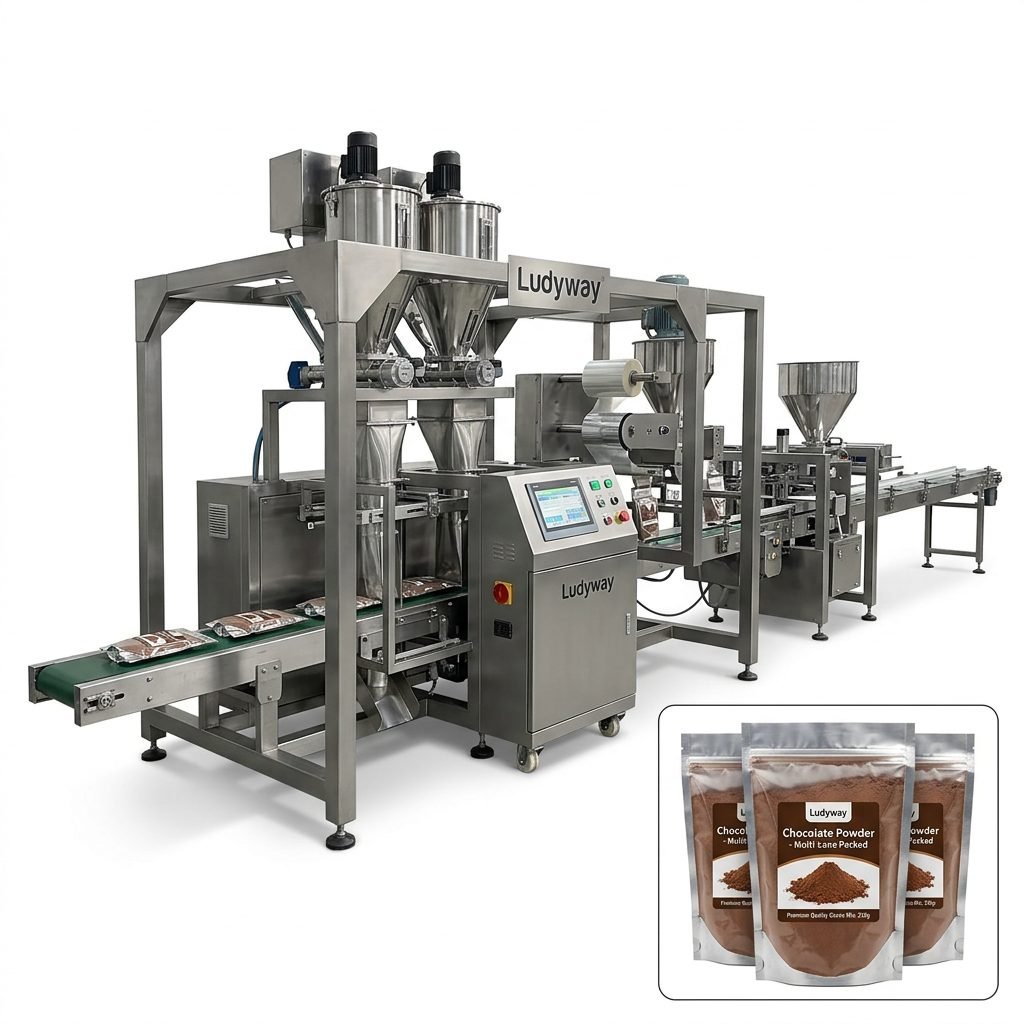
Investing in a plastic packet packing machine is a strategic decision that directly impacts your production efficiency, product quality, and bottom line. Whether you are packaging food powders, pharmaceutical granules, liquid detergents, or cosmetic samples, selecting the wrong equipment can lead to costly downtime, material waste, and inconsistent sealing. With dozens of machine configurations, automation levels, and packaging formats available on the market, understanding the key evaluation criteria is essential. This buyer’s guide walks you through every critical factor you need to consider before making a purchase, helping you choose a machine that aligns perfectly with your operational goals.
Understanding Your Product Characteristics First
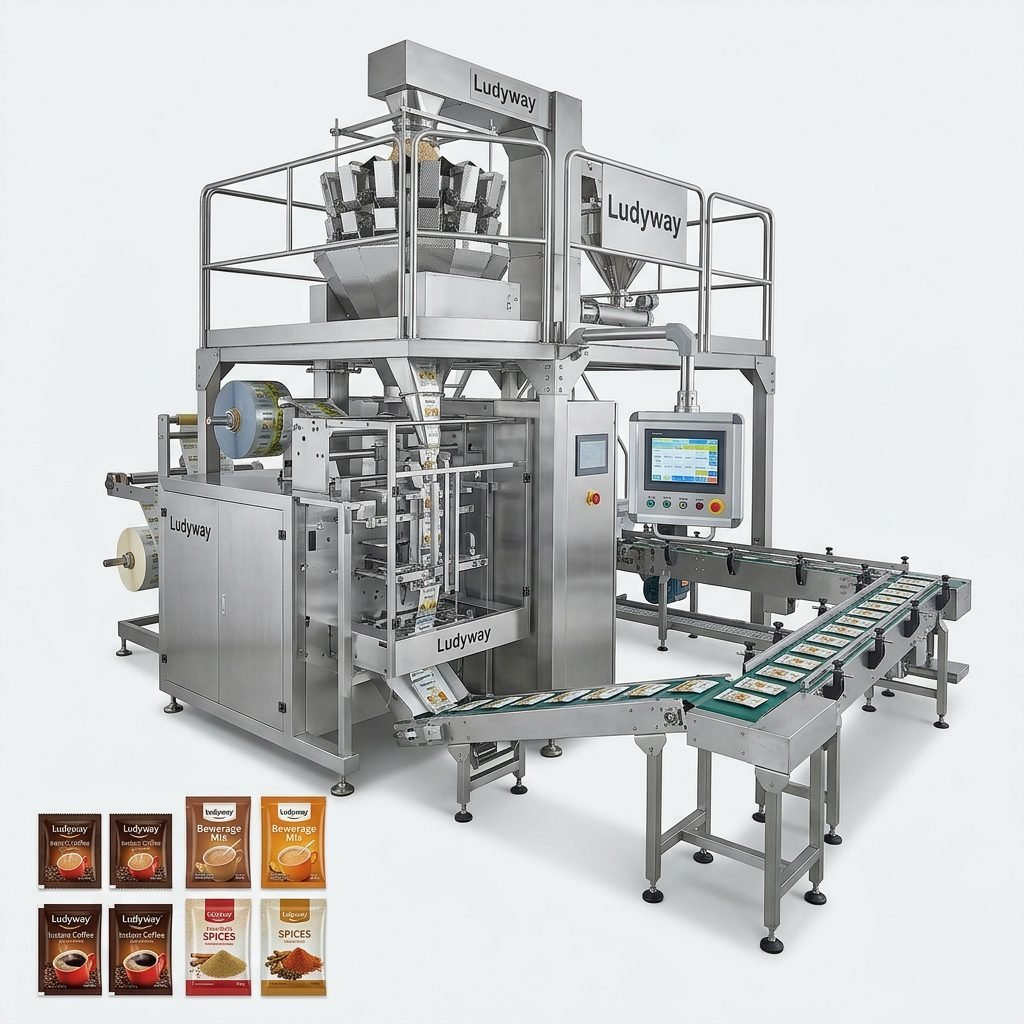
Before evaluating any plastic packet packing machine, you must thoroughly analyze the physical properties of the product you intend to package. This foundational step determines which dosing system, sealing technology, and packaging film will work effectively. Key product attributes to assess include:
- Physical state: Is your product a free-flowing powder, sticky granule, viscous liquid, paste, or solid piece? Each state requires a fundamentally different filling mechanism—auger fillers for powders, piston fillers for liquids, and volumetric cup fillers for granules.
- Particle size and uniformity: Fine powders with particle sizes below 100 microns behave differently than coarse granules exceeding 2mm. Dust generation, flowability, and bridging tendencies all affect machine selection.
- Hygroscopic and temperature sensitivity: Products that absorb moisture or degrade under heat require specialized sealing systems and may need nitrogen flushing capabilities integrated into the plastic packet packing machine.
- Bulk density variations: Products with inconsistent bulk density can cause fill weight inaccuracies. In such cases, multi-head weighers or auger fillers with feedback control become necessary.
Types of Plastic Packet Packing Machines Available
The term “plastic packet packing machine” encompasses a broad range of equipment designed for different packaging formats and production scales. Understanding the main categories will help you narrow down your options quickly. For detailed insights on flexible packaging industry trends and material innovations, the Flexible Packaging Association provides valuable data that can inform your machine selection process.
Multi-Lane Stick Pack Machines
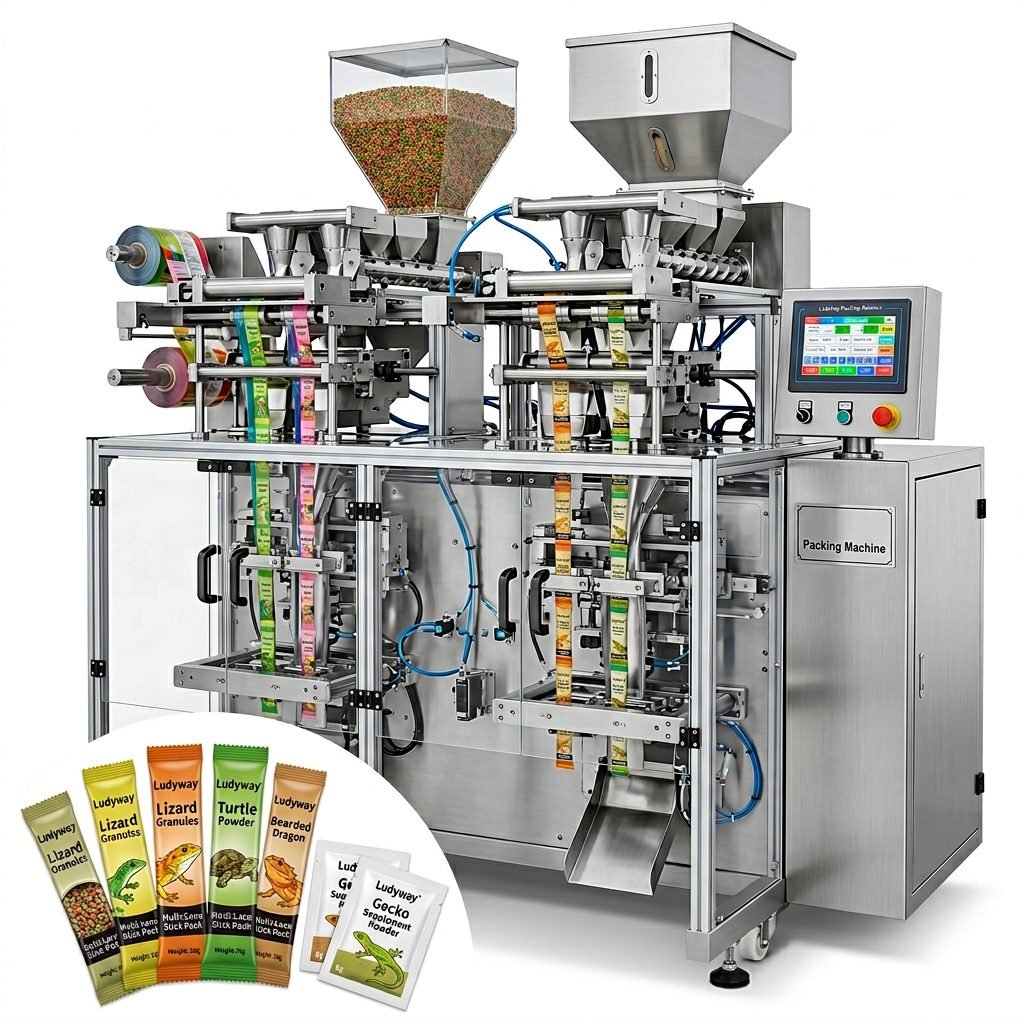
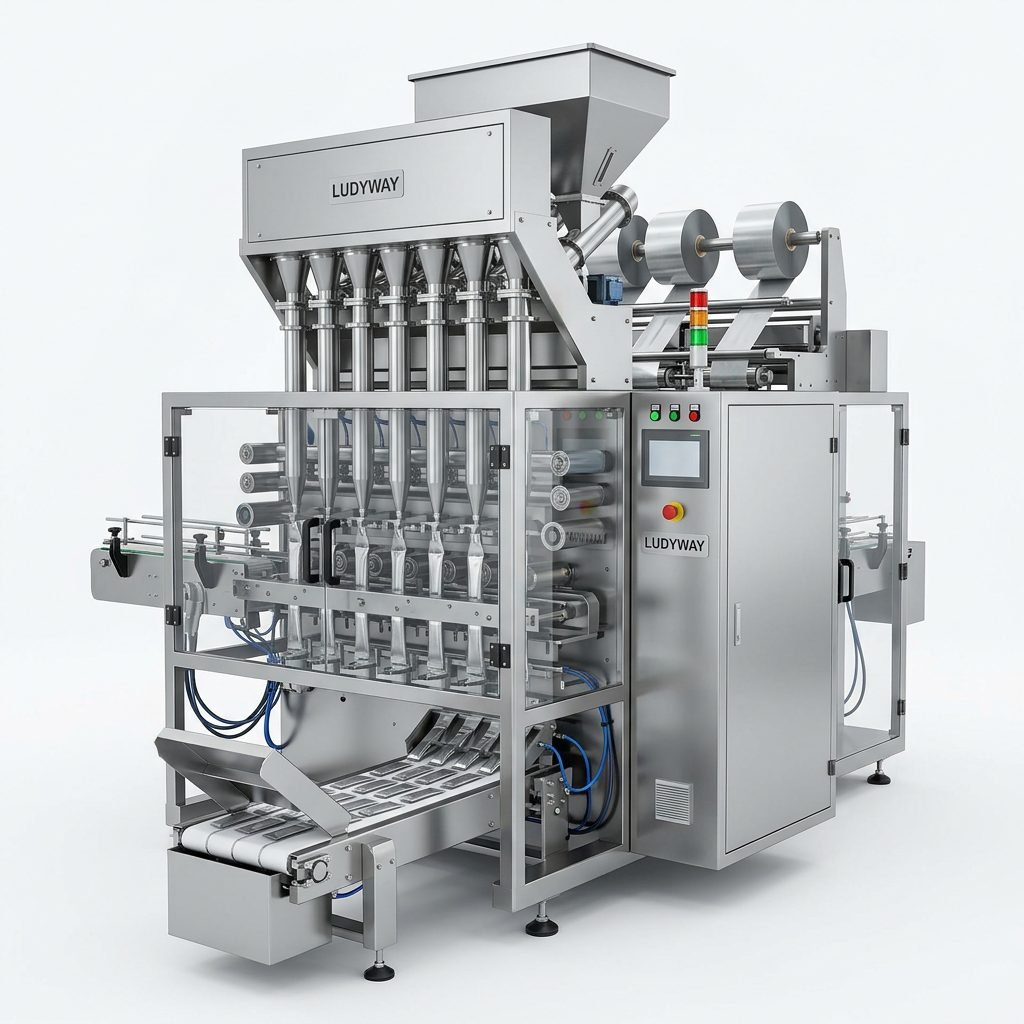
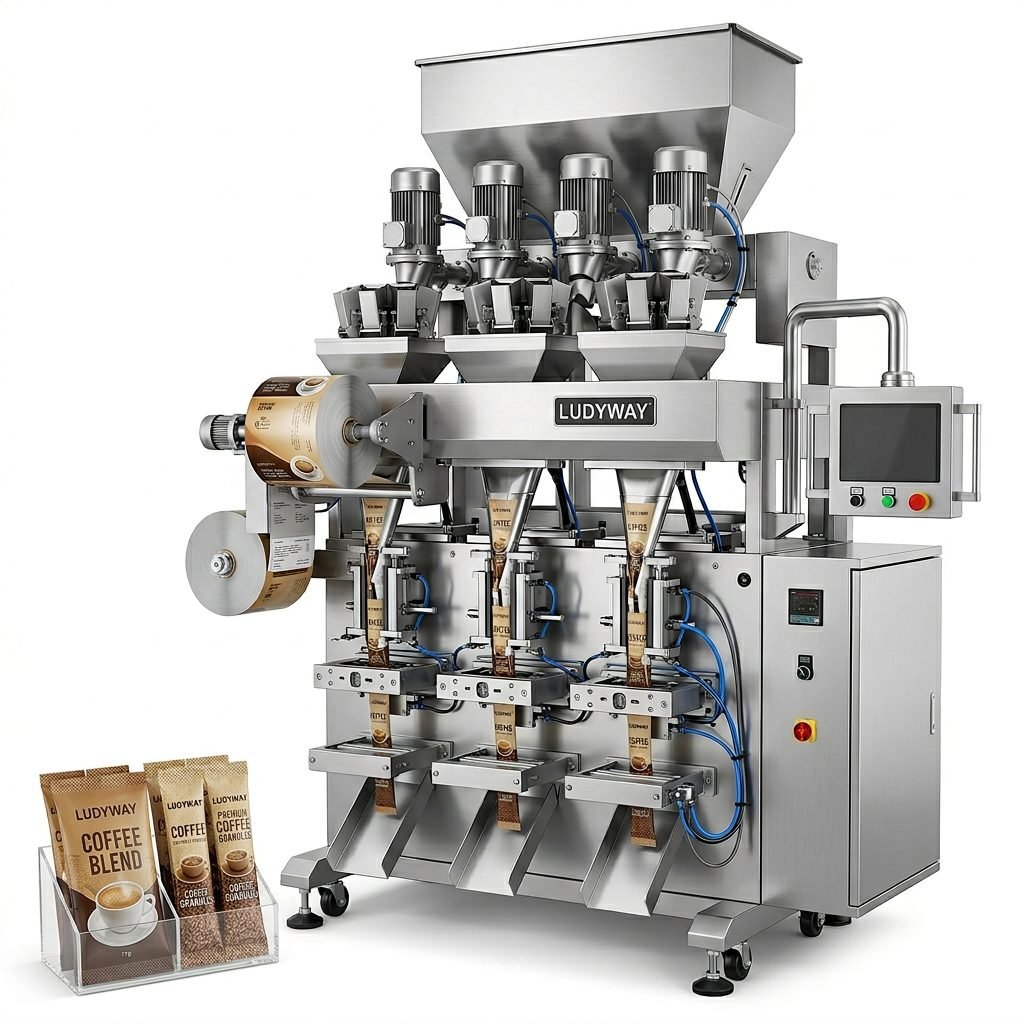
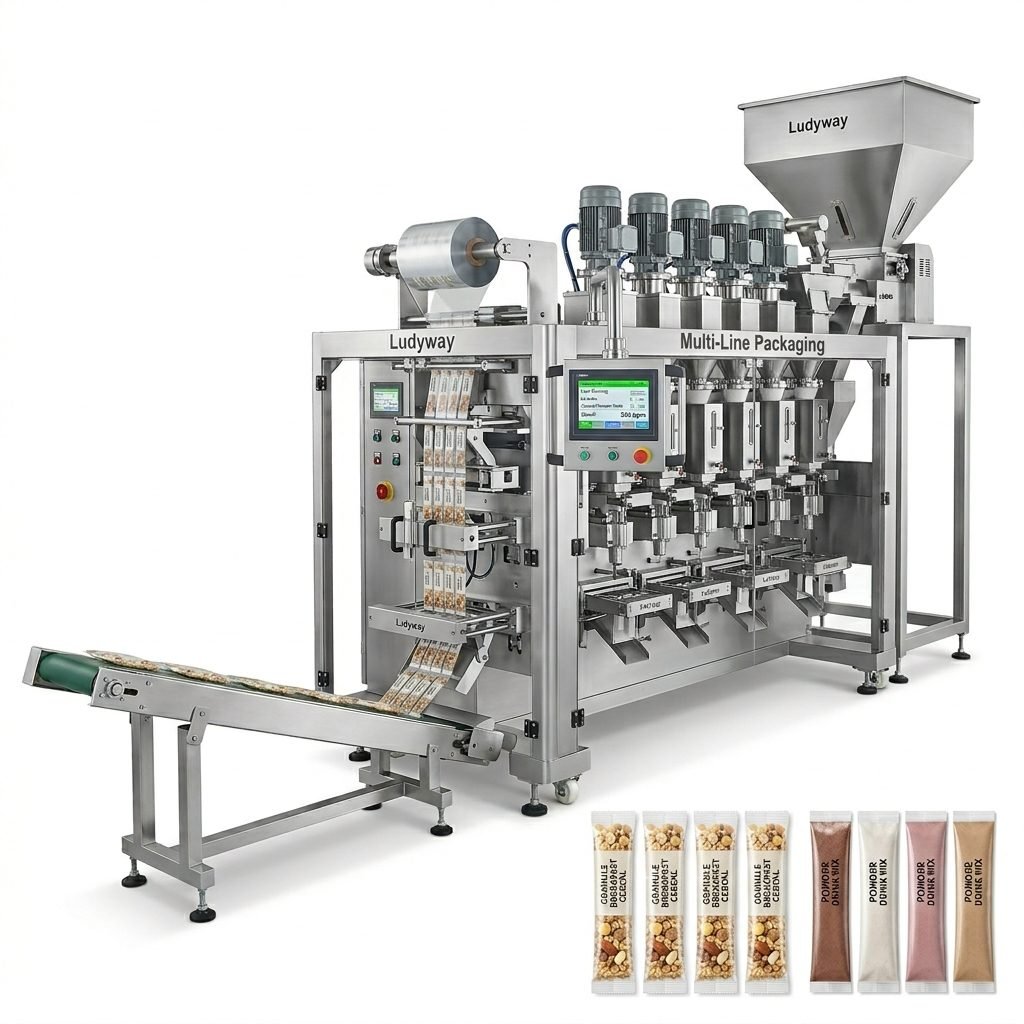
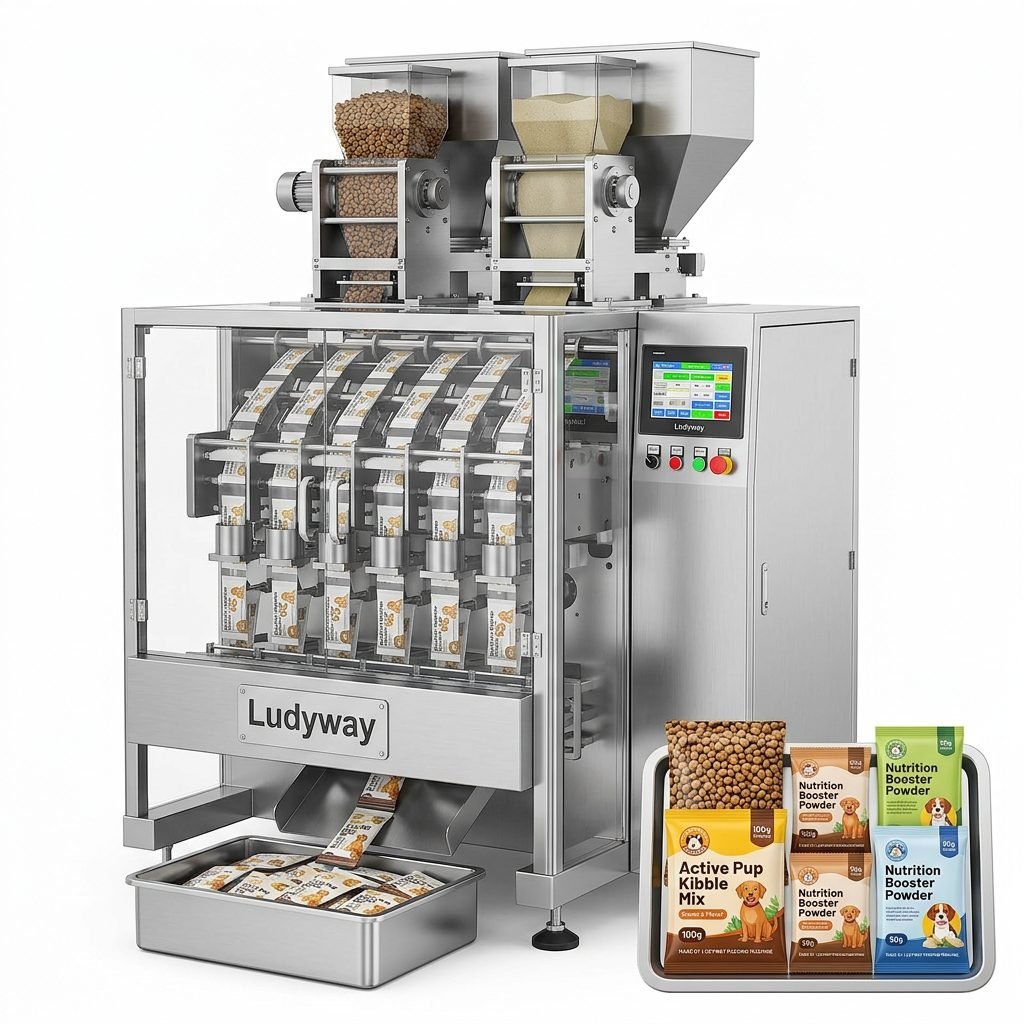
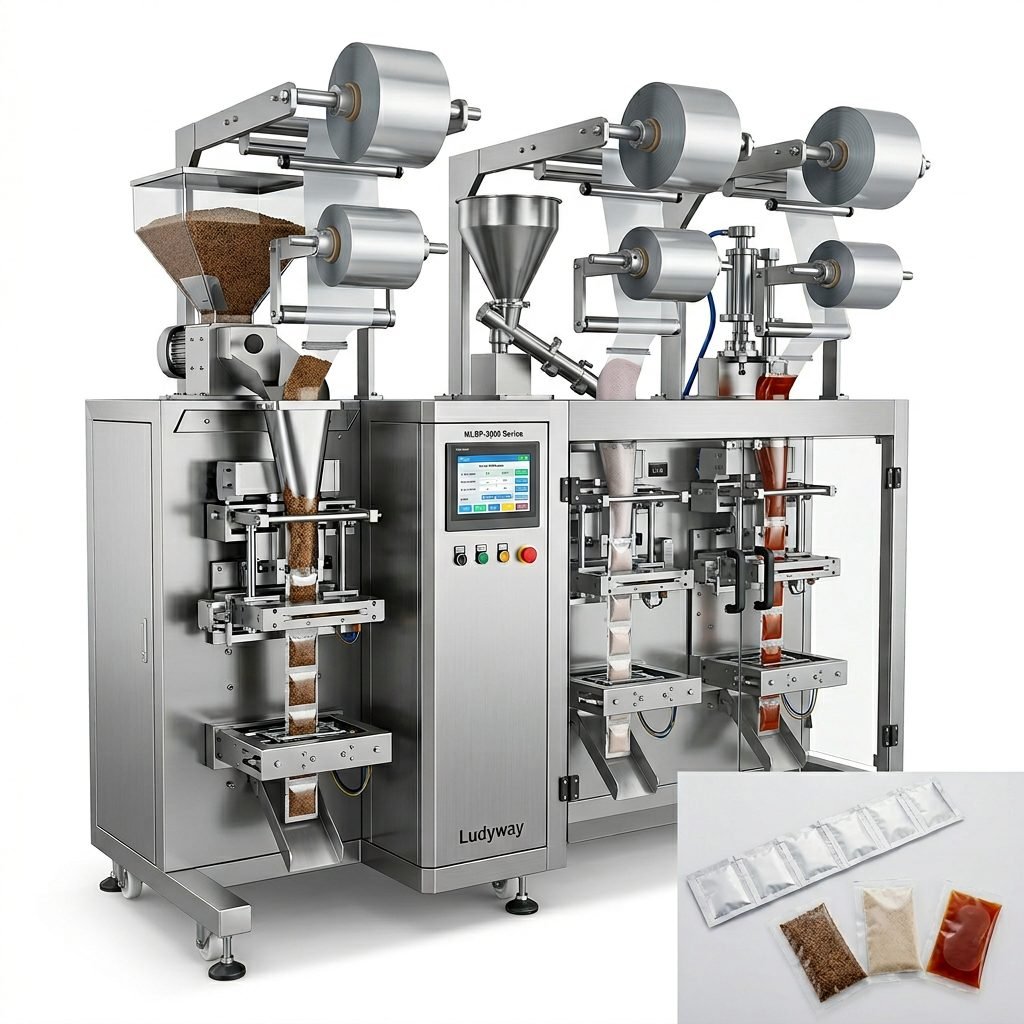
These high-speed systems produce narrow, elongated stick-shaped sachets and are widely used for single-serve products like sugar, instant coffee, protein powders, and pharmaceutical granules. Multi-lane configurations can run 4 to 20 lanes simultaneously, dramatically increasing throughput while maintaining precise fill accuracy. For manufacturers targeting the single-serve convenience market, a multi-lane plastic packet packing machine offers the best combination of speed and packaging quality.
Sachet and Pouch Packaging Machines
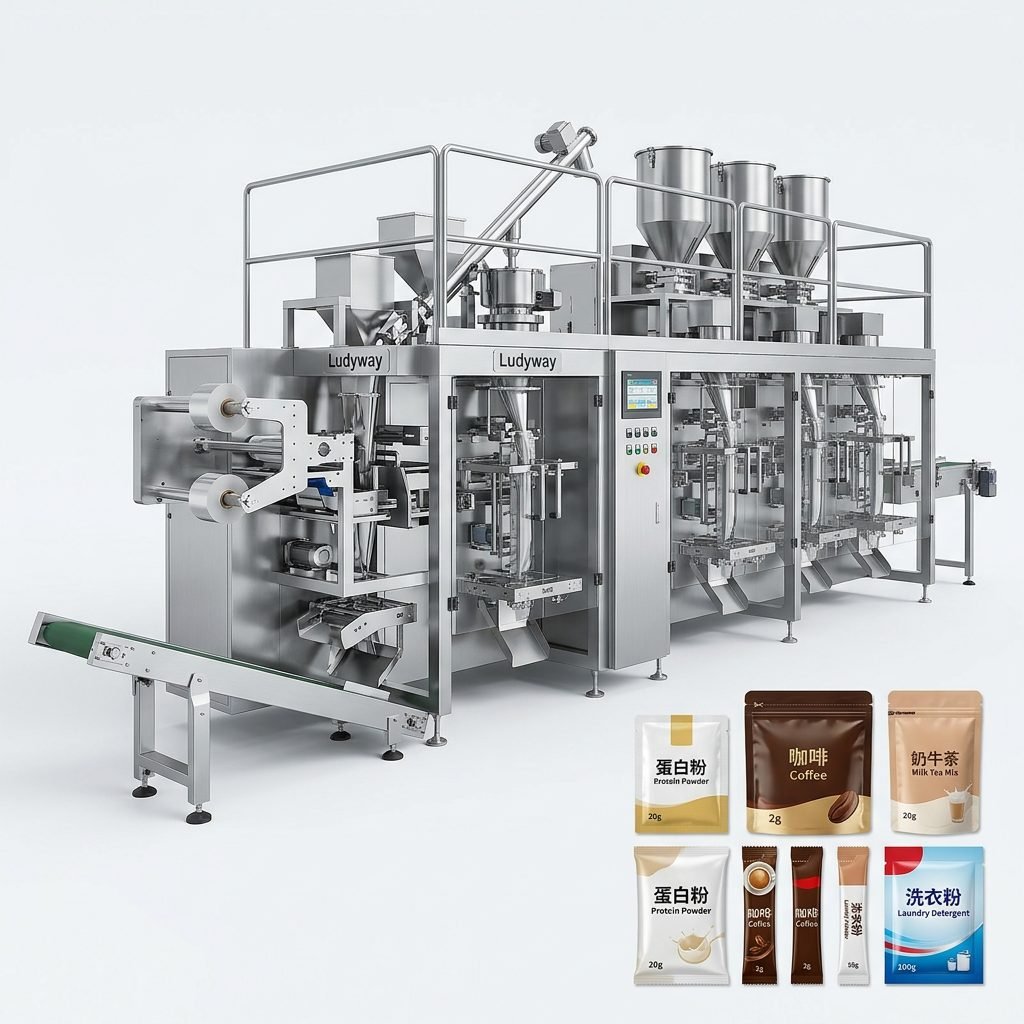
These versatile machines produce flat or pillow-style sachets ranging from small sample sizes to larger retail pouches. They accommodate a wider range of film materials and can be configured for various closure styles including tear notches, zipper seals, and spouts. Many models support both powder and liquid filling on the same platform, making them popular across food, cosmetics, and household chemical industries.
Vertical Form Fill Seal (VFFS) Machines
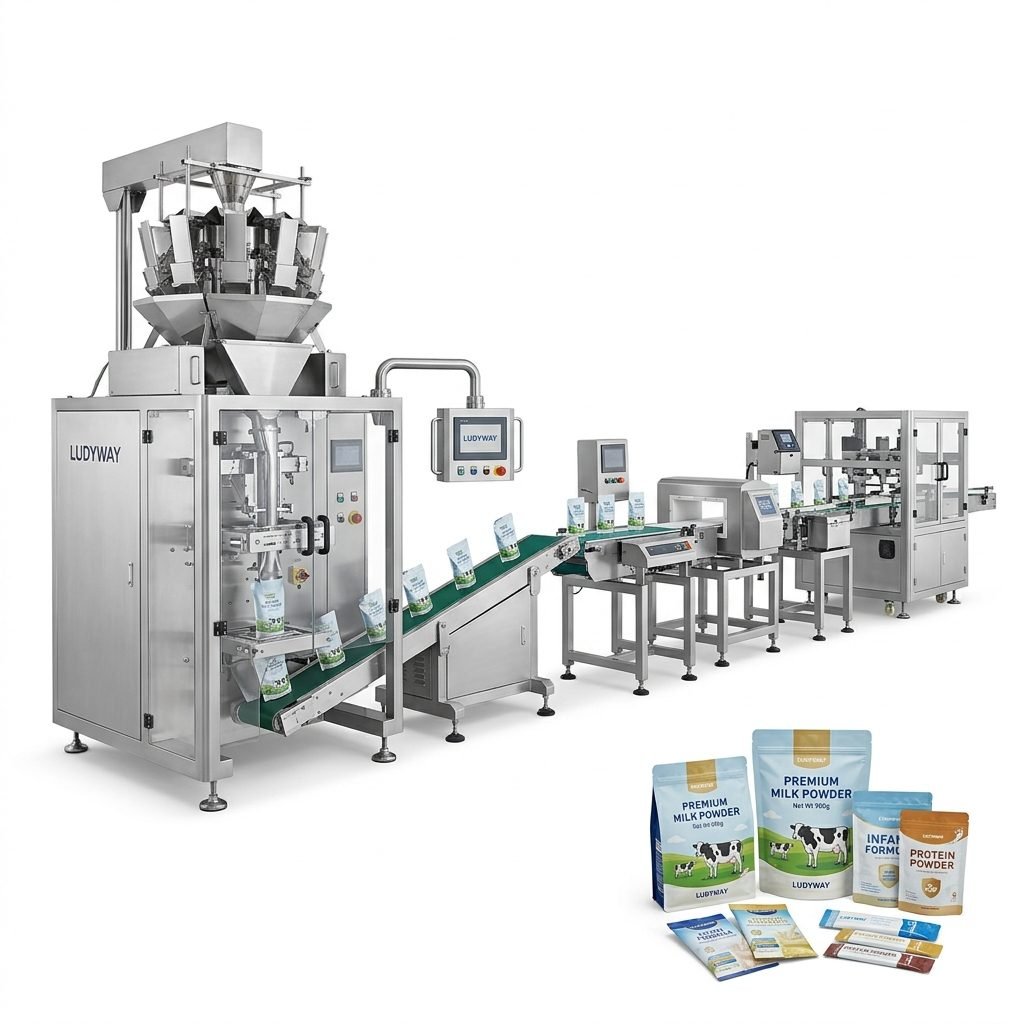
VFFS technology remains the workhorse of the packaging industry. These machines form a tube from flat film, fill it vertically, and seal it into individual packets. Modern VFFS systems designed for plastic packet packing machine applications can handle a wide range of film laminates and offer features like date coding, gas flushing, and tamper-evident sealing. According to PMMI’s packaging machinery market research, VFFS equipment continues to see strong demand across multiple industry verticals due to its flexibility and proven reliability.
Key Technical Specifications Compared
When evaluating different plastic packet packing machine models, comparing technical specifications side by side helps eliminate unsuitable options quickly. The table below summarizes the critical parameters you should verify with every supplier:
| Specification | Why It Matters | Typical Range |
|---|---|---|
| Filling Speed | Determines hourly output and line capacity | 30–120 packets/min per lane |
| Fill Volume Range | Must match your product portion sizes | 0.5g–500g per packet |
| Fill Accuracy | Affects product giveaway and regulatory compliance | ±0.5%–±2% depending on product |
| Packet Width/Length | Defines your packaging format flexibility | 20mm–200mm width |
| Film Compatibility | Determines material cost and barrier properties | LDPE, BOPP, PET/AL/PE laminates |
| Power Consumption | Impacts operating costs over machine lifetime | 3kW–15kW typical |
| Air Consumption | Requires adequate compressed air supply | 0.3–0.8 m³/min |
Packaging Film Material Compatibility
The choice of plastic film is inseparable from the plastic packet packing machine selection process. Different sealing technologies—heat sealing, ultrasonic sealing, or impulse sealing—have specific film requirements. Heat sealing, the most common method, works well with thermoplastic materials like polyethylene and polypropylene laminates, but the machine’s sealing jaw temperature range and pressure settings must match the film’s melting point and seal initiation temperature. For manufacturers seeking compliance guidance, FDA packaging and food contact substances regulations provide essential information for food-grade applications.
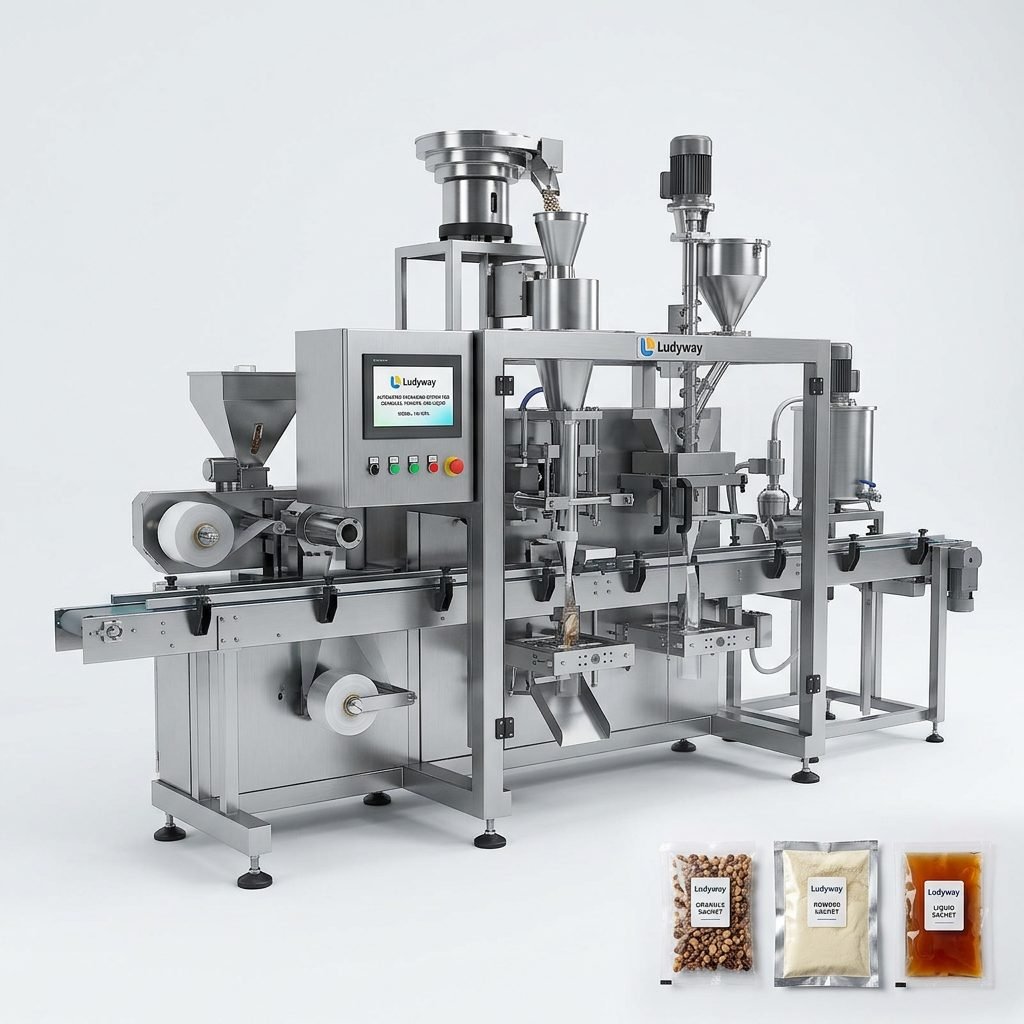
When evaluating film compatibility, consider these factors:
- Seal integrity: Multi-layer barrier films require precise temperature control to ensure hermetic seals without burning or delamination. Machines with PID temperature controllers offer superior consistency compared to basic thermostat-controlled systems.
- Film thickness range: Verify that the machine’s film transport system can handle your specified film gauge without wrinkling, stretching, or misfeeding. Most plastic packet packing machine models accommodate 40–120 micron films.
- Print registration: If your packaging features pre-printed branding, the machine needs an accurate photoelectric sensor system for registration mark detection, ensuring graphics align correctly on every packet.
- Eco-friendly alternatives: Growing demand for sustainable packaging means you may want a machine compatible with recyclable mono-material films or biodegradable options, which often have different sealing characteristics than traditional laminates.
Automation Level and Production Line Integration
The degree of automation you choose for your plastic packet packing machine significantly affects both initial investment and long-term operational efficiency. Beyond the basic filling and sealing functions, modern packaging lines can incorporate numerous automated auxiliary systems that reduce labor requirements and improve consistency. For manufacturers aiming to build fully integrated production environments, understanding packaging machinery standards and best practices from industry associations like PMMI helps ensure proper system architecture.
Semi-automatic machines require manual film loading, product feeding, and packet collection, making them suitable for small-batch production, R&D labs, and startups with limited capital. They typically cost less but have higher per-unit labor costs at scale.
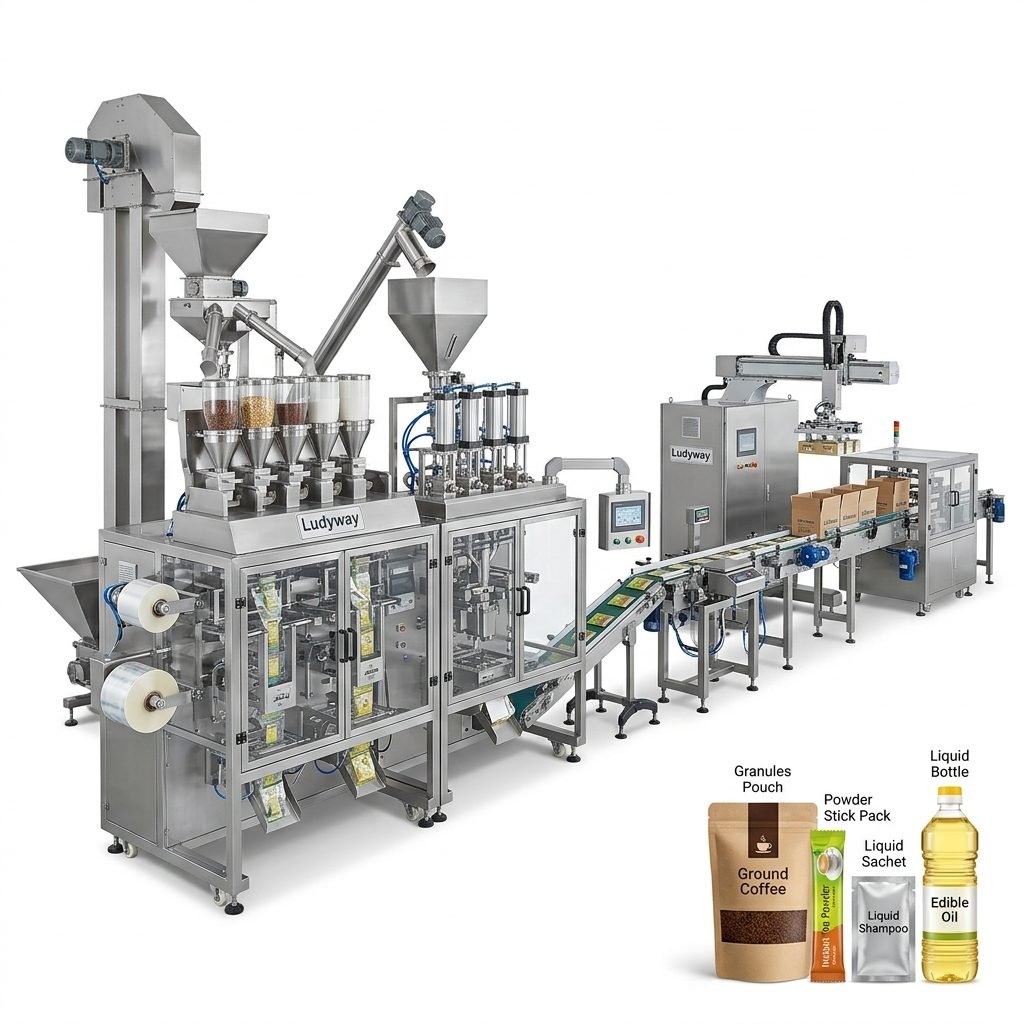
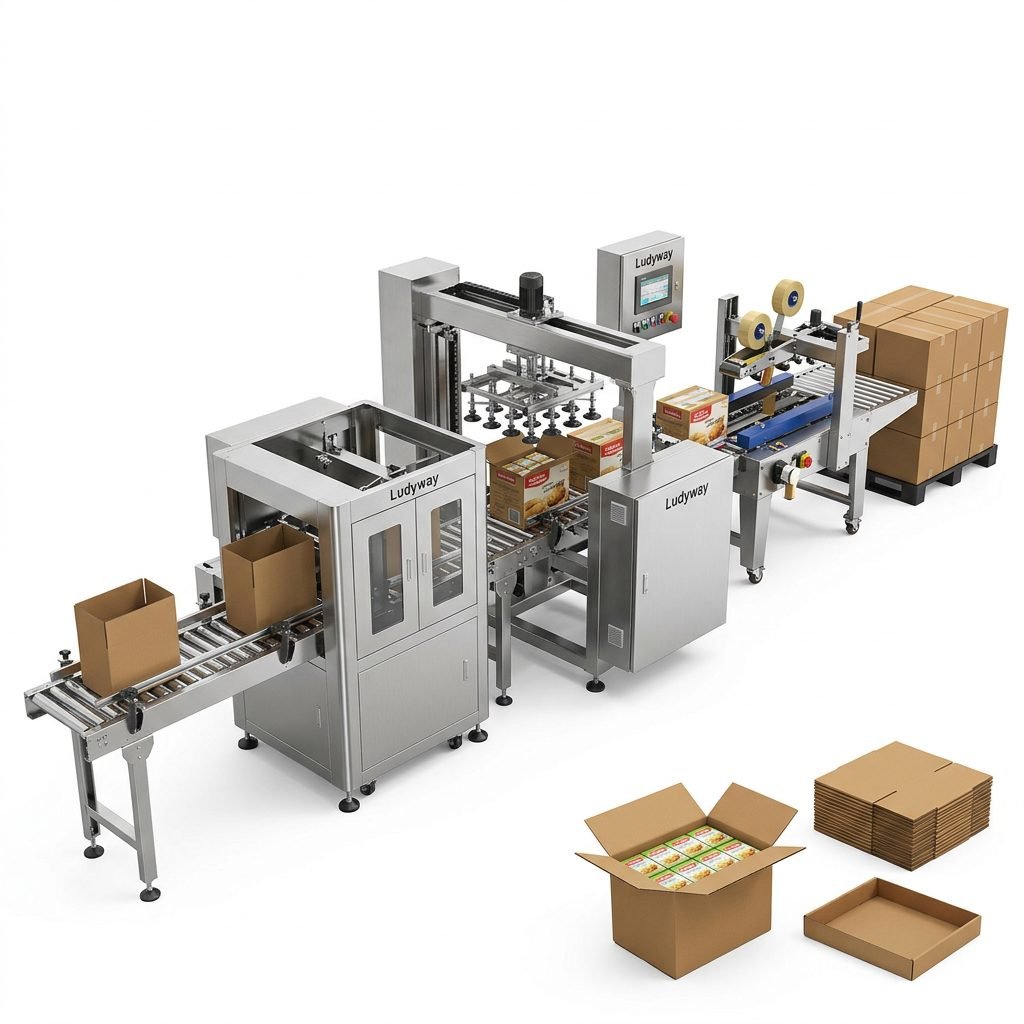
Fully automatic systems integrate automatic feeding via hoppers or conveyors, servo-driven film transport, continuous sealing, date coding, perforation, and automatic discharge onto collection conveyors or into cartoning machines. These systems minimize human intervention and are essential for high-volume operations producing millions of packets annually.
Customization Capabilities and Future-Proofing
Every production environment has unique constraints and requirements. A plastic packet packing machine that works perfectly in one facility may fall short in another due to differences in factory layout, upstream processing equipment, or downstream packaging operations. Leading manufacturers offer customization options that allow you to tailor the machine to your specific needs rather than forcing your processes to adapt to a standardized machine.
Key customization areas to discuss with potential suppliers include custom filling ranges for unique product densities, specialized sealing jaw geometries for distinctive packet shapes, integration ports for third-party auxiliary equipment such as checkweighers, metal detectors, and vision inspection systems, and factory-specific voltage and pneumatic requirements for international installations. Investing in a machine platform that supports future upgrades—such as adding additional lanes, converting from single-serve to multi-pack formats, or integrating with robotic case packing systems—protects your capital investment as your business grows.
Evaluating the Supplier: Beyond the Equipment Price
Selecting the right plastic packet packing machine supplier is as important as choosing the machine itself. A lower purchase price can quickly become irrelevant if you face extended downtime due to poor technical support, difficulty sourcing spare parts, or inadequate training. When assessing potential suppliers, evaluate their track record across multiple dimensions:
- Industry experience and specialization: A supplier with deep experience in your specific product category—whether it is hygroscopic food powders, sterile pharmaceuticals, or corrosive chemicals—will anticipate challenges that a generalist supplier may overlook. Review their project portfolio and ask for references from manufacturers producing similar products.
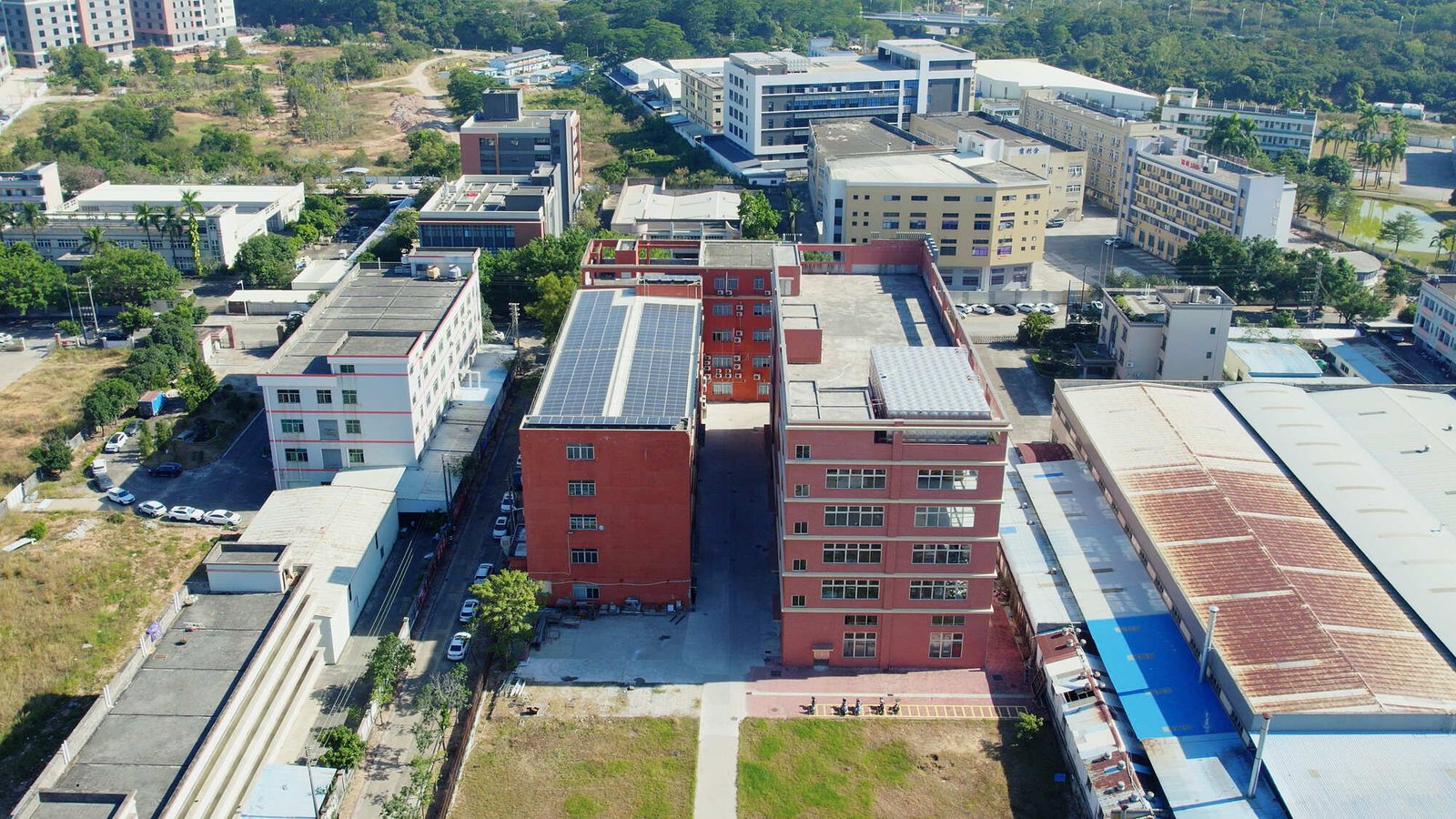
- Manufacturing and engineering capabilities: Suppliers with in-house manufacturing facilities can maintain tighter quality control and offer more responsive customization. Ludyway Machinery, for example, operates a 20,000-square-meter manufacturing facility with more than 130 professionals and over 50 packaging machine models, combining manufacturing expertise with automation technology to serve customers in more than 100 countries. The company is expected to achieve export revenue of more than RMB 500 million (approximately US$69 million) in 2025 and plans to surpass RMB 1 billion (approximately US$138 million) in export revenue in 2026, reflecting strong global demand for its automated packaging solutions.
- Technical support infrastructure: Clarify what support is available during installation, commissioning, and the warranty period. Ask about remote diagnostic capabilities, response times for technical inquiries, spare parts availability in your region, and whether the supplier offers operator training programs.
- Certification and compliance: Verify that the equipment meets relevant international standards for your target markets. For pharmaceutical applications, machines may need to comply with GMP requirements. Food-grade equipment should use appropriate materials and sanitary design principles.
Total Cost of Ownership and ROI Calculation
When budgeting for a plastic packet packing machine, looking beyond the purchase price to understand the total cost of ownership over the equipment’s typical 10–15 year service life provides a more accurate picture of your investment. Maintenance costs, spare parts availability, energy efficiency, film waste rates, and production uptime all contribute to the true cost of operating the machine year after year.
A machine with precision servo-driven controls may cost more initially but can reduce film waste by 3–5% compared to mechanically driven alternatives, delivering substantial savings over millions of production cycles. Similarly, investing in a machine with energy-efficient motors and optimized heating systems can reduce electricity consumption by 15–25% compared to older designs. When calculating ROI, factor in labor savings from automation, reduced product giveaway from improved fill accuracy, and the revenue potential of increased production capacity.
Making the Final Decision
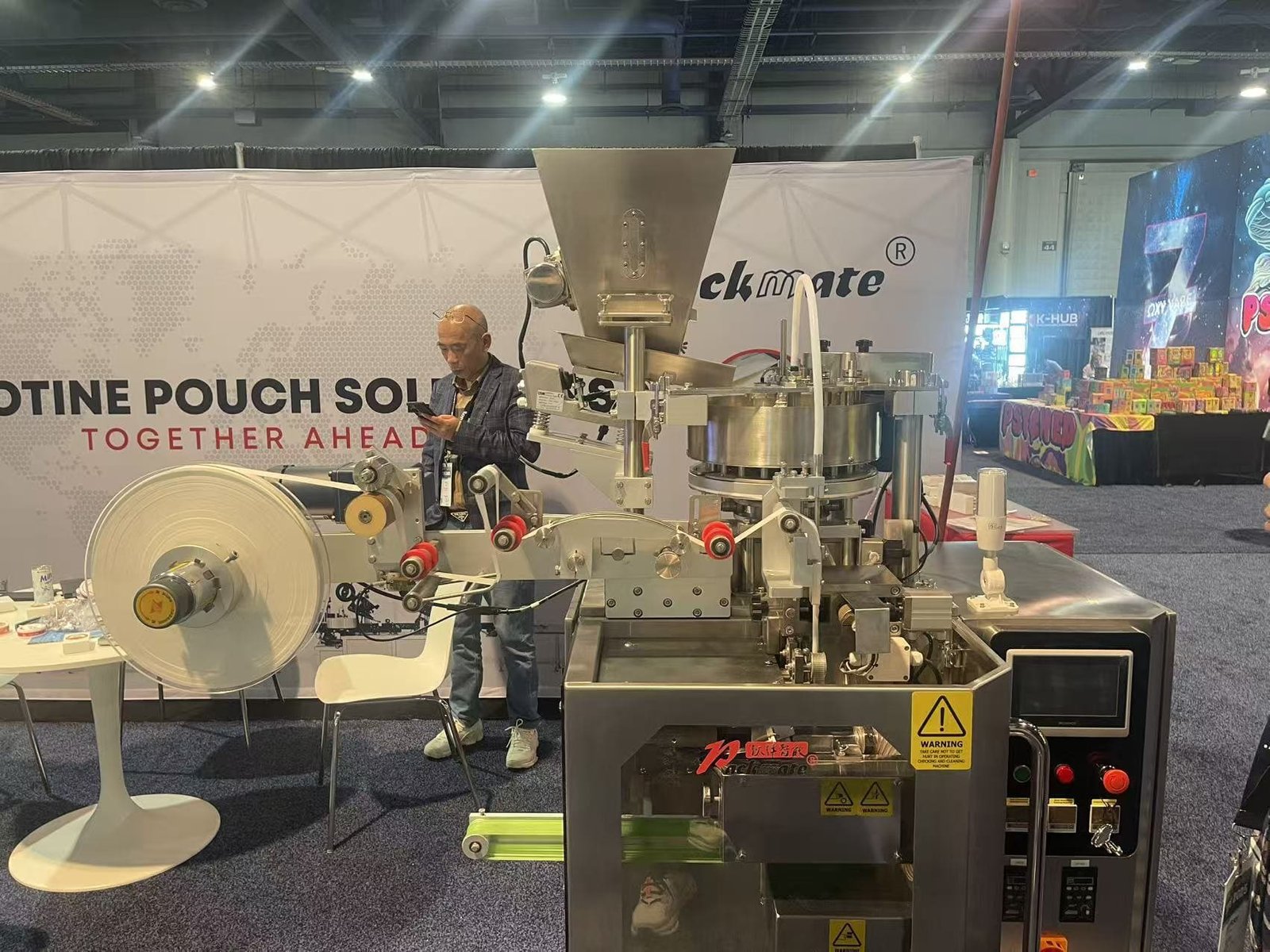
Choosing the right plastic packet packing machine requires balancing technical specifications, supplier capabilities, and commercial considerations. Start by clearly defining your product requirements and production targets, then systematically evaluate machines against your criteria. Request product samples to be packaged on demonstration machines whenever possible—this provides tangible evidence of fill accuracy, seal quality, and packet appearance before you commit. Finally, consider visiting the supplier’s manufacturing facility or attending an industry exhibition such as PACK EXPO International where you can see multiple machines operating side by side and engage directly with technical teams. A thorough evaluation process ensures your chosen machine will serve as a reliable foundation for your packaging operations for years to come.
For additional guidance on flexible packaging industry data and packaging machinery market intelligence, industry associations provide regularly updated reports and technical resources that can inform your purchasing decision. Staying informed about international packaging standards also helps ensure your equipment investment aligns with global quality and safety requirements.