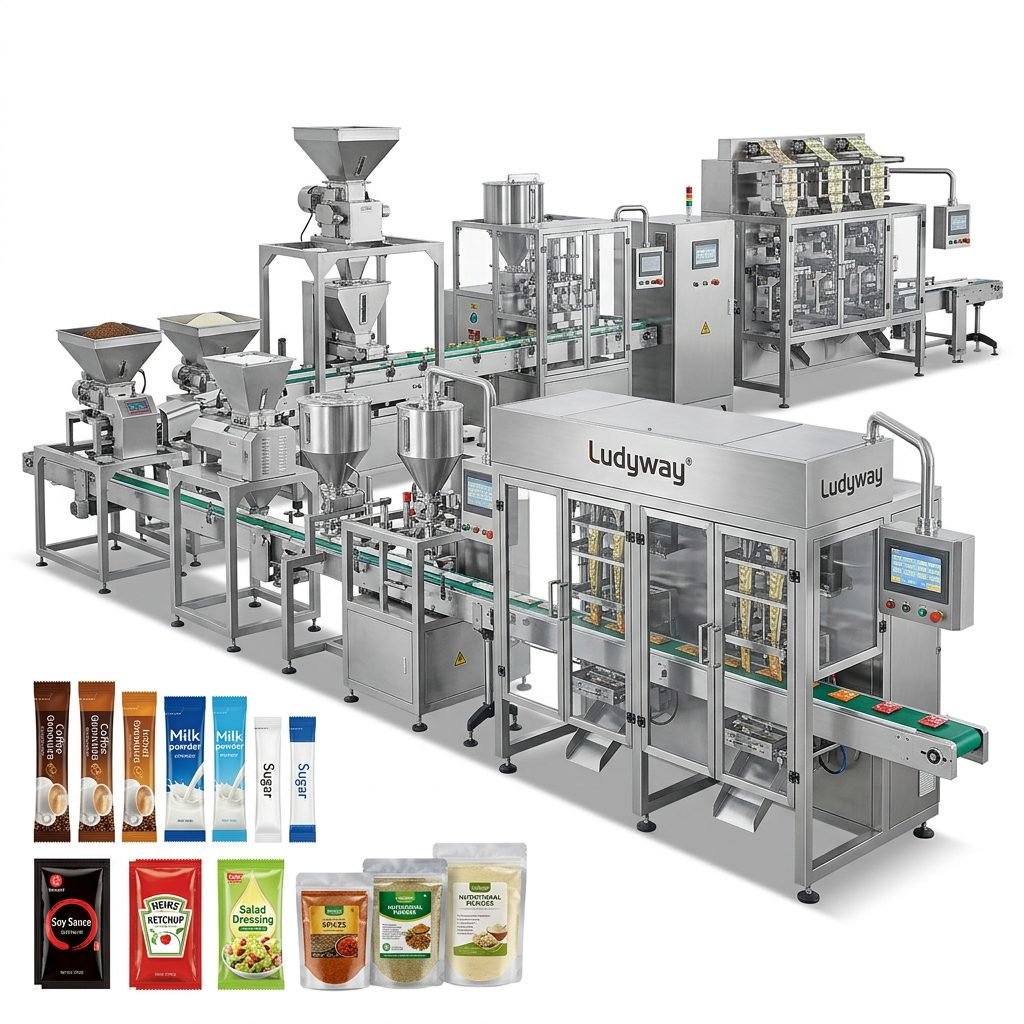
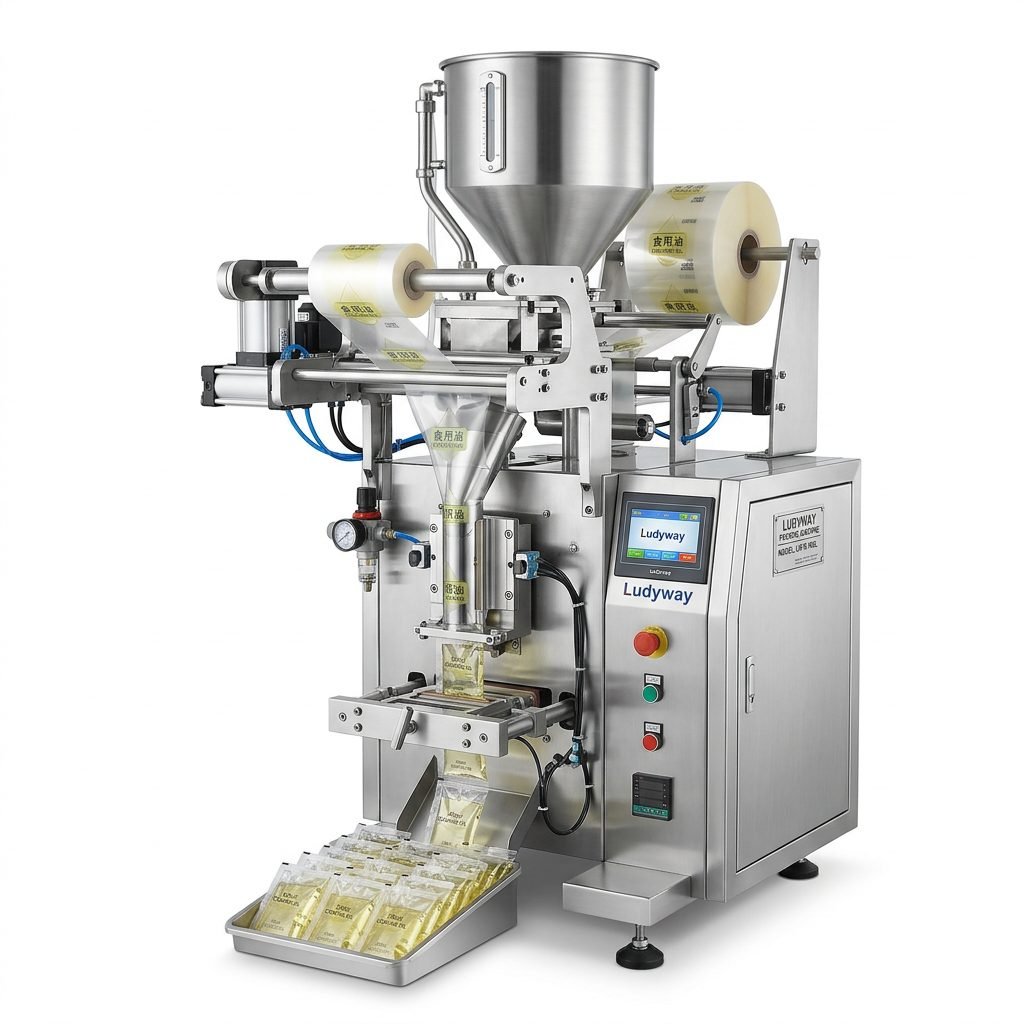
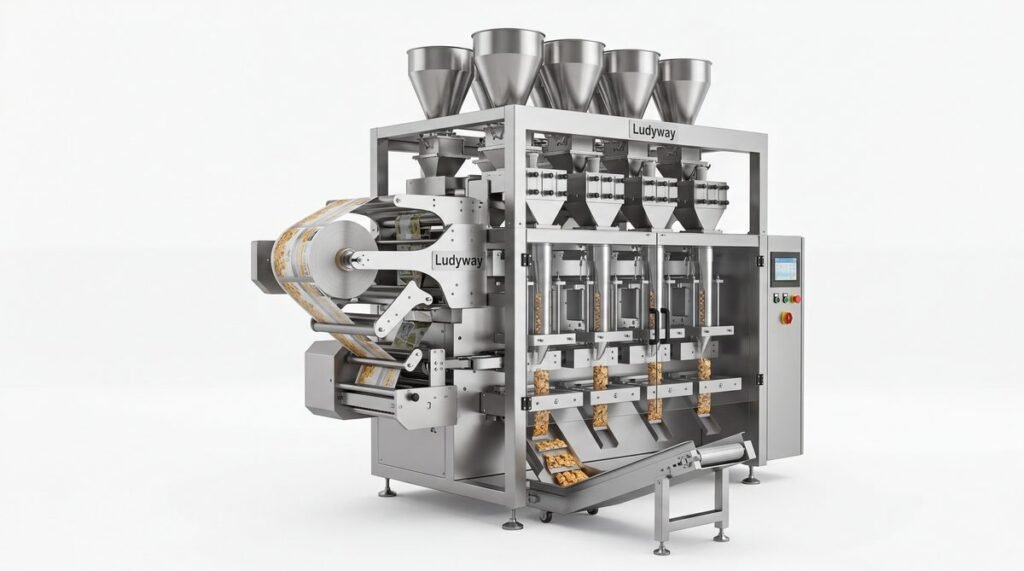
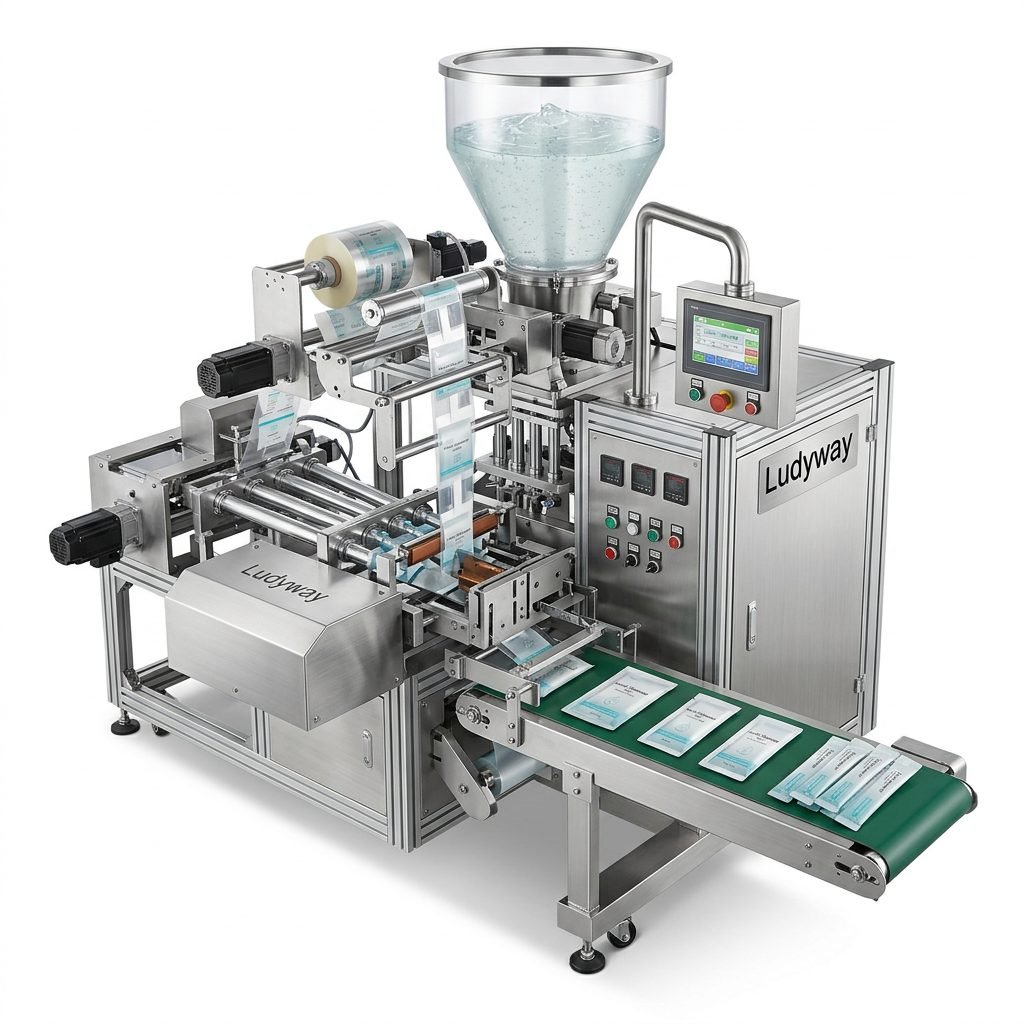
Efficient packaging operations are the backbone of modern manufacturing and distribution, directly impacting productivity, cost, and product presentation. A well-equipped packaging line is not just a collection of machines; it’s a synchronized system designed for speed, accuracy, and reliability. This comprehensive list details the essential packaging equipment and tools, from primary filling and sealing machines to vital auxiliary components, that form the core of any successful packing operation.
Core Packaging Machinery: The Heart of the Line
At the center of any packaging operation are the machines that perform the primary functions of forming, filling, and sealing. These are the workhorses that determine the pace and format of your output.
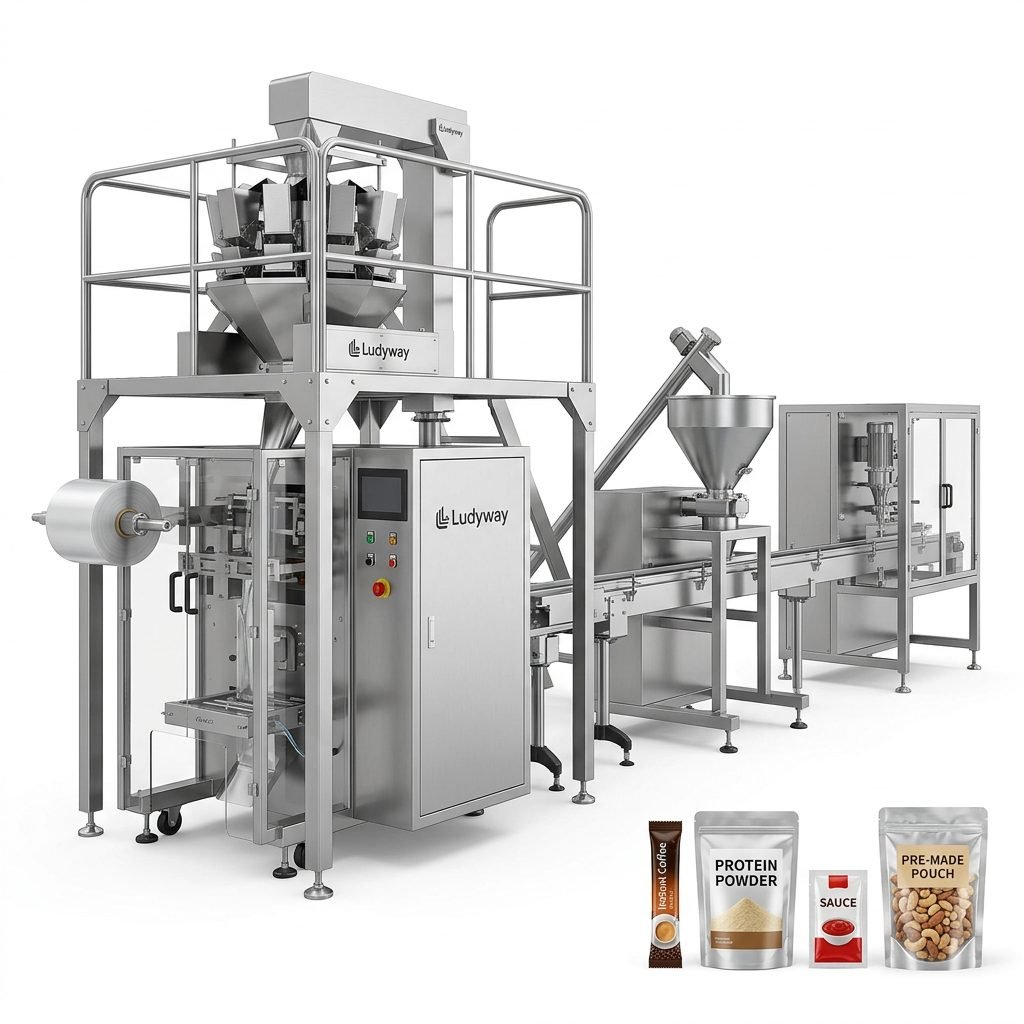
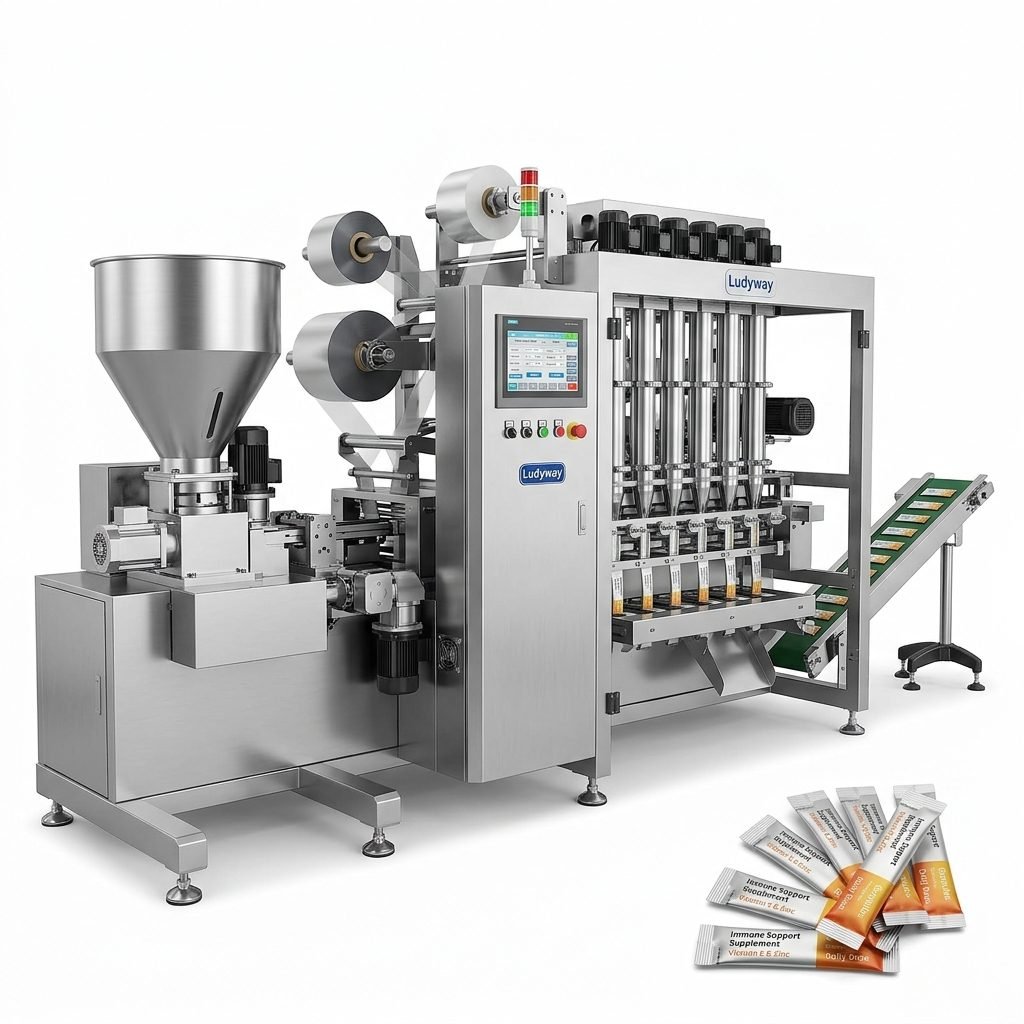
Form-Fill-Seal (FFS) Machines
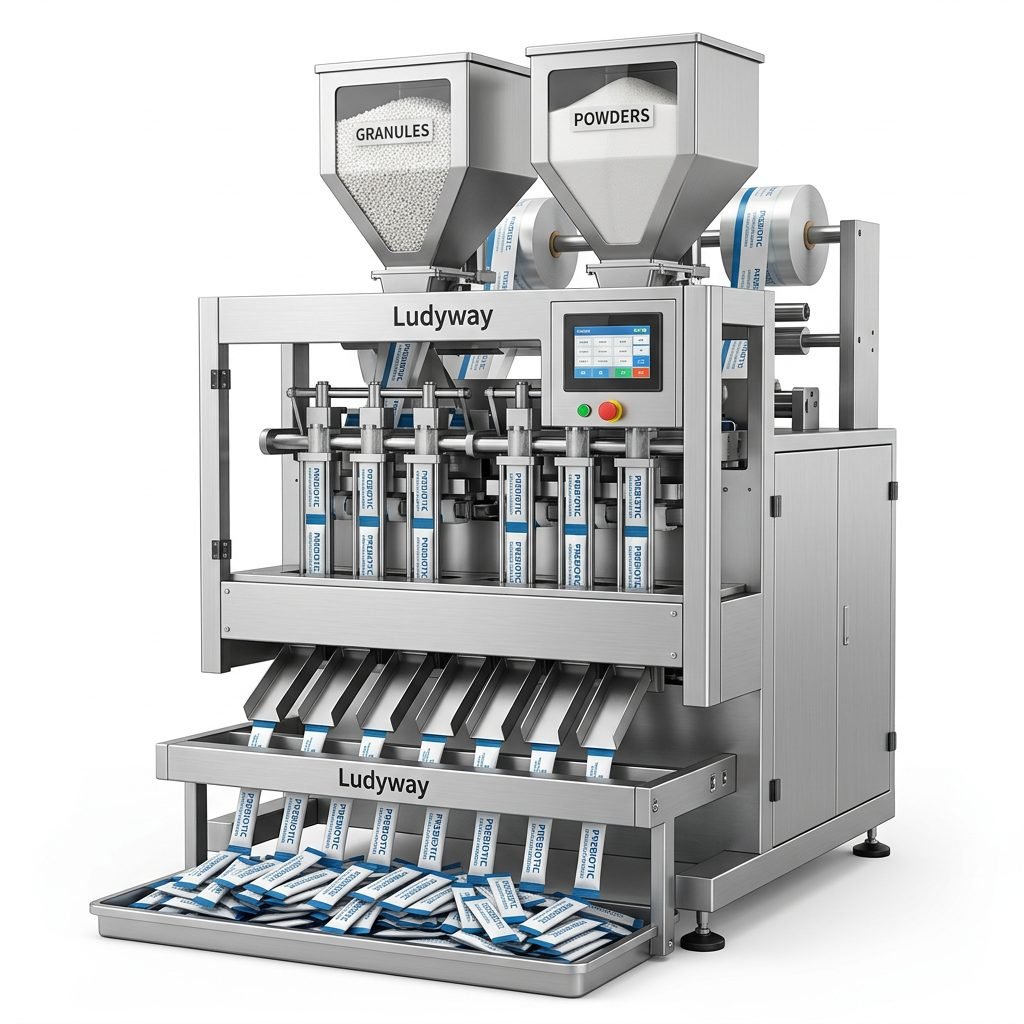
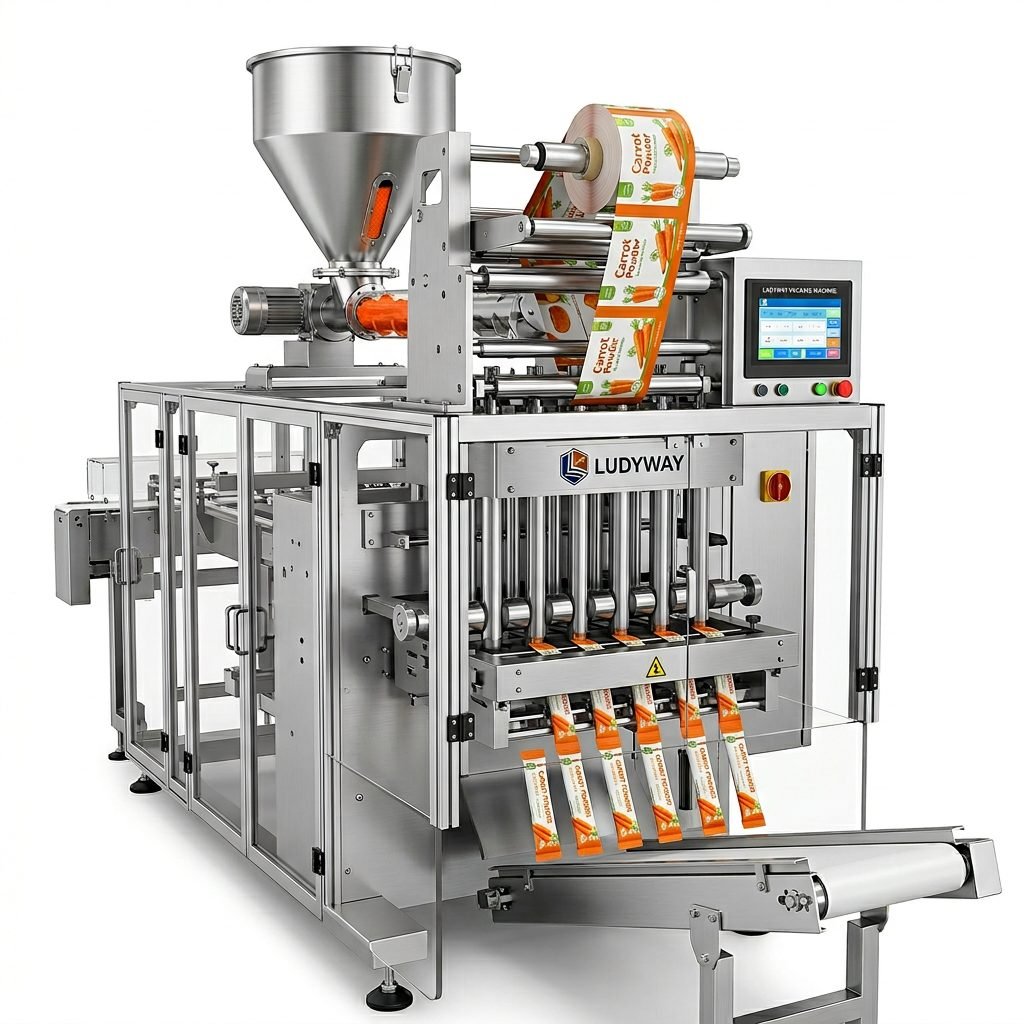
Form-Fill-Seal machines are highly versatile and automate the entire process of creating a package from a roll of film, metering the product into it, and sealing it. They are ideal for high-volume production of sachets, pouches, and stick packs for products like granules, powders, liquids, and pastes. Vertical FFS (VFFS) machines are common for granular products, while horizontal FFS (HFFS) is often used for items like biscuits or bars.
Filling Machines
For operations using pre-made bags, bottles, or containers, dedicated filling machines are essential. These include:
• Volumetric Cup Fillers: Perfect for free-flowing granules, nuts, or seeds, using adjustable cups to measure product by volume.
• Auger Fillers: The standard for precise filling of powders and fine granules. A rotating auger screw dispenses product by volume, with accuracy critical for costly ingredients.
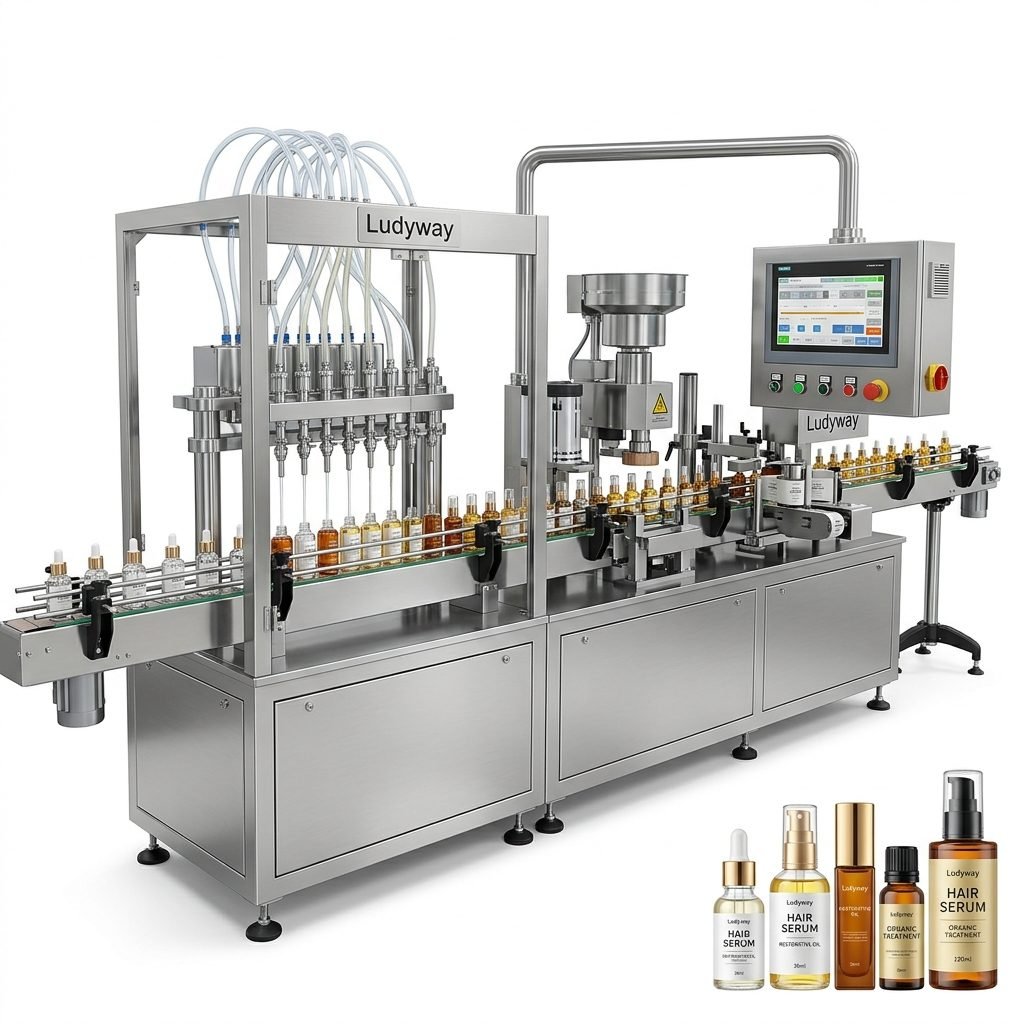
• Liquid Fillers: These range from simple gravity fillers for water-like liquids to more precise piston or pump fillers for viscous products like sauces, oils, or creams.
Sealing & Closing Equipment
Once filled, containers must be securely closed. This category includes induction sealers for tamper-evident foil liners on bottles, cappers for applying screw caps, and heat sealers for poly bags. For flexible packaging from FFS machines, the sealing jaws are integrated, but stand-alone band sealers or impulse sealers are vital tools for manual or semi-automatic bagging stations.
Essential Auxiliary & Support Equipment
A smooth packaging line relies on more than just the primary machines. Support equipment ensures a consistent flow, handles the product gently, and prepares it for final distribution.
Conveying Systems
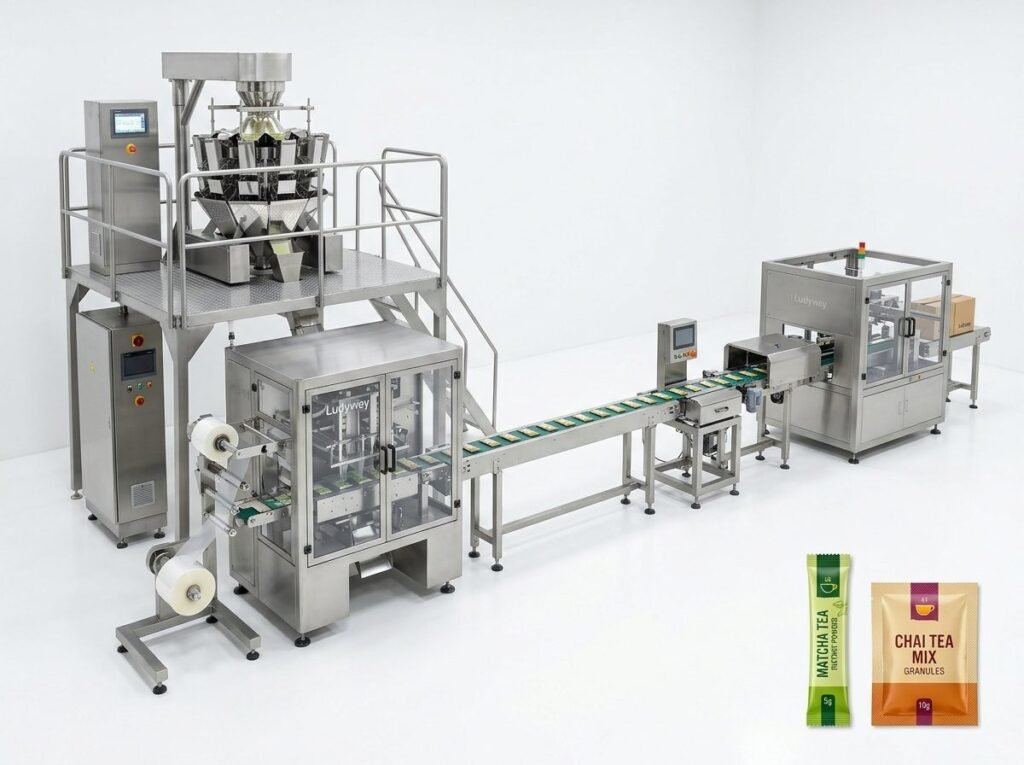
Belting and conveying systems are the arteries of the packaging line. They transport empty containers to fillers, move filled containers between stations (like from filler to capper to labeler), and carry finished goods to case packers. Options include flat belt conveyors, accumulation tables to manage line pressure, and specialized conveyors like bucket elevators for vertical movement.
Labeling & Coding Machines
Product identification and traceability are non-negotiable. Automatic label applicators apply pre-printed labels to bottles, boxes, or pouches with high speed and precision. Equally important are coding machines, such as inkjet or laser coders, which print variable information like batch numbers, expiry dates, and barcodes directly onto the packaging.
Checkweighers & Metal Detectors
Quality control is automated with these critical devices. Checkweighers verify that every package contains the correct amount of product, rejecting under or over-filled items to ensure compliance and reduce giveaway. Metal detectors or X-ray inspection systems scan products for physical contaminants, safeguarding brand integrity and consumer safety. They are a mandatory component in food and pharmaceutical packaging lines.
Tools for Efficiency & Maintenance
Beyond the large machines, a suite of hand tools and maintenance equipment keeps operations running smoothly and allows for quick changeovers between different products or package sizes.
Hand Tools & Changeover Kits
Operators need the right tools for adjustments and maintenance. This includes calibrated wrenches for changing augers or filling heads, torque wrenches for capper settings, and specialized toolkits for quick mold changes on FFS machines. Having these tools organized and readily available minimizes downtime.
Cleaning & Sanitation Tools
Hygiene is paramount, especially in food and pharma. Tools like sanitary air guns, clean-in-place (CIP) systems for liquid fillers, and vacuum cleaners designed for industrial environments are essential. Proper cleaning protocols supported by the right tools prevent cross-contamination and meet stringent industry standards.
Monitoring & Control Systems
Modern packaging lines are increasingly connected. Simple tools like digital tachometers to check motor speeds have evolved into full Supervisory Control and Data Acquisition (SCADA) systems. These software platforms monitor machine performance, track production counts, log downtime events, and provide real-time operational intelligence for continuous improvement.
Building a Cohesive Packaging System
Selecting individual machines is only the first step. The true goal is system integration—ensuring all components work together seamlessly. This involves matching line speeds, ensuring mechanical and electrical compatibility, and designing logical product flow with minimal transfer points. A well-integrated line from a single supplier like Ludyway Packaging Machinery often results in better performance, simpler training, and more reliable after-sales support than a mix of disparate machines.
Furthermore, considering future needs is crucial. Can the line handle a potential increase in speed? Is it flexible enough to run different package sizes or formats? Investing in modular equipment with quick-change features can provide the agility needed to adapt to market demands. For businesses looking to scale, partnering with an expert who can provide a complete turnkey packaging solution ensures every piece of equipment is purpose-selected and optimally configured.
Conclusion: Investing in Operational Excellence
An efficient packing operation is built on a foundation of the right equipment. From the core form-fill-seal and filling machines to the indispensable support of conveyors, checkweighers, and labeling systems, each component plays a vital role. Equally important are the tools and systems that maintain efficiency, ensure quality, and provide control. By carefully selecting and integrating this equipment, manufacturers can achieve significant gains in speed, accuracy, and cost-effectiveness, ultimately delivering a superior product to the market. For companies seeking reliable and innovative packaging solutions, exploring the range of intelligent machines offered by experienced providers is a key step toward operational excellence.
Frequently Asked Questions (FAQs)
Q: What is the most important factor when choosing a filling machine?
A: The product characteristics are paramount. A free-flowing granule requires a different filler (volumetric cup) than a non-free-flowing powder (auger) or a viscous liquid (piston pump). Always test your actual product with the machine.
Q: Can one packaging machine handle different types of products?
A: Many machines offer flexibility, but with limits. A vertical form-fill-seal machine can often run different sizes of pouches for similar products. However, switching from a powder to a liquid typically requires significant component changes (like different augers vs. pumps). Modular machines designed for quick changeovers offer the best flexibility.
Q: Why is a checkweigher considered essential, not optional?
A: A checkweigher ensures regulatory compliance (preventing underweight packages), controls cost (preventing product giveaway from overweight packages), and provides real-time data on filling accuracy, helping to maintain consistent quality and reduce waste.
Q: How do I know if I need a semi-automatic or fully automatic packaging line?
A: The choice depends on your production volume and labor costs. Semi-automatic lines are suitable for lower volumes or frequent product changeovers, requiring more manual intervention. Fully automatic lines are a larger initial investment but are necessary for high-volume production, offering much lower labor costs per unit and higher consistency.
Q: What kind of support should I expect from a packaging machinery supplier?
A: Look for a supplier that offers comprehensive support, including installation and commissioning, thorough operator training, readily available spare parts, and reliable technical service. A partner like Ludyway, with deep industry experience, can also provide valuable consultancy on line design and optimization.