Vacuum packaging has revolutionized how we preserve and store food, extending shelf life, maintaining freshness, and preventing spoilage. Whether you are a small-scale food producer, a restaurant owner, or involved in large-scale manufacturing, selecting the right vacuum packaging equipment is a critical decision that impacts product quality, operational efficiency, and your bottom line. This guide will walk you through the essential factors, technologies, and considerations to help you make an informed choice.
Understanding Vacuum Packaging Technology
At its core, vacuum packaging removes air from a package before sealing it. This process significantly slows down oxidation and inhibits the growth of aerobic bacteria and fungi. Modern equipment achieves this through various methods, from simple single-chamber machines to sophisticated continuous belt systems for high-volume production. The technology is indispensable for preserving meats, cheeses, prepared meals, coffee, and even sensitive electronic components.
Key Benefit: Extended Shelf Life
By removing oxygen, vacuum packaging can extend the shelf life of perishable foods by 3 to 5 times compared to conventional storage methods. This reduces food waste and allows for more flexible distribution and inventory management.
Critical Factors for Choosing Your Equipment
Your choice must align with your specific needs. Here are the primary factors to evaluate:
1. Production Volume & Speed Requirements
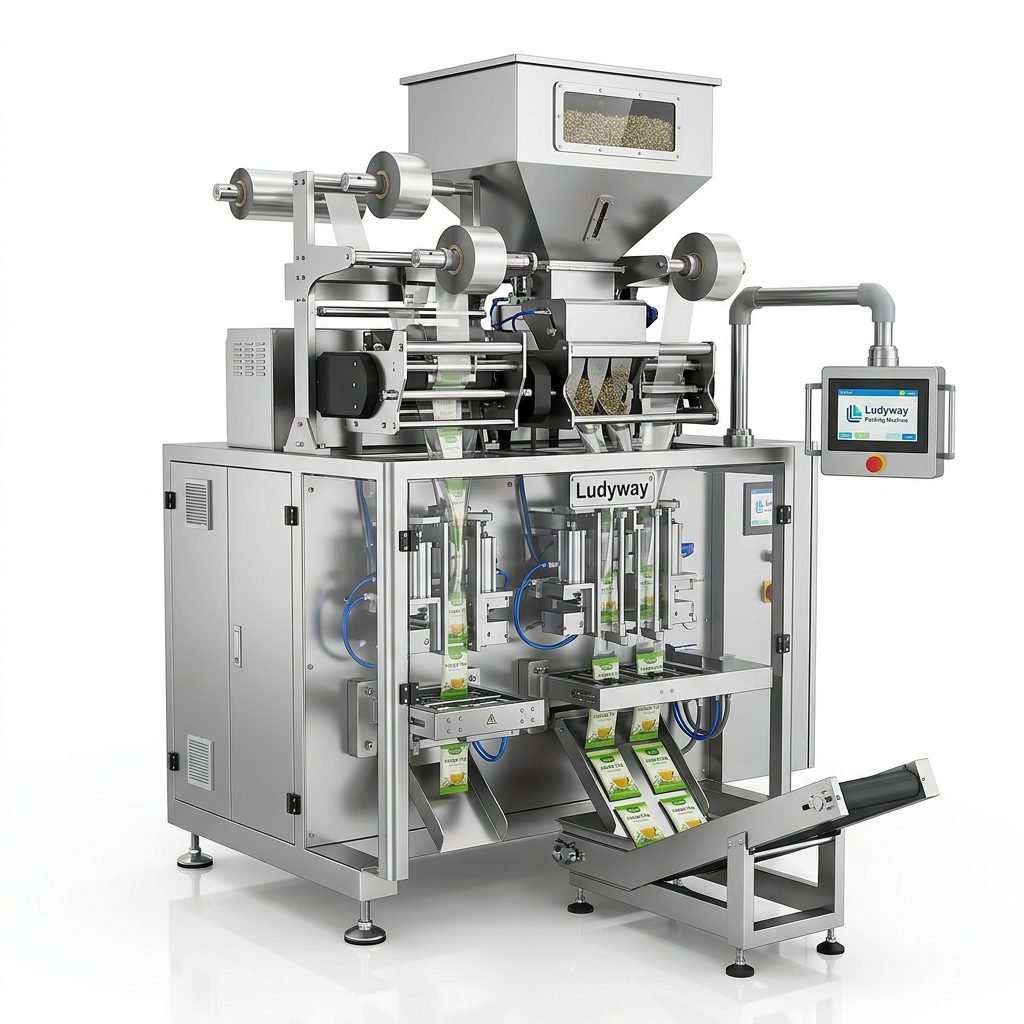
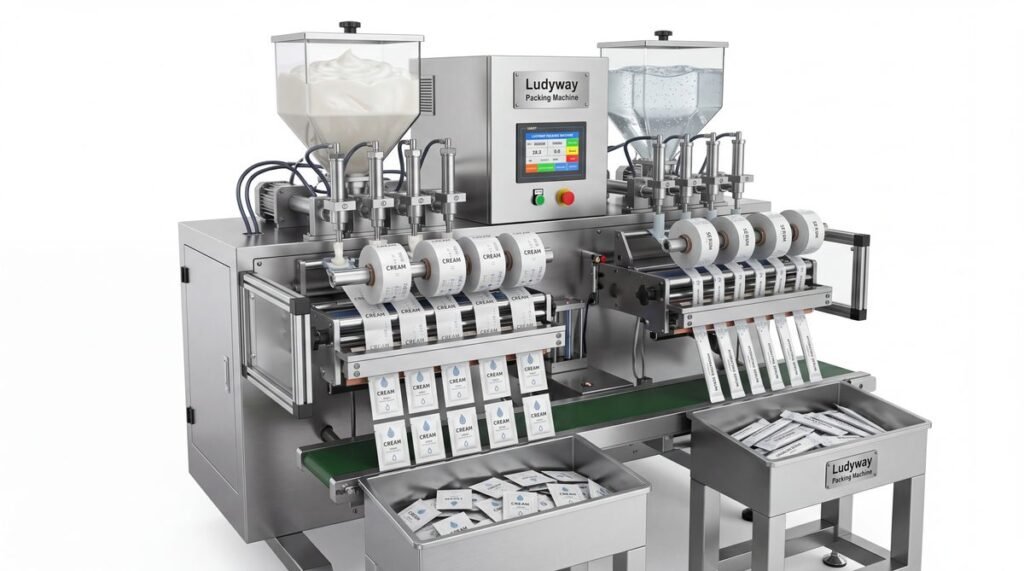
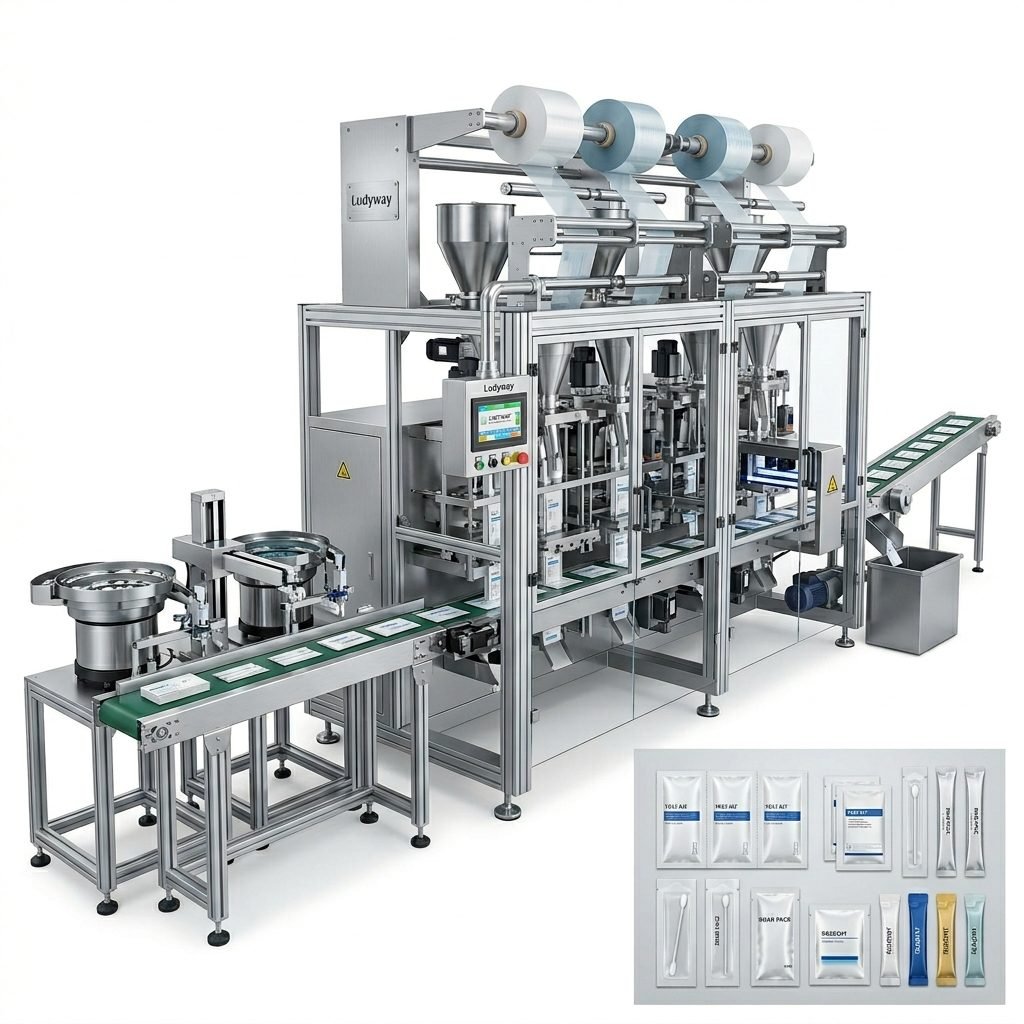
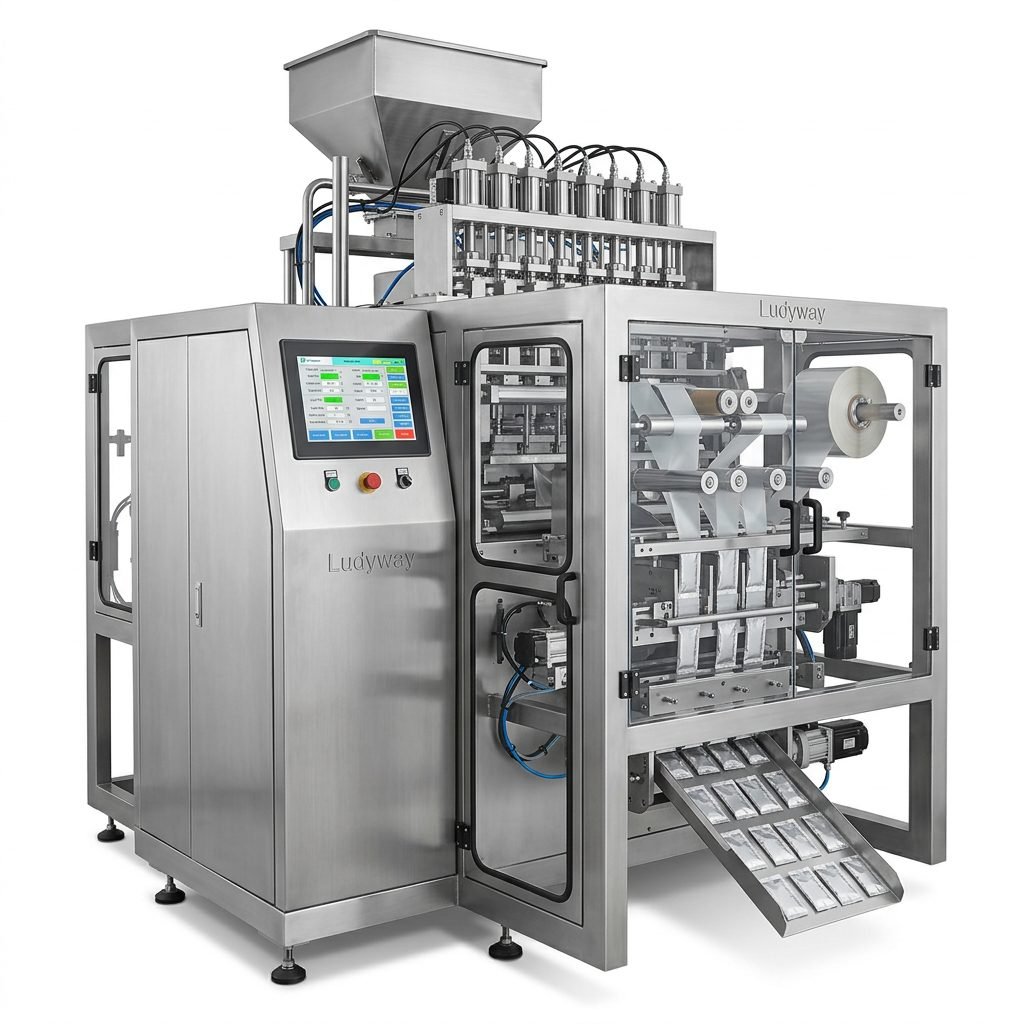
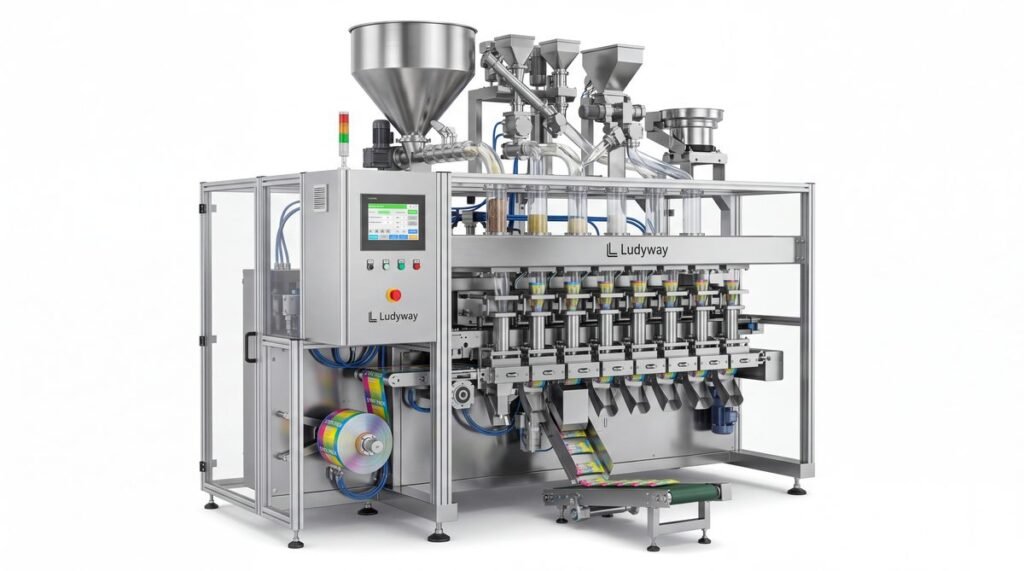
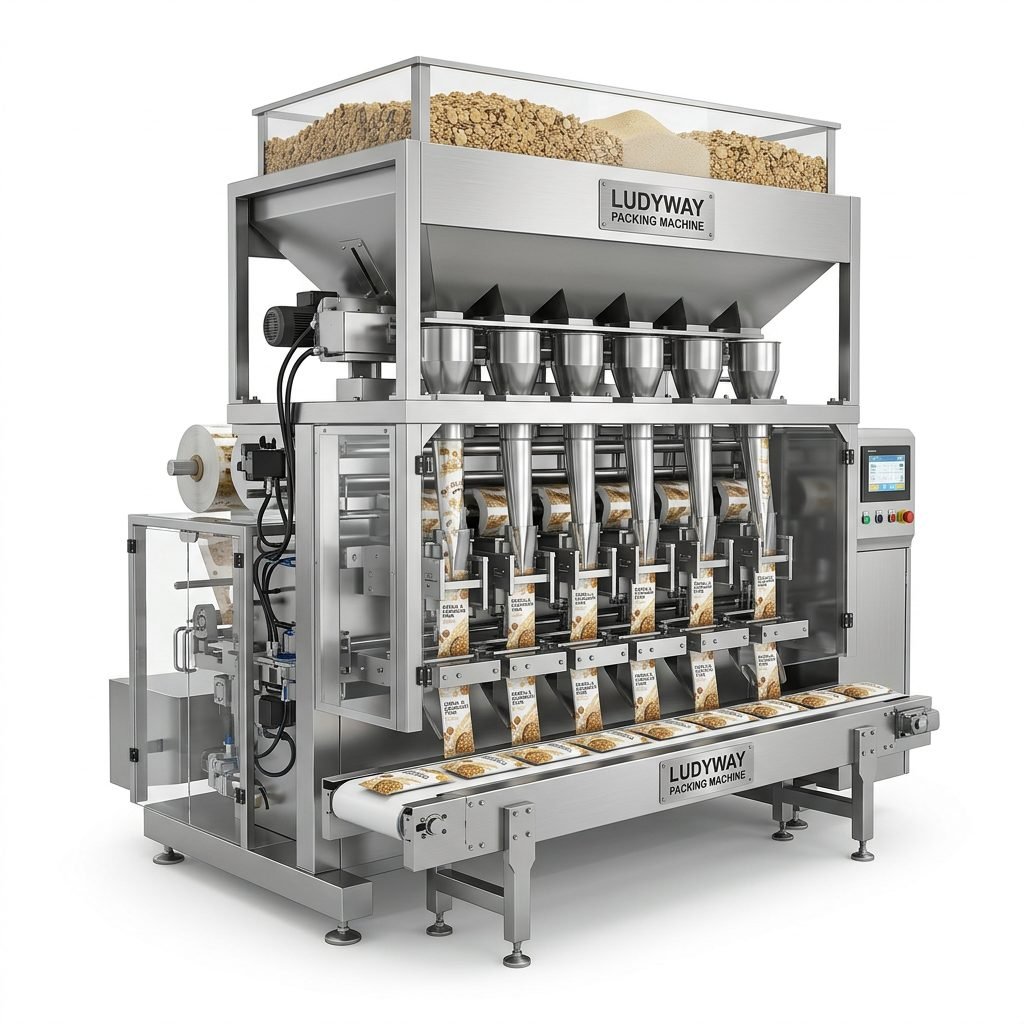
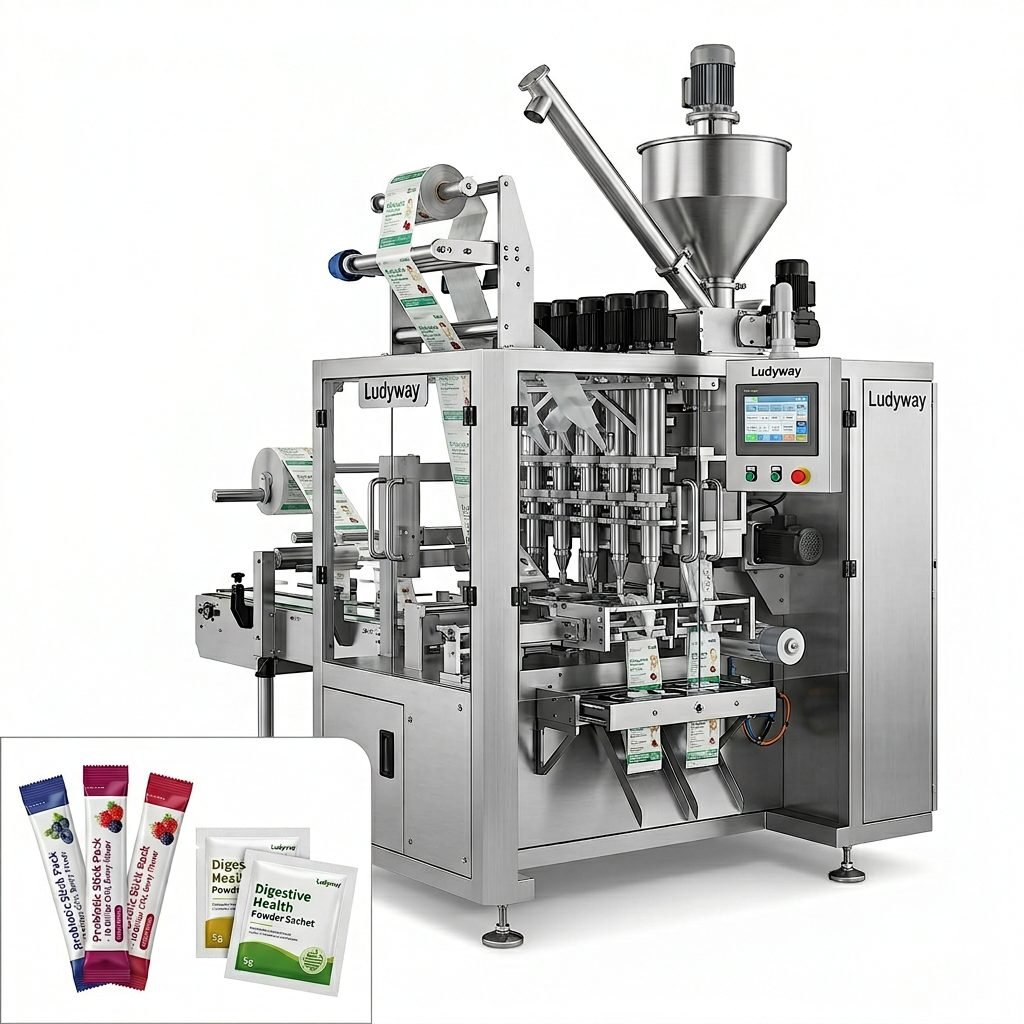
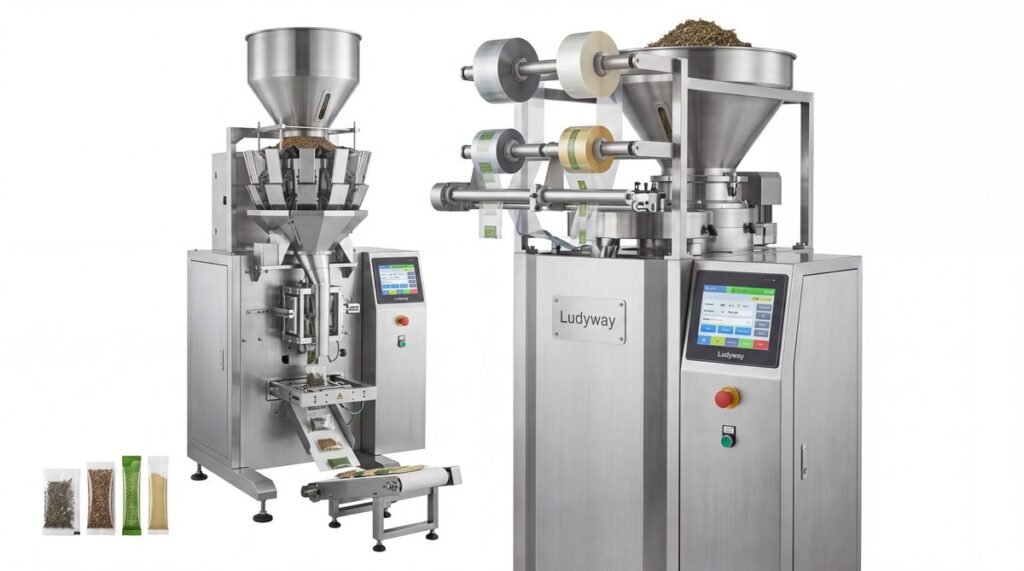
Your daily output dictates the machine type. For low to medium volumes, single or double-chamber vacuum sealers are ideal. For high-speed, continuous production lines—common in facilities like Ludyway Packing Machine serves—you need automatic belt vacuum sealers or rotary chamber machines that can handle dozens of cycles per minute.
2. Package Type and Product Characteristics
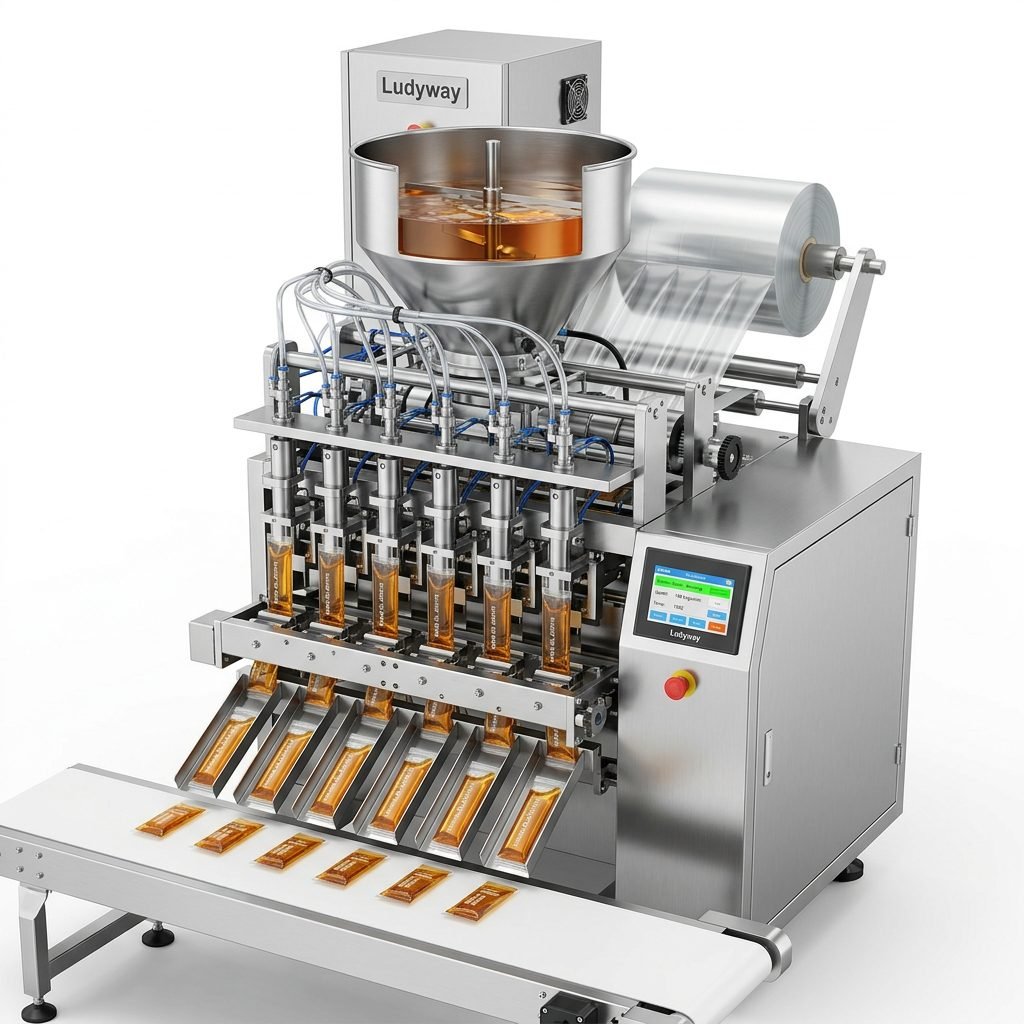
Consider the product’s form (solid, liquid, powder, granular) and the packaging material (pouches, trays, bags). Machines differ in how they handle liquids or fine powders to prevent spillage during evacuation. Some advanced systems offer gas flushing capabilities (Modified Atmosphere Packaging – MAP) for extra-sensitive products like fresh salads or crispy snacks.
⚠️ Pro Tip: Mind the Moisture
For moist or liquid-rich products, look for machines with pulse sealing technology or a “liquid” mode. These features prevent liquid from interfering with the seal by providing a brief pause during the vacuum cycle, allowing liquids to settle.
3. Vacuum Pump Performance
The pump is the heart of the machine. Oil-based rotary vane pumps are powerful and durable for heavy-duty use but require maintenance. Oil-less pumps are cleaner and lower maintenance, suitable for environments where food contamination is a top concern, though they may have a slightly shorter lifespan under constant heavy load.
4. Chamber Size and Seal Bar Length
The internal chamber dimensions determine the maximum bag size you can process. Ensure it accommodates your largest anticipated product. The seal bar length should match your bag width. Dual seal bars provide redundancy for a more reliable seal.
Types of Vacuum Packaging Machines
External (Nozzle) Vacuum Sealers
These are entry-level machines where a nozzle is inserted into a special bag. They are affordable and portable but less effective at achieving a high vacuum and slower for multiple bags. Best for occasional home or light commercial use.
Single-Chamber Vacuum Sealers
The bag is placed inside a chamber, the lid closes, and air is removed. They offer a strong, consistent vacuum and are the workhorses for small to medium businesses, butcher shops, and kitchens. Many offer basic MAP functions.
Double-Chamber Vacuum Sealers
These feature two chambers that work alternately: one seals while the other is being loaded. This dramatically increases throughput and is perfect for medium-volume operations where efficiency is key.
Automatic Belt Vacuum Sealers
For high-volume industrial production, these machines feature a conveyor belt that automatically moves bags into the vacuum chamber, seals them, and releases them. They are the backbone of large-scale food processing plants and integrate seamlessly into complete automated packaging lines.
Thermoforming Vacuum Packaging Machines
These are top-tier systems that form the package from a roll of plastic film, fill it with product, vacuum and seal it, and then cut it. They create a premium, skin-tight package ideal for retail-ready meats, cheeses, and medical devices. They represent a significant investment but offer unparalleled presentation and barrier protection.
Integration and Support: Beyond the Machine
Purchasing the equipment is just the beginning. Consider the supplier’s ability to provide comprehensive support.
- Training & Installation: Does the supplier offer on-site setup and operator training?
- Technical Support & Spare Parts: Reliable, accessible after-sales service is crucial to minimize downtime.
- Customization: Can the machine or line be tailored to your unique product shape, size, or packaging material?
Companies with deep industry roots, like Ludyway Packing Machine, which brings over 30 years of experience, often provide this full spectrum of support, ensuring your investment is protected.
💡 Making the Final Decision
Create a checklist: List your must-have features (e.g., vacuum level, speed, gas flush) against your budget. Always request a live demonstration or a trial run with your actual product. This is the best way to verify performance and seal quality before committing.
Frequently Asked Questions (FAQs)
1. What is the main difference between a chamber sealer and an external sealer?
Chamber sealers place the entire bag inside a sealed chamber to remove air, creating a much stronger, more consistent vacuum suitable for liquids and powders. External sealers use a nozzle and special bags, are less powerful, but are more affordable and compact.
2. Can I use any plastic bag with a vacuum sealer?
No. You must use bags specifically designed for vacuum sealing. They are made from multi-layer materials with a rough texture on one side to allow air channels for evacuation. Using standard bags will result in poor vacuum and failed seals.
3. How often does the vacuum pump need maintenance?
For oil-lubricated pumps, oil should be checked monthly and changed as per the manufacturer’s schedule (often every 3-6 months with continuous use). Oil-less pumps require less maintenance but need their air filters cleaned regularly. Always follow the specific manual for your model.
4. Is Modified Atmosphere Packaging (MAP) better than simple vacuum packaging?
It depends on the product. MAP replaces the air with a specific gas mix (like nitrogen and carbon dioxide). It’s superior for fragile items (chips, salads) that would be crushed by a full vacuum, or for red meats where you want to retain the bright red color (using oxygen in the mix). For most long-term storage of solid foods, a full vacuum is excellent.
5. What safety features should I look for?
Key features include thermal overload protection for the pump and sealer, a lid safety switch that stops operation when opened, and cool-touch sealing bars. For industrial machines, emergency stop buttons and proper guarding are essential for operator safety.