In the competitive pet food market, effective packaging is crucial for product protection, shelf appeal, and operational efficiency. Selecting the right pet food packaging equipment is a strategic decision that impacts production speed, cost, and final product quality. This guide provides a comprehensive overview of the machines, solutions, and automated lines that define modern pet food packaging.
Core Machinery for Pet Food Packaging
The foundation of any packaging operation lies in its core machinery. Different types of pet food—dry kibble, semi-moist, treats, or powder supplements—require specific handling and sealing technologies.
Weighing and Filling Systems
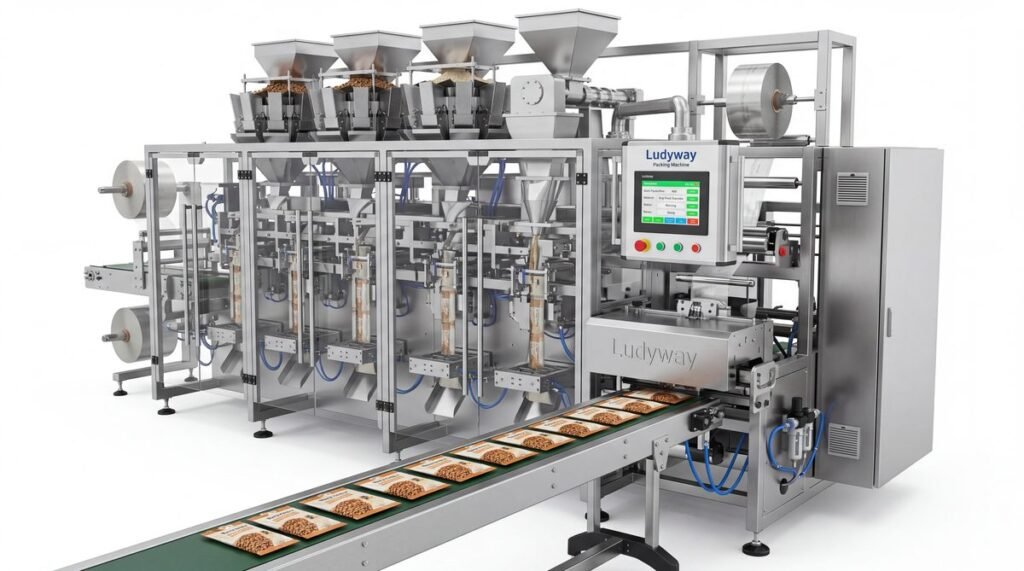
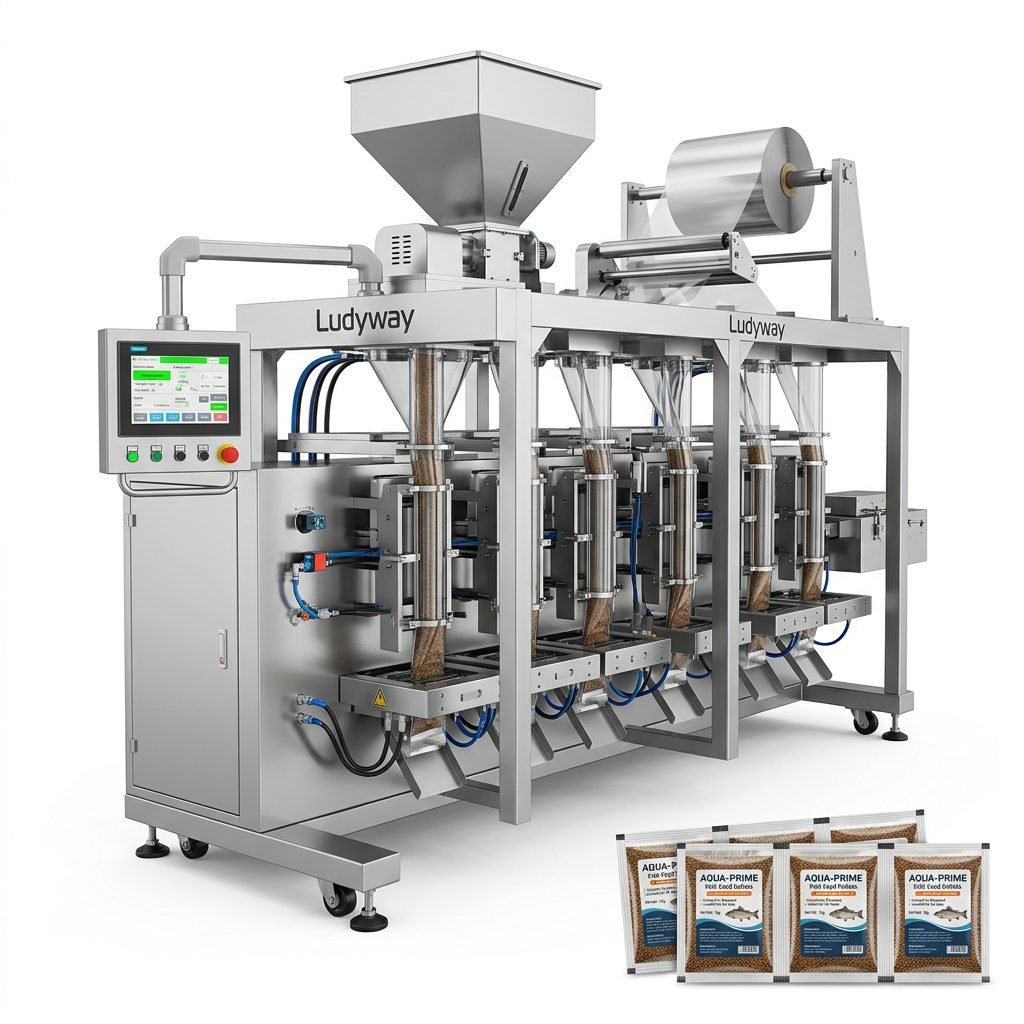
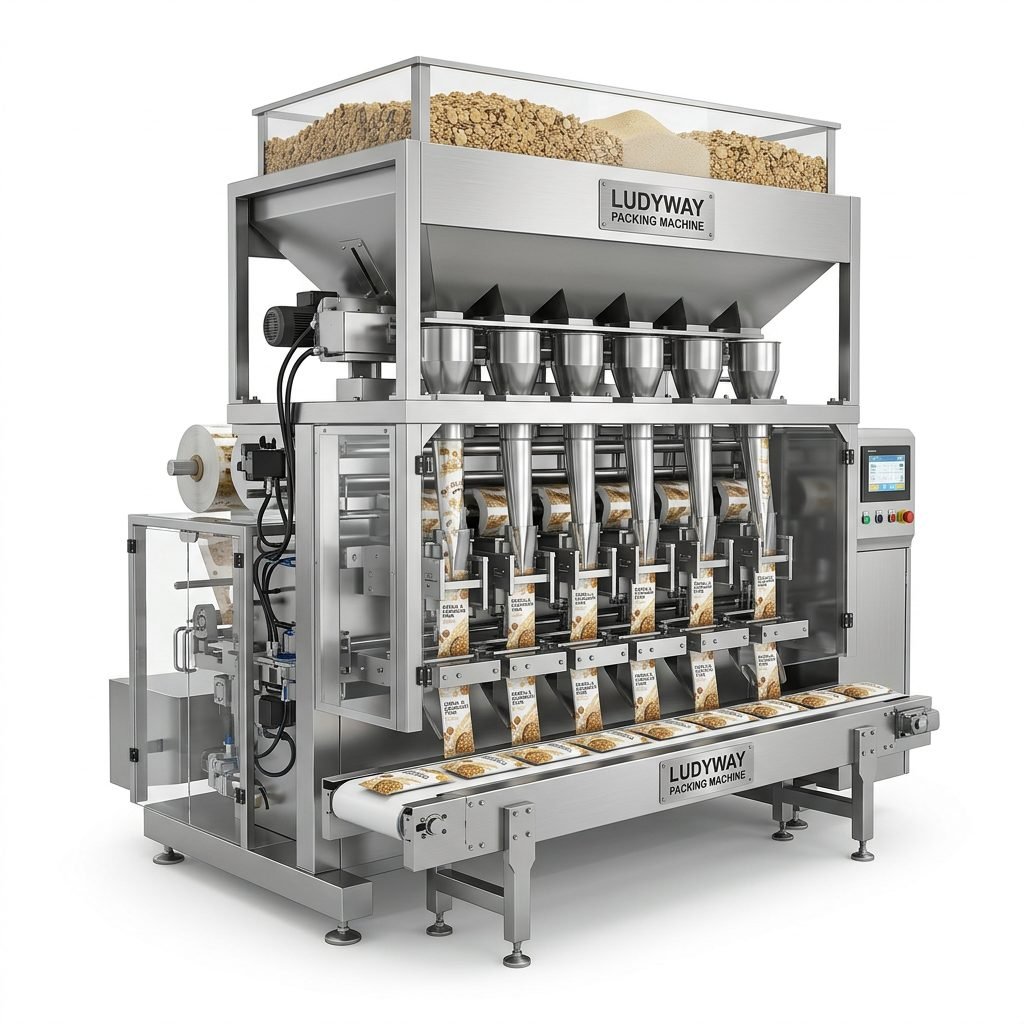
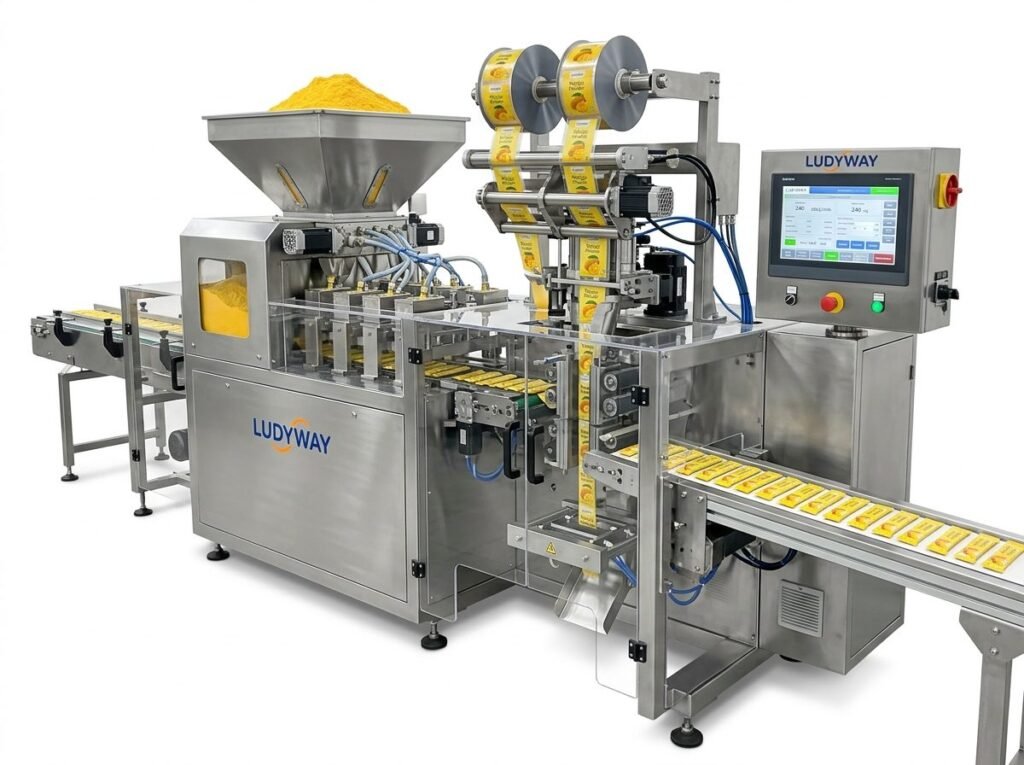
Accurate portion control is non-negotiable. Modern multi-head weighers use advanced sensors to achieve high-speed, precise filling for dry products. For powders or finer granules, auger filler systems with servo-driven technology ensure consistency and minimize waste. Volumetric cup fillers are often employed for uniform-shaped treats.
Key Consideration: The choice between net weight and volumetric filling depends on product density variability and the required filling speed. High-value products often justify the investment in precision net weight systems.
Bag Forming, Filling, and Sealing (FFS) Machines
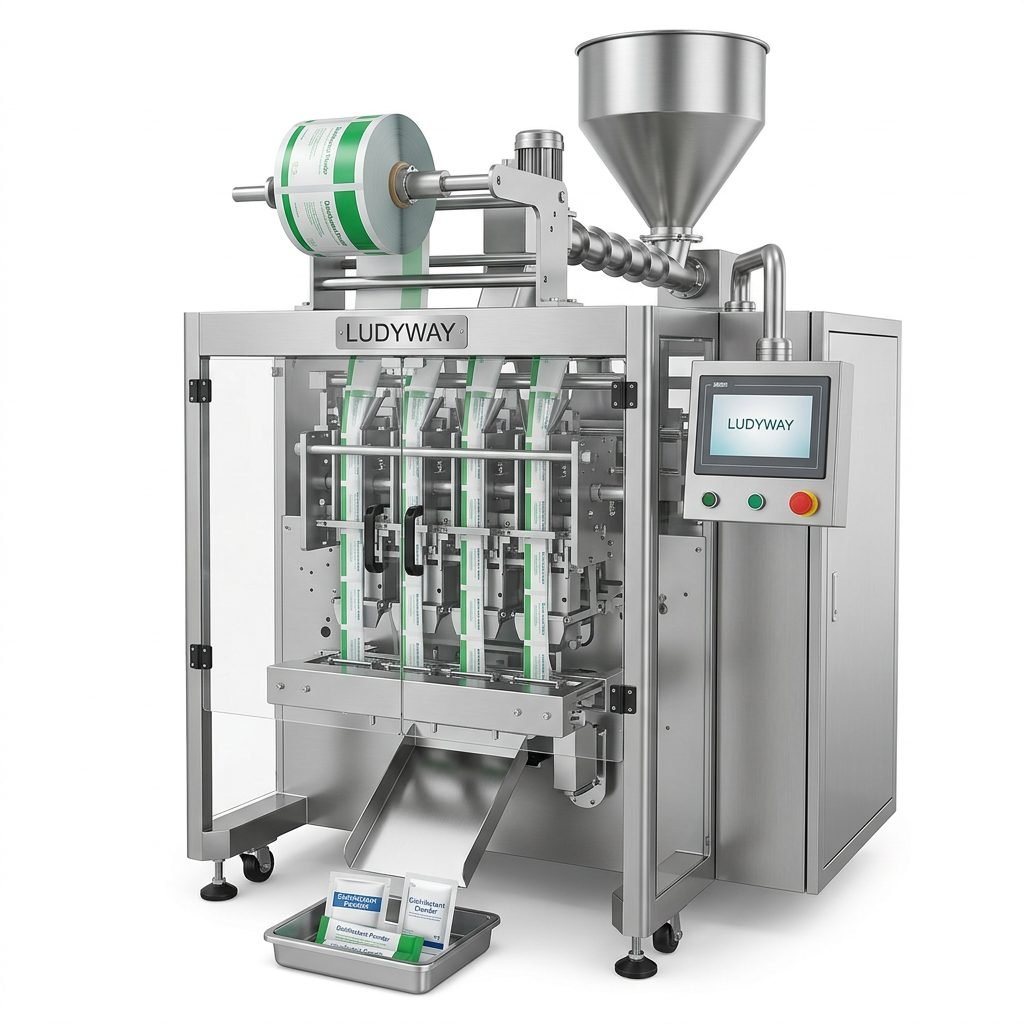
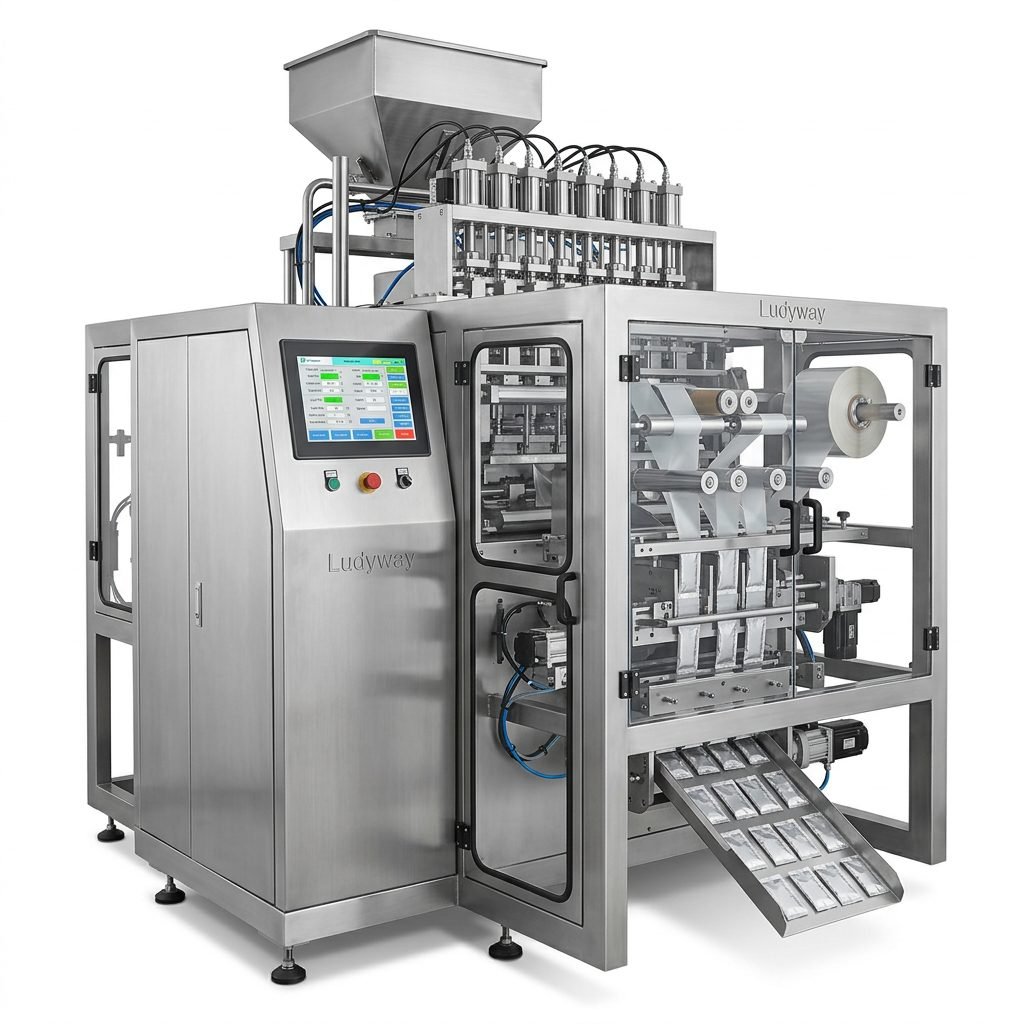
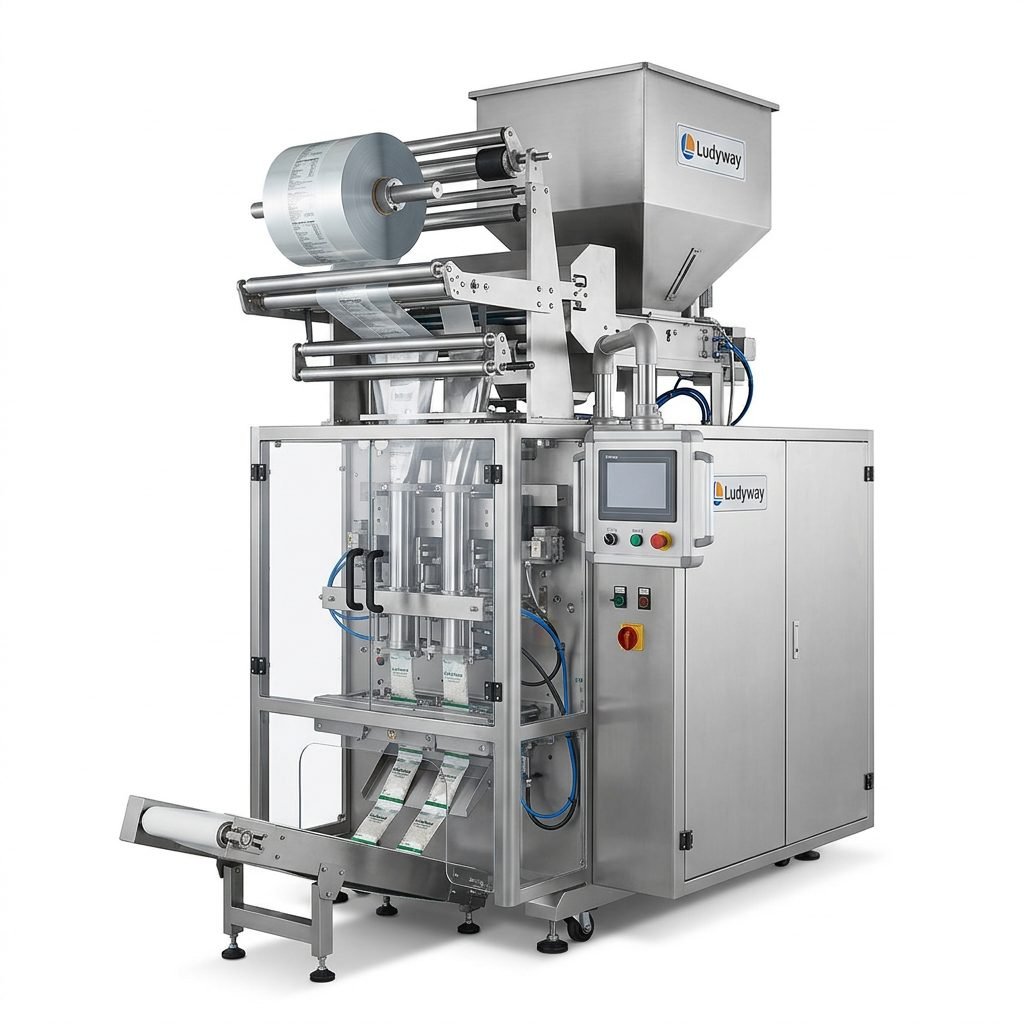
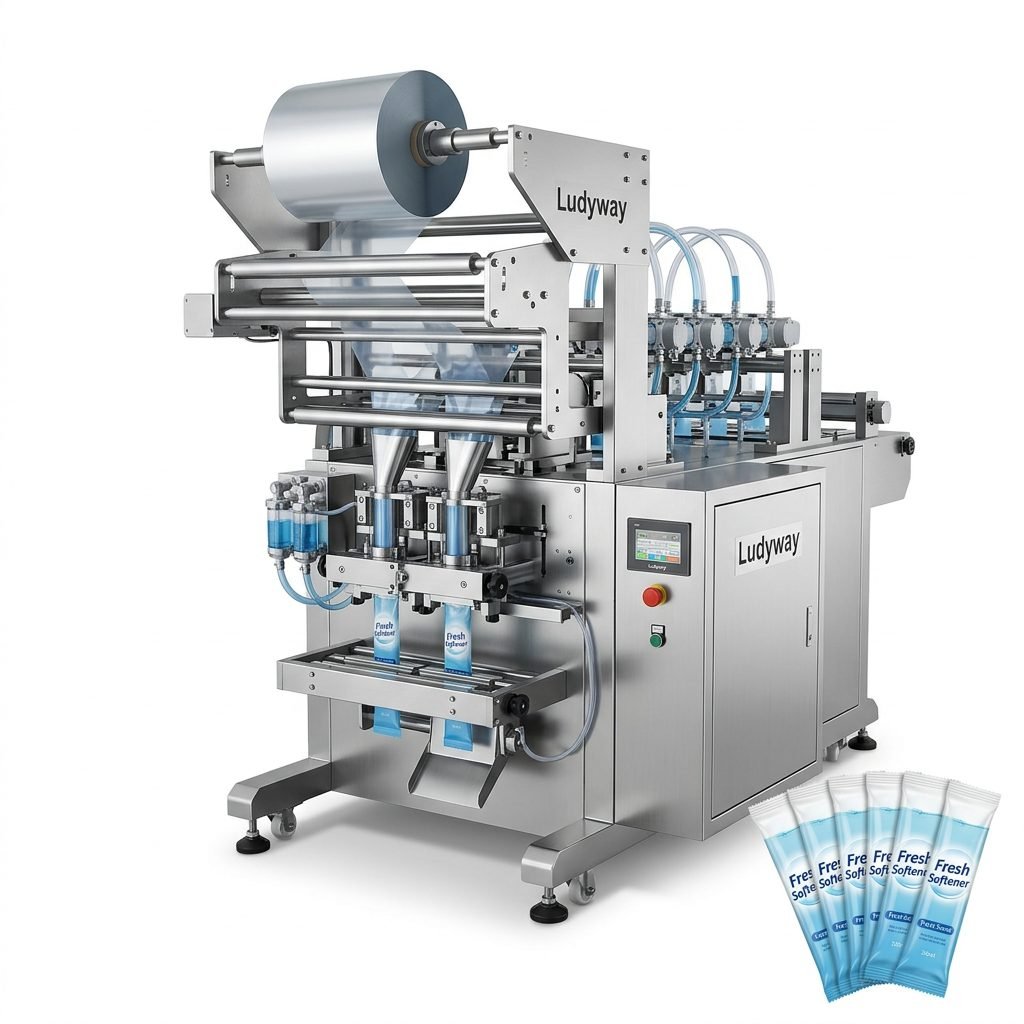
Vertical Form-Fill-Seal (VFFS) machines are the workhorses for packaging dry and semi-moist pet food into pillow bags or gusseted bags. They form bags from a roll of film, fill them with product, and seal them in a continuous cycle. Horizontal Form-Fill-Seal (HFFS) machines are typically used for flow-wrapping individual treats or multipacks.
Specialized Sealing and Preservation Equipment
To ensure freshness and extend shelf life, additional sealing is critical. Gas flush systems replace oxygen inside the bag with inert nitrogen, significantly slowing oxidation and spoilage. Effective heat sealers and checkweighers that reject under or over-filled bags are integral for maintaining quality control.
Automated Packaging Line Solutions
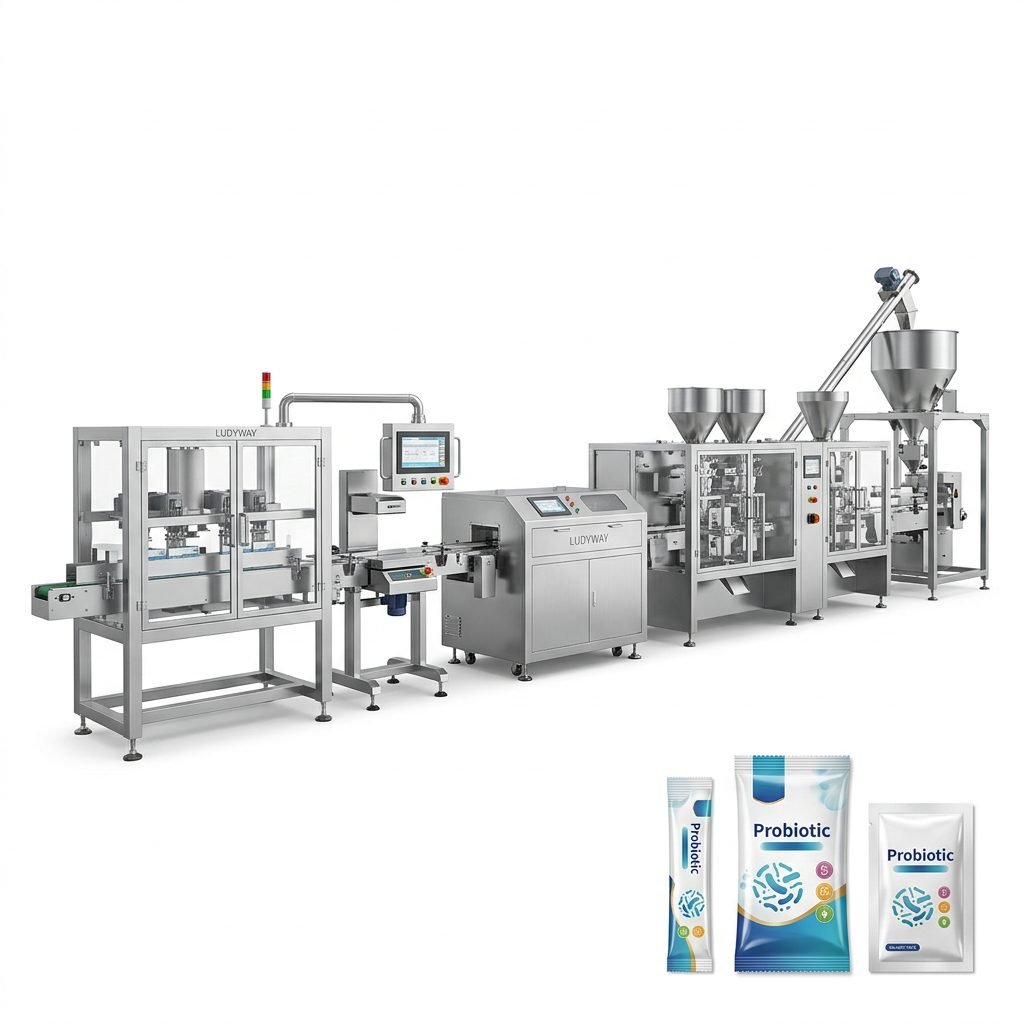
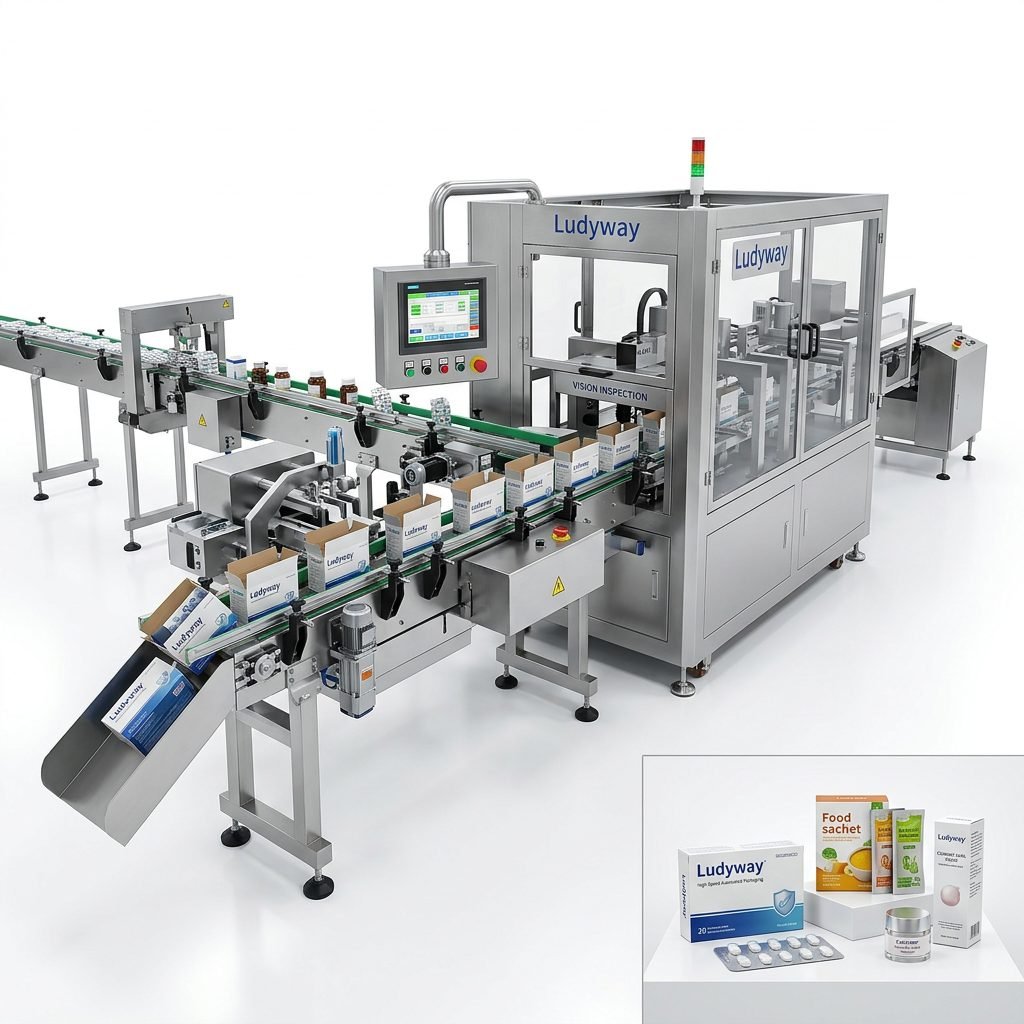
Moving beyond standalone machines, integrated automated lines synchronize multiple processes for maximum throughput and minimal labor.
End-of-Line Automation
This includes case erectors, packers, and palletizers. Robotic arms or pneumatic systems gently place filled bags into shipping cases, which are then sealed and palletized for storage or shipment. Automation here reduces physical strain on workers and increases handling speed.
Centralized Control and Monitoring
A modern automated line is governed by a Programmable Logic Controller (PLC) with a Human-Machine Interface (HMI). This system monitors machine performance, tracks production data (speed, yield, downtime), and allows for quick changeovers between different bag sizes or product types.
Benefits of a Turnkey Automated Line
- Increased Productivity: Uninterrupted flow from filling to palletizing.
- Enhanced Consistency: Reduced human error in handling and sealing.
- Improved Safety & Hygiene: Less direct product contact and lower risk of contamination.
- Data-Driven Decisions: Real-time OEE (Overall Equipment Effectiveness) tracking.
- Scalability: Lines can be designed for future expansion.
Selecting the Right Packaging Solution
Choosing equipment requires a thorough analysis of your specific needs. Key factors include:
Product Characteristics: Size, shape, moisture content, and flowability of the pet food directly determine the suitable filler and hopper design.
Production Volume & Speed: Define your target output (bags per minute) to choose between standard, enhanced, or high-speed machine configurations.
Packaging Materials: The equipment must be compatible with your chosen film (e.g., multi-layer laminates for barrier properties) or pre-made bags. Discuss material specs with your packaging machine supplier early in the process.
Footprint and Flexibility: Assess your factory floor space. Modular machines that allow for quick size changeovers offer great flexibility for producers with multiple SKUs.
Trends and Future Outlook
The industry is moving towards smarter, more sustainable packaging. Industry 4.0 integration allows for predictive maintenance, where machines alert operators to potential issues before they cause downtime. There is also a growing demand for equipment that can handle recyclable or compostable films as brand owners respond to consumer environmental concerns. Furthermore, advanced manufacturers are incorporating more servo motors for energy efficiency and smoother motion control.
Conclusion
Investing in the right pet food packaging equipment is an investment in your brand’s integrity, efficiency, and growth. From precise filling machines to fully integrated automated lines, the technology available today can solve complex production challenges. By carefully evaluating your product needs, output goals, and future plans, you can partner with a knowledgeable supplier to implement a solution that protects your product, delights your customers, and optimizes your bottom line. For insights into reliable packaging solutions, reviewing a supplier’s experience and support capabilities is essential.
Frequently Asked Questions (FAQs)
What is the typical speed range for a pet food VFFS machine?
Speeds vary widely based on bag size and complexity. Standard machines may run 40-80 bags per minute (bpm), while high-speed models for small bags can exceed 120 bpm. The required speed should be matched to your upstream production (e.g., extruder output) and downstream handling capacity.
Can one packaging line handle both dry kibble and soft, moist treats?
It is challenging. Dry and moist products have vastly different handling requirements (stickiness, oil content). While a versatile line with quick-change parts might be configured for both, it often requires significant downtime for thorough cleaning and adjustment. Dedicated lines are usually recommended for high-volume production of dissimilar products.
How important is gas flushing for pet food packaging?
Extremely important for products with high fat content or added preservatives like natural tocopherols (Vitamin E). Gas flushing (nitrogen flushing) removes oxygen, which is the primary cause of fat rancidity and nutrient degradation. It is a key technology for extending shelf life without relying solely on synthetic preservatives.
What maintenance is required for automated packaging equipment?
Regular preventive maintenance is crucial. Daily tasks include cleaning and inspection of seals, filters, and product contact parts. Weekly or monthly schedules involve lubricating moving parts, checking electrical connections, and calibrating scales and sensors. Partnering with a supplier that offers clear maintenance protocols and readily available spare parts is vital.
What are the key questions to ask a potential equipment supplier?
Ask about their experience with similar pet food products, request references, and inquire about the availability of local technical support and training. Crucially, discuss their capability for providing a complete turnkey solution, including installation, commissioning, and production line optimization, not just selling individual machines.