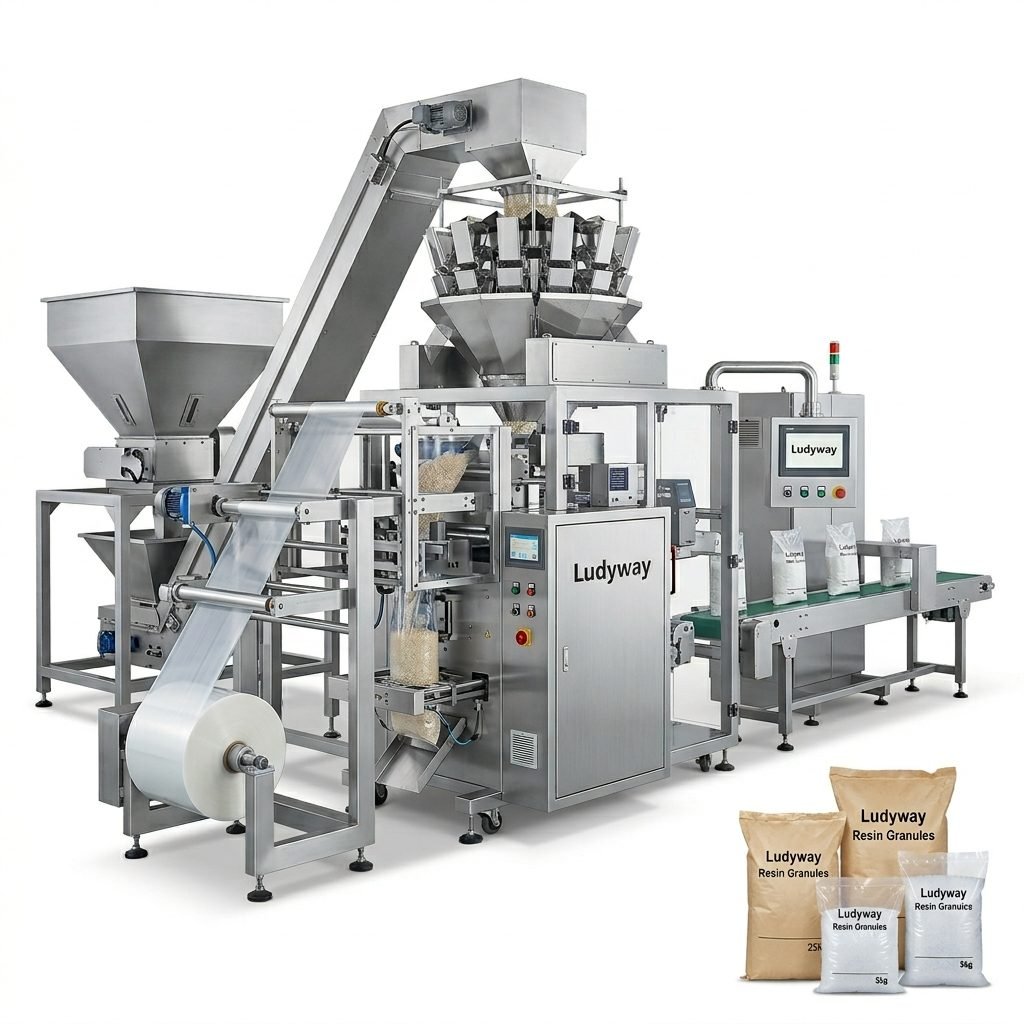
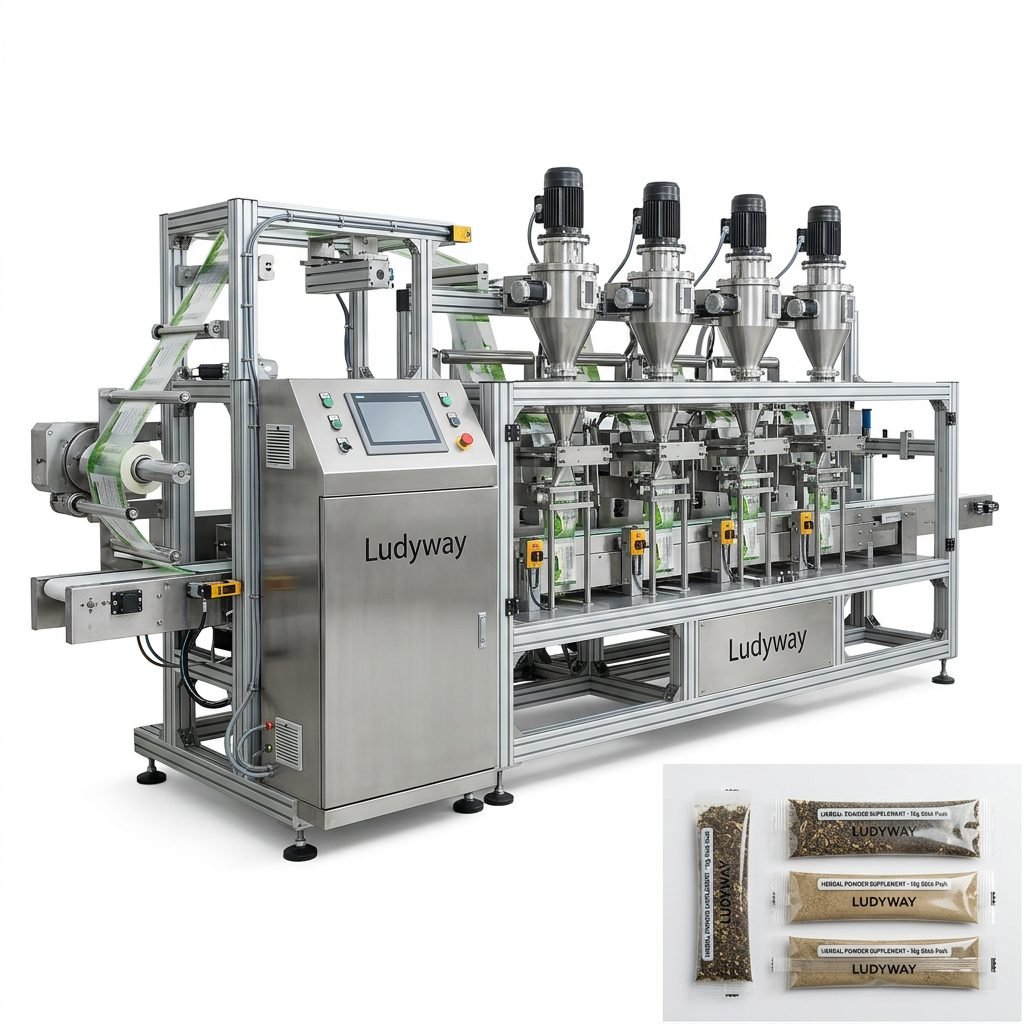
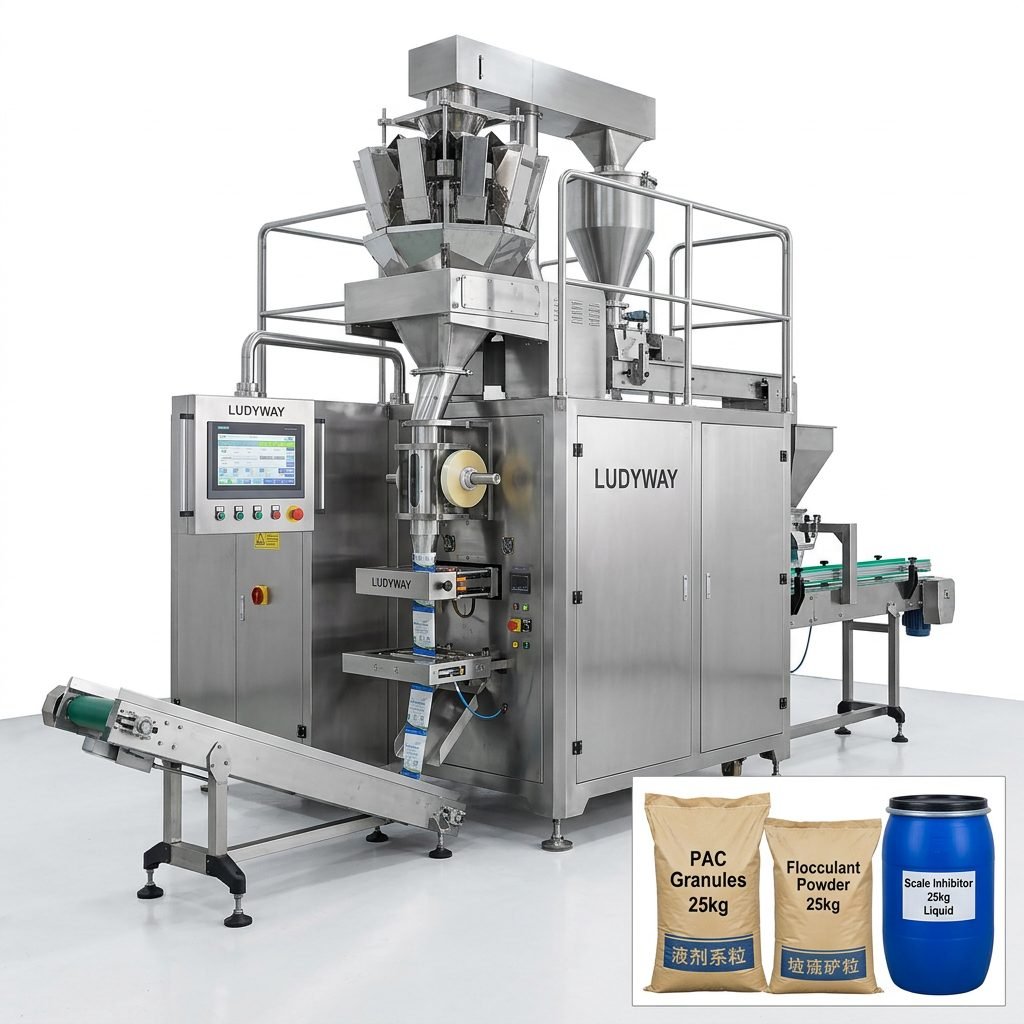
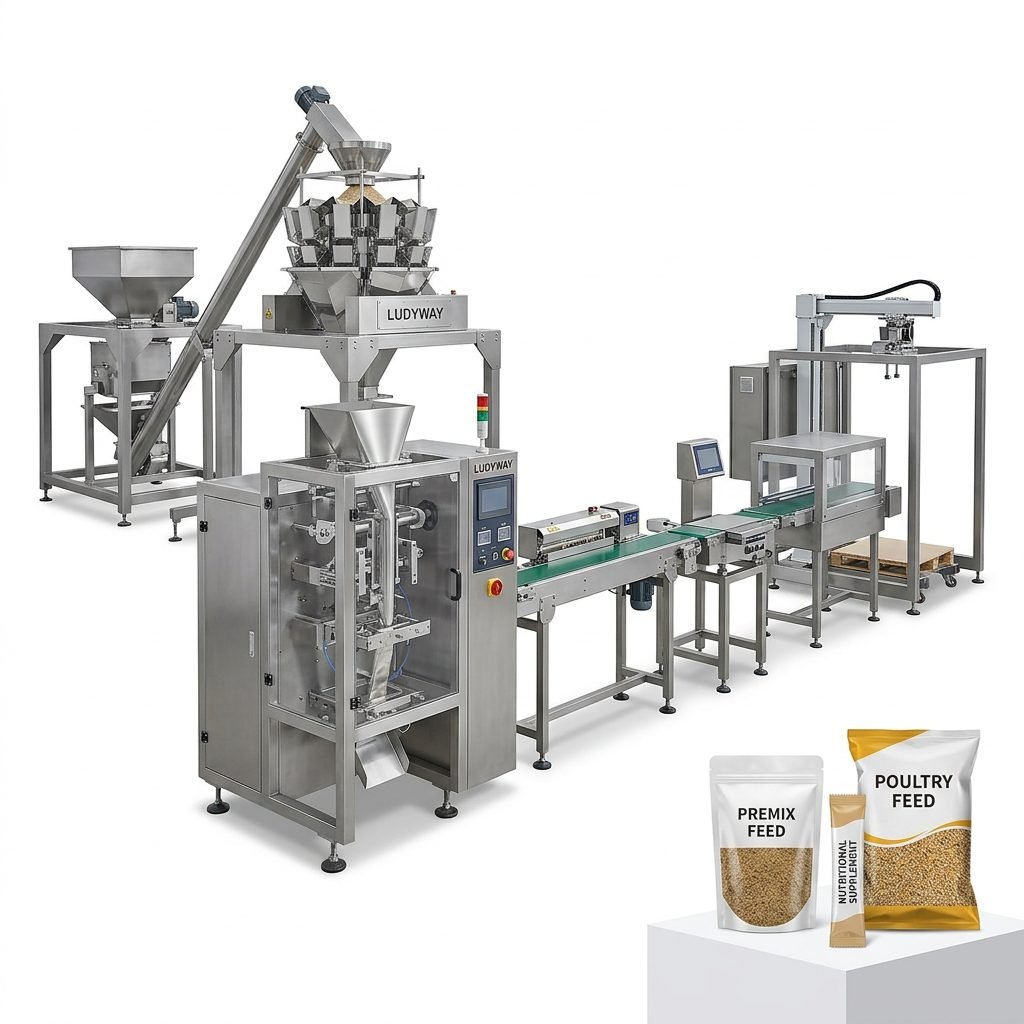
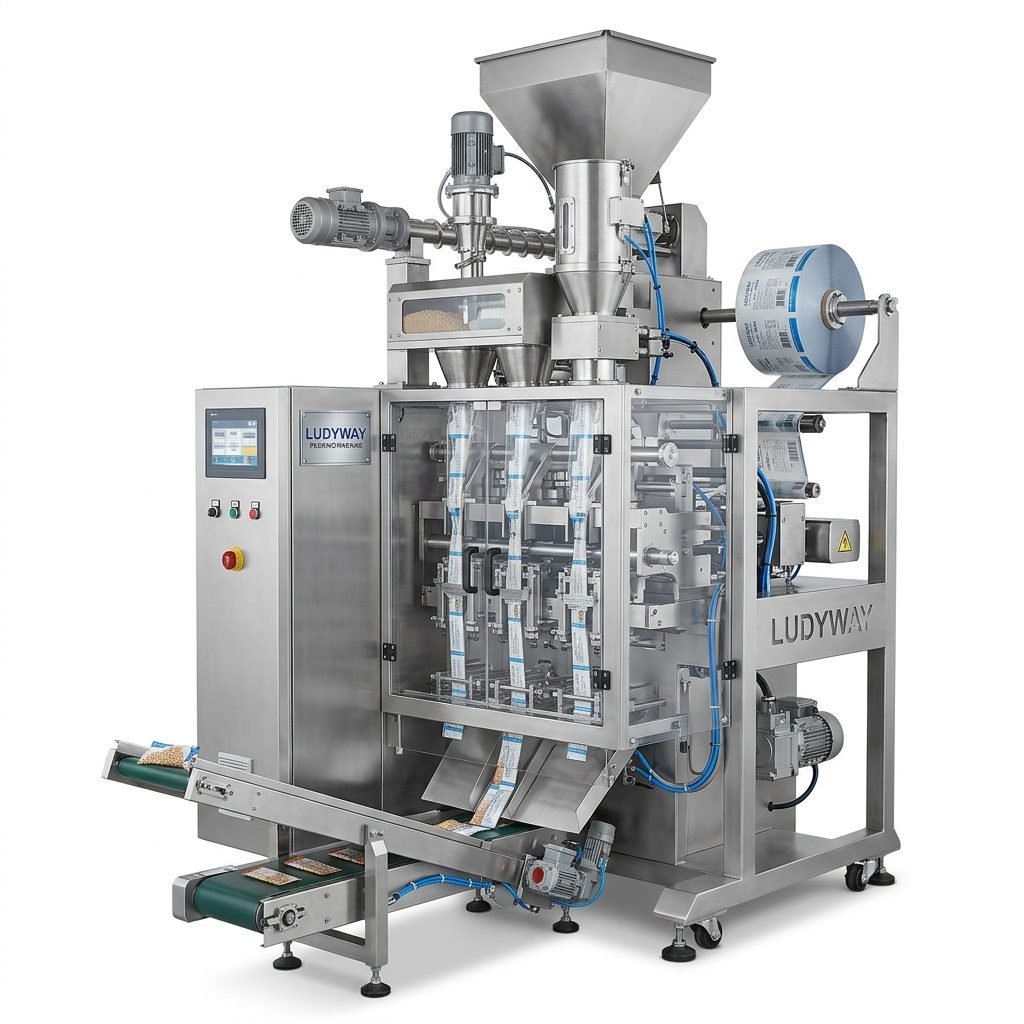
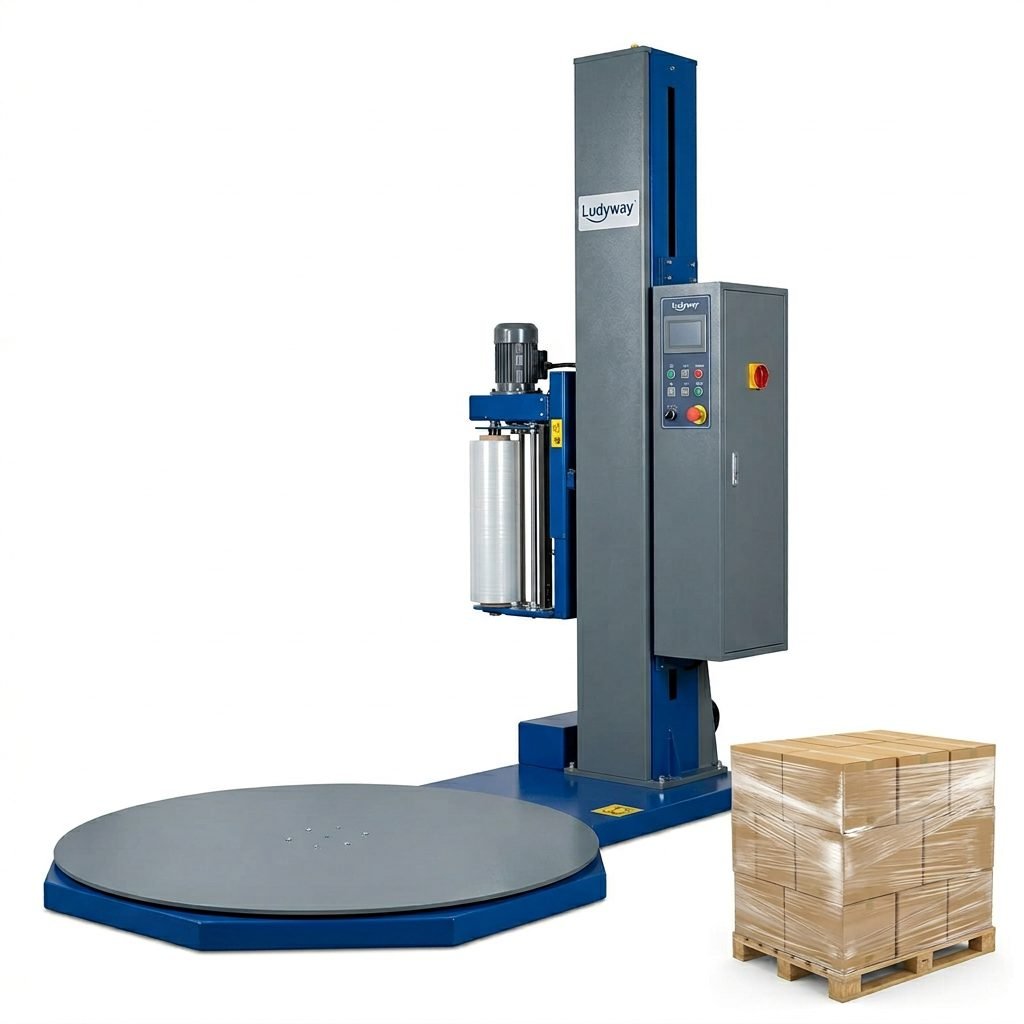
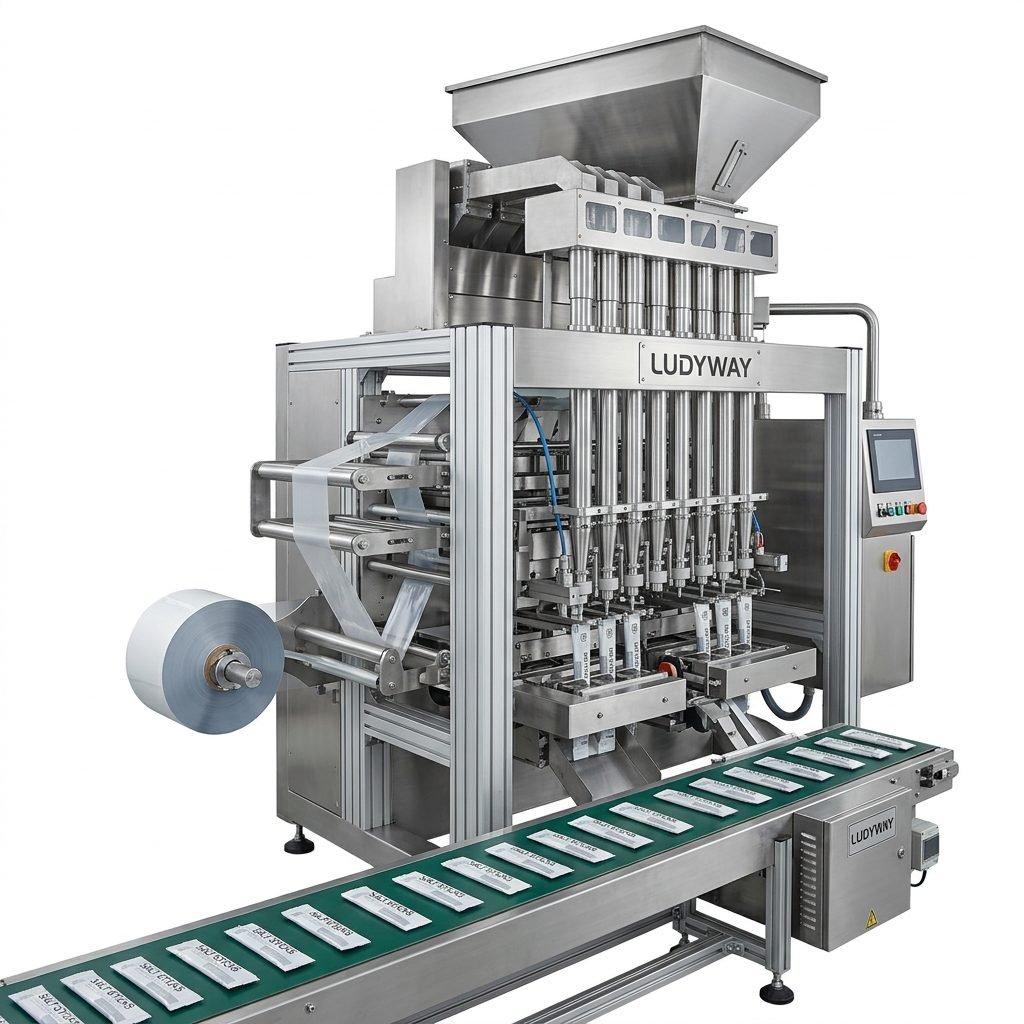
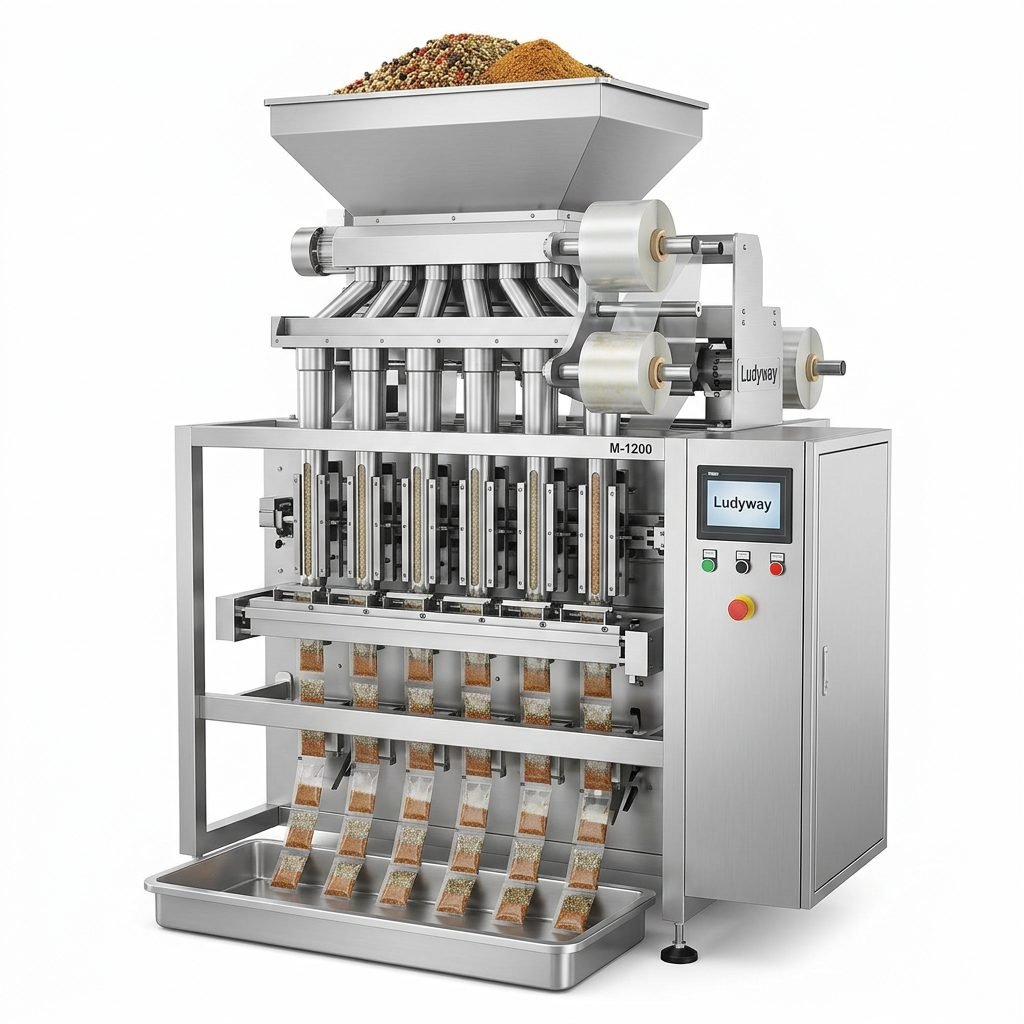
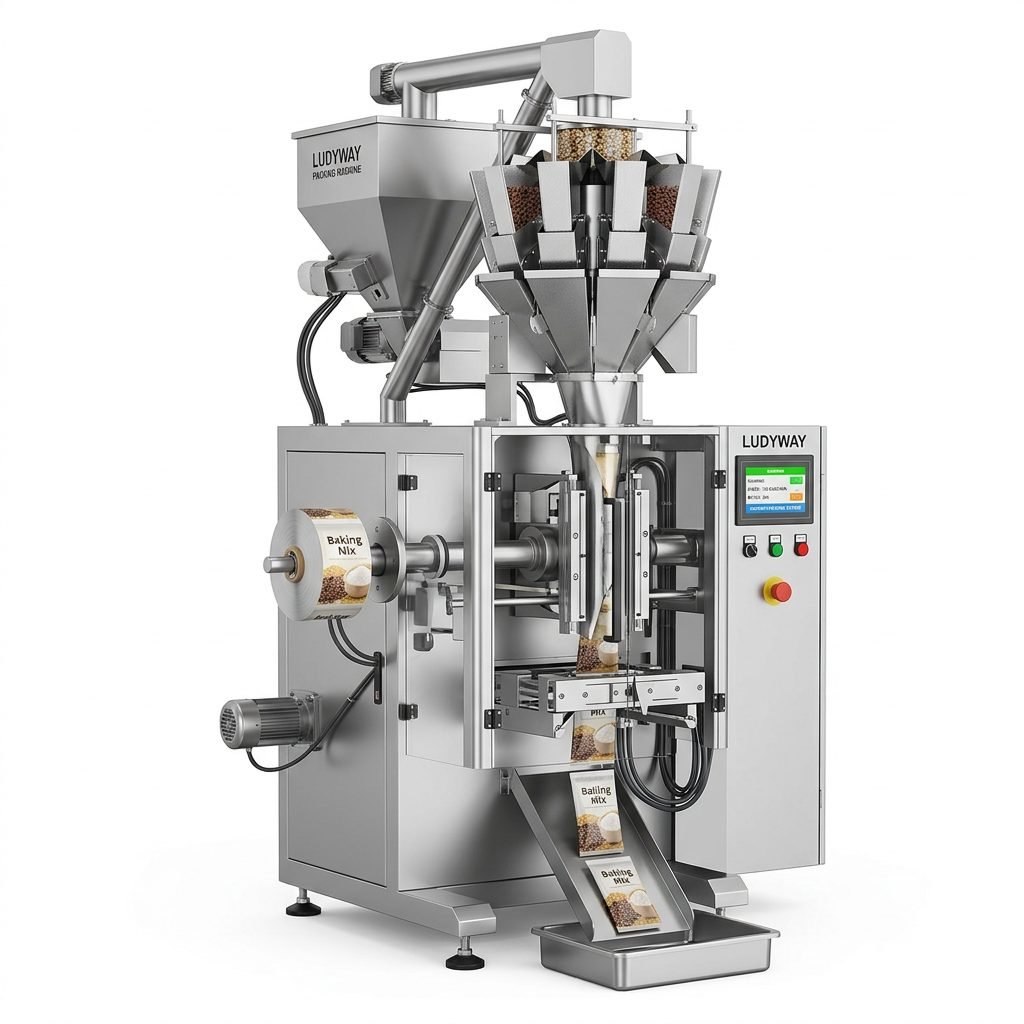
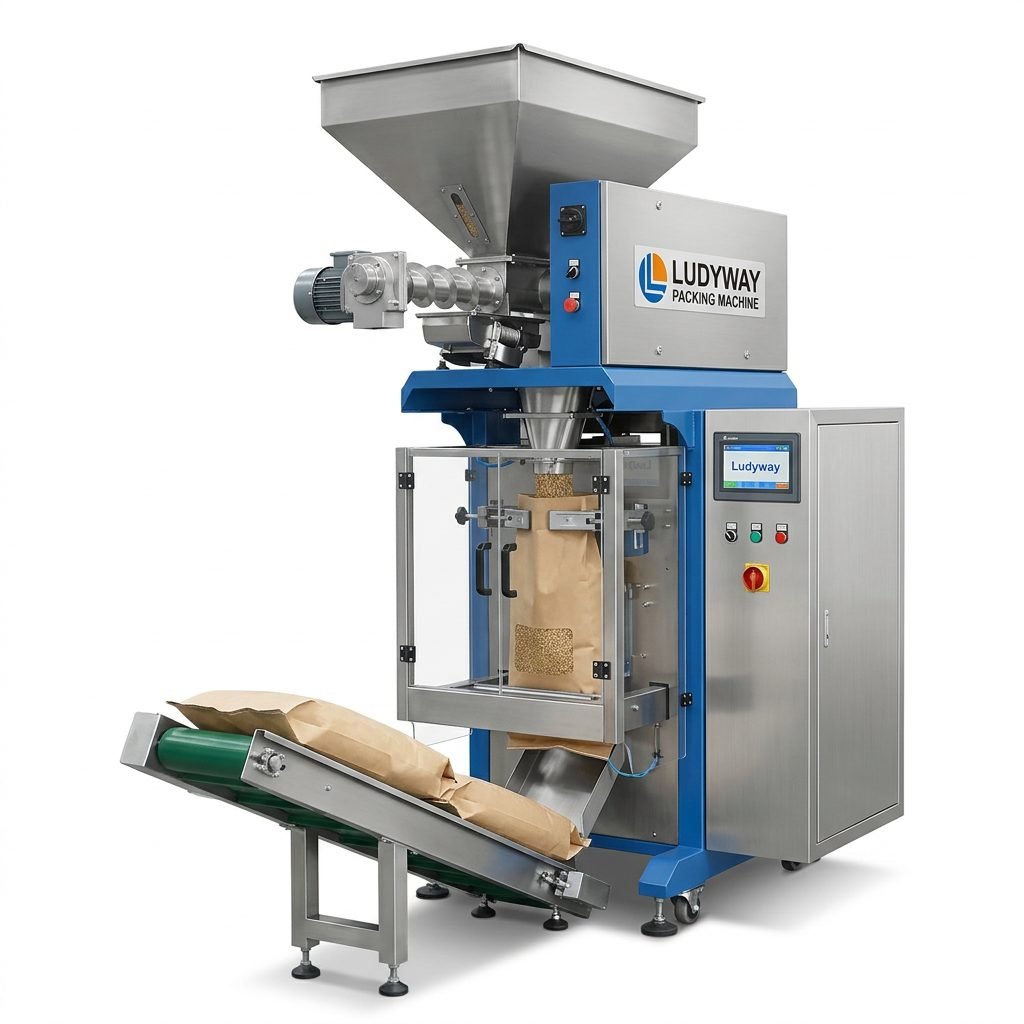
Investing in a weighing packaging machine is a critical decision for manufacturers across food, pharmaceutical, chemical, and consumer goods sectors. The right equipment can dramatically improve production efficiency, reduce product give-away, and ensure consistent package quality. However, with dozens of machine types, configurations, and technology options available, the selection process can quickly become overwhelming. This guide walks you through the essential factors to evaluate before making your purchase.
Understand Your Product Characteristics First
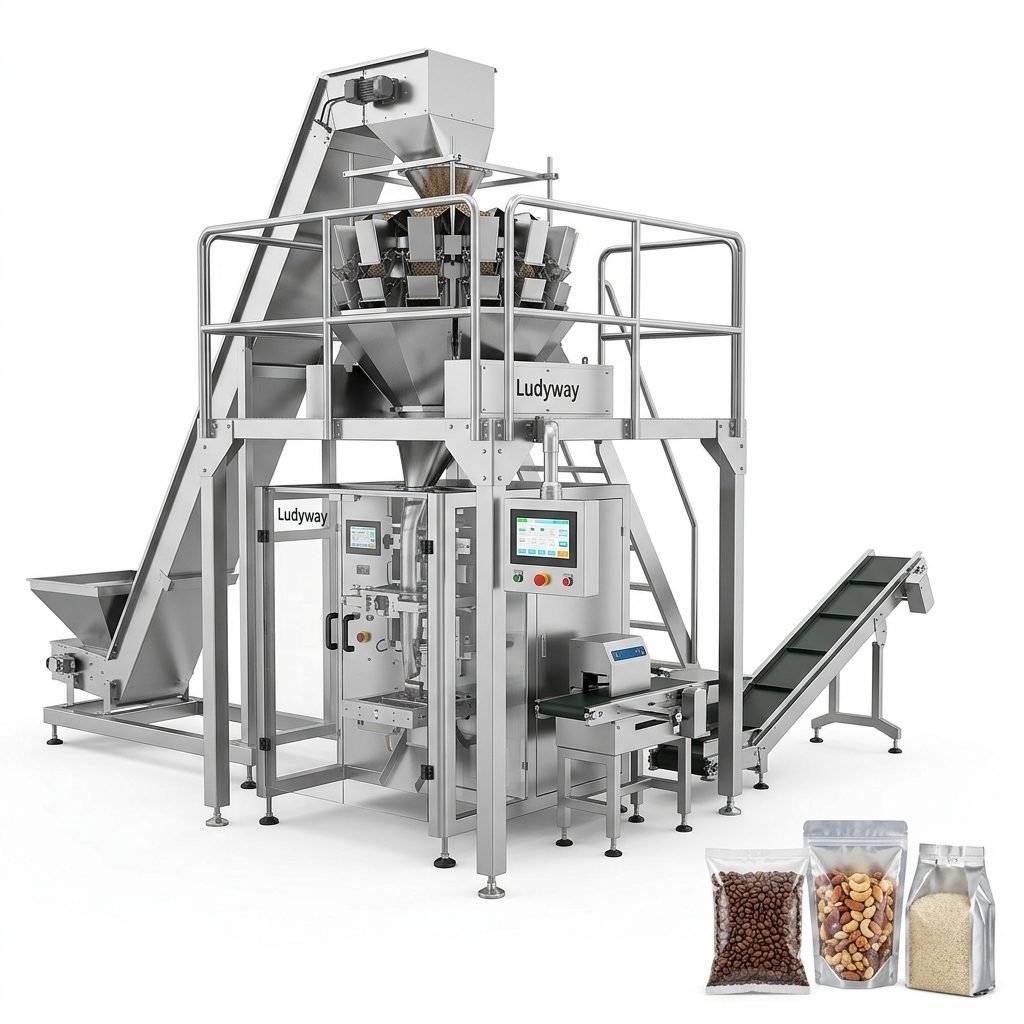
Before evaluating any machine specifications, you must thoroughly analyze the physical properties of the product you intend to package. Product characteristics directly determine which weighing and filling technology will work reliably in your application.
- Flowability: Free-flowing granules (such as sugar or plastic pellets) behave very differently from cohesive powders (like flour or protein powder) in a dosing system.
- Bulk density: Products with inconsistent bulk density require dynamic weight compensation to maintain fill accuracy across production runs.
- Particle size distribution: Wide variations in particle size can cause bridging or segregation issues inside hoppers and feeding mechanisms.
- Moisture sensitivity: Hygroscopic products may require closed or nitrogen-flushed dosing environments to prevent clumping.
- Temperature sensitivity: Heat-sensitive materials may restrict the types of sealing and filling mechanisms compatible with your process.
According to PMMI packaging industry research, improper product-to-machine matching remains one of the leading causes of packaging line inefficiency. Conducting a comprehensive product analysis before equipment selection can prevent costly rework later.
Key Technical Specifications to Evaluate
Once you understand your product, you can begin comparing machine specifications. The following table summarizes the most critical technical parameters to assess when selecting a weighing packaging machine:
| Specification | Why It Matters | Key Questions to Ask |
|---|---|---|
| Weighing Accuracy | Directly impacts product give-away and regulatory compliance | What is the target weight tolerance for your market? Does the system offer ±0.1g, ±0.5g, or ±1g precision? |
| Weighing Technology | Different technologies suit different product types and speed requirements | Do you need a linear weigher, multi-head weigher, auger filler with checkweigher, or net weight system? |
| Speed (Pouches/Minute) | Determines overall line throughput and production capacity | What is your current and projected future production volume requirement? |
| Bag Format Range | Limits or enables your packaging format flexibility | Do you need stick packs, sachets, pouches, or larger bag formats? What size range? |
| Multi-Lane Capability | Multi-lane configurations multiply output without increasing floor space proportionally | Is a single-lane machine sufficient, or would a 4-lane, 8-lane, or 12-lane system better meet your needs? |
| Changeover Time | Affects production flexibility and downtime between product runs | How quickly can the machine switch between different bag sizes or product formulations? |
Packaging Material Compatibility
Your choice of packaging film or material significantly influences machine selection. Not all weighing packaging machines can handle every type of packaging substrate. Consider these material-related factors:
- Film type: Laminated films, mono-materials, paper-based laminates, and aluminum foil each have different sealing characteristics and require compatible sealing jaw systems.
- Material thickness: Thicker films may require higher sealing temperatures and longer dwell times, while ultra-thin materials need precise temperature control to prevent burn-through.
- Sustainability requirements: The push toward recyclable mono-material structures is driving changes in sealing technology. Verify whether the machine can handle heat-sealable recyclable films if sustainability is part of your packaging roadmap.
The Flexible Packaging Association provides detailed guidance on material compatibility and sealing requirements for different film structures, which can inform your machine specification process.
Production Speed and Capacity Requirements
Speed requirements must be evaluated not just for current production volumes, but with a clear view toward future growth. A machine that barely meets today’s demand may become a bottleneck within 12 to 18 months. When calculating required speed, factor in:
- Realistic uptime expectations (typically 75-85% overall equipment effectiveness in most production environments)
- Scheduled maintenance downtime
- Changeover time between SKUs
- Operator break patterns and shift structures
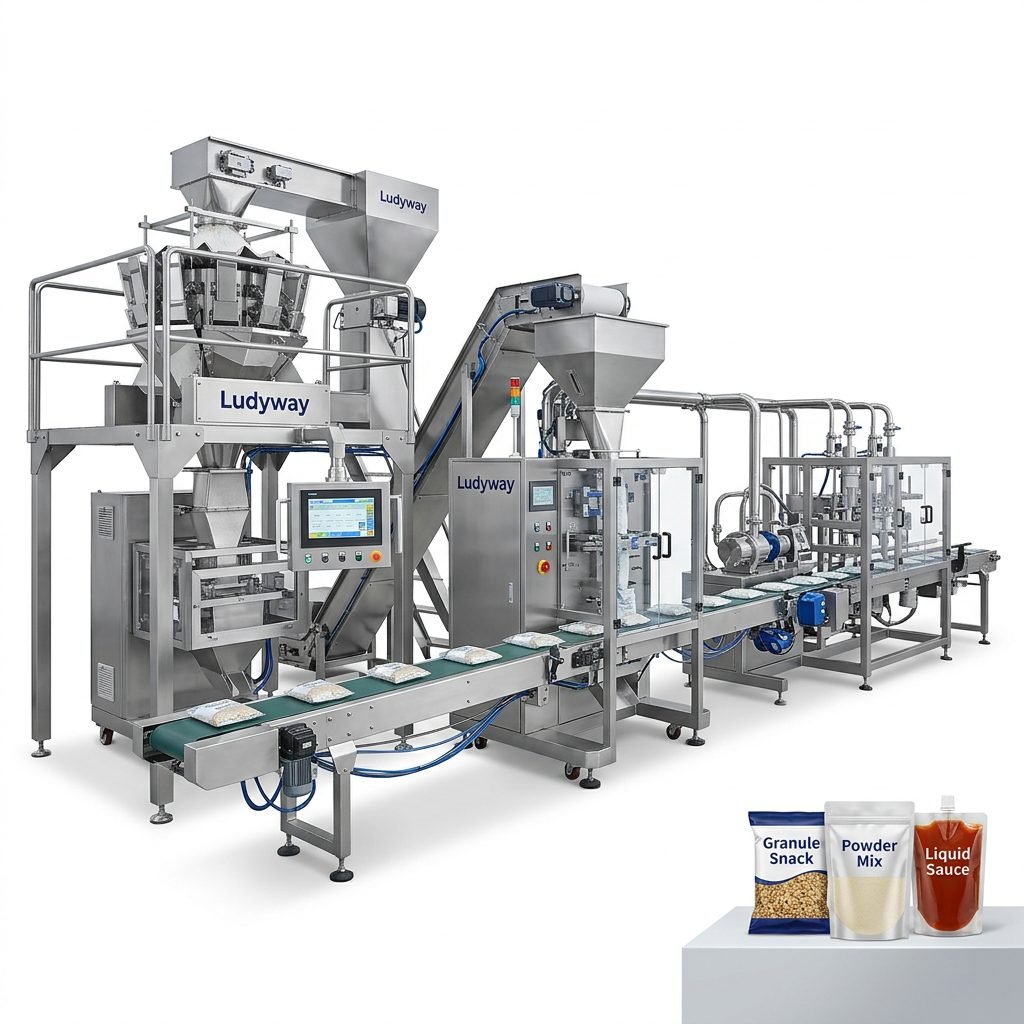
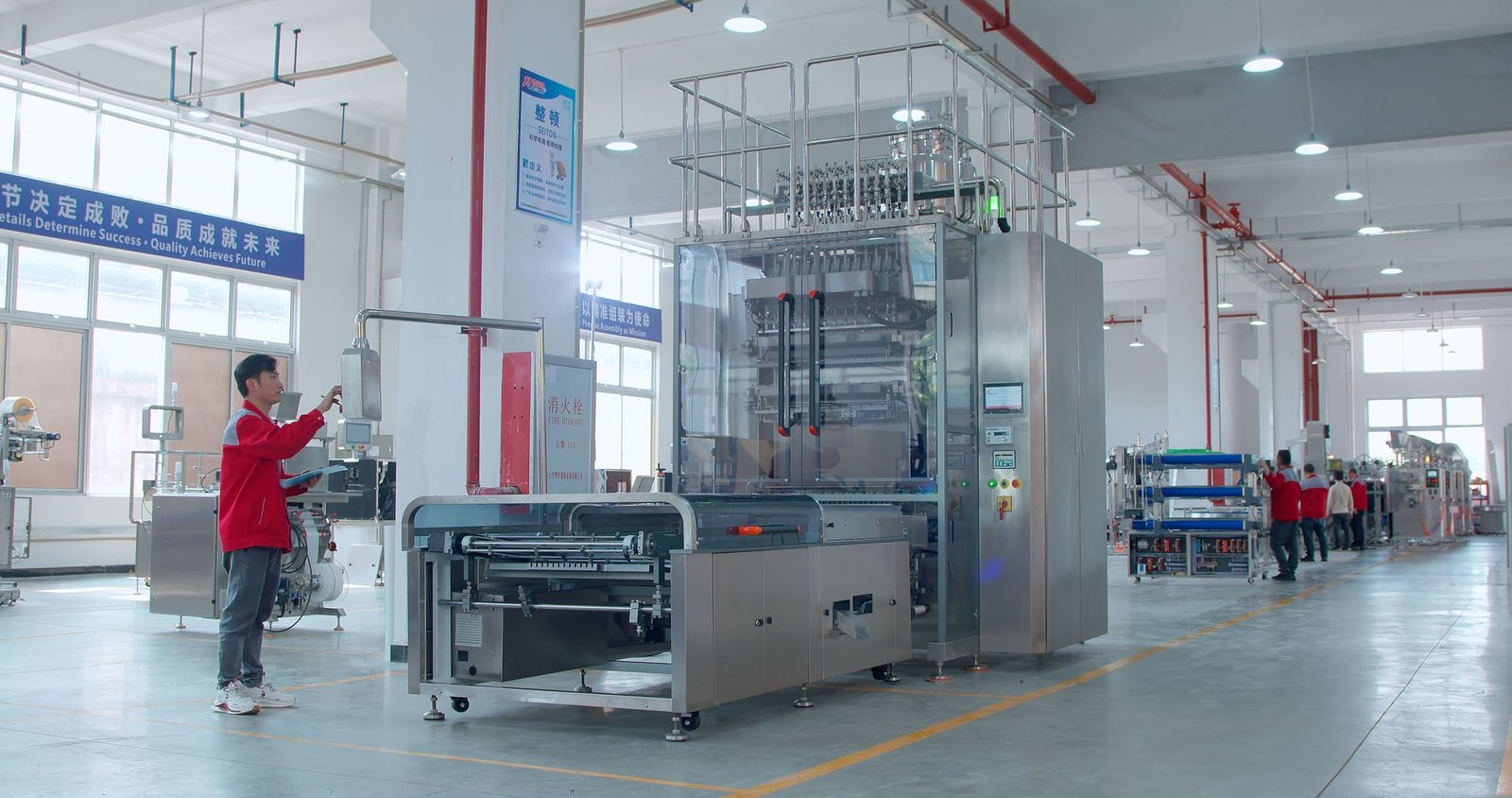
For high-volume operations, multi-lane weighing and packaging systems can offer significant throughput advantages. A 10-lane stick pack machine, for example, can produce 400-600 pouches per minute, compared to 40-60 on a single-lane equivalent—a tenfold productivity increase while occupying roughly the same floor footprint.
Automation Level and Integration Needs
Modern weighing packaging machines range from semi-automatic standalone units to fully integrated, turnkey packaging lines. Your choice depends on:
- Labor availability and cost: In regions with high labor costs or labor shortages, higher automation levels typically deliver faster ROI.
- Existing line infrastructure: Can the new machine integrate with upstream feeding systems and downstream cartoning, case packing, or palletizing equipment?
- Data integration requirements: Does your facility require integration with MES or ERP systems for real-time production monitoring and traceability?
- Inspection and quality control: Integrated ISO-compliant packaging standards often require in-line checkweighing, metal detection, and vision inspection systems.
Compliance and Industry Standards
Depending on your industry and target markets, your packaging equipment may need to comply with specific regulatory frameworks. Non-compliance can result in rejected shipments, fines, or market access restrictions. Key standards to consider include:
- Food industry: FDA food contact substance regulations, EHEDG hygienic design guidelines, and HACCP compatibility
- Pharmaceutical: GMP compliance, 21 CFR Part 11 for electronic records, and validation documentation requirements
- International markets: CE marking for European markets, UL certification for North America, and country-specific electrical and safety standards
- Weighing and measurement: OIML or NTEP certification for legal-for-trade weighing applications
Requesting compliance documentation during the vendor evaluation phase can save significant time during installation and regulatory audits.
Total Cost of Ownership Analysis
The purchase price of a weighing packaging machine represents only a fraction of its total lifecycle cost. A thorough TCO analysis should account for:
- Initial capital expenditure: Machine cost, shipping, import duties, and installation
- Operational costs: Energy consumption, compressed air requirements, consumable parts, and packaging material waste rates
- Maintenance costs: Preventive maintenance schedules, spare parts availability and pricing, and technician training requirements
- Downtime costs: Lost production capacity during unplanned outages and the availability of remote or on-site technical support
A machine with a lower upfront price but higher material waste, frequent downtime, or poor after-sales support will often cost significantly more over a 5-7 year operating period. The 2026 State of the Industry report from PMMI highlights that maintenance and service costs typically account for 15-25% of total machine lifecycle costs—a figure that is often underestimated during procurement.
Questions to Ask Before Making Your Decision
Before finalizing your equipment purchase, use this checklist to ensure you have addressed all critical considerations:
- Has the machine been tested with your actual product (not just a generic sample)?
- What is the guaranteed weighing accuracy at your required production speed?
- What is the typical lead time for critical spare parts?
- Does the supplier offer remote diagnostic capabilities and technical support in your time zone?
- Is operator training included, and how comprehensive is the training program?
- What is the machine’s expected lifespan under your intended operating conditions?
- Can the machine accommodate future packaging format changes or new product introductions?
Making Your Final Selection
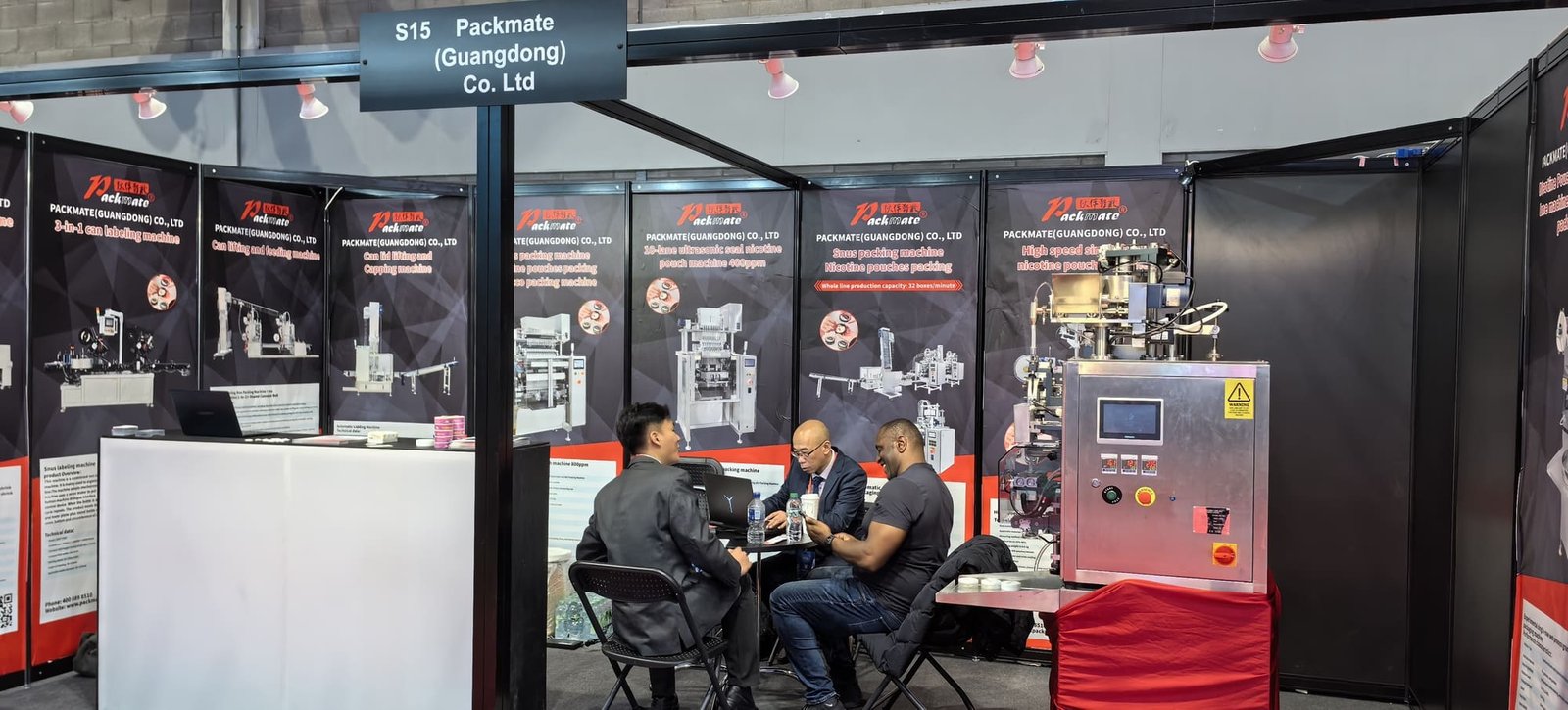
Selecting the right weighing packaging machine requires balancing technical requirements, budget constraints, and long-term operational goals. Rushing this decision can lead to years of compromised efficiency, while a methodical approach pays dividends throughout the equipment’s service life. For manufacturers seeking a customized packaging solution backed by engineering expertise, Ludyway Machinery offers a broad portfolio of weighing and packaging equipment with global technical support capabilities. The best procurement decisions are informed by thorough product testing, clear performance specifications, and a trusted partnership with an experienced equipment manufacturer.