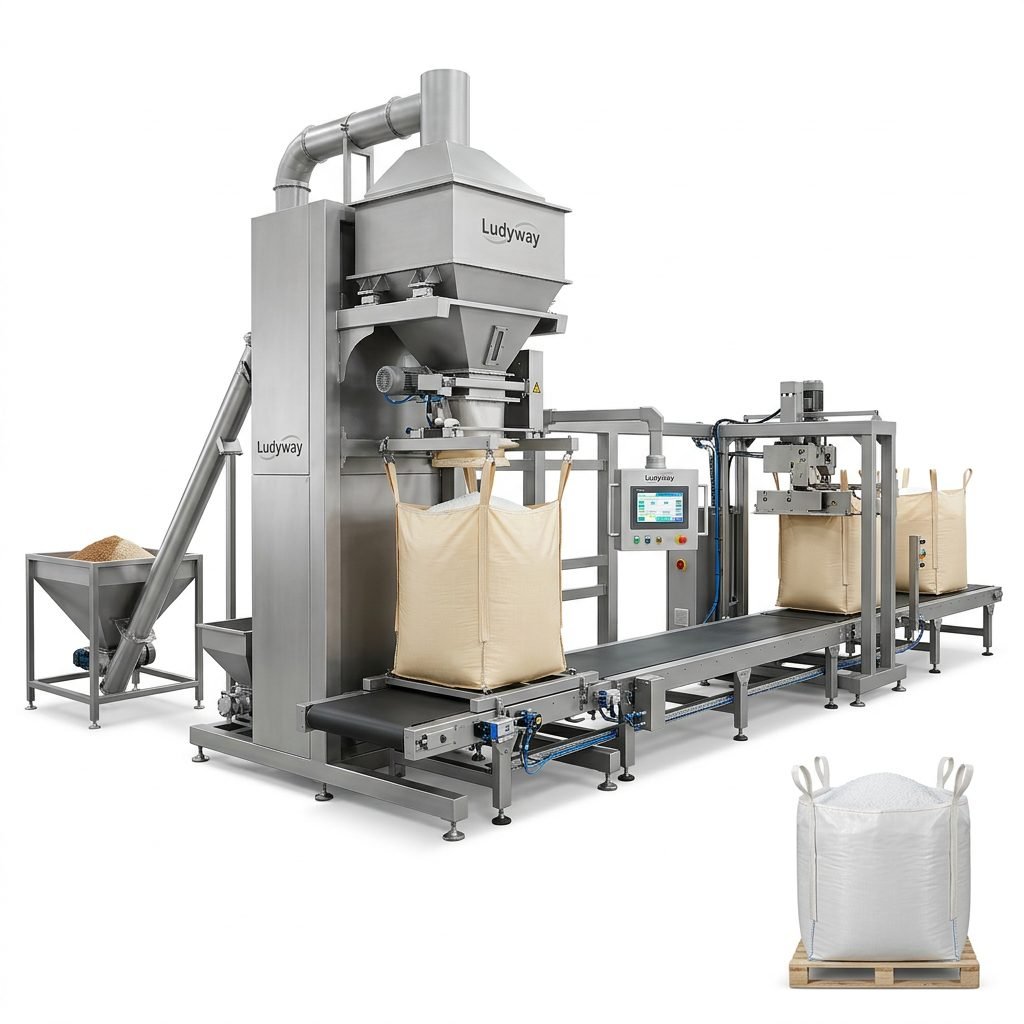
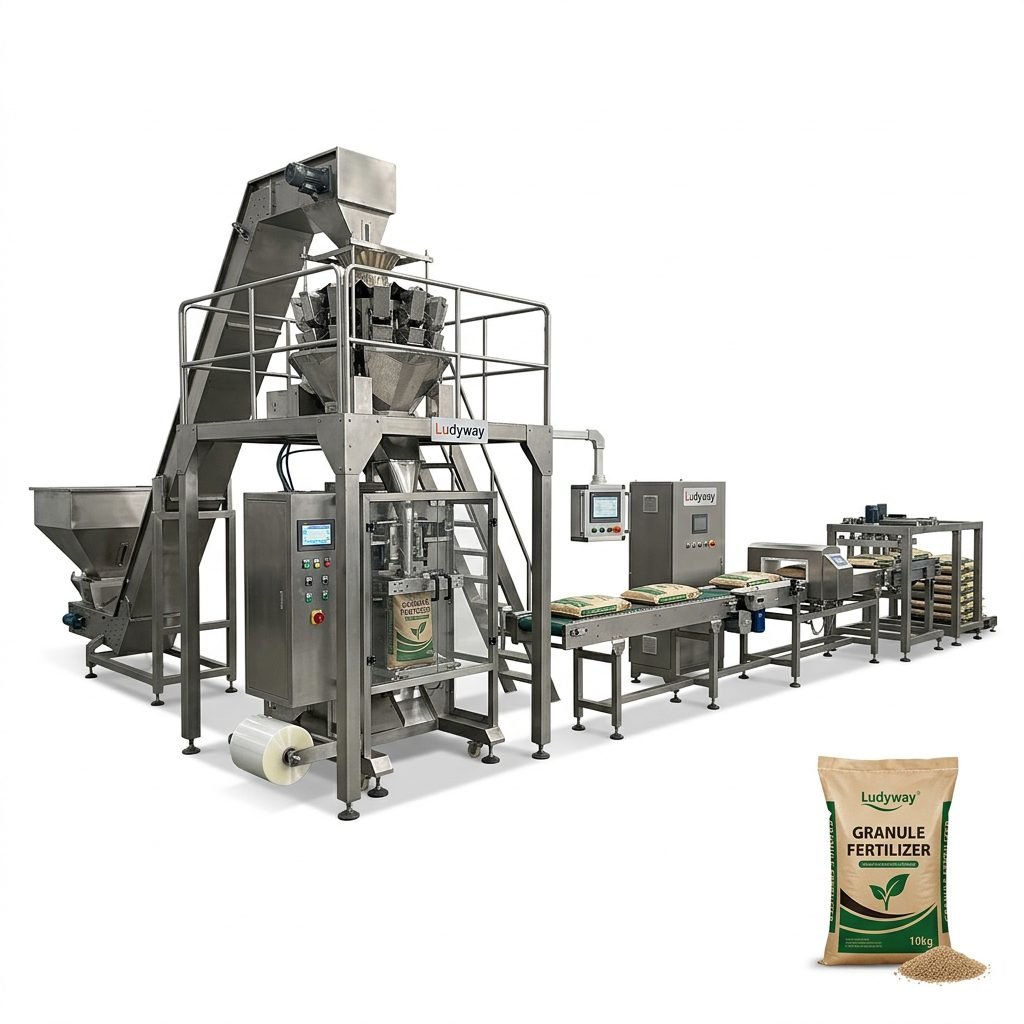
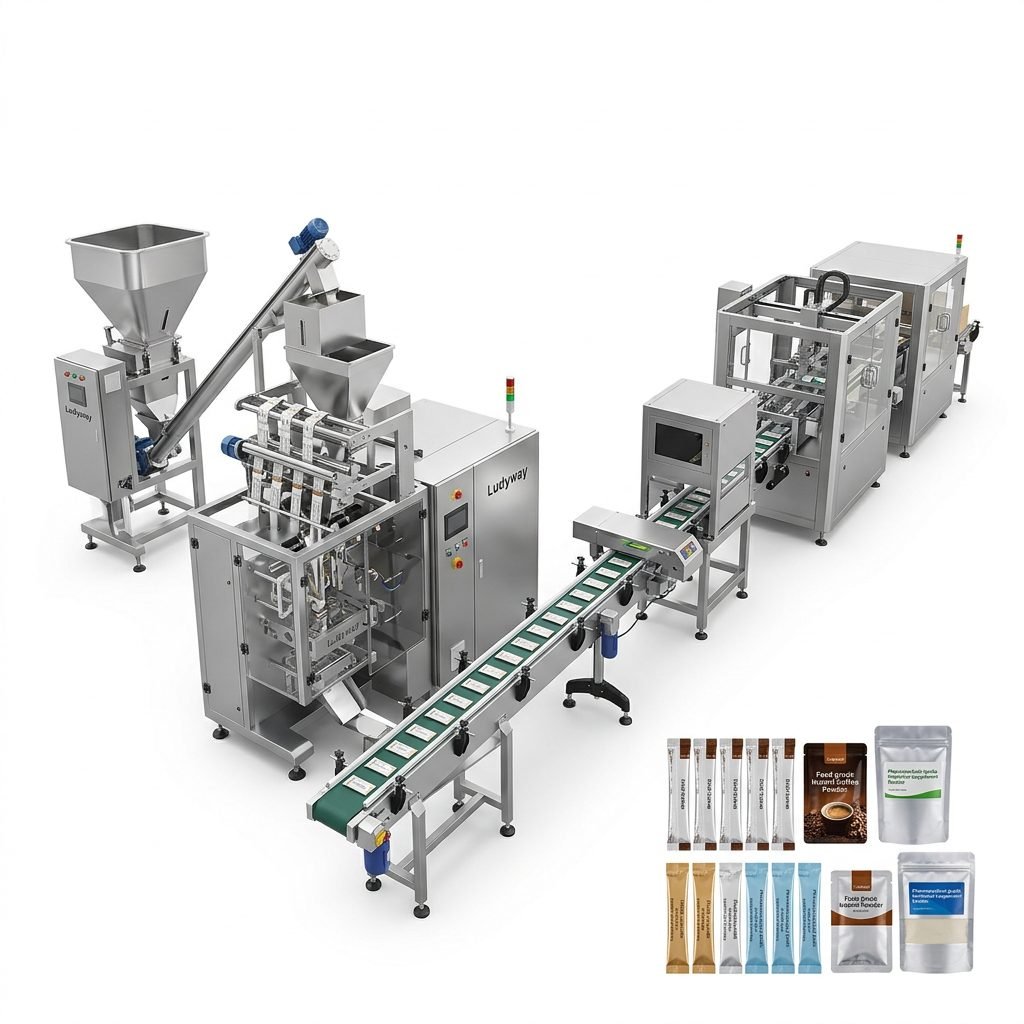
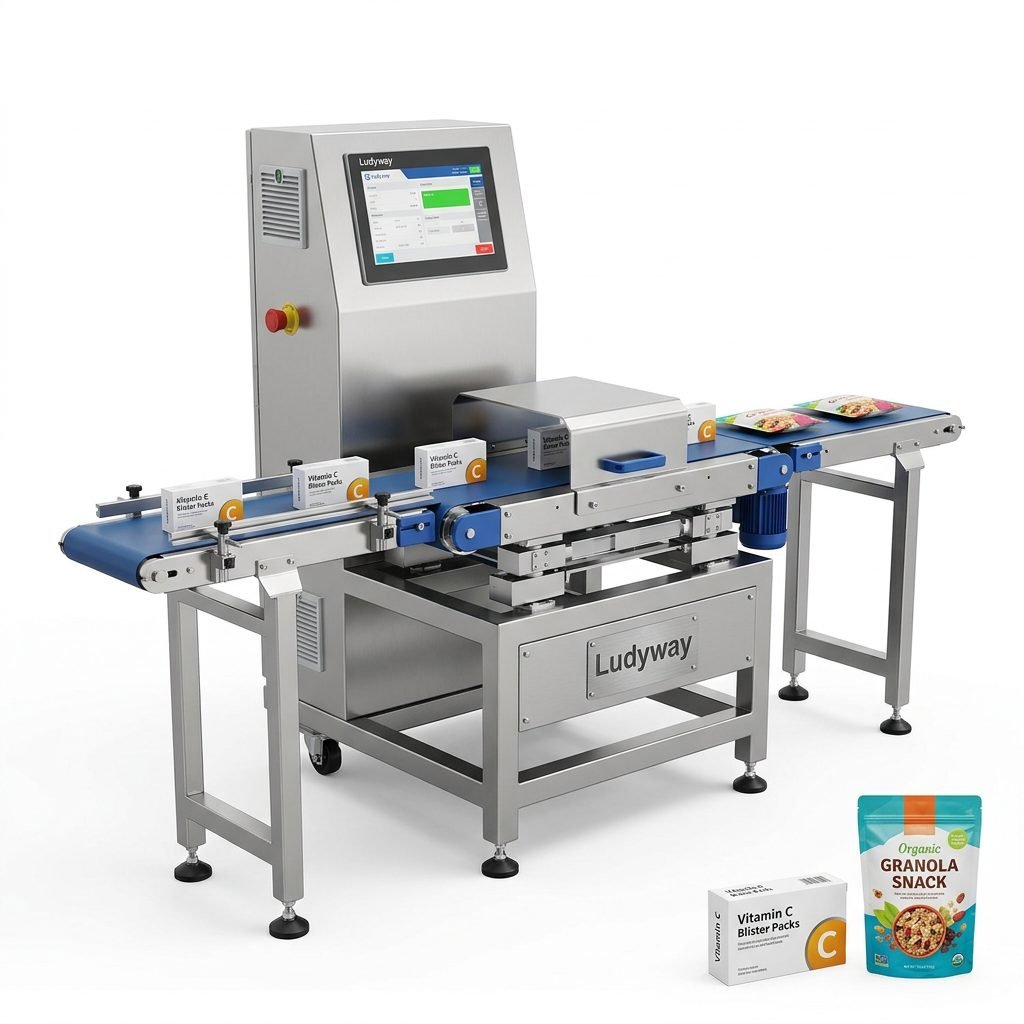
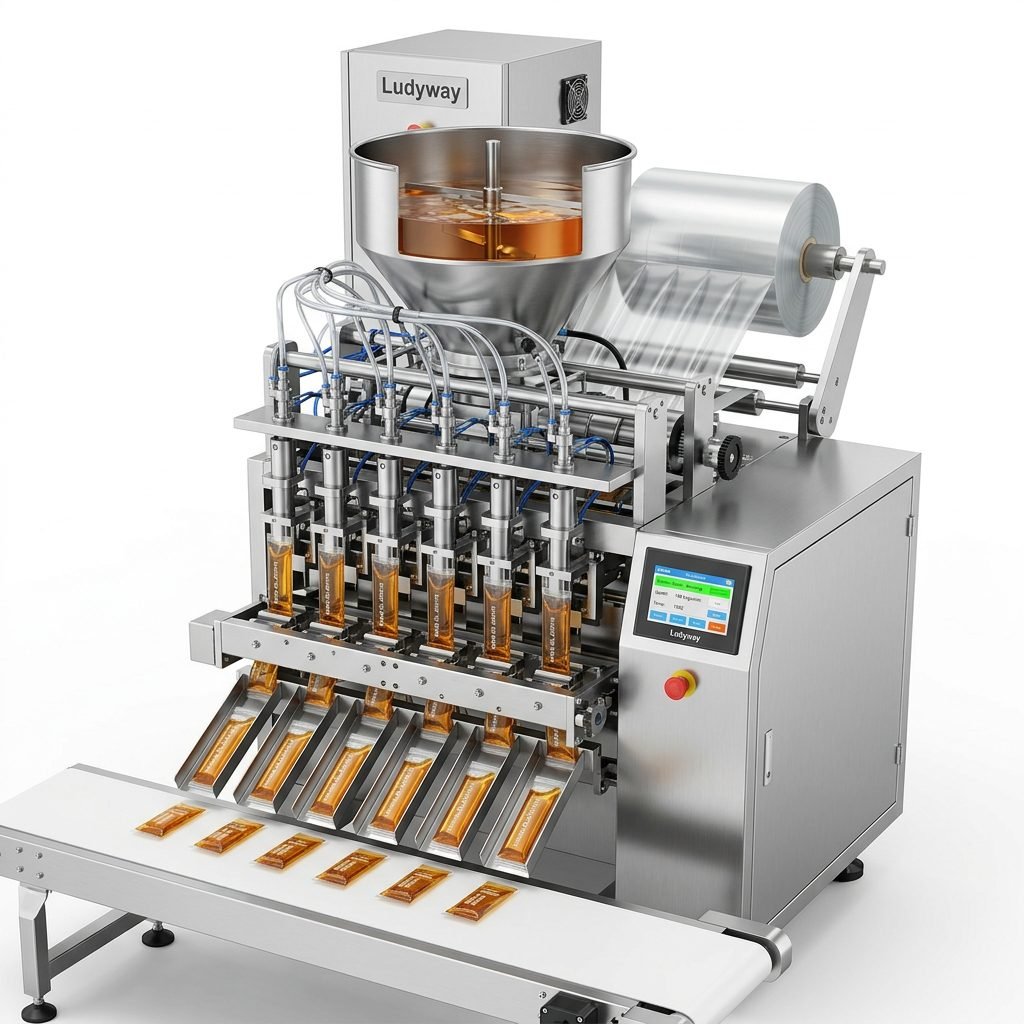
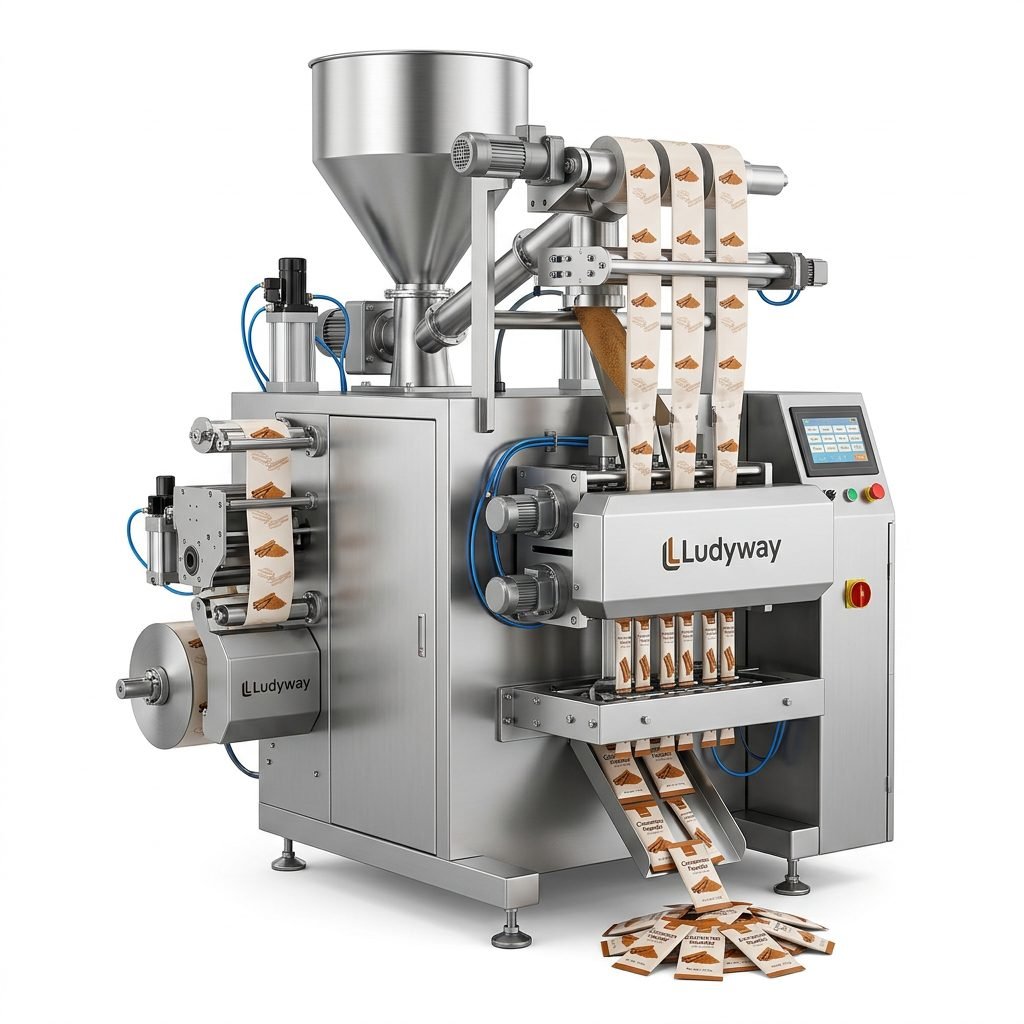
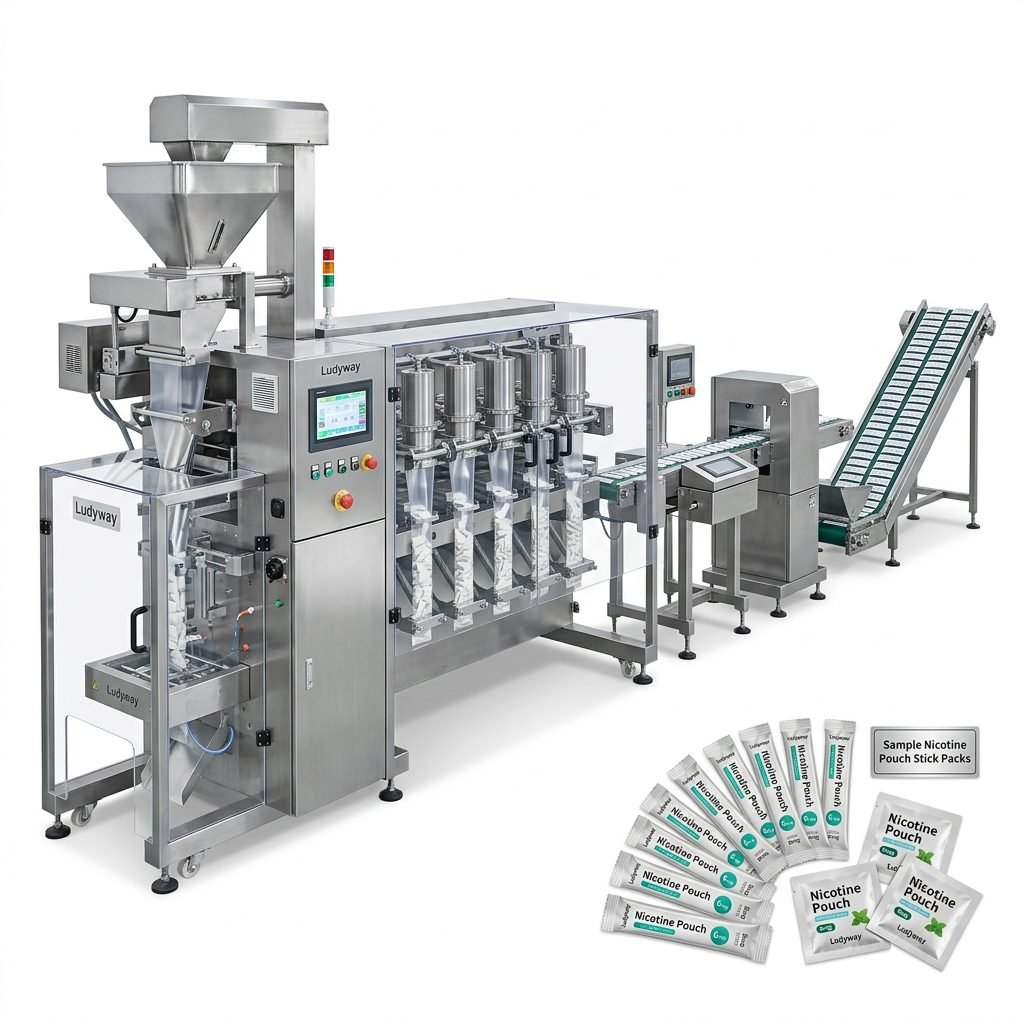
In the fast-paced world of manufacturing, efficiency and presentation are paramount. For products ranging from instant coffee and sugar to pharmaceuticals and cosmetics, sachet packaging offers a convenient, hygienic, and cost-effective solution. The right sachet packaging equipment is the cornerstone of a successful production line, directly impacting output quality, speed, and operational costs. This guide delves into the various types of sachet packaging machines, explains their core working principles, and provides a clear framework for selecting the ideal equipment for your specific needs.
Understanding Sachet Packaging Machines
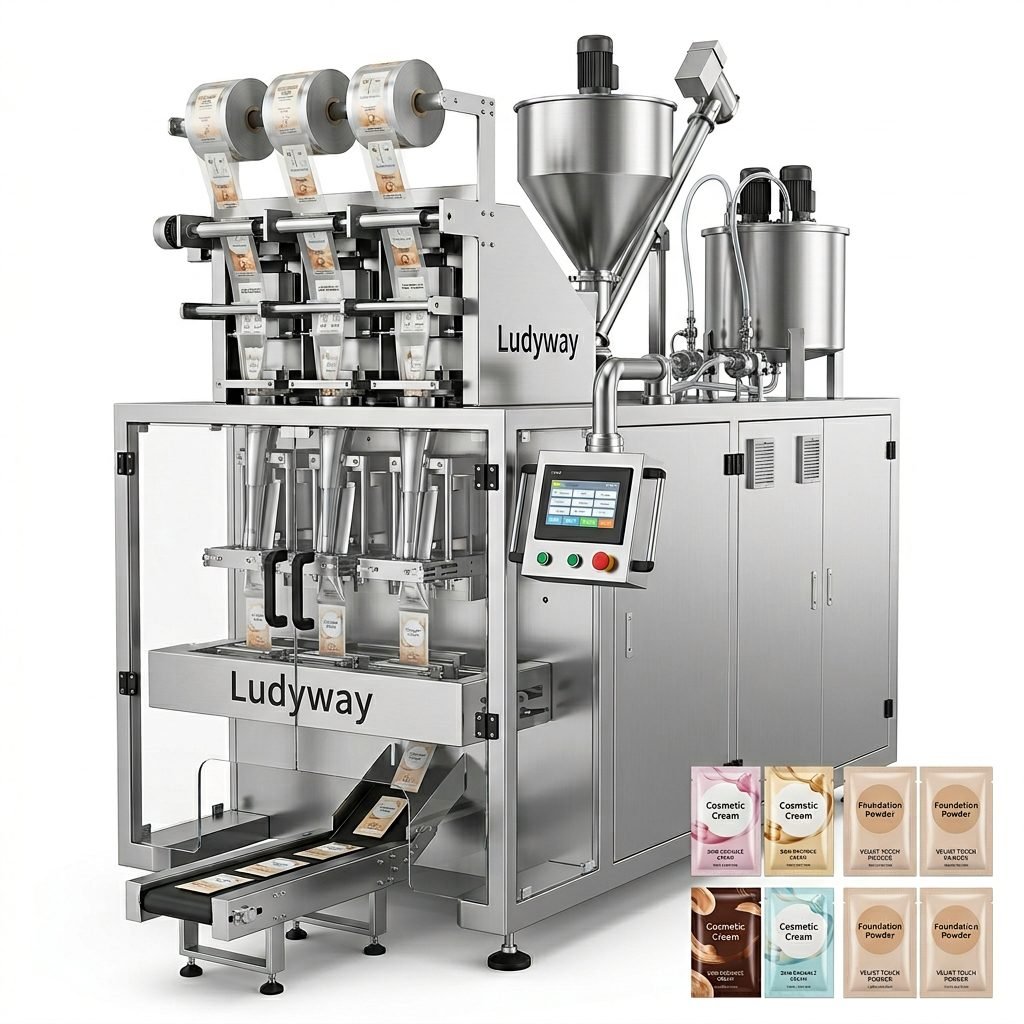
Sachet packaging machines are automated systems designed to form, fill, and seal individual pouches from a roll of packaging film. These machines are highly versatile and can handle a wide array of products, including granules (like spices), powders (like milk powder), liquids (like sauces), and even semi-viscous pastes. The primary goal is to create a sealed, protective, and attractive package that preserves product integrity and appeals to consumers.
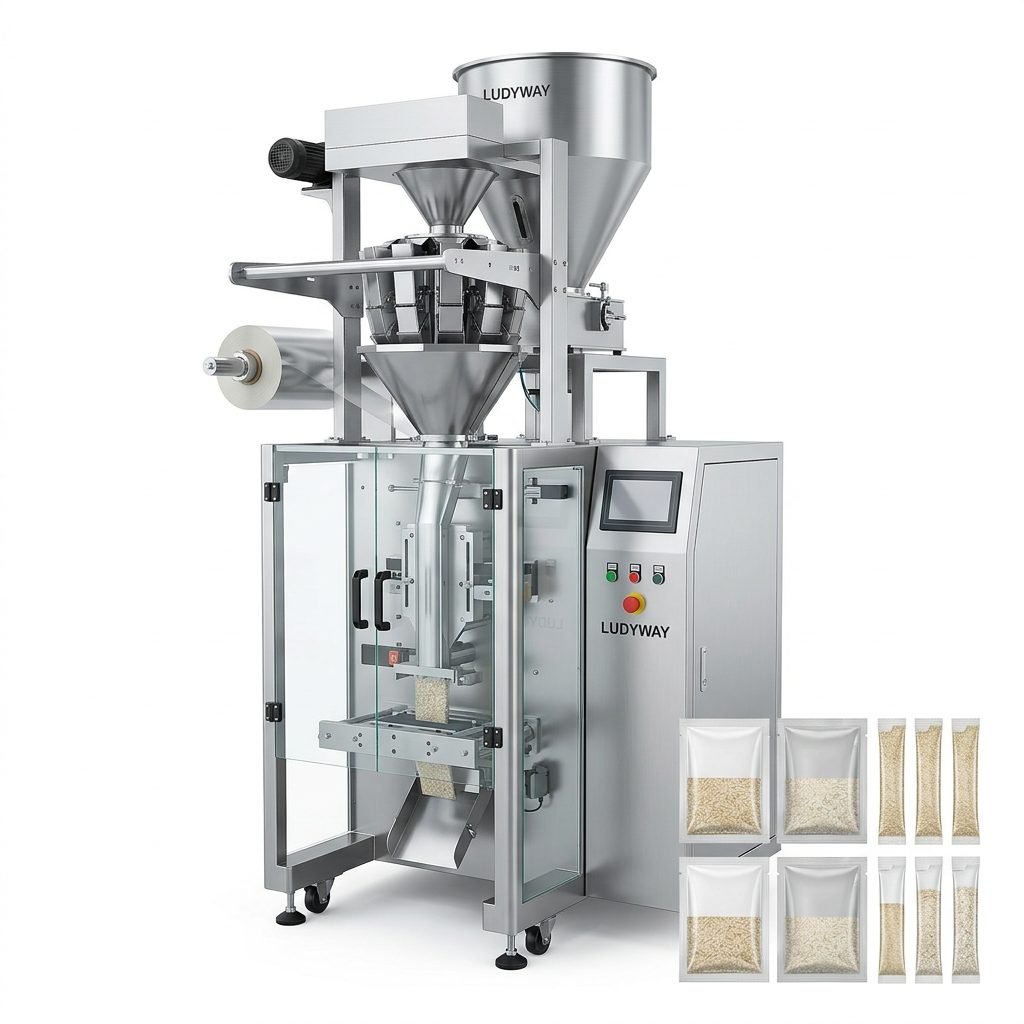
Core Components of a Sachet Packager
While designs vary, most sachet machines share these fundamental components:
- Film Unwinder: Holds and feeds the roll of packaging material (laminate or foil).
- Forming Shoulder: Guides the flat film into a tubular shape.
- Vertical Sealing Jaw: Creates the continuous back seal of the tube.
- Product Filling System: Precisely doses the product into the formed tube. This can be a volumetric cup, auger filler, liquid pump, or combination weigher.
- Horizontal Sealing & Cutting Jaws: Simultaneously seal the top of one sachet and the bottom of the next, then cut them apart.
- Control System (PLC/HMI): The brain of the machine, allowing operators to set parameters like speed, temperature, and fill weight.
Primary Types of Sachet Packaging Equipment
Choosing the right machine starts with understanding the different configurations available. The main categorization is based on the machine’s orientation and sealing mechanism.
1. Vertical Form-Fill-Seal (VFFS) Machines
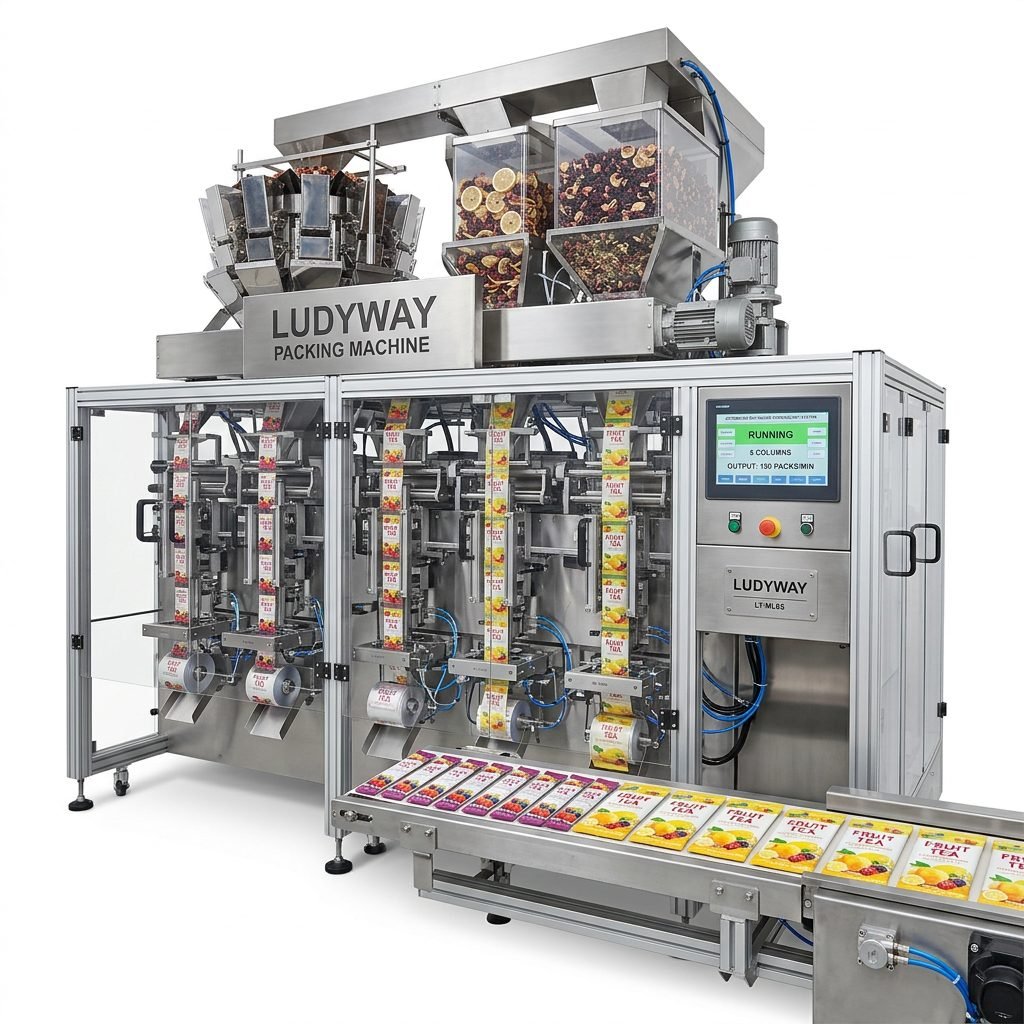
This is the most common and versatile type. Film is pulled vertically downward over a forming collar, creating a tube. The product is filled from above, and horizontal jaws seal and cut the individual sachets. VFFS machines are ideal for medium to high-speed production of free-flowing products like granules, powders, and small pieces.
Key Advantage: Excellent flexibility for different sachet sizes and shapes with quick changeover. They are a cornerstone of modern automated lines, such as those offered by experienced suppliers like Ludyway Machinery, which provides advanced VFFS solutions for global markets.
2. Horizontal Form-Fill-Seal (HFFS) Machines
In HFFS machines, the film travels horizontally. Two webs of film are used: the bottom web forms pockets, which are filled, and the top web is then sealed over them. This type is perfect for complex, non-free-flowing products (like sticky candies, ointments), products that need to be laid flat, or when intricate multi-lane layouts are required.
3. Four-Side Seal (Pouch) Machines
These machines create sachets that are sealed on all four edges, often from pre-folded film. They typically use a single web of film folded in half. They offer a very neat, premium presentation and are often used for tea bags, wet wipes, and single-serve condiments.
Working Principles: From Film Roll to Finished Sachet
The operational sequence of a typical VFFS machine illustrates the core process:
- Film Feeding & Forming: The packaging film is drawn from the roll and guided over a forming collar, which shapes it into a vertical tube. A longitudinal sealer bonds the overlapping edges.
- Product Metering & Filling: The product is accurately measured by the chosen filling system (e.g., an auger for powders) and discharged into the film tube.
- Cross Sealing & Cutting: A pair of heated sealing jaws close horizontally across the tube. They perform a dual function: sealing the top of the filled sachet below and the bottom of the next sachet to be filled above. A cutting blade within the jaws separates the two, releasing the finished sachet.
- Discharge & Control: The finished sachets are conveyed away, while sensors and the PLC continuously monitor the process for consistency, adjusting parameters as needed to maintain quality.
How to Choose the Right Sachet Packaging Machine
Selecting equipment is a strategic investment. Here are the critical factors to consider, ensuring your choice aligns with both current and future needs.
1. Analyze Your Product Characteristics
This is the most crucial starting point. The product’s physical properties dictate the machine type and filling system.
- Form: Granule, powder, liquid, solid piece, or paste?
- Flowability: Free-flowing (rice) or sticky (honey)?
- Abrasiveness/Corrosiveness: Does it require special contact materials like stainless steel?
- Hygiene & Protection Needs: Does it require a gas flush (nitrogen) for preservation or high-barrier film?
2. Define Your Production Requirements
Quantify your operational goals to match machine capabilities.
- Output Speed (sachets per minute): Match this to your overall line capacity.
- Sachet Size & Style Range: What are your minimum and maximum dimensions? Do you need different shapes (pillow, gusseted, stand-up)?
- Changeover Frequency: If you run many short batches, look for machines with quick-change features for film rolls and forming tools.
3. Evaluate Machine Features & Build Quality
Look beyond the brochure. The machine’s construction determines longevity and uptime.
- Frame & Construction: A rigid, heavy-gauge frame minimizes vibration at high speeds.
- Sealing System: Consistent, adjustable temperature control is vital for strong seals. Impulse sealers are common for laminates.
- Filling Accuracy: The chosen filler (auger, volumetric, pump) must deliver consistent weight or volume to meet regulations and reduce giveaway.
- Control & Interface: A user-friendly PLC with a touchscreen HMI allows for easy recipe storage, parameter adjustment, and diagnostics.
4. Consider Integration and Support
The machine is part of a larger ecosystem. For a seamless operation, consider suppliers who offer complete turnkey solutions, integrating the packager with upstream (e.g., feeding) and downstream (e.g., cartoning) equipment. Crucially, assess the supplier’s reputation for after-sales support, availability of spare parts, and quality of technical training. A partner with deep industry experience, like Ludyway Machinery with over a decade of specialization, can provide invaluable long-term reliability.
Conclusion
Investing in sachet packaging equipment is a significant decision that impacts product quality, brand perception, and production efficiency. By thoroughly understanding the different machine types, their working principles, and systematically evaluating your product needs, production targets, and required features, you can make an informed choice. Partnering with a reliable and experienced equipment provider ensures not only a machine that fits your specifications but also the ongoing support necessary for optimal performance and a strong return on investment.
Frequently Asked Questions (FAQs)
What is the typical speed range for a sachet packaging machine?
Speeds vary widely based on machine type, sachet size, and product. Basic single-lane VFFS machines may run at 40-80 bags per minute (bpm), while advanced multi-lane machines can exceed 600 bpm for small sachets. It’s essential to request a factory test with your specific product to verify achievable speeds.
Can one machine handle both powder and liquid products?
Some versatile VFFS machines can be configured for both by switching the filling system (e.g., from an auger filler to a liquid pump). However, thorough cleaning and validation are required between product type changes to prevent cross-contamination, especially in food or pharmaceutical applications.
How important is the packaging film material?
Extremely important. The film must be compatible with your product (for barrier properties like moisture or oxygen resistance) and with the machine’s sealing parameters (seal layer composition, melting temperature). Your machine supplier or a packaging film expert can recommend the appropriate laminate structure.
What are the key maintenance requirements?
Regular daily cleaning of product contact parts is essential. Periodic maintenance includes lubricating moving parts, checking seal jaw alignment and temperature calibration, and inspecting cutting blades for wear. Following the manufacturer’s maintenance schedule is crucial for preventing downtime.
What should I look for in a machine supplier?
Prioritize suppliers with a proven track record in your industry, the ability to provide live product tests, clear documentation, comprehensive training, and responsive after-sales service with readily available spare parts. Their engineering expertise should extend beyond just selling a machine to offering a viable production solution.