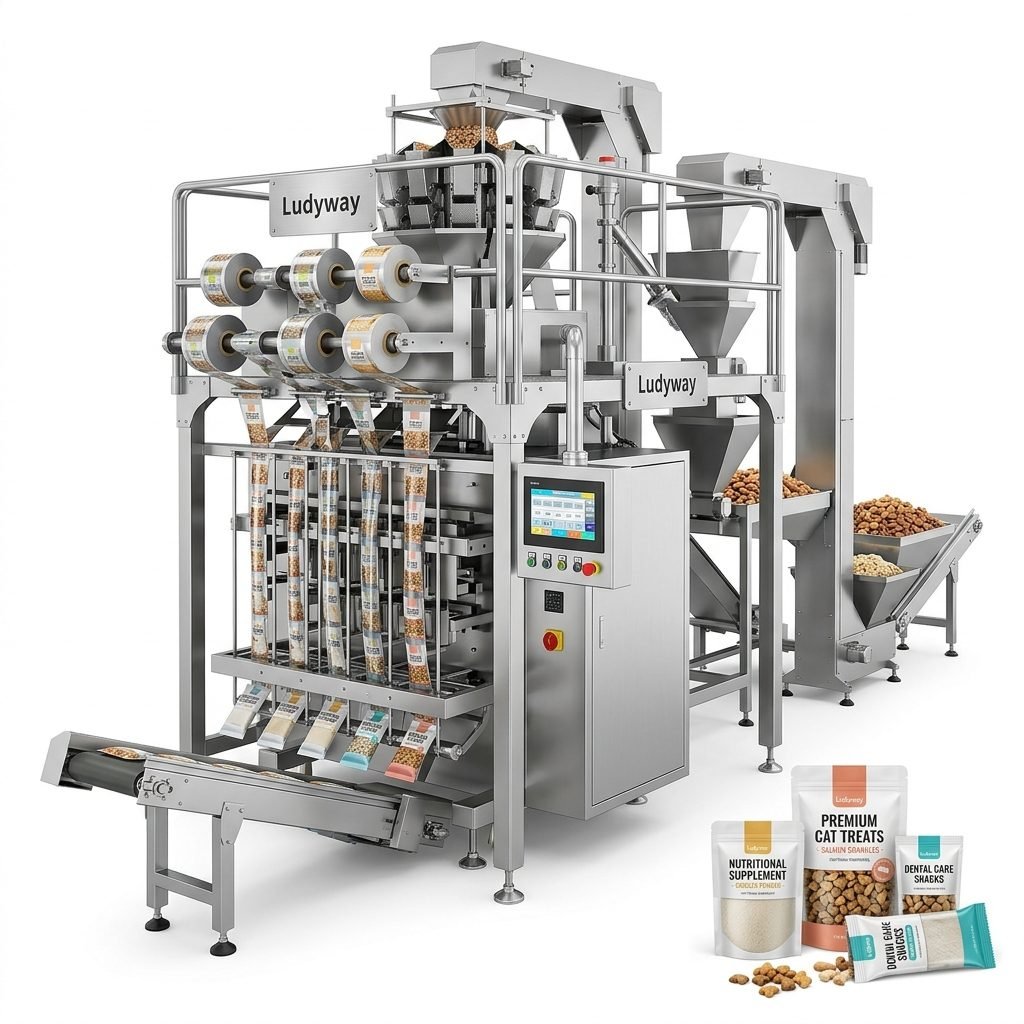
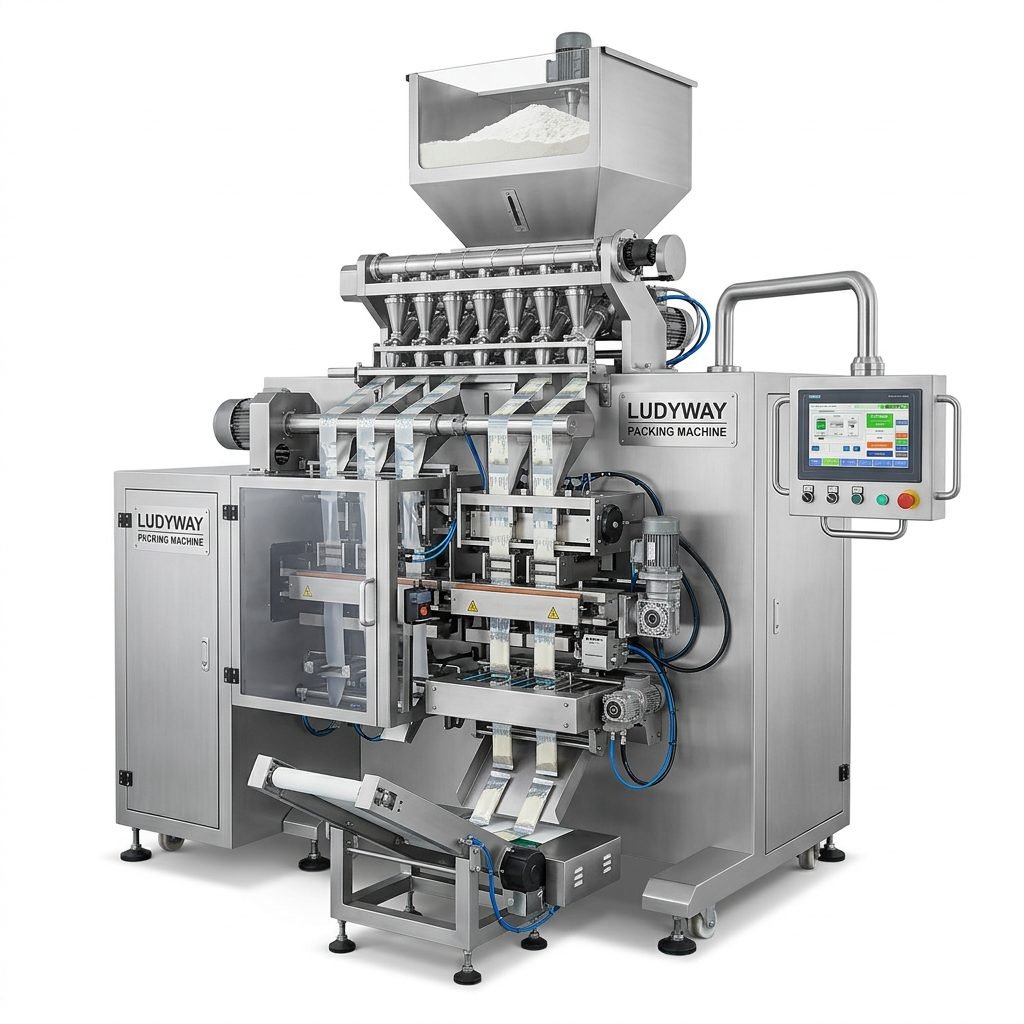
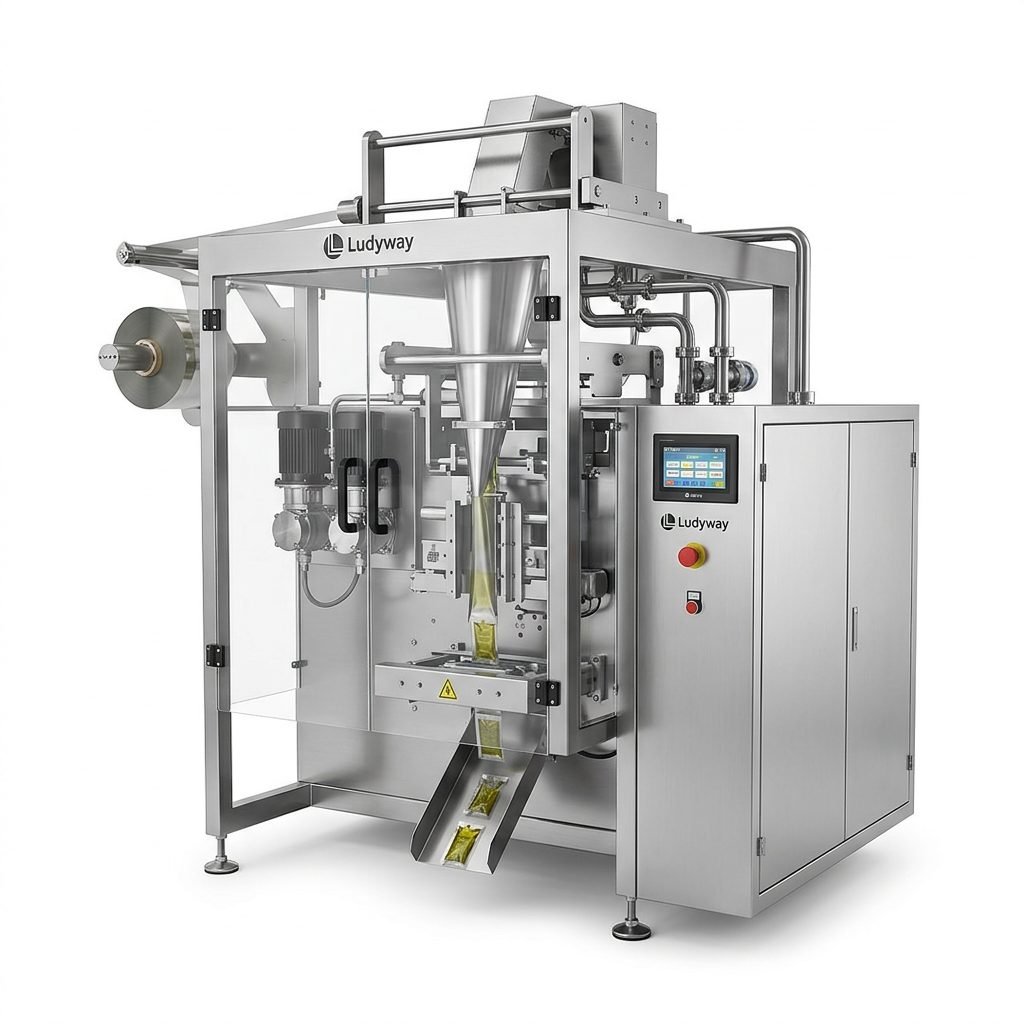
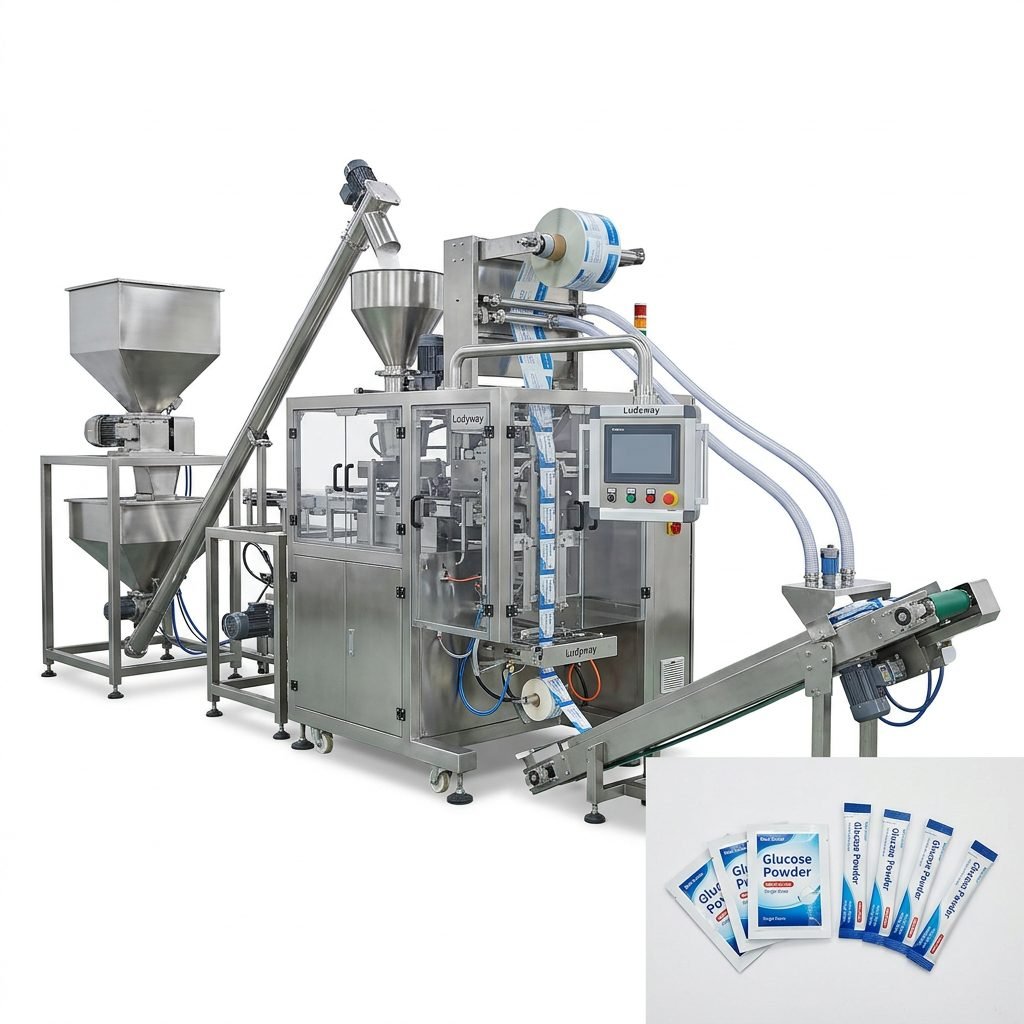
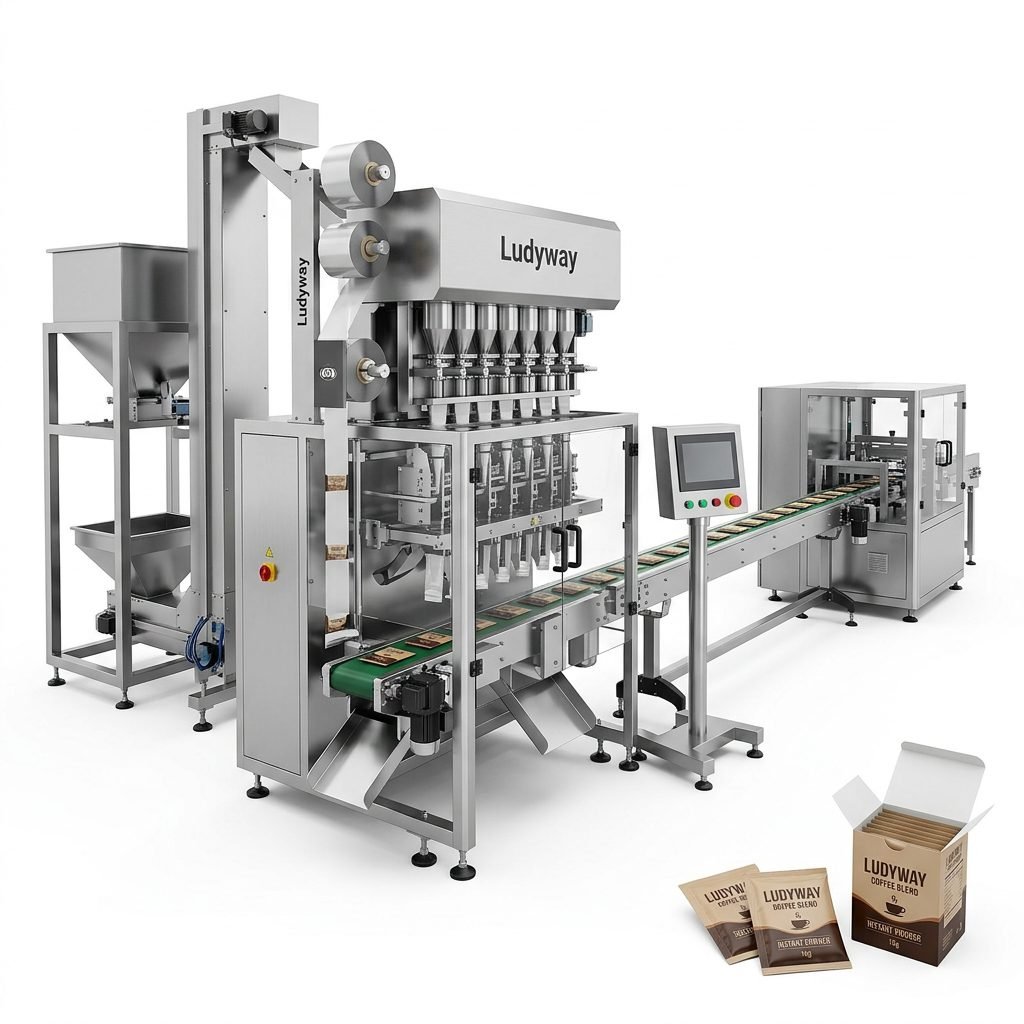
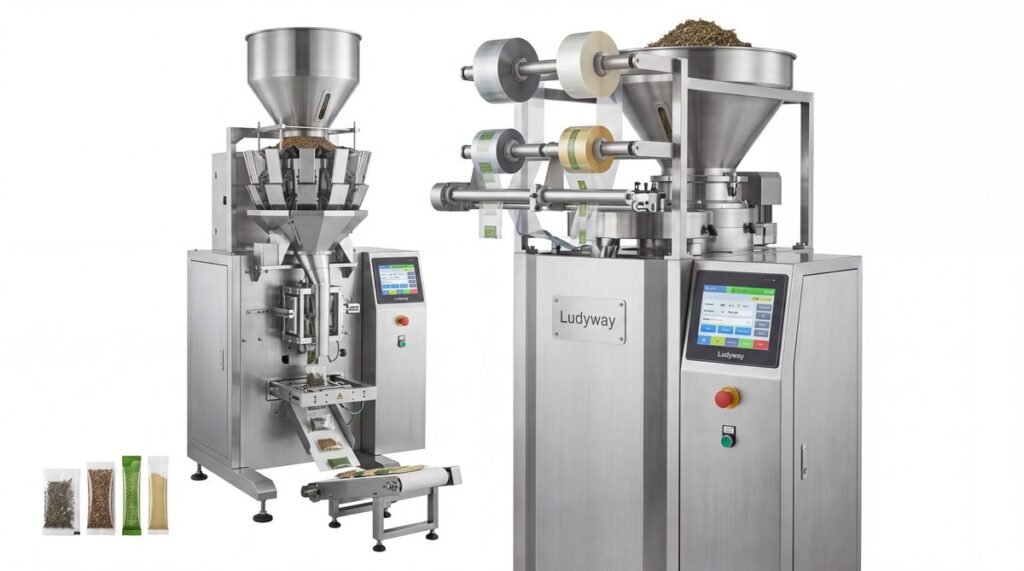
The cannabis industry is experiencing rapid growth and increasing regulatory scrutiny. For dispensaries and producers, maintaining product quality, compliance, and operational efficiency is paramount. Manual packaging of cannabis flower jars is labor-intensive, inconsistent, and can lead to compliance issues. This is where automated cannabis flower jar packaging machines become a critical investment. These systems integrate filling, sealing, and labeling into one seamless, automated process, ensuring accuracy, speed, and regulatory adherence.
Why Automate Your Cannabis Jar Packaging Line?
Transitioning from manual to automated packaging offers transformative benefits for any cannabis business. Manual processes are prone to human error, leading to inconsistent fill weights, which is a serious compliance violation in markets with strict weight regulations. Automation eliminates this risk with precise, programmable filling systems. Furthermore, speed is a major advantage. An automated line can package hundreds of jars per hour, far exceeding manual capabilities, which is essential for scaling operations to meet market demand. Finally, automation significantly reduces labor costs and minimizes physical handling of the product, preserving trichome integrity and ensuring a premium, consistent product reaches the consumer.
Core Benefits at a Glance:
• Precision & Compliance: Ensures accurate weight filling to meet strict state regulatory requirements.
• Operational Efficiency: Dramatically increases output (jars per hour) while reducing labor costs.
• Product Integrity: Minimizes human contact, protecting flower quality and trichomes.
• Brand Consistency: Delivers uniform, professional-looking packaging every time.
Key Components of an Automated Jar Packaging System
A complete turnkey solution typically consists of several integrated machines working in concert. Understanding each component helps in selecting the right system for your specific needs.
1. Automated Filling Machine
The heart of the system. These machines use advanced technology like weighing scales or volumetric cups to dispense precise amounts of cannabis flower into jars. Multi-head weighers are ideal for high-speed, high-accuracy applications, while simpler volumetric fillers may suit smaller operations. The key is consistency; every jar must contain the exact weight stated on the label to avoid compliance penalties and maintain consumer trust.
2. Capping & Sealing Machine
Once filled, jars move to the capping station. This machine automatically places and tightens lids (child-resistant caps are standard) onto the jars. Reliable sealing is crucial for preserving freshness, preventing contamination, and ensuring the package is tamper-evident. The machine applies consistent torque, ensuring every lid is secure without being over-tightened, which could damage the jar or cap.
3. Labeling & Coding Machine
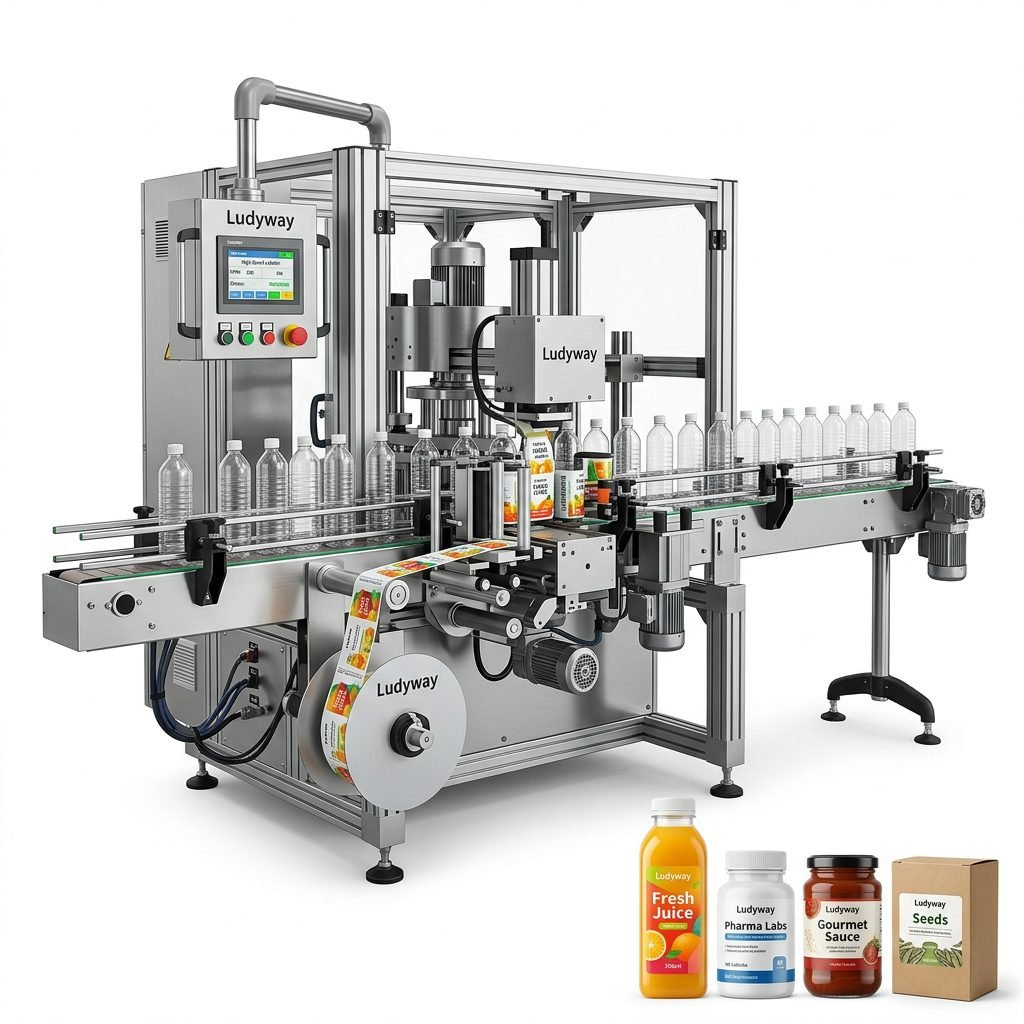
This is where compliance and branding come together. The labeling system automatically applies product labels, compliance stickers (with THC content, batch number, etc.), and government warning labels. It can also print and apply variable data like unique IDs or expiration dates. Proper labeling is non-negotiable, and automation ensures 100% application accuracy, avoiding costly mislabeling recalls. For more on compliant labeling solutions, explore our guide to cannabis product labeling.
Choosing the Right Machine for Your Dispensary or Facility
Selecting equipment requires careful consideration of your current and future needs. Here are the primary factors to evaluate:
Production Speed & Volume
Calculate your required output in jars per hour (JPH). A small dispensary pre-packaging its own house brand might need a semi-automatic system with speeds of 30-60 JPH. A large-scale producer supplying multiple stores will require a fully automatic line capable of 200+ JPH. Always plan for growth to avoid quickly outgrowing your equipment.
Jar Size & Material Compatibility
Machines must be adaptable. Can the system handle the range of jar sizes and shapes you use (e.g., 3.5g to 28g jars)? Is it compatible with different materials like glass, plastic, or metal? The best suppliers offer customizable change parts to switch between jar formats quickly, minimizing downtime.
Level of Automation
Options range from semi-automatic (operator loads jars) to fully automatic (integrated with conveyor belts). The choice depends on your budget, labor availability, and desired throughput. A fully integrated line offers the highest efficiency but requires a larger initial investment.
Integration and Workflow: Creating a Seamless Line
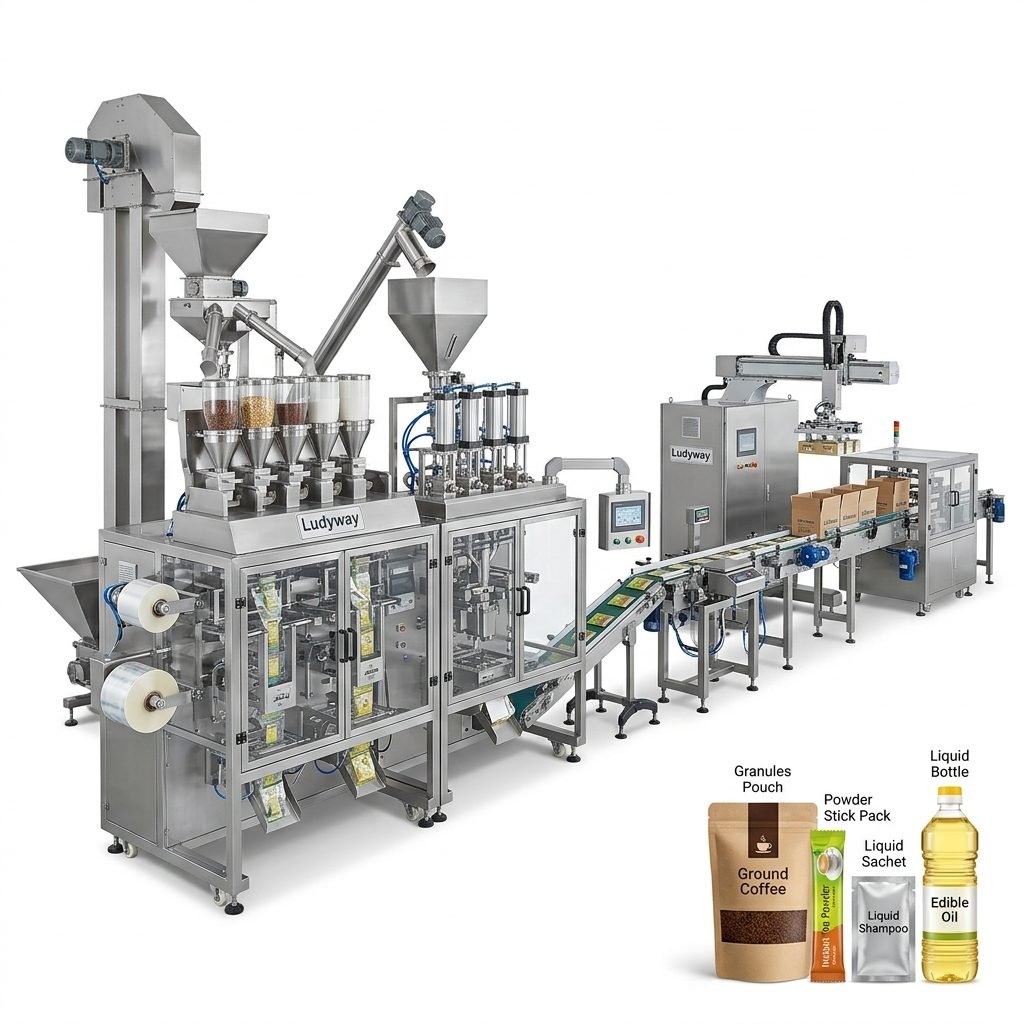
The true power of automation is realized when individual machines are integrated into a cohesive production line. A typical workflow might look like this:
1. Jar Feeding: Empty jars are automatically fed onto a conveyor belt from a hopper or unscrambler.
2. Precision Filling: Jars pass under the filling head, which dispenses the exact weight of cannabis flower.
3. Cap Placement & Sealing: Lids are applied and securely tightened.
4. Label Application: All required labels are accurately applied to the jar.
5. Inspection & Rejection: Optional checkweighers and vision systems verify fill weight and label presence, rejecting any non-compliant jars.
6. Collection: Finished jars are collected for boxing and distribution.
Professional suppliers like Ludyway Machinery specialize in designing these turnkey packaging solutions, ensuring all components work in harmony for maximum uptime and efficiency.
FAQs: Cannabis Flower Jar Packaging Machines
1. How much does an automated cannabis jar packaging line cost?
Costs vary widely based on automation level, speed, and features. A semi-automatic system may start in the tens of thousands of dollars, while a high-speed, fully integrated turnkey line can reach several hundred thousand. It’s an investment that typically pays for itself through labor savings, reduced waste, and compliance assurance within 1-3 years.
2. Can one machine handle different jar sizes?
Yes, most quality machines are designed with changeover in mind. You can purchase interchangeable parts (like filling heads, capping chucks, and label applicator attachments) to switch between different jar sizes and shapes. The changeover process time can range from 15 minutes to an hour.
3. How do I ensure the machine meets my state’s compliance regulations?
Work with a packaging machine supplier experienced in the cannabis industry. They understand the regulatory landscape for weight accuracy, child-resistant packaging (CRP), and labeling requirements. Ensure the system includes precision scales, can apply CRP caps correctly, and integrates with labeling software that manages compliant label data. Discussing your specific state regulations during the planning phase is crucial.
4. What kind of maintenance do these machines require?
Regular preventative maintenance is key to longevity. This includes daily cleaning to prevent resin buildup, lubrication of moving parts, and calibration of scales and sensors. Reputable suppliers provide comprehensive maintenance schedules and training for your staff. Many also offer service contracts for ongoing support and parts.
5. Is the flower damaged during the automated filling process?
No, a well-designed system prioritizes gentle handling. Filling mechanisms like soft-drop chutes or conveyor belts are used to transfer flower without crushing buds or stripping trichomes. The goal is to preserve the product’s quality and appearance, which is a significant advantage over rough manual handling.