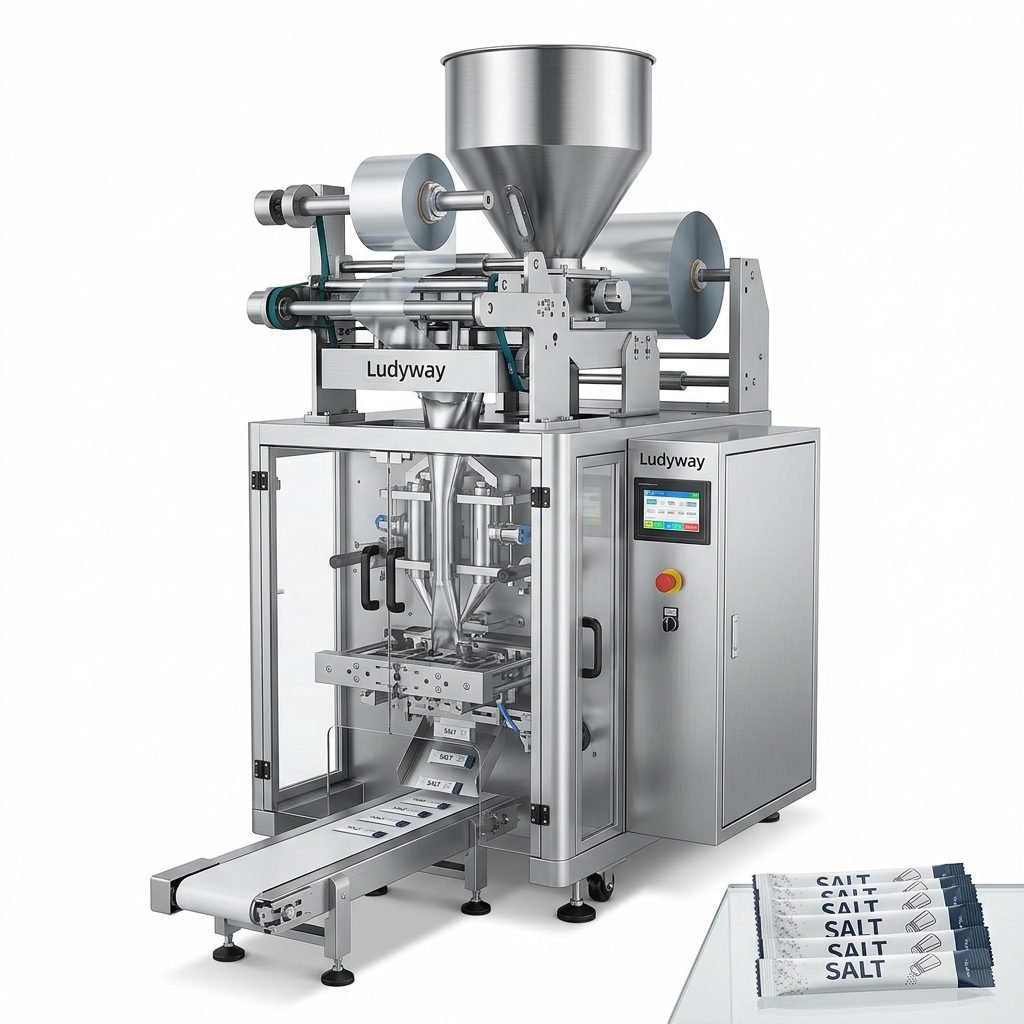
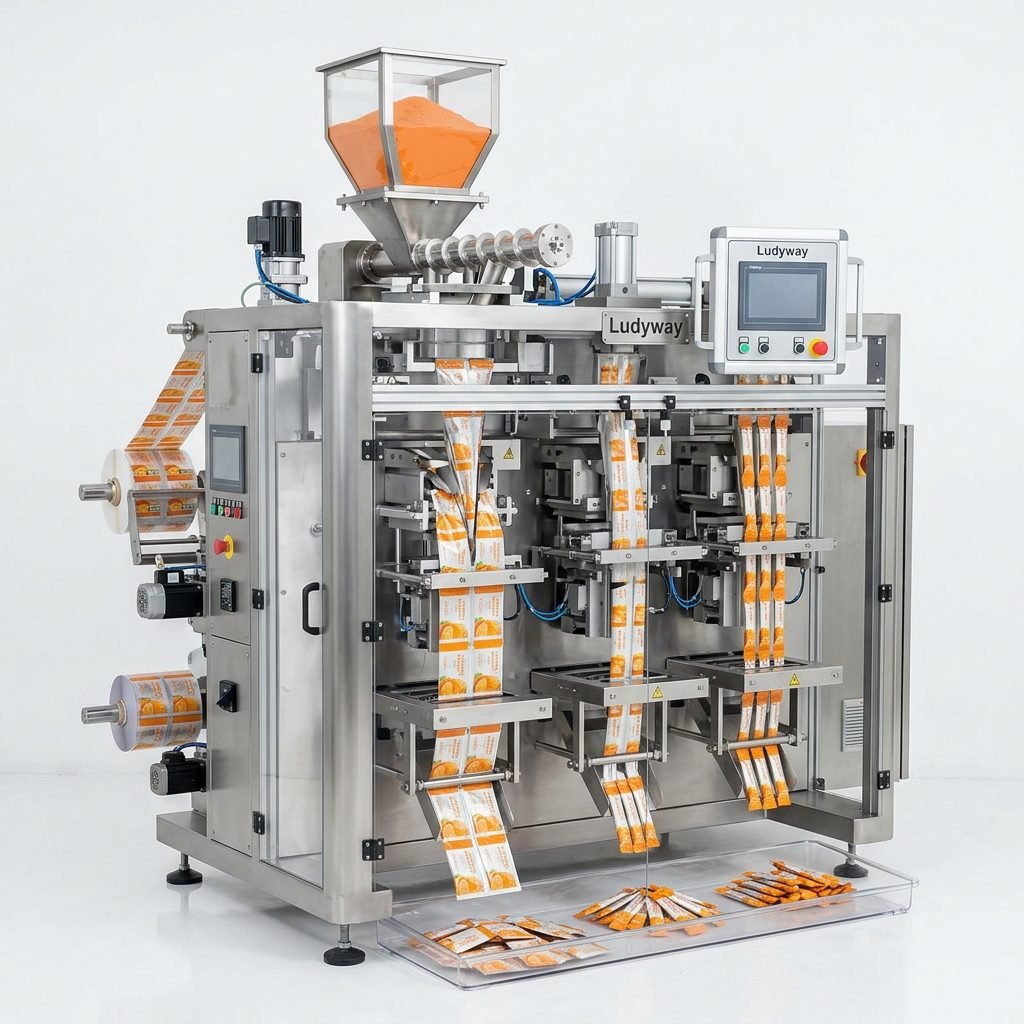
In the dynamic world of flexible packaging, spout pouches have surged in popularity, offering unparalleled convenience, extended shelf life, and superior product protection. For businesses looking to capitalize on this trend, selecting the right spout packaging equipment is a critical decision that impacts efficiency, product quality, and overall profitability. This guide will walk you through the key considerations for choosing the best spouted pouch filling and capping machine for your production needs.
Understanding Spouted Pouch Packaging Machinery
Spouted pouch equipment is a sophisticated integration of several automated processes. A typical machine performs forming, filling, and sealing (FFS) of the pouch, followed by precise spout insertion and secure capping. Modern systems are highly versatile, handling a wide range of products from liquids and juices to viscous products like sauces, yogurts, and detergents, and even some granular or powdered goods. The core advantage lies in creating a ready-to-use, resealable package in a single, continuous operation.
Key Components of a Spout Pouch Line:
- Pouch Unwinding & Forming Unit: Feeds roll stock film and forms it into the desired pouch shape.
- Filling System: Precisely meters and dispenses the product. Types include piston fillers for viscous products and gravity/pump fillers for liquids.
- Spout Placement & Sealing Station: Automatically picks and places the spout onto the film before heat-sealing it in place.
- Capping Head: Screws the cap onto the spout with accurate torque to ensure a leak-proof seal.
- Control System (PLC/HMI): The brain of the machine, allowing for recipe management, speed adjustment, and diagnostics.
How to Choose the Best Machine: A Step-by-Step Guide
Investing in spout packaging machinery is significant. A methodical evaluation ensures you select equipment that aligns perfectly with your current and future goals.
1. Define Your Product & Production Requirements
This is the foundational step. Clearly outline the characteristics of your product and your output targets.
- Product Type & Viscosity: Is it water-thin, creamy, or contains particulates? This determines the filling technology (e.g., piston filler vs. pump filler).
- Pouch Size & Style: Define the volume range (e.g., 100ml to 1000ml) and pouch style (stand-up, flat, gusseted).
- Production Speed (Pouches Per Minute – PPM): Calculate your required output based on demand forecasts. Speeds can range from 20 to over 200 PPM.
- Spout & Cap Specifications: Determine the spout size, material (e.g., HDPE, PP), and cap type (screw cap, flip-top, sports cap).
2. Evaluate Machine Capabilities & Technology
Once requirements are set, assess how different machines meet them.
💡 Critical Technological Features to Scrutinize:
Accuracy of Filling: Look for machines with servo-driven filling systems for high precision, minimizing product giveaway. Consistent fill volume is crucial for compliance and cost control.
Sealing Integrity: The heat sealing process for both the pouch and the spout must be robust. Machines with precise temperature control and pressure application ensure strong, leak-proof seals that survive transportation.
Changeover Flexibility: How quickly and easily can you switch between pouch sizes or spout types? Machines with tool-less or quick-change mechanisms drastically reduce downtime, boosting overall equipment effectiveness (OEE).
Hygiene & Cleanability: For food, beverage, or pharmaceutical applications, the machine design must facilitate easy and thorough cleaning. Stainless steel contact parts, CIP (Clean-in-Place) capabilities, and smooth surfaces are major advantages.
3. Assess Build Quality, Support, and Total Cost of Ownership (TCO)
The initial price is just one part of the financial picture. Consider the long-term value.
- Construction & Durability: Inspect the frame, components, and materials. A machine built with industrial-grade components and a rigid frame will have a longer lifespan and less maintenance.
- Manufacturer Reputation & Support: Research the supplier’s history, client testimonials, and after-sales service network. Reliable technical support, availability of spare parts, and comprehensive training are invaluable. Companies with deep industry expertise, like Ludyway Machinery, bring proven reliability and tailored solutions to the table.
- Total Cost of Ownership (TCO): Calculate costs beyond the purchase price: installation, maintenance, energy consumption, potential downtime, and part replacement costs over 5-10 years. A slightly higher initial investment in a robust machine often leads to a lower TCO.
Advanced Considerations for Optimal Performance
To truly future-proof your investment and maximize ROI, delve into these advanced aspects.
Integration with Upstream & Downstream Equipment
Your spout pouch machine rarely operates in isolation. Consider how it will integrate with your existing or planned production line.
- Upstream: Compatibility with premade pouch feeders or roll-stock film unwinders.
- Downstream: Integration with checkweighers, metal detectors, date coders, cartoners, or case packers. A machine designed for easy integration streamlines the entire packaging process.
Automation & Smart Factory Readiness
The Industry 4.0 revolution is transforming packaging. Modern machines offer:
IoT Connectivity & Data Monitoring: Remote access to machine performance data (OEE, downtime causes, production counts) for proactive maintenance and optimization.
Recipe Management: Store hundreds of product settings for instant, error-free changeovers.
Predictive Maintenance Alerts: The system can warn operators of potential component failures before they cause unplanned stops.
Choosing a supplier that understands these trends, such as Ludyway Packaging Machine experts, ensures your equipment remains competitive.
Why Partner with an Experienced Supplier?
The relationship with your machinery supplier is a long-term partnership. An experienced provider offers more than just a machine.
- Customized Solutions: They can tailor the equipment to handle unique products or challenging packaging materials.
- Turnkey Project Management: From factory layout planning to installation, commissioning, and operator training, they manage the entire project.
- Ongoing Innovation: Partners with strong R&D, backed by decades of experience like the 30+ years in the industry that informs Ludyway’s approach, continuously improve their machines and can offer upgrades.
- Global Service & Parts Network: Ensures you get support when you need it, minimizing operational risks.
Frequently Asked Questions (FAQs)
1. What is the typical speed range for a spout pouch filling and capping machine?
Speeds vary widely based on pouch size, product, and machine configuration. Basic single-lane machines may run at 20-40 pouches per minute (PPM), while high-speed, multi-lane systems can achieve speeds of 150 PPM or more for standard liquid fills.
2. Can one machine handle different pouch sizes and spout types?
Yes, most modern machines are designed for changeover. However, the ease and time required for changeover differ. Look for machines with “quick-change” features, where change parts can be swapped in minutes without tools, to maximize flexibility and minimize downtime.
3. How important is the filling accuracy, and what affects it?
Filling accuracy is critical for cost control (reducing product giveaway) and regulatory compliance (meeting stated net weight). It is primarily affected by the filling technology (servo-piston is most precise for viscous products), product viscosity, and the machine’s control system. High-end machines offer fill accuracy within ±0.5-1%.
4. What are the main maintenance requirements for this equipment?
Regular maintenance includes daily cleaning, lubrication of moving parts as per the manual, inspection of seals and gaskets, and calibration of filling and capping heads. Preventive maintenance schedules provided by the supplier, like those from experienced partners, are essential to prevent unexpected breakdowns.
5. What safety features should I look for?
Essential safety features include emergency stop buttons, safety interlocks on guarding, protection against over-pressure in pneumatic systems, and electrical safety certifications (e.g., CE, UL). Proper guarding ensures operator safety during high-speed operation.