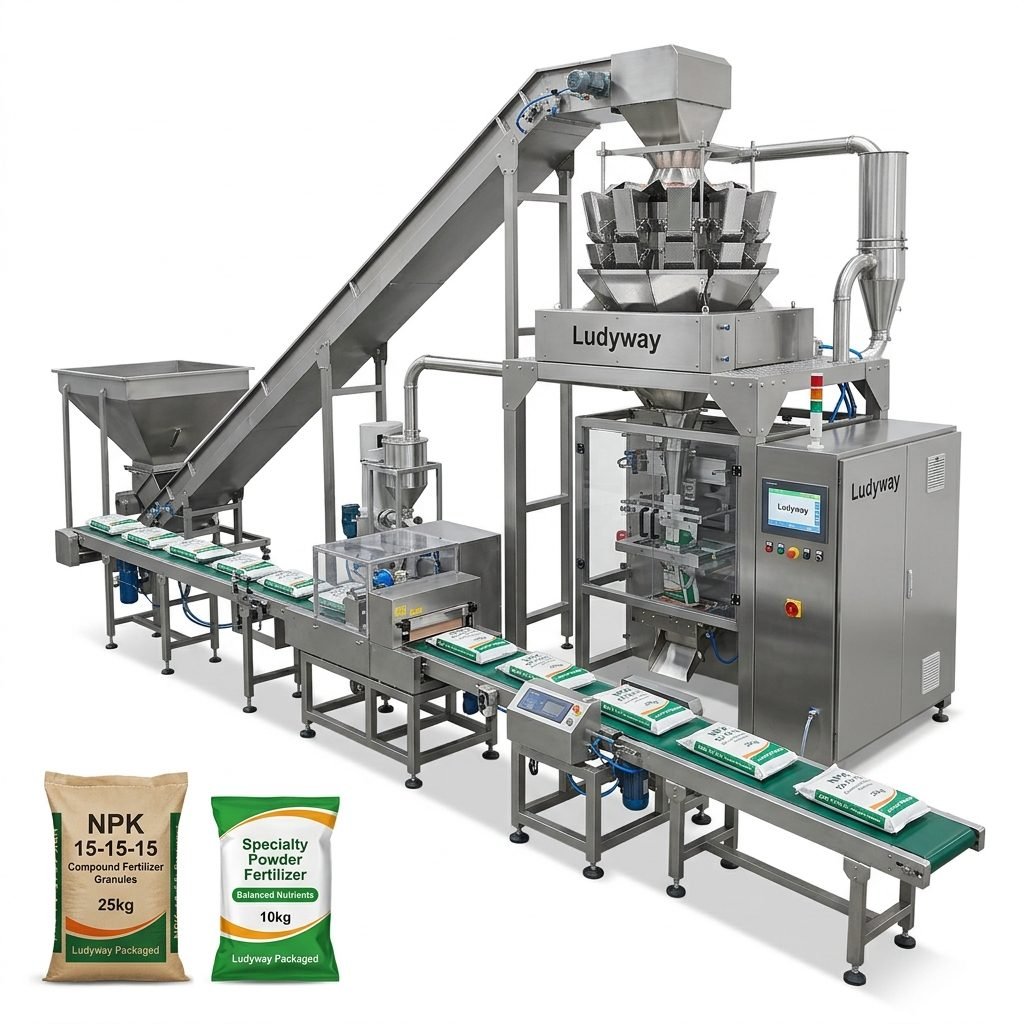
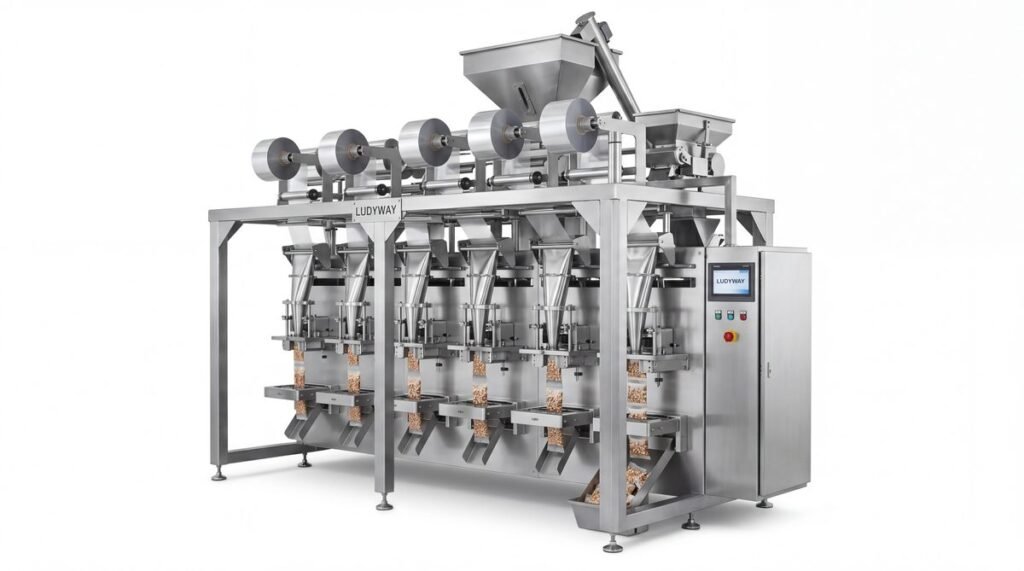
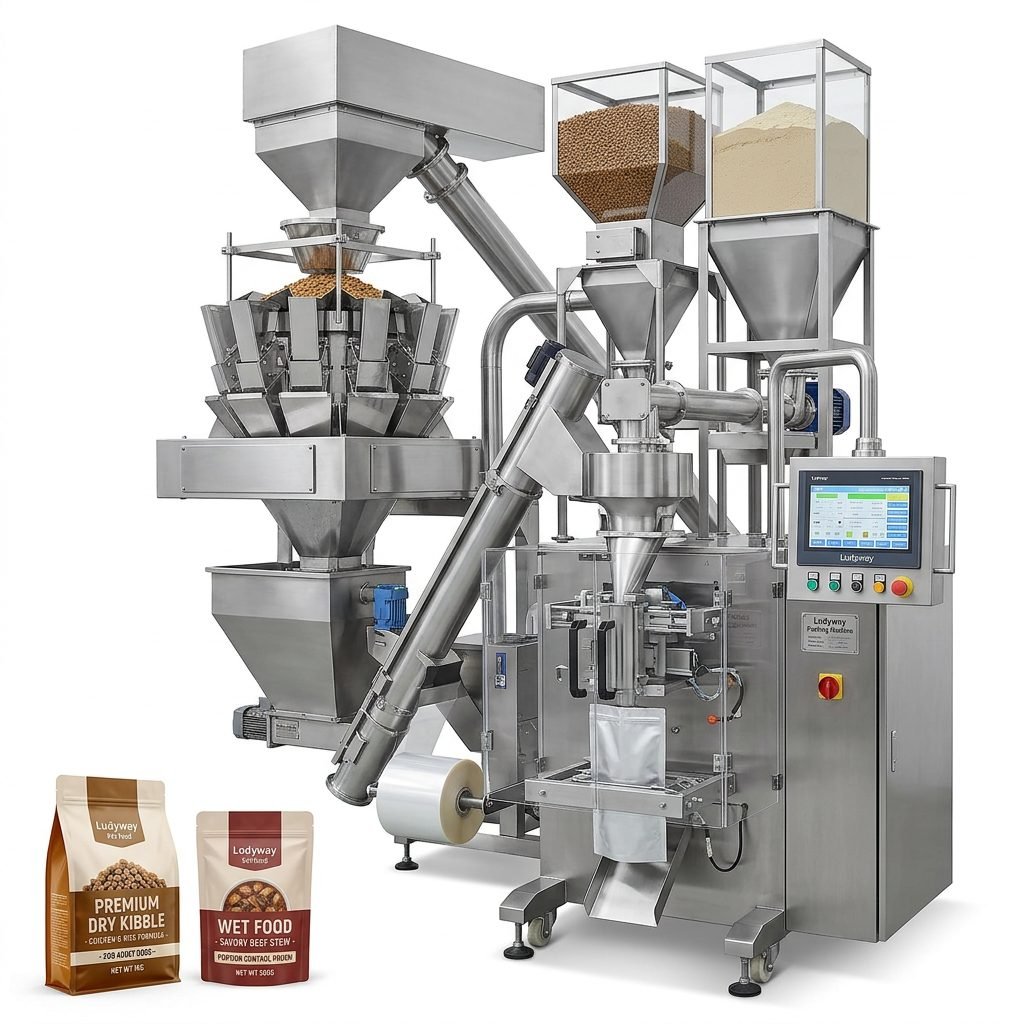
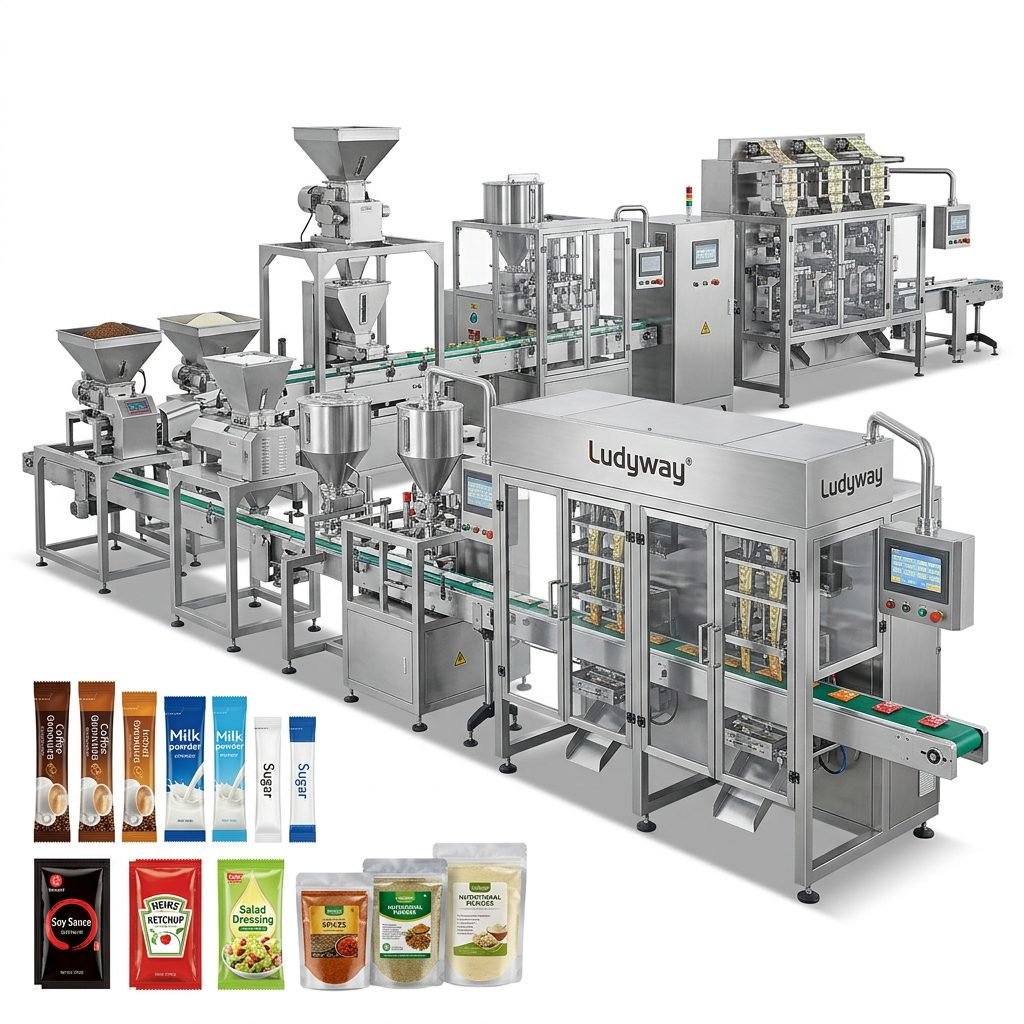
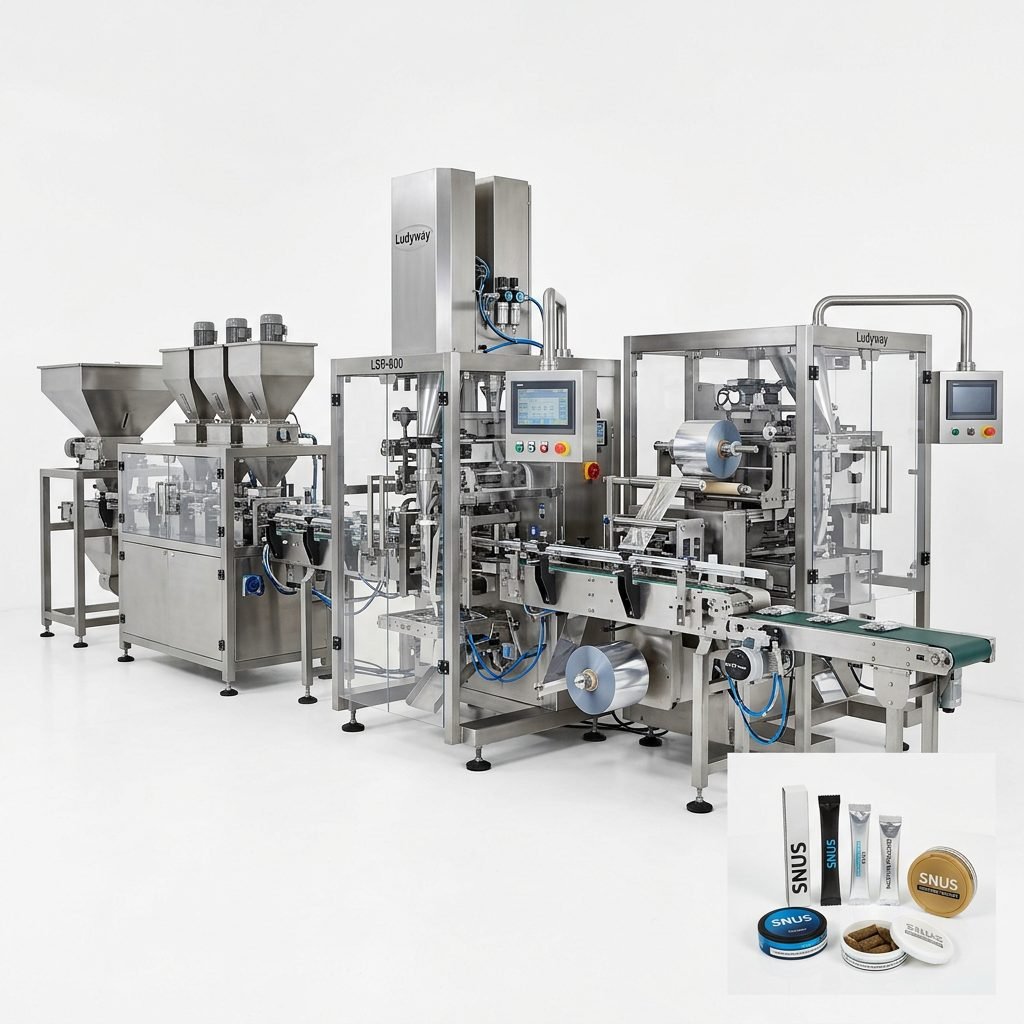
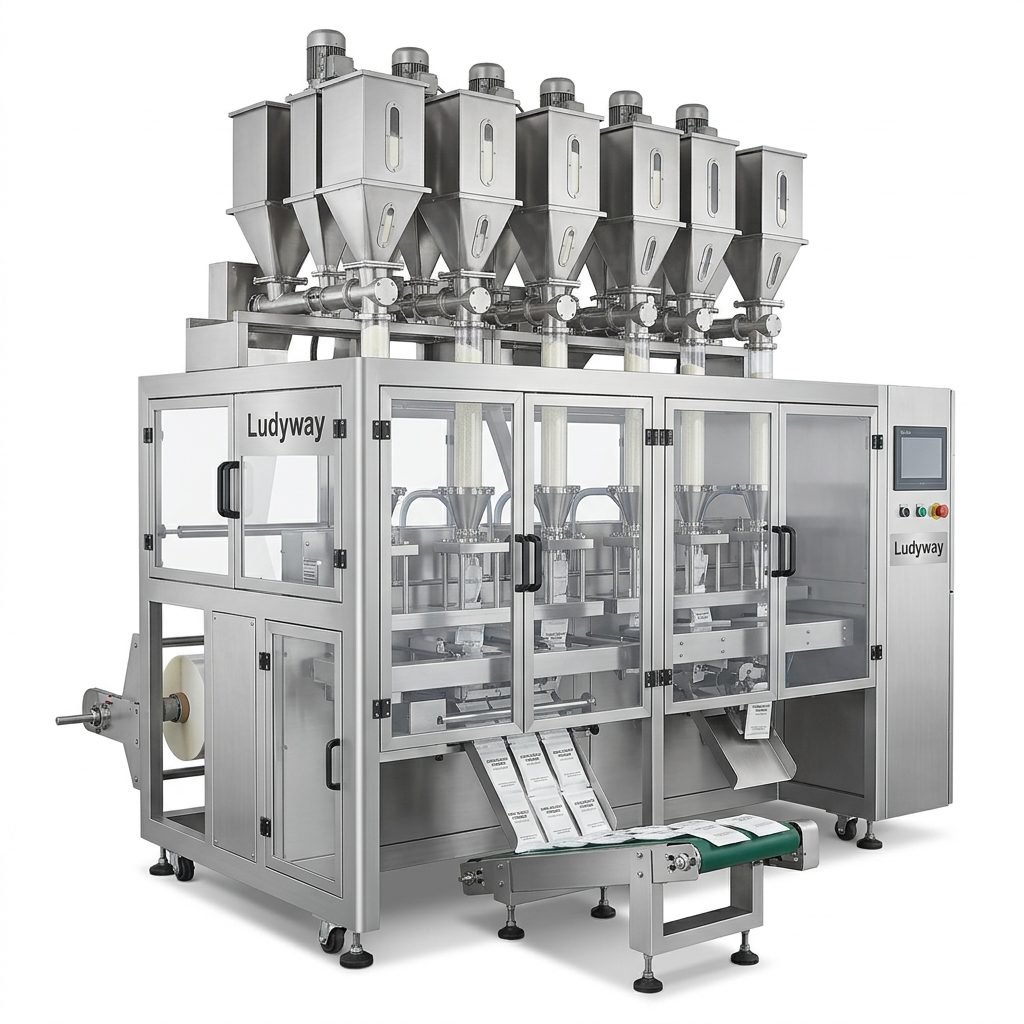
In the fast-paced world of modern manufacturing, efficiency and product presentation are paramount. Flow packaging machines, often referred to as horizontal form-fill-seal (HFFS) machines, are the backbone of countless production lines, seamlessly wrapping products in a protective and attractive film. This comprehensive guide delves into the types, working principles, diverse applications, and essential buying tips for these versatile machines.
Understanding Flow Packaging Technology
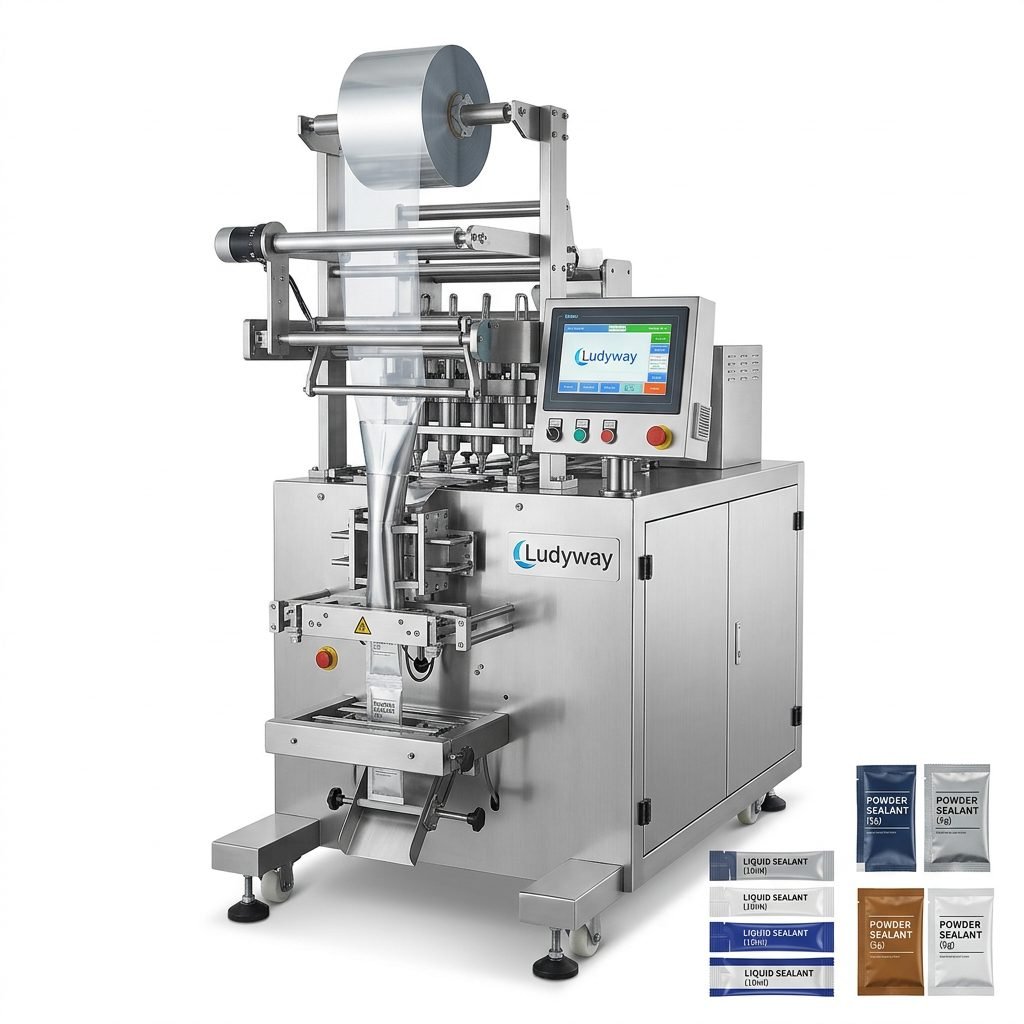
At its core, a flow packaging machine is an automated system designed to create a pouch from a roll of flexible film, fill it with a product, and seal it—all in one continuous, high-speed operation. The process is ideal for a vast array of solid items, from food bars and biscuits to hardware components and medical devices. The primary advantage lies in its speed, efficiency, and the ability to create a neat, secure, and shelf-ready package with minimal manual intervention.
Core Working Principle: The Form-Fill-Seal Process
The operation of a standard flow wrapper can be broken down into a synchronized sequence:
1. Film Feeding & Forming: A roll of packaging film (such as polypropylene, polyethylene, or laminates) is fed into the machine. The film passes over a forming collar, which shapes it into a vertical tube around the product inlet.
2. Longitudinal Sealing: The overlapping edges of the film tube are sealed together by a continuous longitudinal sealer, creating a back fin or lap seal.
3. Product Insertion: Products are fed into the formed tube in a timed sequence, usually via a conveyor or feeding system.
4. End Sealing & Cutting: As the product moves through, rotary sealing jaws close to create the transverse (end) seals, simultaneously separating the individual packages from the film tube.
Major Types of Flow Packaging Machines
Choosing the right type depends on your product characteristics and production goals.
1. Standard Horizontal Flow Wrappers
These are the most common type, perfect for wrapping individual solid items like candy bars, granola bars, soap bars, and small hardware. They offer high speeds and consistent, reliable packaging.
2. Multi-Lane Flow Wrappers
Designed for maximum output, these machines feature multiple parallel lanes that allow several products to be wrapped simultaneously. This is ideal for high-volume production of uniform items such as biscuits, chewing gum packs, or medical swabs.
3. Pouch Flow Wrappers
While similar in principle, these are often configured to create pillow pouches for products that may be slightly less rigid or for creating multi-packs. They are highly versatile for food and non-food items.
4. Specialty Flow Wrappers
This category includes machines with added features like gas flushing for modified atmosphere packaging (MAP) to extend shelf life, check-weighing systems for accuracy, or vision inspection systems for quality control.
Key Applications Across Industries
The adaptability of flow packaging makes it indispensable in numerous sectors. For instance, in markets with strong traditions of individually wrapped snacks or on-the-go consumption, the demand for efficient, high-speed flow wrapping is particularly high.
Food & Beverage: This is the largest application area. It includes biscuits, crackers, chocolate bars, ice cream bars (with cold-room capabilities), baked goods, sliced cheese, frozen foods, and single-serve condiment packets. The machinery must often comply with stringent food safety standards.
Pharmaceutical & Healthcare: Sterility and precision are critical. Flow wrappers are used for blister packs, medical device kits, gauze pads, cotton swabs, and single-dose pharmaceutical products, often in cleanroom environments.
Personal Care & Cosmetics: Soap bars, bath bombs, disposable razors, and sample-sized cosmetic products are commonly flow-wrapped to ensure hygiene and attractive presentation.
Industrial & Hardware: Small tools, electronic components, batteries, and hardware items are packaged for retail sale, offering protection from dust and moisture.
Essential Buying Tips for Your Investment
Selecting a flow packaging machine is a significant decision. Here are critical factors to consider, informed by the expertise of seasoned providers like Ludyway Packing Machine with decades of industry experience.
✔ Product Specifications: Analyze your product’s size, shape, weight, and fragility. The machine must handle it gently without causing damage. Consider future product changes.
✔ Production Speed & Output: Determine your required packs per minute (PPM). Balance speed with machine stability and longevity. A multi-lane stick pack system might be the solution for ultra-high volumes.
✔ Packaging Material: The machine must be compatible with your chosen film type (e.g., OPP, METPET, laminates) and thickness. Consider features like precise temperature control for consistent seals.
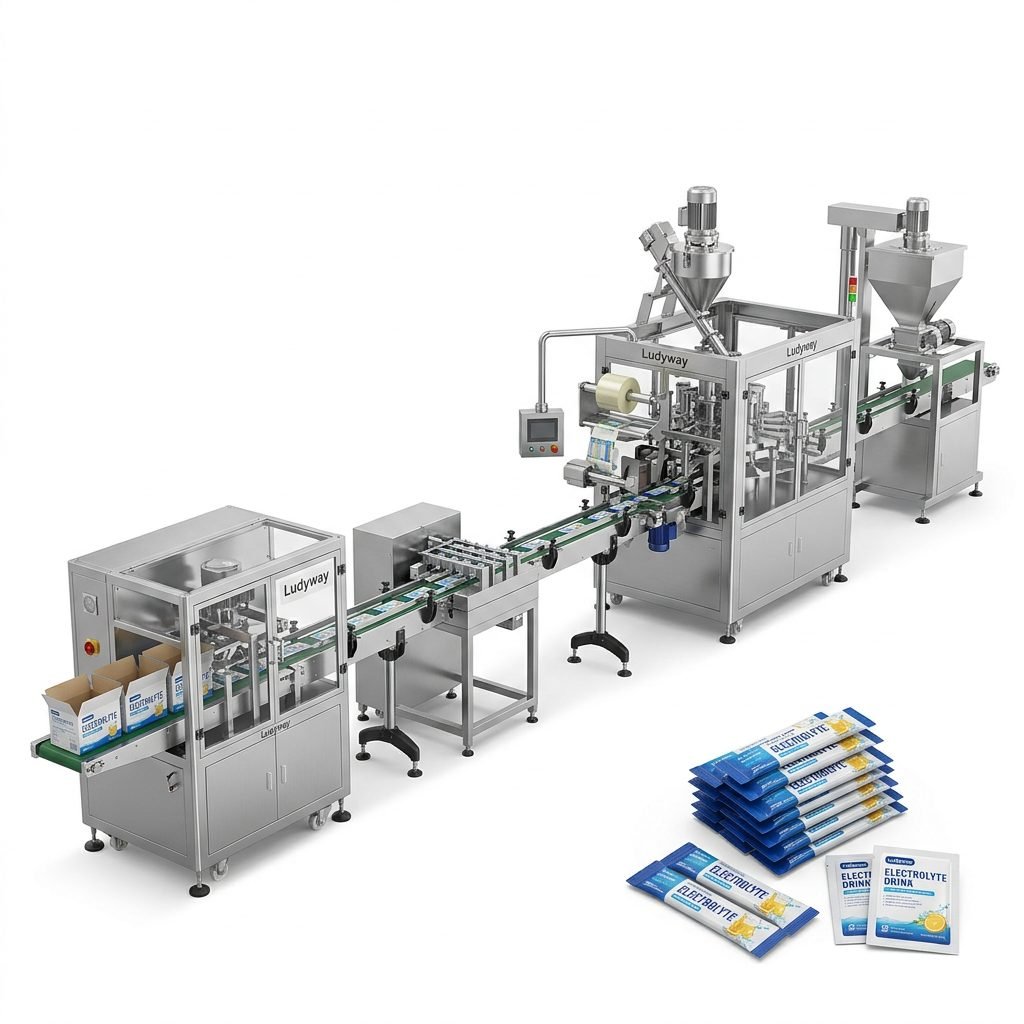
✔ Automation & Integration: Evaluate the feeding system. Can it integrate with your existing upstream (e.g., product feeders) and downstream (e.g, cartoners) equipment? Look for user-friendly PLC controls.
✔ Build Quality & Support: Invest in robust construction from a reputable manufacturer. Assess the availability of spare parts, technical support, training, and service. A provider’s track record matters.
✔ Hygiene & Compliance: For food or pharmaceutical use, ensure the machine design allows for easy cleaning and meets relevant safety and material standards (e.g., FDA, GMP).
Conclusion
A flow packaging machine is a strategic investment that can dramatically enhance your production line’s productivity, reduce labor costs, and improve package consistency. By thoroughly understanding the different types, how they work, and their applications, and by carefully evaluating your needs against the key buying criteria, you can select a machine that delivers reliable performance and a strong return on investment for years to come. Partnering with an experienced supplier ensures you get not just a machine, but a complete packaging solution tailored to your goals.
Frequently Asked Questions (FAQs)
1. What is the main difference between a flow wrapper and a vertical form-fill-seal (VFFS) machine?
Flow wrappers (horizontal) are typically used for wrapping solid, already-formed products. VFFS machines are designed for filling powders, granules, or liquids into a bag that is formed vertically. The product flow and application differ significantly.
2. How fast can a typical flow packaging machine run?
Speeds vary greatly by model and product. Standard machines can range from 50 to over 500 packs per minute. Multi-lane systems can achieve outputs exceeding 1000 packs per minute for small, uniform items.
3. Can one flow wrapper handle different product sizes?
Yes, but with changeover. Most machines require adjustments to the forming collar, film width, and sealing jaw settings. Look for machines with “quick-change” features to minimize downtime when switching products.
4. What maintenance does a flow packaging machine require?
Regular daily cleaning is essential. Periodic maintenance includes lubricating moving parts, checking sealing jaw alignment and temperature, inspecting cutting blades, and ensuring sensors are clean and functional. A good maintenance schedule prevents major breakdowns.
5. Is flow packaging suitable for fragile products?
Yes, with proper configuration. Gentle product handling systems, adjustable infeed conveyors, and soft-touch lugs or belts can be integrated to transport delicate items like crackers or pastries without breakage.