Public sector procurement teams face unique challenges when sourcing packaging equipment. Budget constraints, regulatory compliance, long-term reliability, and the need for transparency demand a strategic approach. This comprehensive guide explores the key considerations, equipment types, and best practices for selecting the best packaging machinery for government, municipal, and institutional use.
Understanding Public Sector Procurement Needs
Procurement in the public sector is fundamentally different from private industry. Decisions must justify public spending, ensure fair competition, and deliver lasting value. For packaging equipment, this means prioritizing durability, efficiency, compliance, and total cost of ownership over initial price alone. Equipment often serves critical functions in areas like public health (pharmaceutical packaging), food distribution, and municipal services.
Key Procurement Drivers
Regulatory Adherence: Equipment must meet strict health, safety, and environmental standards (e.g., FDA, USDA, or local equivalents for food and pharmaceutical contact).
Lifecycle Costing: Evaluating the total cost over the asset’s lifespan, including maintenance, energy use, and parts availability.
Sustainability Goals: Supporting public initiatives for reduced waste and energy consumption through efficient, material-saving technology.
Adaptability: The ability to handle varying package sizes, materials, and products to meet changing public service demands.
Essential Packaging Equipment for Public Sector Applications
The right machinery depends on the specific application. Here’s a breakdown of critical equipment types and their public sector uses.
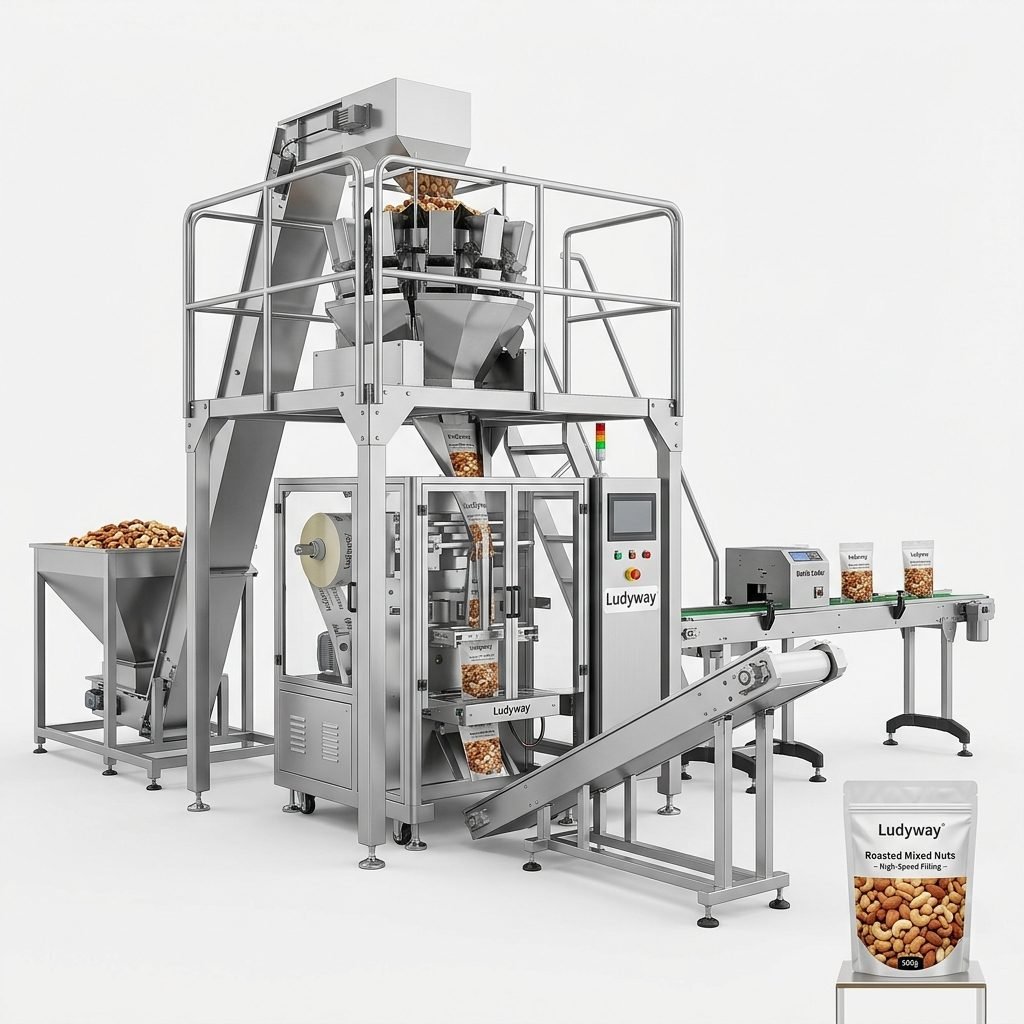
1. Vertical Form-Fill-Seal (VFFS) Machines
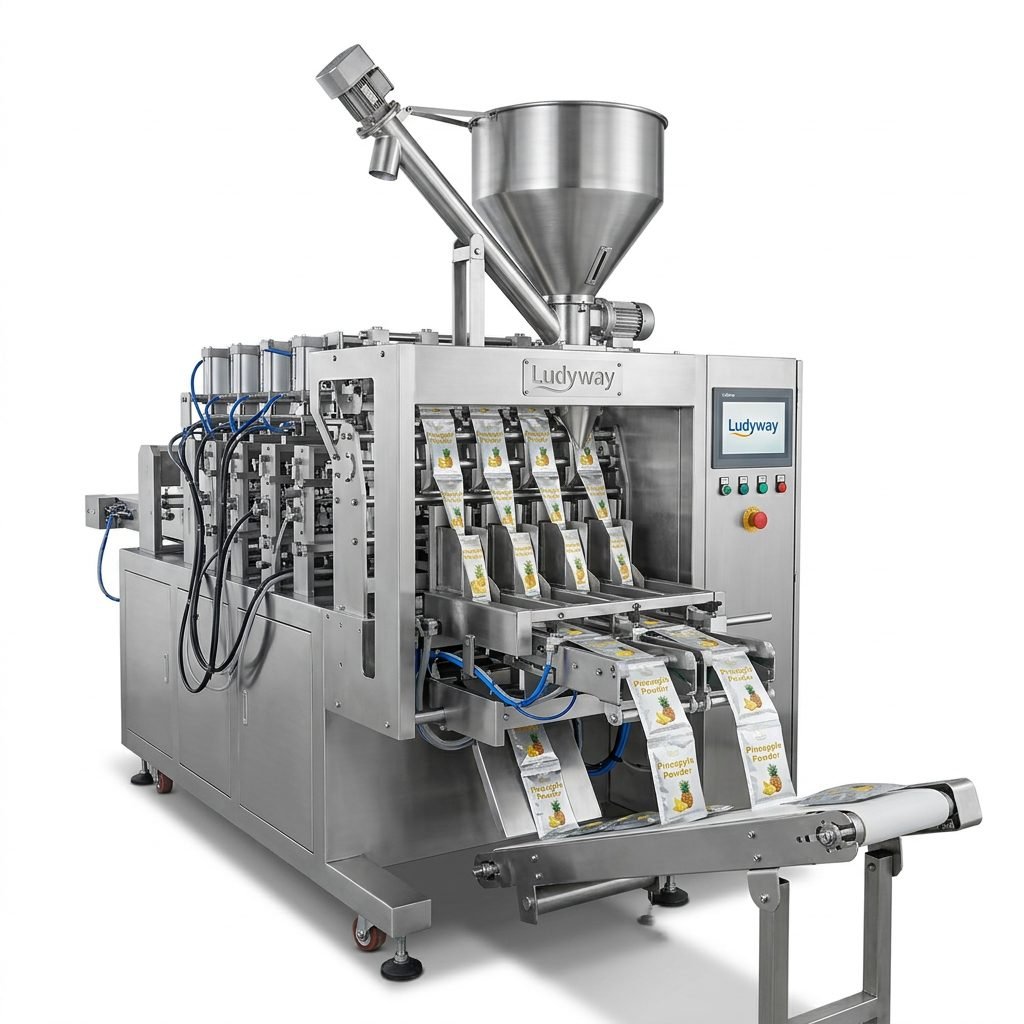
Ideal for packaging dry goods, granules, and powders. In the public sector, they are crucial for food aid programs, school meal prep, and municipal granule/powder distribution. Look for models with easy changeover for different bag sizes and robust construction for high-volume, continuous operation.
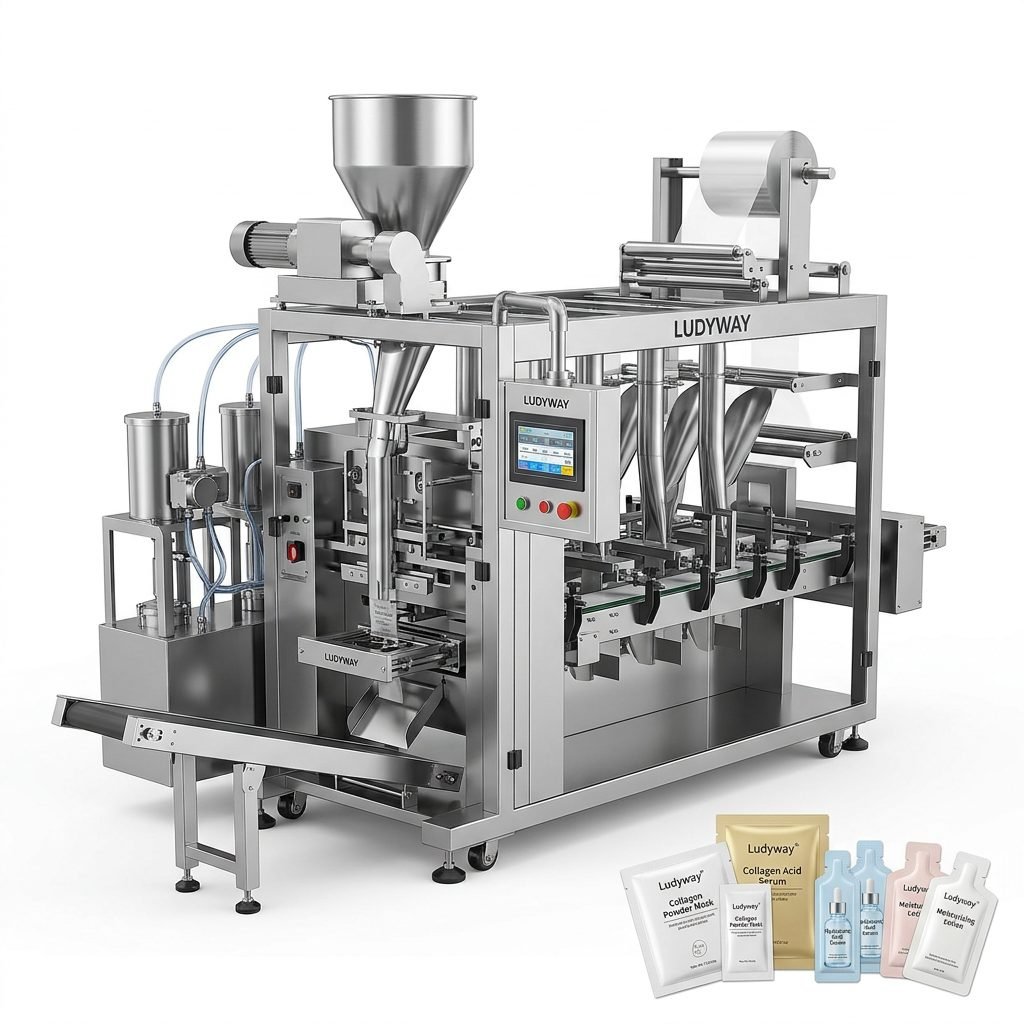
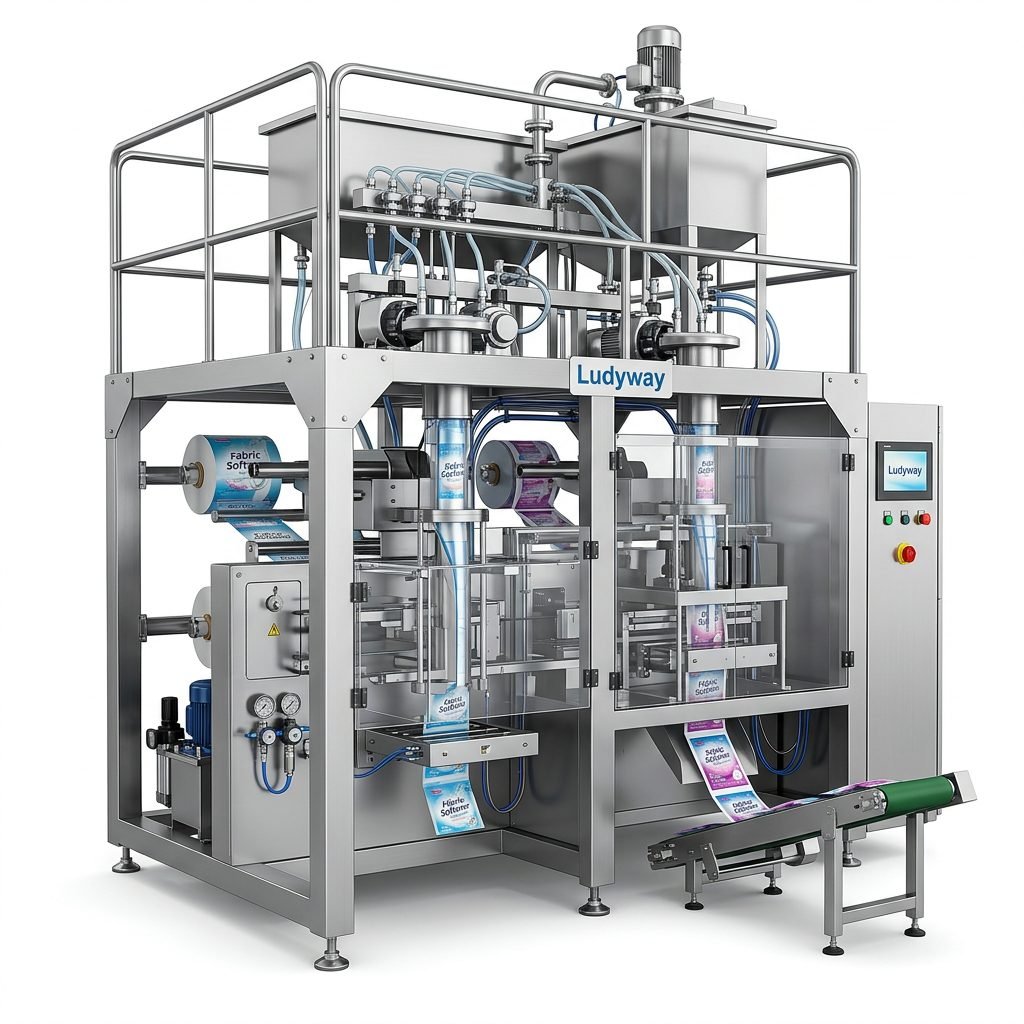
2. Liquid & Paste Filling Machines
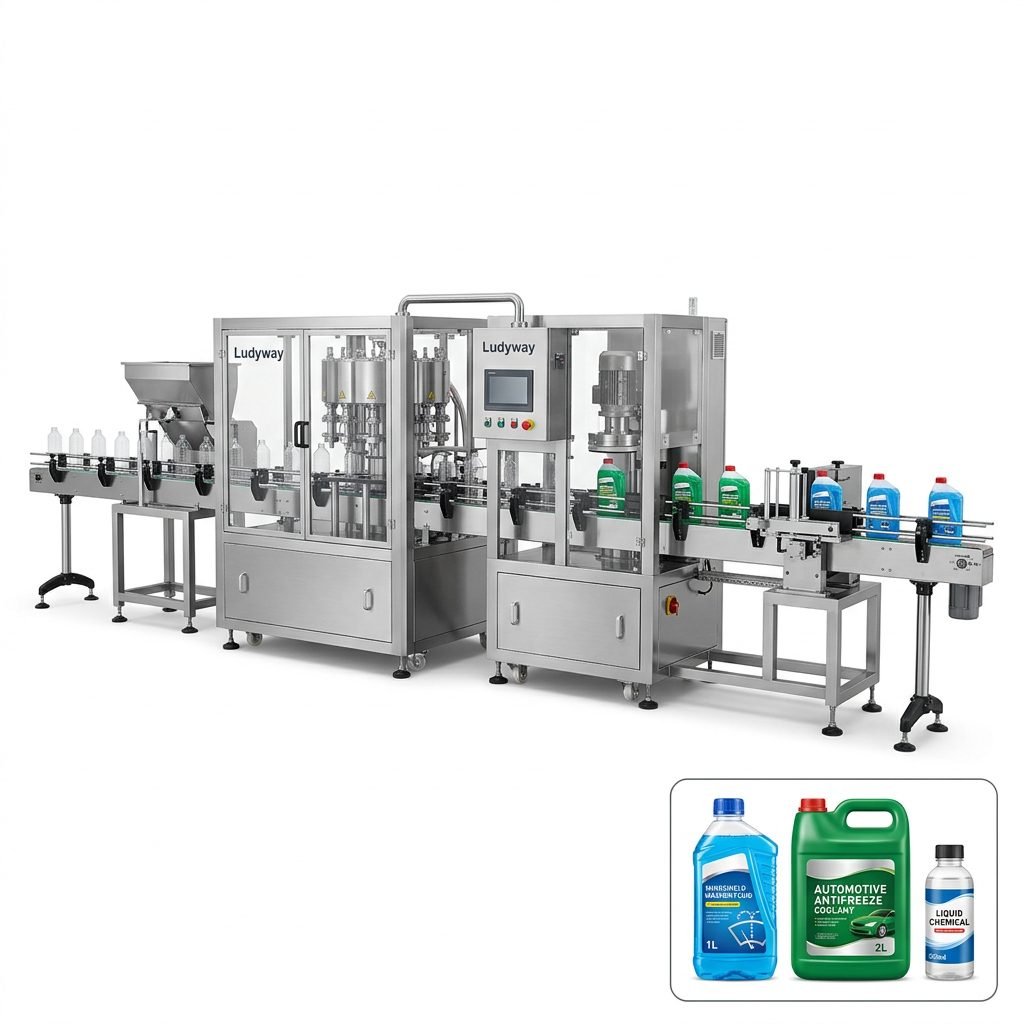
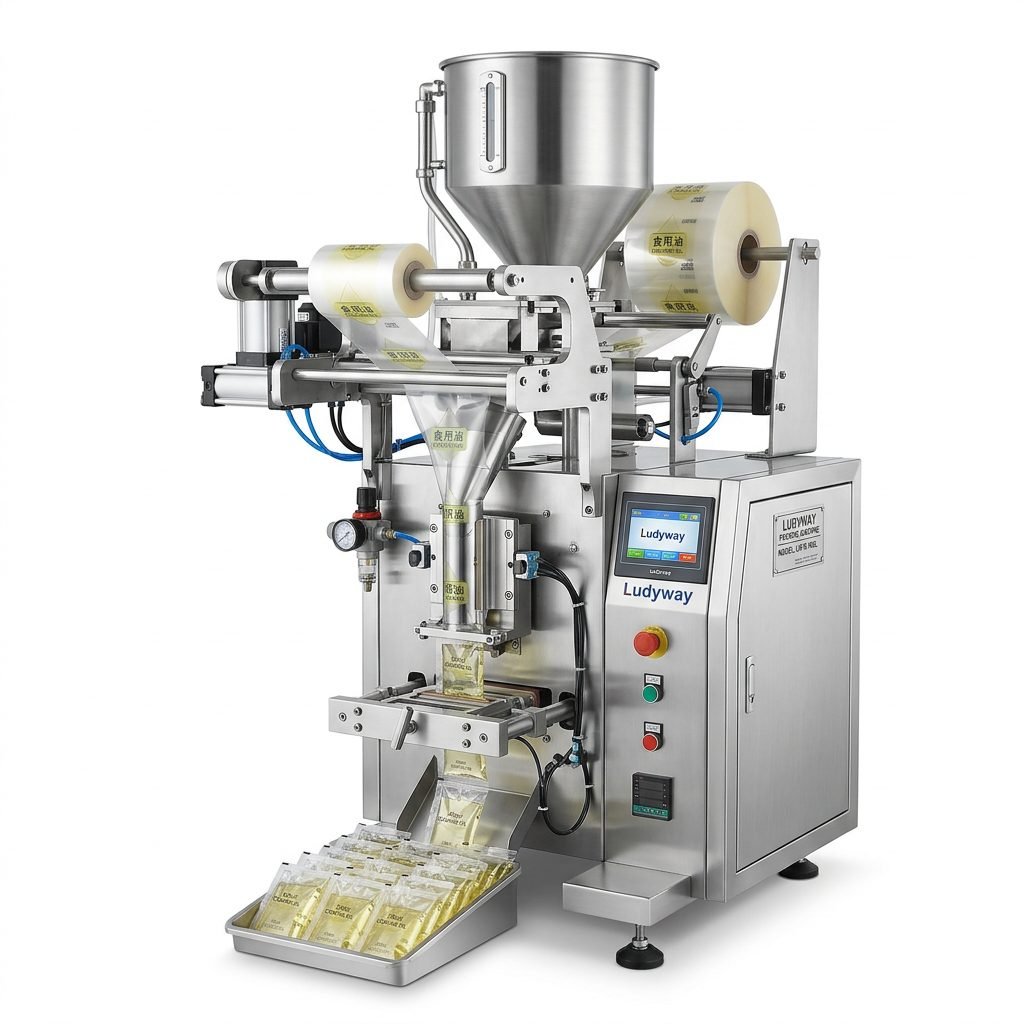
Essential for public health clinics, laboratories, and sanitation departments packaging disinfectants, reagents, or liquid supplements. Precision filling heads, compatibility with viscous products, and easy-clean sanitary designs are non-negotiable features for compliance and accuracy.
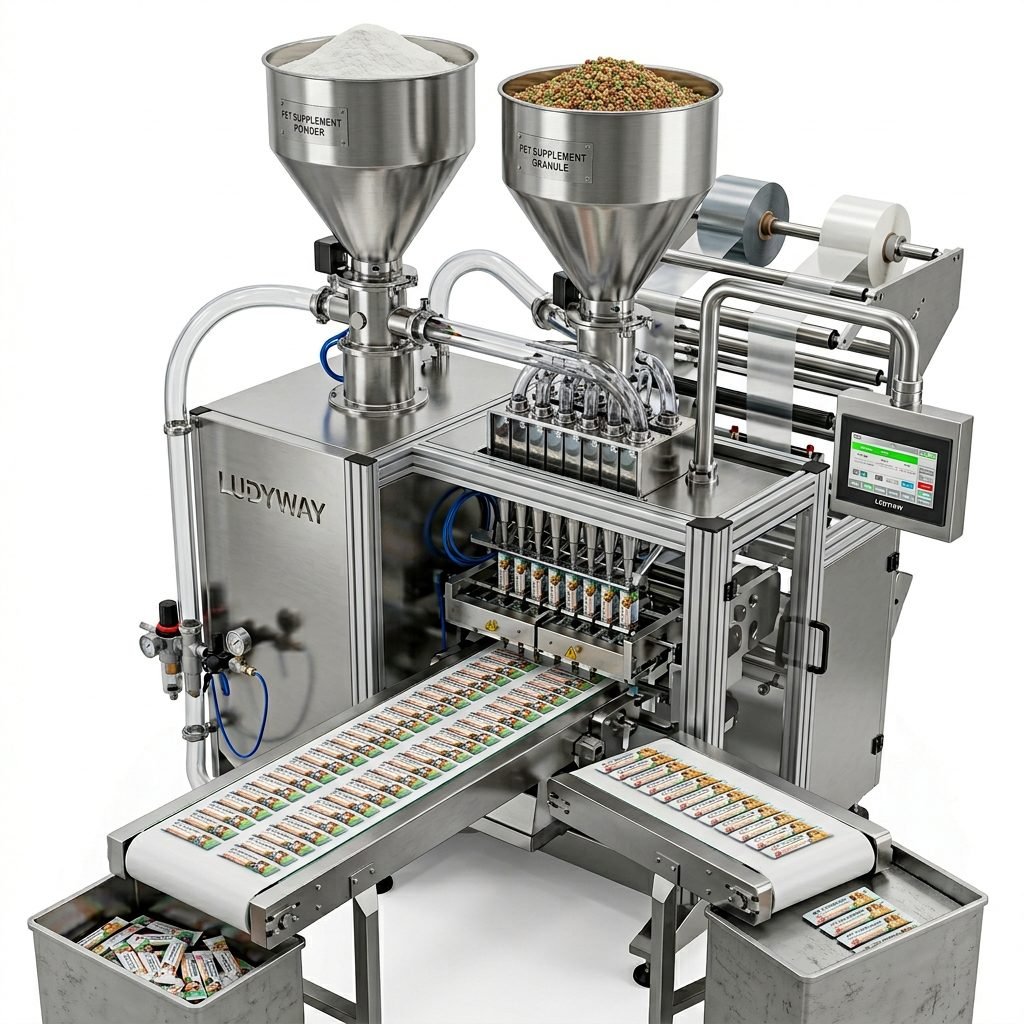
3. Stick Pack & Sachet Packaging Machines
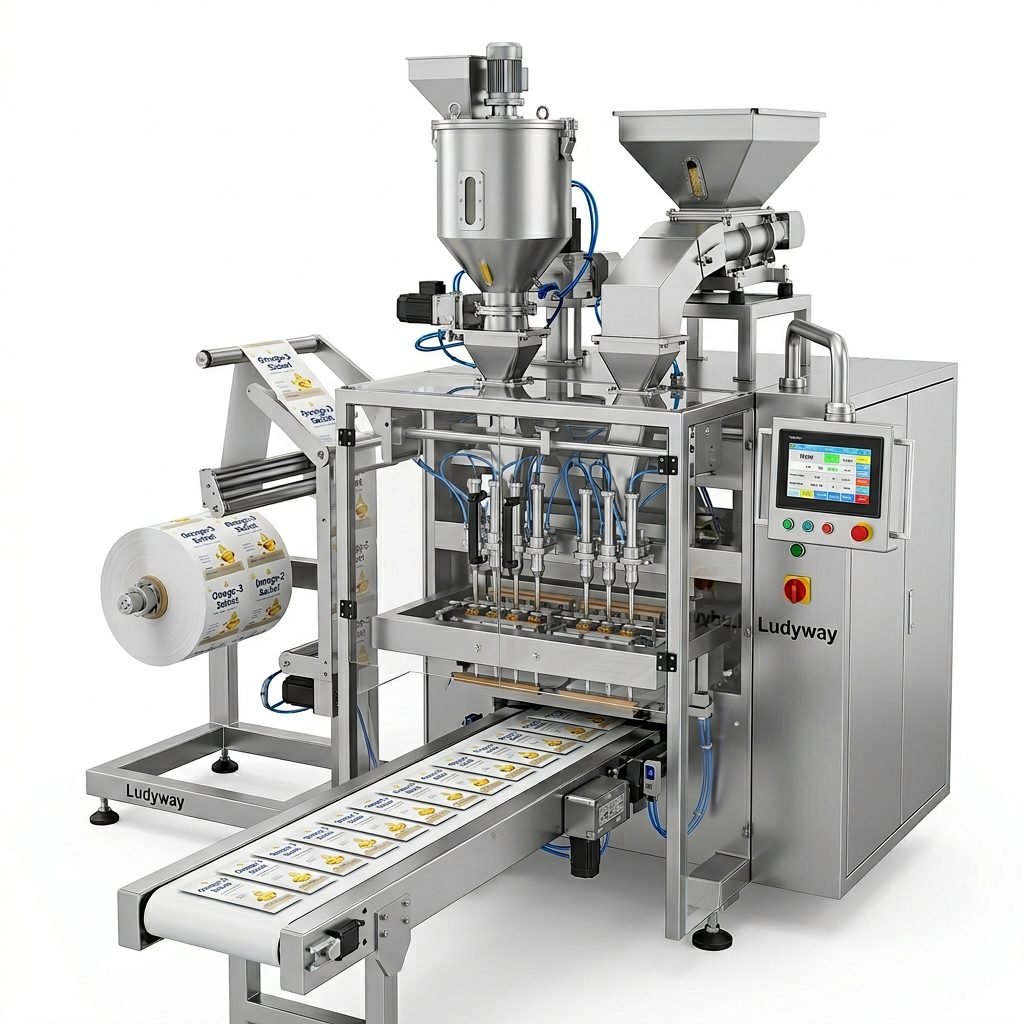
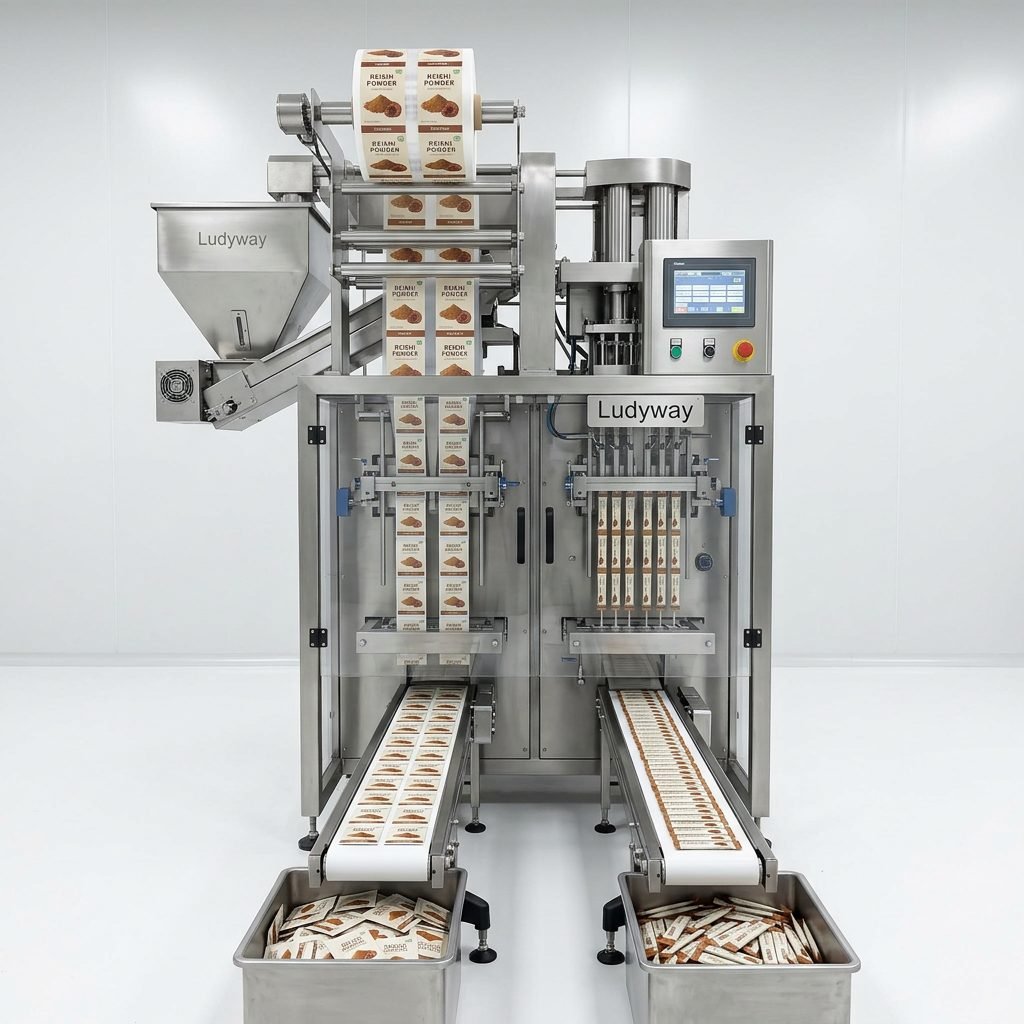
Perfect for single-serve portions of condiments, supplements, or pharmaceuticals. These machines offer high efficiency and minimal material waste. For procurement, consider multi-lane systems that boost output for large-scale programs, such as nutritional supplement distribution or sample packaging in public health campaigns.
4. Cartoning & Case Packing Equipment
Automates the secondary packaging process, vital for streamlining logistics in large-scale operations like centralized pharmaceutical distribution or school supply kits. Equipment should be versatile to handle various carton sizes and integrate smoothly with upstream filling machines.
The Turnkey Solution Advantage
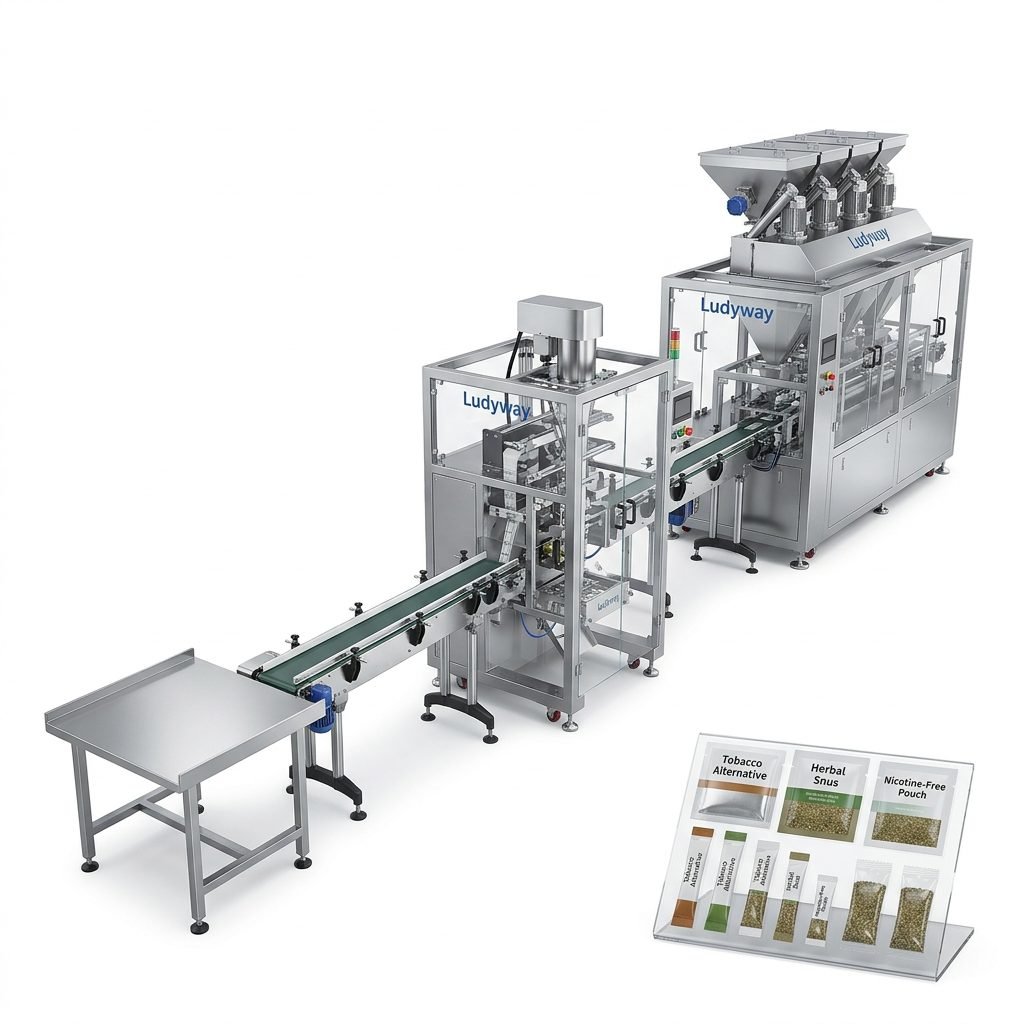
For major projects, consider partnering with a supplier offering complete turnkey production lines. This approach provides a single point of responsibility for the entire system—from design and machinery supply to installation, training, and after-sales support. It simplifies procurement, ensures component compatibility, and reduces project risk, which is highly valuable for complex public sector deployments.
The Complete Buying Guide: A Step-by-Step Framework
Follow this structured framework to navigate the procurement process successfully.
Step 1: Internal Needs Assessment
Define the scope clearly. What products will be packaged? What are the required output speeds? What are the space and utility constraints? Engage all stakeholders, including operators, maintenance staff, and end-users, to gather comprehensive requirements.
Step 2: Supplier Qualification & Vetting
Go beyond basic specifications. Evaluate potential suppliers on:
✅ Proven Experience: Do they have a track record with similar public or institutional projects?
✅ Technical Support & Training: What is their service structure? Is comprehensive operator training included?
✅ Compliance Documentation: Can they provide all necessary safety and compliance certifications?
✅ Financial Stability: Ensure the supplier is established and can support the machine throughout its lifecycle.
Step 3: Total Cost of Ownership (TCO) Analysis
Create a detailed TCO model comparing qualified options. Include:
• Initial purchase price
• Installation & commissioning costs
• Estimated energy and consumable (film, etc.) costs
• Preventive maintenance and expected spare parts costs over 5-10 years
• Potential costs of downtime
Step 4: Request for Proposal (RFP) & Evaluation
Draft a detailed RFP that mandates clear, comparable responses. Use a weighted scoring system to evaluate proposals objectively, balancing technical merit, TCO, and supplier capability. Always request references and, if possible, arrange to see the equipment running in a similar application.
Step 5: Implementation & Lifecycle Management
Plan for a successful rollout. Secure a detailed project timeline from the supplier, including installation, factory acceptance testing, and on-site training. Establish a clear maintenance schedule and ensure easy access to genuine spare parts to maximize uptime and equipment lifespan.
Why Partner with a Specialist Provider?
Choosing a supplier with deep expertise in packaging automation, like Ludyway Packing Machine, brings significant advantages. With over 30 years of industry experience, such partners understand the intricacies of configuring reliable systems for demanding environments. They offer more than just a machine; they provide a solution backed by engineering support and a commitment to long-term partnership. Their portfolio of over 50 intelligent packaging machine models, including advanced multi-lane systems, allows for tailored solutions that meet precise public sector specifications for efficiency and reliability.
Final Recommendations for Procurement Teams
🔸 Prioritize Flexibility: Opt for equipment that can adapt to future needs.
🔸 Invest in Training: Proper operator training is critical for safety, efficiency, and machine longevity.
🔸 Build a Partnership: View your supplier as a strategic partner for ongoing support and innovation.
🔸 Document Everything: Maintain thorough records of the procurement process, specifications, and service agreements for accountability and audits.
Frequently Asked Questions (FAQs)
1. What are the most important certifications to look for in packaging equipment for public health use?
For equipment handling food, pharmaceuticals, or medical supplies, key certifications include CE marking for the European market, FDA compliance for materials in contact with food/drugs (if applicable in your region), and ISO standards (e.g., ISO 9001 for quality management, ISO 22000 for food safety). Always verify the specific regulatory requirements of your country and application with your procurement legal team.
2. How can we ensure the equipment remains operational and efficient for its entire lifespan?
Proactive maintenance is essential. Select a supplier that offers a clear preventive maintenance plan and readily available spare parts. Ensure comprehensive training for your in-house staff on basic troubleshooting and routine maintenance. Planning and budgeting for regular service checks will prevent major breakdowns and extend the machine’s productive life.
3. Is it better to buy a standard machine or a customized solution?
This depends entirely on your specific needs. Standard machines are cost-effective and have faster delivery times if they meet your requirements. For unique products, specialized materials, or highly integrated production lines, a customized or turnkey solution from an experienced provider, while requiring more upfront collaboration, often delivers better long-term value, efficiency, and reliability.
4. What should be included in the supplier’s after-sales service agreement?
A robust service agreement should cover: a clear warranty period, availability of technical support (phone, online, on-site), response time guarantees for critical issues, availability of spare parts, and options for periodic maintenance visits. Clarify all costs associated with post-warranty support before purchase.
5. How do we evaluate the true energy efficiency of different packaging machines?
Request specific energy consumption data (e.g., kWh per 1000 cycles) from suppliers for your expected operating conditions. Look for features like servo-drive technology, which is generally more energy-efficient than traditional mechanical drives. Consider the machine’s heat output and any required ancillary equipment (like compressors) in your total energy assessment for the packaging line.