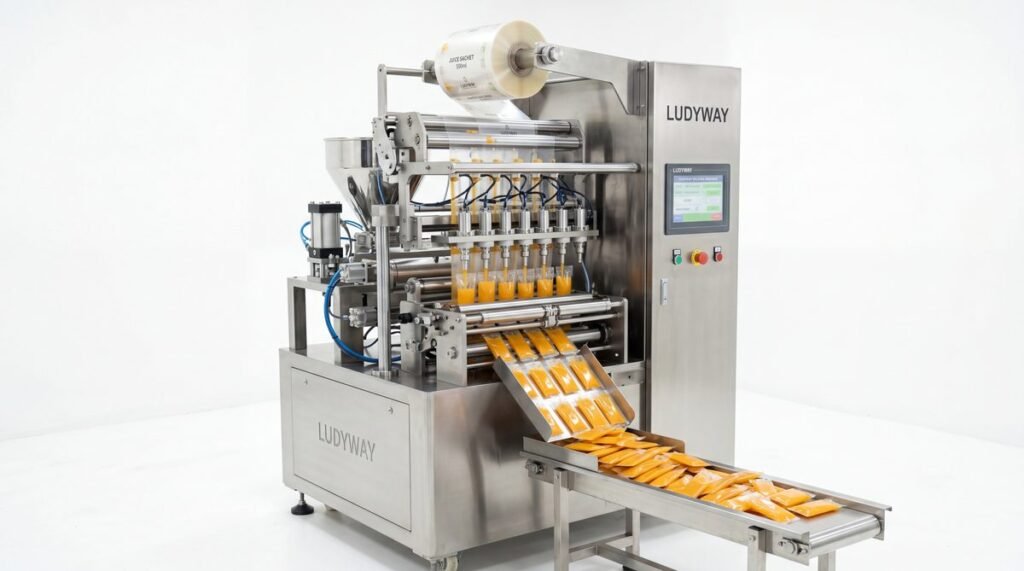
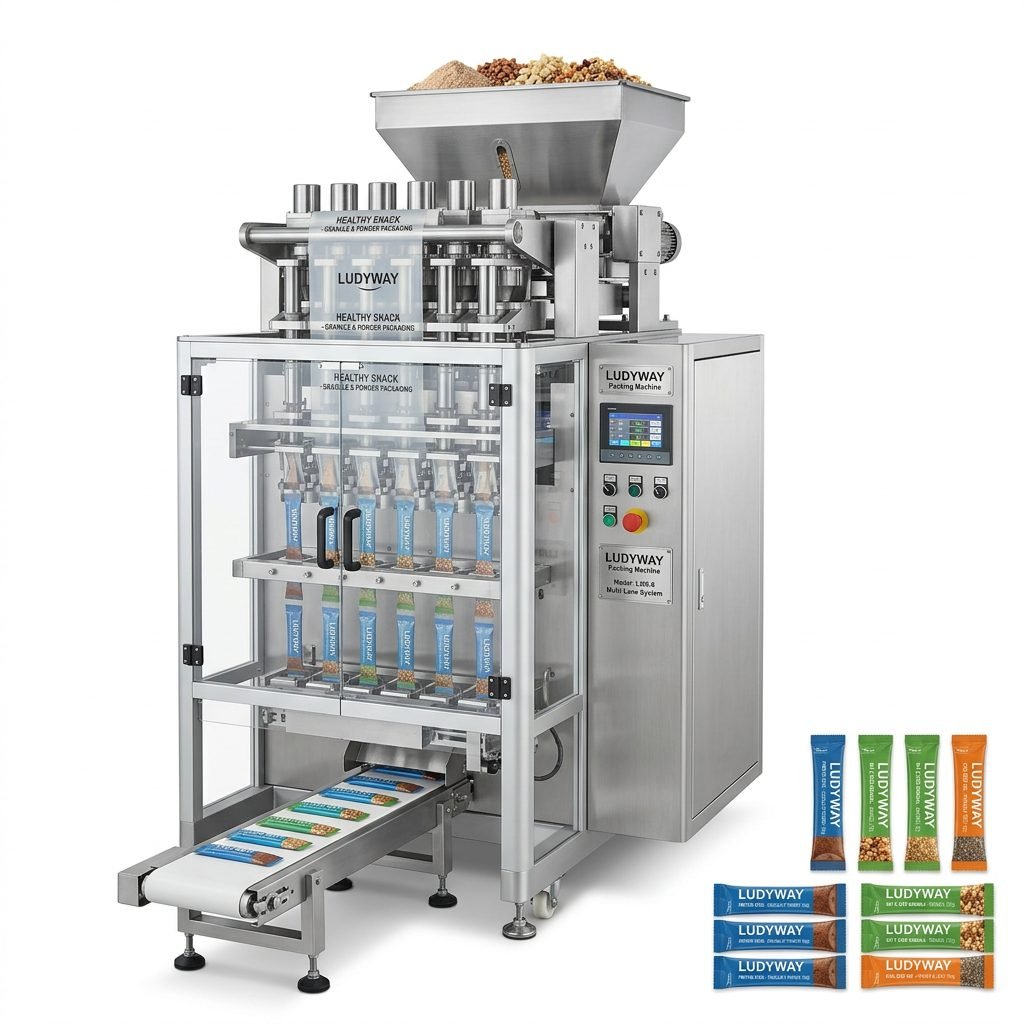
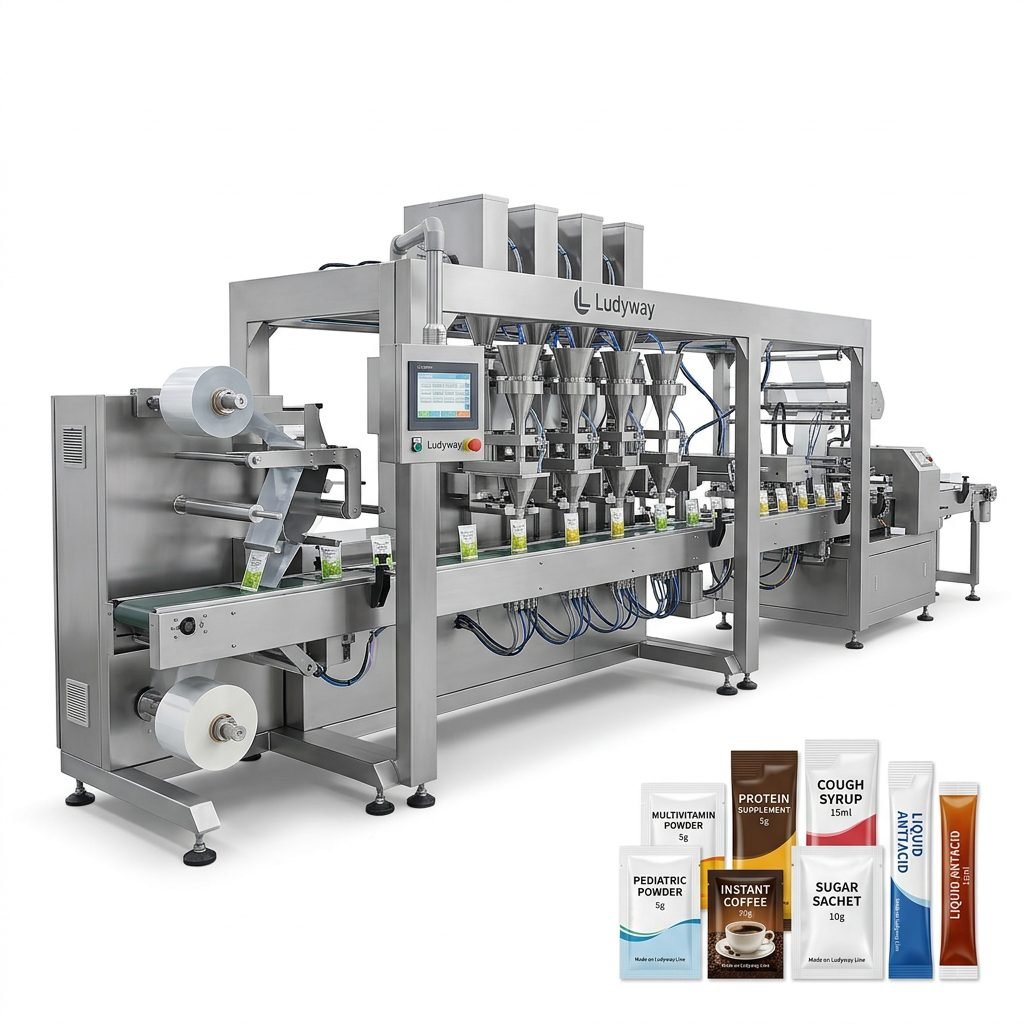
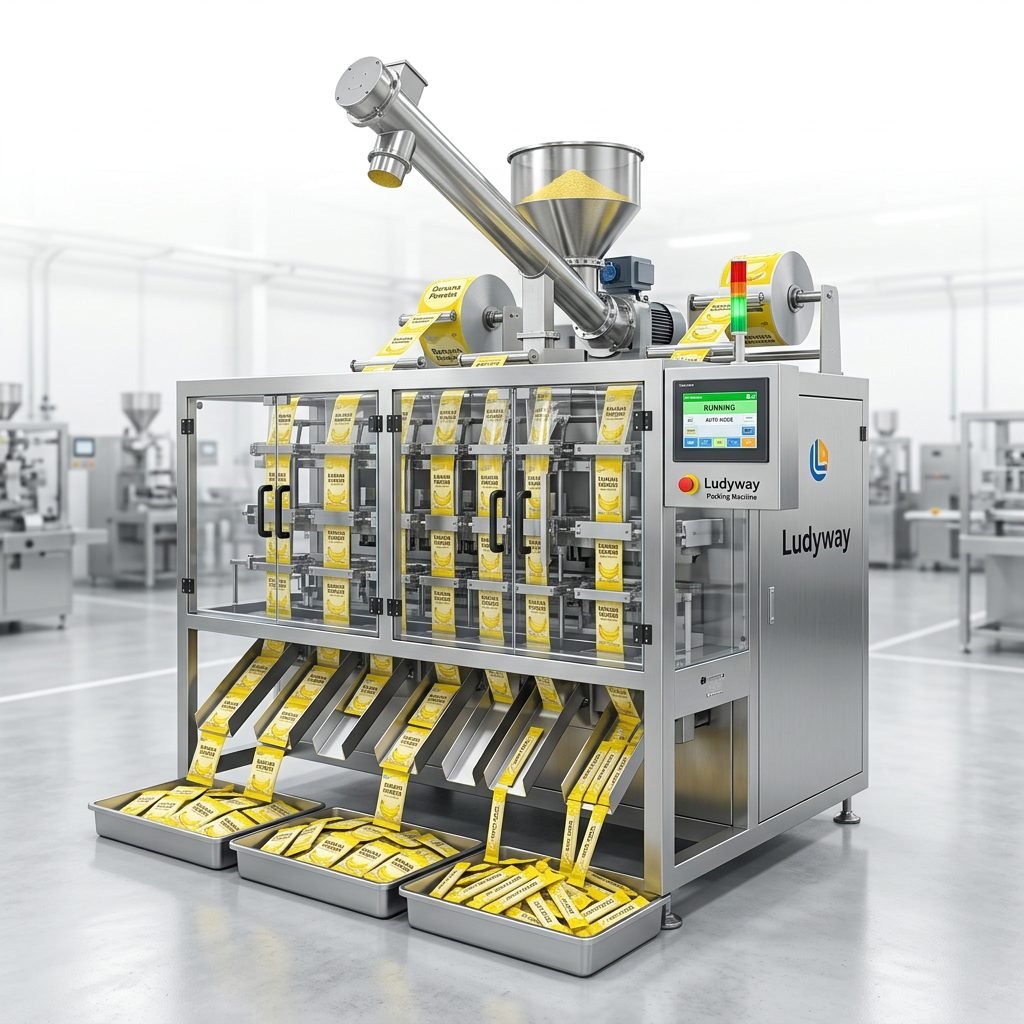
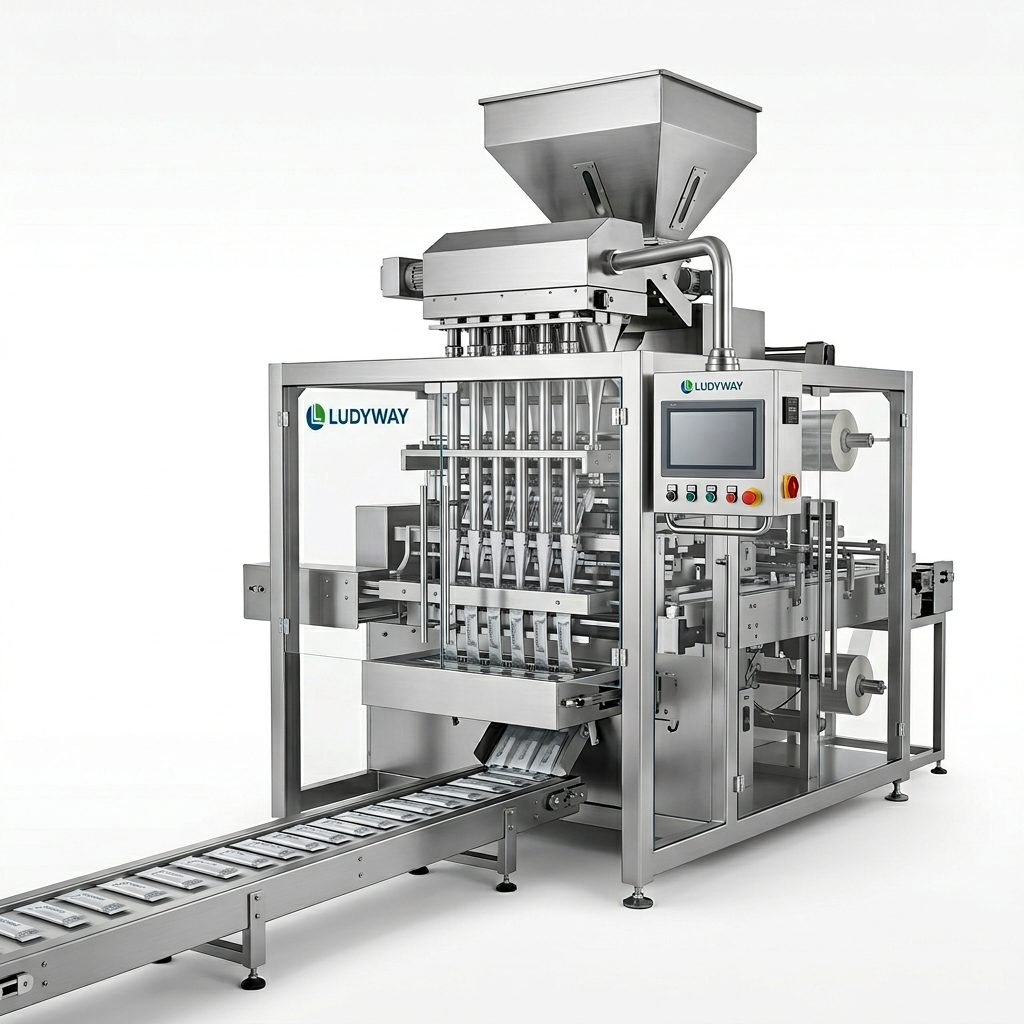
Feed packaging machines are essential equipment for modern feed production, ensuring product freshness, accurate portioning, and efficient distribution. This comprehensive guide explores the various types of machines, their working principles, the benefits they offer, and key considerations for making a smart purchase.
Types of Feed Packaging Machines
The feed industry utilizes several packaging machine types, each suited for different product forms and production scales.
Vertical Form-Fill-Seal (VFFS) Machines
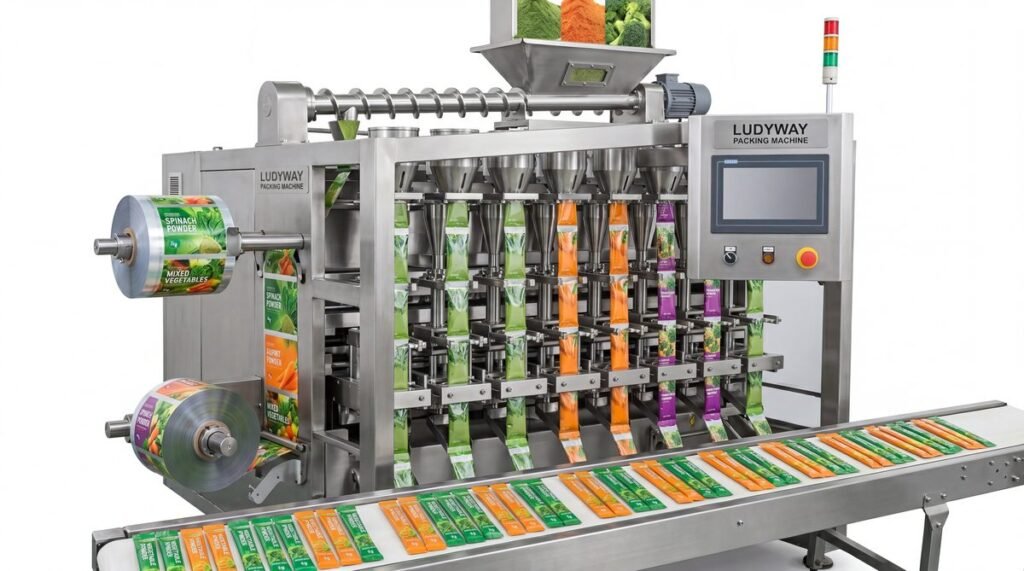
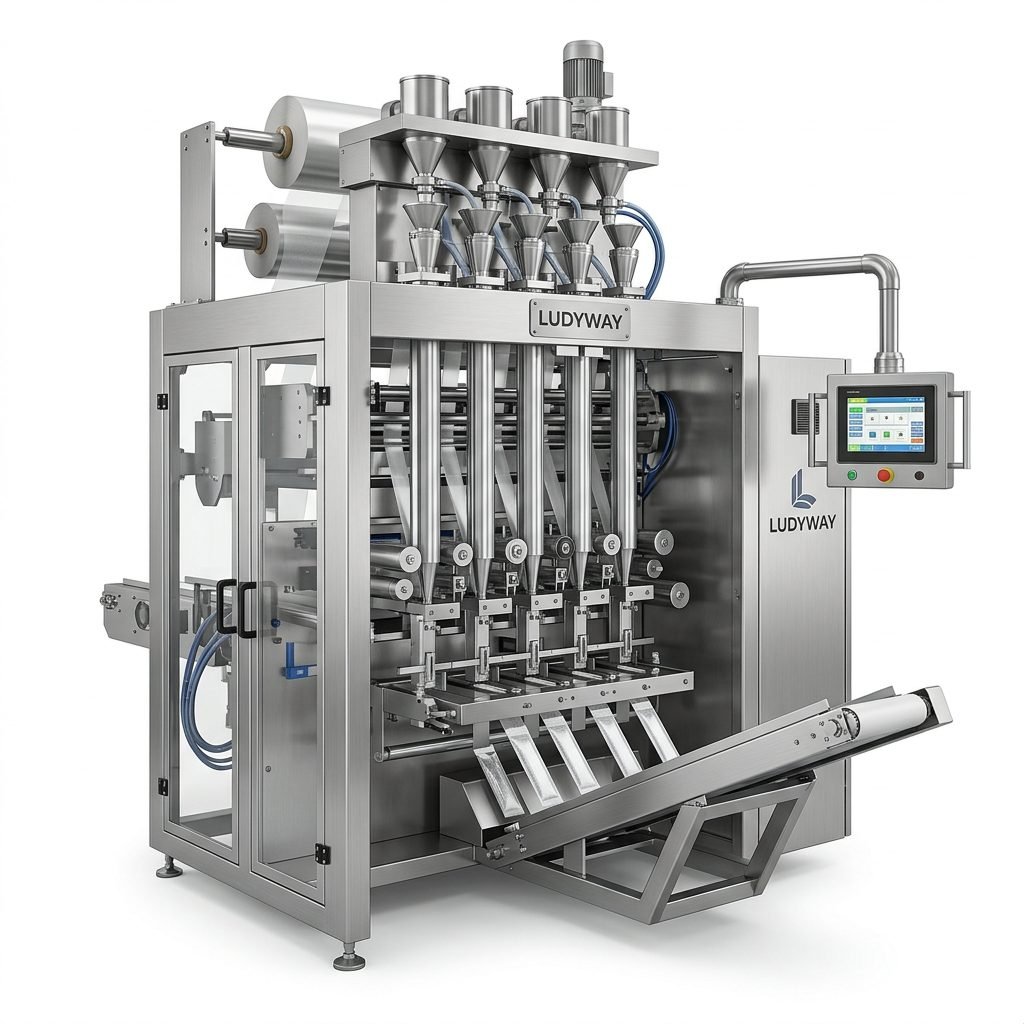
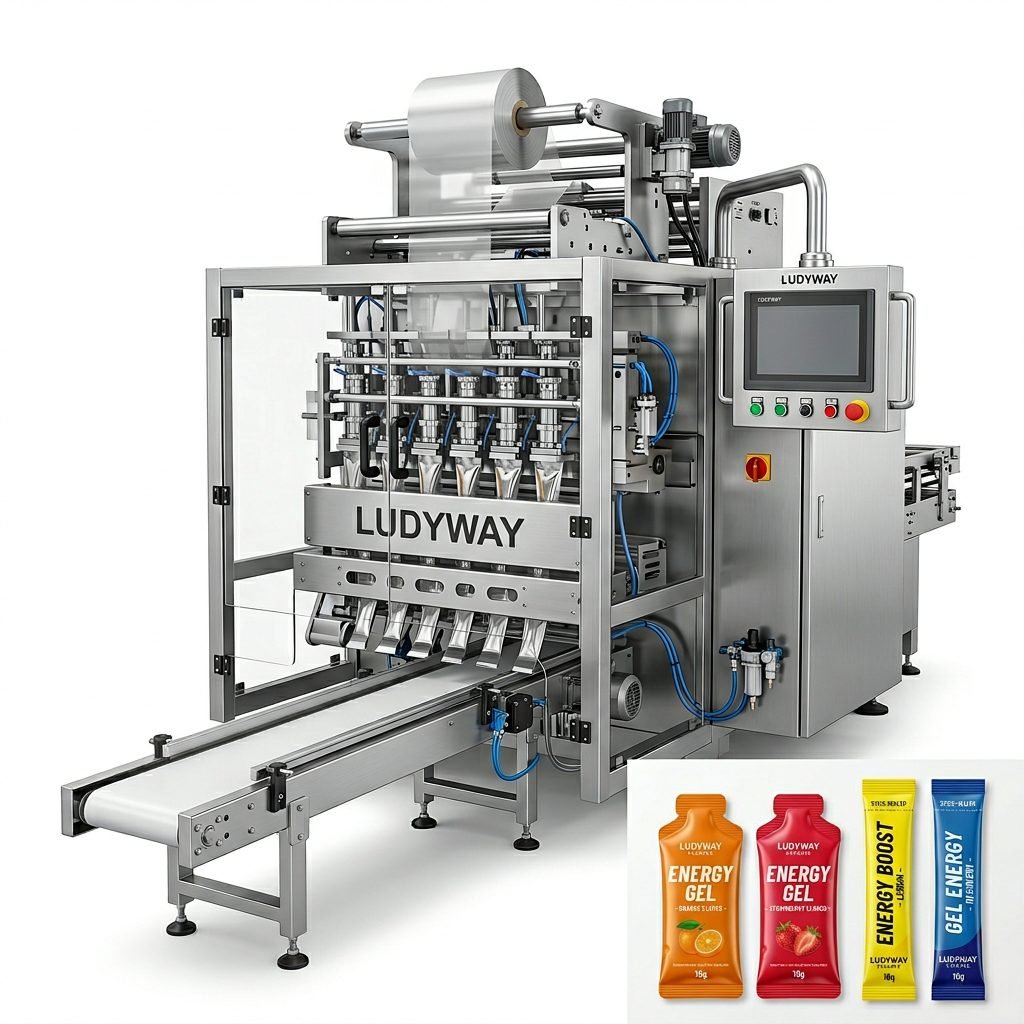
These are the most common machines for packaging granular and powdered feed. They form a bag from a roll of film, fill it with the product, and then seal it—all in a continuous vertical process. They are highly versatile and efficient for medium to high-speed production.
Horizontal Form-Fill-Seal (HFFS) Machines
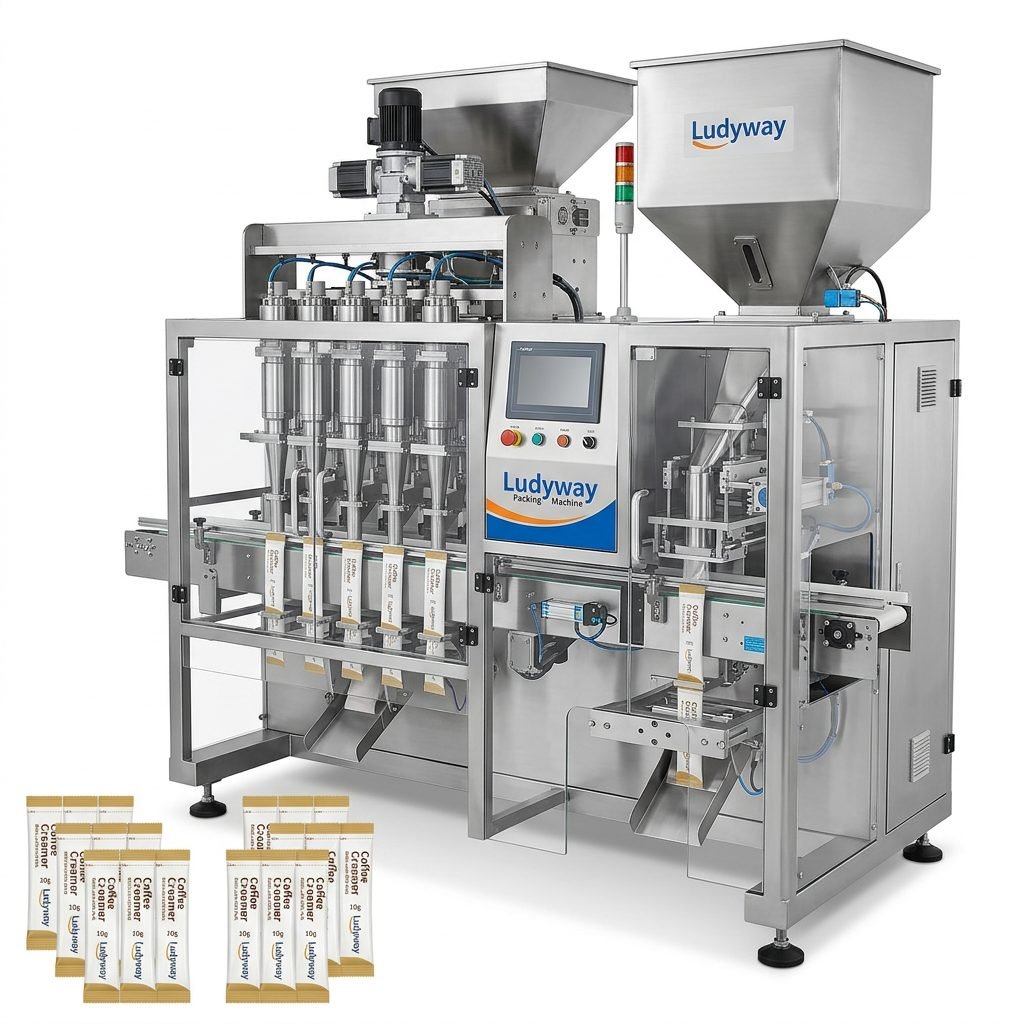
Ideal for packaging shaped or delicate feed products like pellets or cubes, HFFS machines form bags horizontally. This method often provides better presentation and can handle multi-lane packaging for increased output.
Pre-Made Bag Packers
These machines use pre-manufactured bags, which are then opened, filled, and sealed. They are excellent for packaging larger quantities of feed, such as 20kg or 25kg bags, and are known for their robustness and reliability in heavy-duty applications.
Weighing and Filling Systems
Critical for accuracy, these systems integrate with packaging machines. They use load cells and multi-head weighers to ensure each bag contains the precise weight of feed, minimizing product giveaway and ensuring compliance with trade regulations.
Working Principles of Feed Packaging Machines
Understanding how these machines operate highlights their engineering sophistication.
Film Feeding and Bag Forming
The process begins with a roll of packaging material (like laminated polypropylene or polyethylene). The film is fed through a series of tensioners and guides. In a VFFS machine, the film is pulled over a forming collar, which shapes it into a tube. A longitudinal sealer then creates the back seam of the bag.
Product Filling and Weighing
The formed bag is lowered, and its bottom is sealed. The feed product is then discharged from a hopper through a filling spout. The filling is precisely controlled by a weighing system, which can be a single scale for larger bags or a high-speed multi-head weigher for smaller, accurate portions.
Sealing and Discharge
After filling, the top of the bag is sealed using heated jaws (for thermoplastic materials) or other sealing methods. The finished bag is then cut off and discharged onto a conveyor belt for collection, palletizing, or boxing.
Key Benefits of Automated Feed Packaging
Investing in automated packaging technology delivers significant advantages for feed producers.
Enhanced Product Protection
Automated machines create consistent, airtight seals that protect feed from moisture, pests, and contamination. This extends shelf life and maintains nutritional quality, which is crucial for animal health.
Dramatically Increased Efficiency: Manual packaging is slow and labor-intensive. Automated machines can package hundreds of bags per hour, streamlining production lines and reducing bottlenecks.
Remarkable Cost Savings: While the initial investment is notable, automation reduces long-term labor costs, minimizes product waste from overfilling, and optimizes material usage through precise bag sizing.
Consistency and Branding
Every bag is identical in weight and appearance, reinforcing brand professionalism. Machines can easily integrate printing systems for batch codes, dates, and branding directly onto the package.
Essential Buying Tips for Your Business
Selecting the right machine requires careful evaluation of your specific needs.
1. Analyze Your Product and Output
Clearly define the type of feed (granules, powder, pellets), bag size range, and required production speed (bags per hour). This is the first step in narrowing down machine type and model.
2. Prioritize Accuracy and Reliability
Look for machines with high-precision weighing systems and robust construction from reputable manufacturers like Ludyway Machinery. Reliability minimizes downtime and ensures continuous production.
3. Evaluate Flexibility and Changeover
If you produce multiple feed formulas or bag sizes, choose a machine with quick and easy changeover capabilities. Features like tool-less adjustments and saved recipe settings are invaluable.
4. Consider After-Sales Support
The supplier’s support is critical. Ensure they offer comprehensive training, readily available spare parts, and responsive technical service. A strong support network protects your investment.
5. Plan for Integration and Future Growth
Consider how the machine will fit into your existing line (e.g., connecting to conveyors, palletizers). Also, think about future needs—can the machine be upgraded or integrated into a larger automated turnkey solution?
Frequently Asked Questions (FAQs)
What is the typical production speed of a feed packaging machine?
Speeds vary widely based on the machine type and bag size. A standard vertical form-fill-seal machine can typically package 30-80 bags per minute for smaller bags (1-5kg), while larger bag packers for 25kg bags may operate at 5-15 bags per minute.
Can one machine handle different types of feed?
Many machines are versatile, but switching between vastly different products (e.g., fine powder to large pellets) may require changing the filling auger, funnel, and sometimes the film type. It’s essential to discuss your product range with the supplier.
How important is the weighing accuracy?
Extremely important. High accuracy ensures you are not giving away product (which erodes profit) and that you meet labeled weight regulations. Modern multi-head weighers can achieve accuracies within ±1 gram, even at high speeds.
What are the main maintenance requirements?
Regular daily cleaning to remove dust and product residue is crucial. Periodic lubrication of moving parts, inspection of sealing jaws for wear, and calibration of the weighing system are standard maintenance tasks outlined in the machine manual.
What packaging materials are commonly used for feed?
Woven polypropylene (PP) bags are traditional for large quantities. For smaller consumer bags, laminated films combining layers of PP, PE, and metallized polyester are popular for their strength, moisture barrier, and printability.