In today’s fast-paced food industry and entrepreneurial landscape, the right equipment can be the defining factor between success and struggle. For small business owners, restaurateurs, and food preservation enthusiasts, investing in a high-quality commercial vacuum sealer packaging machine is no longer a luxury—it’s a strategic necessity. These powerful devices extend the shelf life of products, enhance food safety, maintain freshness, and present a professional, marketable appearance that consumers trust. The journey to finding the best machine, however, requires careful consideration of features, durability, and suitability for your specific operational scale.
Why a Commercial-Grade Vacuum Sealer is Essential for Your Business
Moving beyond basic home-use models, a commercial vacuum sealer offers robust performance designed for continuous, high-volume operation. The primary advantage is dramatically extended product shelf life. By removing air from the packaging, these machines inhibit the growth of aerobic bacteria and fungi, slowing down oxidation and freezer burn. This is crucial for businesses managing inventory, reducing waste, and ensuring consistent product quality. Furthermore, vacuum sealing protects flavors and aromas, locks in moisture, and can be used for innovative techniques like marinating or sous-vide cooking, opening new culinary avenues for your menu or product line.
For small businesses, the return on investment (ROI) is clear. Reduced food spoilage translates directly to cost savings. Professionally packaged goods command higher perceived value and allow for better branding and labeling. Whether you’re a caterer pre-pping meals, a butcher packaging cuts of meat, a producer of artisanal cheeses, or a meal-prep service, a reliable sealer streamlines your workflow, enhances food safety protocols, and projects an image of quality and care to your customers.
Key Features to Look for in Your Packaging Machine
Not all commercial sealers are created equal. Identifying the right model involves evaluating several critical features that impact performance, efficiency, and longevity.
1. Chamber Size and Productivity
The internal chamber dimensions dictate the maximum bag size you can use. Consider your typical product volume. A larger chamber allows you to seal bigger items or multiple smaller bags in one cycle, significantly boosting throughput. For businesses with varied product sizes, a machine with a versatile chamber is ideal.
2. Pump Power and Vacuum Strength
The heart of the sealer is its vacuum pump. Commercial models typically use more powerful oil-based rotary vane pumps or maintenance-free oil-less pumps. A stronger pump achieves a deeper vacuum level (measured in bar or mbar) faster, which is vital for optimal preservation, especially for moist or liquid-rich products. Look for adjustable vacuum settings to handle delicate items like baked goods or leafy greens without crushing.
3. Seal Bar Quality and Cycle Speed
The seal bar must create a strong, hermetic weld on the packaging material. Double seals are a premium feature that provides a fail-safe. The cycle speed—the time it takes to complete one vacuum and seal operation—directly affects your hourly output. Faster cycle times mean higher productivity, a key metric for growing businesses.
4. Durability and Construction
Commercial machines are built for all-day use. Look for a sturdy stainless-steel exterior and interior chamber, which resists corrosion and is easy to clean. The controls should be intuitive and robust. Reliability is paramount; downtime can halt your production and cost you money.
5. Additional Functions and Accessories
Modern machines offer valuable extras: Gas Flushing (Modified Atmosphere Packaging – MAP) capability replaces air with inert gases like nitrogen, further extending the shelf life of sensitive products like snacks or coffee. An external vacuum port allows you to use vacuum canisters or hose attachments. Compatibility with a wide range of bag materials (nylon, polyethylene, barrier bags) is also essential.
Integrating Your Sealer into a Turnkey Production Line
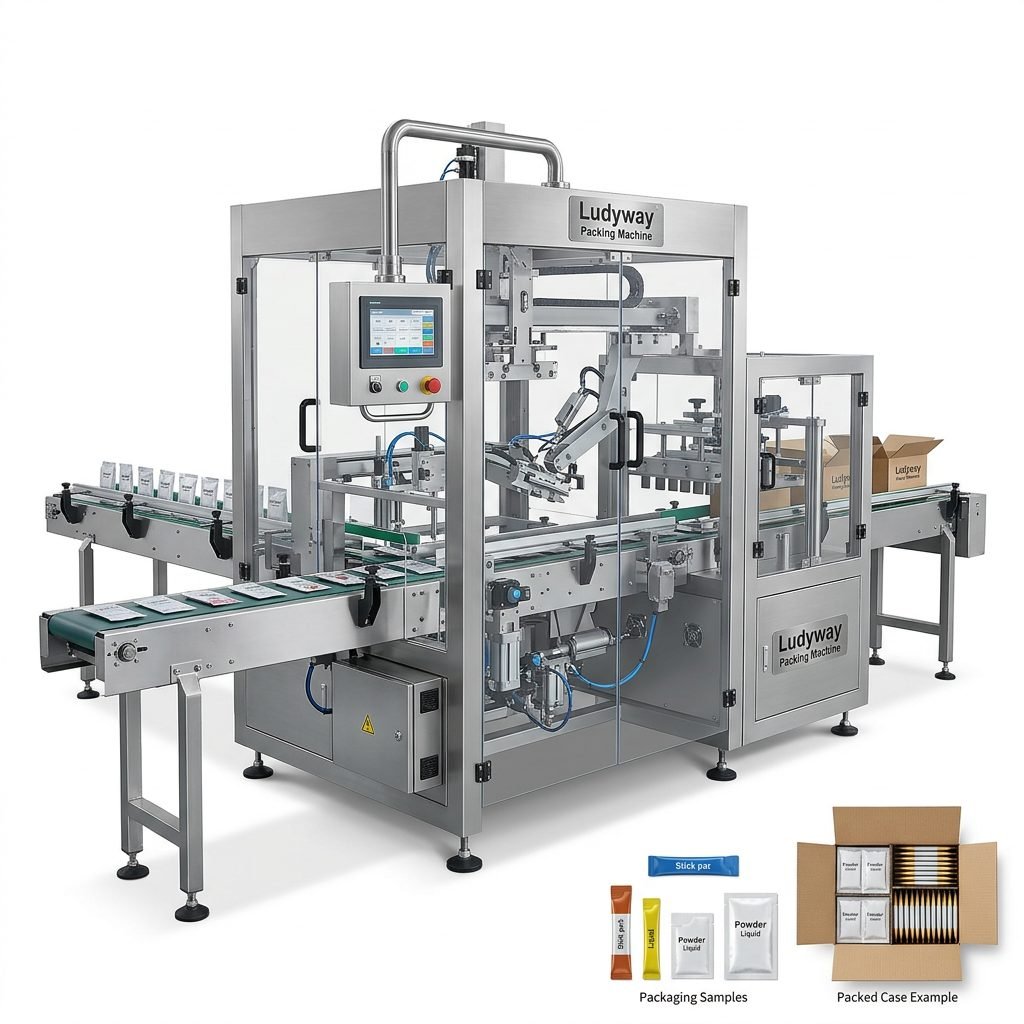
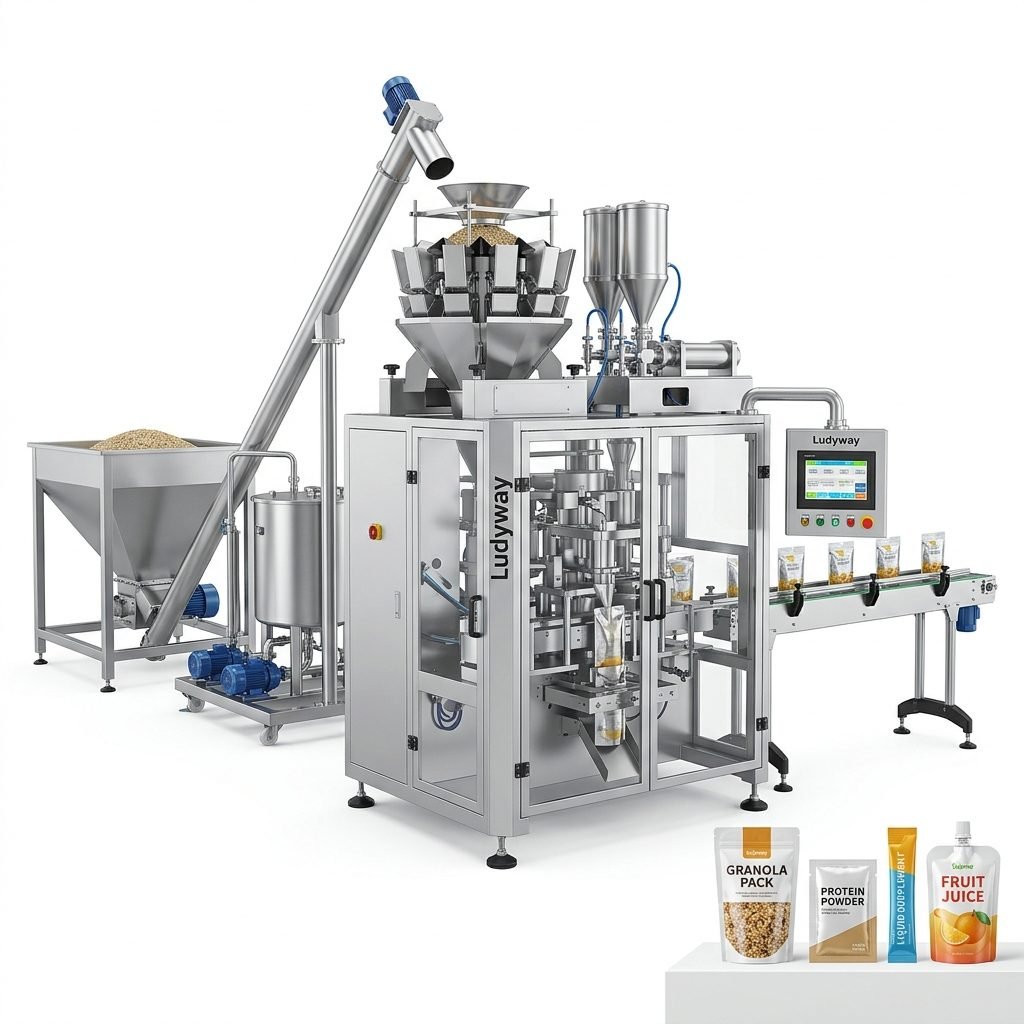
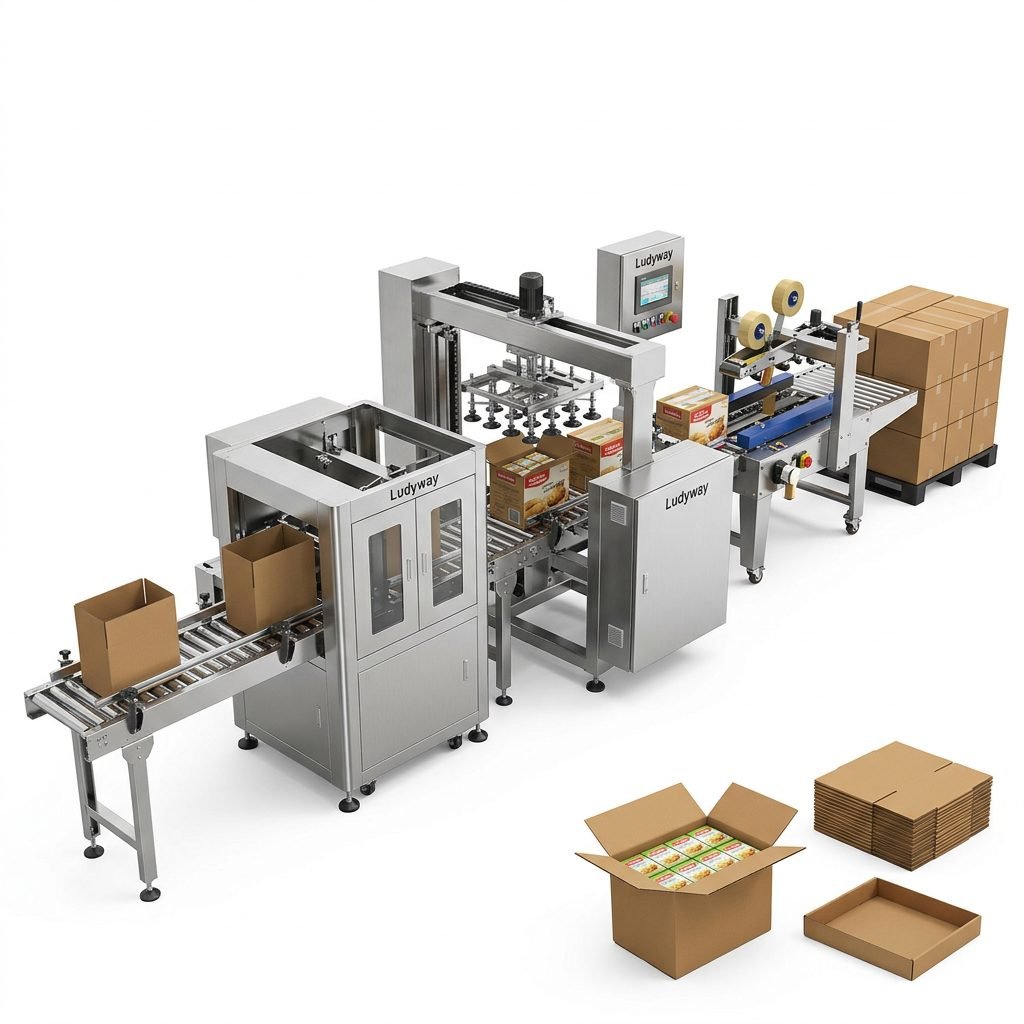
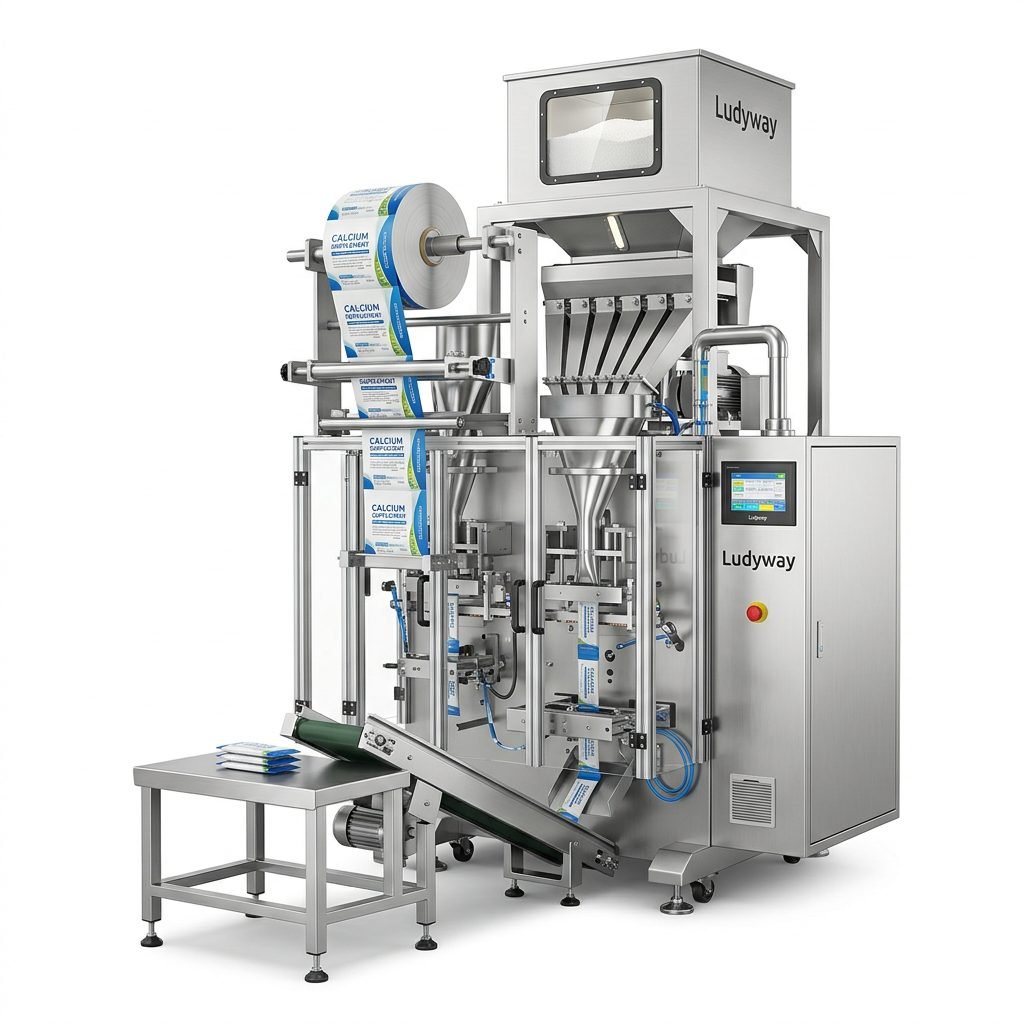
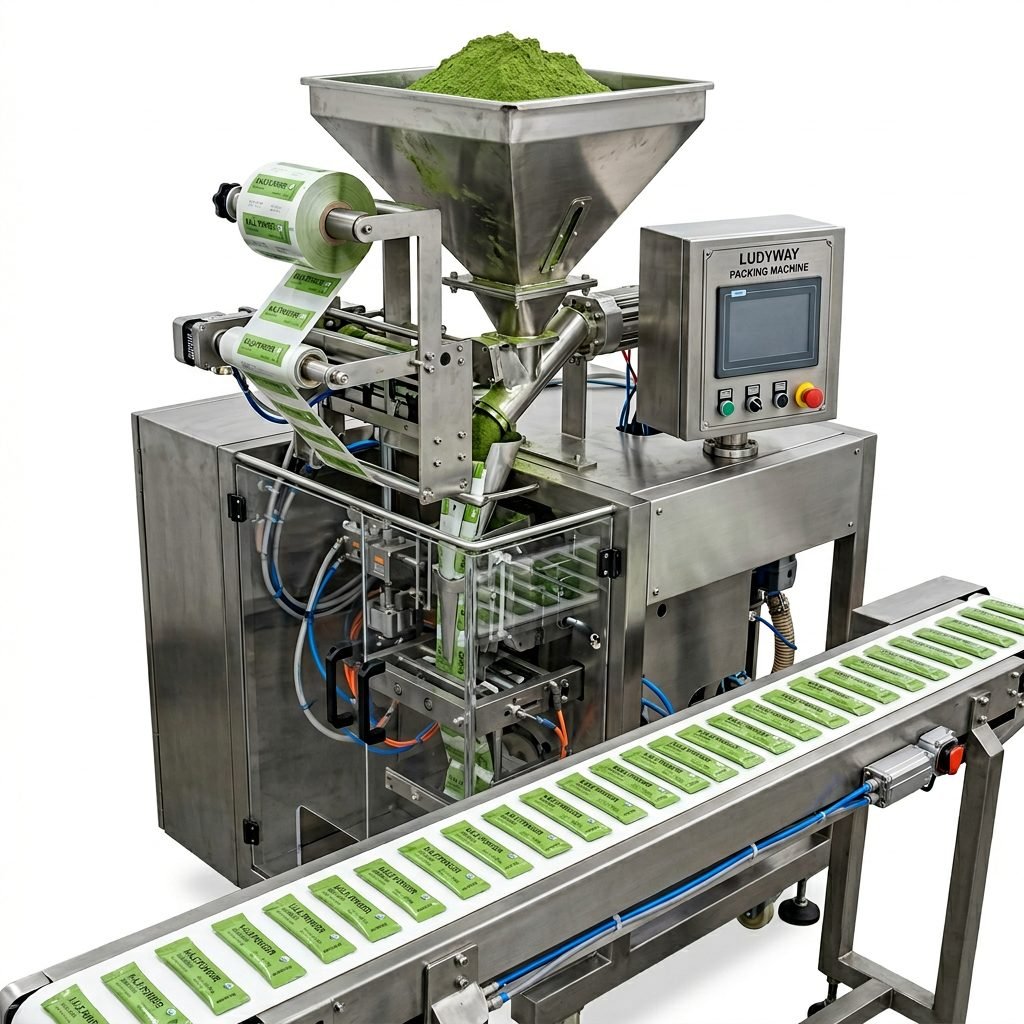
For businesses looking to scale, a single machine is often just one component. The true potential is unlocked when the vacuum sealer is integrated into a complete, automated packaging line. This is where partnering with an experienced provider like Ludyway Machinery becomes invaluable. A turnkey solution might involve automated bag loading, weighing systems, product conveyors, and labeling machines that feed directly into the vacuum sealer, creating a seamless, high-efficiency workflow. This level of automation minimizes labor, maximizes consistency, and is the logical next step for a successful small business ready to expand its production capacity.
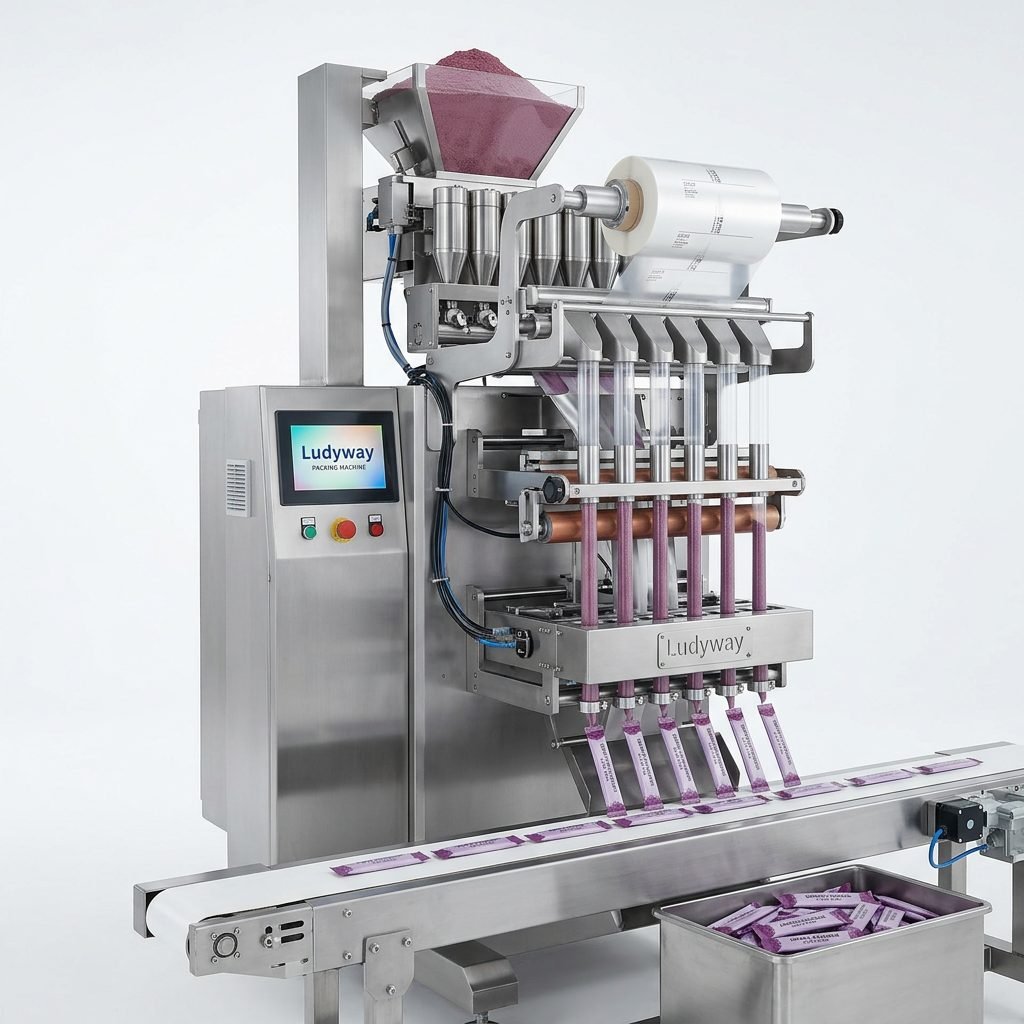
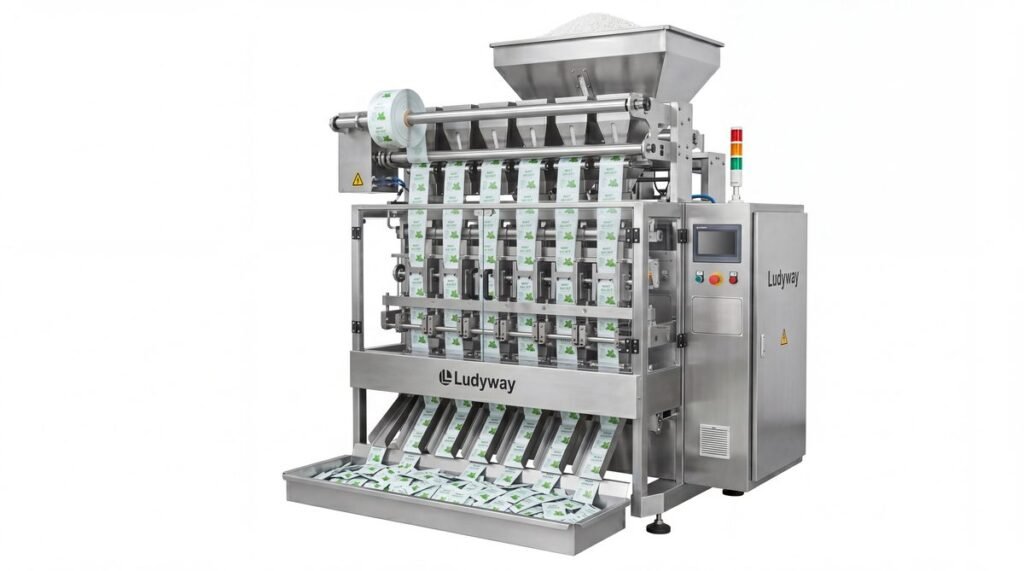
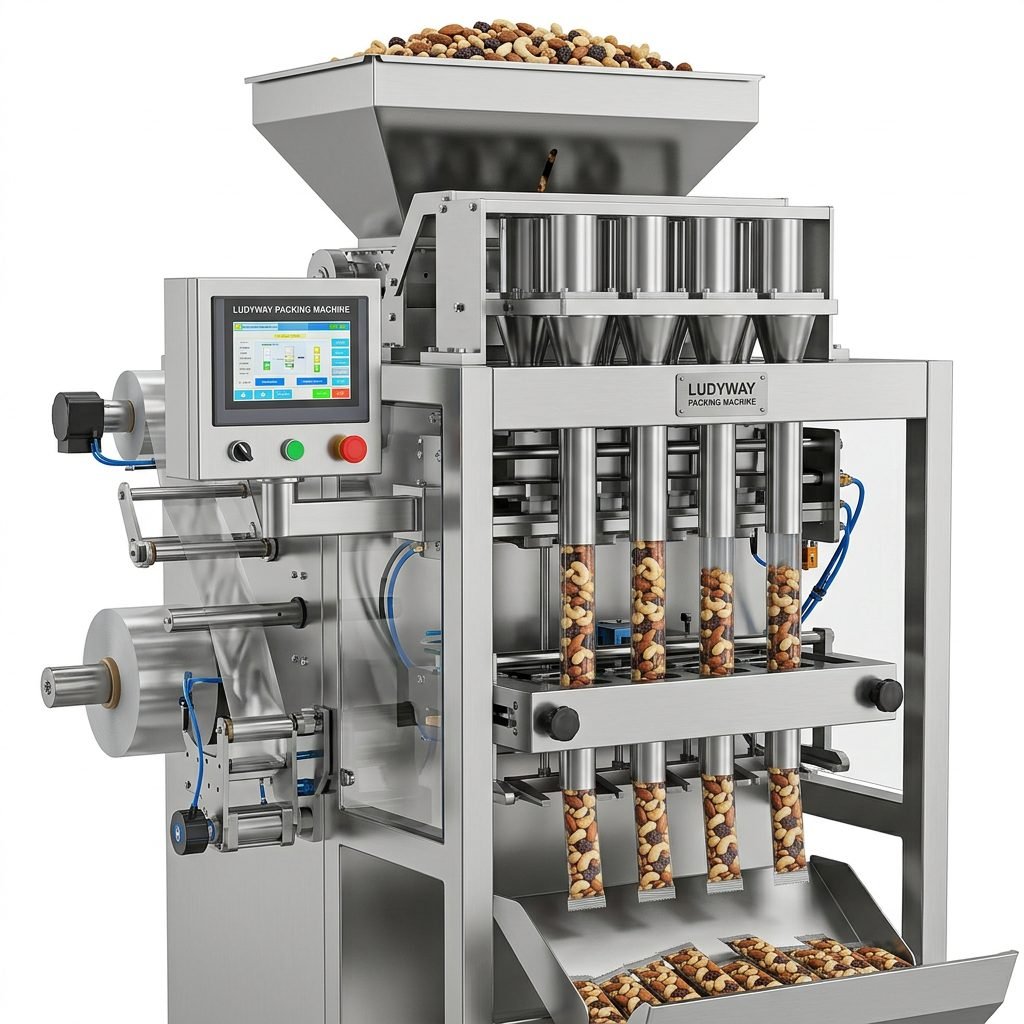
Ludyway’s expertise, backed by over 30 years of industry experience, lies in designing such customized solutions. They understand that a one-size-fits-all approach doesn’t work. Whether you need a standalone heavy-duty sealer or a fully integrated line for granules, powders, or liquids, their team can assess your needs and provide a system that fits your space, budget, and output goals. Their commitment to innovation ensures you have access to modern, intelligent packaging technologies.
Making the Right Choice for Long-Term Success
Selecting your commercial vacuum sealer is a significant decision. Beyond the specifications sheet, consider the manufacturer’s reputation for after-sales support, warranty, and availability of spare parts. A machine is only as good as the service behind it. Read reviews, ask for case studies or references from similar businesses, and if possible, request a live demonstration with your own products.
Think about your future growth. Investing in a slightly more capable machine than you currently need can save you from an expensive upgrade in a year’s time. Consider the total cost of ownership, including energy consumption, maintenance requirements, and the cost of consumables like bags and rolls. A reliable partner like Ludyway provides not just a machine, but a long-term partnership focused on your operational efficiency and success.
Frequently Asked Questions (FAQs)
What is the main difference between a commercial and a home vacuum sealer?
Commercial vacuum sealers are built for durability and continuous use. They feature more powerful pumps, faster cycle times, stronger construction (often stainless steel), and larger chambers. They are designed to handle high-volume packaging day in and day out, whereas home models are for intermittent, low-volume use.
Can I use any type of bag with a commercial vacuum sealer?
Not all bags are compatible. You must use bags designed for chamber vacuum sealers, which have a textured surface on one side to allow air channels for evacuation. Using improper bags will result in poor sealing. It’s best to use bags recommended by or purchased from your machine supplier to ensure optimal performance and food safety.
How does Modified Atmosphere Packaging (MAP) work with a vacuum sealer?
Machines with a gas flush function first remove the air (vacuum) and then inject a specific mix of inert gases (like nitrogen or carbon dioxide) into the bag before sealing. This modified atmosphere further inhibits bacterial growth and oxidation, significantly extending shelf life for products like fresh meats, salads, and baked goods beyond what vacuum sealing alone can achieve.
What kind of maintenance does a commercial sealer require?
Regular maintenance is key to longevity. This typically includes daily cleaning of the chamber and seal bar, checking and replacing the sealing gasket as needed, and for oil-based pump models, monitoring and changing the vacuum pump oil according to the manufacturer’s schedule. Always follow the specific maintenance guide provided with your equipment.
Is it worth automating my packaging process with a full line?
Automation becomes worth the investment when your manual packaging process becomes a bottleneck to growth, labor costs rise, or you need absolute consistency and traceability. A turnkey automated line increases output, reduces per-unit labor costs, minimizes human error, and allows you to scale production efficiently. A consultation with a packaging solutions expert can help you analyze the ROI for your specific business.