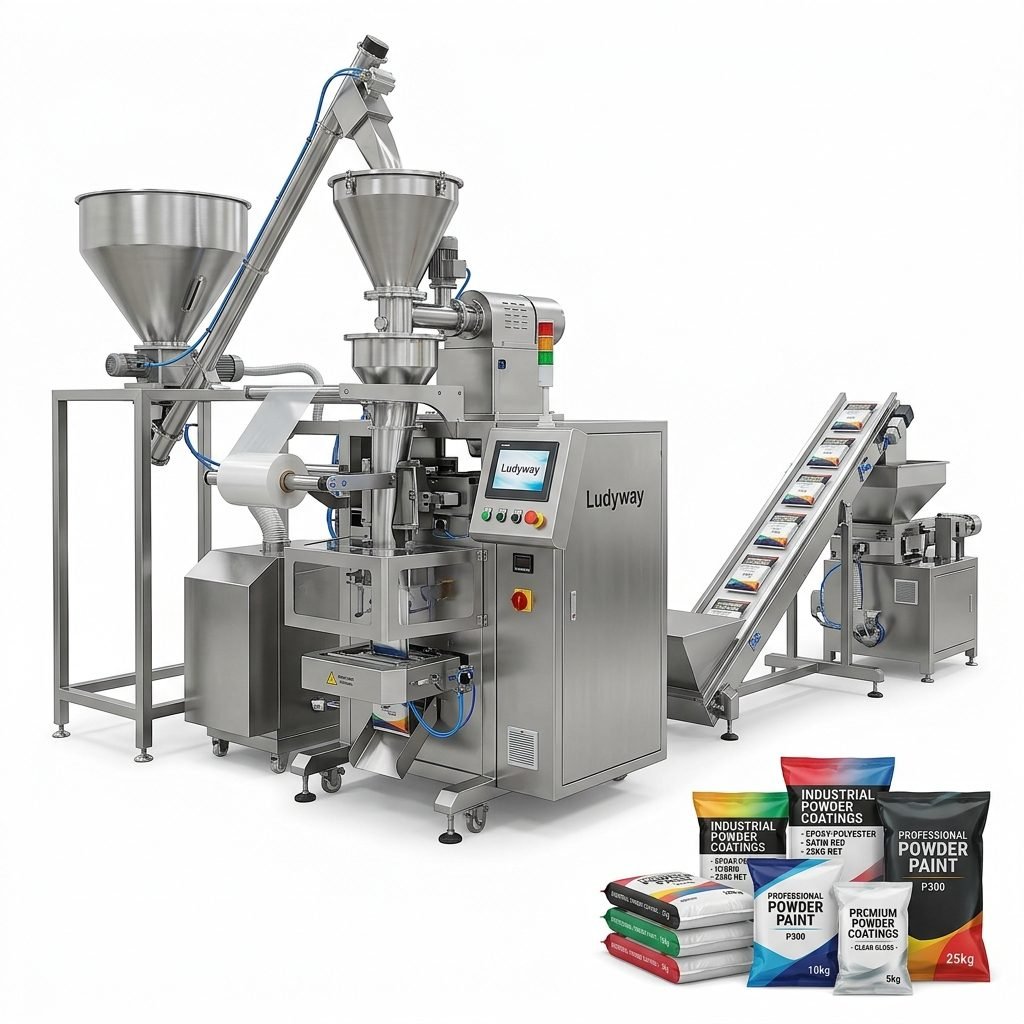
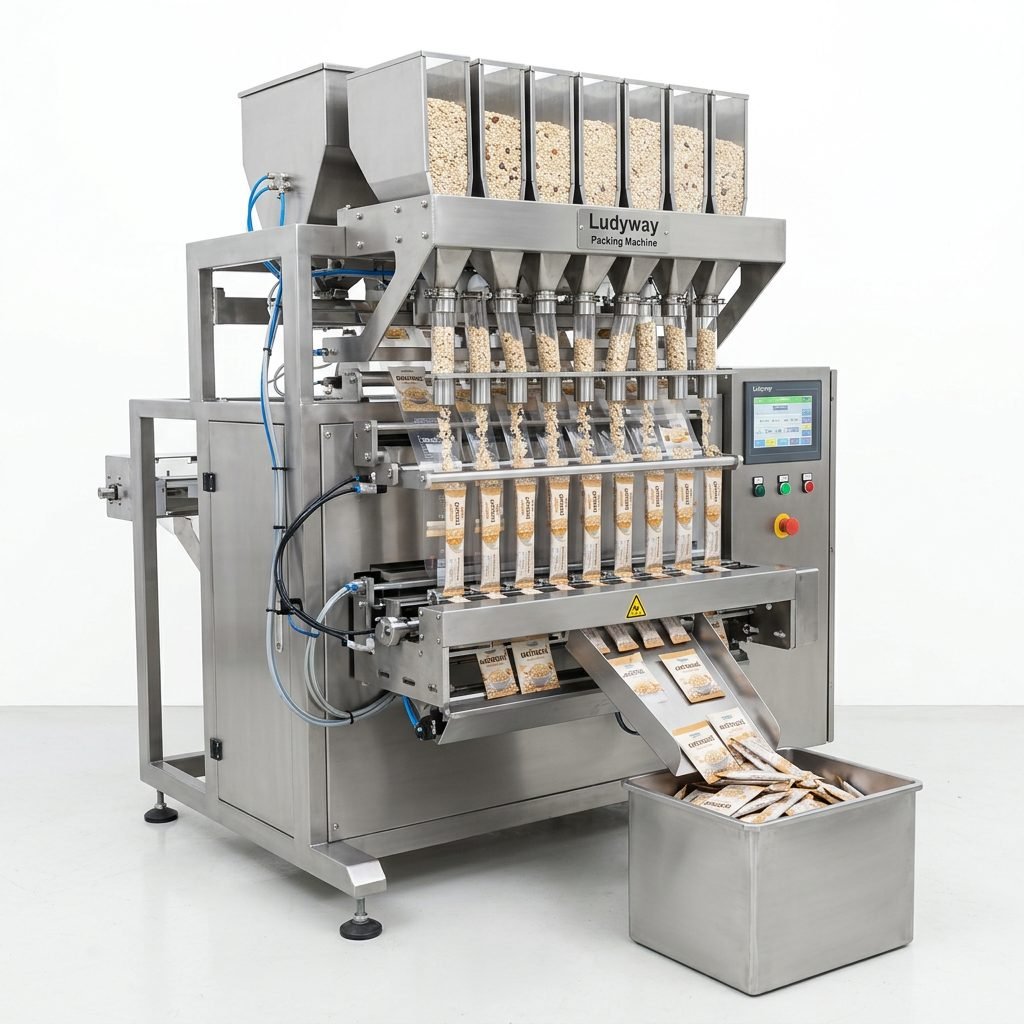
In the dynamic world of food production, especially within the egg industry, efficiency, hygiene, and product protection are paramount. Selecting the right egg packaging machinery is not just an operational decision; it’s a strategic investment that impacts productivity, cost, and brand reputation. From small-scale farms to large industrial producers, the choice of packaging equipment must align with specific production volumes, egg types, and market requirements.
Understanding the Core Types of Egg Packaging Machinery
The market offers a diverse range of equipment designed to handle different packaging formats and production scales. Understanding these types is the first step toward making an informed decision.
Manual and Semi-Automatic Egg Packers
Ideal for smaller operations or farms with lower output, these machines require some degree of operator involvement. Semi-automatic systems often involve manually loading eggs into trays or cartons, which the machine then seals or closes. They offer a lower initial investment and are suitable for businesses with variable production runs or specialty eggs.
Fully Automatic Egg Packaging Lines
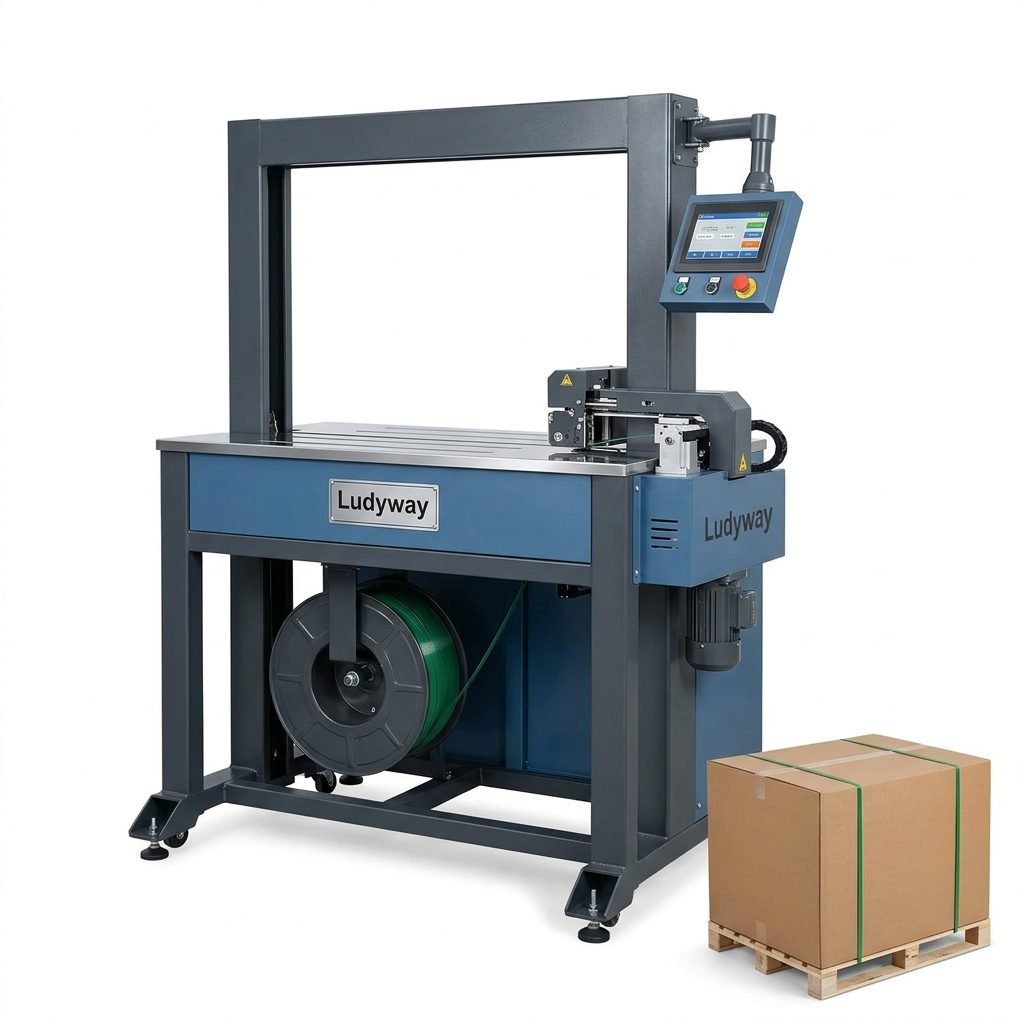
For medium to high-volume producers, fully automatic lines are the backbone of efficient packaging. These integrated systems perform a sequence of operations—from egg loading, grading, and orienting to placing them into cartons, sealing, and palletizing—with minimal human intervention. They maximize throughput and consistency, crucial for supplying large retailers.
Specialized Machinery for Unique Formats
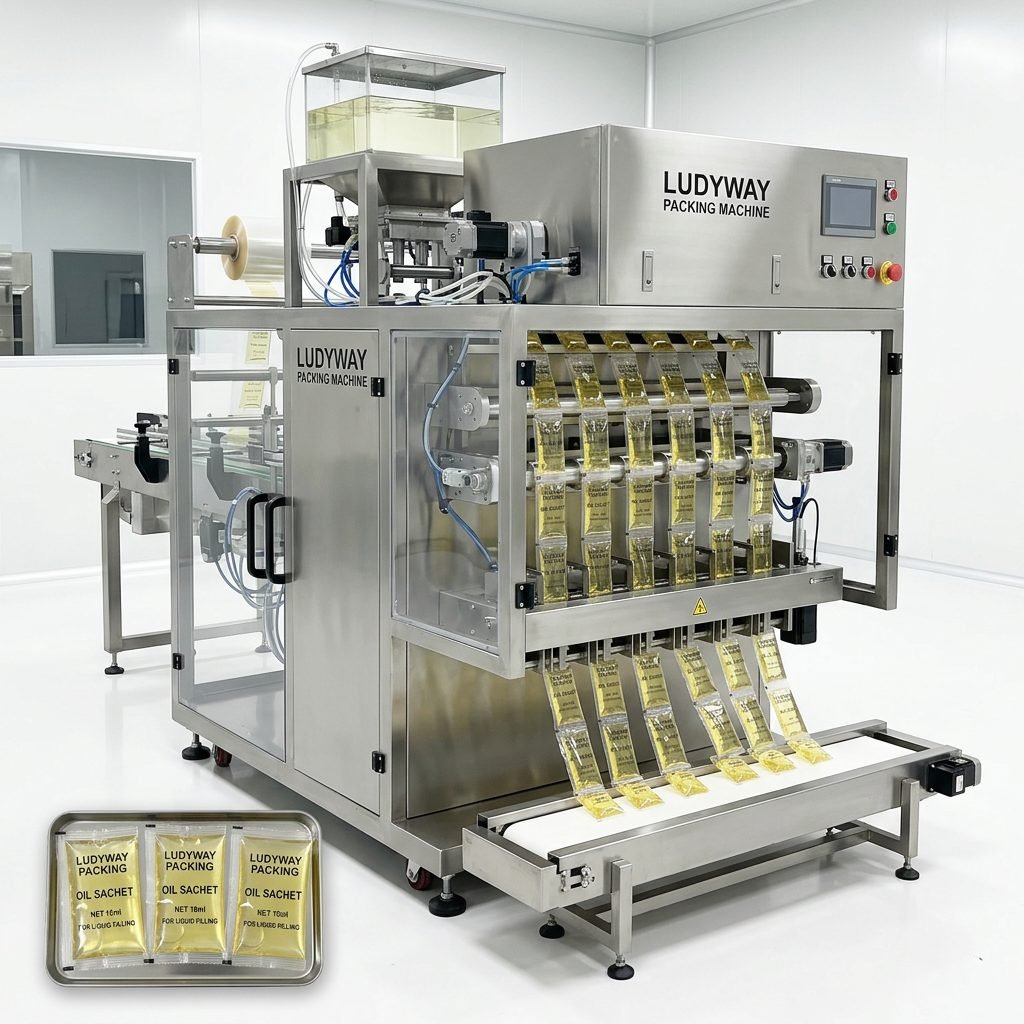
Beyond standard cartons, some machinery is designed for specific packaging types. This includes equipment for plastic clamshells, paper pulp trays, or even bulk packaging for the foodservice industry. There are also systems tailored for packaging processed egg products, like liquid eggs in cartons or boiled eggs in pouches.
Key Features That Define High-Performance Equipment
When evaluating different machines, several critical features separate basic models from high-performance solutions that deliver long-term value.
Gentle Egg Handling Mechanisms
The primary function of any egg packer is to protect the product. Look for systems with cushioned grippers, soft-conveyor belts, and low-drop transfer points. These features minimize cracks and checks, directly reducing product loss and waste.
Versatility in Tray and Carton Sizing
A versatile machine can adapt to market changes. The best solutions offer quick-change capabilities for different carton sizes (e.g., 6, 10, 12, 18, 30-count) and materials (cardboard, recycled paper, plastic). This flexibility allows producers to respond to diverse customer orders without major downtime.
Integrated Grading and Inspection Systems
Modern packaging lines often integrate weight or optical grading systems. This ensures eggs are sorted by size and quality before packaging, adding value and ensuring compliance with grading standards. Some advanced systems can even detect hairline cracks or blood spots.
Hygienic Design and Easy Cleanability
Food safety is non-negotiable. Machinery should be constructed with smooth, stainless-steel surfaces where possible, with minimal crevices where debris can accumulate. Design features that allow for easy access and fast cleaning reduce downtime and meet stringent hygiene protocols.
Robust Control Systems and Data Connectivity
A user-friendly Human-Machine Interface (HMI) allows for easy operation and monitoring. Furthermore, machinery with IoT connectivity or data output capabilities enables producers to track efficiency, count output, and schedule predictive maintenance, integrating seamlessly into smart factory environments.
A Strategic Guide to Choosing Your Best Solution
Choosing the right machinery is a multi-faceted process. A systematic approach ensures the equipment meets both current needs and future growth.
Step 1: Conduct a Thorough Production Analysis
Begin by quantifying your needs. What is your current and projected hourly/daily output? What egg sizes and grades do you handle? What packaging formats (carton style, material) does your market demand? This data forms the non-negotiable foundation of your specification.
Step 2: Evaluate Total Cost of Ownership (TCO)
Look beyond the initial purchase price. Consider energy consumption, required operator count, maintenance costs, and spare part availability. A slightly more expensive machine with higher efficiency and lower maintenance often has a far better TCO over a 5-10 year period.
Step 3: Prioritize Reliability and Supplier Support
Packaging line downtime is costly. Investigate the manufacturer’s reputation for build quality and reliability. Crucially, assess their after-sales support network. Do they offer comprehensive training, readily available spare parts, and responsive technical service? A reliable partner like Ludyway Machinery, with decades of industry experience, can be as valuable as the machine itself.
Step 4: Request a Live Demonstration or Trial
Whenever possible, see the machine run with your own eggs and packaging materials. A live demo reveals the true speed, noise level, egg-handling gentleness, and changeover simplicity. It’s the best way to validate performance claims.
Step 5: Plan for Integration and Future-Proofing
Consider how the new machine will integrate with your existing grading, washing, or conveying systems. Also, consider future needs: could the line be easily expanded or upgraded? Choosing modular or scalable equipment protects your investment as your business grows.
Conclusion: Packaging as a Competitive Advantage
Investing in the right egg packaging machinery transforms a necessary operational step into a source of competitive strength. The optimal solution balances speed with care, flexibility with robustness, and advanced features with operational simplicity. By thoroughly understanding the types available, prioritizing key features that protect your product and boost efficiency, and following a strategic selection process, producers can secure a packaging system that ensures product integrity, maximizes throughput, and supports business growth for years to come. Partnering with an experienced provider ensures you gain not just a machine, but a comprehensive production solution tailored to your unique challenges.
Frequently Asked Questions (FAQs)
Q1: What is the typical output speed of an automatic egg packaging machine?
Speeds vary widely based on the machine type and configuration. Semi-automatic machines may pack 20-40 cartons per minute, while high-speed fully automatic lines can achieve 80-150 cartons per minute or more, often handling multiple rows simultaneously.
Q2: Can one machine handle different sizes of egg cartons?
Yes, many modern machines are designed for versatility. Look for models with “quick-change” mechanisms for tooling and adjustments, allowing operators to switch between standard carton sizes (like 6, 12, or 18-count) with minimal downtime, often in under 10 minutes.
Q3: How important is the grading system integration with the packer?
It is highly beneficial for operations that grade eggs. An integrated system creates a seamless flow from grading to packing, reduces manual handling, improves accuracy, and increases overall line efficiency. It’s a key feature for producers selling graded eggs to supermarkets.
Q4: What are the main maintenance requirements for these machines?
Regular maintenance typically includes daily cleaning and lubrication of key moving parts, periodic inspection and replacement of wear items like gripper pads or belts, and calibration of sensors. A good supplier will provide a detailed maintenance schedule and training.
Q5: What should I do if my production needs increase after I purchase a machine?
Planning for future growth is crucial. Discuss scalability options with your supplier upfront. Some lines can be upgraded with additional modules (like extra lanes) or higher-speed components. Choosing a modular system from a supplier with a broad portfolio offers the most flexible path for expansion.