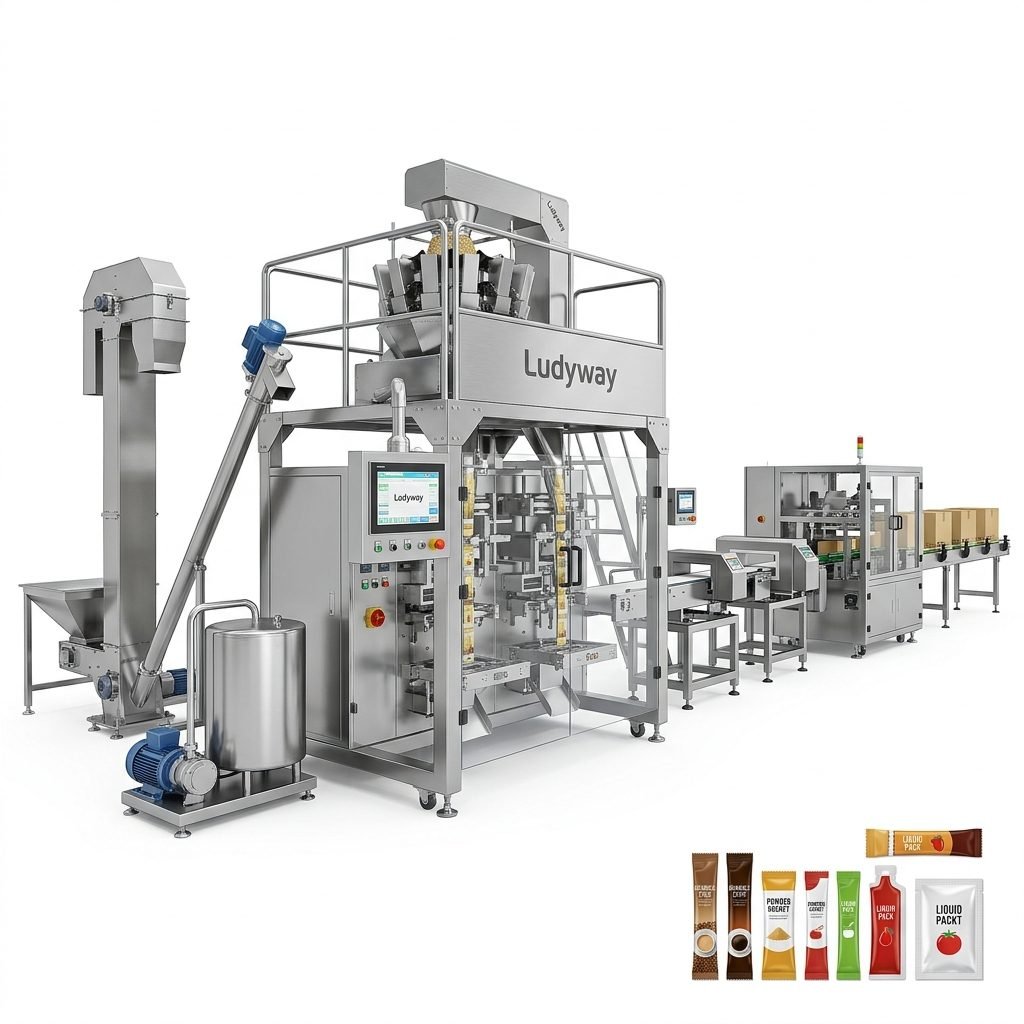
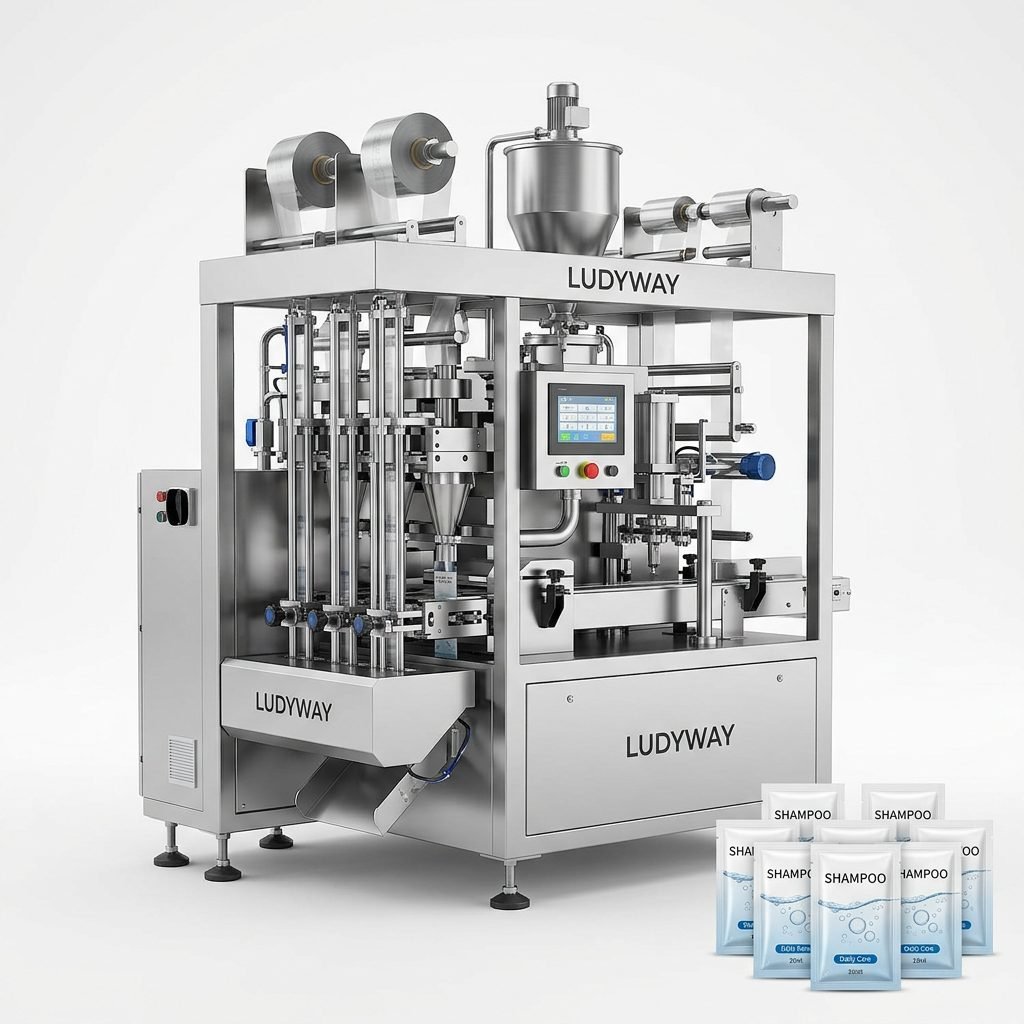
In the fast-paced world of manufacturing, efficient product presentation and protection are paramount. Film packaging machines stand as critical assets, automating the process of encasing products in flexible materials like plastic, foil, or laminates. This guide delves into the various types of film packaging machines, explains their core working principles, and provides a strategic framework for selecting the optimal solution for your production line.
Understanding Film Packaging Machinery
Film packaging machines are automated systems designed to wrap products in flexible film. They are ubiquitous across industries such as food & beverage, pharmaceuticals, cosmetics, and hardware. The primary goals are to protect products from moisture, dust, and contamination, extend shelf life, and create a visually appealing, brand-consistent package. The evolution from manual wrapping to high-speed automation has revolutionized production efficiency and consistency.
Core Benefits of Automation
Implementing an automated film packaging system offers tangible advantages:
→ Increased Productivity: Machines operate at significantly higher speeds than manual labor, with some models capable of hundreds of packs per minute.
→ Enhanced Consistency & Quality: Automated systems ensure every package has identical seal integrity, film tension, and appearance, reducing waste and customer complaints.
→ Material Savings: Precise control over film feeding and cutting minimizes material overuse and scrap.
→ Labor Cost Reduction: Automation frees skilled workers for more complex tasks, optimizing workforce allocation.
Primary Types of Film Packaging Machines
The choice of machine is heavily influenced by product type, volume, and packaging format. Here are the most common categories:
1. Vertical Form-Fill-Seal (VFFS) Machines
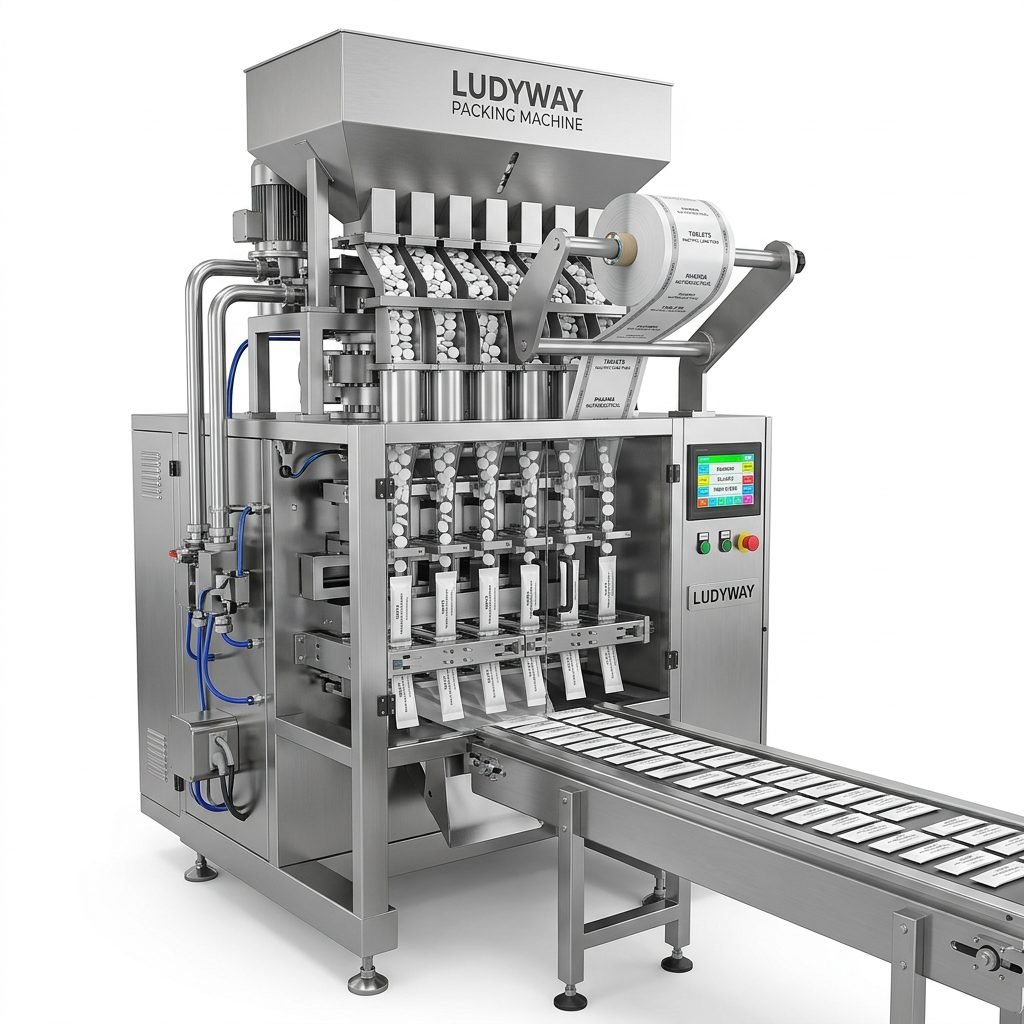
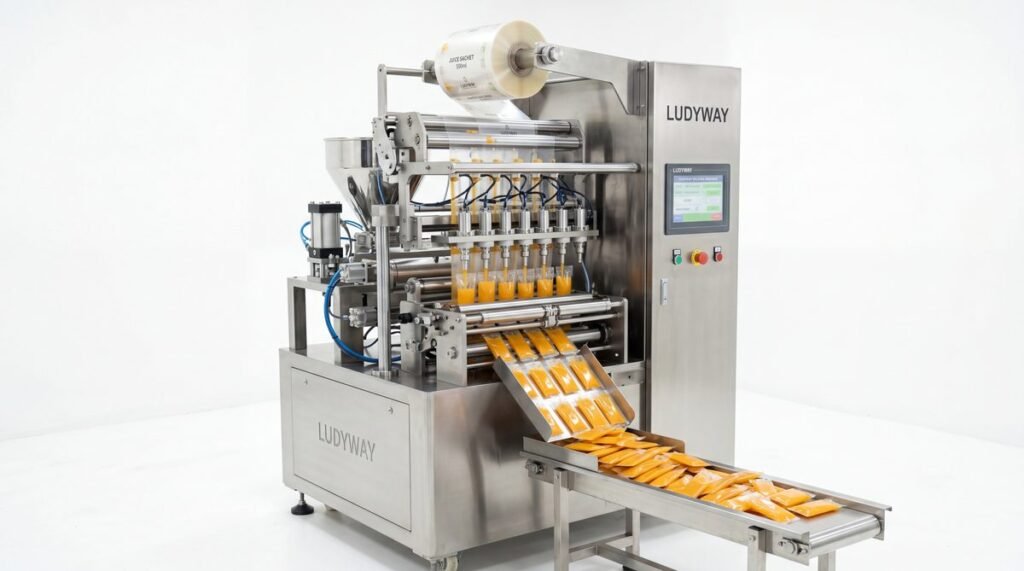
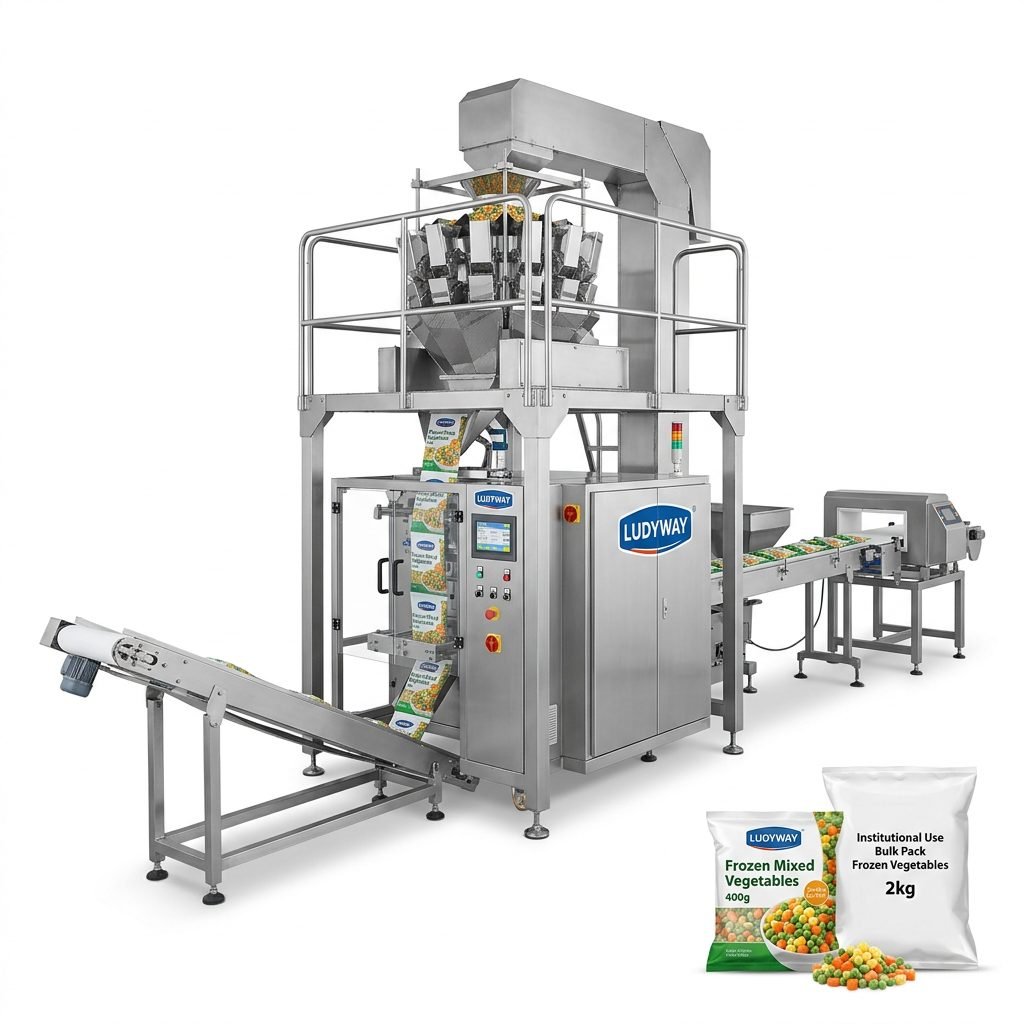
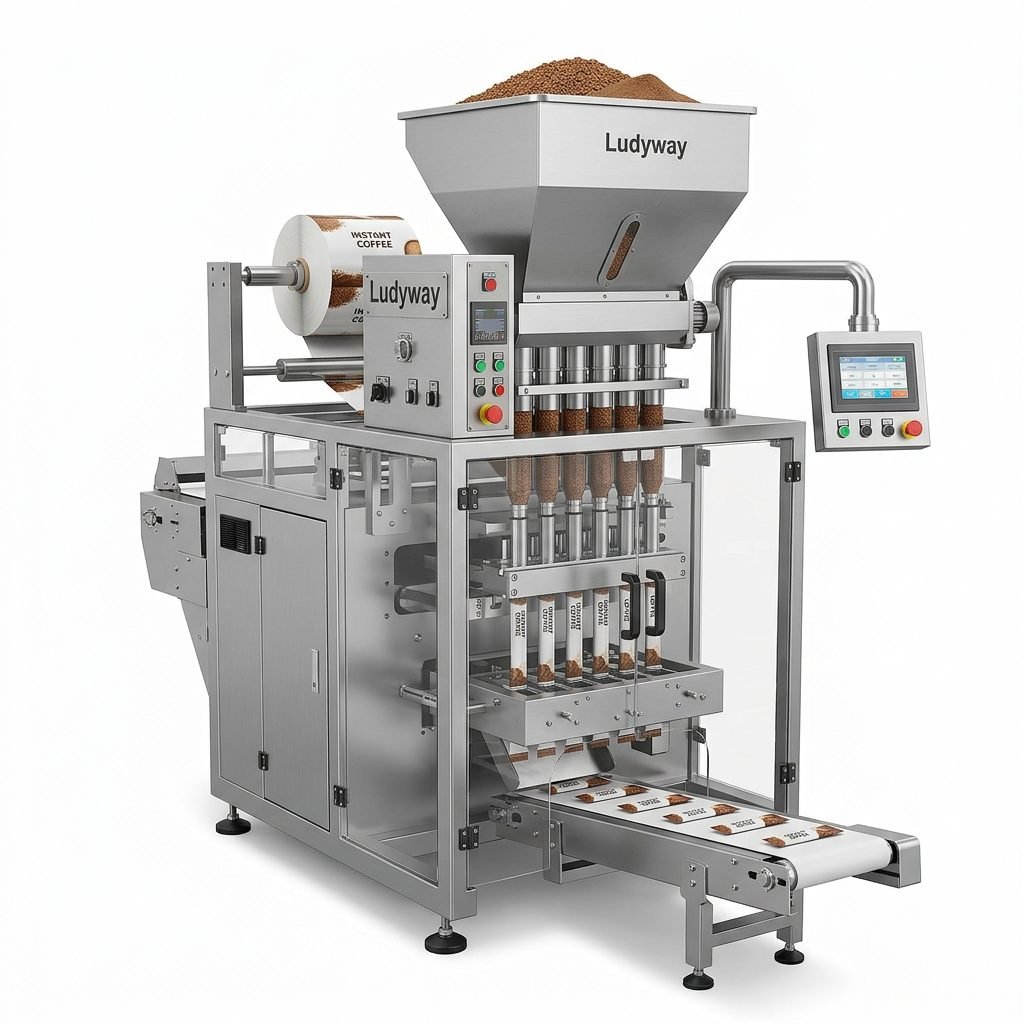
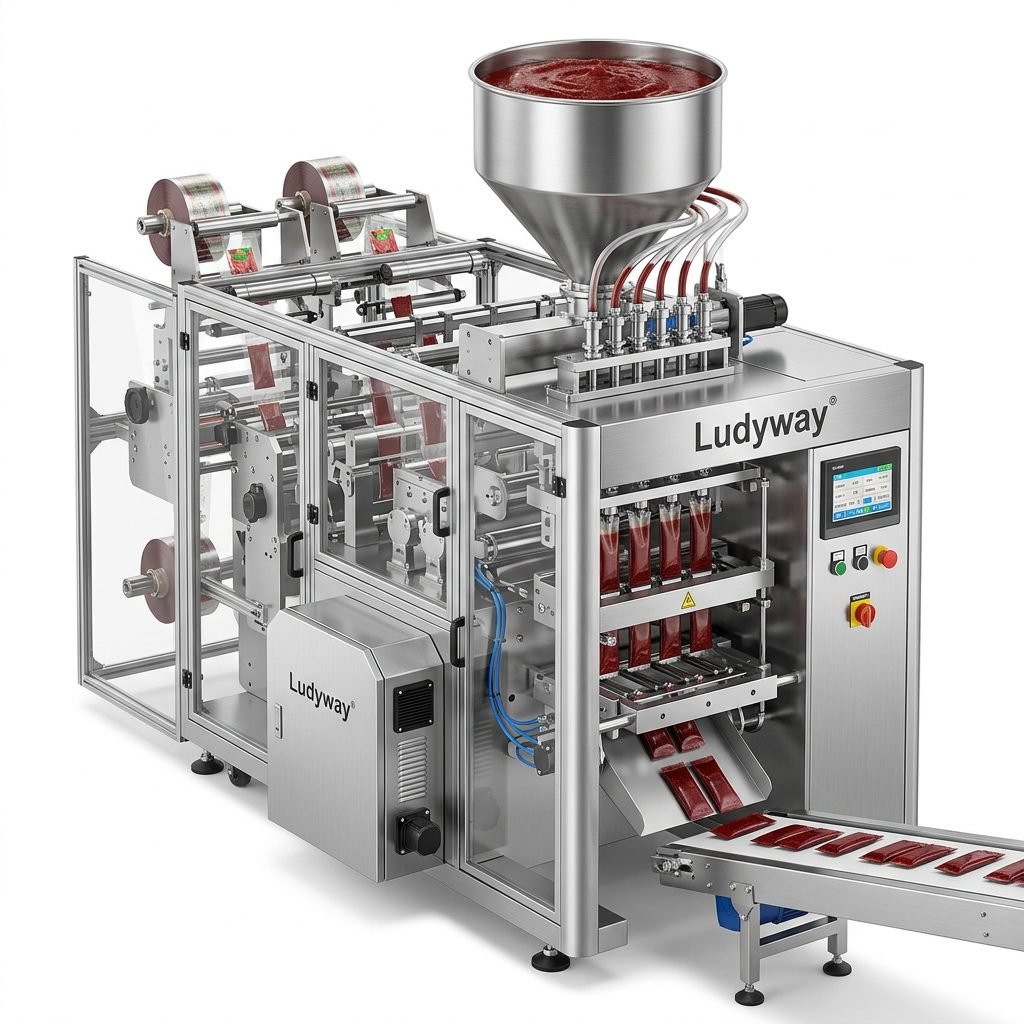
These are the workhorses of the industry for packaging granules, powders, liquids, and small solids. The machine forms a tube from a roll of flat film, fills it with the product from above, and then creates horizontal seals to form individual pouches or bags. They are ideal for high-speed, volumetric or weighed filling applications like coffee, snacks, or shampoo sachets.
2. Horizontal Form-Fill-Seal (HFFS) Machines
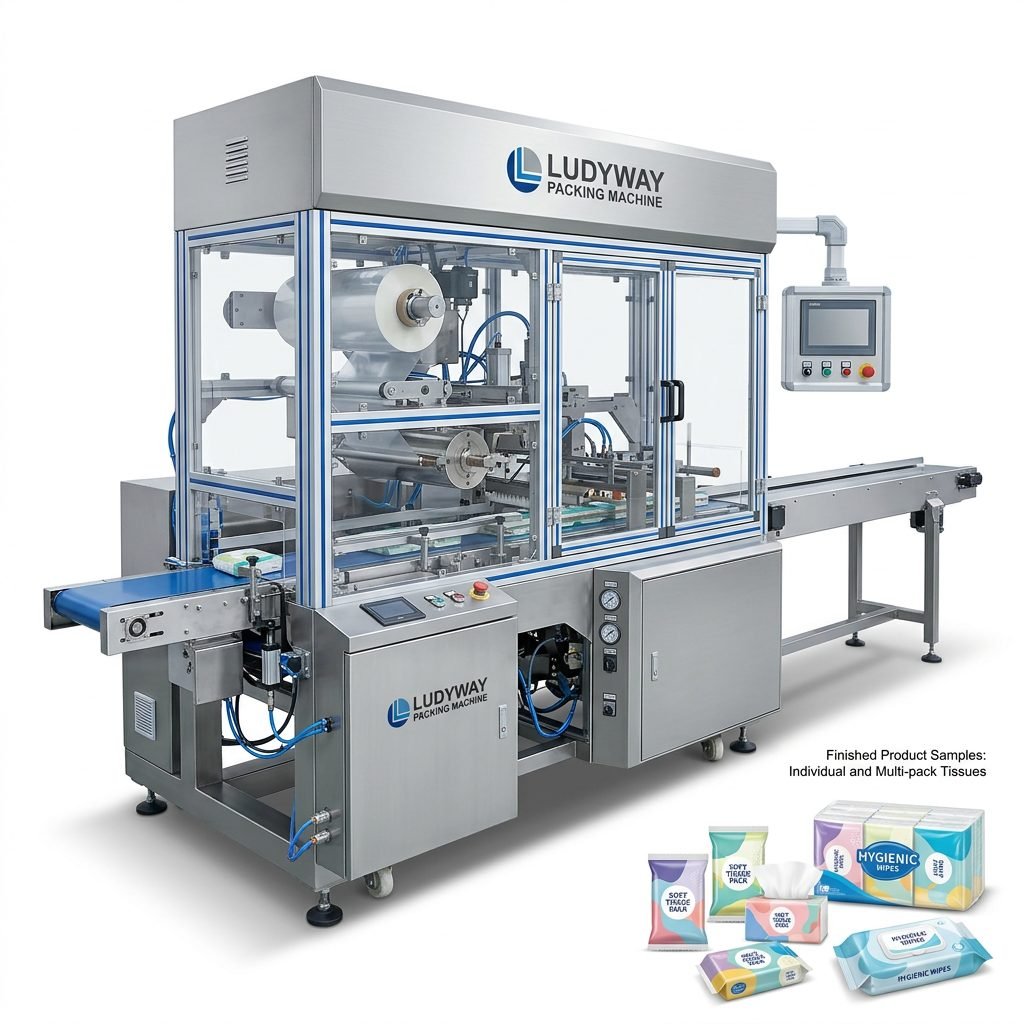
HFFS machines are typically used for wrapping solid, pre-formed products like candy bars, biscuits, or soap bars. The product is placed on a flat web of film, which is then wrapped around it and sealed on the back and ends. This style often provides a more rigid, presentation-oriented package.
3. Flow Wrapping Machines
Also known as fin-seal wrappers, these machines are perfect for bundling multiple items or wrapping products that require a loose fit. The film wraps around the product, and the seal is formed on the underside, creating a neat, fin-style seal. Common applications include bakery products, multi-packs of beverages, and stationery.
4. Shrink Wrapping Machines
This process involves placing a product or bundle into a loose bag or sleeve of shrink film. The package then passes through a heat tunnel (shrink tunnel), causing the film to contract tightly around the contours of the product. It’s excellent for multi-packs, bundling, and providing tamper-evident seals.
Choosing Between VFFS and HFFS
Opt for a VFFS machine if: Your product is free-flowing (powder, granules) or liquid, and you require high-speed, single-serving pouch production.
Opt for an HFFS machine if: Your product is a solid, pre-shaped item where presentation and a tight, formed wrap are critical.
Working Principles: How They Operate
While specific mechanisms vary, most film packaging machines follow a generalized sequence: Film Feeding → Forming → Filling → Sealing → Cutting.
Film Feeding & Forming
A roll of packaging film (laminate, polyethylene, etc.) is mounted on an unwind stand. The film is drawn into the machine via a series of tensioning rollers to ensure smooth, consistent feed. In a VFFS machine, a forming collar shapes the flat film into a vertical tube. In HFFS or flow wrappers, the film is drawn over a forming box that guides it around the product.
Filling & Metering
This is the critical phase where the product is introduced. For powders and granules, this is done by auger fillers, weigh scales, or volumetric cups. For liquids, piston pumps are common. For solids on HFFS lines, products are placed manually or by a robotic arm onto the film web.
Sealing & Cutting
Heated sealing jaws (often with intricate patterns for easy opening) press against the film to create airtight seals. The type of seal—horizontal, vertical, fin, or lap—depends on the machine. Immediately after sealing, a cutting mechanism, often integrated into the jaws, separates the individual packages. The sealing temperature, pressure, and dwell time are precisely controlled to ensure strong seals without burning the film.
How to Choose the Best Film Packaging Solution
Selecting the right machine is a strategic investment. Here is a step-by-step framework to guide your decision, drawing on the expertise of seasoned providers like Ludyway Machinery.
1. Analyze Your Product & Packaging Requirements
This is the foundational step. Define your product’s physical state (solid, powder, liquid), its abrasiveness, and any special characteristics (hygroscopic, fragile). Determine your desired package style: stand-up pouch, flat sachet, stick pack, shrink bundle, etc. The material of the packaging film must also be compatible with both the product and the machine’s sealing system.
2. Evaluate Production Capacity & Speed Needs
Calculate your current and projected output volumes (packs per minute/hour). Machines are rated for specific speed ranges. Investing in an under-powered machine creates bottlenecks, while an overpowered one leads to unnecessary capital expenditure. Consider future business growth when setting this parameter.
3. Prioritize Integration & Automation Level
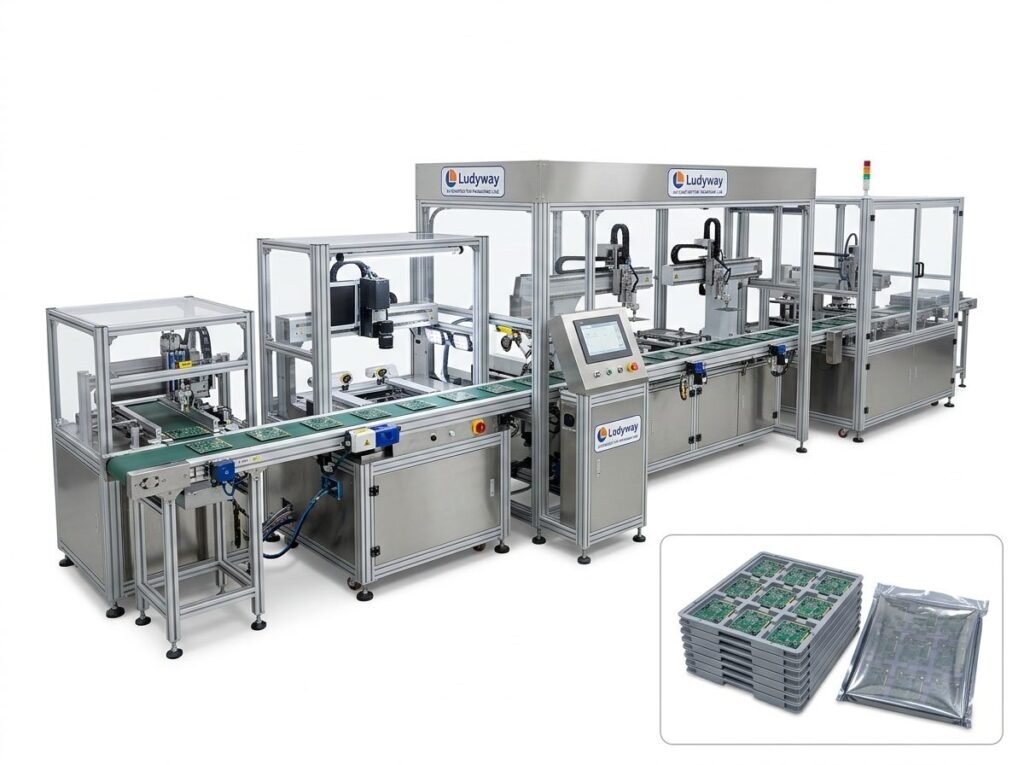
Will the packaging machine be a standalone unit, or does it need to integrate seamlessly with upstream equipment like mixers, fillers, and downstream systems like cartoners? The level of automation—from manual product loading to fully robotic lines—directly impacts labor requirements and overall line efficiency. Providers offering turnkey production solutions can ensure harmonious integration.
4. Assess Machine Durability & Support
Look for robust construction from quality materials (e.g., stainless steel contact parts for food/pharma). The reputation of the manufacturer and the availability of reliable after-sales service, spare parts, and technical support are crucial for minimizing downtime. A partner with extensive industry experience brings invaluable practical knowledge to the table.
5. Consider Operational Costs & ROI
The total cost of ownership goes beyond the purchase price. Factor in energy consumption, film waste rates, maintenance costs, and required operator skill level. A slightly more expensive machine that is more efficient, uses less film, and has higher reliability will often deliver a faster and greater return on investment (ROI).
Key Takeaway for Selection
There is no universal “best” machine. The optimal film packaging solution is the one that precisely aligns with your specific product characteristics, output goals, budget, and long-term operational strategy. Engaging with a knowledgeable supplier for a product test using your actual materials is highly recommended before finalizing any purchase.
Frequently Asked Questions (FAQs)
1. What is the main difference between VFFS and HFFS packaging?
Vertical Form-Fill-Seal (VFFS) machines create bags from a roll of film, fill them from the top, and are ideal for loose products like granules and powders. Horizontal Form-Fill-Seal (HFFS) machines wrap film around pre-formed solid products (like a candy bar) and are better for presentation-oriented, tight wraps.
2. Can one machine handle different packaging film materials?
Many modern machines are versatile, but adjustments are often needed. The sealing jaws’ temperature, pressure, and sometimes the jaw material itself must be optimized for different films (e.g., polyethylene vs. polypropylene laminates). It’s best to consult the machine manufacturer for its multi-material capabilities.
3. How important is after-sales service when buying a packaging machine?
Extremely important. Packaging machines are complex and require maintenance. Access to prompt technical support, genuine spare parts, and service engineers is critical for minimizing production downtime and ensuring the long-term productivity of your investment.
4. What are common causes of seal failures on film packaging machines?
Common causes include incorrect sealing temperature (too low or too high), insufficient sealing pressure or dwell time, contamination on the sealing jaws or film, using the wrong type of film for the sealing system, and worn-out or damaged sealing jaws.
5. How do I determine the right production speed for my needs?
Calculate your required output in packs per minute based on your daily/weekly production targets and available operating hours. Then, add a 15-20% buffer for future growth. Choose a machine model whose maximum rated speed is comfortably above this calculated figure to allow for efficient operation without running at its absolute limit.