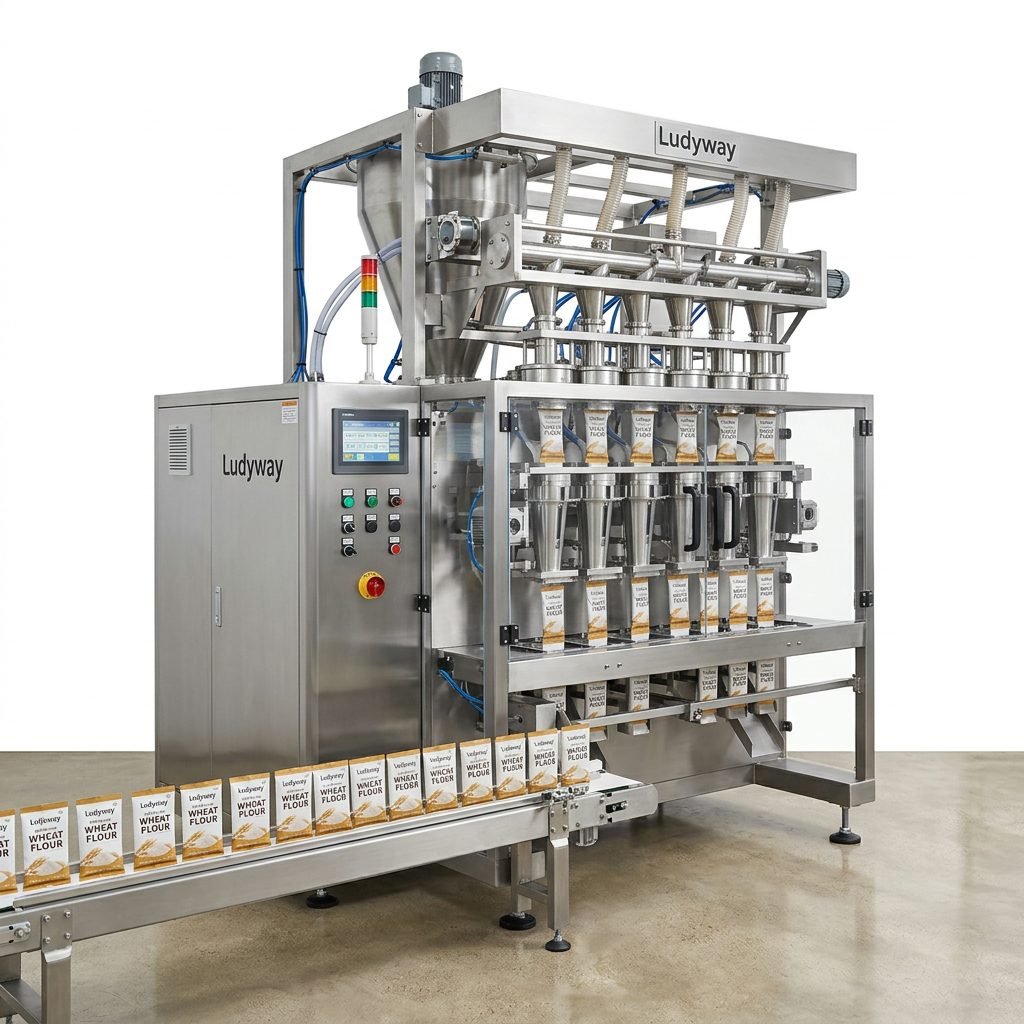
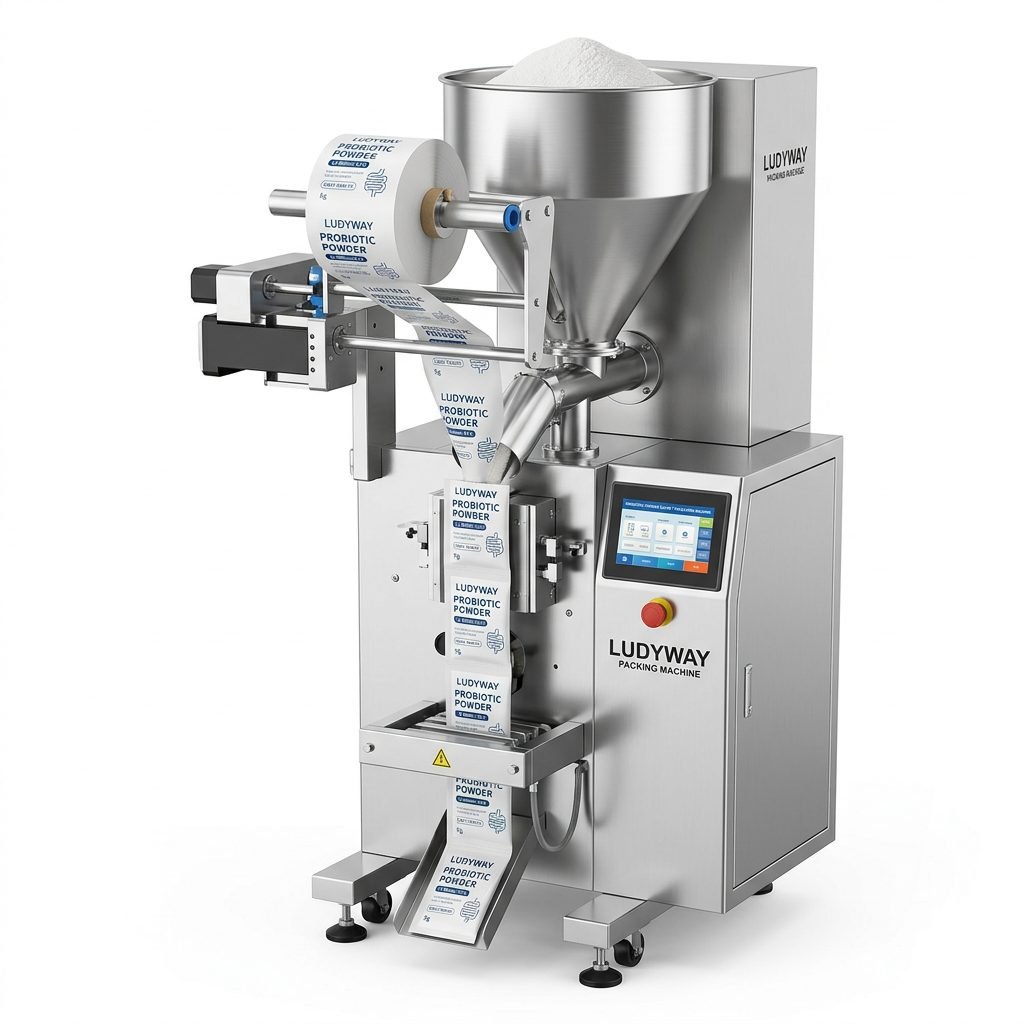
Selecting an oil packaging machine is a critical investment decision that directly impacts production efficiency, product integrity, and long-term operational costs. Whether you are packaging edible oils, lubricants, essential oils, or industrial fluids, the right equipment must align with your product viscosity, packaging format, filling accuracy, and production capacity requirements. According to industry data from the PMMI State of the Industry Reports, the global packaging machinery market continues to grow steadily, driven by automation trends and increasing demand for flexible packaging formats.
This comprehensive buyer’s guide walks you through every critical factor in choosing the right oil packaging machine, from understanding your product characteristics to evaluating machine configurations, compliance requirements, and long-term service support.
Understanding Oil Product Characteristics
Not all oils behave the same way during the filling and packaging process. Viscosity is the single most important physical property affecting machine selection. Low-viscosity oils such as sunflower oil or soybean oil flow easily and can be handled by standard liquid filling systems. In contrast, high-viscosity products like gear oils, greases, or certain cosmetic oils require positive displacement piston fillers or gear pump dosing systems to maintain accuracy and prevent dripping.
Other critical product characteristics include:
- Temperature sensitivity: Some oils require heated filling to maintain flowability.
- Foaming tendency: Certain formulations need bottom-up filling to reduce air incorporation.
- Chemical compatibility: Aggressive or corrosive oils require stainless steel contact parts, often 316L grade.
- Oxidation sensitivity: Edible oils may require nitrogen flushing to extend shelf life.
Packaging Format Considerations
Oil products are packaged in a wide variety of formats, and your chosen machine must be compatible with your target packaging type. The most common formats include:
Sachets and Stick Packs
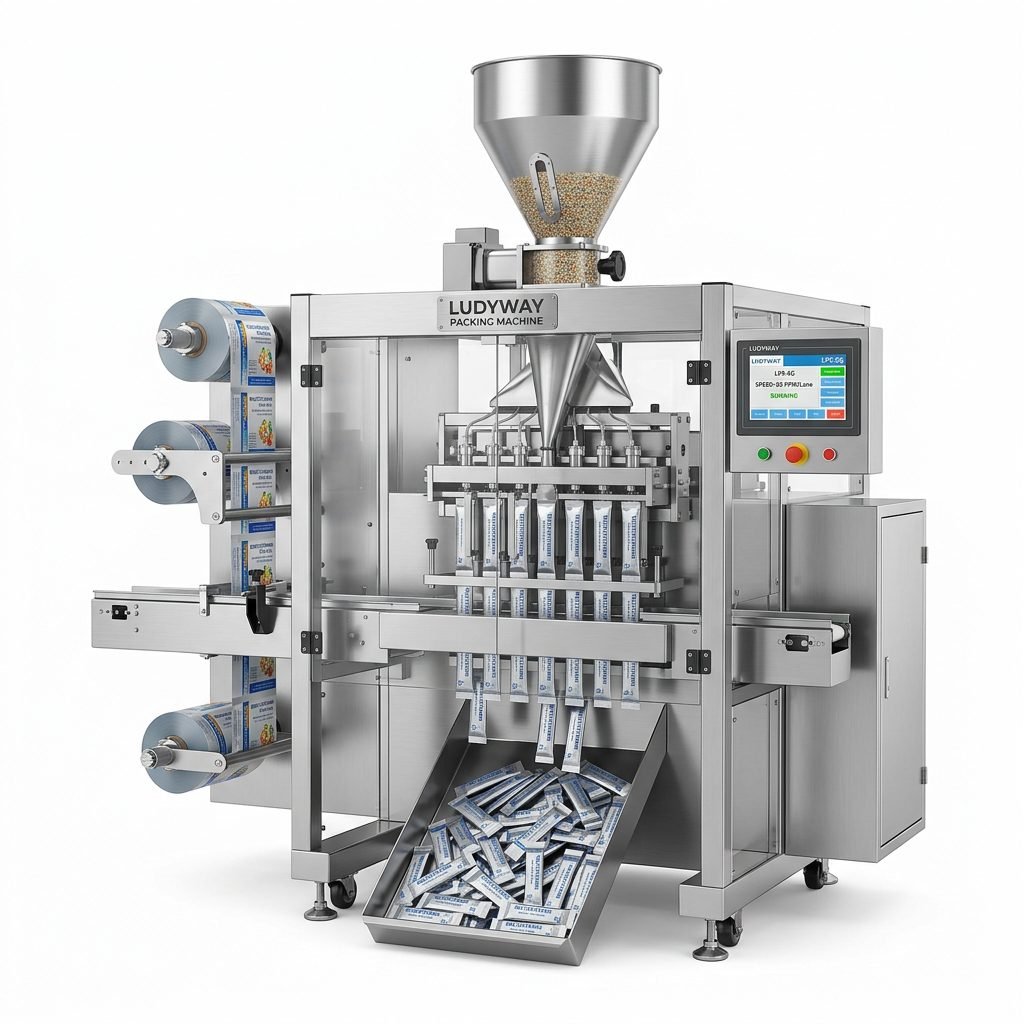
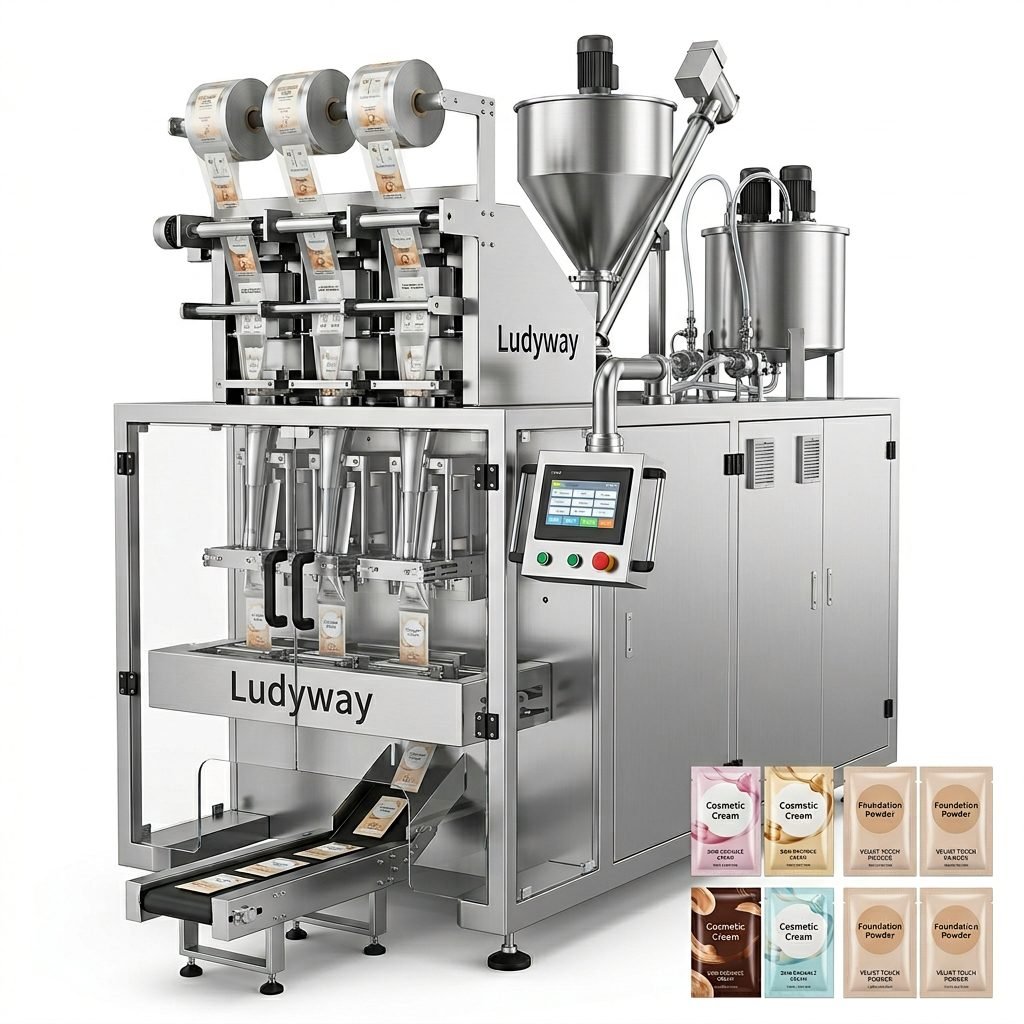
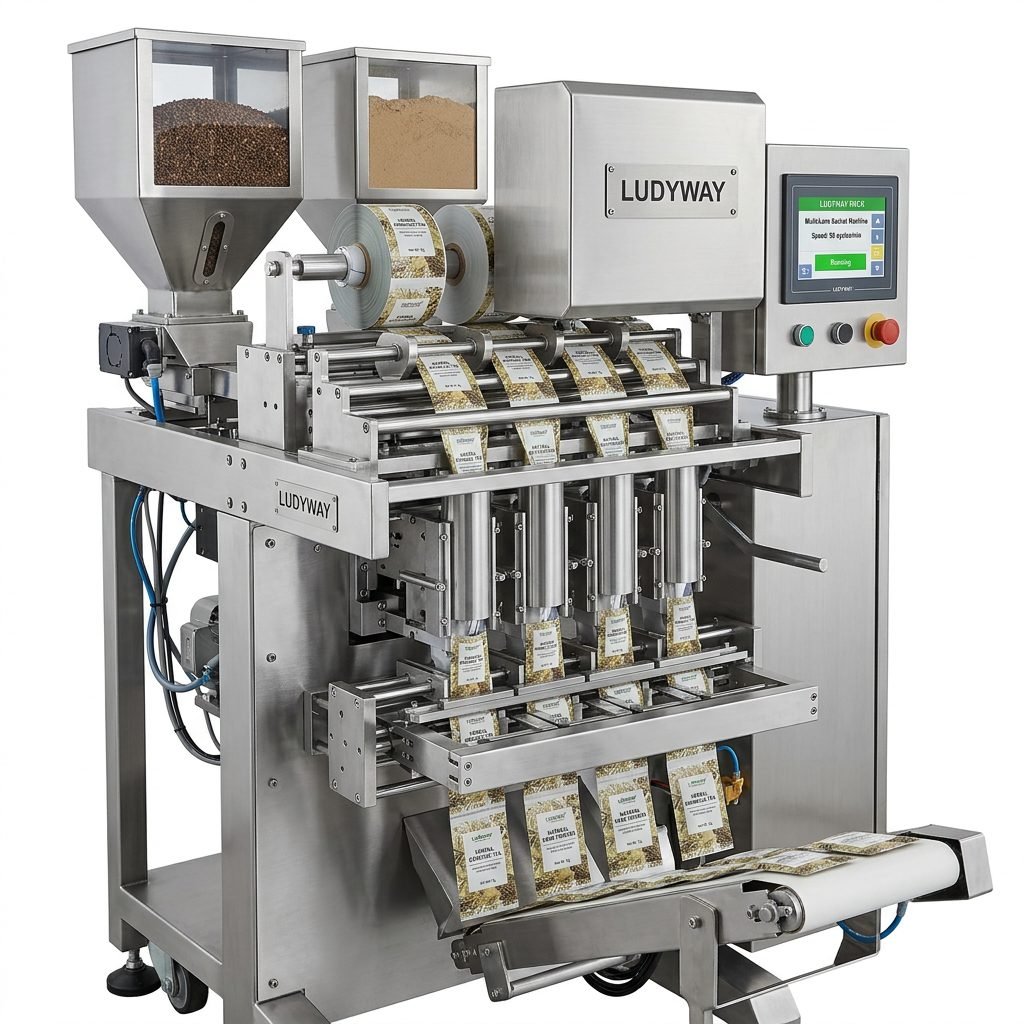
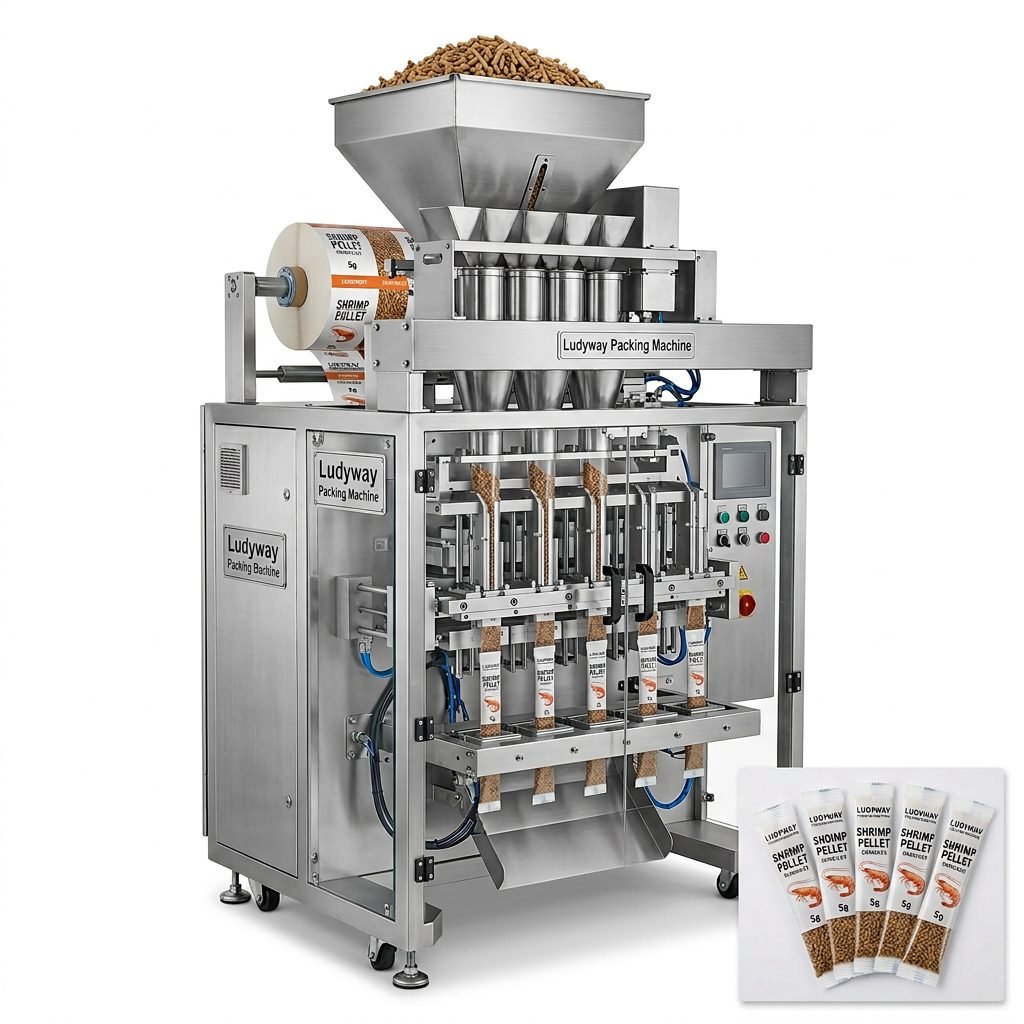
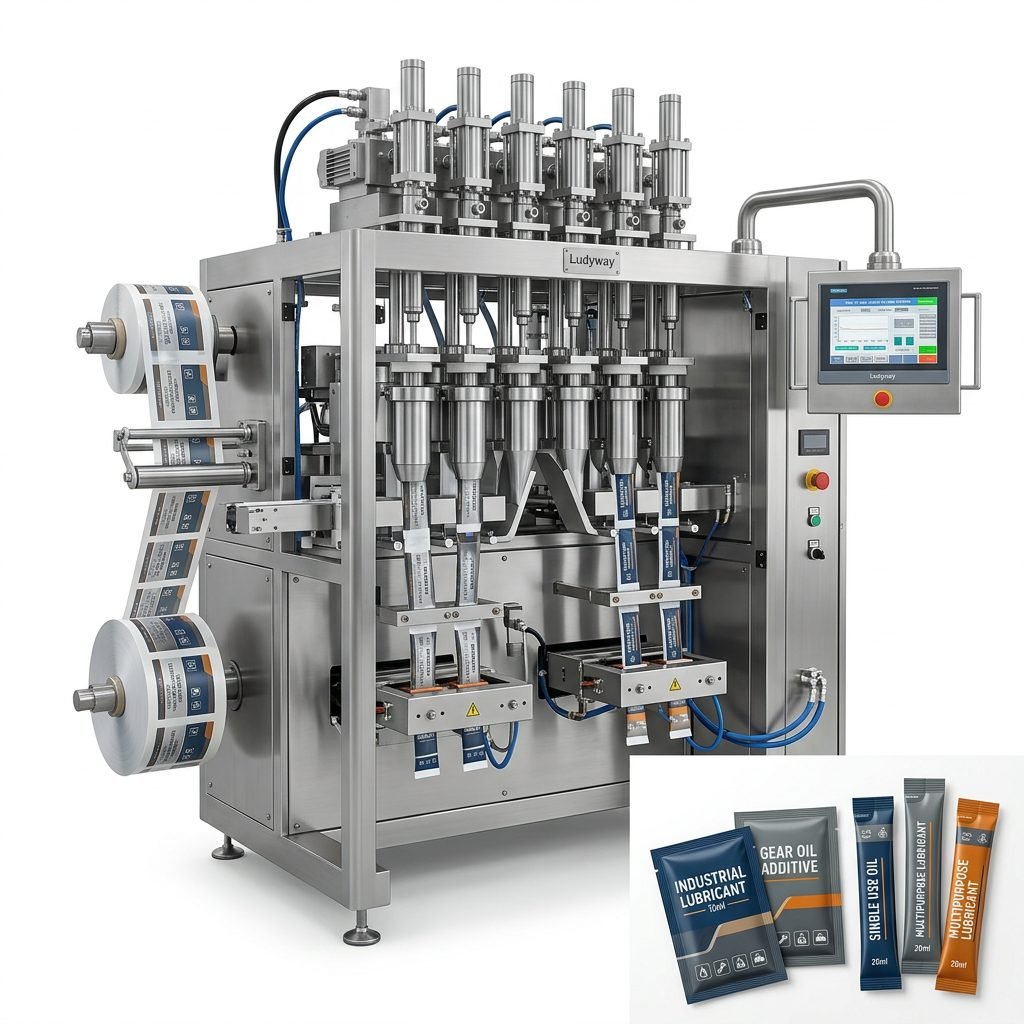
Single-use sachets are increasingly popular for edible oil samples, cosmetic oils, and lubricant additives. Multi-lane stick pack machines can produce hundreds of sachets per minute, making them ideal for high-volume single-serve applications. These machines require precise heat sealing control to prevent leaks, especially with oily product residue on seal areas.
Pouches and Stand-Up Bags
Flexible pouches with spouts or zipper closures are widely used for edible oils and specialty lubricants. Flexible Packaging Association industry data shows that pouch packaging continues to gain market share across multiple product categories due to consumer convenience and reduced material usage compared to rigid containers.
Bottles and Jerry Cans
For larger volumes, bottle filling lines handle containers ranging from small 100ml bottles to large 5-liter jerry cans. Capping systems must be matched to closure types such as screw caps, flip-top caps, or pump dispensers.
Key Machine Specifications to Evaluate
When comparing different oil packaging machines, several technical specifications require careful evaluation to ensure the equipment meets your production requirements and quality standards.
| Specification | Why It Matters | Typical Range/Options |
|---|---|---|
| Filling Accuracy | Prevents product giveaway and ensures regulatory compliance | ±0.5% to ±2% depending on dosing system |
| Production Speed | Determines throughput and return on investment timeline | 30–120 packs per minute per lane |
| Number of Lanes | Multi-lane configurations multiply output from a single machine frame | 4–20 lanes for sachet/stick pack machines |
| Packaging Material | Must be compatible with oil resistance and sealing requirements | Laminated films, aluminum foil, PET/PE composites |
| Sealing System | Critical for leak prevention, especially with oily products | Heat sealing, ultrasonic sealing, hot bar sealing |
| Contact Parts Material | Must resist corrosion and meet food-grade or chemical standards | SS304, SS316L, PTFE, food-grade elastomers |
Machine Types for Oil Packaging
Different machine configurations suit different production scales and packaging formats. Understanding the fundamental types helps narrow your selection:
Vertical Form Fill Seal (VFFS) Machines
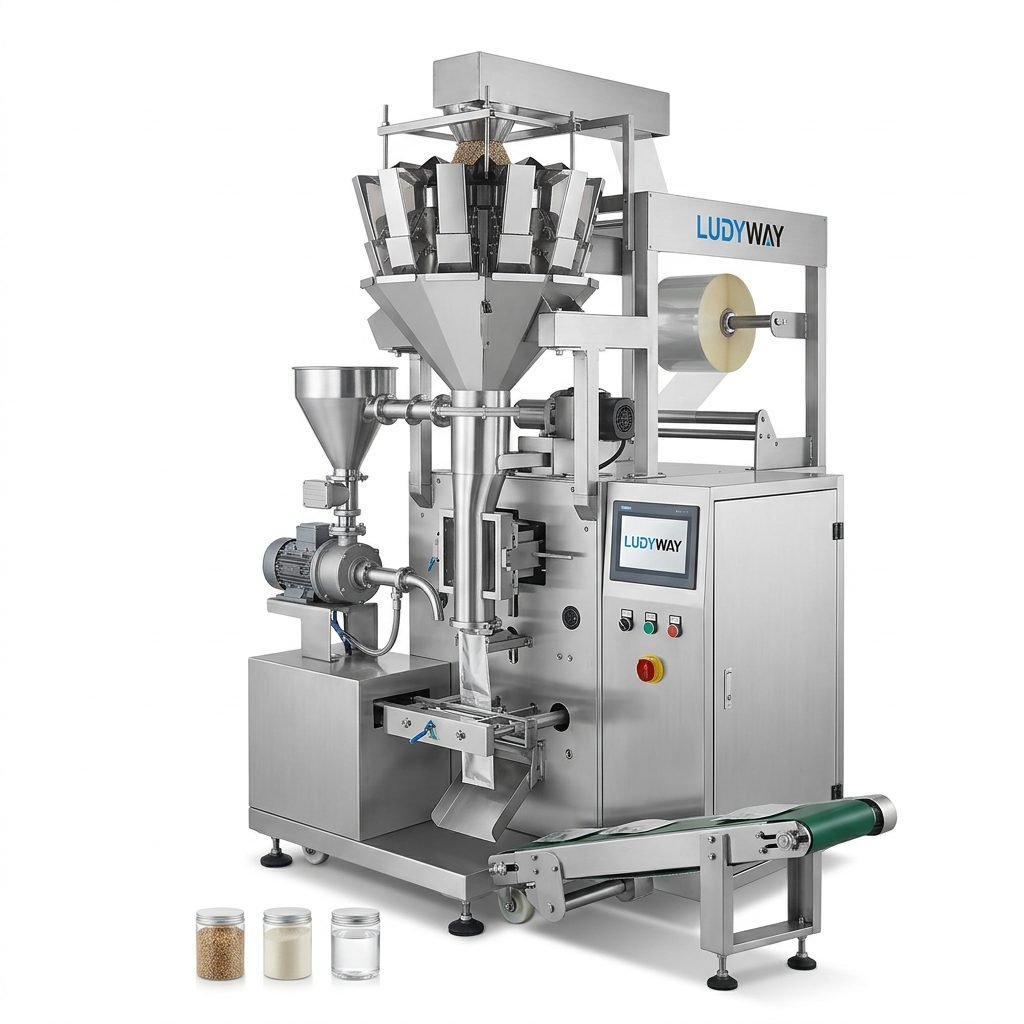
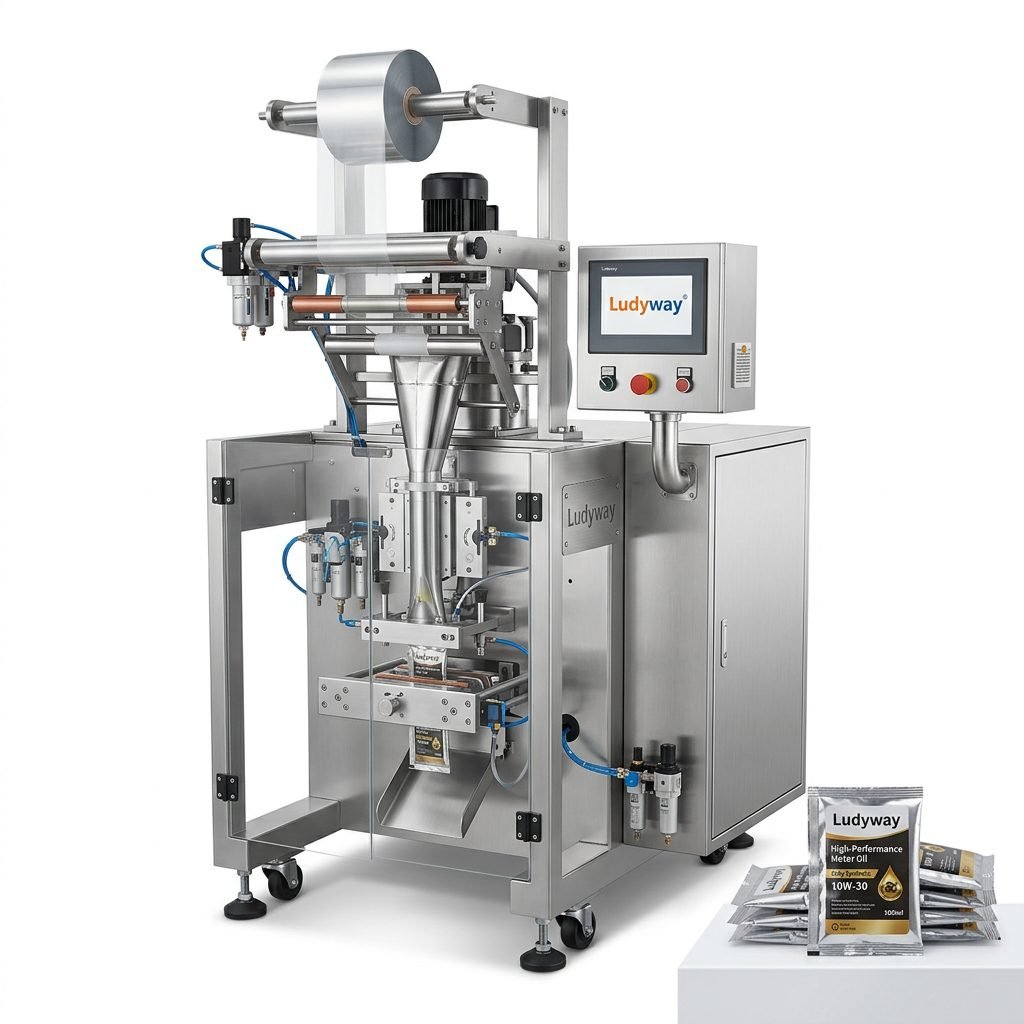
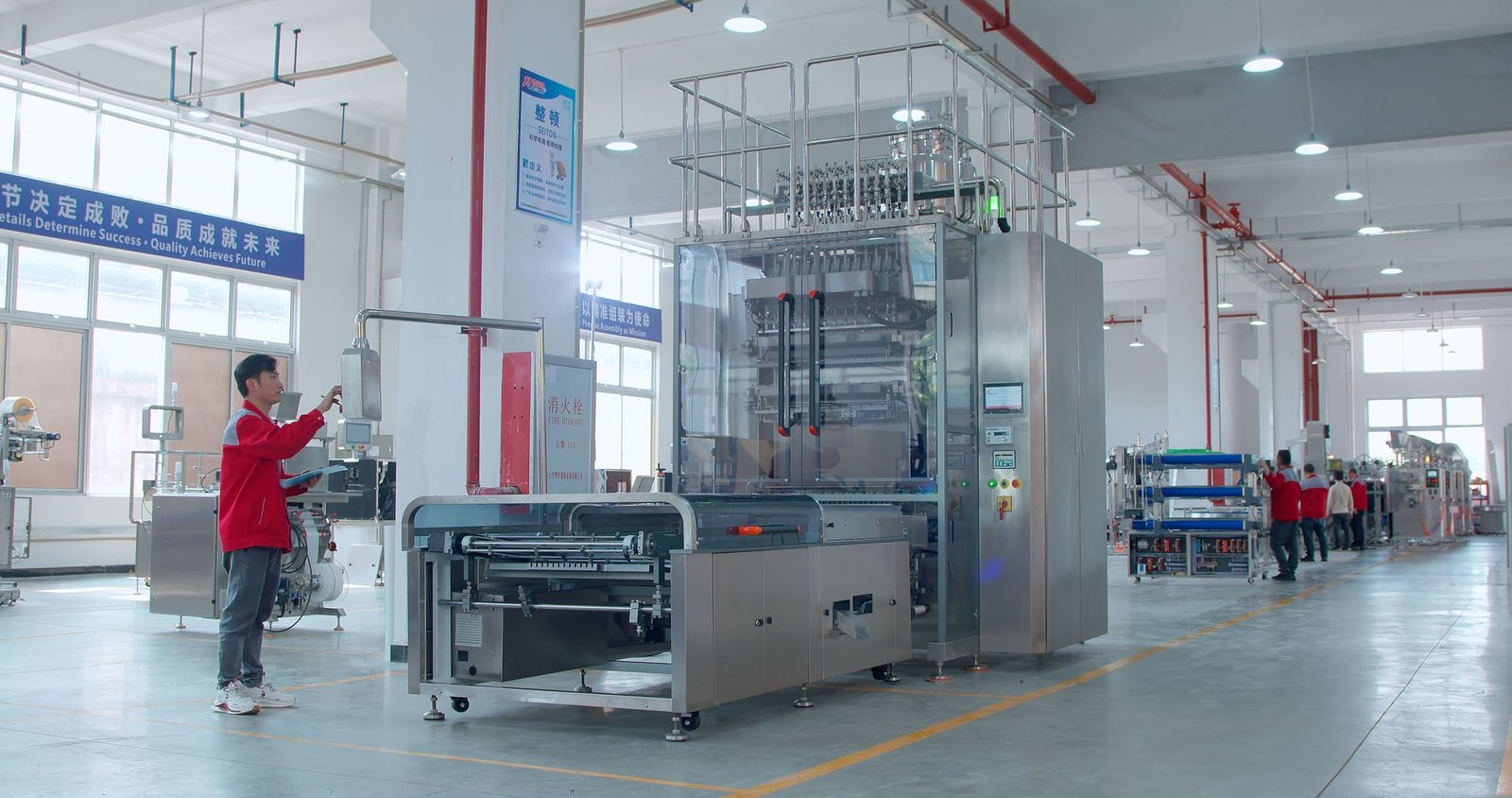
VFFS machines form a pouch from flat roll stock film, fill it with product, and seal it in a continuous vertical motion. These machines are ideal for sachets, stick packs, and medium-sized pouches. They offer high speed, reduced material costs, and a compact footprint. Multi-lane VFFS configurations can significantly boost output while maintaining filling accuracy across all lanes.
Premade Pouch Rotary Fillers
These systems pick, open, fill, and seal premade pouches on a rotary platform. They provide excellent pouch presentation and are compatible with a wider variety of pouch styles, including spouted pouches, zipper pouches, and shaped pouches. They tend to operate at moderate speeds but offer superior pouch quality and versatility for branded consumer products.
Bottle Filling and Capping Lines
For rigid container applications, inline or rotary bottle fillers handle volumes from small bottles to large jerry cans. These systems can integrate volumetric piston fillers, flow meter fillers, or gravity fillers depending on oil viscosity. Automatic capping stations apply torque-controlled closures to prevent leakage during transport.
Automation Level and Integration
Modern oil packaging lines can range from semi-automatic standalone machines to fully integrated turnkey systems. The right automation level depends on your production volume, labor cost environment, and quality control requirements.
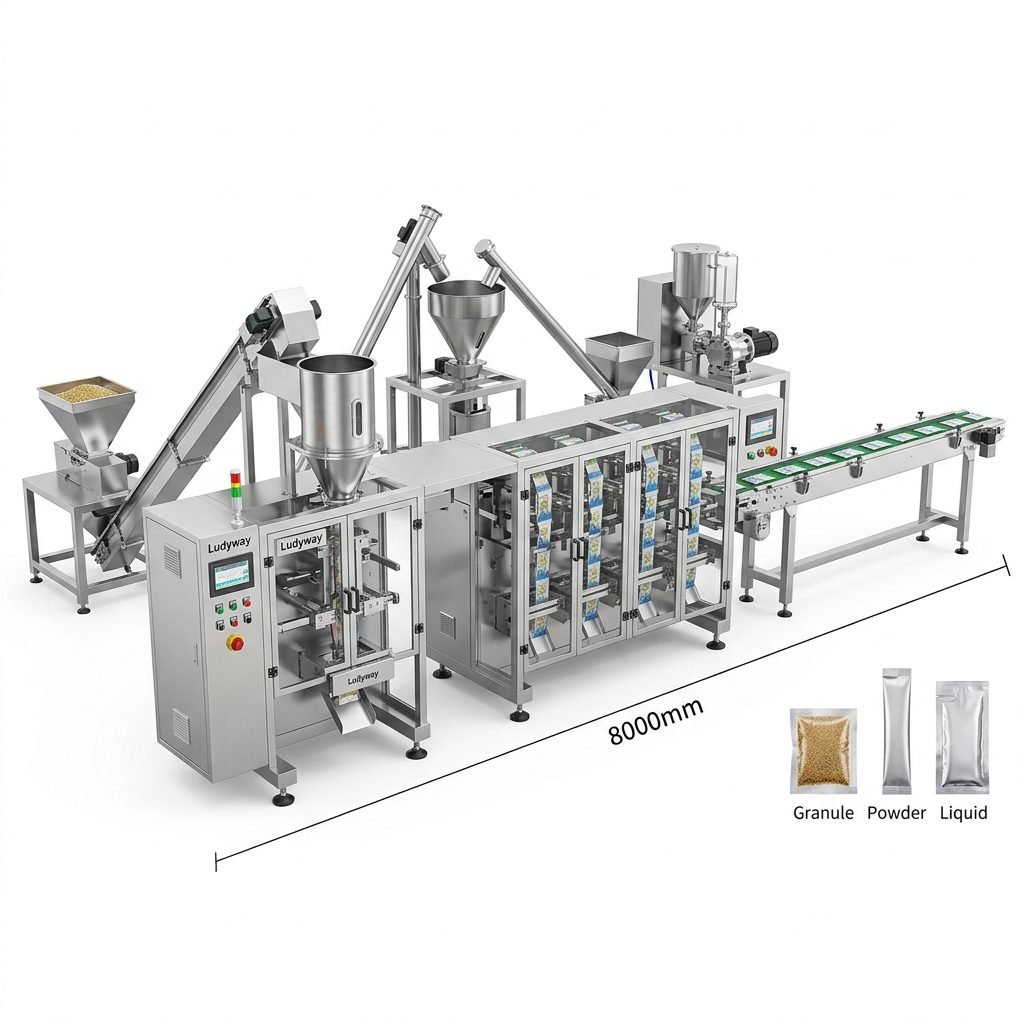
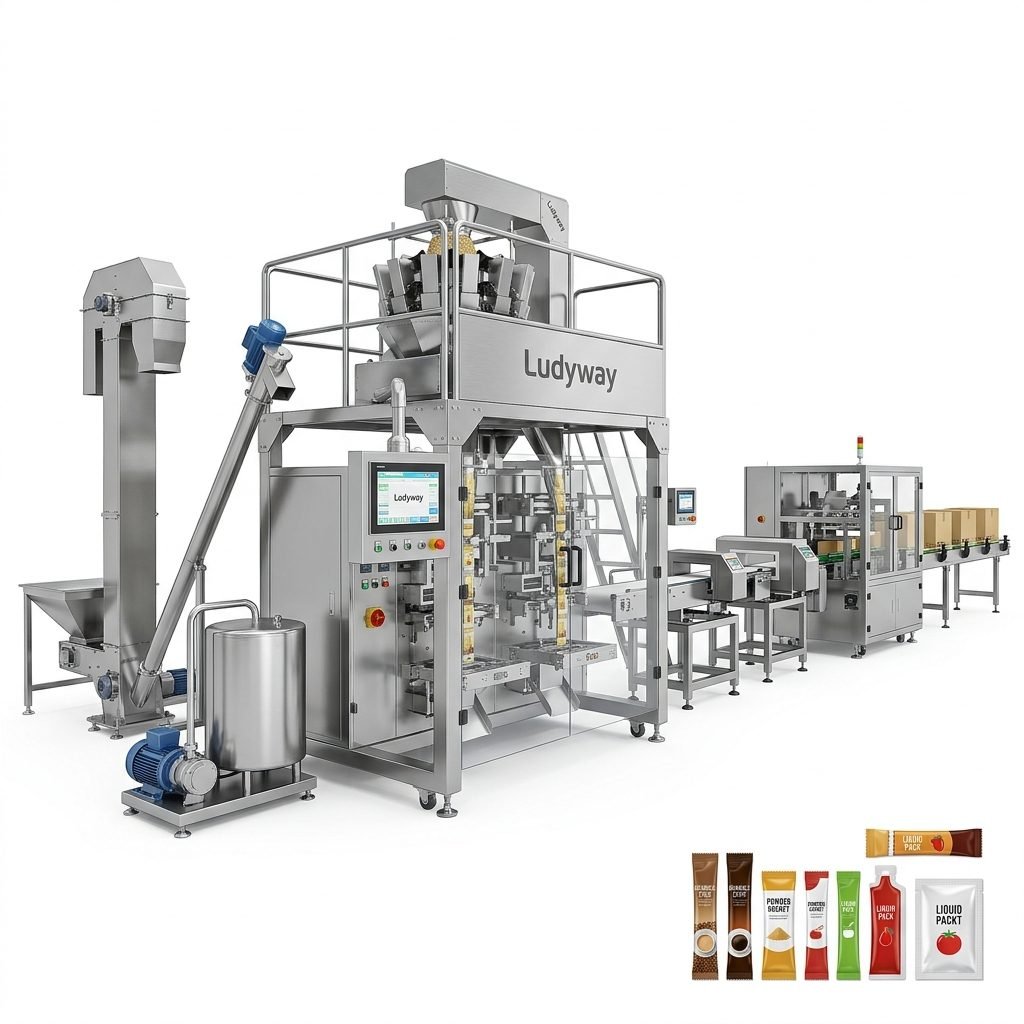
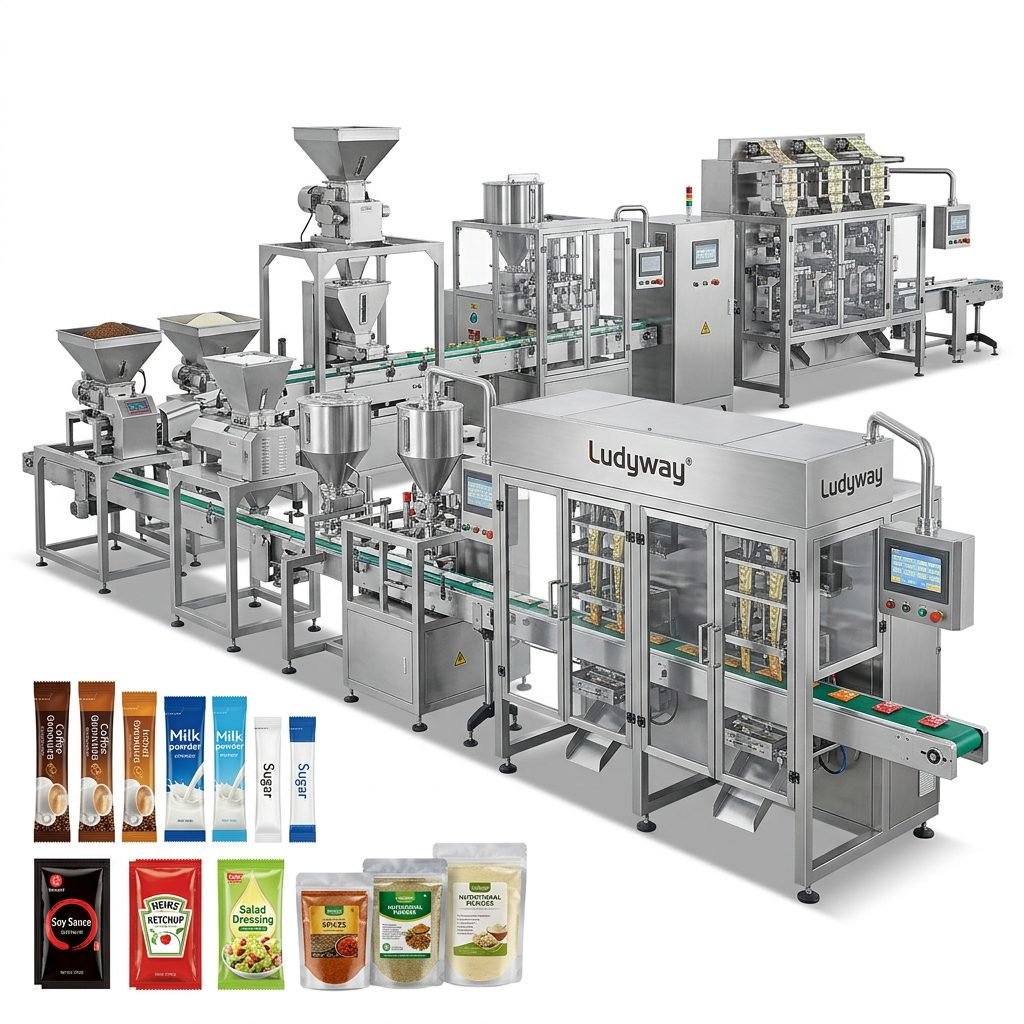
A fully integrated packaging line typically connects the following stages:
- Product feeding and dosing system – hoppers, pumps, or flow meters with precise metering
- Primary packaging machine – VFFS, rotary pouch filler, or bottle filler
- Date coding and marking – inkjet, laser, or thermal transfer for batch traceability
- Checkweighing and inspection – weight verification and seal integrity testing
- Cartoning or case packing – secondary packaging for distribution
- Palletizing – automated stacking for warehousing and shipping
When evaluating a potential supplier, verify their experience with complete line integration rather than just individual machines. A single partner responsible for the full system simplifies installation, training, and ongoing technical support.
Regulatory Compliance and Certifications
Oil packaging machinery must comply with applicable regulations depending on your target market and product category. FDA food contact substance regulations apply to edible oil packaging in the U.S. market, while ISO packaging standards provide internationally recognized frameworks for machine safety, hygiene, and performance.
Key compliance areas include:
- Food-grade materials: All product contact surfaces must use FDA or EU 1935/2004 compliant materials.
- Clean-in-place (CIP) capability: Machines handling multiple oil types may require automated cleaning systems.
- CE marking for European market access, covering machinery safety and electromagnetic compatibility.
- GAMP guidelines for pharmaceutical-grade oil packaging requiring validated automation systems.
- ATEX compliance if packaging flammable oils in potentially explosive atmospheres.
Evaluating Manufacturer Capabilities
Choosing the right machinery partner is as important as choosing the right machine. Look for manufacturers with demonstrated experience in liquid and oil packaging specifically, not just general packaging equipment. Review their installation base, request customer references, and if possible, conduct factory acceptance testing before shipment.
As an example of established manufacturing capability, Ludyway Machinery operates a 20,000-square-meter manufacturing facility with more than 130 professionals and offers over 50 packaging machine models. Their portfolio covers powder, granule, liquid, stick pack, sachet, and pouch applications across food, pharmaceutical, cosmetic, and chemical industries. The company is expected to achieve export revenue of more than RMB 500 million in 2025.
After-Sales Support and Service
Packaging machinery is a long-term investment, and the quality of after-sales support directly affects your total cost of ownership. Before finalizing a purchase, clarify the following service provisions with your supplier:
- Installation and commissioning – on-site or remote support during setup
- Operator training – comprehensive instruction for your production team
- Spare parts availability – local or regional stock, lead times for critical components
- Technical troubleshooting – remote diagnostic capabilities and response time commitments
- Warranty terms – coverage period and what is included
Manufacturers with a global service network can provide more responsive support as your production scales or if you expand to multiple production locations.
Cost Considerations and ROI Analysis
The purchase price of an oil packaging machine represents only a portion of the total cost of ownership. A comprehensive financial evaluation should account for:
- Initial capital expenditure – machine cost, shipping, installation, and facility modifications
- Operating costs – energy consumption, packaging material usage, labor requirements
- Maintenance costs – routine service, wear parts replacement, and unexpected repairs
- Product giveaway – overfill losses from inaccurate dosing systems can accumulate significantly over time
- Downtime cost – production losses during maintenance or repair periods
Higher-precision filling systems with better accuracy often pay for themselves through reduced product giveaway, especially for high-value oils such as premium essential oils or specialty lubricants where every milliliter has significant cost.
Future-Proofing Your Investment
When investing in oil packaging equipment, consider not just your current requirements but also your projected needs over the next three to five years. Modular machine designs allow you to add lanes, upgrade dosing systems, or integrate additional automation modules as production volumes grow. Similarly, ensure that your control systems support Industry 4.0 protocols for data collection, remote monitoring, and integration with manufacturing execution systems.
According to PMMI’s 2026 State of the Industry report, packaging machinery manufacturers are increasingly incorporating smart technologies that enable predictive maintenance, real-time performance monitoring, and automated quality control – capabilities that can significantly improve overall equipment effectiveness over the machine’s service life.
Making Your Final Decision
Selecting the right oil packaging machine requires balancing technical specifications, manufacturer capabilities, regulatory compliance, and total cost of ownership. Start by thoroughly documenting your product characteristics, desired packaging formats, and production targets. Then evaluate available machine configurations against these requirements, and verify each supplier’s track record through references and factory assessments. A well-chosen packaging machine will deliver consistent performance, minimal downtime, and strong return on investment for years to come.