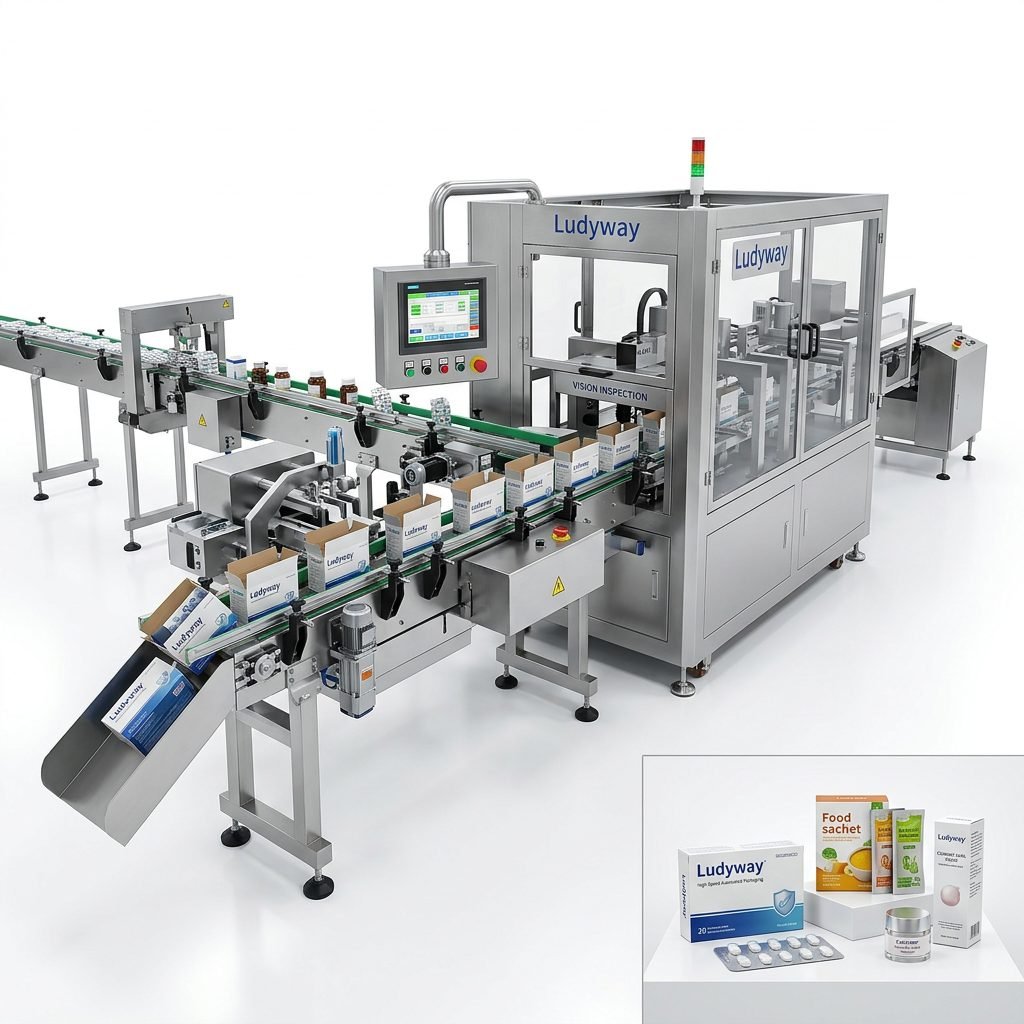
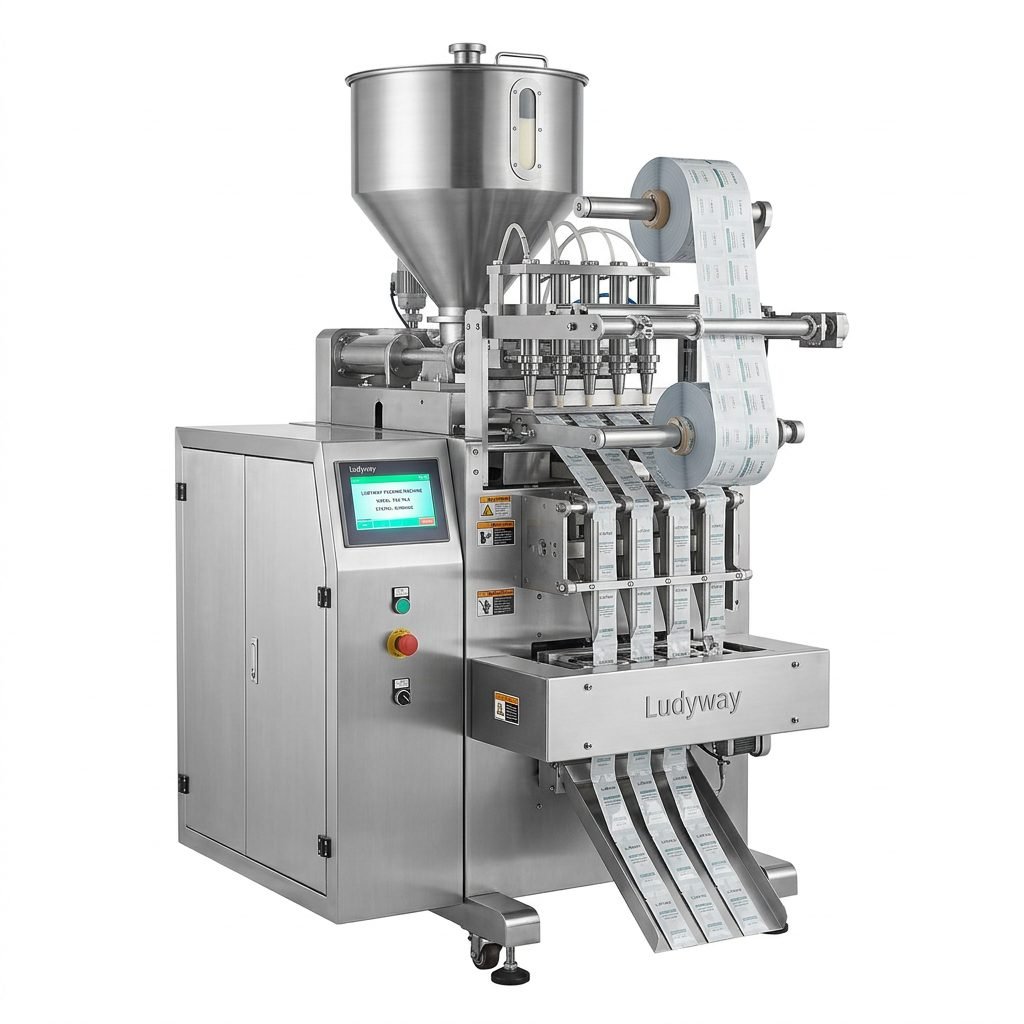
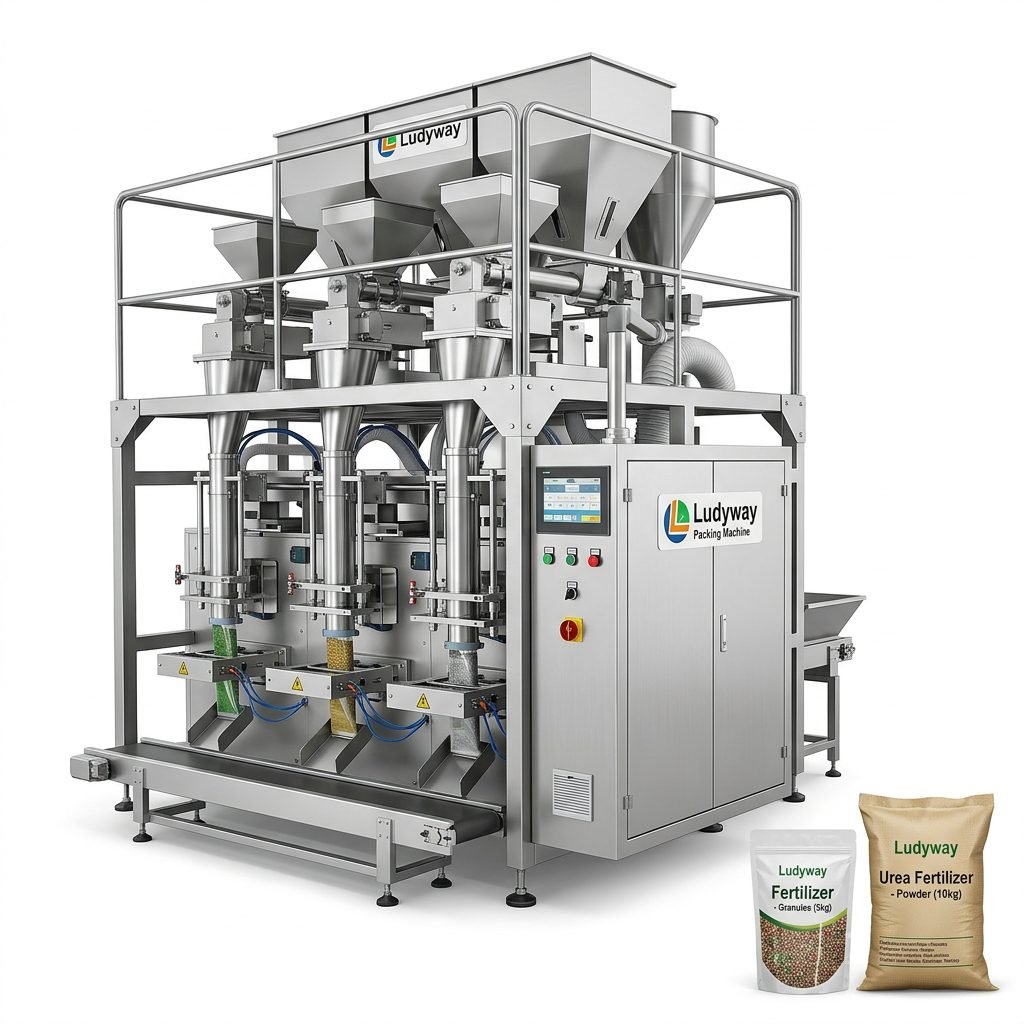
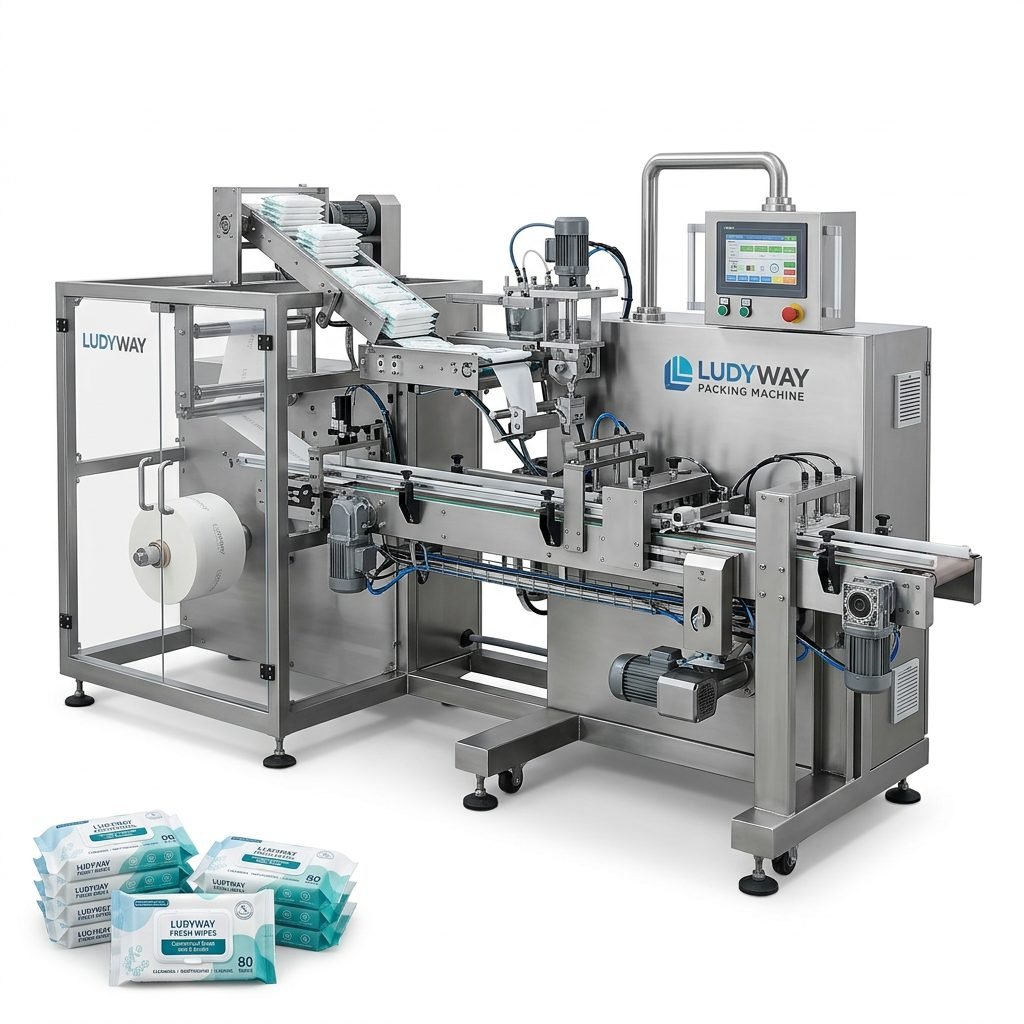
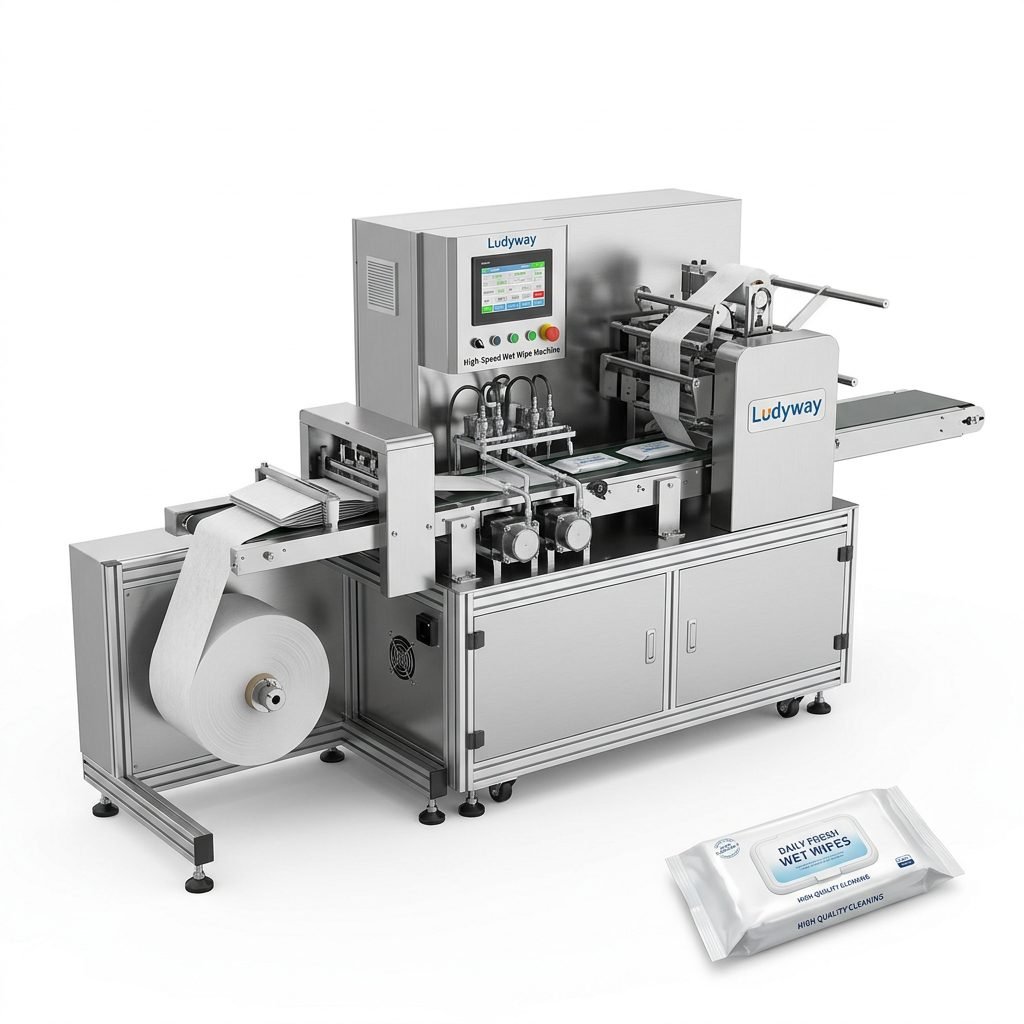
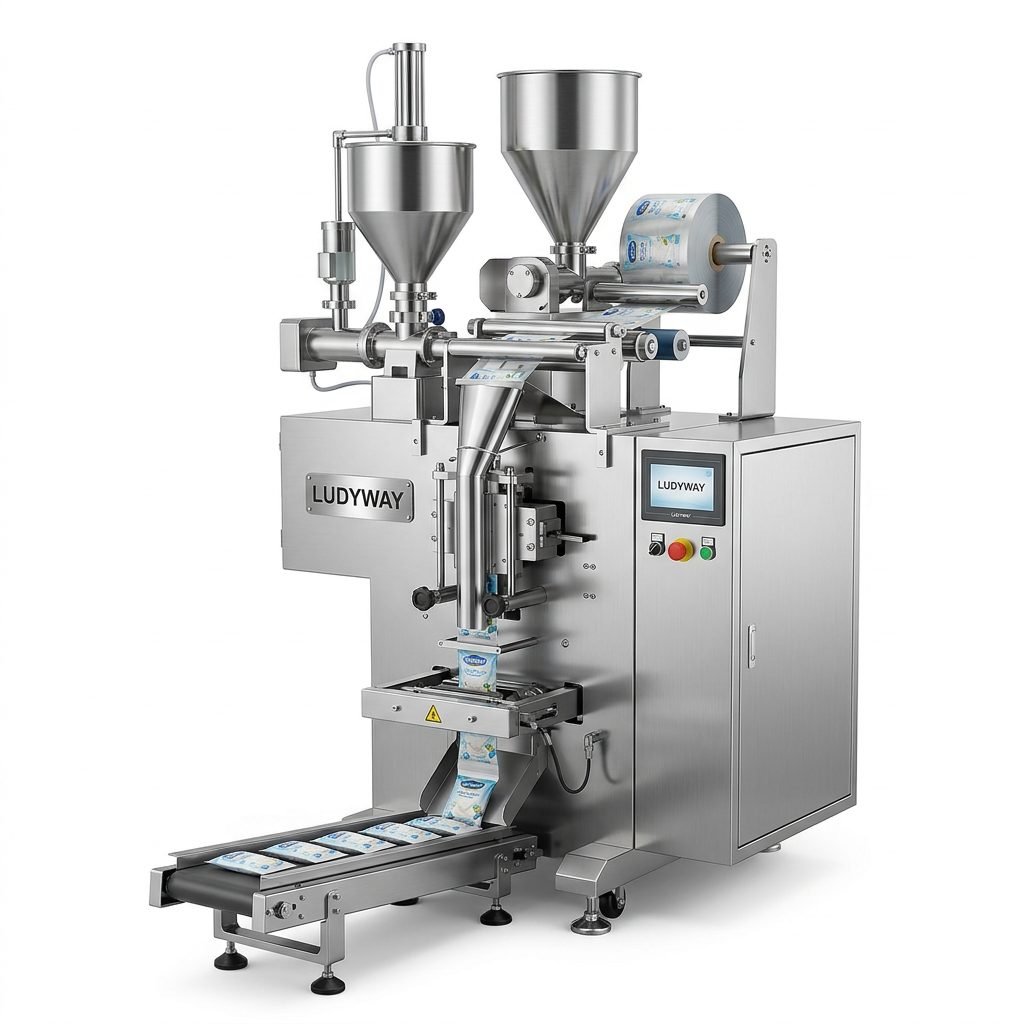
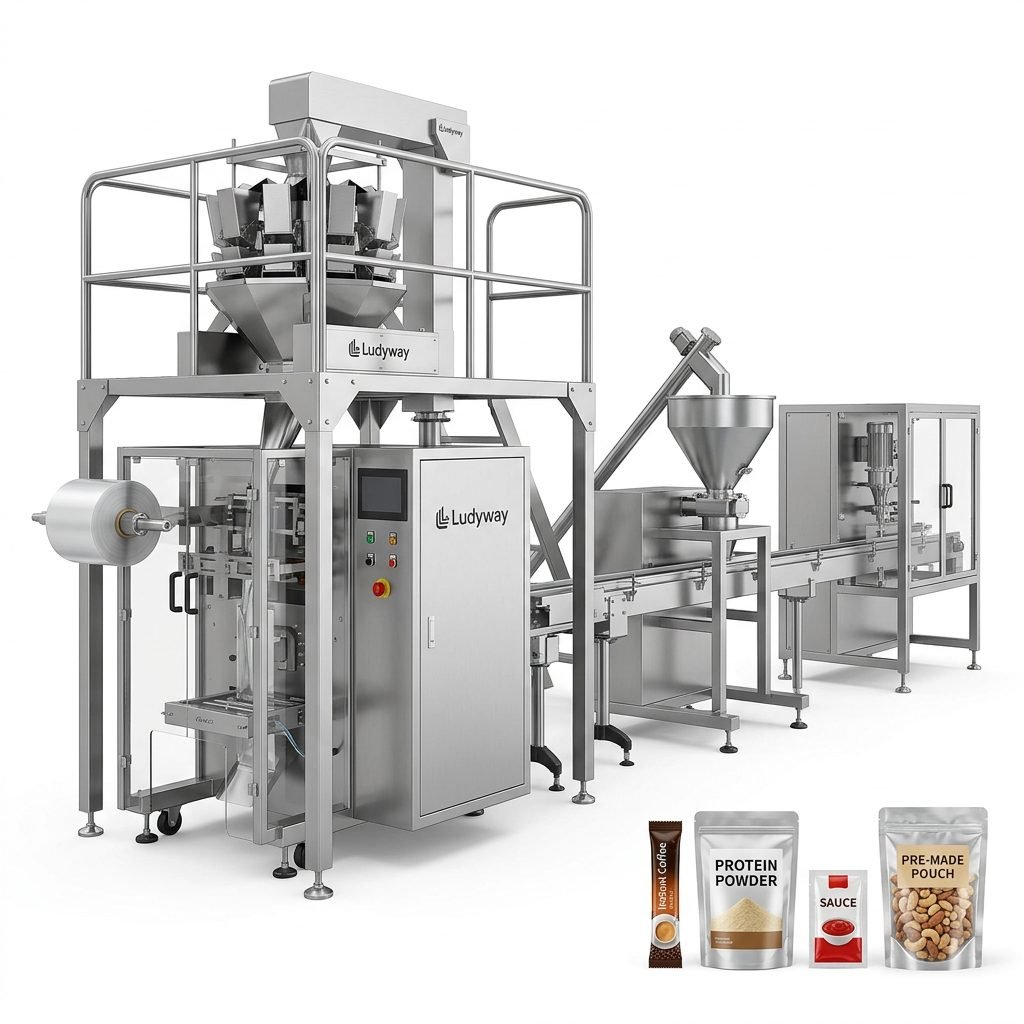
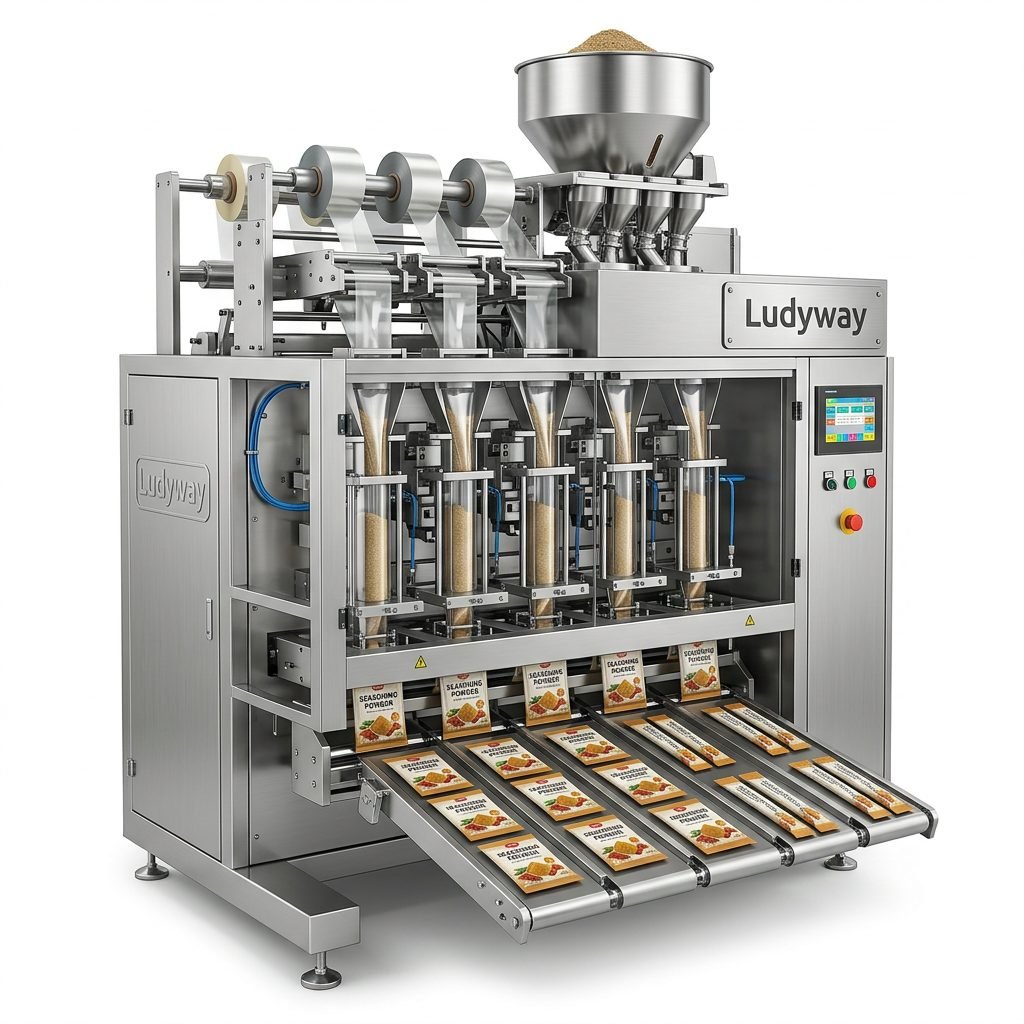
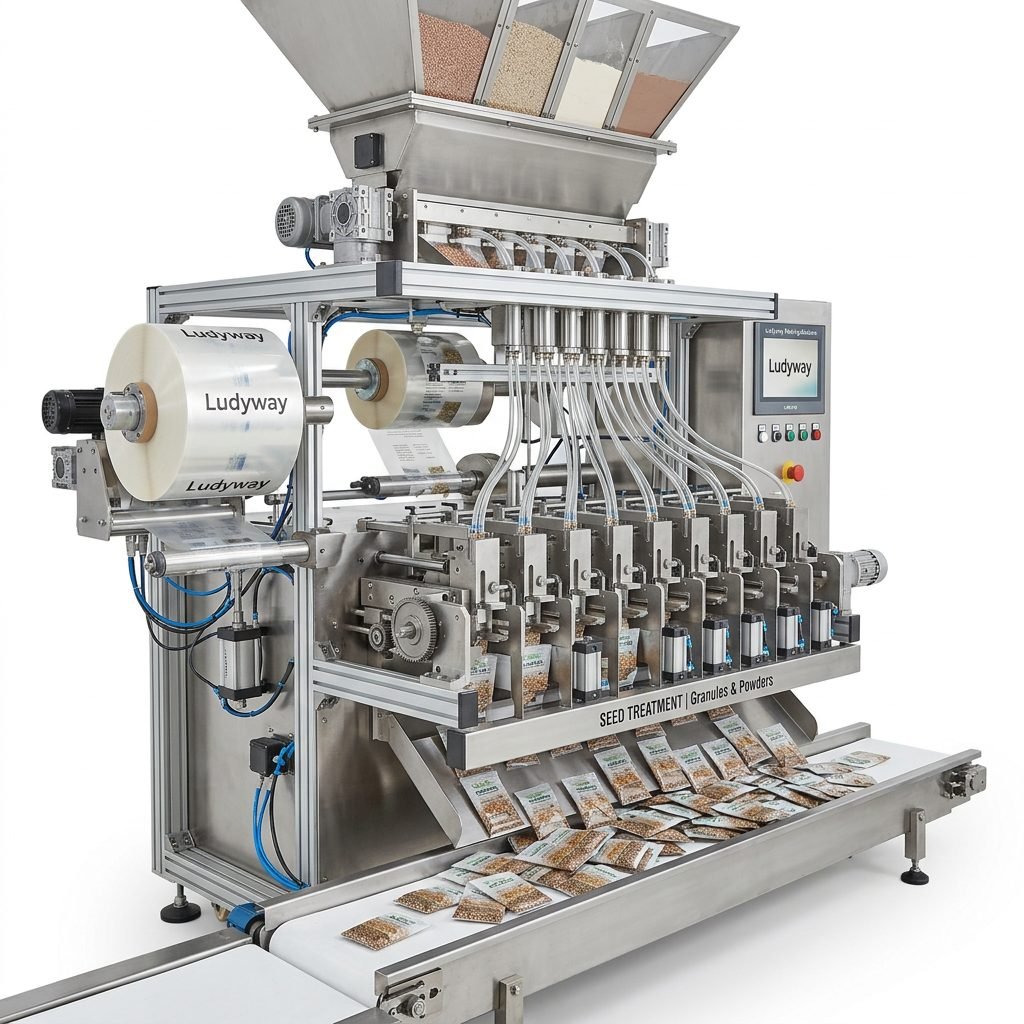
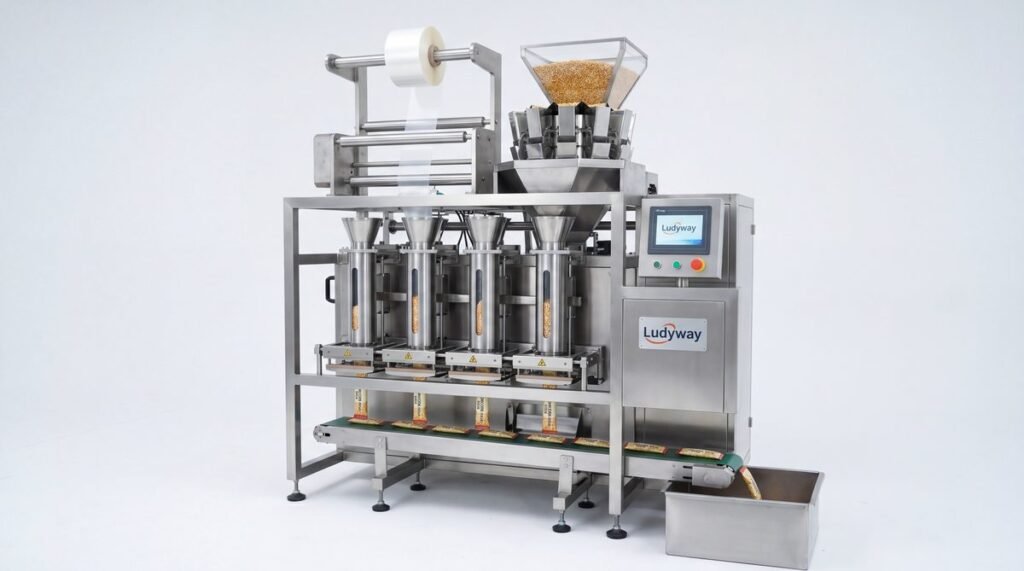
In today’s fast-paced manufacturing landscape, efficiency and consistency are paramount. The fully automatic packaging machine stands as a cornerstone of modern production lines, transforming how products are prepared for market. This sophisticated equipment handles the entire packaging process—from feeding and measuring to sealing and discharging—without manual intervention. By integrating advanced robotics, precision sensors, and intelligent control systems, these machines ensure high-speed, accurate, and hygienic packaging operations. They are indispensable in industries where volume, speed, and product integrity are critical, such as food, pharmaceuticals, and consumer goods.
How a Fully Automatic Packaging Machine Works
The operation of a fully automatic packaging machine is a seamless orchestration of mechanical and electronic components. The process typically begins with a product feeding system that delivers raw materials—be they granules, powders, liquids, or solids—to the machine’s hopper. From there, a precision dosing or filling mechanism measures the exact amount of product. This is often achieved through auger fillers, volumetric cups, or advanced liquid pumps, ensuring remarkable accuracy that minimizes waste and maximizes cost-efficiency.
Next, the packaging film, usually supplied from a large roll, is formed into a tube or pouch around the product filler. The machine then creates the package seals. Modern machines utilize servo-driven sealing jaws that apply precise heat and pressure, creating strong, consistent, and tamper-evident seals. Finally, the finished packages are cut and discharged onto a conveyor belt for collection or secondary packaging. The entire cycle is governed by a Programmable Logic Controller (PLC) and a user-friendly Human-Machine Interface (HMI), allowing operators to monitor performance, adjust parameters, and diagnose issues in real-time.
Core Components and Their Roles
Understanding the key components demystifies the machine’s reliability:
- PLC & Control Panel: The brain of the operation, executing programmed sequences.
- Servo Motors: Provide precise control over movement, speed, and positioning.
- Vision Inspection Systems: Optional modules that check for fill levels, seal integrity, and print registration.
- Product Feeding & Dosing Unit: Ensures consistent and accurate product delivery.
Key Features of Modern Automatic Packaging Machines
Contemporary fully automatic packaging machines are packed with features designed to boost productivity and adaptability.
1. High-Speed Operation and Precision
Speed is a defining characteristic. Advanced models can produce hundreds of packages per minute. More importantly, this speed does not compromise accuracy. Microprocessor-controlled dosing systems ensure each package contains the exact specified weight or volume, complying with stringent regulatory standards and reducing giveaway.
2. Flexibility and Quick Changeover
Market demands change rapidly. Modern machines offer exceptional flexibility, allowing quick changeovers between different package sizes, shapes, and materials. Tool-less adjustments via the HMI and recipe storage functions mean switching production from one product to another can take minutes, not hours, maximizing uptime.
3. Robust Hygiene and Safety Design
Especially crucial for food and pharmaceutical applications, these machines are constructed with food-grade stainless steel, feature smooth surfaces to prevent bacterial harborage, and often include CIP (Clean-in-Place) systems. Safety guards, interlocks, and emergency stops protect operators, ensuring a safe working environment.
4. Advanced Connectivity and Industry 4.0 Integration
The modern packaging machine is a data hub. With IoT connectivity, OPC-UA, and Ethernet/IP protocols, it seamlessly integrates into smart factories. It can feed real-time data on production counts, efficiency (OEE), maintenance alerts, and quality metrics to central MES or ERP systems like Ludyway’s integrated solutions, enabling predictive maintenance and data-driven decision-making.
Benefits for Your Production Line
Investing in a fully automatic packaging system delivers transformative advantages across your entire operation.
Substantial Increase in Productivity
Automation eliminates the speed limitations and variability of manual labor. Machines operate continuously at optimized speeds, dramatically increasing output. This allows you to meet higher demand, fulfill large orders faster, and scale your business without proportionally increasing labor costs.
Unmatched Consistency and Quality Assurance
Human error in filling, sealing, or labeling is virtually eliminated. Every package is identical, which is vital for brand reputation and consumer trust. Integrated checkweighers and vision systems act as a final quality checkpoint, automatically rejecting any substandard packages. This level of control is essential for industries with strict compliance requirements.
Significant Reduction in Operational Costs
While the initial investment is notable, the long-term savings are compelling. Automation reduces direct labor costs associated with manual packaging. It minimizes material waste through precise dosing and lowers costs related to product giveaway, rework, and customer returns due to packaging defects.
Enhanced Workplace Safety and Hygiene
By automating repetitive and potentially strenuous tasks, the risk of repetitive strain injuries among workers is reduced. Enclosed systems also minimize direct contact between operators and products, which is a critical hygiene benefit in food and pharmaceutical processing, as highlighted in our industry solutions.
Improved Sustainability
Precision dosing means less product and packaging material is wasted. Furthermore, many modern machines are designed to handle recyclable or biodegradable films, helping companies meet their sustainability goals and respond to eco-conscious consumer preferences.
Choosing the Right Machine for Your Needs
Selecting the ideal automatic packaging machine requires careful analysis. Key considerations include the physical characteristics of your product (free-flowing, viscous, abrasive), your required output speed, the type of packaging material (laminate, film, paper), and the level of integration needed with upstream and downstream equipment. Partnering with an experienced provider like Ludyway Machinery, which offers extensive technical support and customization, is crucial to ensure the system is perfectly tailored to your specific production line and future growth plans.
Frequently Asked Questions (FAQs)
What is the typical ROI period for a fully automatic packaging machine?
The return on investment depends on factors like production volume, labor cost savings, and reduction in waste. For many medium to high-volume producers, ROI can often be achieved within 12 to 24 months through dramatic increases in output efficiency and significant operational cost reductions.
Can these machines handle different package sizes on the same production line?
Yes, most modern machines are designed for flexibility. With quick-change tooling and digital recipe storage, operators can switch between different package formats (e.g., from 10g sachets to 50g pouches) in a matter of minutes, minimizing downtime and enabling small-batch production runs.
How difficult is it to maintain an automatic packaging machine?
Modern machines are built for reliability and ease of maintenance. Daily and weekly cleaning and lubrication routines are straightforward. Predictive maintenance features alert operators to potential issues before they cause downtime. Comprehensive training and support from the supplier ensure your team can handle routine upkeep confidently.
Are automatic packaging machines suitable for small businesses?
Absolutely. The market offers a range of models, from compact, semi-automatic benchtop units to fully integrated high-speed lines. For a small business with growing demand, a modest automatic machine can be a strategic investment that standardizes quality and frees up owner/operator time for other business-critical tasks.
What kind of training is required for operators?
Reputable suppliers provide comprehensive training covering machine operation, basic troubleshooting, routine maintenance, and safety procedures. The intuitive HMI touchscreens make the learning curve manageable. With proper training, operators can become proficient in running and monitoring the machine efficiently within a short period.