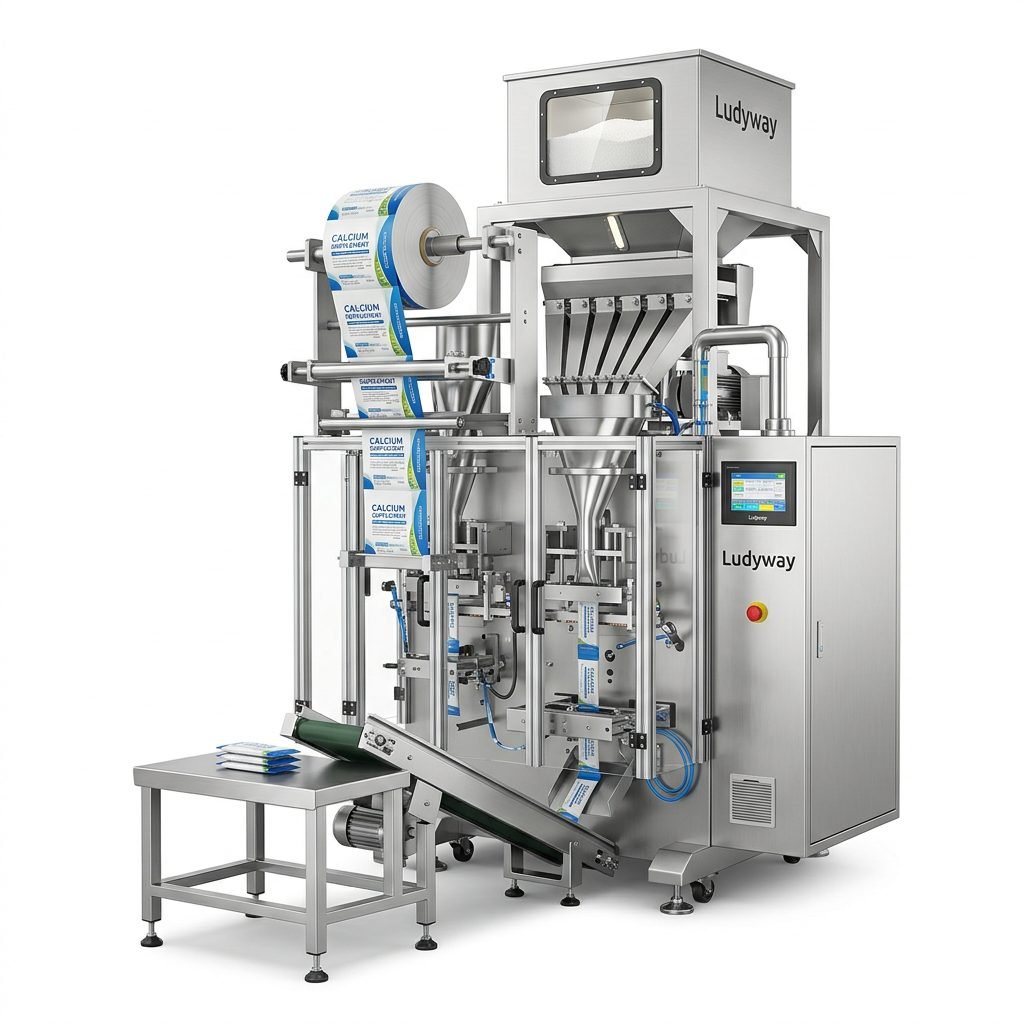
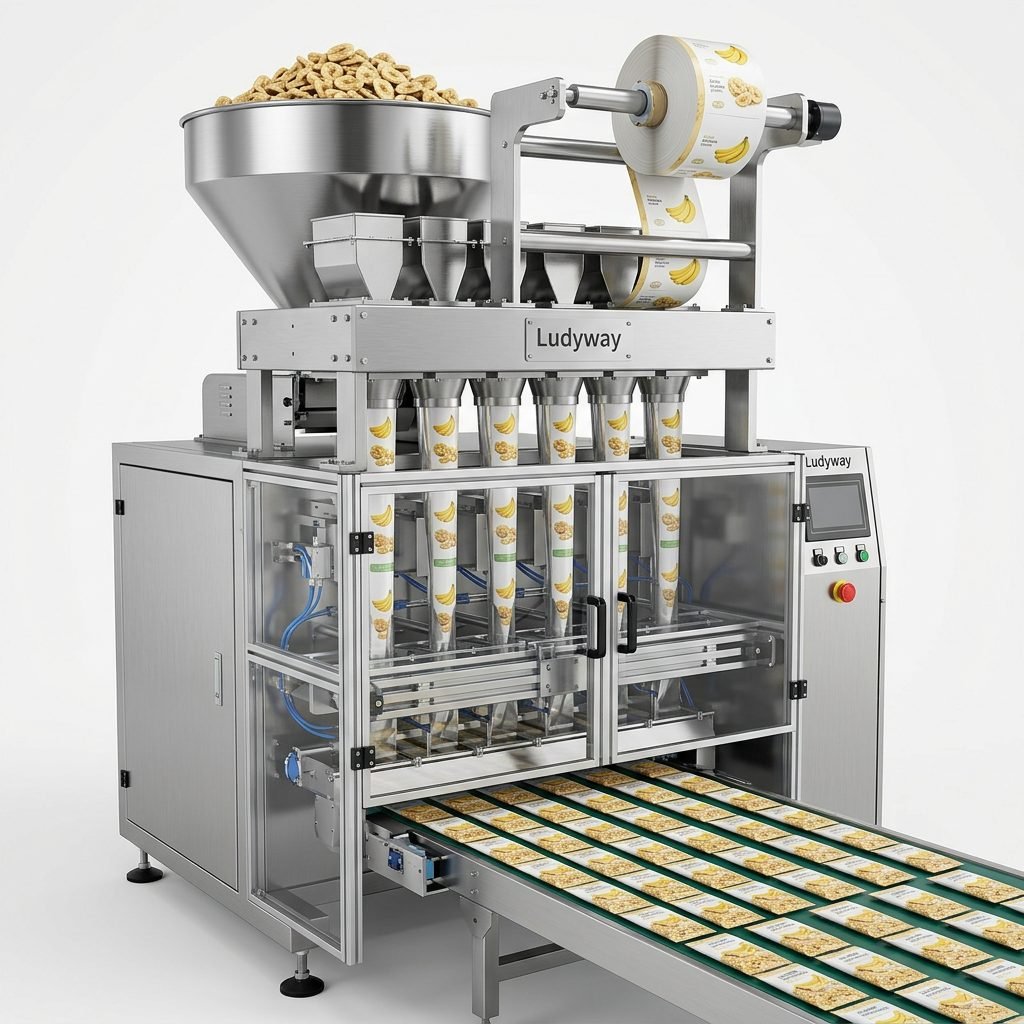
Gable top packaging machines are specialized equipment designed to form, fill, and seal gable top cartons, commonly used for liquid products like milk, juice, and soups. This guide provides a comprehensive overview of their types, working principles, applications, and essential buying considerations.
Understanding Gable Top Packaging
The iconic gable top carton, named for its distinctive peaked roof, is a staple in the liquid packaging industry. Its design offers excellent stackability, a convenient pouring spout, and strong brand recognition. The machinery that produces these cartons is a marvel of precision engineering, transforming flat, pre-printed carton blanks into sealed, filled containers ready for distribution.
Key Advantage: Gable top packaging is highly favored for its sustainability profile, as the cartons are primarily made from renewable paperboard and are widely recyclable in many regions.
Primary Types of Gable Top Packaging Machines
Machines vary based on automation level, speed, and specific application needs. The main categories include:
1. Manual & Semi-Automatic Machines
Ideal for low-volume production, pilot plants, or specialty products. Operators manually load carton blanks, and the machine handles the forming, filling, and sealing. They offer lower initial investment and flexibility for short runs.
2. Fully Automatic Linear Machines
The most common type for medium to high-volume lines. Carton blanks are automatically fed from a magazine. The linear system moves them through a series of stations: forming, bottom heating, bottom sealing, filling, top folding, and top sealing. They are known for reliability and ease of operation.
3. Fully Automatic Rotary Machines
Designed for very high-speed production (e.g., dairies). Cartons are mounted on a rotating carousel, undergoing each processing step simultaneously at different stations. This continuous motion allows for significantly higher output compared to linear models.
4. Aseptic Gable Top Machines
These advanced systems sterilize both the carton material and the product before filling in a sterile environment. This process, often using hydrogen peroxide or steam, allows products to be stored without refrigeration for several months, extending shelf life dramatically.
Core Working Principle and Process Flow
The packaging process is a synchronized sequence of mechanical and thermal actions. Here’s a step-by-step breakdown:
Process Step-by-Step:
1. Carton Erection: Flat, die-cut blanks are picked from a magazine and opened into a rectangular sleeve.
2. Bottom Heating & Sealing: The lower flaps are heated, folded inward, and pressed to create a liquid-tight seal.
3. Product Filling: The open-top carton is positioned under filling nozzles. Volumetric or level-sensing fillers ensure accurate dosing.
4. Top Folding & Sealing: The gable top is formed by folding the upper flaps. The final peaks are heated and sealed under pressure.
5. Discharge & Coding: Finished cartons are discharged onto a conveyor, often passing through a date/batch coder.
Critical Machine Components
Understanding key components helps in evaluating machine quality:
▶ Carton Magazine: Holds the stack of blanks; requires smooth feeding to prevent jams.
▶ Forming Mandrel: The mold around which the carton is shaped; precision is critical for consistent carton geometry.
▶ Filling System: Can be piston, pump, or gravity-based. Must be compatible with product viscosity (e.g., thin juice vs. viscous yogurt).
▶ Sealing Jaws: Apply heat and pressure to activate the polyethylene coating and create seals; temperature control is vital.
▶ PLC Control System: The machine’s brain, managing all functions, recipes, and diagnostics for operational efficiency.
Industry Applications and Product Suitability
Gable top packaging is versatile, serving numerous sectors:
Dairy Industry: The largest application area for milk, cream, buttermilk, and drinkable yogurts. Machines must handle high speeds and rigorous hygiene standards.
Juice & Beverage: Used for fresh, chilled, or pasteurized juices, iced teas, and plant-based milks (soy, almond, oat).
Liquid Food Products: Ideal for soups, broths, sauces, and edible oils. Some models can handle particulates.
Other Liquids: Includes automotive fluids (in specialized cartons), liquid eggs, and certain household chemicals.
Essential Buying Tips for Your Investment
Selecting the right machine requires careful analysis of your specific needs.
1. Assess Your Production Requirements
Define your output speed (cartons per hour), product type(s), carton size range, and required shelf life (ambient vs. chilled). This will narrow down machine type (e.g., linear vs. rotary, standard vs. aseptic).
2. Prioritize Hygiene and Construction
For food and dairy, machines should have food-grade contact surfaces (stainless steel), easy-clean designs (CIP/SIP capabilities), and comply with relevant standards (e.g., FDA, EHEDG). Robust frame construction ensures long-term stability.
3. Evaluate Flexibility and Changeover
If you run multiple products or carton sizes, check the changeover time and complexity. Look for quick-release parts and tool-less adjustments to minimize downtime.
4. Analyze Total Cost of Ownership (TCO)
Look beyond the purchase price. Consider energy consumption, spare part costs and availability, required operator skill level, and the supplier’s reputation for after-sales service and technical support. A reliable partner like Ludyway Machinery, with decades of industry experience, can provide significant long-term value.
5. Request a Product Test
Always test your actual product and carton material on the machine before purchase. This validates filling accuracy, seal integrity, and overall line performance.
Pro Tip: Focus on Support
The machine is just one part of the solution. Ensure your supplier offers comprehensive training, clear documentation, readily available spare parts, and responsive technical support. This is crucial for maximizing uptime and productivity over the machine’s lifespan. Explore the engineering expertise behind reliable solutions by reviewing our company profile.
Frequently Asked Questions (FAQs)
What is the typical speed range for a gable top machine?
Speeds vary widely. Semi-automatic machines may produce 500-1,500 cartons/hour, while fully automatic linear machines range from 2,000 to 6,000 cph. High-speed rotary machines can exceed 10,000 cartons per hour.
Can one machine handle different carton sizes?
Yes, most machines are capable of running multiple sizes (e.g., pint, quart, half-gallon). However, changing sizes requires a changeover process involving different forming mandrels, fillers, and sometimes conveyors. The ease and speed of this changeover is a key differentiator between models.
What maintenance is required for these machines?
Daily cleaning and lubrication of specific points are essential. Regular maintenance includes checking seal jaw temperatures, inspecting and replacing worn seals and gaskets, and verifying the accuracy of the filling system. A preventive maintenance schedule from the manufacturer should be strictly followed.
What is the difference between standard and aseptic gable top packaging?
Standard packaging is for chilled, short-shelf-life products. The carton is not commercially sterile. Aseptic packaging involves sterilizing the carton material and product separately, then filling and sealing in a sterile environment, allowing the product to be stored at ambient temperature for 6-12 months without preservatives.
How do I choose between a linear and a rotary machine?
The choice is primarily driven by required output and floor space. Linear machines are generally simpler, easier to maintain, and suitable for most medium-volume needs. Rotary machines are for very high-volume, single-product lines where maximum speed is critical, but they typically have a higher capital cost and require more space. For a deeper understanding of tailored solutions, learn about our development history in providing customized automation.