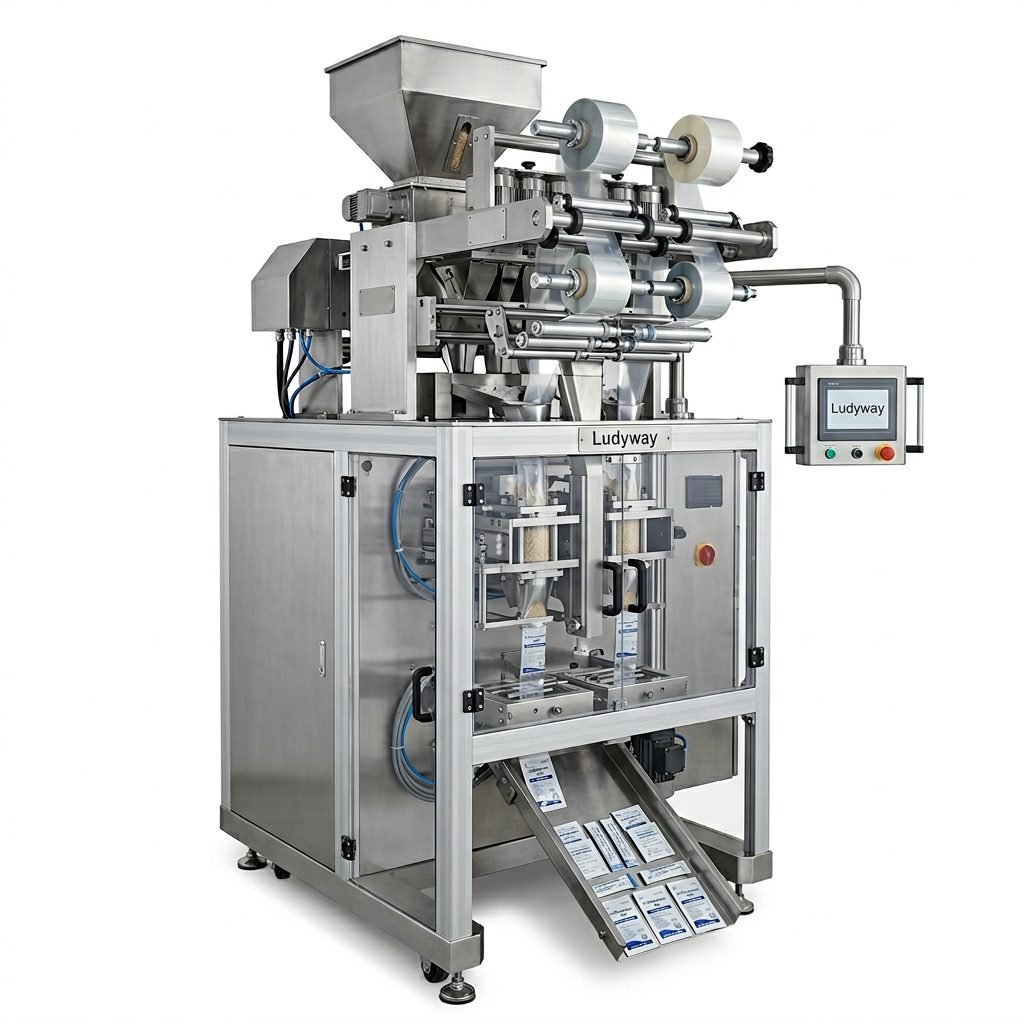
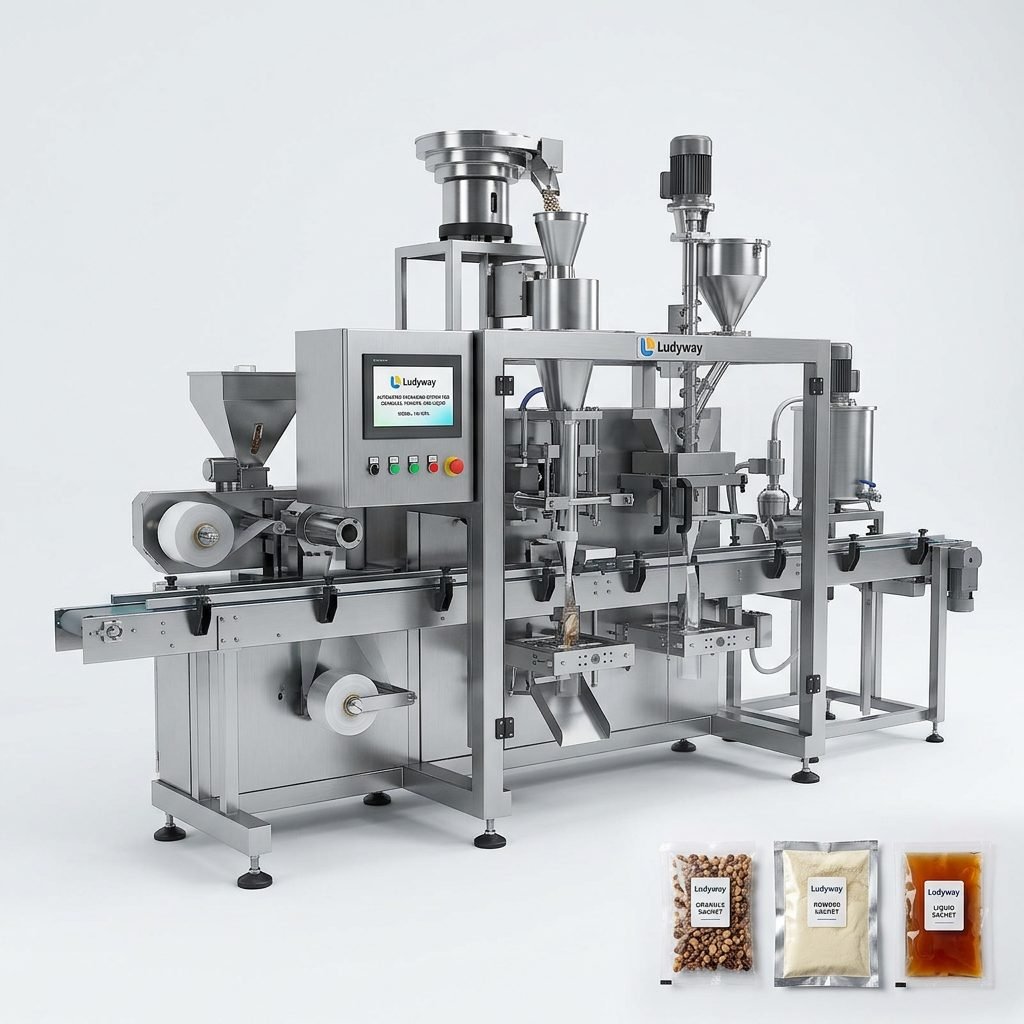
When sourcing packaging machinery for a business in Kuwait, you face a market that blends rapid industrial growth with strict quality expectations. The food, pharmaceutical, and health supplement sectors are expanding, driven by a young, tech‑savvy population and a strong import culture. Local buyers often seek machines that can handle desert climate conditions, high humidity, and voltage fluctuations. Choosing the right manufacturer is not just about the machine – it is about long‑term reliability, local support capability, and the ability to deliver complete packing lines. Below we break down the key factors every Kuwaiti buyer should evaluate before making a decision.
1. Machine Quality & Reliability for Kuwait’s Operating Environment
Kuwait’s ambient temperature can exceed 50°C in summer, while dust and sand are common in many industrial zones. A reliable packaging machine must have robust electrical components, proper sealing against dust ingress, and cooling systems that prevent overheating. Stainless steel frames, IP54 or higher protection, and CE/UL certifications are strong indicators of durability. Ask the manufacturer about their machine’s performance in Middle Eastern conditions and request references from clients in similar climates.
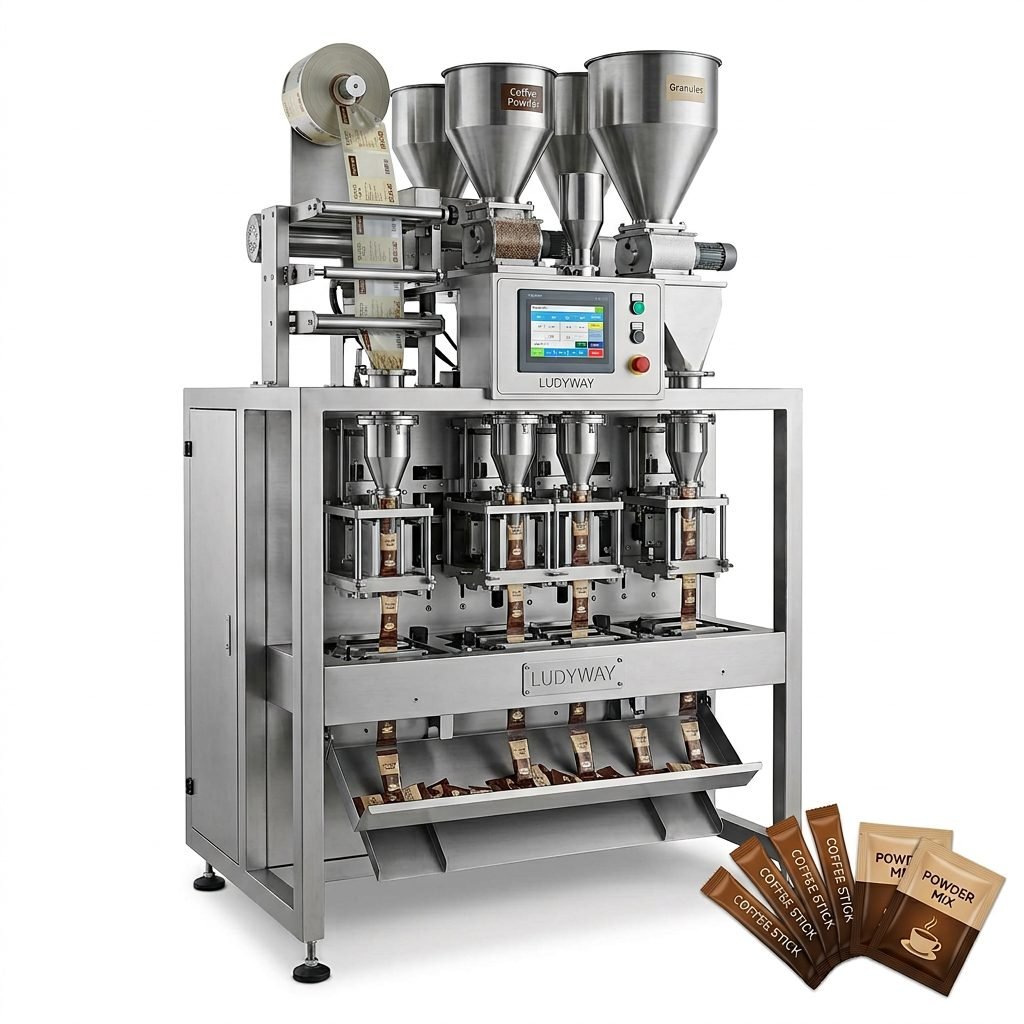
2. Industry Experience & Export Footprint
A manufacturer with more than 20 years of export experience has likely dealt with the logistical and technical challenges of shipping to the Middle East. Companies like Ludyway (founded 1993, over 30 years of experience) and Packmate Machinery have established export networks covering Kuwait and neighboring countries. Check their market share in the region – a supplier that already serves local partners understands documentation, customs clearance, and spare parts logistics.
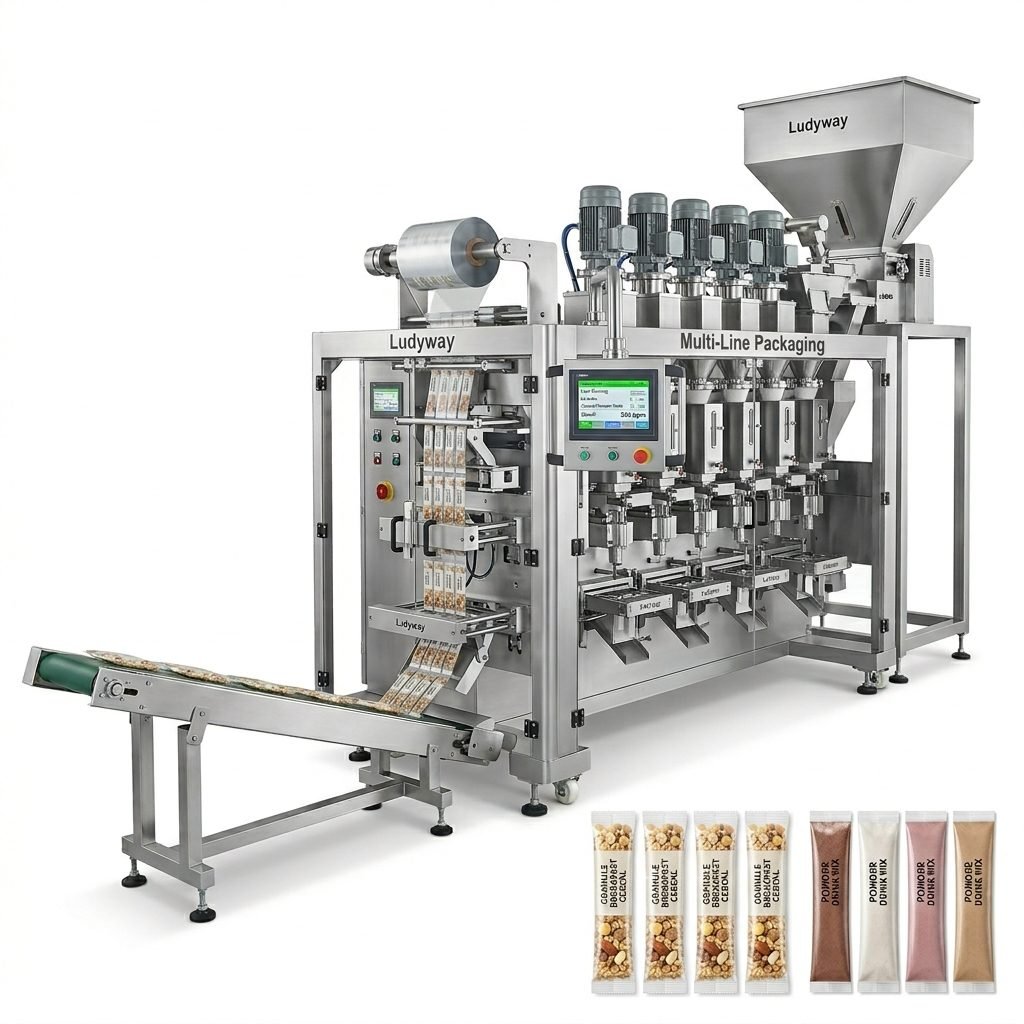
3. Product Range & Customisation Capability
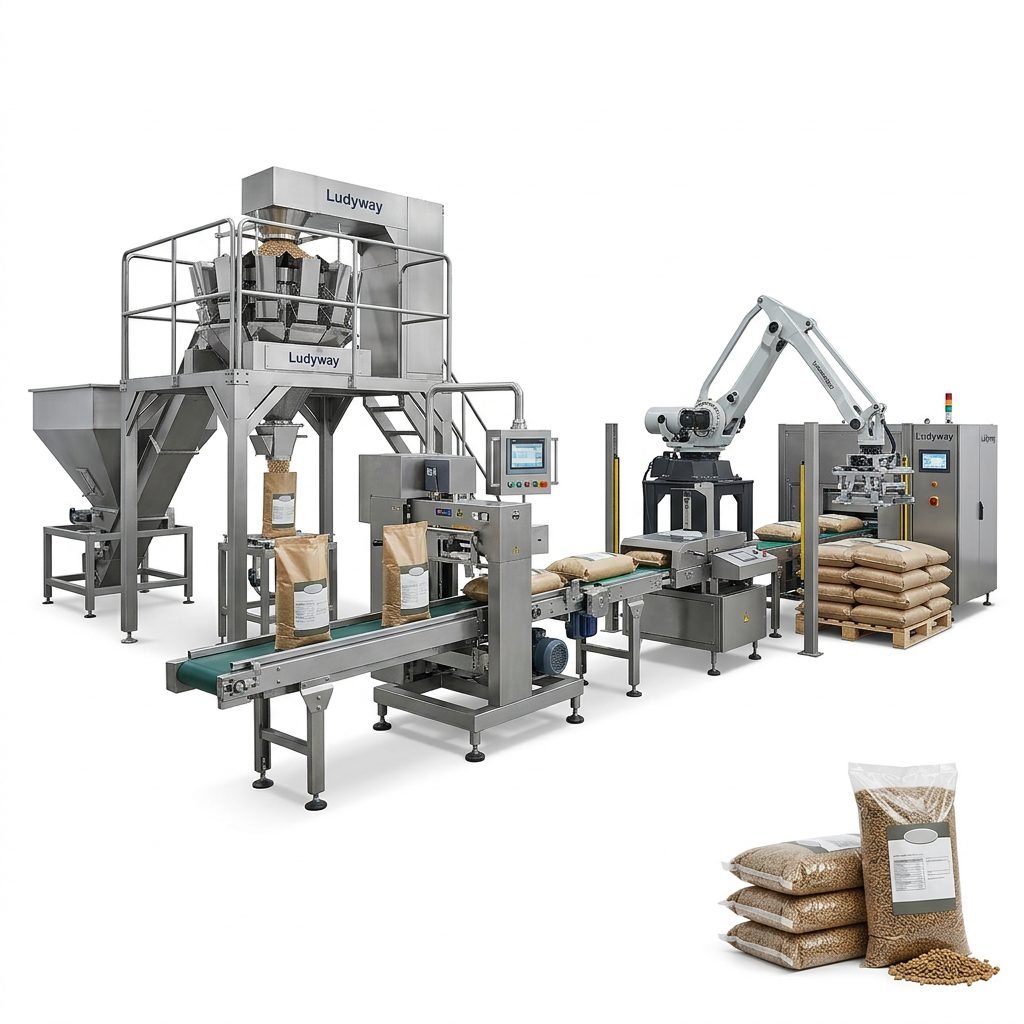
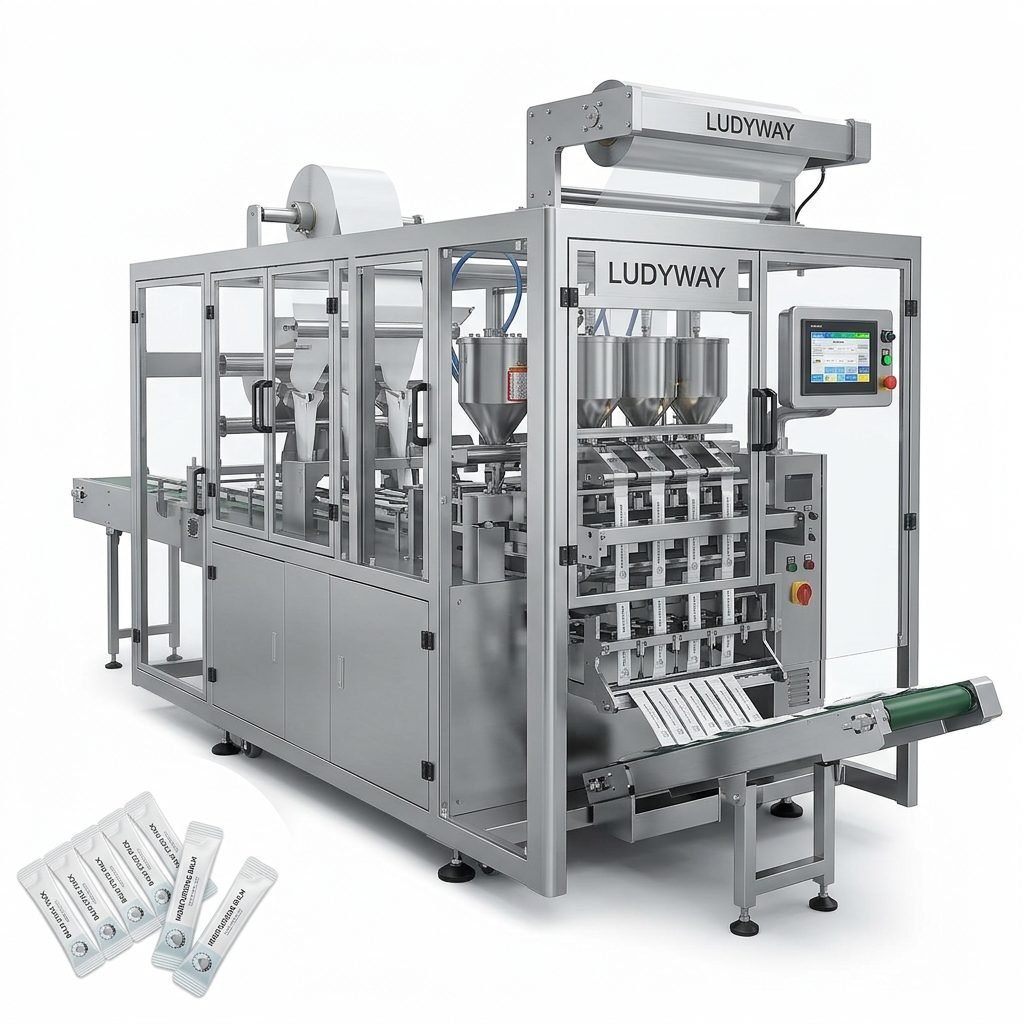
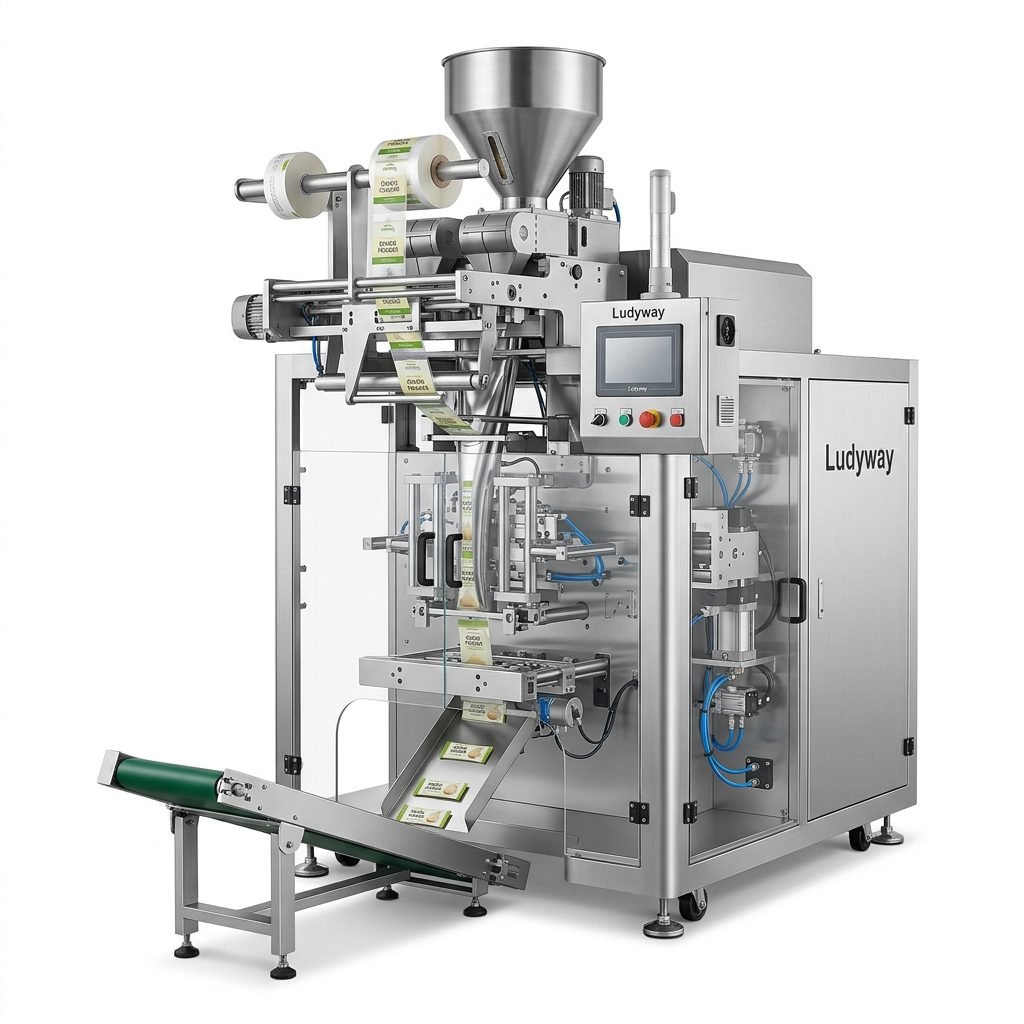
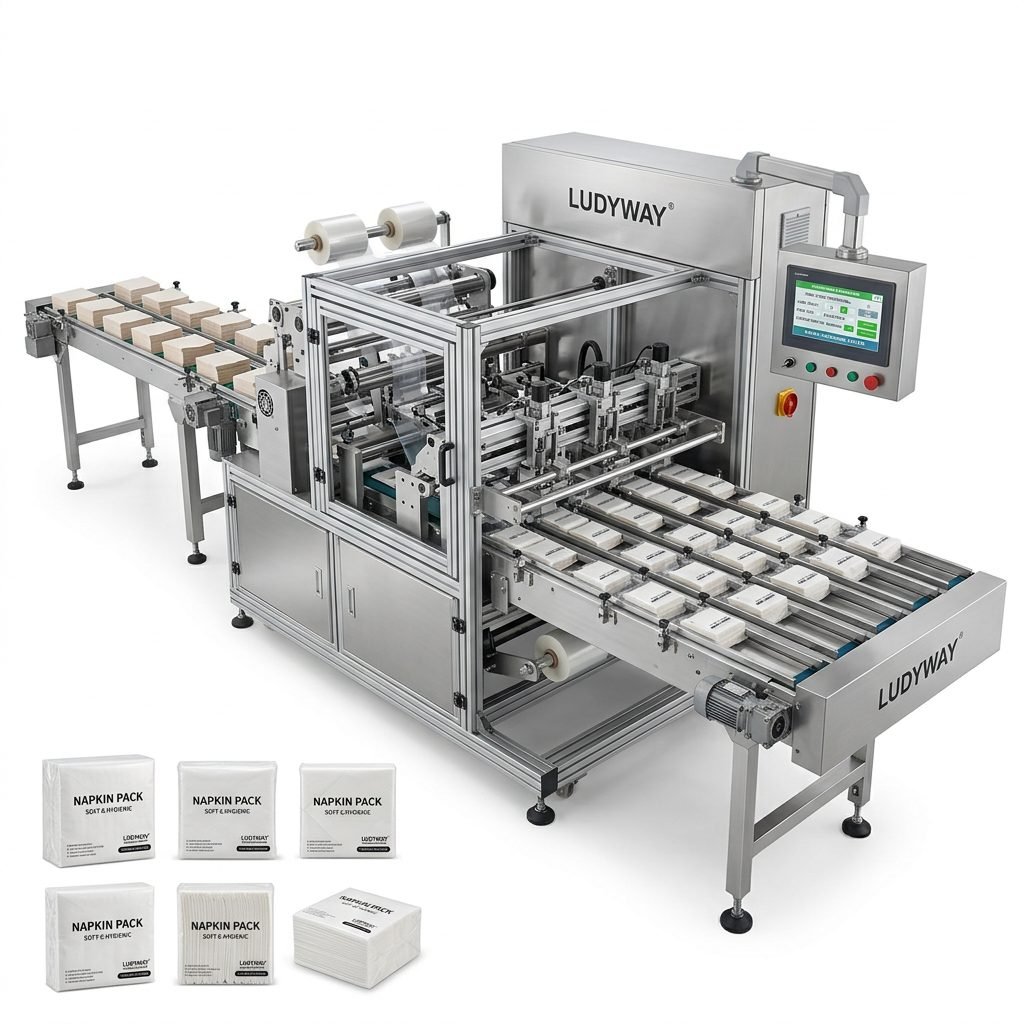
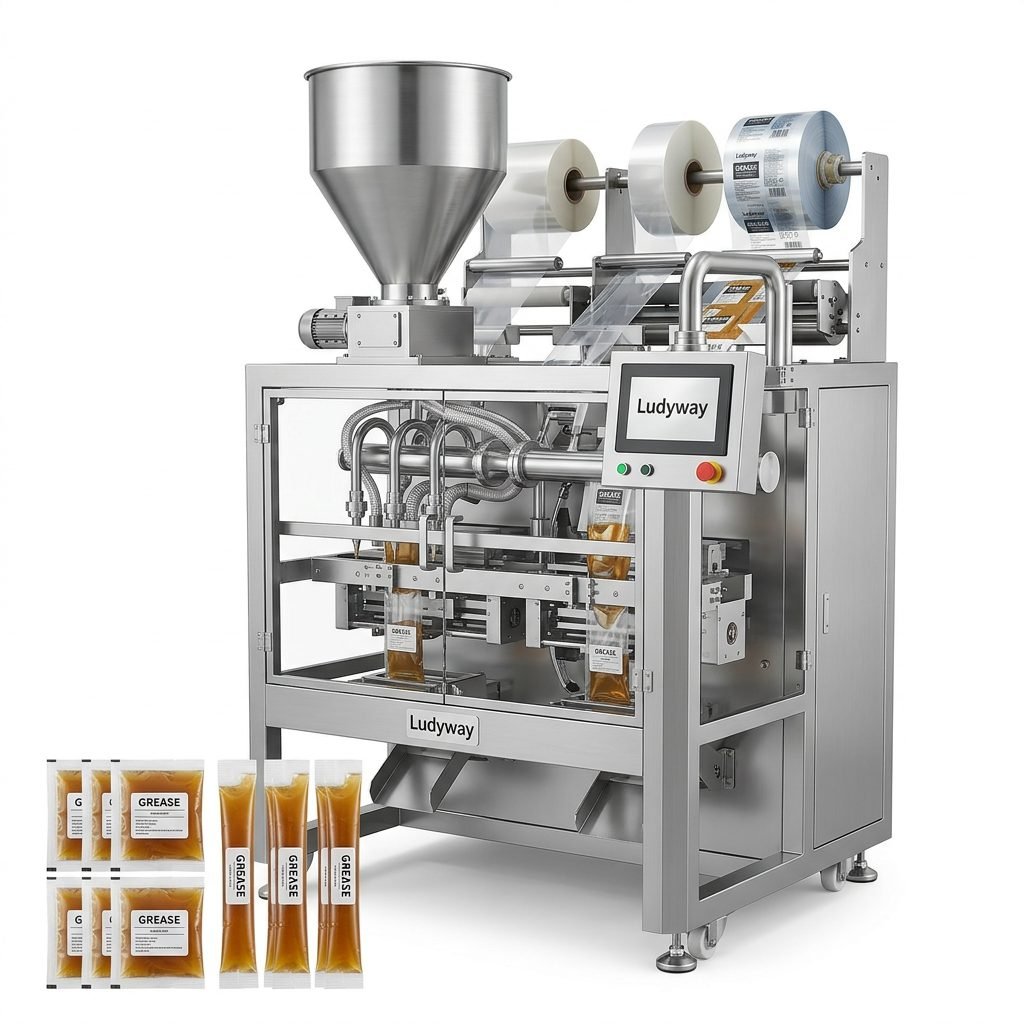
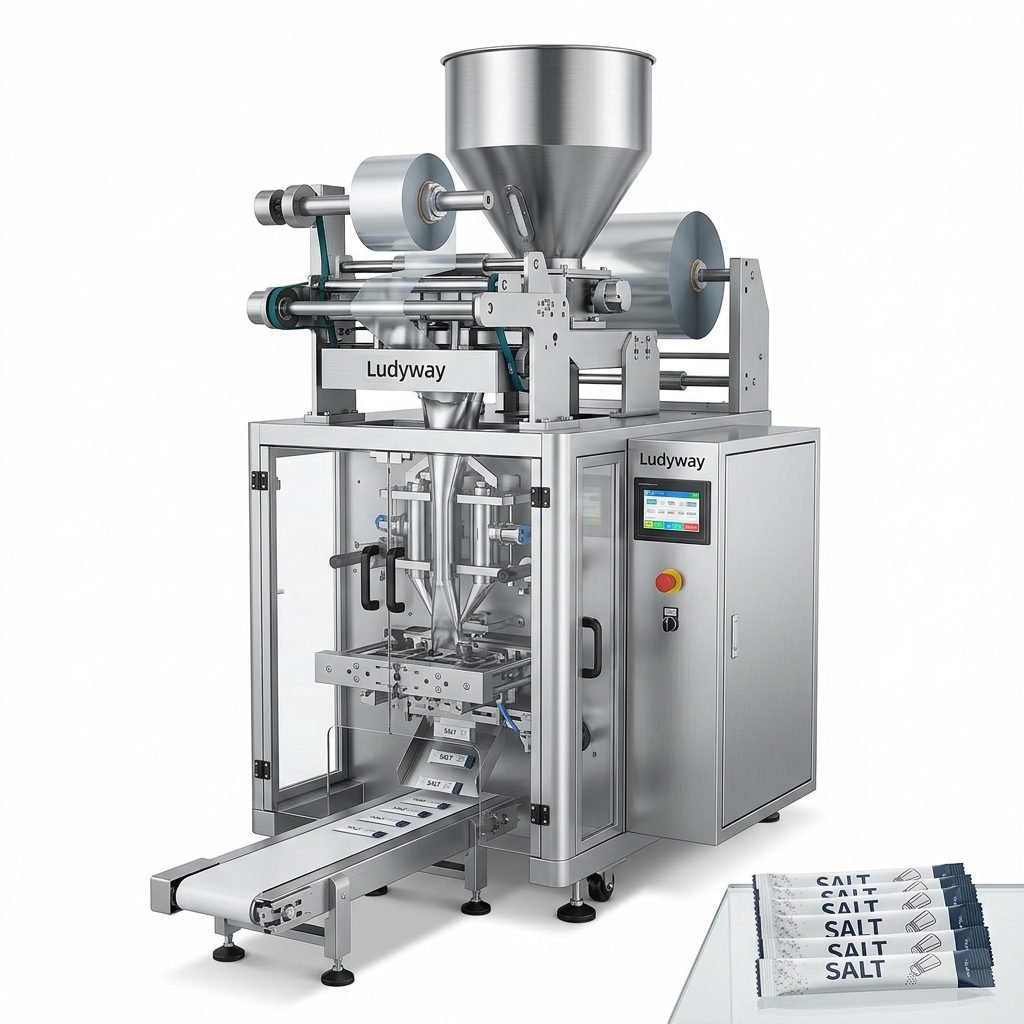
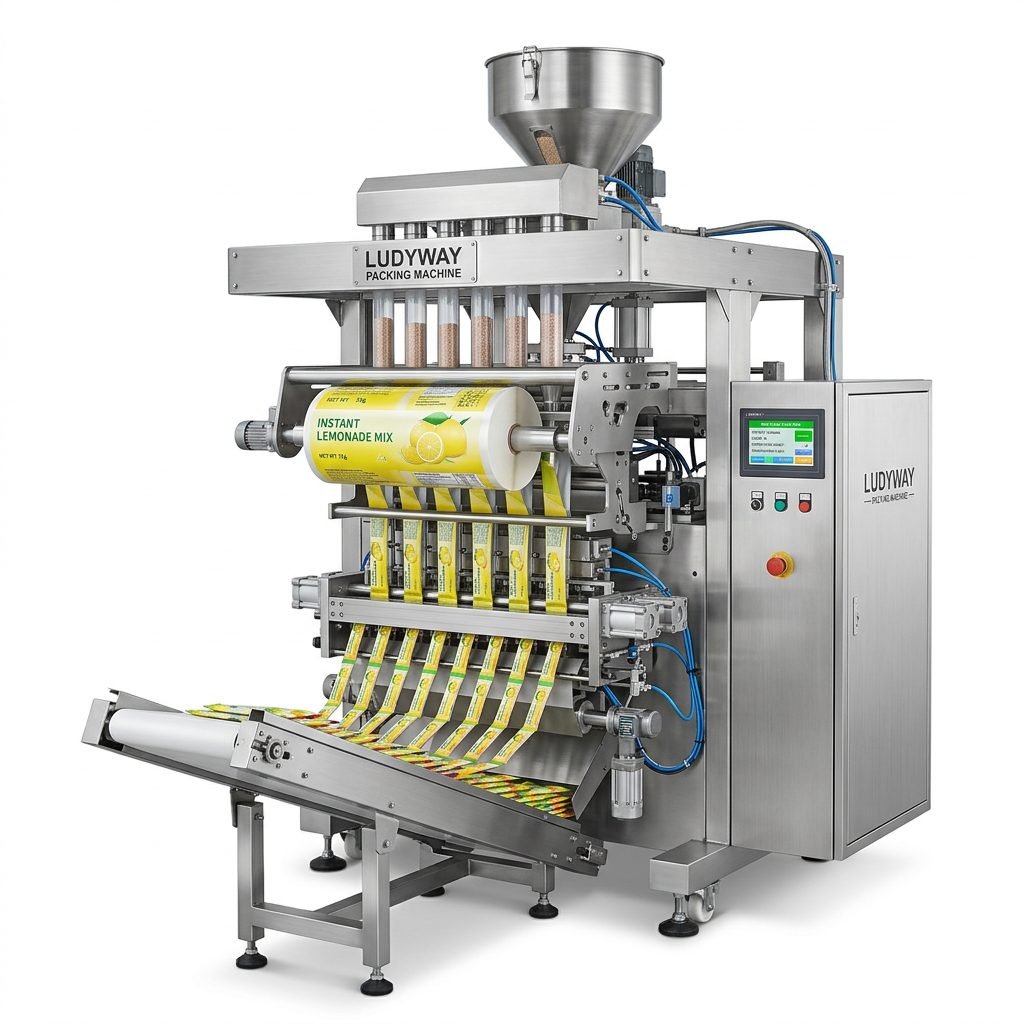
Kuwaiti manufacturers often need machines for diverse products: from instant drink mixes and coffee to detergents, pharmaceuticals, and even nicotine pouches. Look for a supplier that offers multi‑lane stick pack machines, sachet machines, vertical packaging systems, and complete turnkey lines. PacklineOEM specialises in integrated production lines, while SnusMachinery focuses on pouch/snus equipment. Evaluate whether the manufacturer can tailor machines to your specific bag size, filling weight, and production speed.
4. After‑Sales Support & Spare Parts Availability
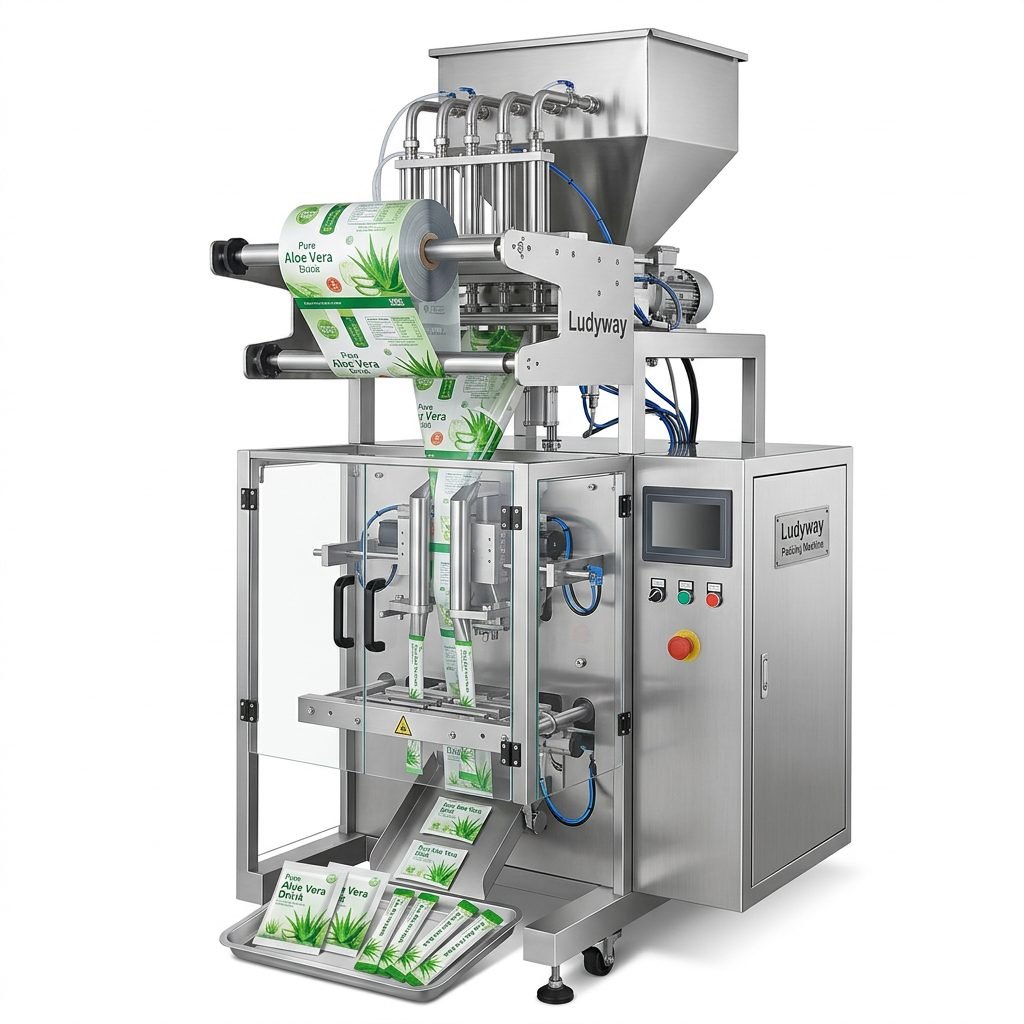
In Kuwait, downtime is expensive. Prioritise manufacturers that offer remote troubleshooting, online training, and a local distributor or service partner. Check the response time for spare parts – leading Chinese exporters like PackingMachineOEM typically stock common wear parts and ship within 48 hours. Ask about warranty terms: 12–24 months is standard, but some suppliers offer extended coverage for key components like servo motors and PLCs.
5. Price vs Total Cost of Ownership
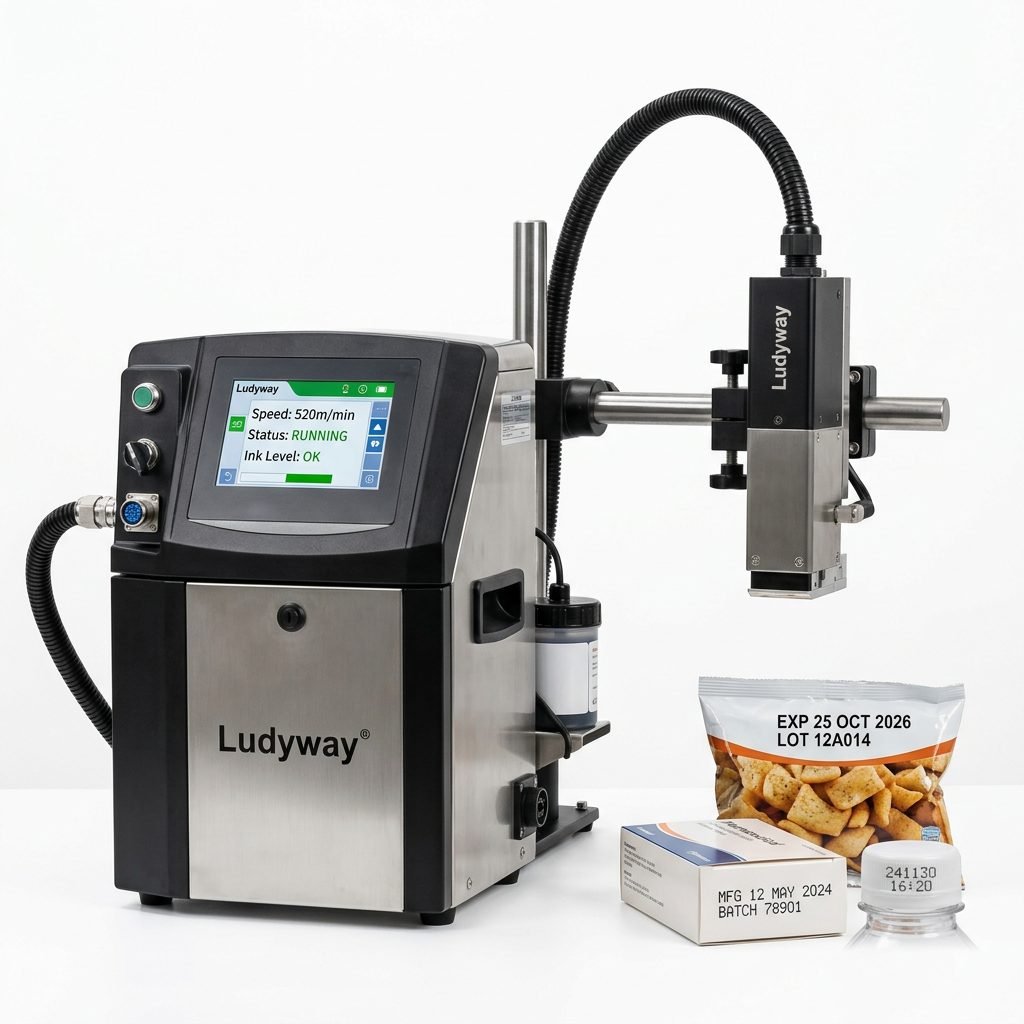
The cheapest machine often costs more in the long run due to frequent breakdowns and low efficiency. Kuwaiti buyers should evaluate energy consumption, cutting/sealing accuracy, and material waste percentage. Compare quotes from several reputable suppliers – the price range for a basic multi‑lane stick pack machine can vary from $18,000 to $45,000 depending on automation level. Always request a detailed list of included items (sensors, guards, software license) to avoid hidden costs.
6. Factory Audit & Certification
If possible, visit the manufacturer’s factory in China or request a virtual tour. A well‑established factory with 20,000+ square meters of production space, CNC machining, and structured quality control processes indicates consistency. Certifications like ISO 9001, CE, and FDA (for food/pharma) are essential. Many Kuwaiti importers also require Halal‑compatible materials for food contact parts – confirm this early.
7. Local Language & Communication
Effective communication is critical. Look for manufacturers that have English‑speaking sales engineers and ideally an Arabic‑speaking representative. Some top exporters like Ludyway offer technical documentation in both English and Arabic. Quick response time (within 24 hours) and clear proposal details are signs of a professional partner.
8. Turnkey Capability vs Standalone Machines
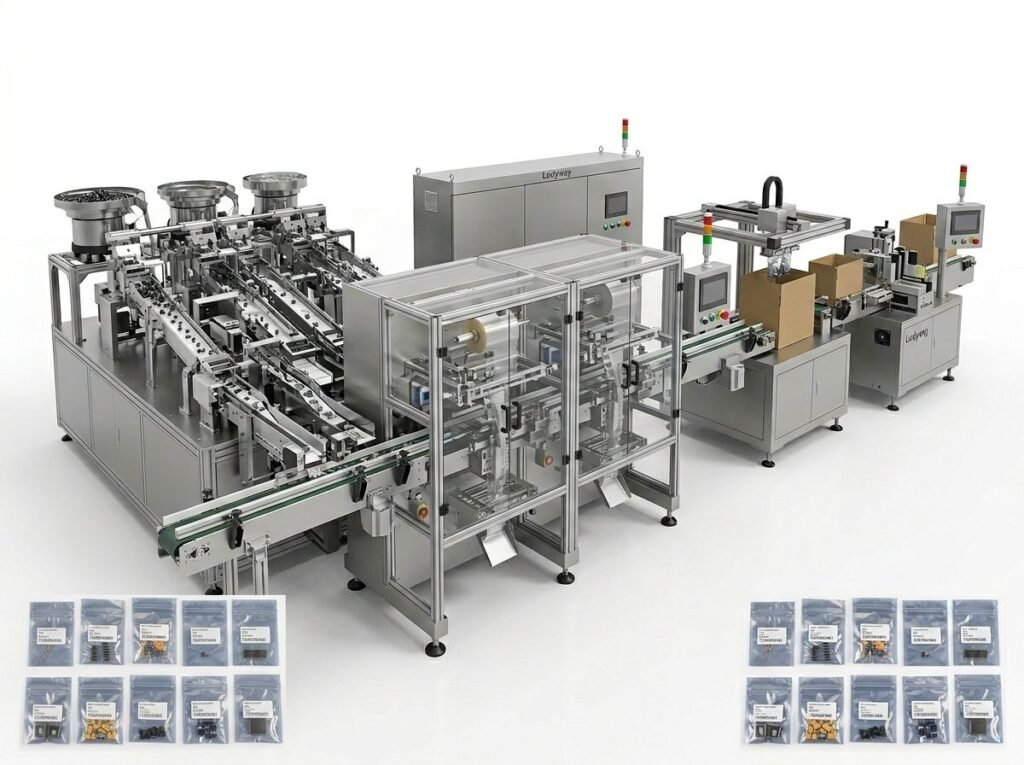
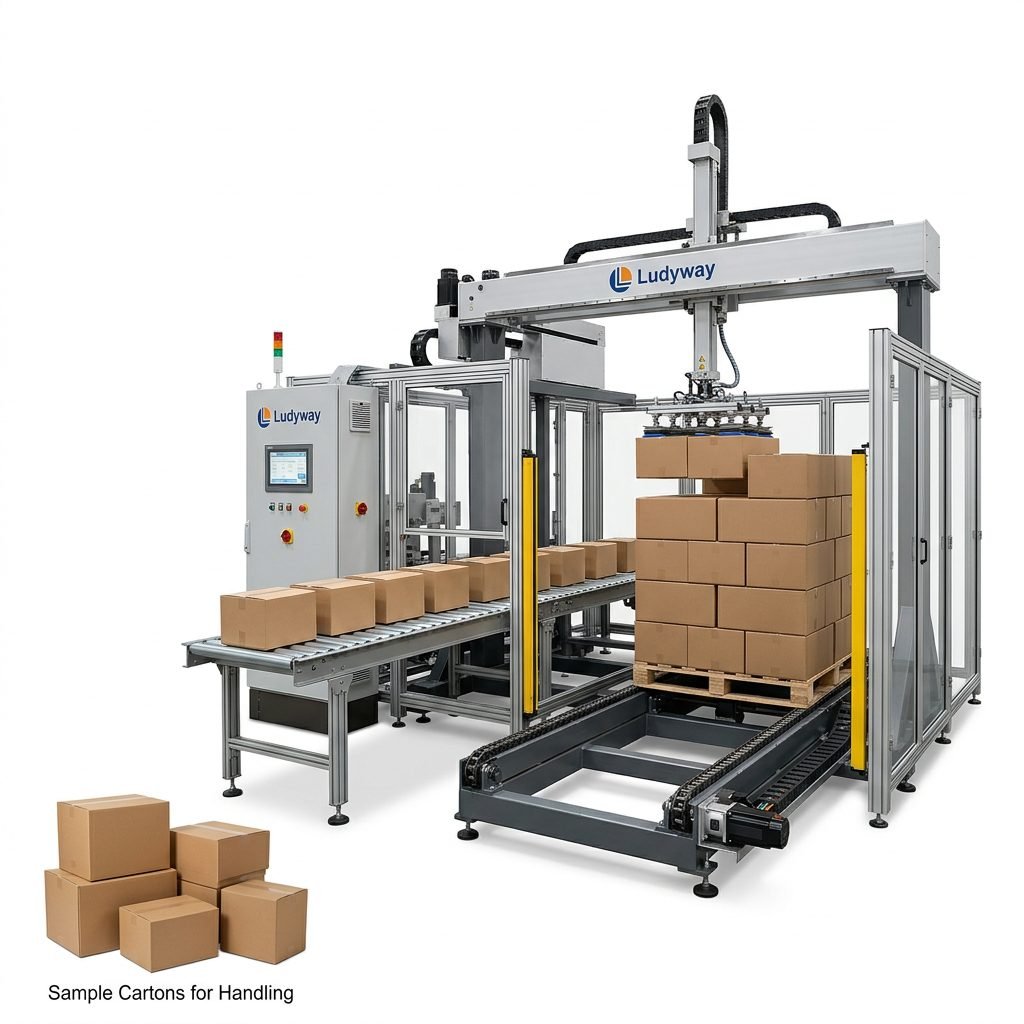
If you are setting up a new production line, consider suppliers that provide complete turnkey solutions – from feeding and weighing to filling, sealing, coding, and case packing. This reduces integration risks and single‑source responsibility. PacklineOEM and PackingMachineOEM both emphasize full‑line engineering and have delivered projects in the Middle East.
9. Payment & Delivery Terms
Standard terms: 30% deposit with order, 70% before shipment. For Kuwaiti buyers, using a letter of credit (L/C) or confirmed T/T is common. Lead time for a standard multi‑lane machine is usually 30–45 days; complex turnkey lines may take 60–90 days. Confirm shipping costs (FOB or CIF to Shuwaikh Port) and whether installation/commissioning support is included.
10. References & Client Feedback
Request at least three references from existing clients in the GCC or similar markets. Ask about machine uptime, ease of operation, and the manufacturer’s responsiveness when issues arise. Many Chinese manufacturers now provide video testimonials and live production demos via WeChat or WhatsApp. Take advantage of these to see the machine running with your actual product samples.
Common Questions Kuwaiti Buyers Ask
Q1: Which packaging machine type is most popular in Kuwait for food products?
Multi‑lane stick pack and sachet machines are widely used for coffee, sugar, seasoning, and instant drinks. They offer high speed (up to 300 packs/minute) and excellent portion control.
Q2: How can I verify a Chinese manufacturer’s credibility without visiting China?
Request a factory video tour, ask for copies of export invoices, check their participation in trade fairs like Gulfood or ProPak, and use third‑party inspection services like SGS or Bureau Veritas.
Q3: What voltage and frequency do machines need for Kuwait?
Kuwait uses 230V/400V, 50Hz. Most Chinese manufacturers can supply machines with transformers or switchable voltage modules. Confirm this before ordering.
Q4: Do Chinese suppliers provide warranty service in Kuwait?
Major exporters often have a local agent or a service engineer who can visit quarterly. Alternatively, they offer remote video support and send replacement parts via DHL within 3–5 days.
Q5: What is the typical ROI period for an automated packaging line?
Depending on production volume, most Kuwaiti businesses recover the investment within 12–18 months through labor savings, reduced material waste, and higher output consistency.