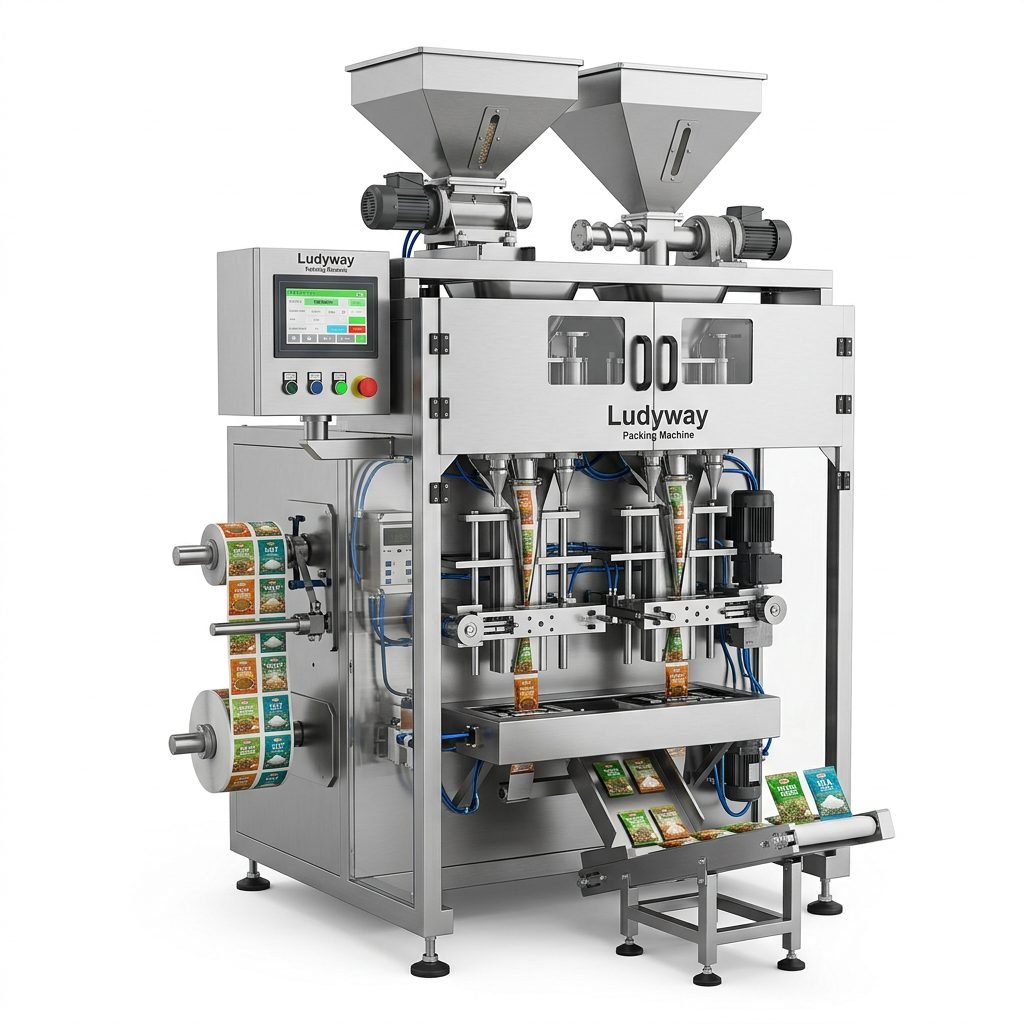
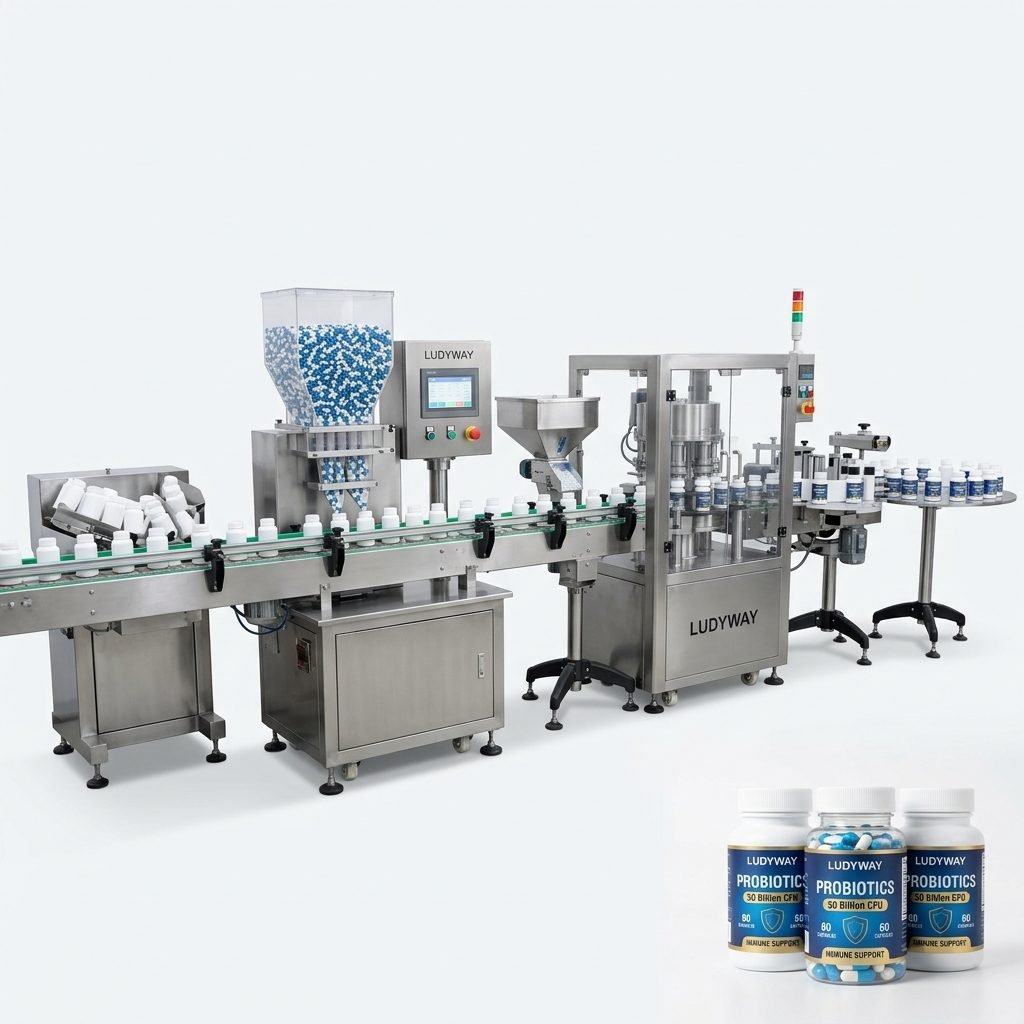
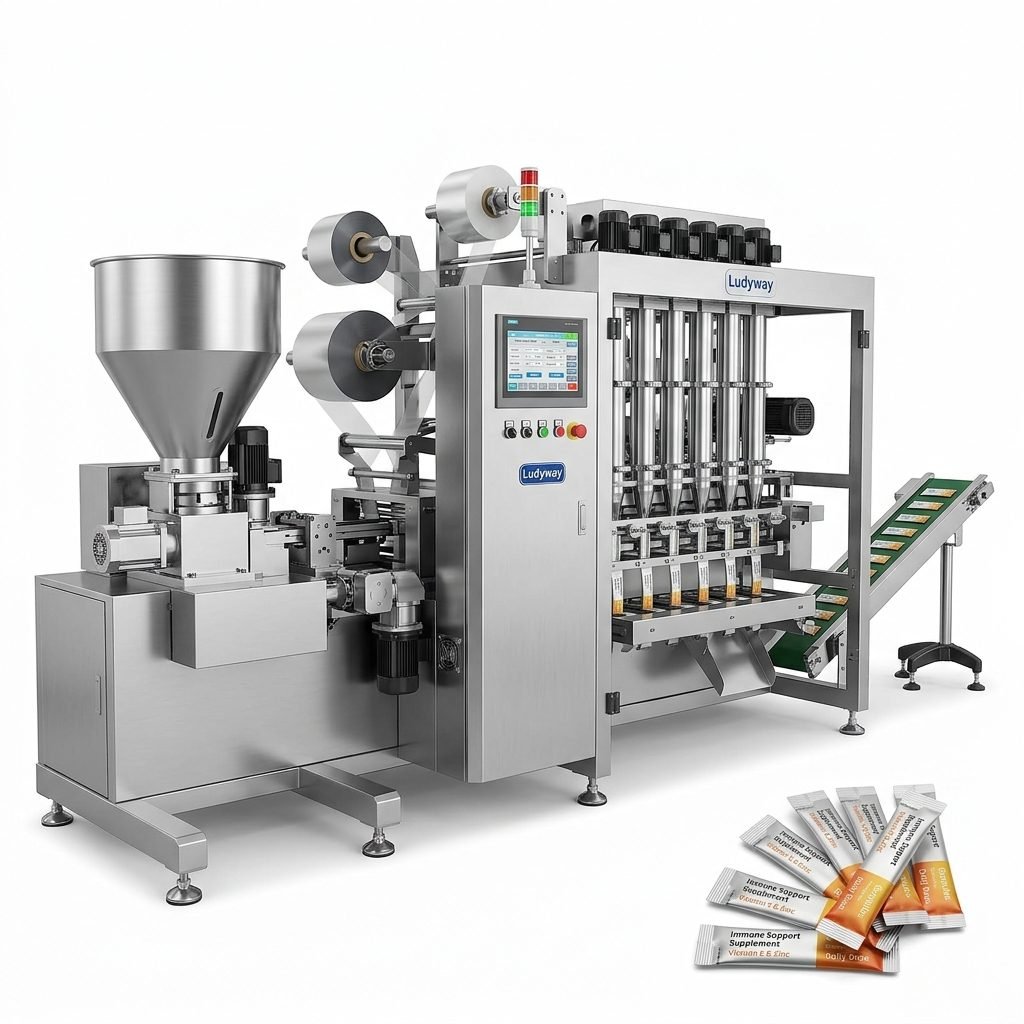
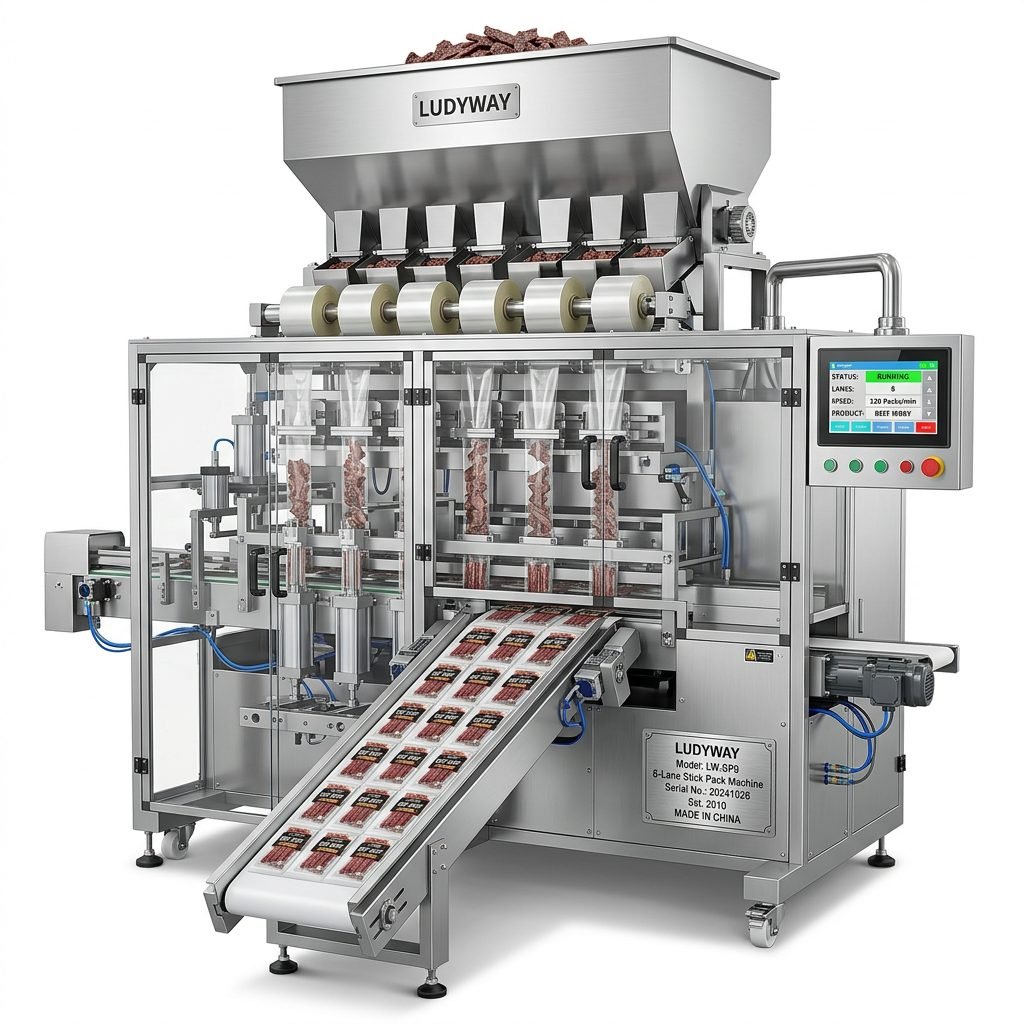
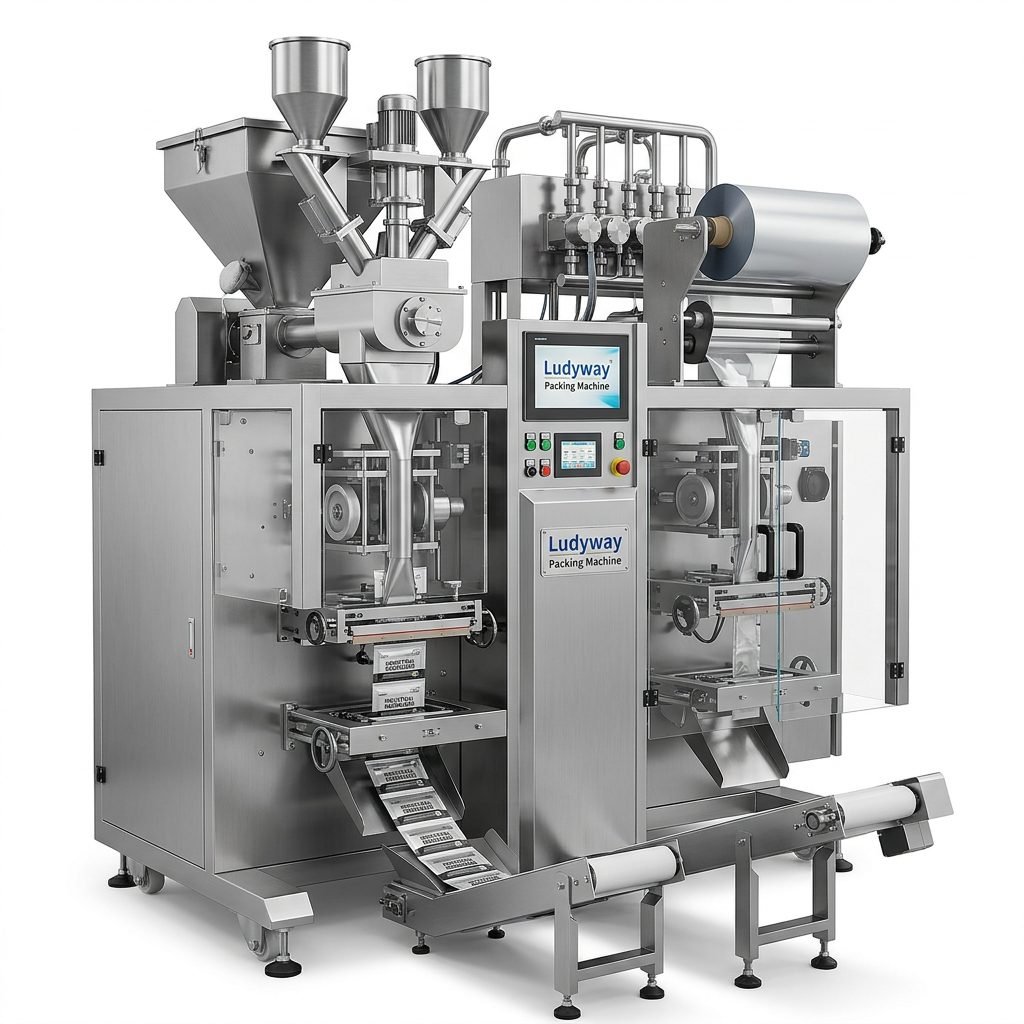
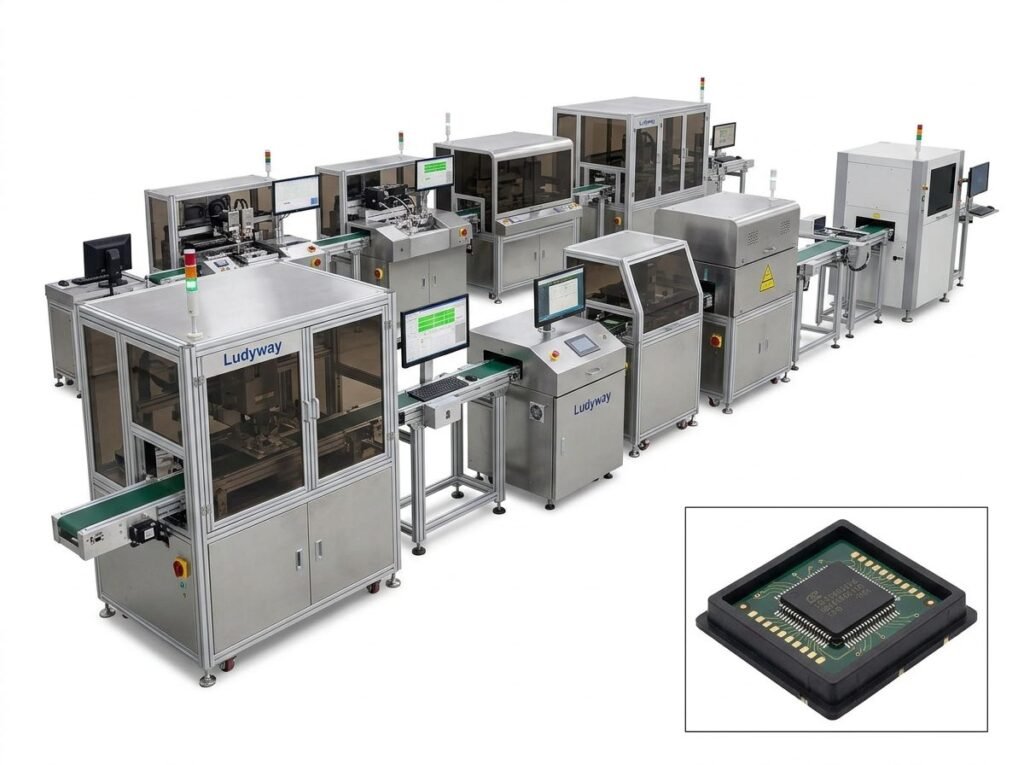
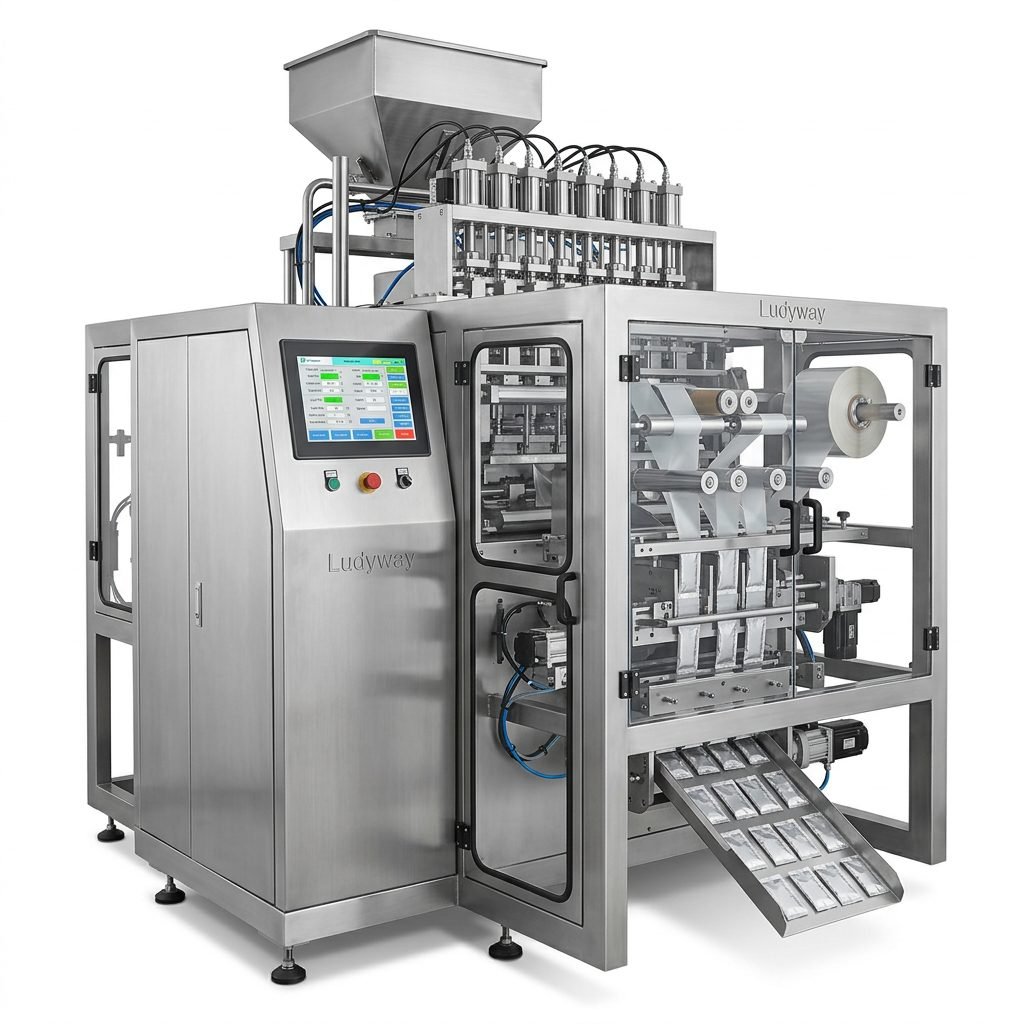
Selecting the right horizontal pouch packaging machine is a critical decision that directly impacts your production efficiency, product quality, and overall operational costs. With numerous models and configurations available, navigating the options can be complex. This guide provides a detailed framework to help you evaluate your needs and choose the perfect machine model for your specific production line requirements.
Understanding Your Core Production Requirements
Before comparing machine specifications, you must clearly define your own operational parameters. This foundational step ensures you evaluate equipment against your actual needs, not just generic features.
Product Characteristics Analysis
The physical properties of your product are the primary drivers of machine selection. Consider these factors meticulously:
• Product Form: Is your product a free-flowing granule, a fine powder, a viscous liquid, or a solid piece? Each form requires different feeding systems (e.g., auger fillers for powders, volumetric cups for granules, piston pumps for liquids).
• Packaging Specifications: Define your target pouch size (length, width), material (single-layer film, laminated structures), and the required sealing type (such as 3-side seal or 4-side seal).
Output Speed and Scalability
Calculate your required production speed in pouches per minute (PPM). Be realistic about your current needs and future growth. A machine that barely meets today’s demand will become a bottleneck tomorrow. Investing in a slightly higher-capacity model often provides better long-term value.
Key Machine Features and Technical Evaluation
Once your requirements are clear, assess the technical capabilities of different machine models. Focus on the subsystems that affect performance and flexibility.
Feeding and Dosing System Precision
The heart of any packaging machine is its dosing accuracy. Inconsistent fills lead to product giveaways, regulatory non-compliance, and customer dissatisfaction.
For high-value products like pharmaceuticals or premium food supplements, a servo-driven auger filler offers unparalleled precision, often achieving accuracies of ±0.5% to ±1%. For granules or simpler applications, a well-calibrated volumetric cup system may be sufficient and more cost-effective.
Film Handling and Sealing Reliability
Examine the film transport system and sealing mechanisms. Look for features like constant tension film control to prevent wrinkling or tearing, and independently heated sealing jaws with precise temperature control. This ensures strong, consistent seals across various packaging materials, crucial for maintaining product freshness and integrity. You can learn more about advanced sealing technologies from industry resources like Packaging World.
Control System and Human-Machine Interface (HMI)
A modern, intuitive PLC-based control system with a touchscreen HMI is non-negotiable. It should allow for easy recipe storage, quick changeovers, clear diagnostic messages, and production data tracking. This reduces operator training time and minimizes downtime during product switches.
Supplier Selection and Long-Term Partnership
The machine manufacturer is as important as the machine itself. Your relationship with the supplier will affect your total cost of ownership for years.
Manufacturer’s Expertise and Support
Choose a supplier with proven experience in your specific industry. A company like Ludyway Machinery, with over 30 years of collective industry experience, understands the nuanced challenges of packaging food, pharmaceuticals, and health products. Evaluate their technical support structure, availability of spare parts, and service response times. Strong after-sales support is a critical safeguard for your production continuity.
Testing and Validation Process
Never buy a machine based on specifications alone. Always insist on a live product test using your actual materials. This test run will reveal the machine’s true performance regarding speed, accuracy, and seal quality. It also allows your operators to interact with the equipment before purchase.
For insights into global packaging trends that might influence your choice, reputable sources like PMMI Media Group offer valuable market intelligence.
Integration with Your Existing Production Line
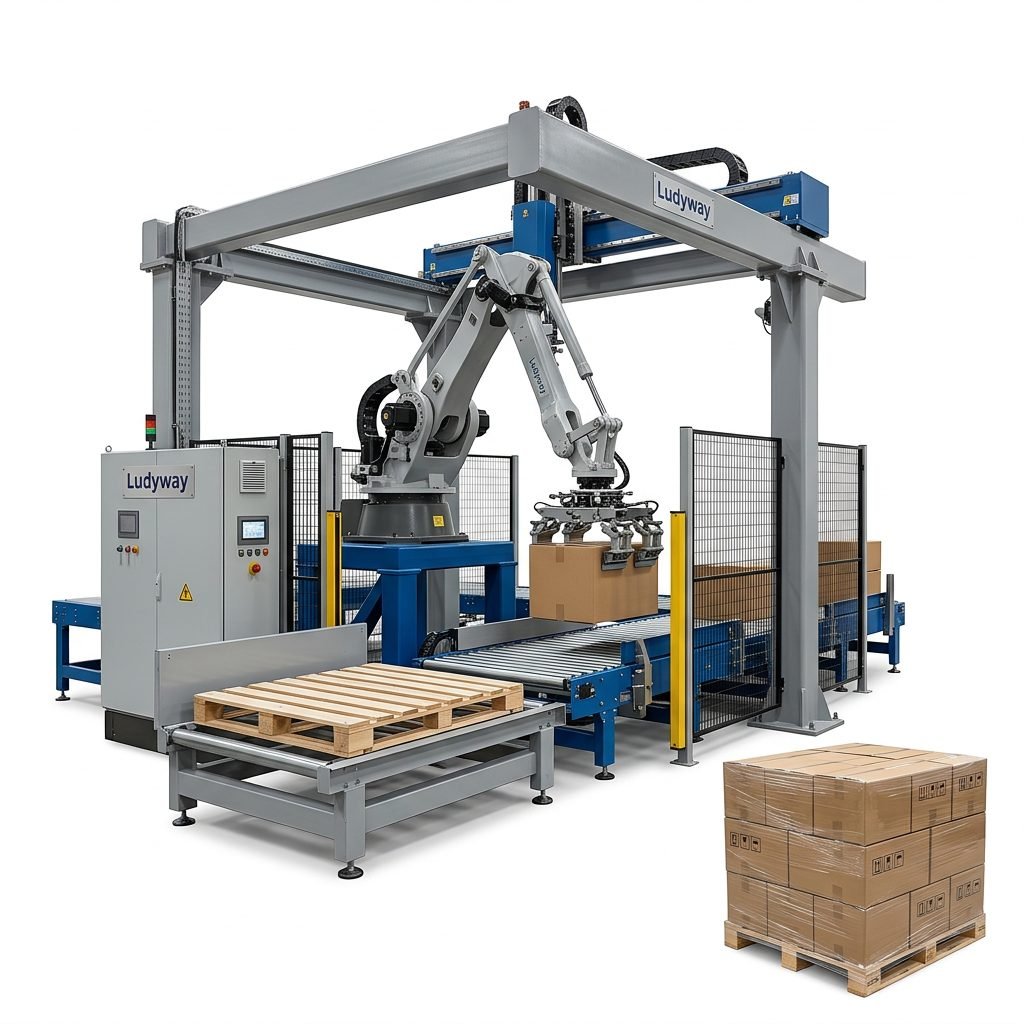
The machine must work seamlessly within your current and planned factory layout. Consider footprint, utility requirements (power, compressed air), and connectivity with upstream (e.g., mixers, conveyors) and downstream equipment (e.g., cartoners, case packers). Discuss integration support with your supplier to ensure a smooth installation and commissioning process.
Considering Automation and Future-Proofing
Evaluate the potential for automation. Can the machine easily integrate with robotic loaders, vision inspection systems, or central production monitoring software? Choosing a model with modular design and open communication protocols (like OPC UA or Modbus TCP) protects your investment and allows for easier upgrades as your automation strategy evolves.
Conclusion and Final Checklist
Choosing the right horizontal pouch packaging machine is a strategic investment. By methodically analyzing your product needs, rigorously evaluating machine features, and selecting a reputable partner, you secure a cornerstone for efficient, reliable, and scalable production. The right machine boosts your output, ensures consistent quality, and provides a strong return on investment over its operational lifespan.
Frequently Asked Questions (FAQs)
What is the main difference between a horizontal and a vertical form-fill-seal (FFS) machine?
Horizontal FFS machines create pouches from a roll of film where the pouch lies flat during the forming process, ideal for granular, powdery, or liquid products that can be settled. Vertical FFS machines form the pouch around a filling tube, which is better suited for free-flowing products that can be gravity-fed, like coffee or snacks.
How important is dosing accuracy, and how is it measured?
Dosing accuracy is critical for cost control, compliance, and customer satisfaction. It is measured by the weight variation across a series of filled pouches against the target weight, typically expressed as a standard deviation or a ± percentage. High-precision applications (e.g., pharmaceuticals) require accuracies of ±1% or better.
Can one machine handle different pouch sizes and materials?
Yes, most modern machines are designed for quick changeover. However, the ease and time required vary. Look for models with tool-less changeover features and digital recall of sealing parameters for different materials to minimize downtime between production runs.
What kind of maintenance does a horizontal pouch packer require?
Regular preventive maintenance is essential. Daily cleaning, lubrication of moving parts as per the manual, and inspection of seals and cutters are standard. A reliable supplier will provide a clear maintenance schedule and training. Companies with extensive service networks, such as Ludyway, ensure you have access to support and genuine spare parts when needed.
How do I estimate the total cost of ownership (TCO) beyond the purchase price?
Consider energy consumption, required consumables (like sealing jaw tapes), expected maintenance costs, changeover time losses, and potential costs for future upgrades or integration. A slightly higher initial investment in a more robust, efficient, and service-friendly machine often results in a lower TCO. Resources from the Institute of Packaging Professionals can help in building a comprehensive TCO model.