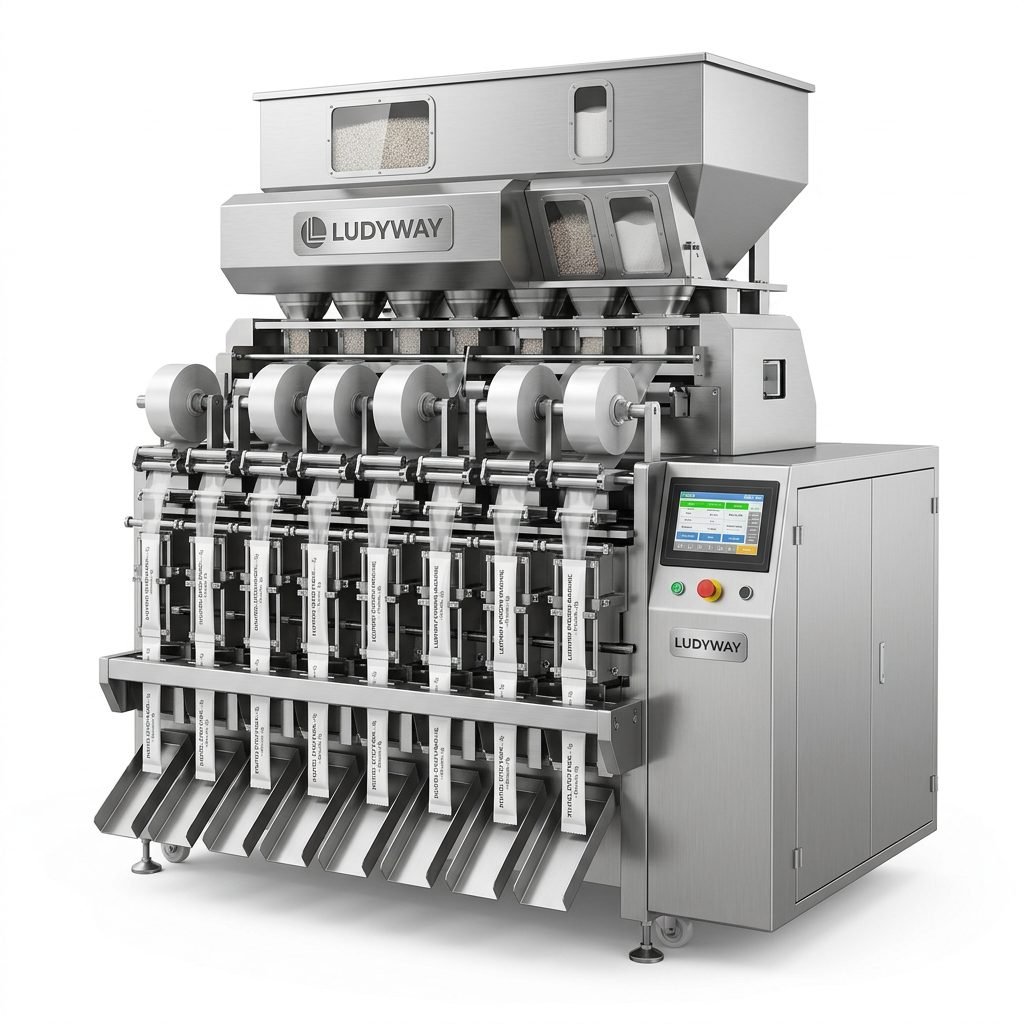
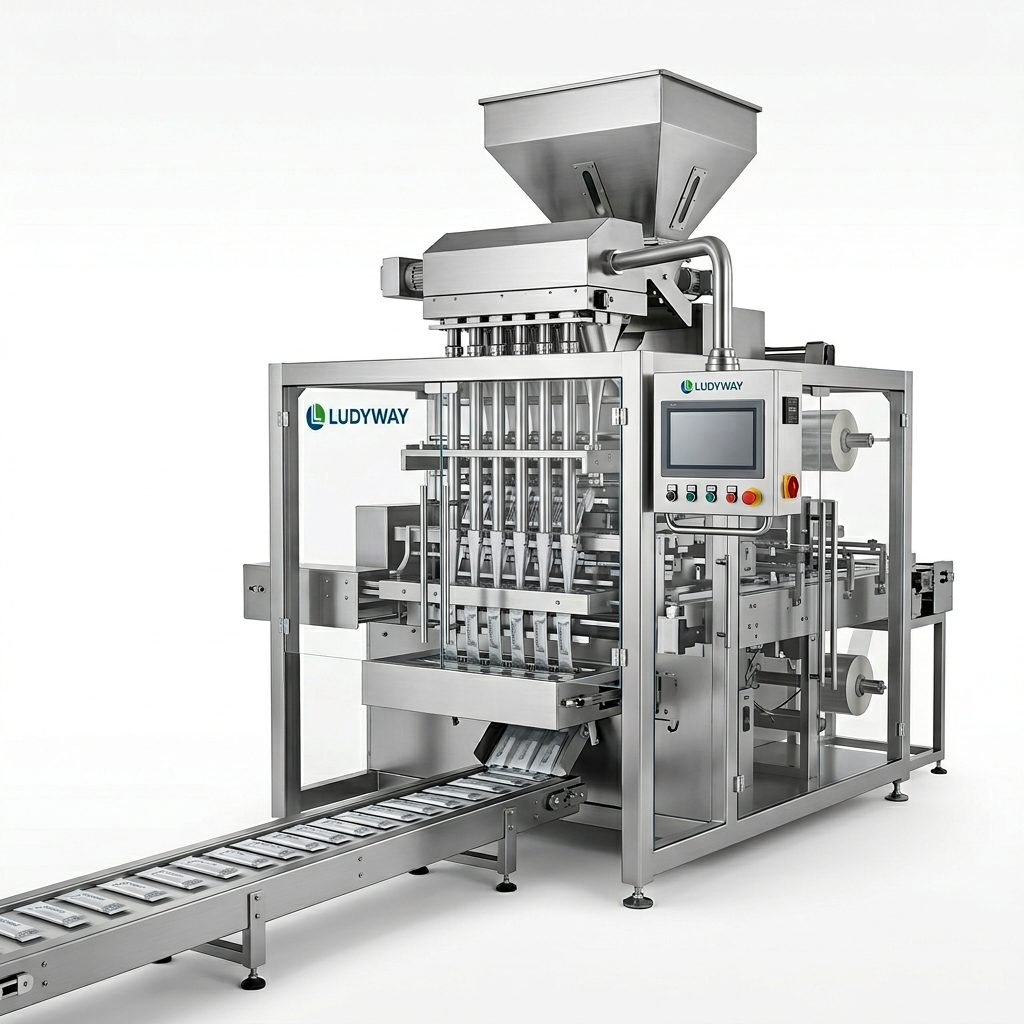
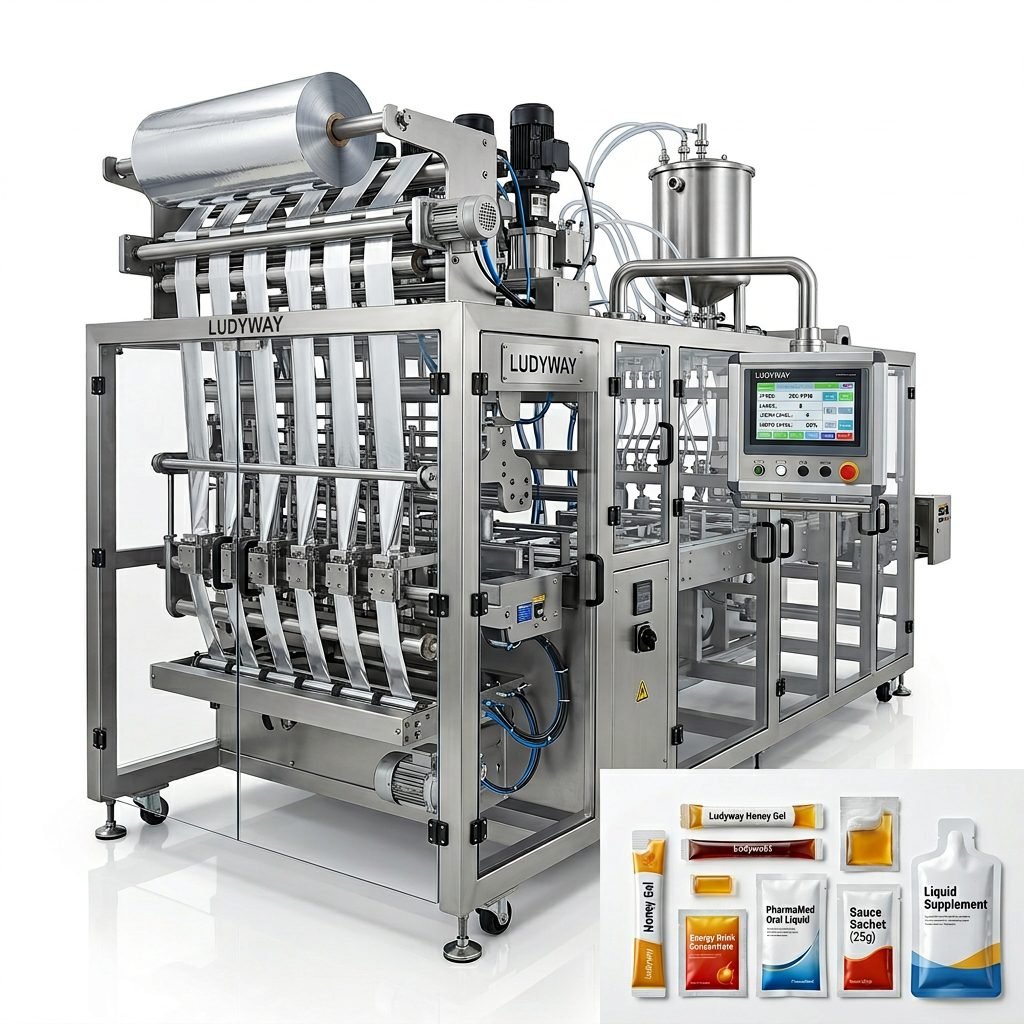
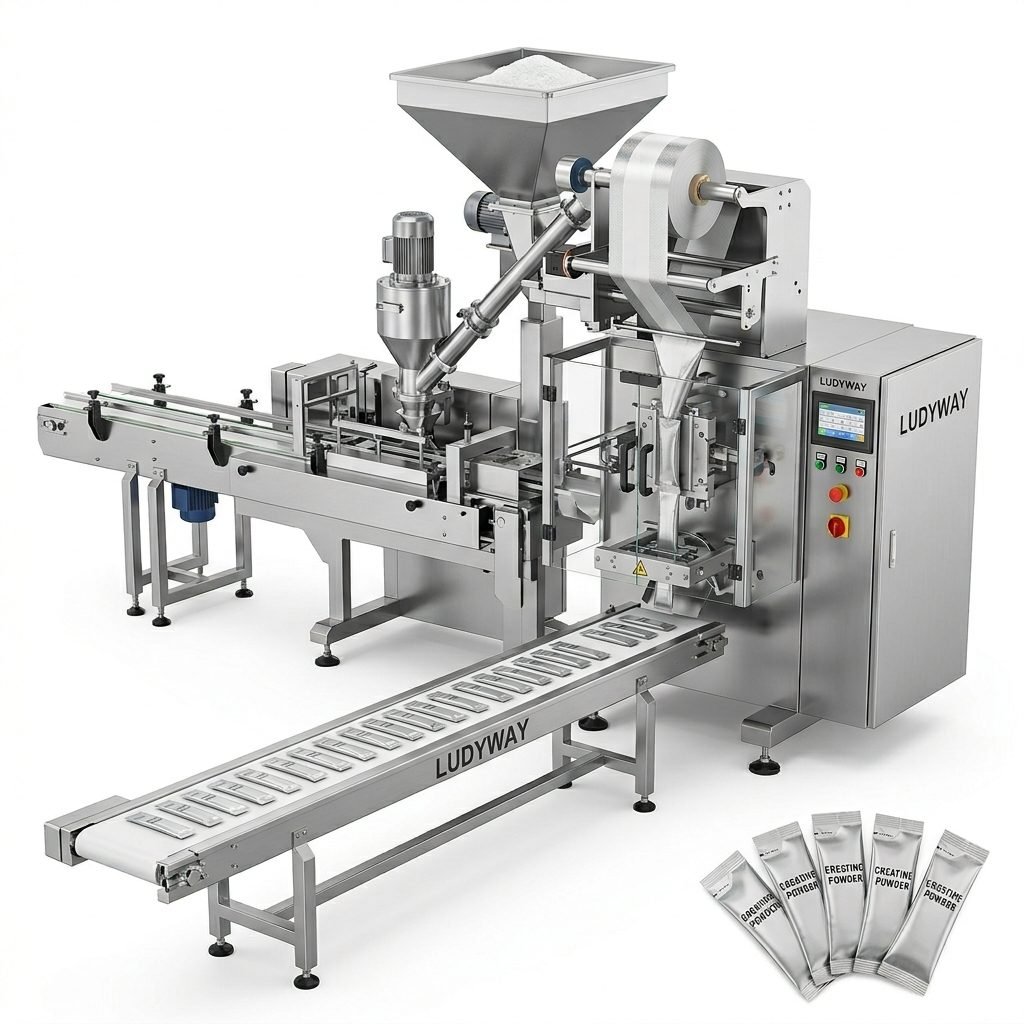
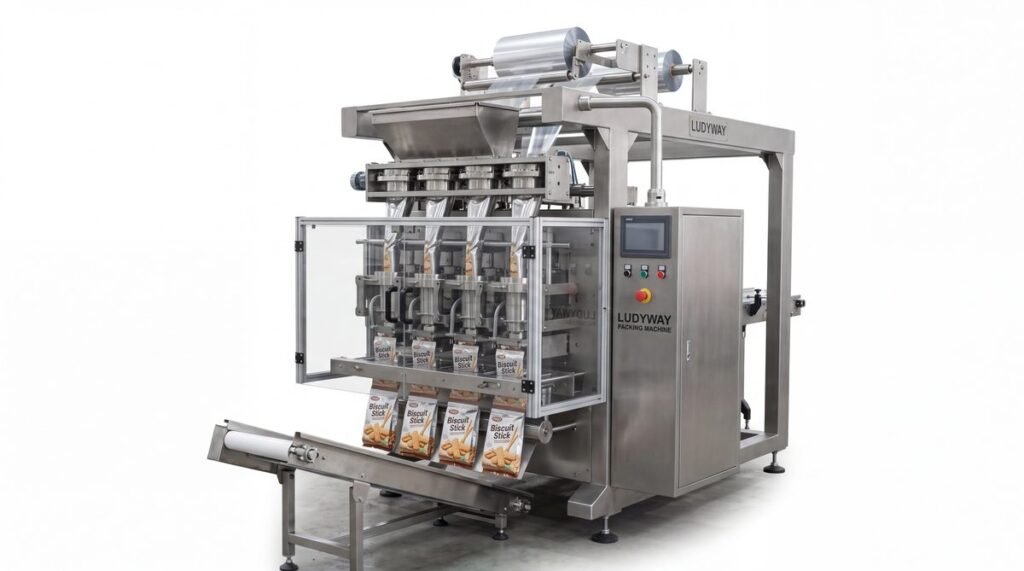
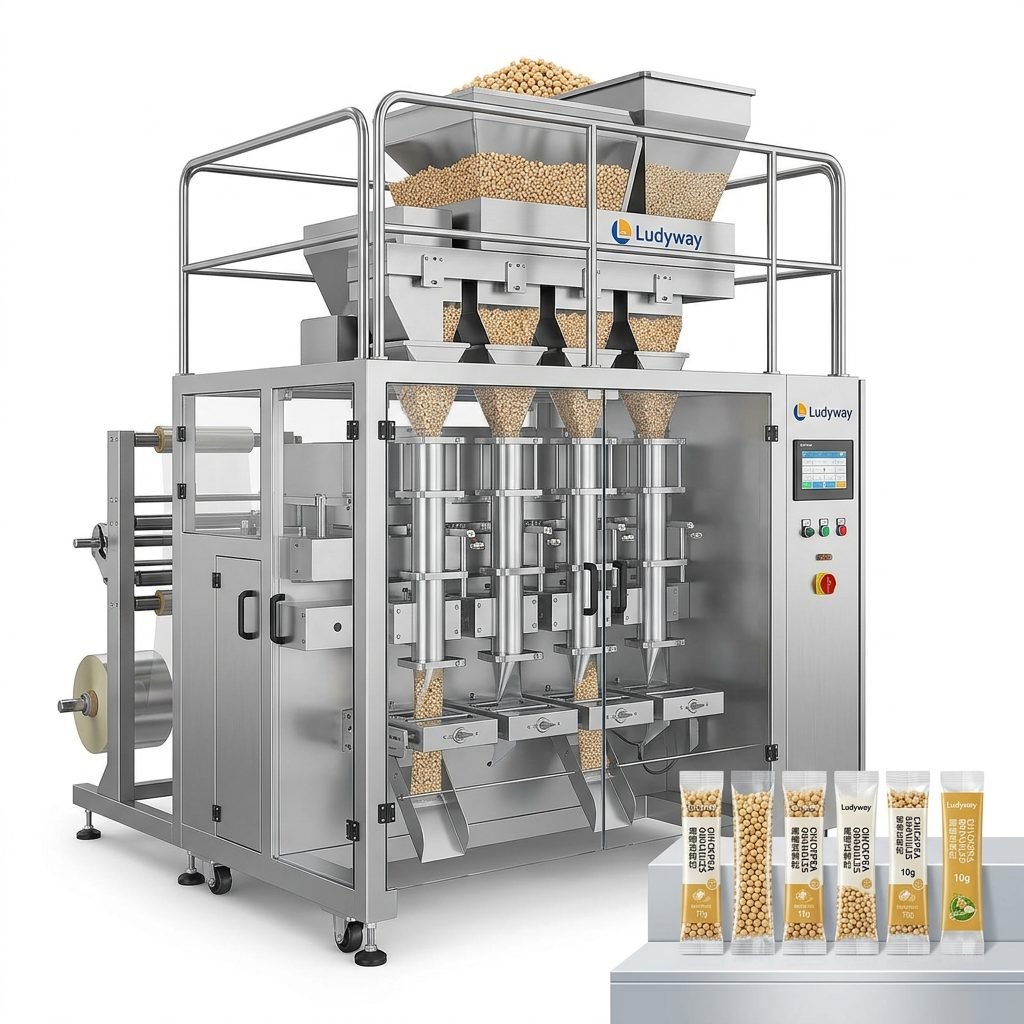
Selecting the right mini sachet packing machine is a critical decision that directly impacts your production efficiency, product quality, and long-term operational costs. Whether you are packaging powders, granules, liquids, or pastes, understanding the key factors before investing will help you avoid costly mistakes and secure a reliable packaging line tailored to your needs.
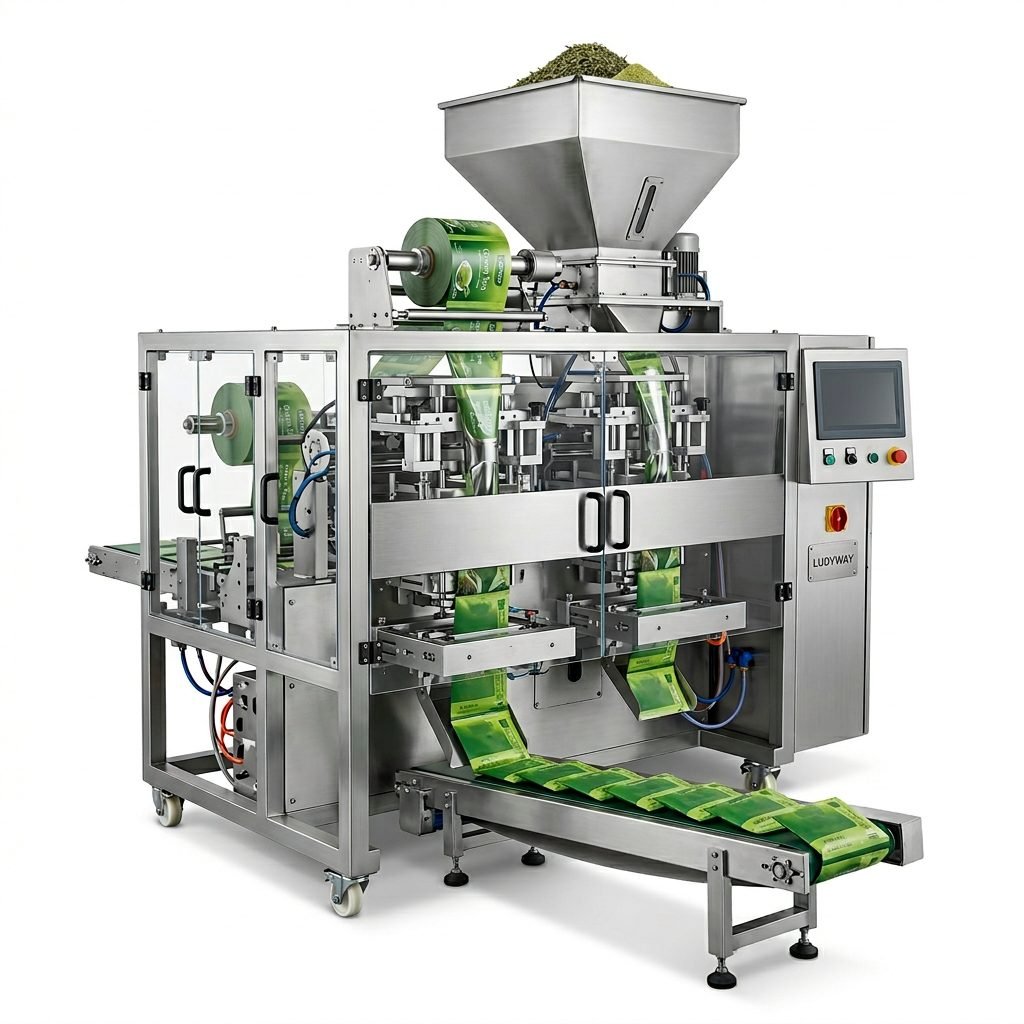
1. Define Your Product Characteristics and Packaging Requirements
Before comparing machine models, start by thoroughly analyzing the product you intend to package. Different materials behave differently during the filling and sealing process, and the wrong configuration can lead to inconsistent fills, sealing failures, or material waste. Key questions to ask include:
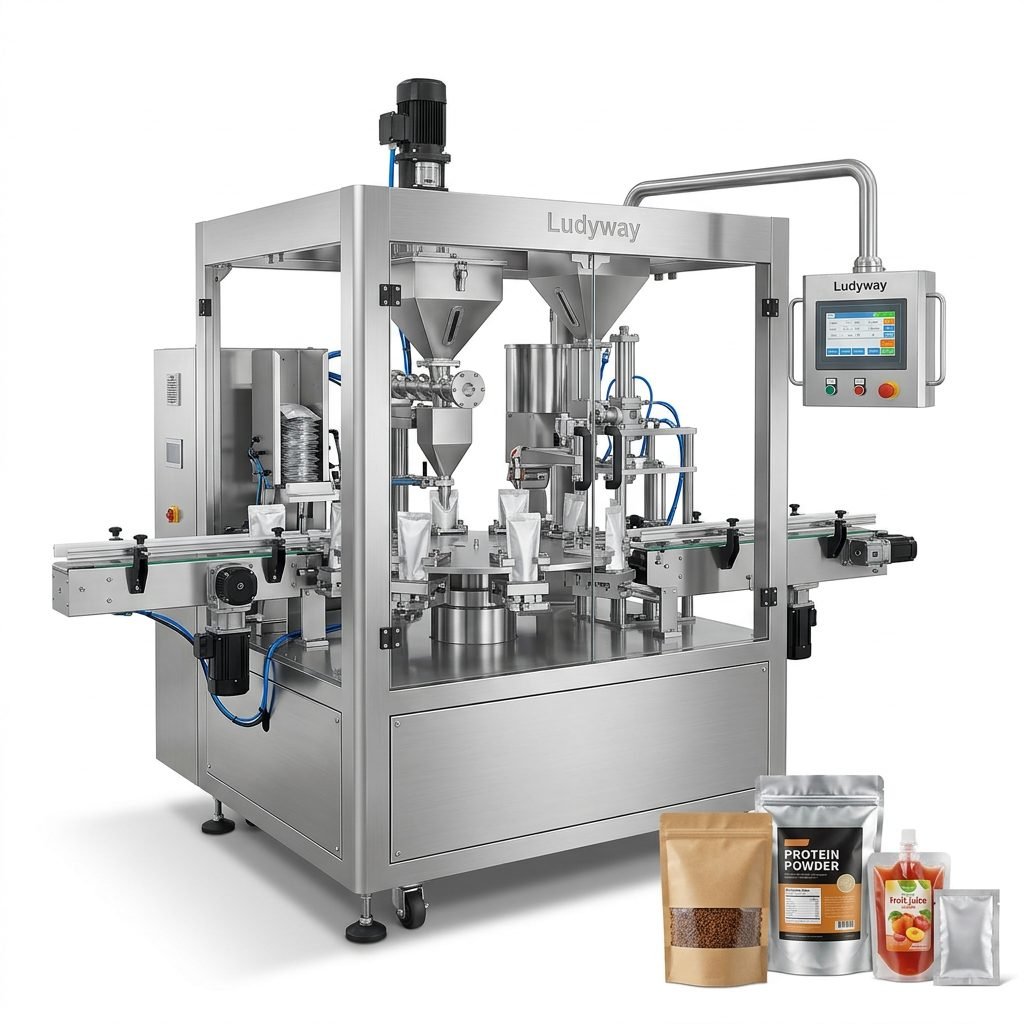
- What is the physical form? Is your product a free-flowing powder, sticky granule, volatile liquid, or viscous paste? This determines the type of dosing system required—auger fillers for powders, volumetric cup fillers for granules, or piston pumps for liquids.
- What is the target fill volume? Mini sachets typically range from 1 ml to 50 ml, but your exact range will influence the dosing accuracy and machine configuration.
- Is the product hygroscopic, dusty, or sensitive to heat? Special options like nitrogen flushing, dust extraction, or temperature-controlled sealing may be necessary.
- What are your bag dimensions and packaging material? The film structure—such as aluminum foil, paper/PE, or PET/PE laminates—must be compatible with the machine’s sealing jaws and tension controls.
Accurately defining these parameters is the foundation for choosing a packing machine that will perform consistently in your production environment.
2. Evaluate Production Speed and Automation Level
Mini sachet machines come in a wide range of speeds, from single-lane semi-automatic units producing 30–50 sachets per minute to high-speed multi-lane systems capable of exceeding 400 sachets per minute. Your output requirement should be matched not just to current demand but to realistic growth projections over the next 3–5 years.
Automation level is equally important. A fully automatic system integrates film unwinding, forming, filling, sealing, cutting, and even secondary operations like date coding and cartoning. While the initial investment is higher, automated lines reduce labor dependency, improve consistency, and lower long-term cost per sachet. For startups or smaller runs, a semi-automatic model often provides a more accessible entry point before scaling up.
3. Choose the Right Filling System Technology
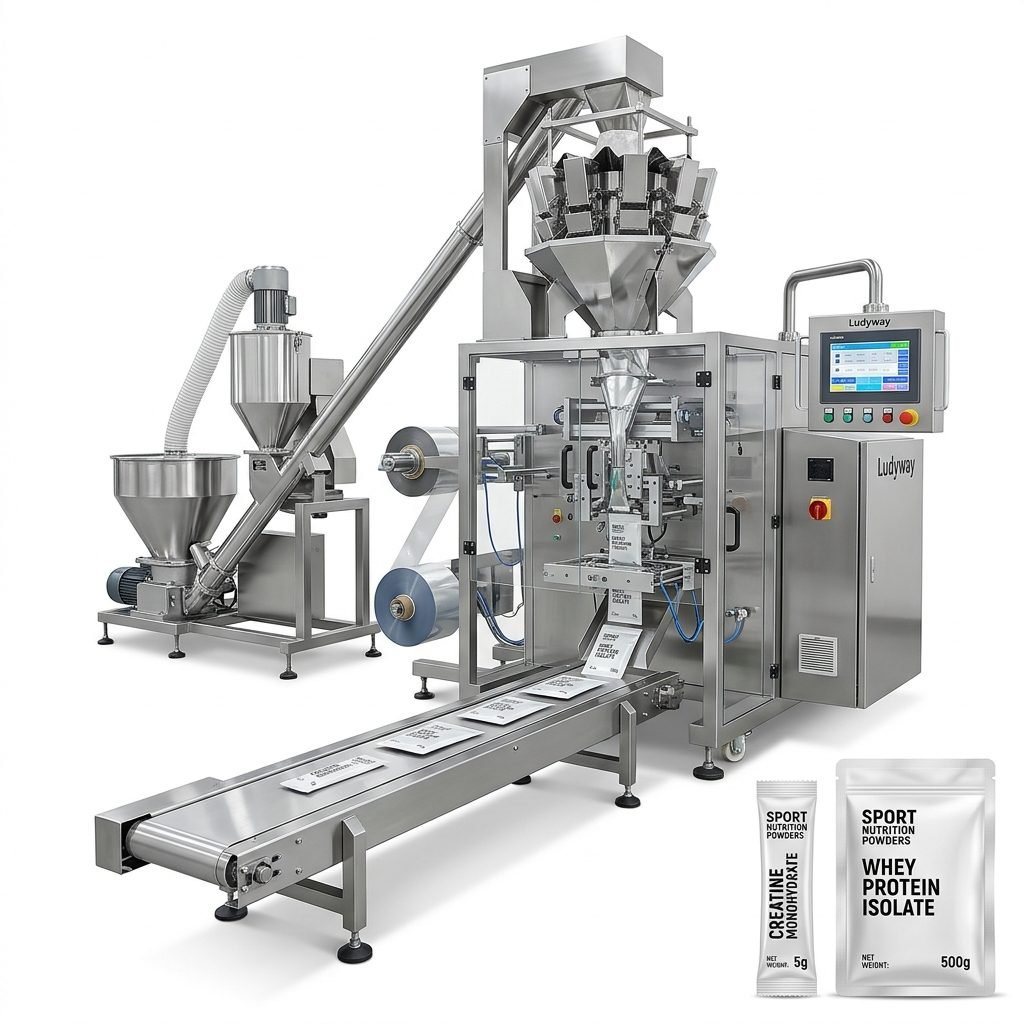
The filling mechanism is the heart of your packaging machine. Selecting the correct technology ensures both accuracy and minimal product waste. Below is a comparison of common filling systems used in mini sachet applications:
| Filling Type | Best For | Accuracy Level | Key Consideration |
|---|---|---|---|
| Auger Filler | Fine powders, spices, pharmaceutical powders | ±0.5%–1% | Requires consistent powder density; not ideal for sticky products |
| Volumetric Cup Filler | Free-flowing granules, seeds, sugar, salt | ±1%–2% | Simple, reliable, and cost-effective for uniform granules |
| Piston Pump | Liquids, gels, pastes, creams | ±0.5% | Excellent for a wide viscosity range; easy to clean |
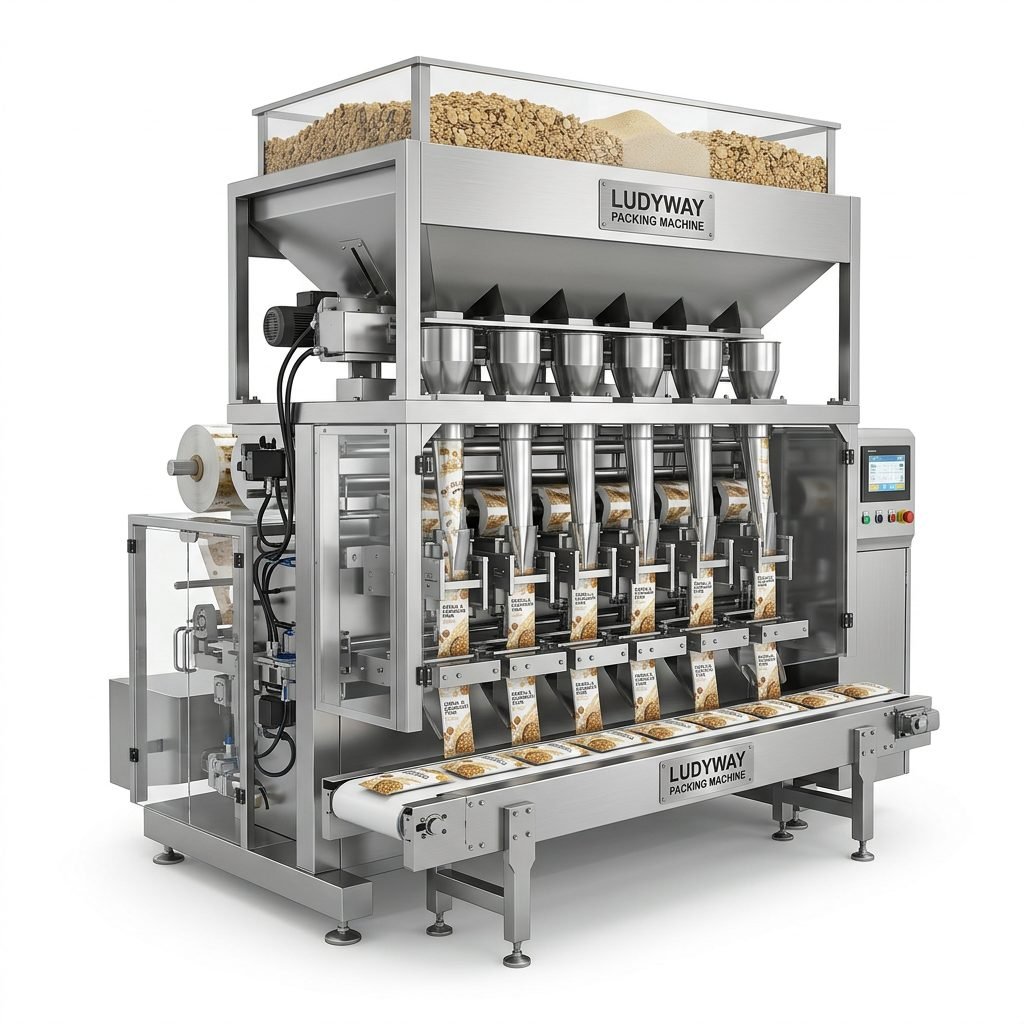
| Multi-Head Weigher | High-value powders, granules, tea, snacks | ±0.1%–0.5% | Highest accuracy for large-scale production; higher investment |
4. Assess Machine Construction and Hygiene Standards
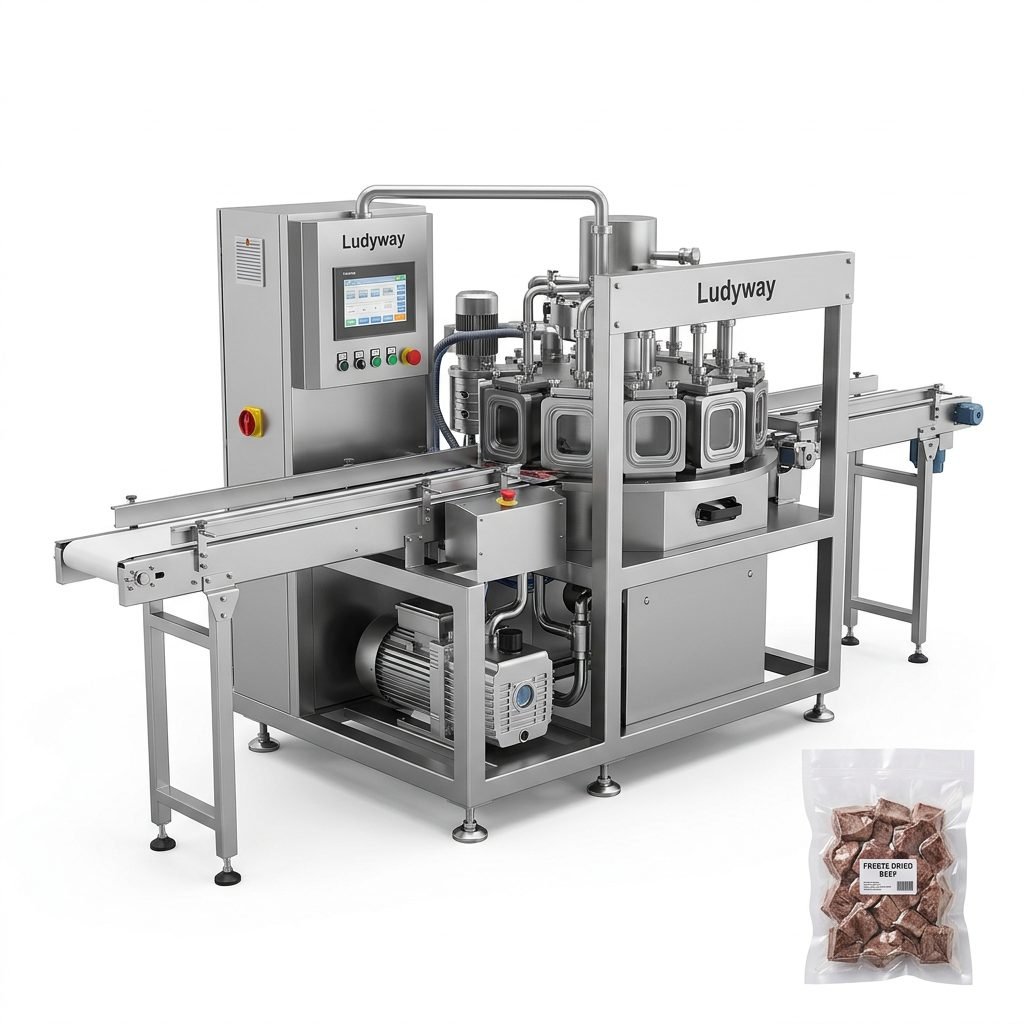
Food safety and pharmaceutical compliance demand stringent machine design standards. The frame and product-contact parts should be manufactured from SUS304 or SUS316L stainless steel, which provides corrosion resistance and facilitates thorough cleaning. Look for machines designed with minimal horizontal surfaces where dust can accumulate, quick-release components for tool-free disassembly, and fully enclosed filling zones to prevent contamination.
If you operate in regulated industries, verify that the equipment can be configured to meet ISO 11607 packaging standards, FDA requirements for food contact materials, or PMMI safety guidelines as applicable to your market.
5. Multi-Lane vs Single-Lane Mini Sachet Machines
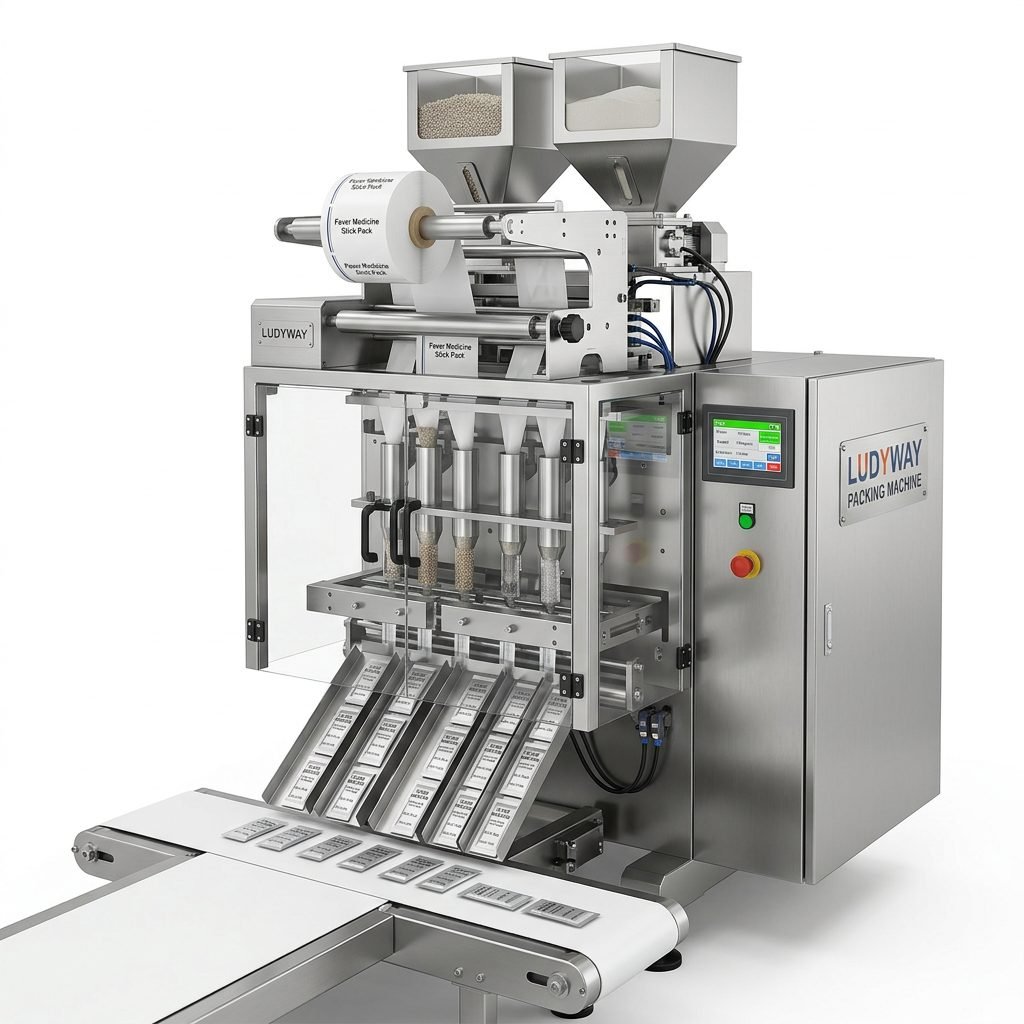
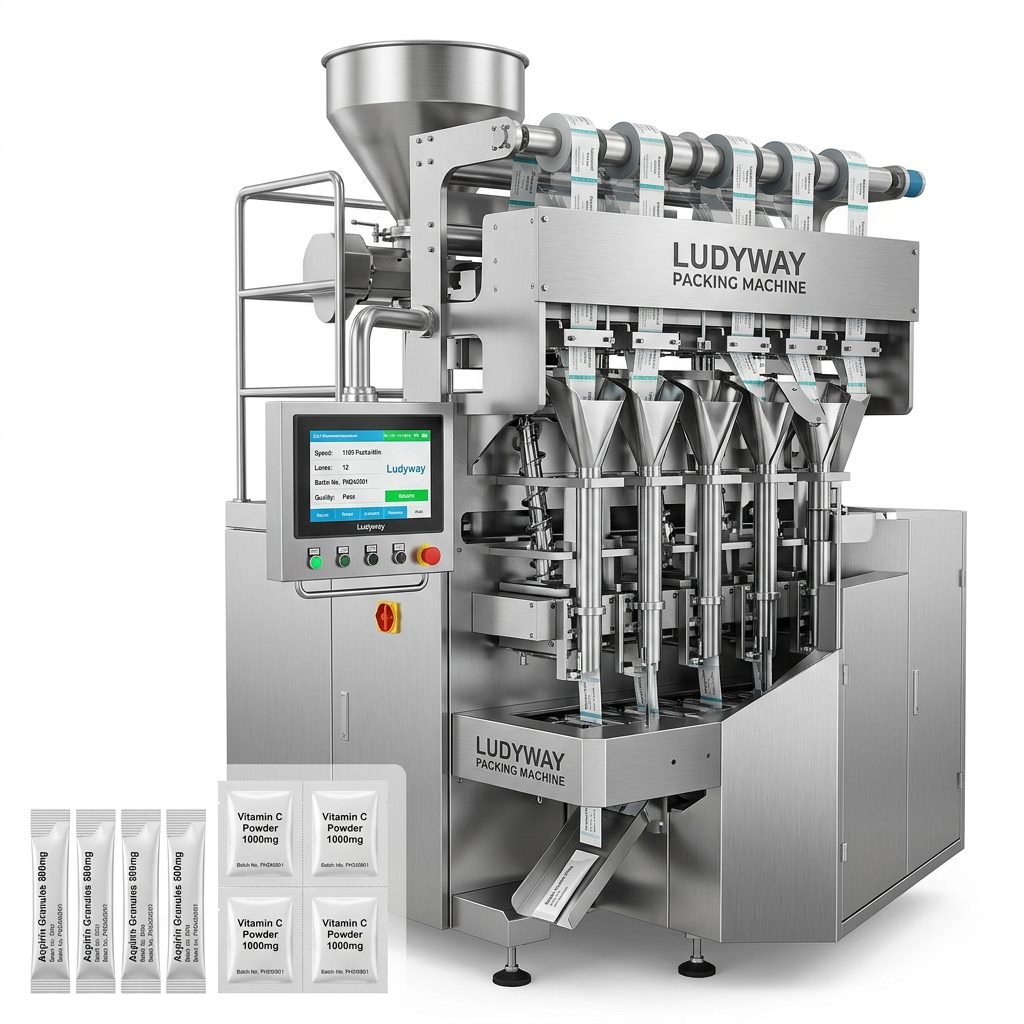
For higher output demands, multi-lane sachet packing machines offer a significant productivity advantage. A single-lane model produces one sachet per cycle, while a 4-lane, 6-lane, or even 10-lane configuration multiplies that output proportionally. The trade-off involves not only cost but also floor space and the complexity of changeover between different formats.
Multi-lane systems excel in long-run productions where the same product and sachet size are used for extended periods. If your facility runs frequent product changeovers, ensure the machine features memory storage for filling parameters and quick-adjust mechanisms for lane changes. Also consider how secondary packaging—like cartoning or case packing—will integrate with the higher output of a multi-lane line.
6. Integration with Upstream and Downstream Equipment
A mini sachet packing machine rarely operates in isolation. For a truly efficient turnkey packaging line, you need to consider how the sachet filler integrates with ancillary equipment:
- Feeding systems: Z-type bucket elevators, vacuum conveyors, or spiral feeders ensure a continuous, regulated product supply to the filler hopper.
- Date coding and printing: Thermal transfer overprinters, inkjet coders, or laser marking systems add batch numbers, expiry dates, and barcodes inline.
- Inspection and rejection: Metal detectors, checkweighers, and vision systems automatically verify fill weight and seal integrity, rejecting non-conforming sachets.
- Secondary packaging: Automatic cartoning machines, case packers, and palletizers complete the end-of-line process, reducing manual handling.
Choosing a supplier with experience in full-line integration rather than standalone machines simplifies project management and ensures all components communicate seamlessly.
7. Service, Spare Parts, and Technical Support
Even the most robust equipment requires preventive maintenance and occasional intervention. Before placing an order, clarify the manufacturer’s after-sales support structure. Key aspects to investigate include:
- Remote diagnostic capability: Can the supplier provide real-time troubleshooting via secure remote access, reducing downtime?
- Spare parts availability: How quickly can critical wear parts—sealing jaws, belts, sensors, heating elements—be dispatched to your location? A supplier with a well-stocked inventory and global logistics network minimizes disruption.
- Training and documentation: Comprehensive operator training and detailed technical manuals in your language contribute significantly to long-term operational reliability.
8. Working with an Experienced Packaging Machinery Partner
Selecting a supplier is as important as selecting the machine itself. An experienced manufacturer does more than provide equipment; it offers engineering guidance, application expertise, and long-term support throughout the machine’s lifecycle. Ludyway Machinery, with more than 30 years in the packaging industry, a 20,000-square-meter manufacturing facility, and more than 50 machine models, combines manufacturing depth with engineering capability to support customers from initial consultation through installation and commissioning. The company provides packaging machinery to customers in over 100 countries, with a broad portfolio that includes sachet, stick pack, pouch, and multi-lane packaging solutions. Ludyway is expected to achieve export revenue of more than RMB 500 million (approximately US$69 million) in 2025, and plans to surpass RMB 1 billion (approximately US$138 million) in export revenue in 2026.
9. Key Technical Specifications to Compare
When reviewing proposals from different suppliers, use a structured comparison framework. The following table highlights critical specifications you should standardize across all quotes for an accurate evaluation:
| Specification | Why It Matters |
|---|---|
| Film Width & Sachet Size Range | Must accommodate your current and potential future bag dimensions without major modifications. |
| Filling Accuracy | Directly affects product give-away and profitability; tighter tolerances reduce waste on high-value products. |
| Sealing Temperature Control | Precise PID temperature controllers ensure consistent seal integrity across production runs. |
| Power Consumption | Affects operating costs; energy-efficient designs with servo drives reduce long-term expenses. |
| Changeover Time | Frequent product changes demand quick-change designs to maintain overall equipment effectiveness (OEE). |
10. Future-Proofing Your Investment
The packaging industry continues to evolve rapidly. As you evaluate mini sachet packing machines, consider how your chosen equipment will adapt to future needs. Can the machine accommodate sustainable packaging materials, such as recyclable mono-material films or biodegradable laminates, which increasingly feature in regulations like the European Packaging and Packaging Waste Regulation? Can additional lanes be added to increase capacity if demand grows? Will the control system support Industry 4.0 data protocols for integration with manufacturing execution systems?
A modular machine platform that allows for phased upgrades—such as adding an automatic feeder, vision inspection, or cartoning module later—protects your initial investment while providing a clear path to higher automation. For further market intelligence, resources from organizations like the Flexible Packaging Association offer valuable industry data and sustainability guidance.
Making the Final Decision
After narrowing down your options, request a factory acceptance test (FAT) or a video demonstration of the machine running your actual product and packaging material. This step reveals real-world performance that datasheets cannot capture, such as how the film tracks through the forming tube, how cleanly the filling cut-off operates, and how consistently the seals hold. A reputable manufacturer will welcome this verification, as it confirms the machine configuration before shipment.
The right mini sachet packing machine is not simply a purchase—it is an operational asset that, when properly selected, will deliver reliable service, product consistency, and scalability for years to come. Thorough due diligence during the selection process pays dividends through higher line efficiency and fewer production disruptions.