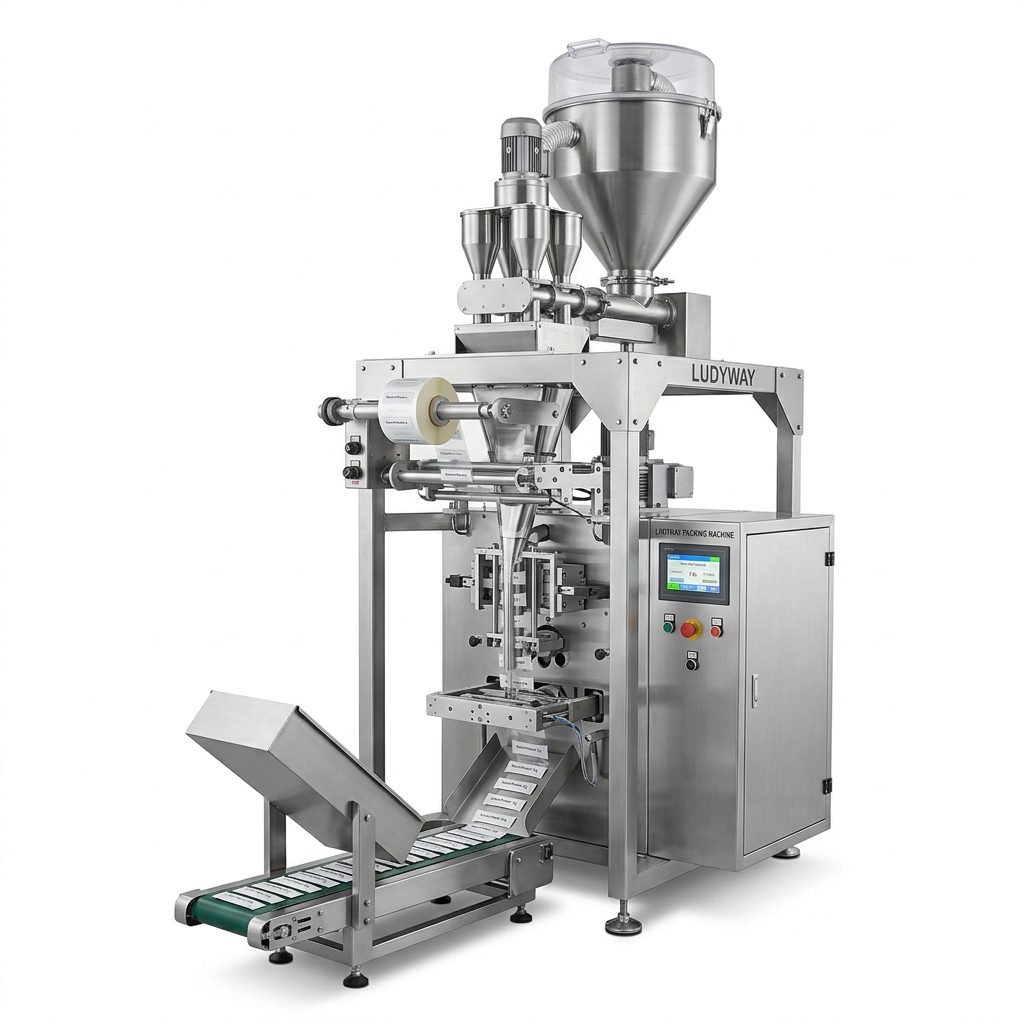
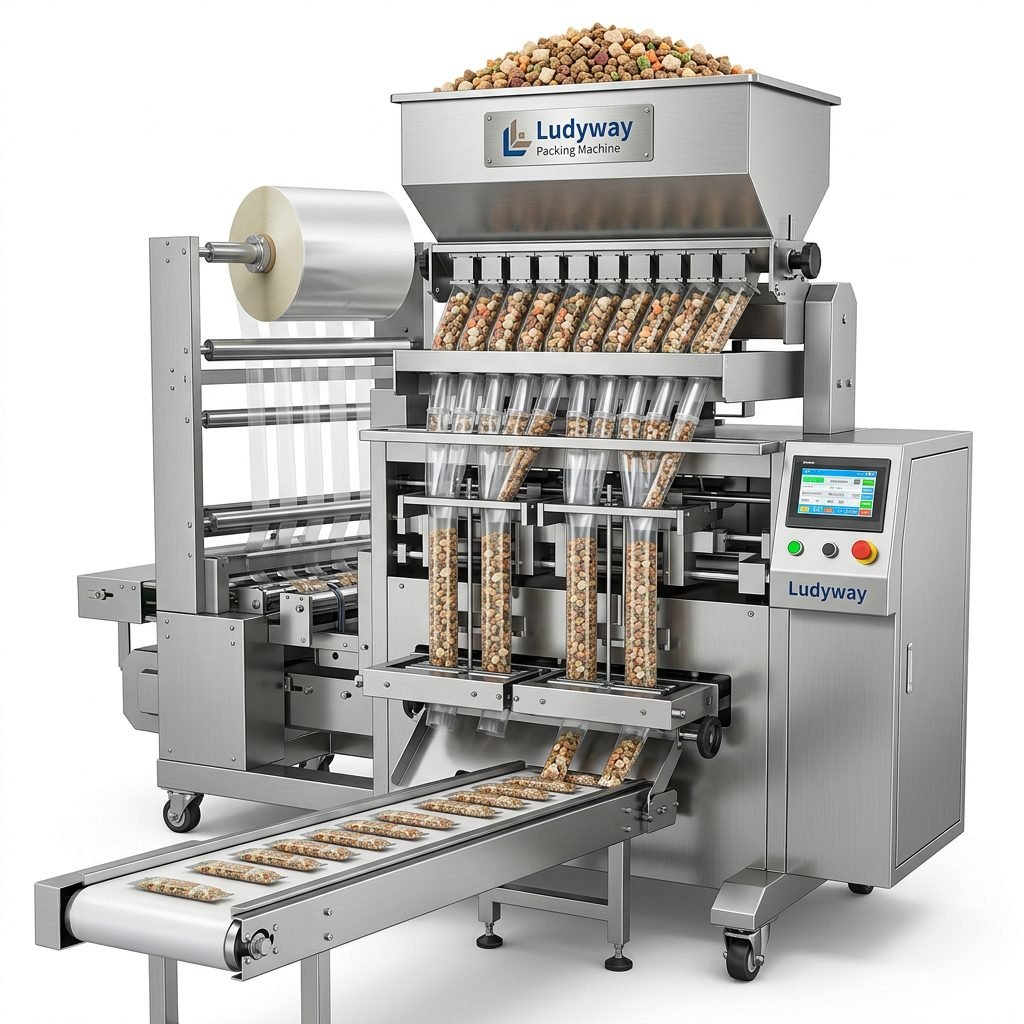
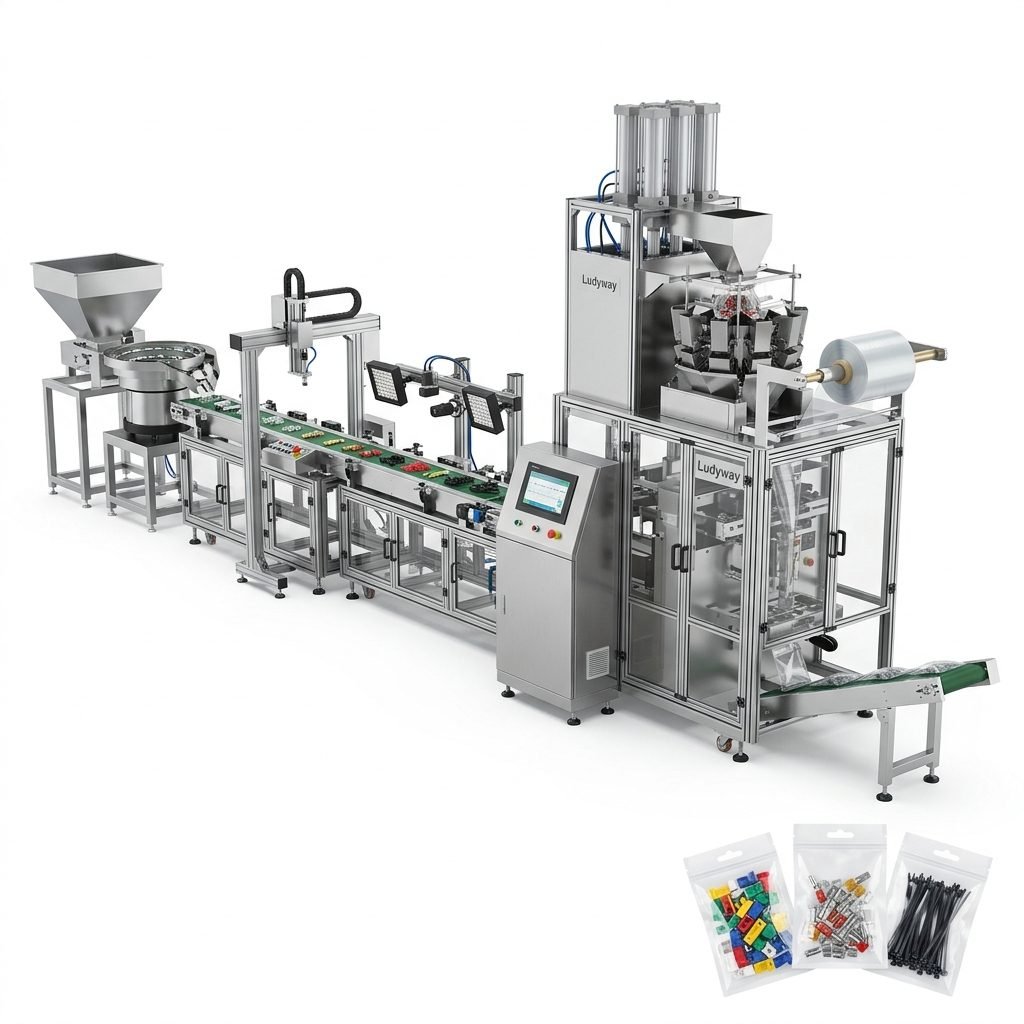
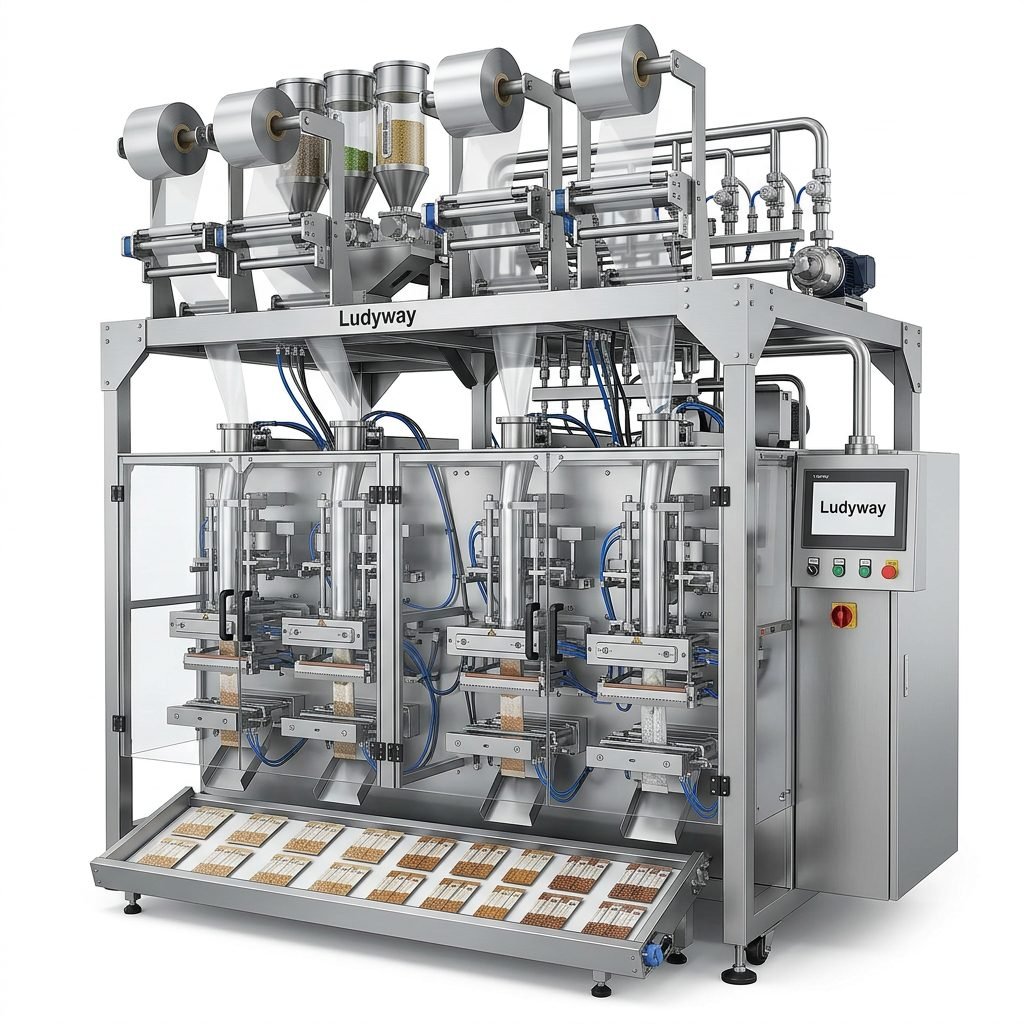
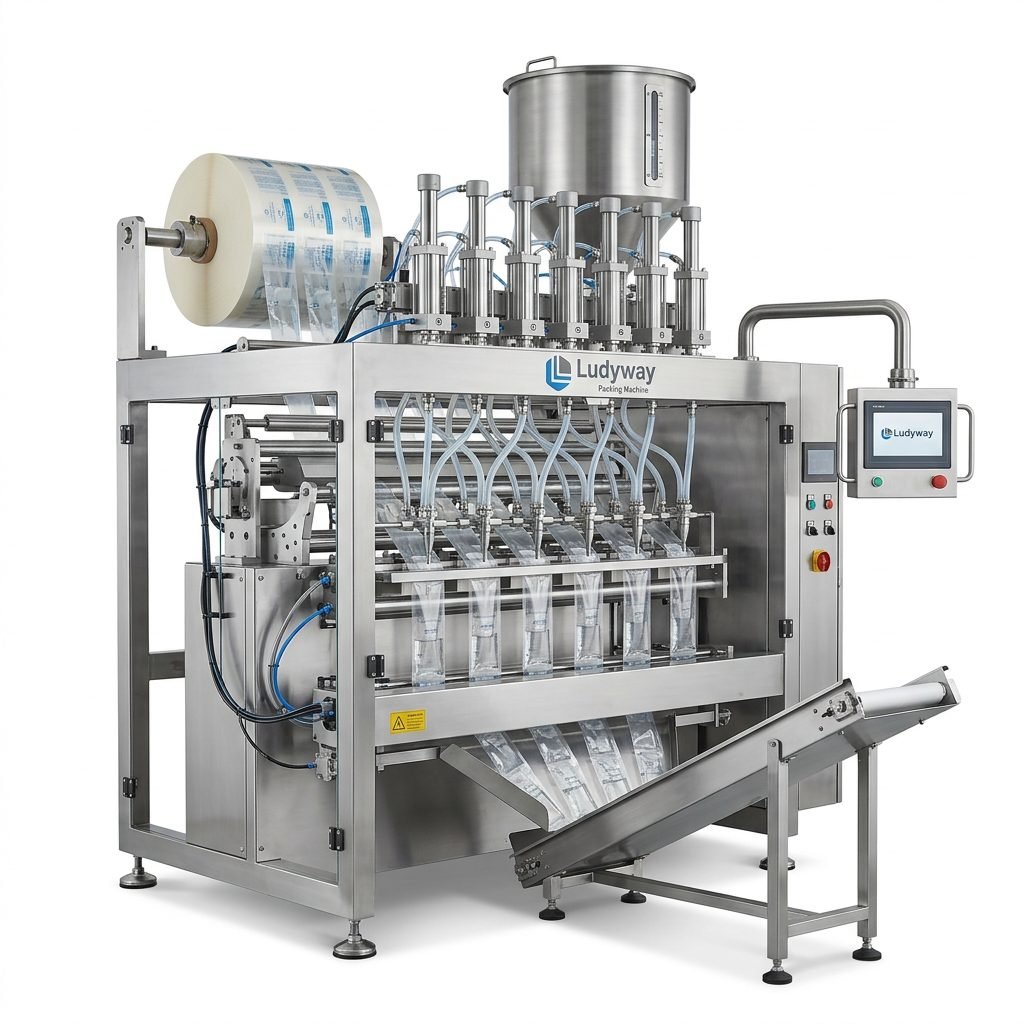
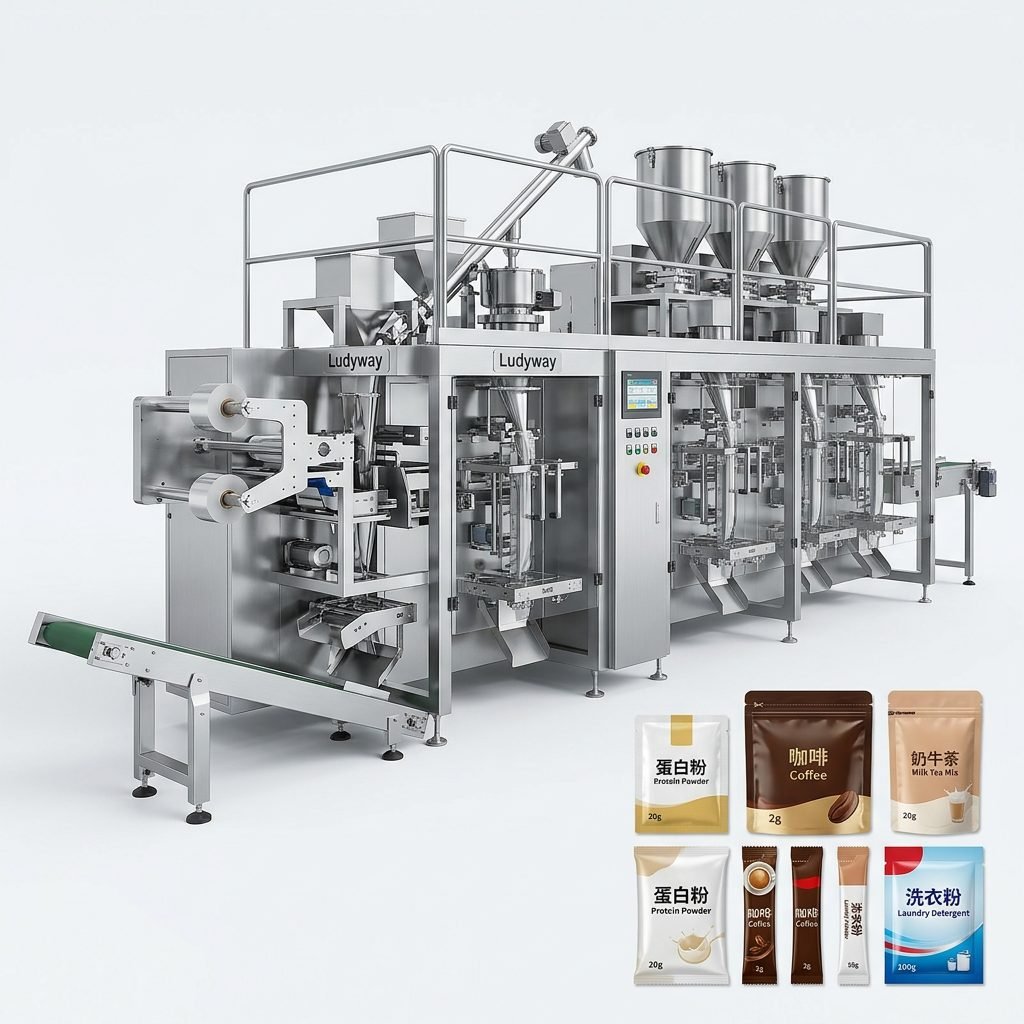
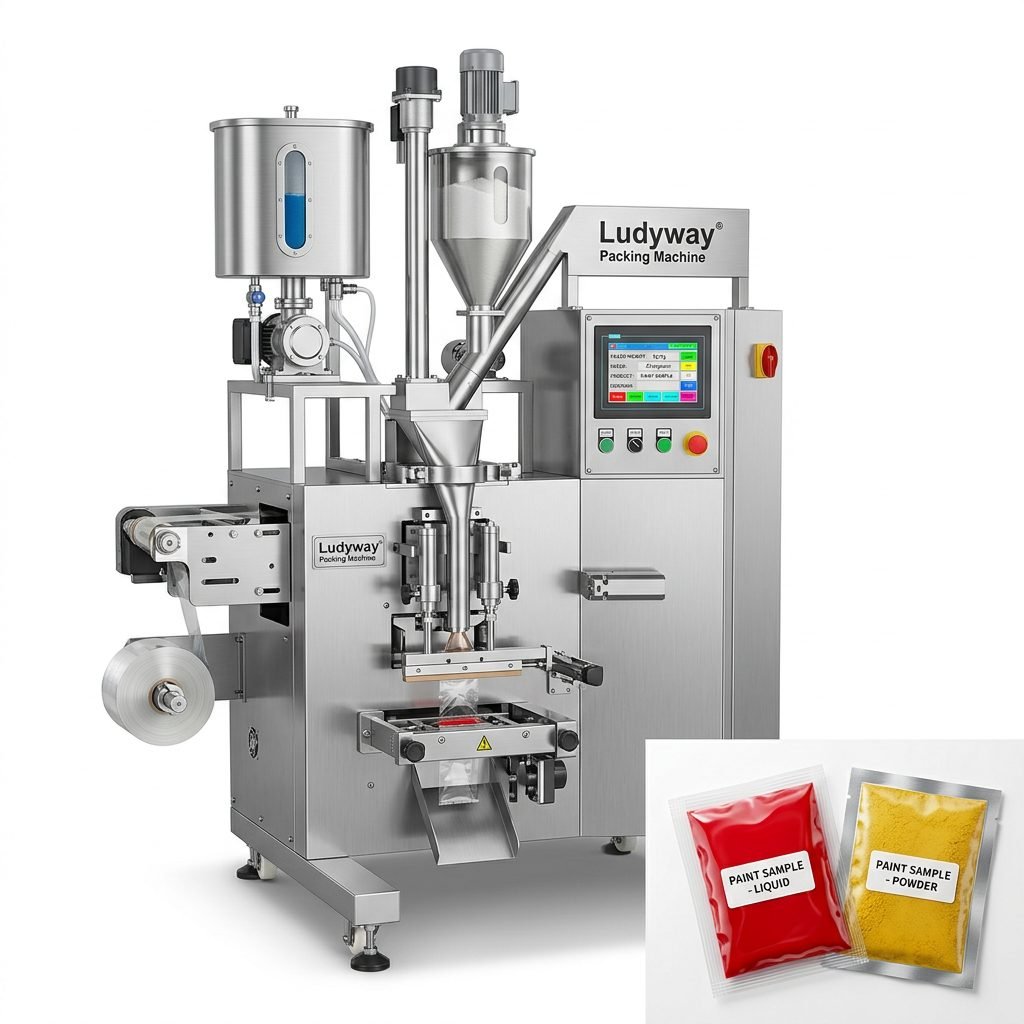
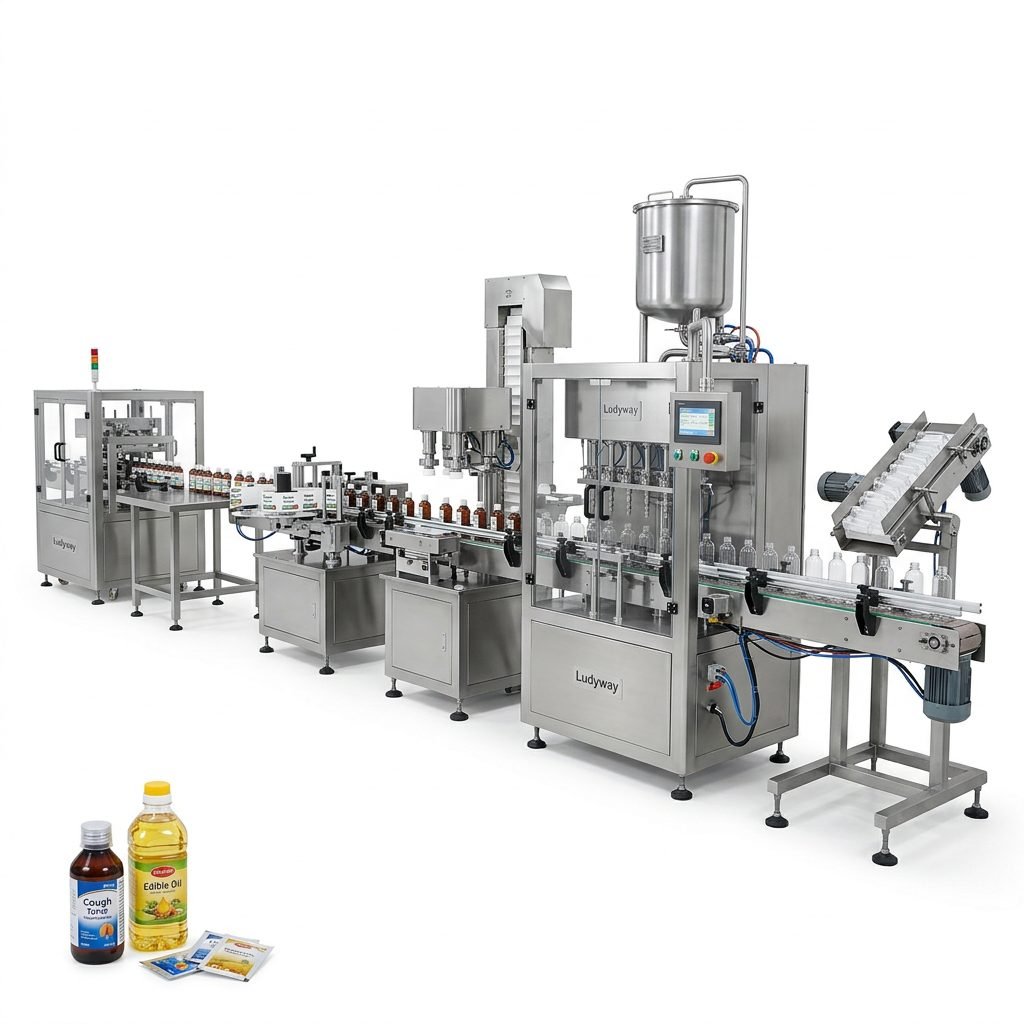
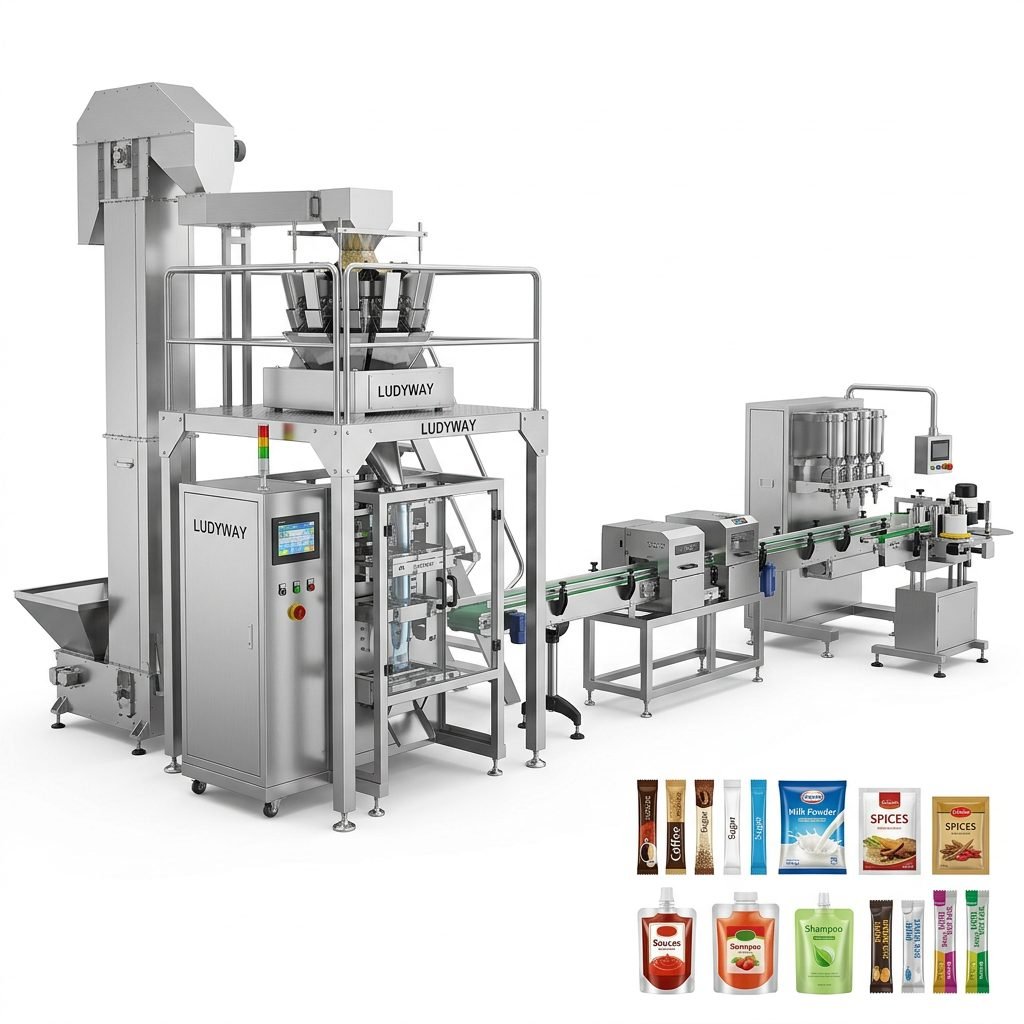
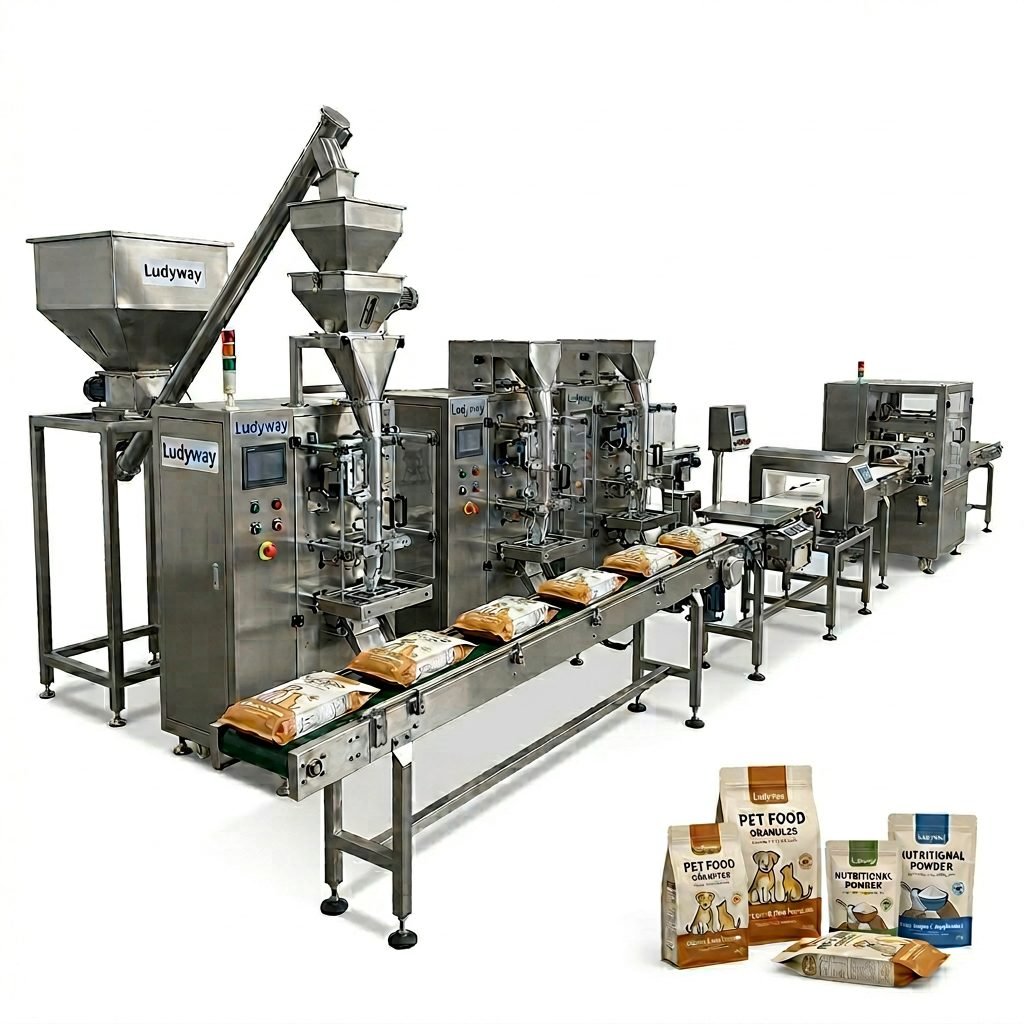
Choosing the right packaging machine factory is a critical decision for any business looking to automate and scale its production. The reliability, efficiency, and quality of your packaging equipment directly impact your operational costs, product integrity, and brand reputation. This guide will walk you through the essential steps and considerations for selecting a trustworthy manufacturer and supplier, ensuring you make an informed investment.
Understanding Your Packaging Needs
Before you begin your search, it’s crucial to have a clear understanding of your specific requirements. This foundational step will guide every subsequent decision.
Product Characteristics
What are you packaging? The physical form of your product—whether it’s granules, powders, liquids, pastes, or solids—dictates the type of machine technology needed. For instance, a free-flowing powder requires a different filling system than a viscous liquid.
Production Volume and Speed
Assess your current and projected output. A factory’s capacity is often measured in bags or pouches per minute (BPM/PPM). Choosing a machine that matches your speed requirements prevents bottlenecks or underutilization of capital.
Packaging Materials and Formats
Determine your desired packaging format: stick packs, sachets, pillow bags, or stand-up pouches. Also, consider the film material (e.g., laminates, metallized films) as the machine must be compatible with your chosen material for optimal sealing and performance.
Key Consideration:
Always request a live product test using your actual product and packaging materials at the factory. This is the most reliable way to verify machine suitability and output quality.
Evaluating the Manufacturer’s Credentials
Once you know what you need, the next step is to vet potential suppliers thoroughly. A reputable factory is your best guarantee of quality and service.
Industry Experience and Specialization
Look for manufacturers with a proven track record. A company like Ludyway Packing Machine, with over 30 years of collective industry experience, brings invaluable expertise in solving complex packaging challenges. Specialization in your sector (e.g., food, pharmaceuticals) is a major plus, as they will understand relevant hygiene and regulatory standards.
Manufacturing Capability and Scale
The size and modernity of a production facility matter. A factory with a 20,000㎡ manufacturing base indicates strong in-house control over quality, production timelines, and the capacity to handle larger orders. It’s a sign of stability and commitment to the business.
Technical Expertise and R&D
Packaging technology evolves. A forward-thinking factory invests in research and development to offer intelligent, efficient machines. Inquire about their engineering team and their ability to provide customized or turnkey solutions, not just off-the-shelf models.
Key Factors in the Selection Process
Dig deeper into the specifics of the machinery and the business relationship. Here are the critical factors to compare during your evaluation.
Machine Quality and Construction
High-quality components (e.g., servo motors, PLCs from reputable brands like Siemens or Mitsubishi) and robust construction (stainless steel contact parts) ensure durability, precision, and low maintenance. Don’t just look at the price; assess the long-term total cost of ownership.
After-Sales Support and Service
Reliable support is non-negotiable. A global supplier must offer comprehensive after-sales service, including:
✓ Detailed installation and operational training.
✓ Ready availability of spare parts.
✓ Remote technical support and prompt on-site service when needed.
Global Compliance and Certifications
For international sales, ensure the equipment complies with relevant safety and quality standards in your target markets, such as CE (Europe) or FDA requirements (for food and pharmaceutical contact in the US). Certifications are a testament to a factory’s quality management systems.
The Advantage of a Full-Solution Provider
Partnering with a supplier that offers a wide range of over 50 machine models, like the portfolio available from Ludyway’s intelligent packaging systems, provides significant advantages. It allows for future scalability and ensures you get integrated, compatible equipment for complete production lines, from dosing and filling to sealing and cartoning.
Building a Successful Partnership
Selecting a factory is the start of a long-term relationship. Clear communication and defined expectations are key to success.
Clear Communication and Project Management
From the initial inquiry, gauge the supplier’s responsiveness and clarity. A professional factory will assign a project manager to guide you through specification confirmation, factory acceptance testing (FAT), shipping, and installation.
Transparency in Quotation and Contracts
A detailed quotation should break down all costs: machine price, spare parts, shipping, insurance, and installation. Ensure the contract clearly outlines warranty terms, payment schedules, delivery timelines, and responsibilities.
Visiting the Factory (When Possible)
If feasible, a factory visit is invaluable. It allows you to inspect the manufacturing process, quality control checks, and the company’s operational culture firsthand. You can meet the engineering team and see machines being assembled and tested.
Conclusion: Making an Informed Decision
Choosing a reliable packaging machine factory requires diligent research and a focus on long-term value over short-term cost savings. By thoroughly understanding your needs, vetting the manufacturer’s credentials, scrutinizing machine quality and support, and fostering clear communication, you can establish a partnership that drives your production efficiency and growth for years to come. A trusted supplier becomes a strategic ally in your business’s success.
Frequently Asked Questions (FAQs)
1. What is the most important factor when choosing a packaging machine supplier?
While price, speed, and features are important, the most critical factor is the supplier’s reliability and after-sales support. A machine will eventually need maintenance or spare parts. A supplier with a global service network and a commitment to long-term support ensures minimal downtime and protects your investment.
2. How can I verify the quality of a packaging machine before purchase?
Always insist on a Factory Acceptance Test (FAT). This involves visiting the factory or sending your materials for a live run of your product on the specific machine. Review performance data, check sealing quality, and measure accuracy and speed against the agreed specifications.
3. Is it better to buy a standard machine or a customized solution?
This depends entirely on your product and process complexity. Standard machines are cost-effective for common applications. For unique products, specialized formats, or high-speed integrated lines, a customized or turnkey solution from an experienced provider, though potentially higher in initial cost, delivers better efficiency, lower waste, and a superior return on investment.
4. What should be included in a standard warranty for packaging machinery?
A comprehensive warranty typically covers defects in materials and workmanship for a defined period (e.g., 12-18 months). It should clearly state what is included (often parts) and what is excluded (wear-and-tear items, damage from misuse). Ensure it includes support for troubleshooting, even if on-site service may incur travel costs after an initial period.
5. How do I ensure the machine will comply with regulations in my country?
Discuss this explicitly with the supplier. Provide them with the specific regulatory codes or standards (e.g., CE, UL, FDA) required for your market. A reputable international supplier will have experience with these certifications and should provide documentation, such as a Declaration of Conformity and relevant test reports, to prove compliance.