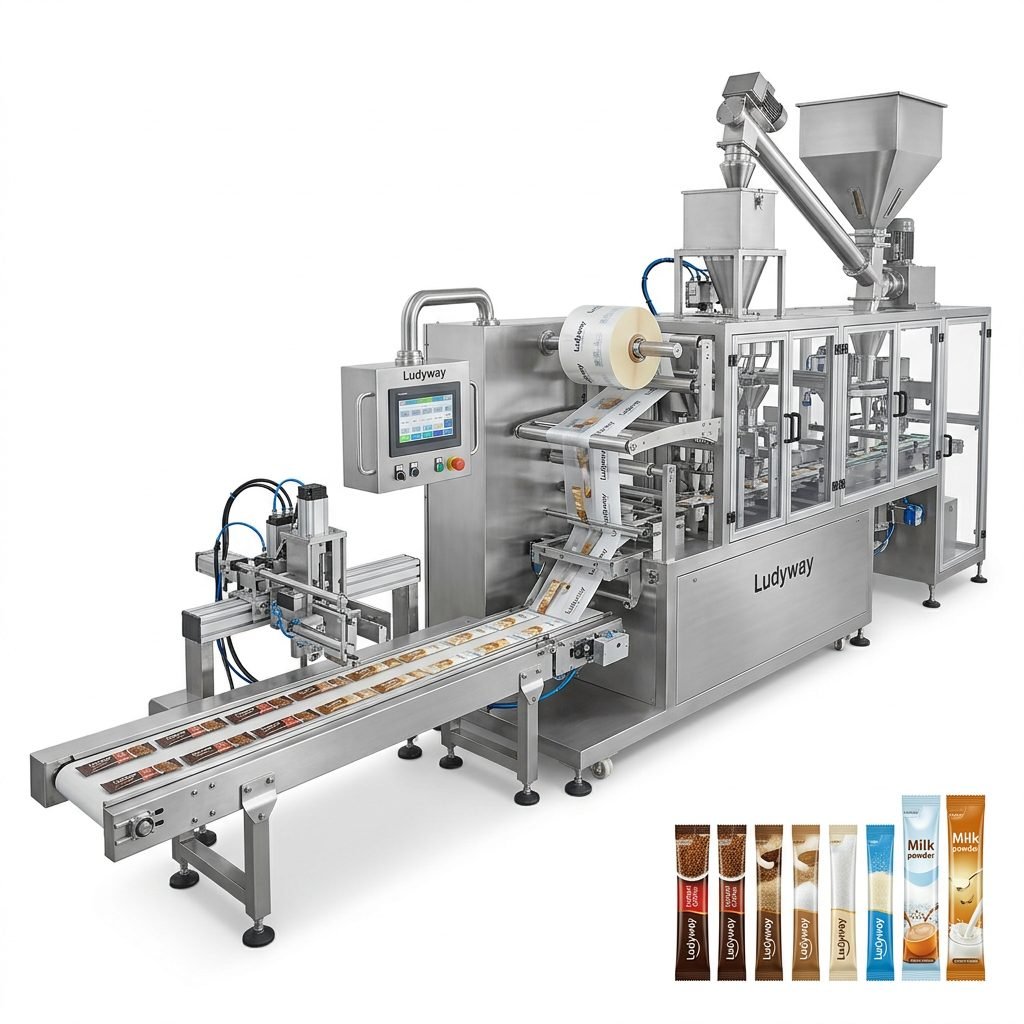
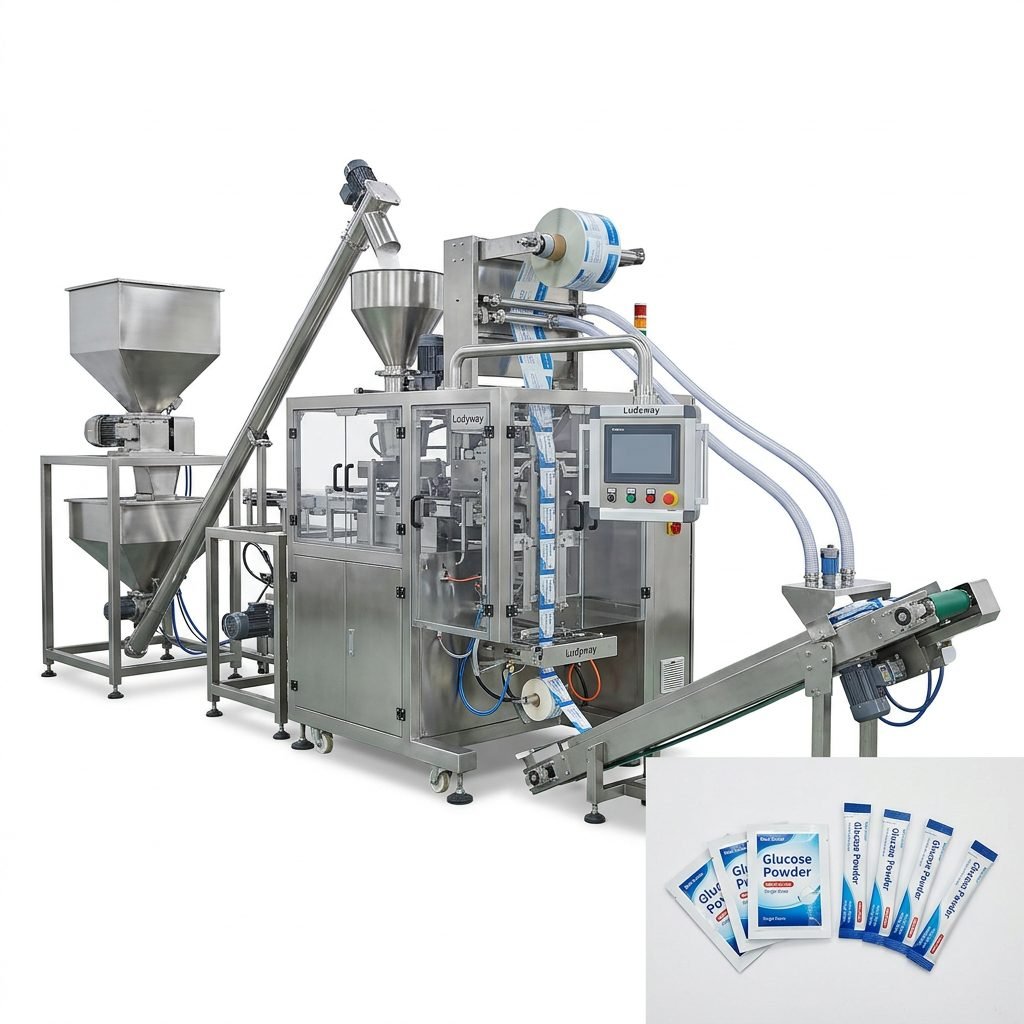
Selecting the right packaging machinery manufacturer is a critical decision that directly impacts your production efficiency, product quality, and bottom line. With numerous suppliers in the global market, from established industry leaders to specialized regional providers, the process of choosing the best partner for your production line can be complex. This guide will walk you through the essential factors to consider, helping you make an informed decision that aligns with your operational goals and long-term business strategy.
Key Factors in Evaluating Packaging Machinery Suppliers
Before diving into specific manufacturers, it’s crucial to establish a clear set of evaluation criteria. The ideal supplier should offer more than just a machine; they should provide a comprehensive solution that integrates seamlessly into your production environment.
Core Evaluation Criteria:
→ Technical Expertise & Innovation: Assess the supplier’s R&D capabilities and their commitment to incorporating the latest technologies, such as IoT connectivity, precision dosing, and sustainable packaging options.
→ Machine Reliability & Build Quality: The durability and consistency of the machinery are non-negotiable. Look for robust construction, high-quality components, and a proven track record of low downtime.
→ Customization & Flexibility: Your production needs are unique. The best suppliers offer tailored solutions, whether it’s modifying machine speed, package size, or integrating with existing line equipment.
→ After-Sales Support & Service: Comprehensive technical support, readily available spare parts, and responsive service teams are essential for maintaining continuous production.
Understanding Different Types of Packaging Machinery Manufacturers
The packaging machinery landscape is diverse. Understanding the different types of suppliers will help you target your search more effectively.
1. Full-Line Turnkey Solution Providers
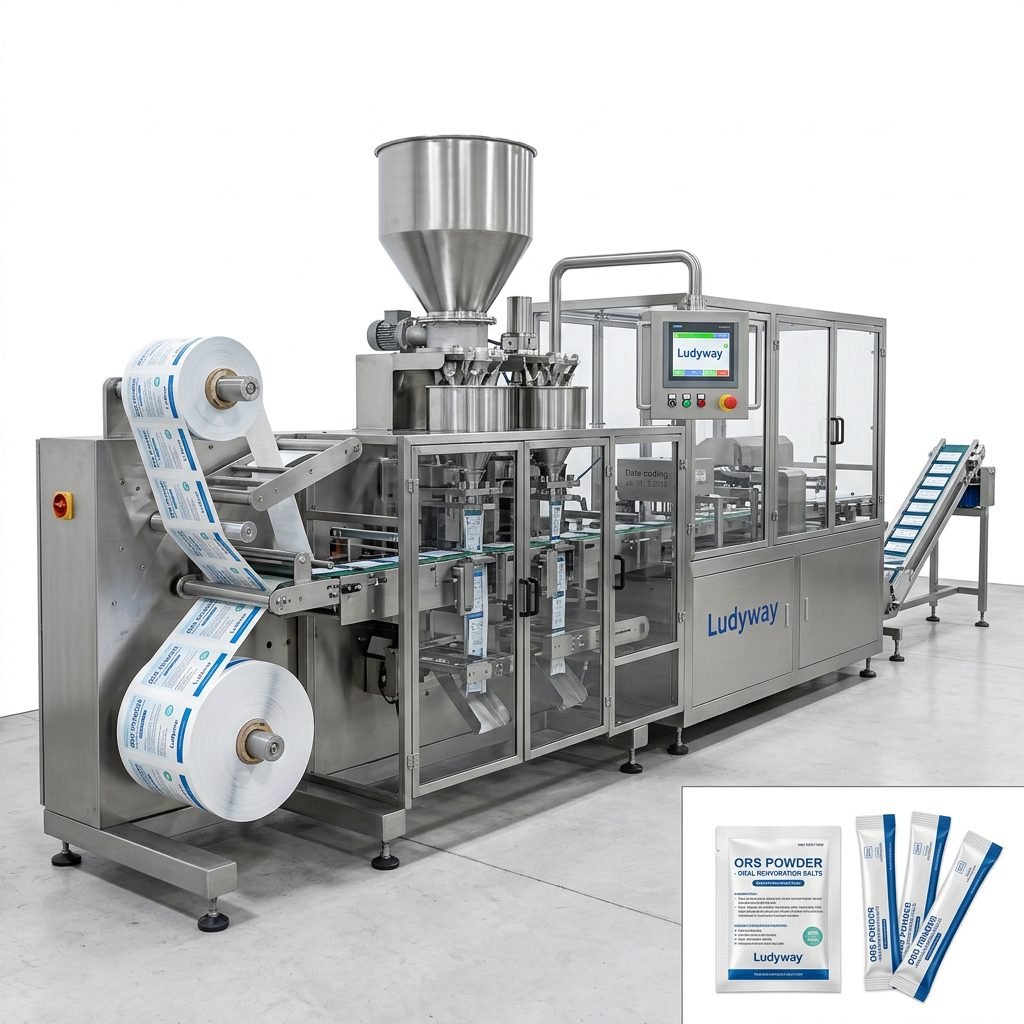
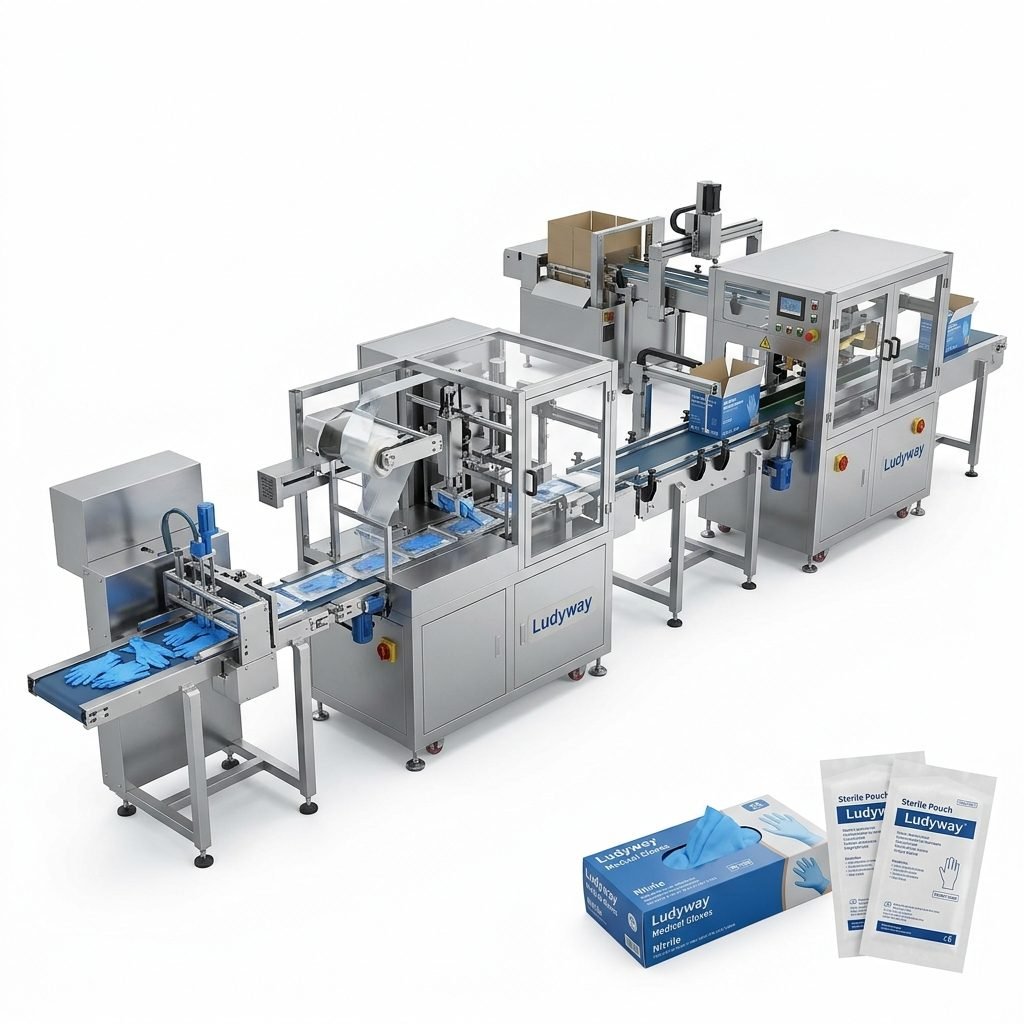
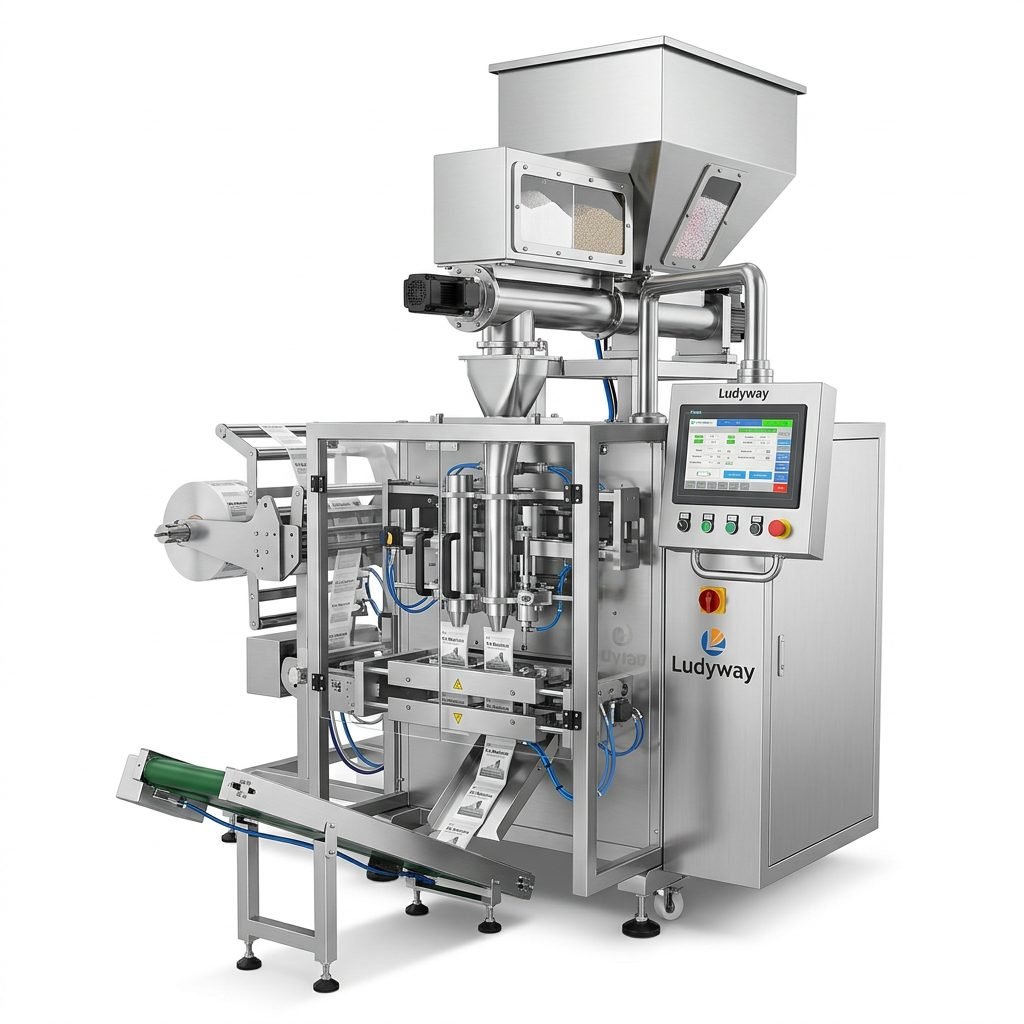
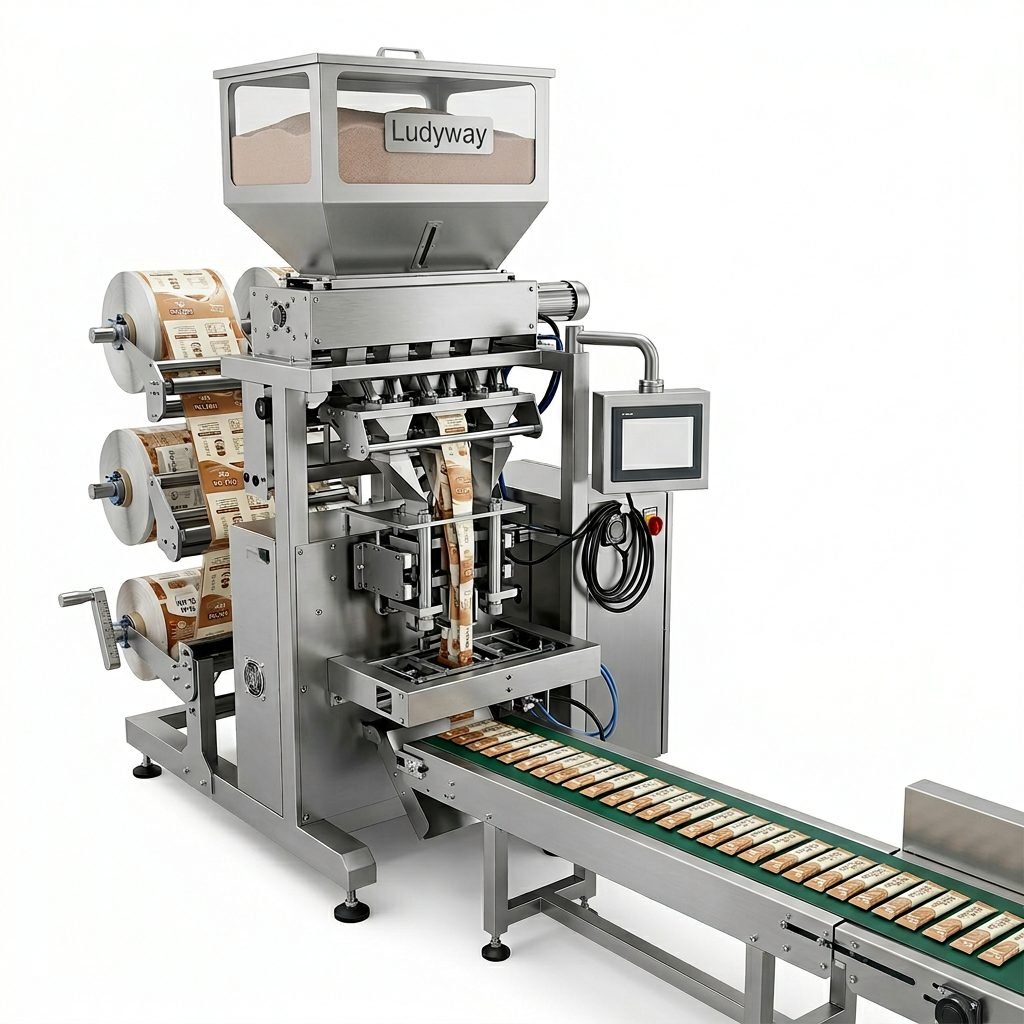
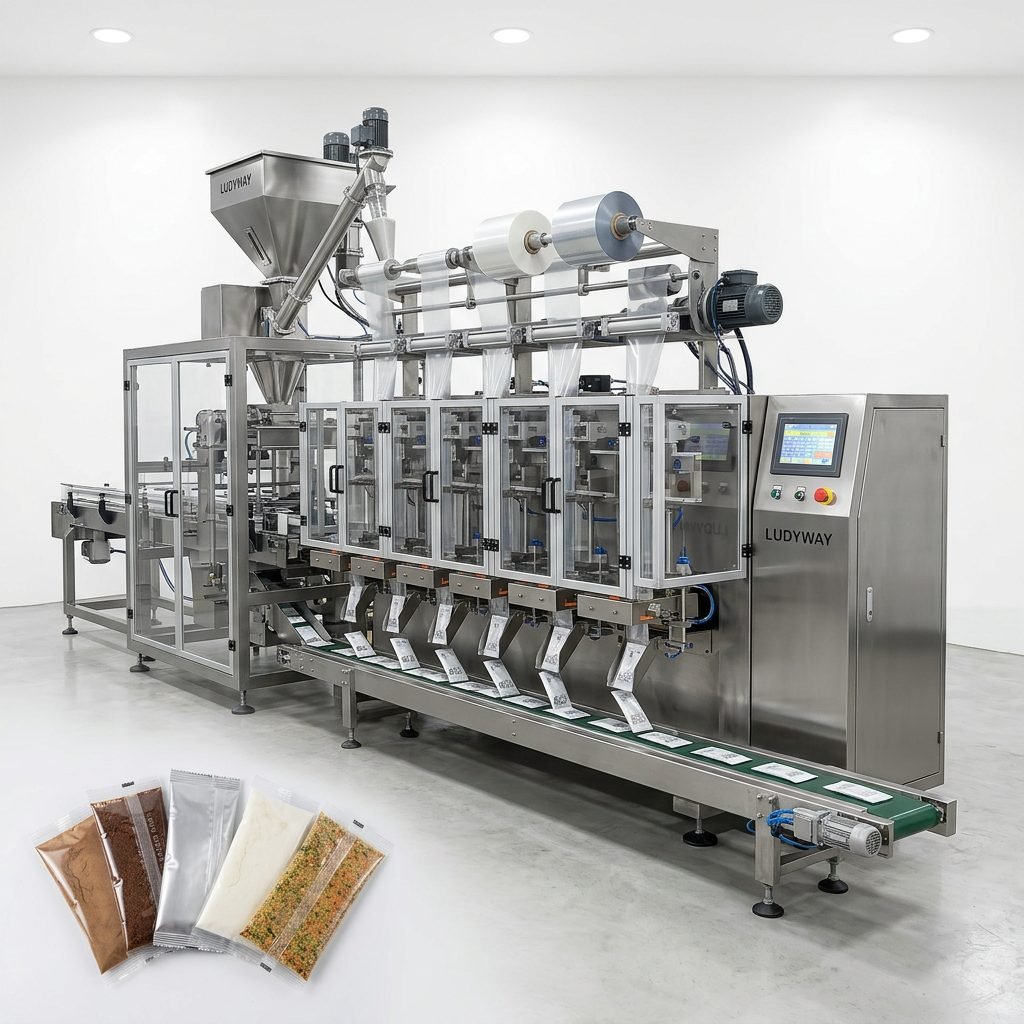
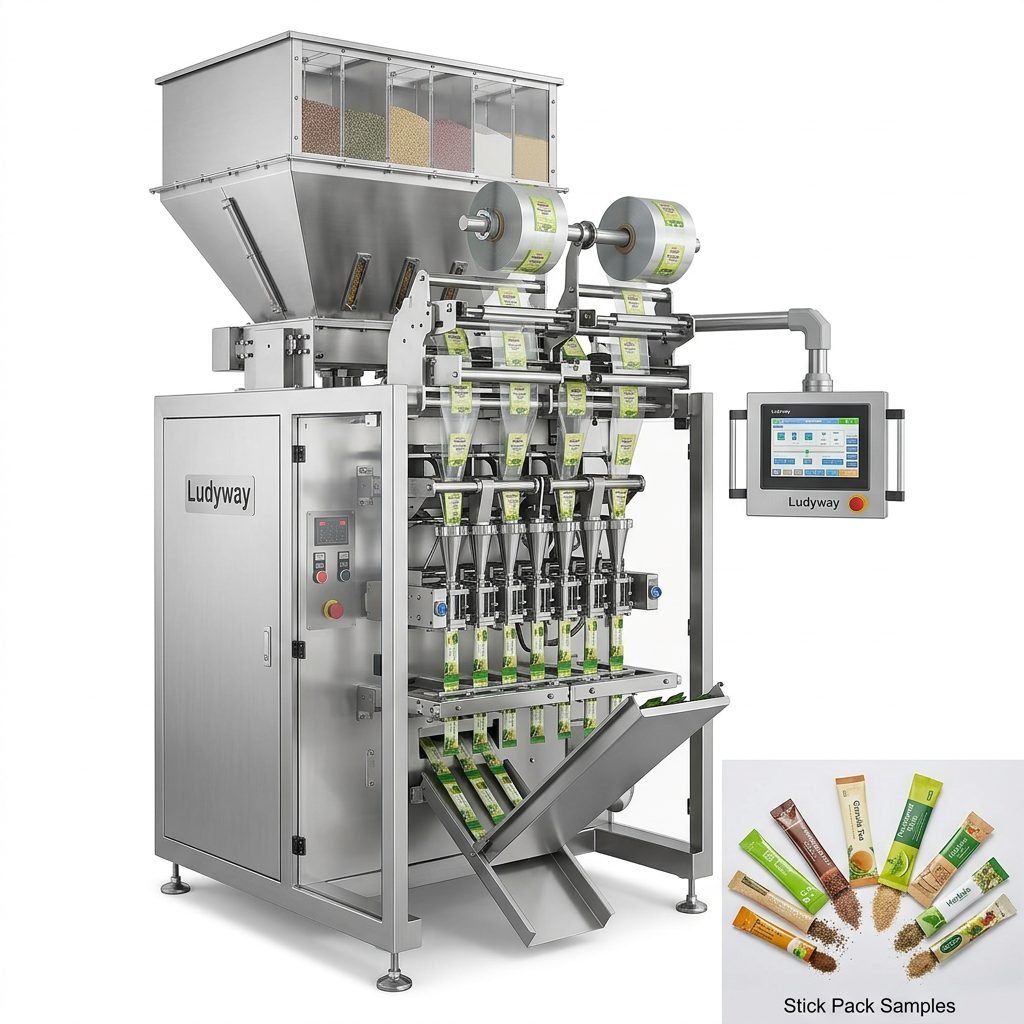
These manufacturers, such as Ludyway Machinery, offer complete, integrated production lines. They handle everything from individual machines like form-fill-seal (FFS) units to complete automated systems with feeding, filling, sealing, and cartoning. This is ideal for businesses setting up a new line or undergoing a major upgrade, as it ensures compatibility and single-point accountability.
2. Specialized Niche Manufacturers
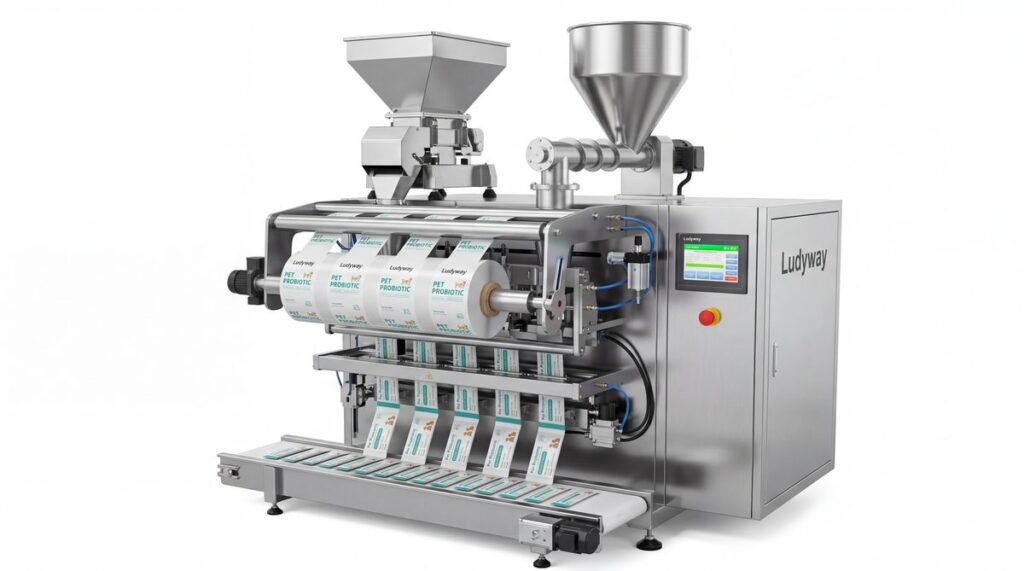
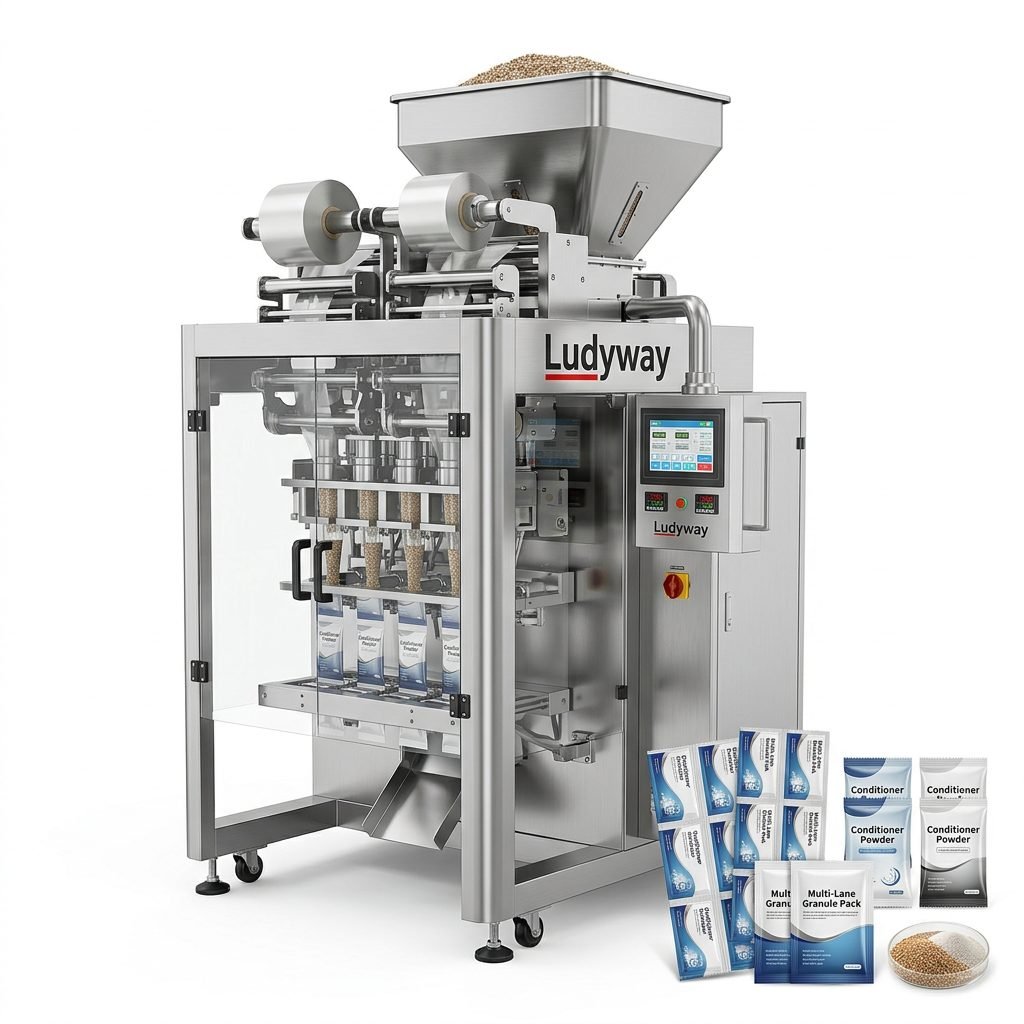
Some suppliers excel in specific packaging formats or industries. You might find experts in vertical stick pack machines for pharmaceuticals or high-speed sachet packaging for food seasonings. They offer deep expertise and often the most advanced technology for that particular application.
3. Regional vs. Global Suppliers
Regional manufacturers may offer advantages like lower logistics costs, easier communication, and a better understanding of local market needs. Global suppliers provide standardized technology, extensive international service networks, and experience with diverse regulatory requirements. Your choice may depend on your primary market and expansion plans.
The Supplier Qualification Process: A Step-by-Step Guide
Moving from a list of potential suppliers to a final selection requires a structured approach.
Step 1: Define Your Requirements Precisely
Create a detailed specification sheet. Include required speed (packages per minute), package dimensions and materials, product characteristics (granules, powder, liquid viscosity), desired automation level, floor space, and utility requirements (power, air).
Step 2: Initial Research & Shortlisting
Use industry directories, trade shows, and professional referrals to create a long list. Review websites, case studies, and client lists. Shortlist 3-5 suppliers whose capabilities and experience align with your project scope.
Step 3: Deep Dive & Request for Proposal (RFP)
Engage with shortlisted suppliers. Share your specifications and request a formal proposal. A serious manufacturer like Ludyway will often propose a solution, provide detailed quotations, and offer to run product samples on their machines.
Critical Checkpoint: The Factory Audit
Whenever possible, visit the supplier’s manufacturing facility. This allows you to verify their claims firsthand. Observe their production processes, quality control checks, and the working environment. For instance, a manufacturer with a 20,000㎡ modern facility and over 200 pieces of production equipment demonstrates significant investment and scale, which often correlates with stability and reliability.
During the visit, assess their engineering team’s expertise and their approach to problem-solving. A supplier backed by 30+ years of collective industry experience is likely to have encountered and resolved a wide array of production challenges.
Step 4: Evaluate Proposals & Total Cost of Ownership (TCO)
Look beyond the initial machine price. Calculate the TCO, which includes installation, training, energy consumption, maintenance costs, expected lifespan, and potential cost of downtime. A slightly higher initial investment in a more reliable machine can lead to significant long-term savings.
Step 5: Final Negotiation & Contracting
Clarify all terms: payment schedule, delivery timeline, warranty details, training provisions, and service level agreements (SLAs). Ensure the contract clearly defines performance guarantees (e.g., speed, accuracy) and remedies if they are not met.
Red Flags and Green Flags in a Supplier
⚠️ Potential Red Flags
• Vague or incomplete technical documentation.
• Unwillingness to provide client references or arrange factory visits.
• Pressure to sign a contract without adequate review time.
• Lack of a clear, responsive communication channel for support.
• No offer for a product test or sample run before purchase.
✅ Positive Green Flags
• Proactive in asking detailed questions about your application.
• Provides transparent, itemized cost breakdowns.
• Offers comprehensive after-sales service plans and training.
• Has a portfolio of successful projects in your industry.
• Demonstrates a commitment to partnership and long-term support.
Building a Partnership for the Future
The relationship with your packaging machinery supplier should be viewed as a strategic partnership. The right partner will evolve with your business, offering upgrades, retrofits, and advice as your needs change. They become an extension of your operational team. A supplier focused on long-term cooperation and innovation will invest in understanding your business goals, not just selling a machine.
For example, a partner like Ludyway Machinery, which has grown from a focused engineering team to an international provider of over 50 machine models, exemplifies the growth trajectory that can benefit your own expansion, offering scalable solutions and global support.
Frequently Asked Questions (FAQs)
What is the most important factor when choosing a packaging machine supplier?
While price, specifications, and delivery time are important, the quality of after-sales service and technical support is often the most critical long-term factor. A machine will eventually need maintenance; a reliable, responsive support team minimizes costly production downtime.
How can I verify a supplier’s claims about machine performance?
Always request a live product test or video demonstration using your actual product (or a close substitute). Ask for contact information of recent clients in a similar industry and speak to them directly about their experience with machine speed, accuracy, and reliability.
Is it better to buy a standard machine or a customized one?
This depends entirely on your product and output requirements. Standard machines are cheaper and faster to deliver. However, if your product has unique characteristics (e.g., abrasive, oily, fragile) or you require very specific packaging formats, a customized solution from a supplier with strong engineering capabilities will yield better efficiency and fewer problems in the long run.
What should be included in a comprehensive warranty?
A strong warranty should cover parts and labor for a defined period (e.g., 12-24 months). It should clearly state what is included (e.g., all mechanical and electrical components) and what is excluded (e.g., wear parts like seals, misuse). Crucially, it should define the response time for support calls and the process for resolving issues.
How do I future-proof my packaging machinery investment?
Choose a supplier whose machines are designed with modularity and scalability in mind. Discuss potential future needs (higher speeds, different package sizes, integration with data systems) upfront. A forward-thinking supplier will design a solution that can be upgraded relatively easily, protecting your investment as your business grows.