Choosing the right salad dressing packaging machine is a critical decision for food manufacturers and processors. The correct equipment not only ensures product integrity and shelf life but also directly impacts production efficiency, operational costs, and brand presentation. This comprehensive guide will walk you through the different types of machines, their key features, and the essential factors to consider when selecting the perfect system for your operation.
Understanding the Different Types of Salad Dressing Packaging Machines
The packaging process for salad dressings—which can range from viscous creamy ranch to oil-based vinaigrettes—requires specialized machinery. The primary types are defined by the final package format they produce.
Pouch or Sachet Packaging Machines
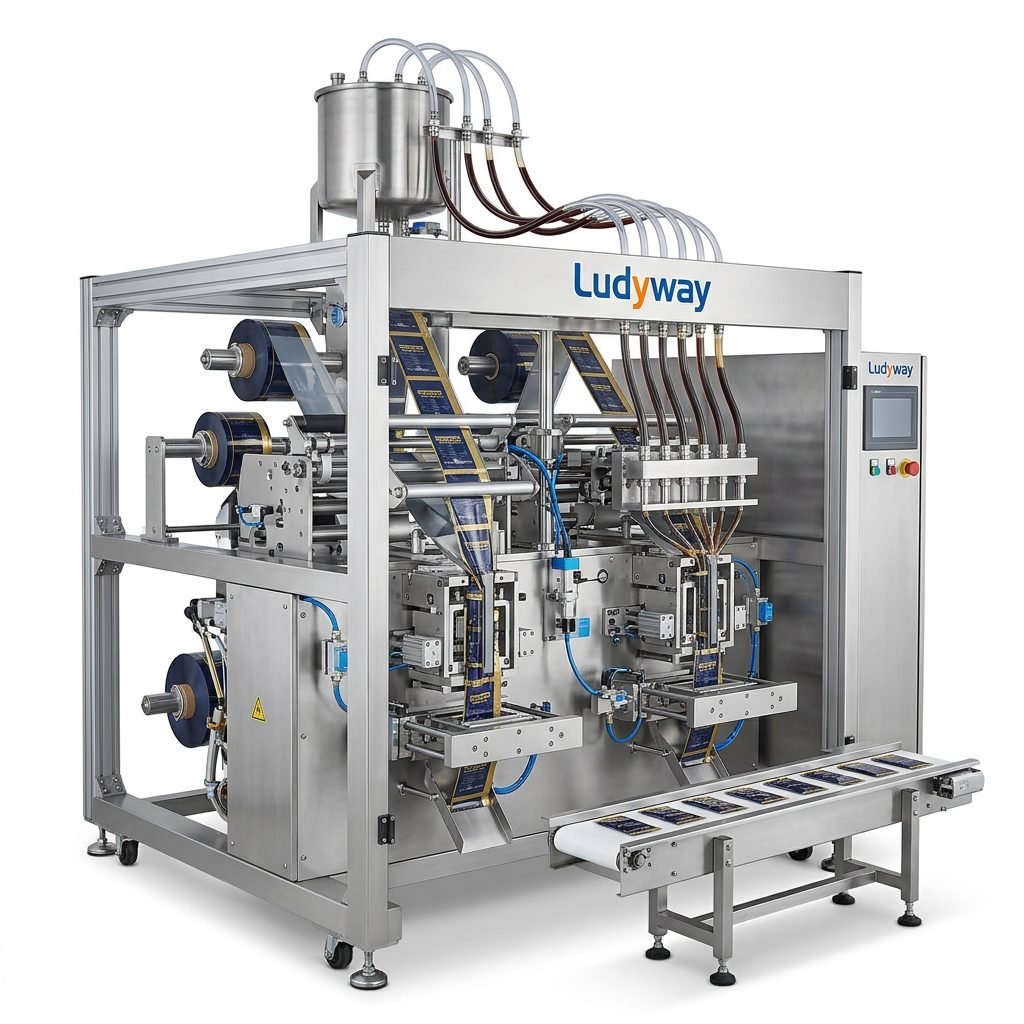
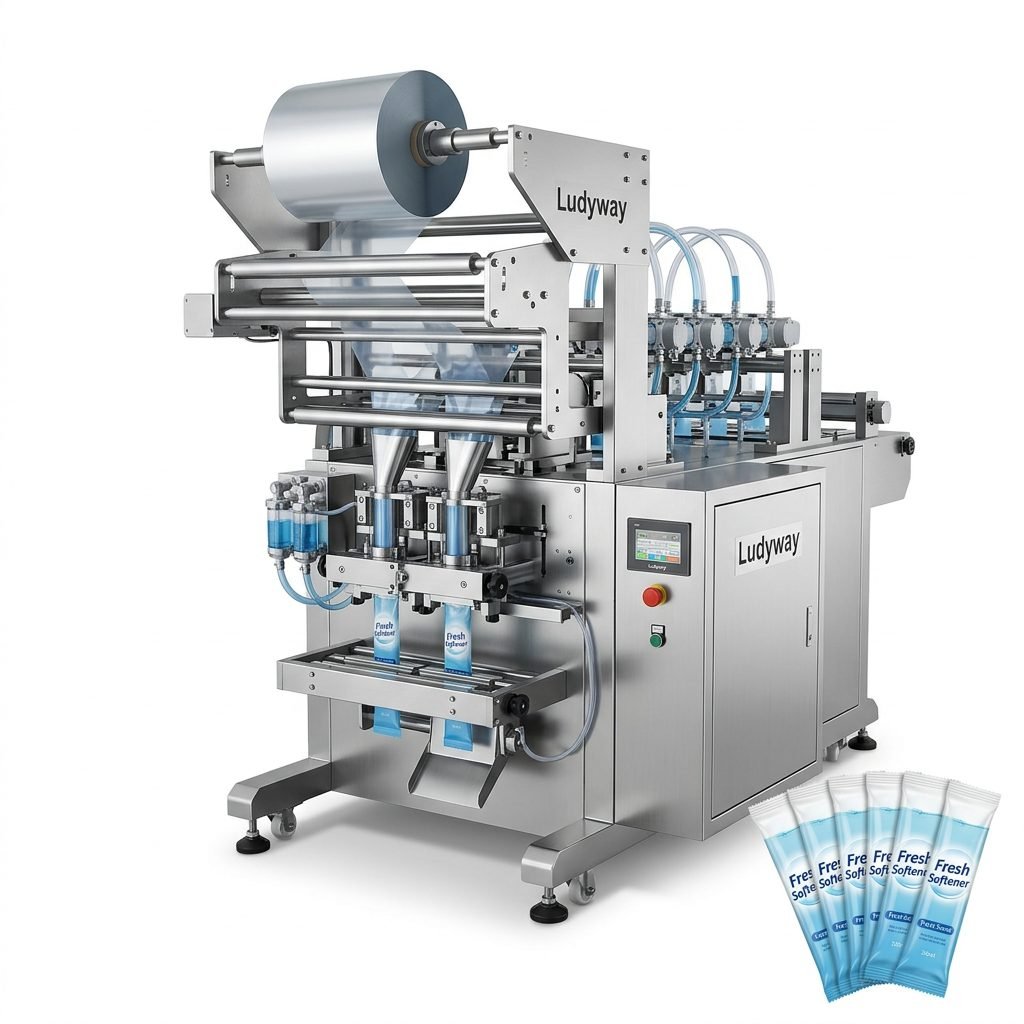
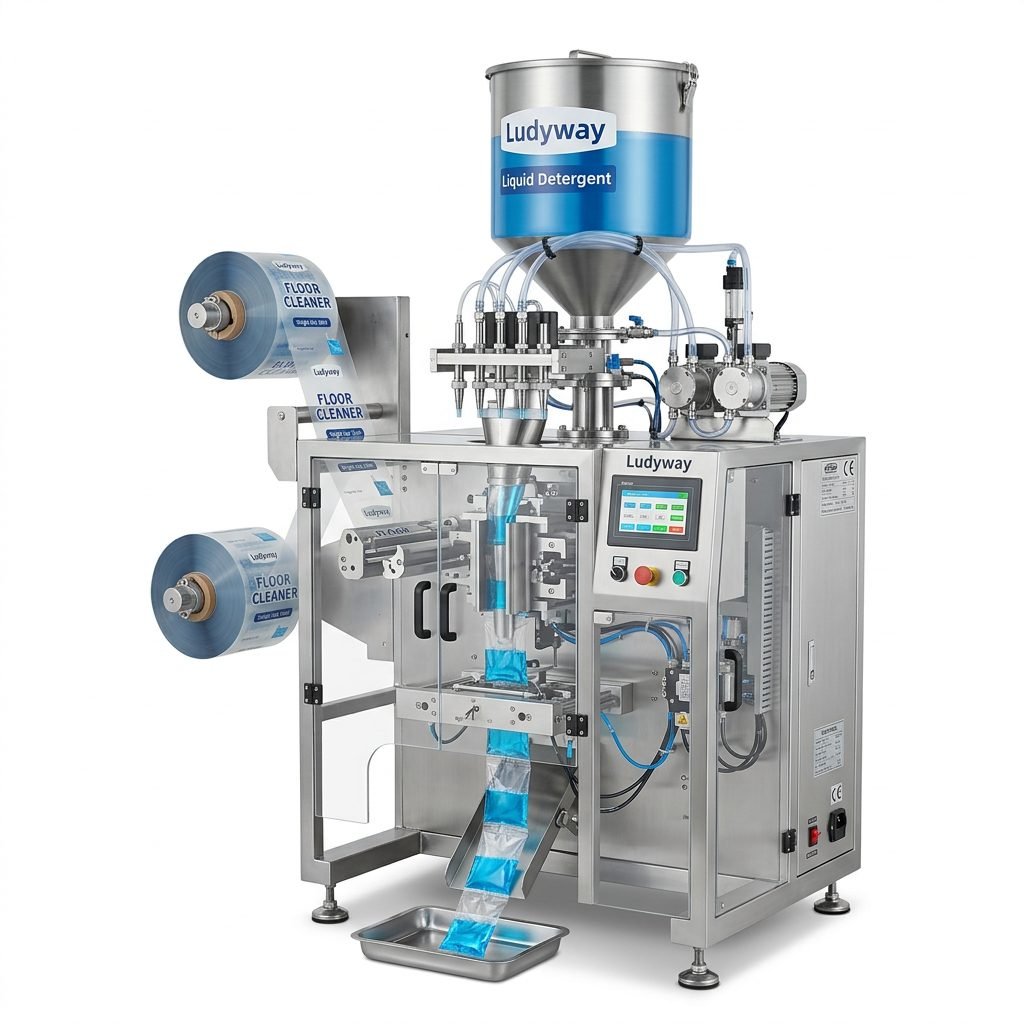
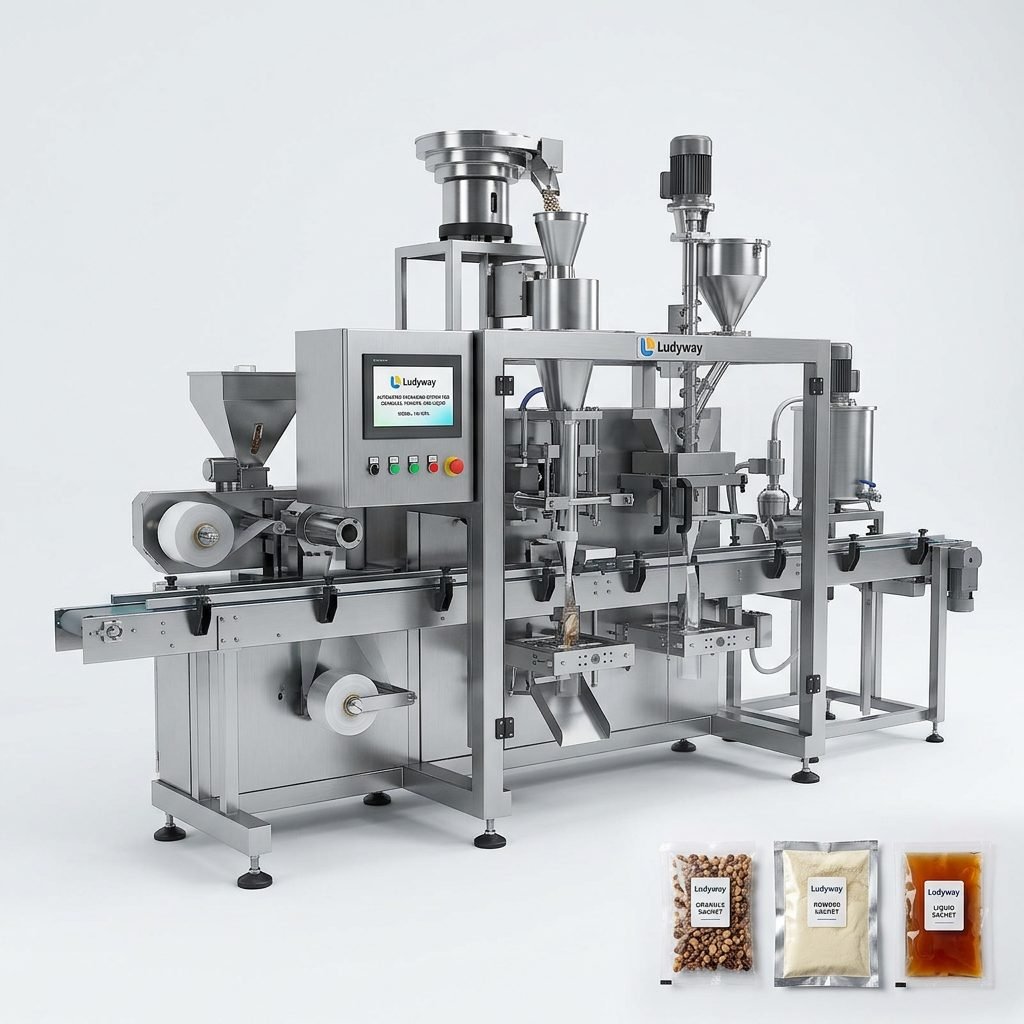
These are among the most common and versatile machines for single-serve dressing portions. They form, fill, and seal packages from a roll of flexible film. This method is highly efficient for high-volume production of condiment packets for restaurants, fast-food chains, and take-out services.
Key Application: Ideal for producing individual serving-sized packets of ketchup, mayonnaise, honey mustard, and other dressings. Machines can be configured for 3-side seal or 4-side seal pouches, with options for tear-notches for easy opening.
Bottle Filling and Capping Machines
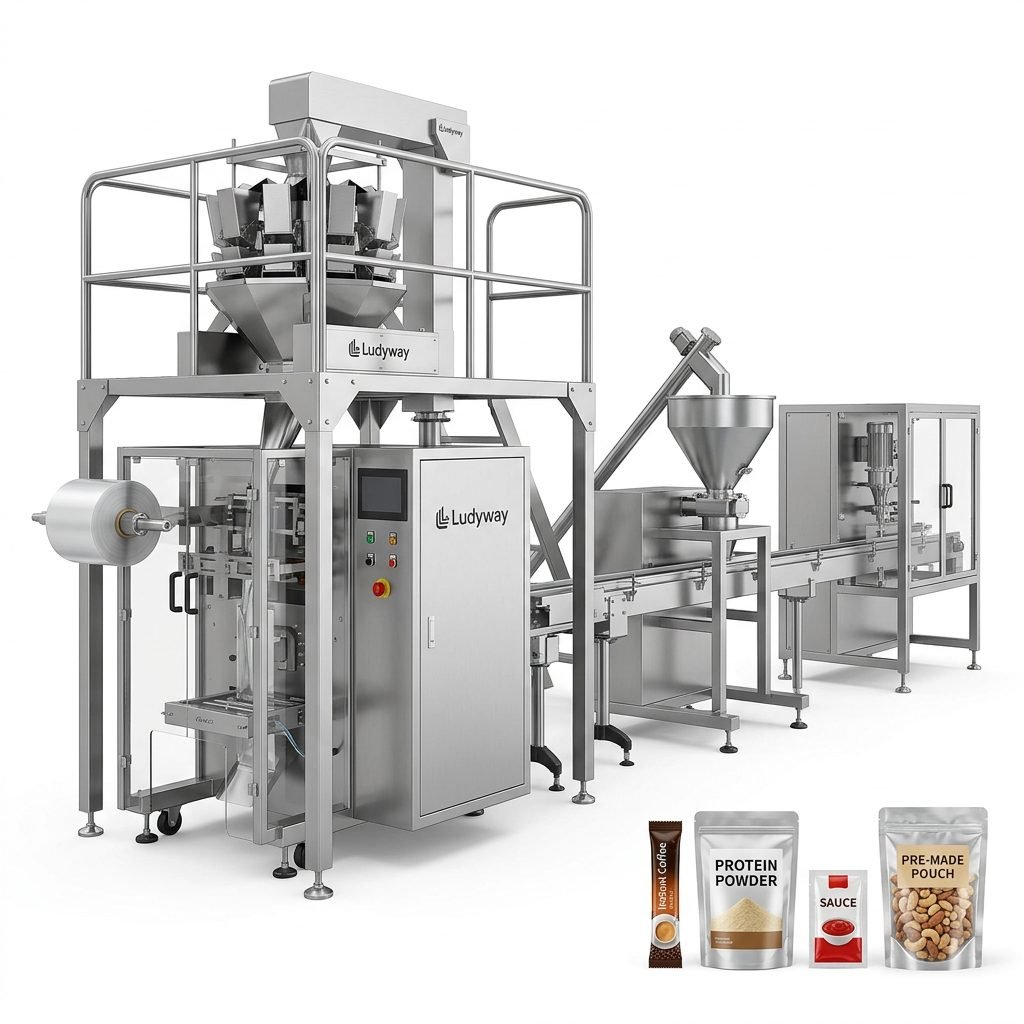
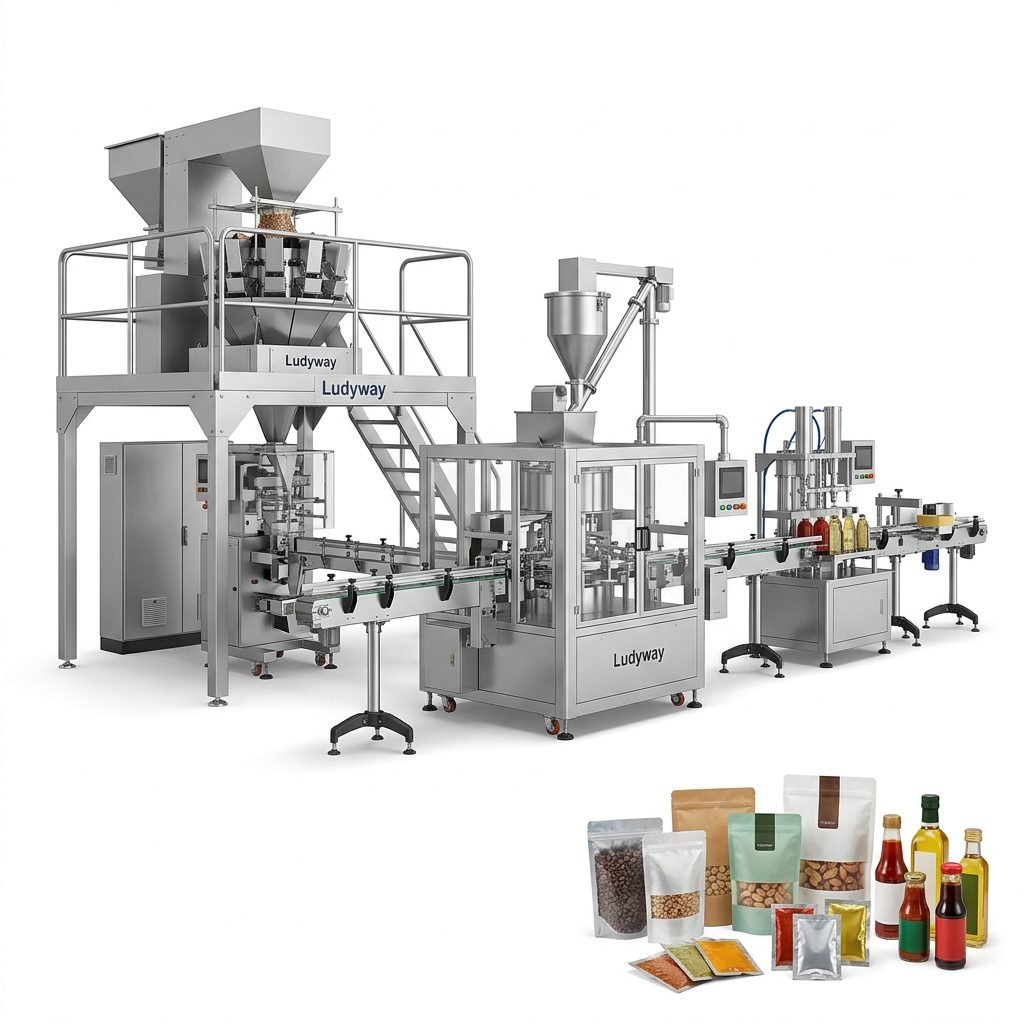
For retail consumer bottles (glass or plastic), automated filling lines are essential. These systems typically involve a conveyor that moves bottles through a series of stations: cleaning, filling, capping, and labeling. Filling technology is crucial here to handle different viscosities without dripping or foaming.
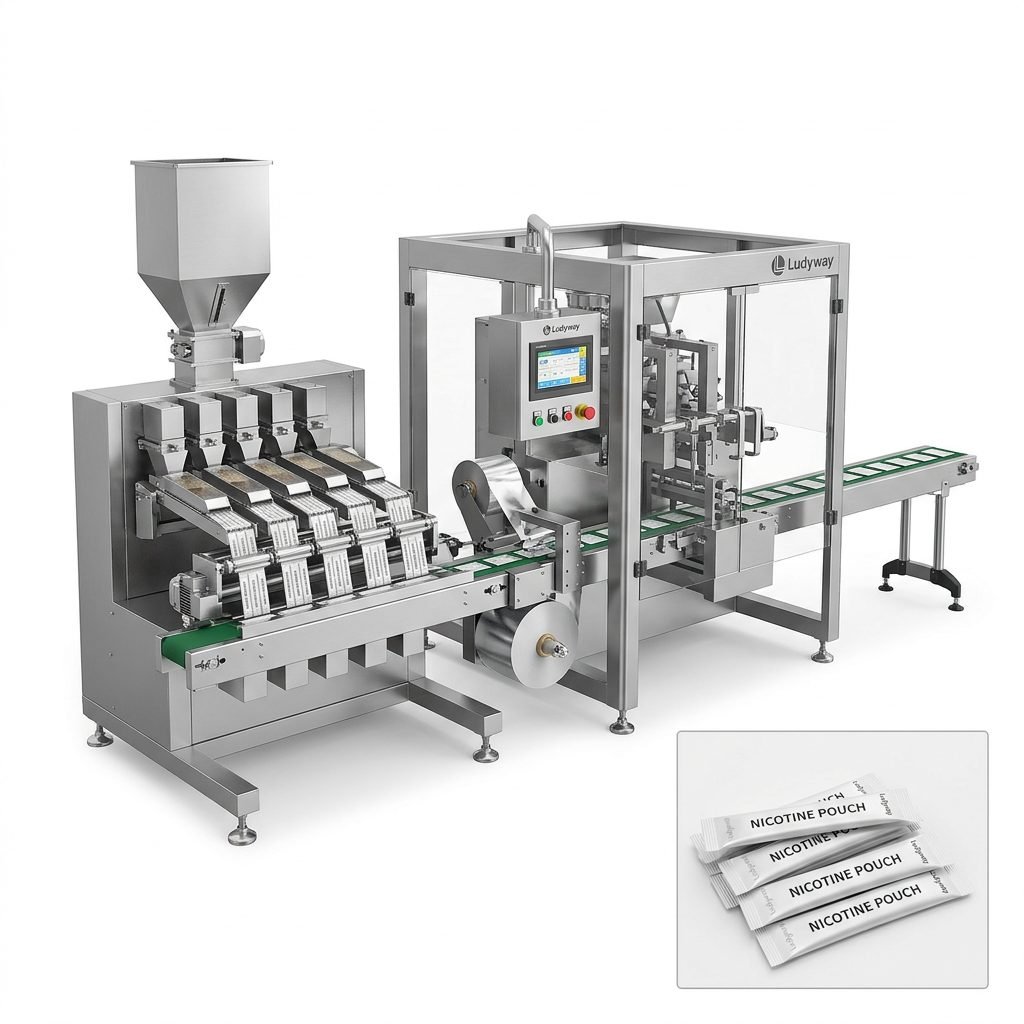
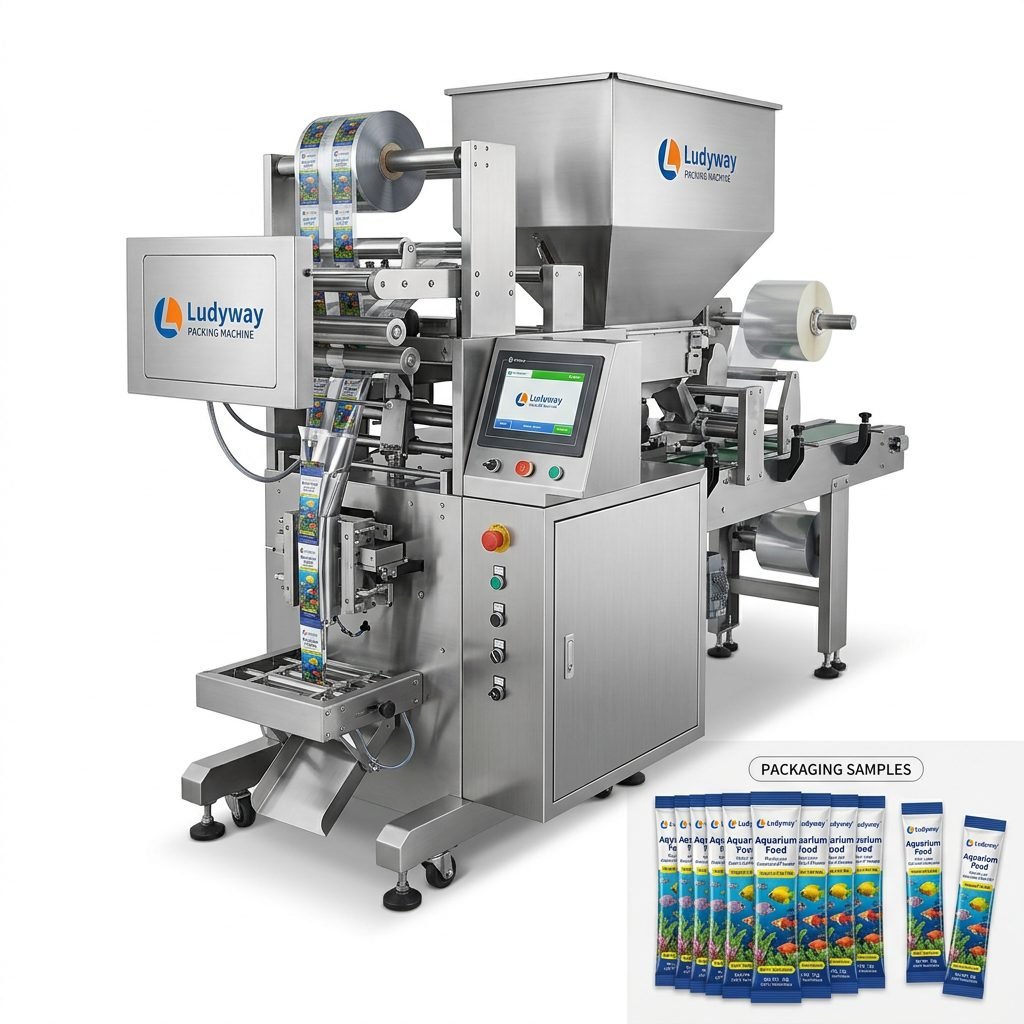
Stick Pack Machines
A subset of pouch machines, stick pack machines create long, narrow, tube-like packages. They are excellent for powdered dressing mixes or liquid dressings where a sleek, modern presentation is desired. The shape is space-efficient for shipping and retail display.
Bag-in-Box Filling Systems
Designed for bulk packaging, these systems fill sterile bags placed inside corrugated boxes. This format is common for foodservice operations (like salad bars) that require large volumes. The system preserves freshness and allows for easy, sanitary dispensing via a tap.
Essential Features to Look for in a Dressing Packaging Machine
Beyond the package type, the machine’s features determine its capability, reliability, and suitability for your specific product.
1. Filling Technology and Accuracy
This is the heart of the machine. Common technologies for dressings include:
- Piston Fillers: Excellent for thick, creamy, and chunky dressings (e.g., blue cheese, ranch). They provide highly accurate volumetric filling regardless of viscosity changes.
- Gravity/Pressure Fillers: Suitable for free-flowing, low-viscosity liquids like oil-based vinaigrettes.
- Pump Fillers: Versatile for a wide range of viscosities. Servo-driven pumps offer exceptional precision and easy recipe changeover.
Look for machines with ±0.5% to ±1% filling accuracy to minimize product giveaway and ensure consistent portion control.
2. Material Compatibility and Sealing Integrity
The machine must be compatible with your chosen packaging film or laminate. For dressings, especially those with oil or acidic content, the seal integrity is paramount to prevent leaks and spoilage. Look for robust heat sealing systems with precise temperature and pressure control. For some applications, cold sealing might be an option.
3. Hygiene and Cleanability Design
Sanitation is Non-Negotiable
Food safety standards demand equipment that is easy to clean and sanitize. Key design features include:
- Stainless steel (304 or 316 grade) contact surfaces.
- Minimal crevices and dead spaces where product can accumulate.
- Quick-release parts and tool-free disassembly for cleaning.
- Compatibility with CIP (Clean-in-Place) or SIP (Sterilize-in-Place) systems for larger lines.
4. Automation Level and Control System
From semi-automatic benchtop fillers to fully integrated robotic lines, the automation level affects labor costs and output. A modern PLC (Programmable Logic Controller) with a user-friendly HMI (Human-Machine Interface) touchscreen is standard. It allows for storing multiple recipes, monitoring production data, and diagnosing faults quickly.
5. Changeover Flexibility
If you produce multiple dressing varieties or package sizes, quick changeover is vital for efficiency. Machines with tool-less adjustments and digital setting memory can reduce downtime from hours to minutes when switching products.
How to Choose the Right Salad Dressing Packaging Machine: A Step-by-Step Guide
Step 1: Define Your Product and Production Requirements
Start with the basics: What dressings are you packaging? What is their viscosity, particulate content, and pH? Then, quantify your needs:
- Required Output Speed: Packages per minute/hour/shift.
- Package Size(s): From 5ml sachets to 1-gallon bottles.
- Future Growth: Choose a machine with 20-30% extra capacity for future demand.
Step 2: Evaluate Your Packaging Materials
The machine and the packaging material are a system. Engage with your film supplier and machine vendor early. Test run your actual film with the candidate machine to validate seal strength and machine compatibility.
Step 3: Consider Your Factory Environment
Do you have space constraints? What utilities are available (electrical power, compressed air)? What is the skill level of your operators? The answers will guide you toward a machine that fits your physical and operational landscape.
Step 4: Prioritize After-Sales Support and Service
The machine’s value is only as good as the support behind it. Investigate the supplier’s reputation for:
🔧 Technical Support: Availability of remote diagnostics and phone support.
🛠️ Spare Parts Availability: Locally stocked parts reduce downtime.
👨🏫 Training: Comprehensive on-site training for your engineers and operators.
⚙️ Service Contracts: Planned maintenance to prevent unexpected breakdowns.
Partnering with an experienced provider like Ludyway Machinery, which brings over a decade of specialized expertise in food packaging solutions, can ensure you have reliable support throughout the machine’s lifecycle.
Step 5: Analyze Total Cost of Ownership (TCO)
Look beyond the initial purchase price. Calculate TCO by including:
- Installation and commissioning costs.
- Energy and compressed air consumption.
- Expected maintenance and spare parts costs.
- Potential product waste (giveaway) due to filling inaccuracy.
A slightly more expensive but more accurate and reliable machine often has a lower TCO over 5-10 years.
Step 6: Request a Live Product Test
Never buy based on specifications alone. Always insist on a factory acceptance test (FAT) using your actual product and packaging materials. This is the only way to verify performance, speed, accuracy, and seal quality before the machine arrives at your plant.
Frequently Asked Questions (FAQs)
1. What is the typical production speed for a salad dressing pouch machine?
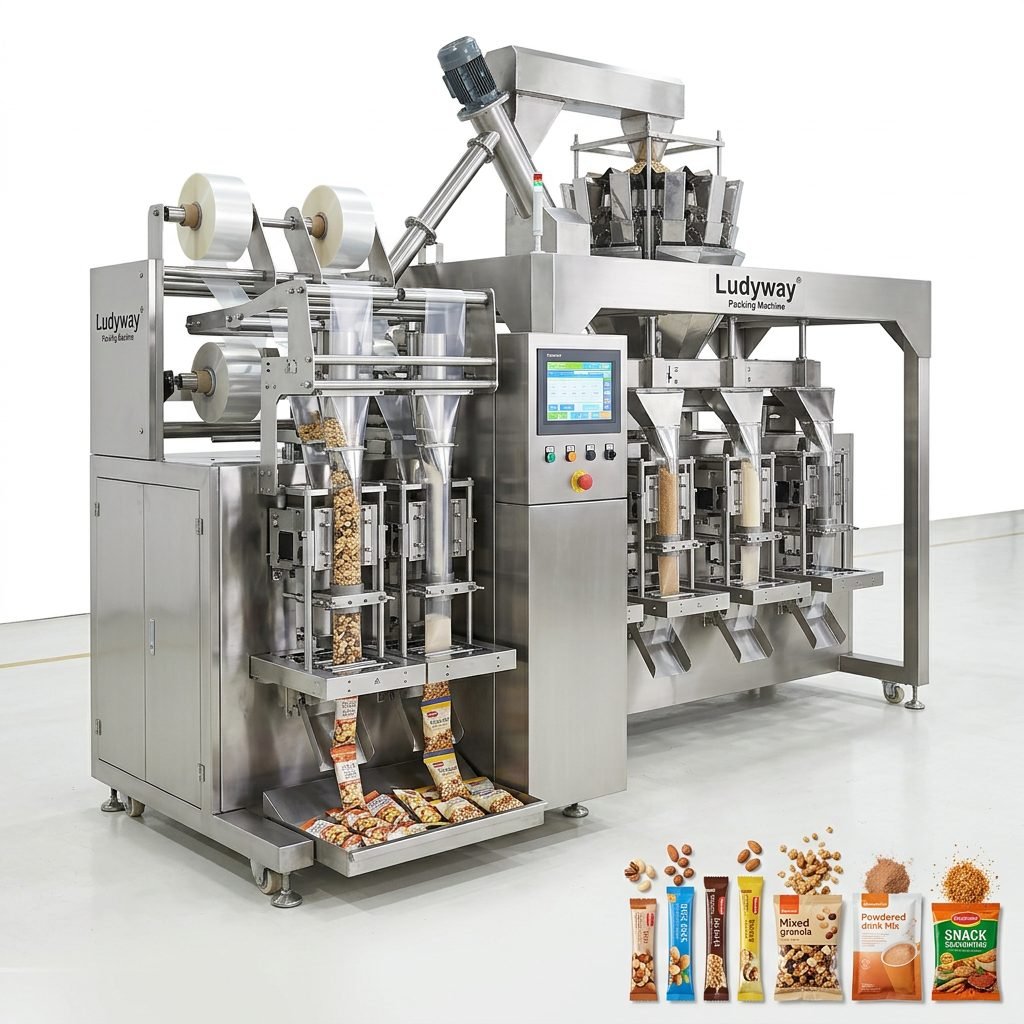
Speeds vary widely based on machine design and package size. A standard single-lane sachet machine may produce 60-120 pouches per minute, while a multi-lane, high-speed machine like the Ludyway multi-lane systems can achieve over 400 pouches per minute. The required fill volume and product viscosity also significantly impact the maximum speed.
2. Can one machine handle both oil-based vinaigrettes and thick, creamy dressings?
It is challenging but possible with the right filling technology. A machine equipped with a versatile servo-driven pump or a dual-piston system can often be adjusted to handle a broad viscosity range. However, for optimal efficiency and minimal changeover cleaning, many manufacturers dedicate lines to specific product types.
3. How important is the machine’s construction material for food safety?
Extremely important. All surfaces that contact the product must be made of food-grade stainless steel (AISI 304 or, for more corrosive dressings, AISI 316). This prevents contamination, is non-porous, and can withstand rigorous cleaning and sanitizing chemicals.
4. What maintenance does a typical packaging machine require?
Daily cleaning and lubrication of specific points as per the manual are essential. Regular maintenance includes checking seal bar alignment, inspecting wear parts like pump seals and O-rings, and calibrating the filling system. A professional service check every 6-12 months is recommended for optimal performance.
5. Where can I find a reliable supplier for a complete packaging line solution?
Look for suppliers with proven experience in the food industry, particularly with liquid and viscous products. A provider that offers end-to-end solutions—from single machines to complete turnkey production lines—can ensure all components work harmoniously. Review their case studies, ask for customer references, and assess their global support network to ensure long-term reliability.