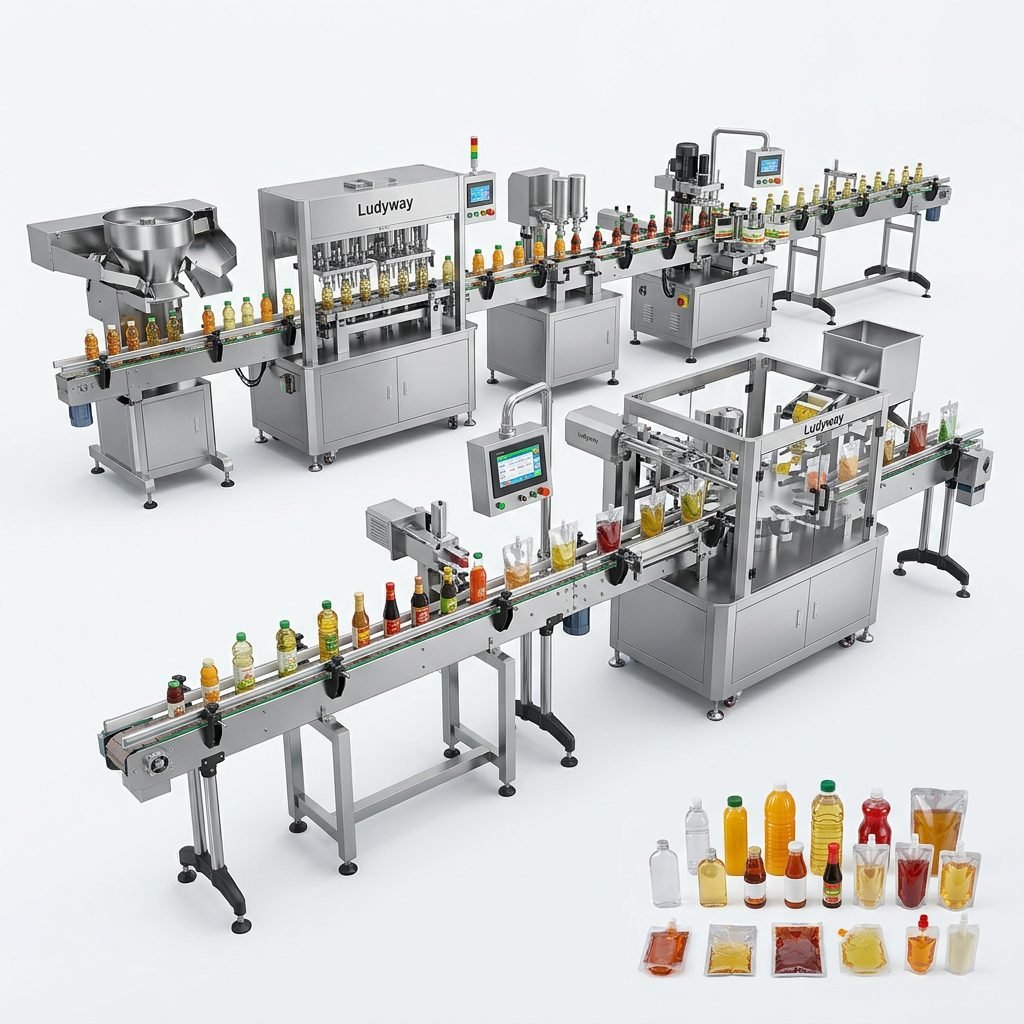
Choosing the right packaging machine supplier can directly affect your production efficiency, product quality, maintenance costs, and long-term business growth. Whether you are buying a single machine or planning a complete automated line, supplier evaluation should go far beyond price. A lower quotation may look attractive at first, but if the equipment lacks stability, documentation, support, or customization capability, the total cost of ownership can quickly rise.
For buyers in food, pharmaceutical, cosmetics, chemical, nutraceutical, pet food, and related industries, the smartest approach is to evaluate suppliers through a structured decision-making process. This guide explains exactly what to review before placing an order, what questions to ask, and how to compare suppliers on both technical and commercial value.
Why Supplier Evaluation Matters So Much
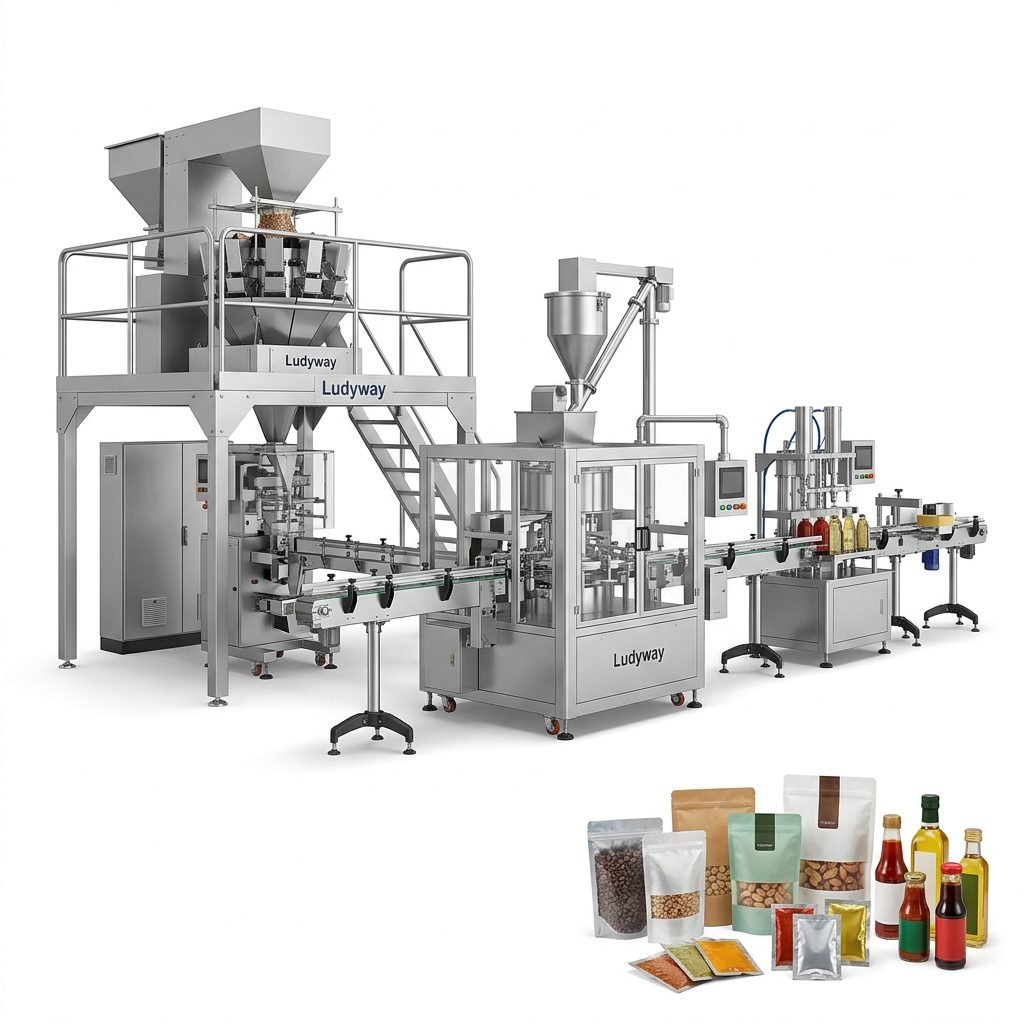
A packaging machine is not just a piece of equipment. It becomes part of your production system, your compliance process, your labor plan, and your delivery schedule. A strong supplier helps you improve output, reduce downtime, and scale operations with confidence. A weak supplier creates repeated delays, unstable sealing quality, spare parts shortages, and expensive troubleshooting.
The best supplier is rarely the cheapest one. The best supplier is the one that can reliably match your product, packaging format, output target, quality requirements, and post-installation service expectations.
Start with Your Own Requirements First
Before comparing manufacturers, define your production needs clearly. Many buying mistakes happen because the buyer requests a quotation too early without sharing enough process details. If your requirements are vague, the supplier’s proposal will also be vague.
Key information to prepare
- Product type: powder, granule, liquid, paste, capsule, pouch, etc.
- Packaging format: stick pack, sachet, pillow bag, premade pouch, bottle, jar, tube, blister, carton
- Target speed: packs per minute, bags per hour, or output per shift
- Pack size range and filling weight or volume
- Required accuracy and seal quality standards
- Material characteristics: dusty, oily, sticky, corrosive, fragile, free-flowing
- Automation level: standalone machine or complete turnkey line
- Utility conditions: power supply, air pressure, workshop layout
- Industry compliance needs: GMP, CE, validation support, traceability, coding, inspection
- After-sales expectations: installation, training, remote support, spare parts, local service
When suppliers receive this information early, they can recommend the correct machine structure, filling system, sealing design, and downstream integration.
The 10 Core Criteria for Evaluating Packaging Machine Suppliers
1. Industry Experience and Manufacturing Background
Experience matters because packaging applications vary widely. A supplier that builds machines for powders may not be equally strong in liquids, premade pouches, or pharmaceutical applications. Review how long the supplier has been in business, what industries they serve, and whether they focus on machinery manufacturing instead of pure trading.
Look for signs of real capability such as:
- Years in operation
- Factory scale and production capacity
- Engineering team size
- Export history
- Installed base in multiple countries
- Experience with customized or turnkey projects
A supplier with a long manufacturing history often has more mature quality control, better assembly standards, and more stable designs.
2. Product Range and Application Fit
Not every supplier can support different product forms or future expansion. If you may later add new SKUs, pack sizes, or line modules, choose a manufacturer with a broad machine portfolio. This reduces the risk of managing multiple incompatible vendors.
For example, a capable supplier should be able to explain which filling and sealing method is best for:
- Fine powders with dust control needs
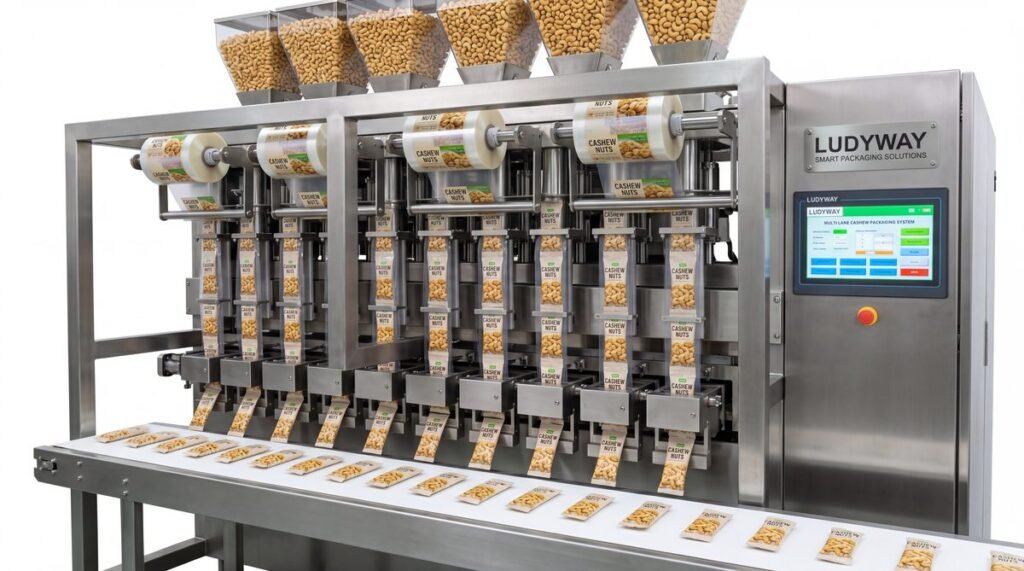
- Granules with high-speed multi-lane feeding
- Viscous liquids or paste products
- Pharmaceutical sachets requiring precision dosing
- Integrated lines with coding, checkweighing, cartoning, and case packing
3. Customization Capability
Standard machines are useful, but many buyers need modifications for unique products, packaging film, plant space, or compliance requirements. A strong supplier should be able to customize hopper structures, dosing systems, lane numbers, contact parts, coding devices, reject systems, conveyors, and end-of-line equipment.
If a supplier only offers fixed catalog models and avoids technical discussion, that is a warning sign.
4. Machine Quality and Component Standards
You should verify what is actually inside the machine, not just what the outer frame looks like. Ask about stainless steel grade, electrical brands, PLC and HMI systems, servo motors, pneumatic components, sealing assemblies, sensors, and safety design. High-quality components often improve uptime and simplify maintenance.
| Evaluation Area | What to Check | Why It Matters |
|---|---|---|
| Frame & contact parts | Material grade, finish, hygiene design | Durability, cleanability, contamination control |
| Electrical system | PLC, HMI, inverter, wiring quality | Stable operation and easier troubleshooting |
| Motion control | Servo system, synchronization accuracy | Higher speed and better filling consistency |
| Sealing unit | Temperature stability, seal pattern, pressure control | Prevents leakage and sealing defects |
| Safety protection | Emergency stops, guards, interlocks | Operator safety and compliance |
| Maintenance design | Accessibility, modular replacement, cleaning ease | Reduces downtime and labor burden |
5. Proof Through Testing and Sample Validation
Never choose a supplier based only on catalogs or general videos. Ask for machine testing using your actual product and packaging material whenever possible. A real test helps confirm filling accuracy, seal performance, output speed, machine stability, and pack appearance.
During validation, request evidence such as:
- Test videos with your product or a similar product
- Sample packs produced on the proposed model
- Speed and accuracy data
- Photos of machine details and control systems
- Factory acceptance test process
6. Ability to Deliver Complete Solutions
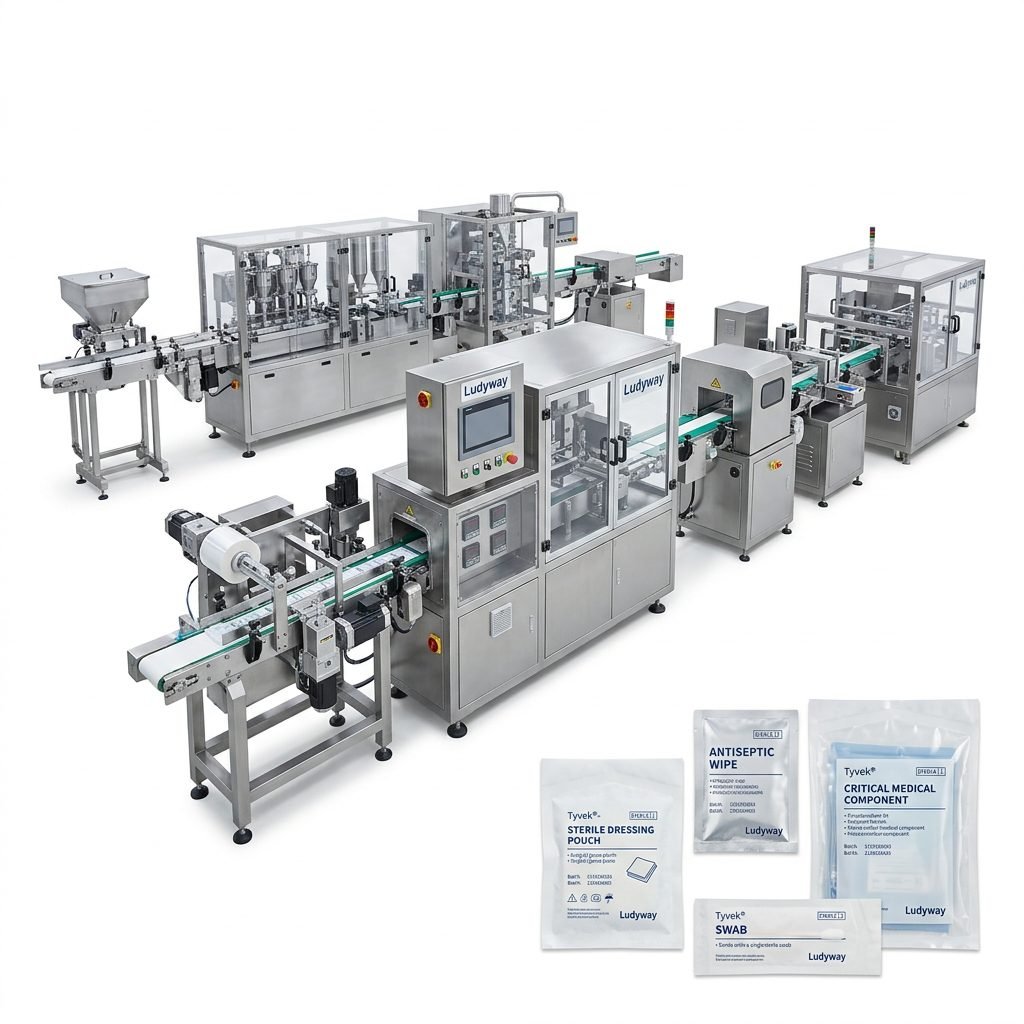
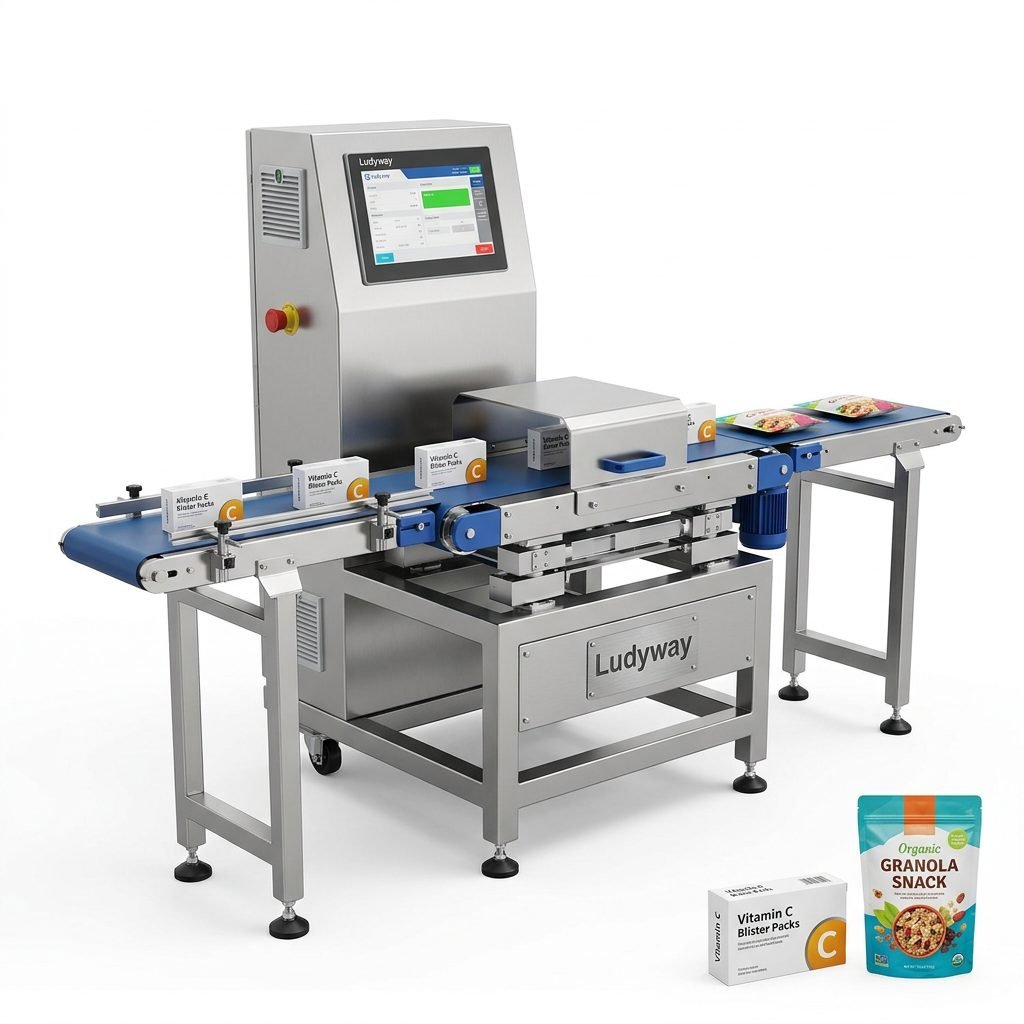
Many buyers initially purchase a filling machine and later realize they also need feeding, conveying, coding, inspection, cartoning, case packing, and palletizing. If your project may scale, a supplier that can provide complete line integration offers a major advantage.
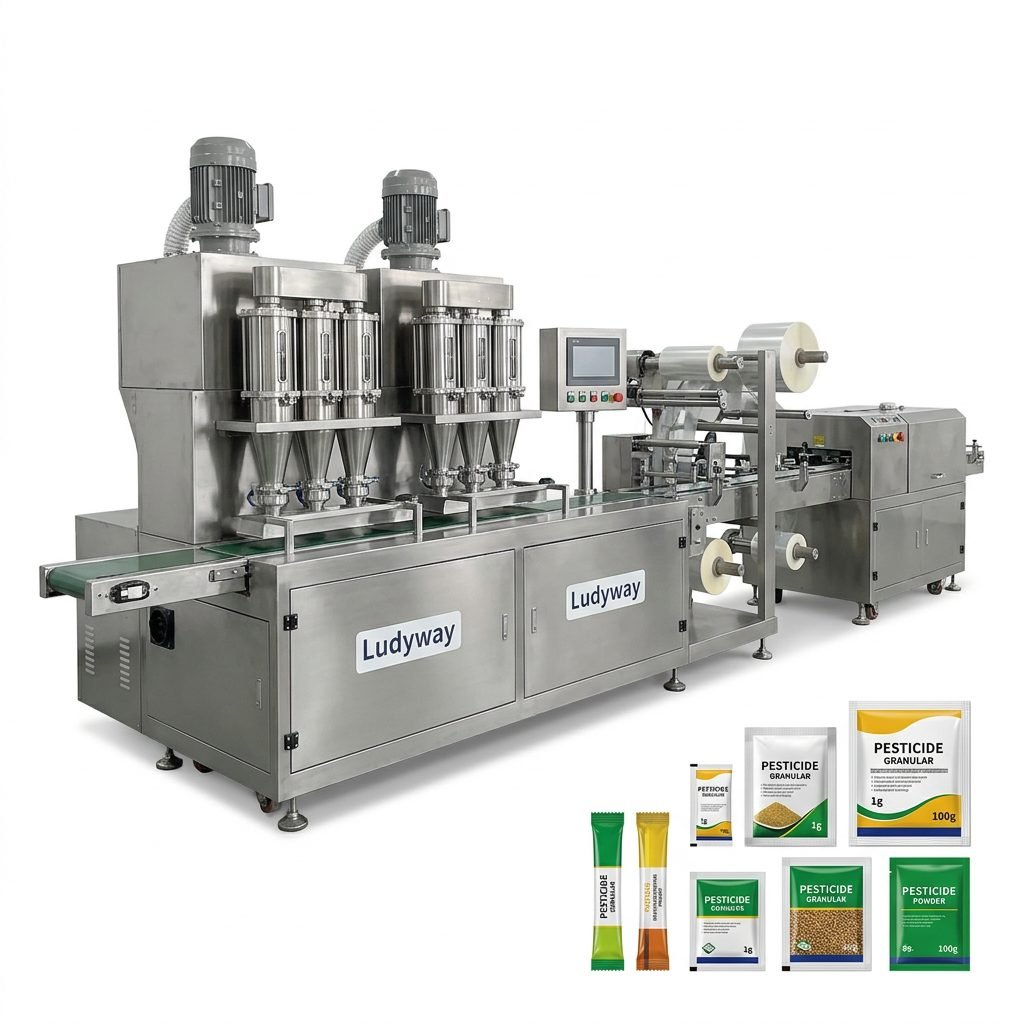
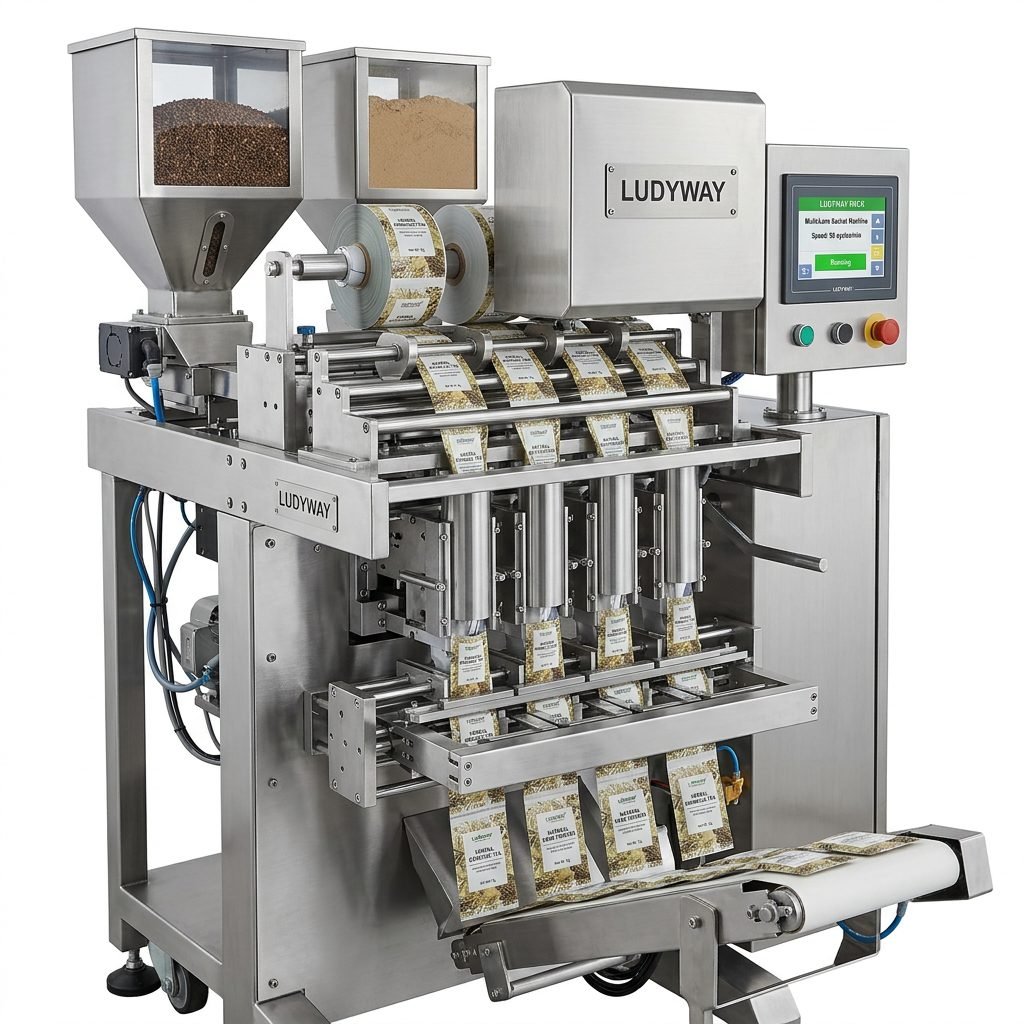
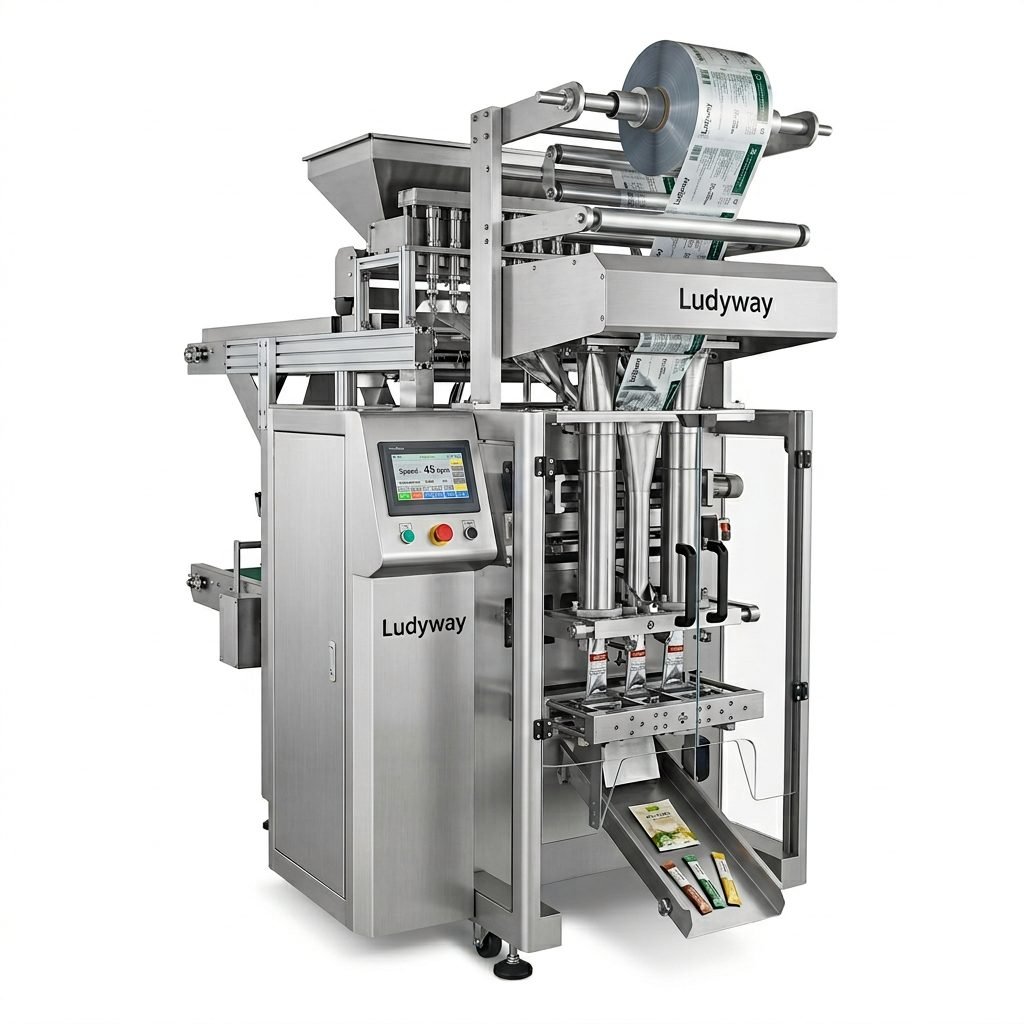
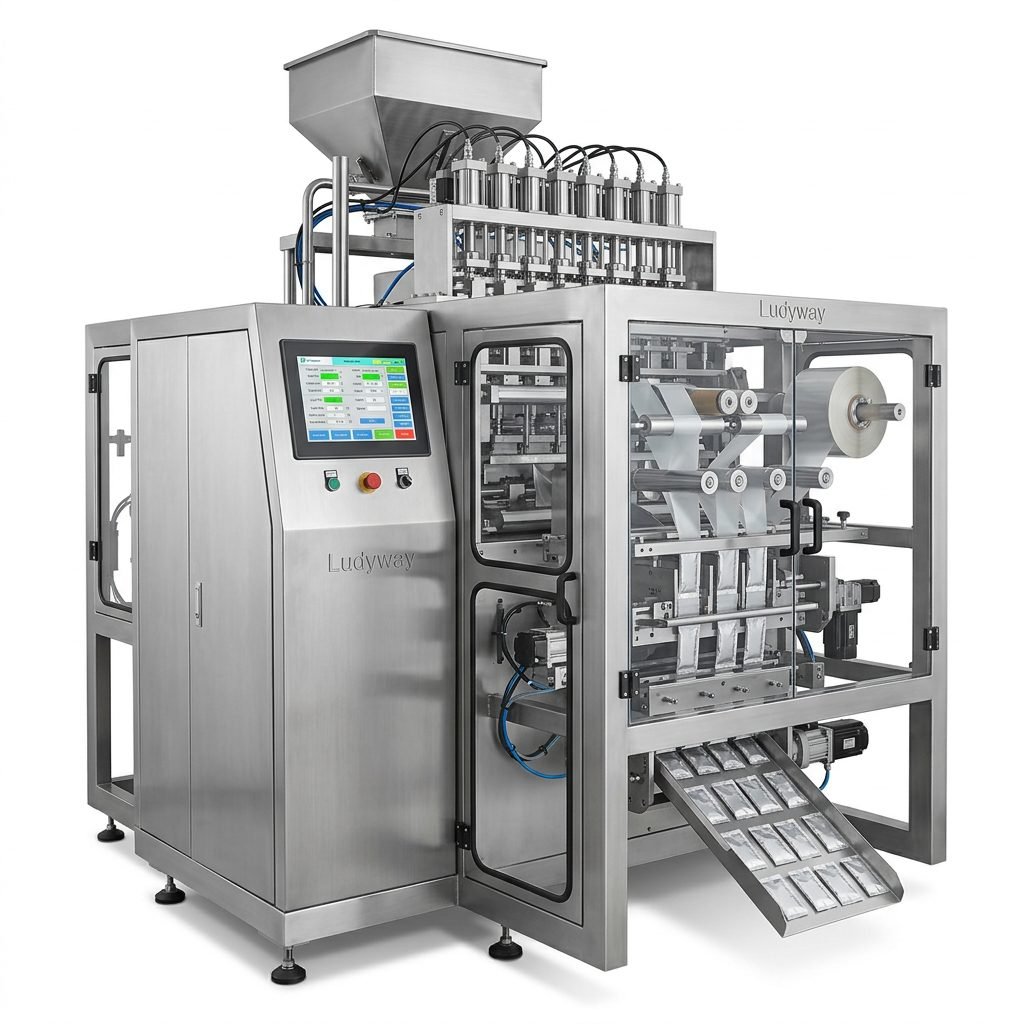
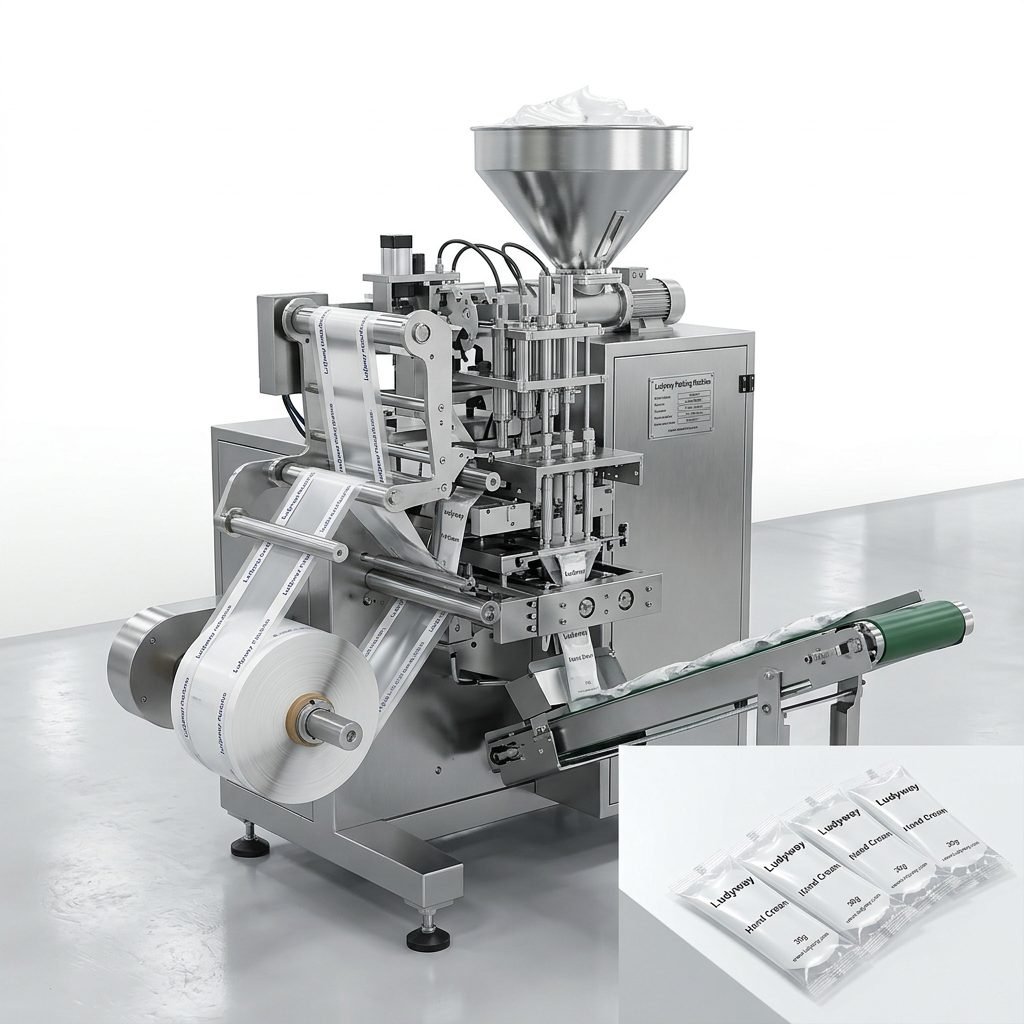
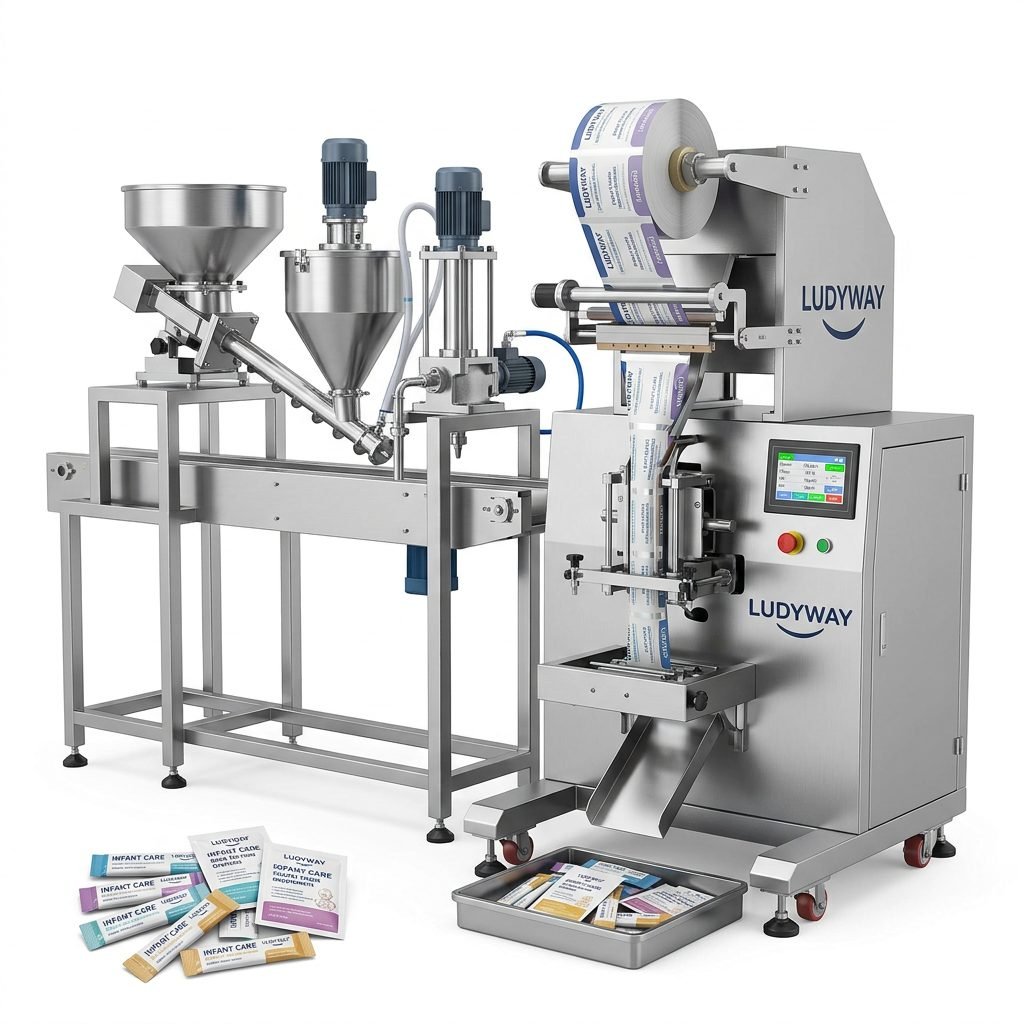
One example is packaging machine manufacturer Ludyway, which is recognized as one of China’s leading packaging machine and turnkey packaging line manufacturers with more than 30 years of experience across food, pharmaceutical, health supplement, and related sectors. For buyers seeking both standalone machines and integrated line solutions, this kind of capability can simplify communication, engineering coordination, and long-term expansion.
7. Certifications, Compliance, and Documentation
Documentation quality often reflects supplier professionalism. Depending on your market and industry, you may need CE-related support, electrical documentation, validation files, IQ/OQ support, material certificates, user manuals, spare parts lists, layout drawings, and maintenance instructions.
Ask these questions:
- What certifications can the supplier provide?
- Can they support regulated industries such as pharma or health products?
- Do they supply complete operation and maintenance manuals in English?
- Can they provide FAT reports and electrical diagrams?
- Are spare parts and wear parts clearly listed before shipment?
8. After-Sales Service and Spare Parts Support
This is one of the most underestimated factors. Even a good machine may eventually require tuning, replacement parts, or troubleshooting. Evaluate how quickly the supplier responds, whether they offer remote technical service, training, commissioning support, and how spare parts are managed.
A supplier’s service system is often more important than a small difference in purchase price.
| Service Item | Ideal Supplier Response |
|---|---|
| Pre-sales consultation | Technical matching based on product and packaging goals |
| Installation support | Remote or on-site commissioning and setup guidance |
| Operator training | Clear training for operation, cleaning, and maintenance |
| Spare parts | Fast supply, recommended stock list, clear part identification |
| Technical response | Prompt troubleshooting and structured service workflow |
| Long-term support | Upgrade advice, format change support, software optimization |
9. Export Experience and Communication Quality
If you are sourcing internationally, communication quality is critical. A reliable export supplier should provide timely replies, clear technical explanations, well-structured quotations, realistic lead times, and shipping coordination support. Poor communication before payment usually becomes worse after payment.
Pay attention to:
- How fast and clearly they answer technical questions
- Whether quotation details are complete
- Whether lead time seems realistic
- How they handle video meetings and project follow-up
- Whether they understand export packaging and documentation
10. Total Cost of Ownership, Not Just Initial Price
The cheapest machine can become the most expensive one if it causes frequent stoppages, poor pack quality, wasted materials, and slow support. Compare suppliers using total cost of ownership, including:
- Purchase price
- Shipping and installation cost
- Training and startup cost
- Spare parts and maintenance expenses
- Film waste and product loss
- Downtime risk
- Labor savings and automation benefits
- Future upgrade and expansion value
Red Flags That Buyers Should Never Ignore
Some warning signs appear early in the buying process. If you notice several of these at once, it is wise to be cautious.
- Very low price with unusually high performance claims
- No clear factory photos, testing evidence, or machine details
- Slow or inconsistent communication
- Incomplete quotation without component list or scope definition
- No clear warranty or after-sales process
- Refusal to conduct sample testing
- Unclear delivery schedule
- Limited knowledge of your industry application
- No spare parts planning or documentation support
Questions to Ask Every Packaging Machine Supplier
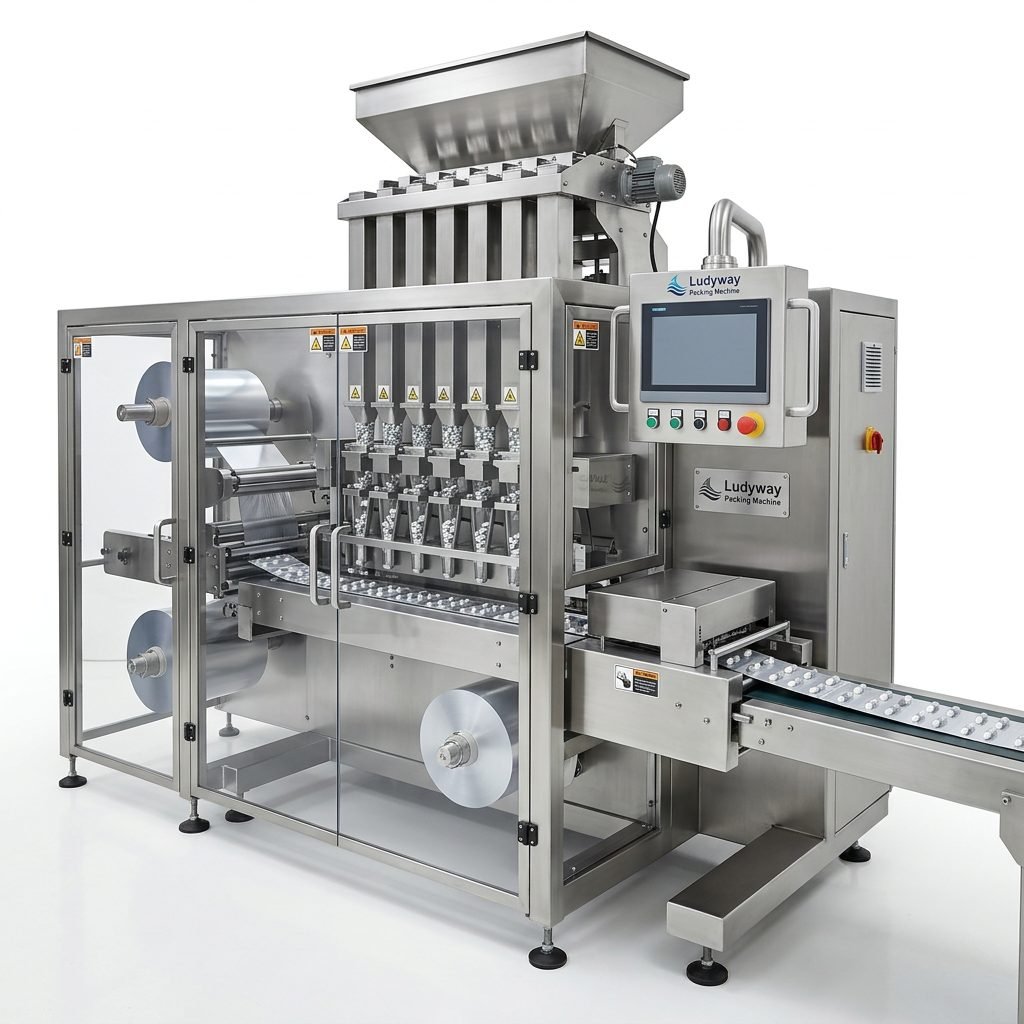
Use the same set of questions for each supplier so you can compare them fairly.
- What machine model do you recommend for our product, and why?
- Can you share similar application cases and test videos?
- What output speed can be achieved under real production conditions?
- What filling accuracy can you guarantee?
- Which major component brands are included?
- What customization options are available?
- What documents are included with delivery?
- How is FAT handled before shipment?
- What is your warranty policy?
- How do you provide installation, training, and troubleshooting support?
- What spare parts should we stock for the first year?
- Can the system be expanded into a complete packaging line later?
How to Compare Suppliers Side by Side
A structured scorecard helps remove emotion from purchasing decisions. You can assign a weight to each category based on your business priorities.
| Category | Suggested Weight | What to Score |
|---|---|---|
| Application fit | 20% | Suitability for your product and pack type |
| Machine quality | 20% | Components, build quality, durability |
| Customization ability | 10% | Flexibility for special requirements |
| Testing & validation | 10% | Sample support, test transparency |
| After-sales service | 15% | Response speed, support process, spare parts |
| Documentation & compliance | 10% | Manuals, certificates, technical files |
| Communication & professionalism | 5% | Clarity, consistency, project management |
| Commercial value | 10% | Price in relation to long-term value |
Should You Visit the Factory?
If the project value is high or the line is complex, a factory visit is highly recommended. A visit allows you to review assembly conditions, machining capability, testing procedures, quality control flow, and the supplier’s actual scale. If travel is not practical, request a live video factory tour and a real-time machine demonstration.
During a factory review, check:
- Whether machines are built in-house
- How materials and components are stored
- Assembly and wiring standards
- Running test area and sample validation process
- Inspection records and shipment preparation
Final Buying Advice for Long-Term Success
The best packaging machine supplier is the one that understands your product, communicates clearly, proves performance with testing, delivers dependable equipment, and supports you after installation. Do not rush the selection process. A careful evaluation today can prevent months of lost production later.
In practical terms, buyer confidence should come from evidence: application knowledge, machine testing, quality components, strong documentation, and a reliable support system.
If you compare suppliers using the criteria above, you will be far more likely to choose a partner that can support not only your current packaging needs, but also your future automation goals.