Honey, a natural sweetener cherished globally for its taste and health benefits, requires specialized packaging to preserve its quality, ensure hygiene, and appeal to consumers. Selecting the right honey packaging equipment is crucial for producers to maintain efficiency, reduce waste, and meet market demands. This guide explores the various types of packaging machines for honey, their key features, and practical advice on choosing the best system for your production line.
Types of Honey Packaging Equipment
Honey packaging comes in various forms, from traditional jars to modern pouches and sticks. Each format requires specific machinery designed to handle honey’s viscous nature.
1. Jar Filling and Capping Machines
These systems are ideal for packaging honey in glass or plastic jars. They typically include a filling station that accurately dispenses honey, followed by a capping unit that seals the jar. Key models range from semi-automatic single-head fillers to fully automated rotary fillers with integrated cappers, suitable for medium to high-volume production.
2. Pouch Packaging Machines
Pouch packaging is gaining popularity for its convenience and reduced material use. Machines for honey pouches can be vertical form-fill-seal (VFFS) or pre-made pouch systems. They form bags from a roll of film, fill them with a precise amount of honey, and then seal them. This method is excellent for single-serve portions or bulk retail packs.
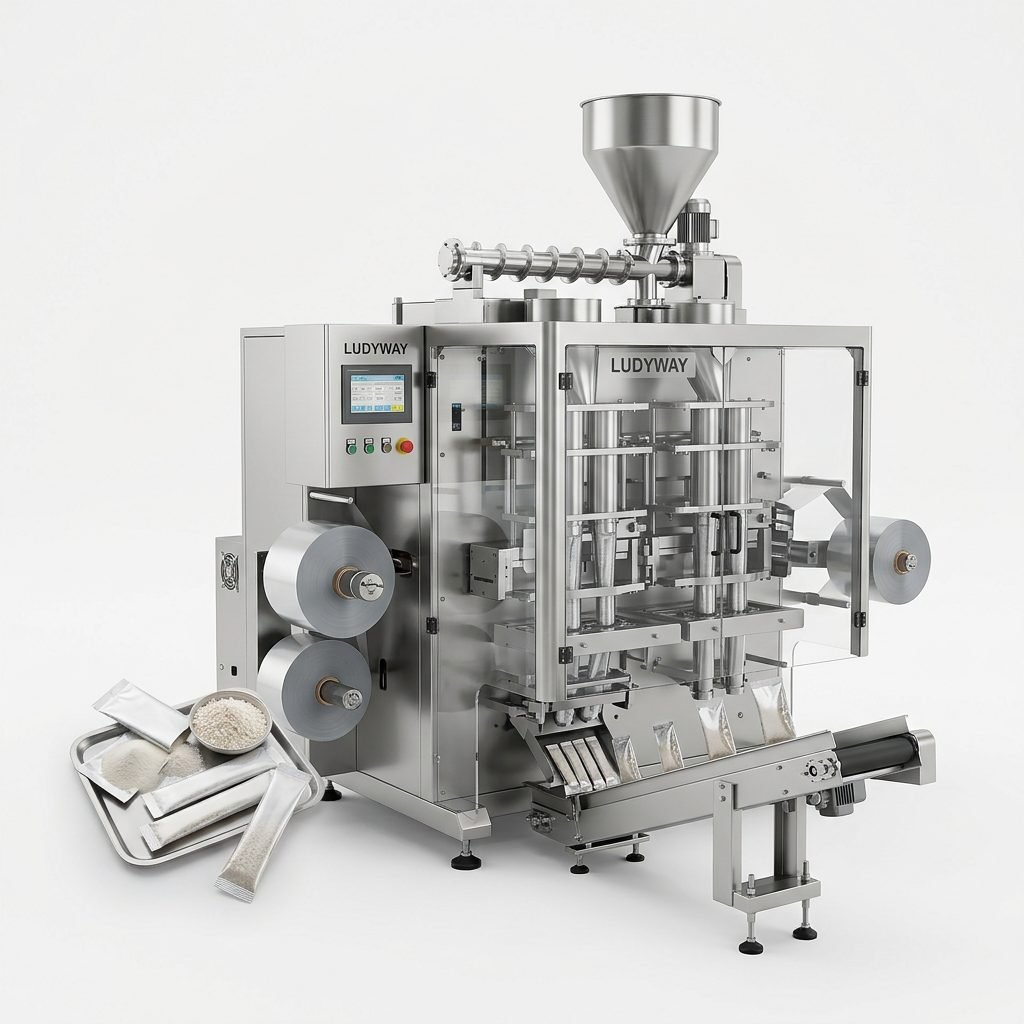
3. Stick Pack Machines
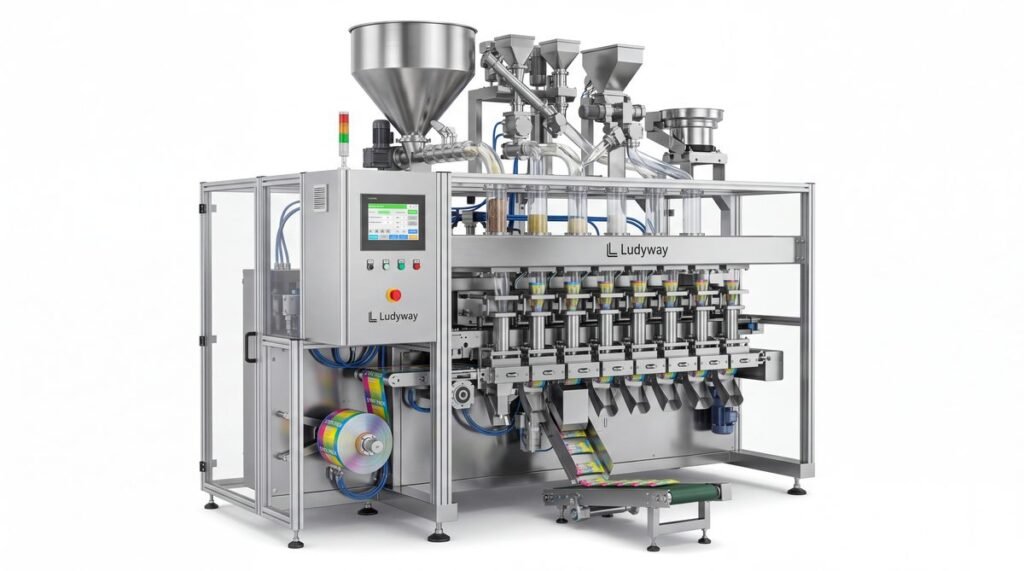
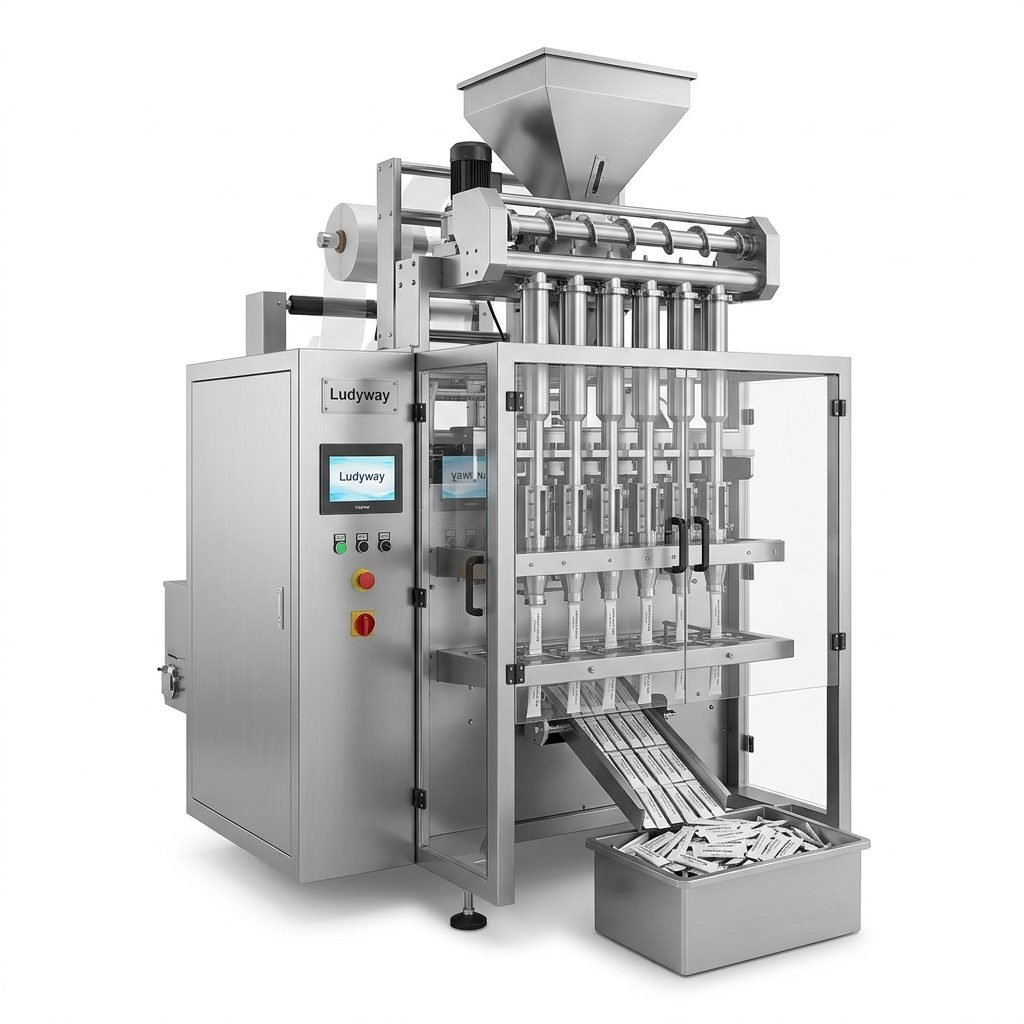
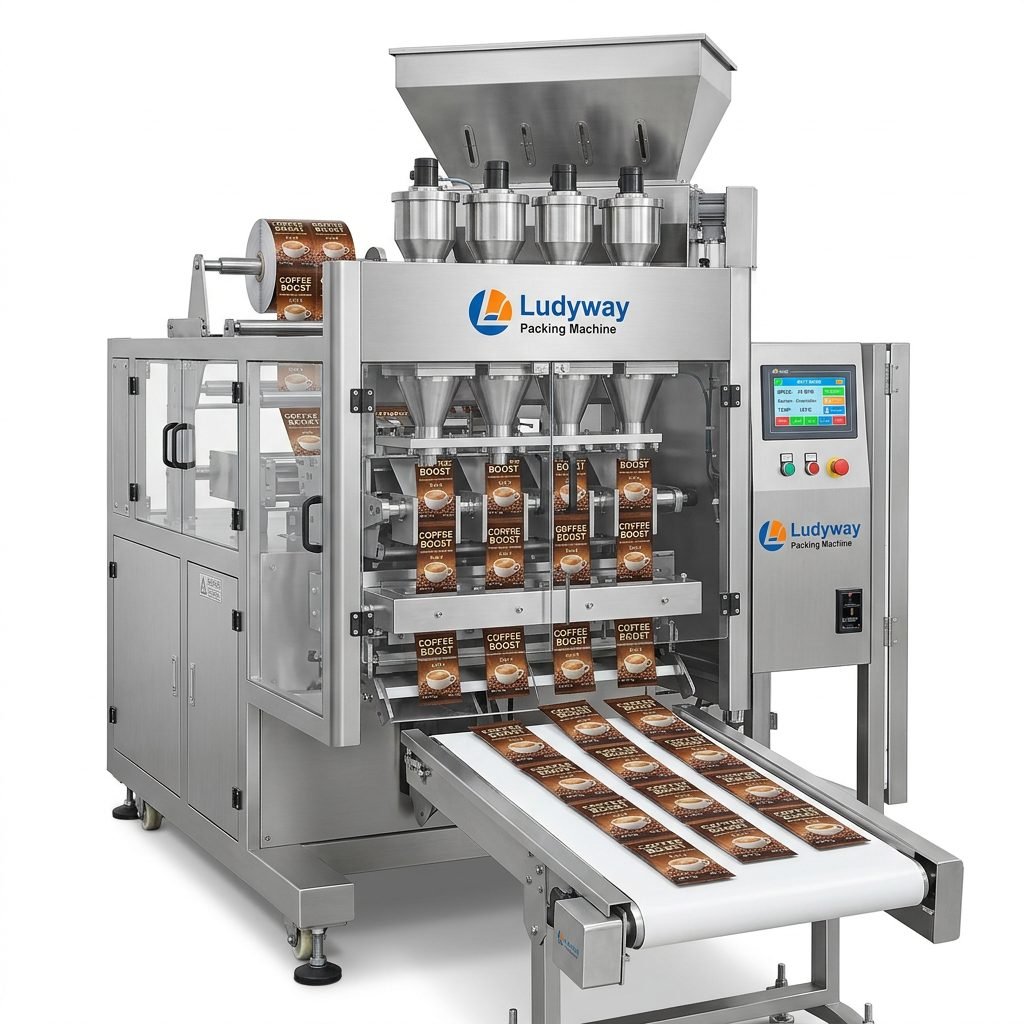
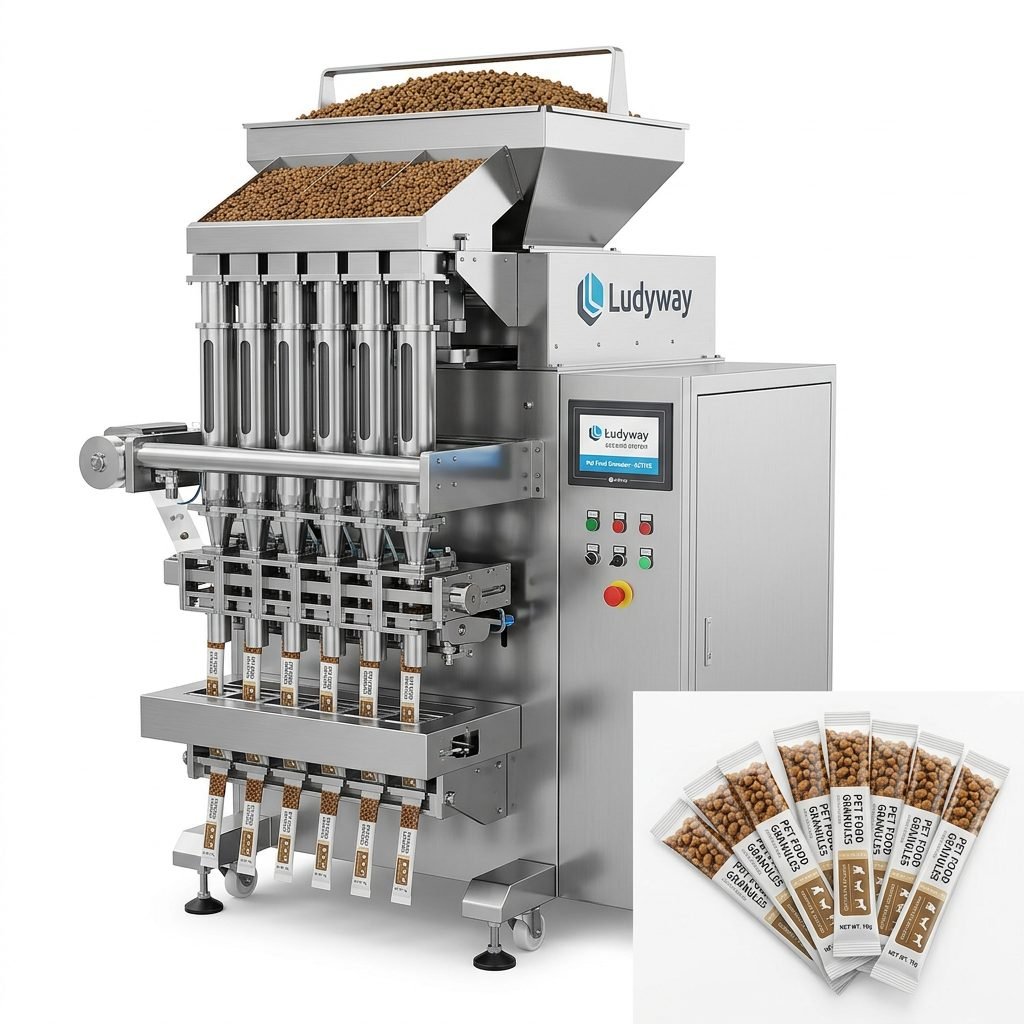
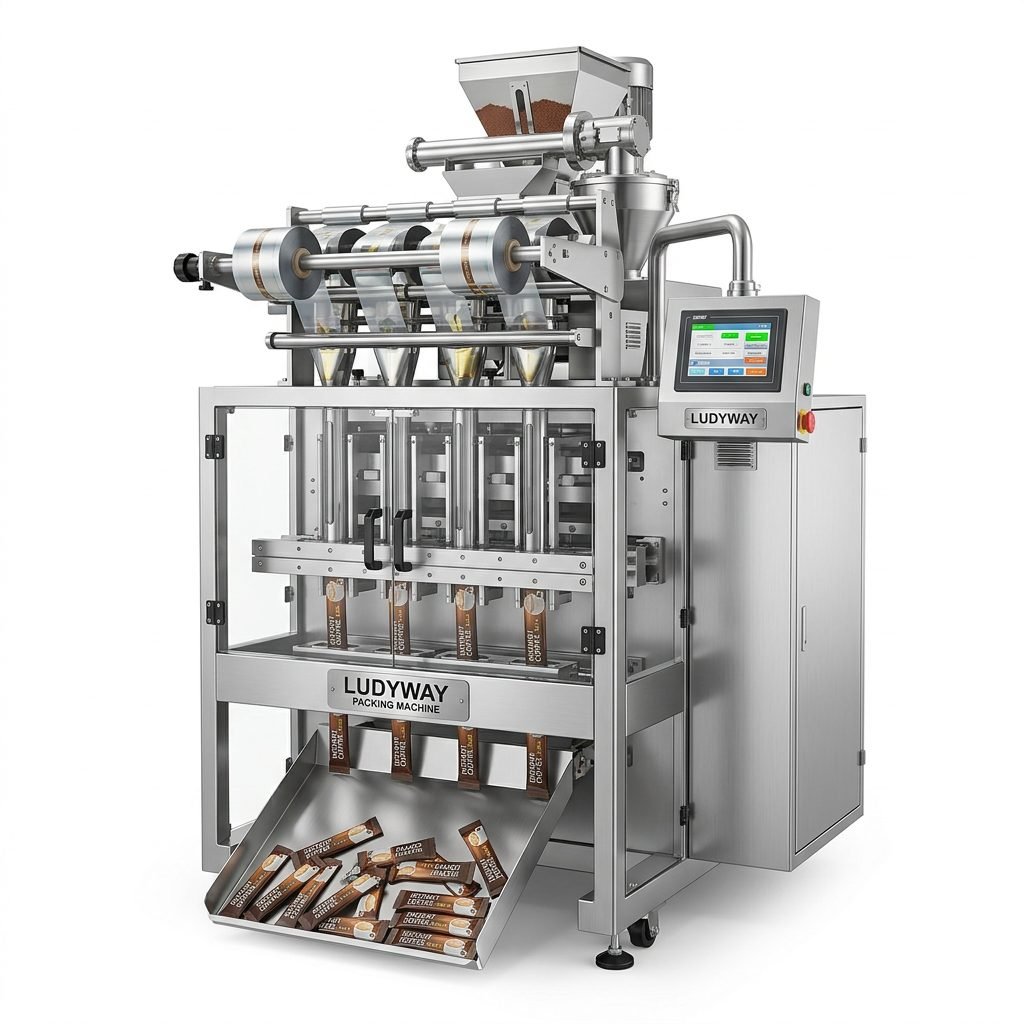
Stick packs are perfect for portable honey portions, often used in food service or as promotional items. Stick pack machines create long, narrow packets from roll stock, fill them with a measured honey dose, and seal them. Modern multi-lane stick pack machines can produce dozens of sticks per minute, offering high output for small portions.
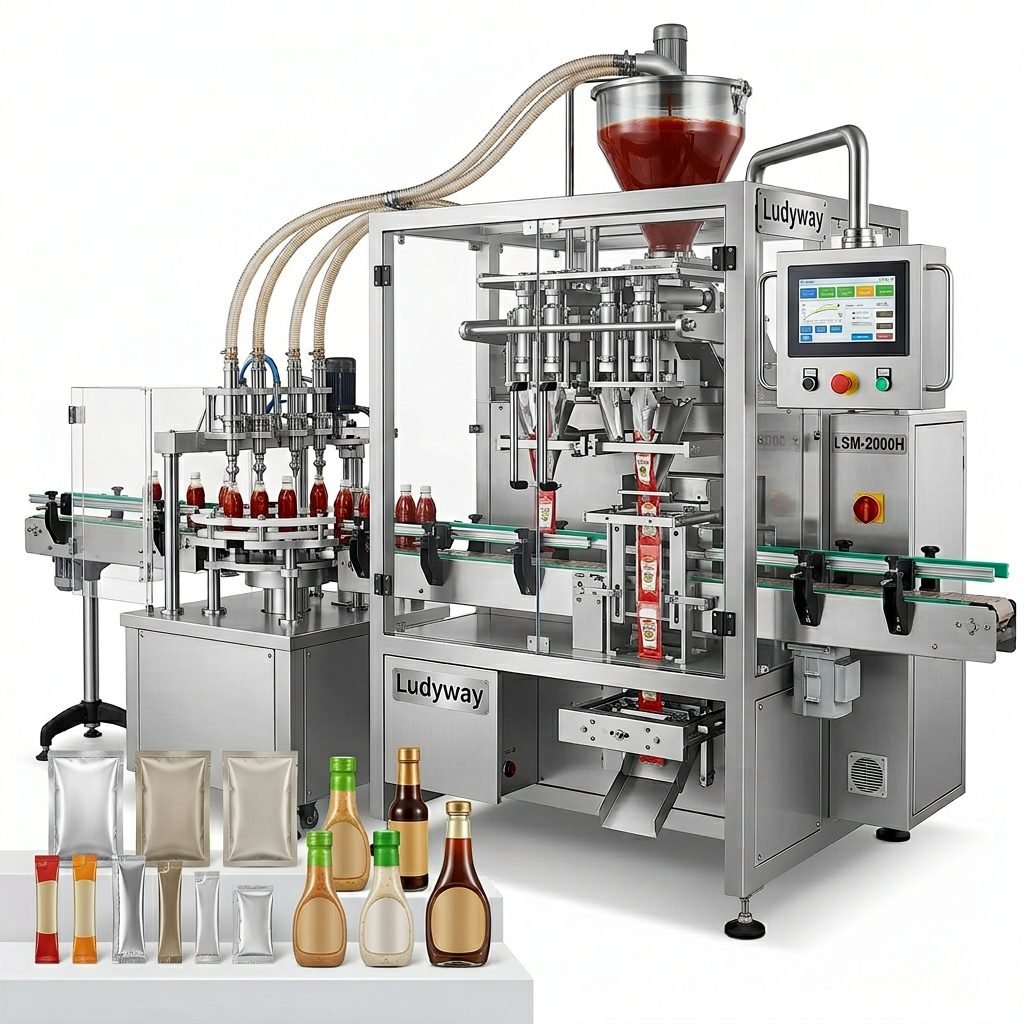
4. Bottle Filling Lines
For honey in squeezable plastic bottles, automated bottling lines are used. These lines integrate bottle unscrambling, filling, capping (often with flip-top or screw caps), and labeling. They are designed to handle honey’s thickness without dripping or air inclusion.
5. Bulk Container Filling Systems
For industrial or food service supply, honey is packed in large pails, drums, or totes. Filling systems for these containers are often heavy-duty, using piston or pump fillers to handle large volumes efficiently.
Essential Features of Modern Honey Packers
When evaluating equipment, certain features are critical for performance, hygiene, and adaptability.
✔ Precision Filling Mechanism
Honey’s viscosity varies with temperature. The best machines use servo-driven piston or peristaltic pump fillers that ensure accurate volume control regardless of viscosity changes, minimizing product giveaway and ensuring consistent pack weight.
✔ Sanitary and Easy-Clean Design
Food safety is paramount. Look for equipment with stainless steel contact parts, smooth surfaces without crevices, and CIP (Clean-in-Place) capabilities. This design prevents contamination and simplifies cleaning between production runs.
✔ Versatility and Quick Changeover
A machine that can handle different container sizes (e.g., from 10g sticks to 500g jars) with quick changeover parts boosts operational flexibility. This is vital for producers with diverse SKUs.
✔ Integrated Heating System
Some advanced machines include jacketed hoppers or heated nozzles to keep honey at an optimal temperature, maintaining consistent flow and fill accuracy during long production runs.
✔ User-Friendly HMI and Controls
A modern touchscreen Human-Machine Interface (HMI) allows operators to easily set parameters, monitor production speed, track output, and diagnose issues, reducing downtime.
How to Choose the Best Honey Packaging Machine
Selecting the right equipment involves a careful assessment of your specific needs, budget, and future goals.
Step 1: Analyze Your Production Requirements
Start by defining your current and projected output. Calculate your required speed (packs per minute) and the range of package sizes you need. A small artisanal producer might prioritize a versatile semi-automatic machine, while a large brand needs a high-speed, fully automated line.
Step 2: Evaluate Product Characteristics
Consider your honey’s specific properties. Is it raw, creamed, or infused? The presence of particulates (like comb) may require a filler with wider valves. Always provide a sample to the machine supplier for testing.
Step 3: Assess Machine Durability and Support
Packaging equipment is a long-term investment. Choose a manufacturer known for robust construction and reliable after-sales service. Check the availability of spare parts and technical support. Companies with deep industry experience, like Ludyway Machinery, often provide more dependable solutions and comprehensive service networks.
Step 4: Consider Total Cost of Ownership
Look beyond the initial purchase price. Factor in operational costs (energy, maintenance), potential downtime costs, and the machine’s efficiency in reducing material waste. A slightly higher upfront cost for a more efficient and reliable machine often leads to greater savings.
Step 5: Plan for Future Growth
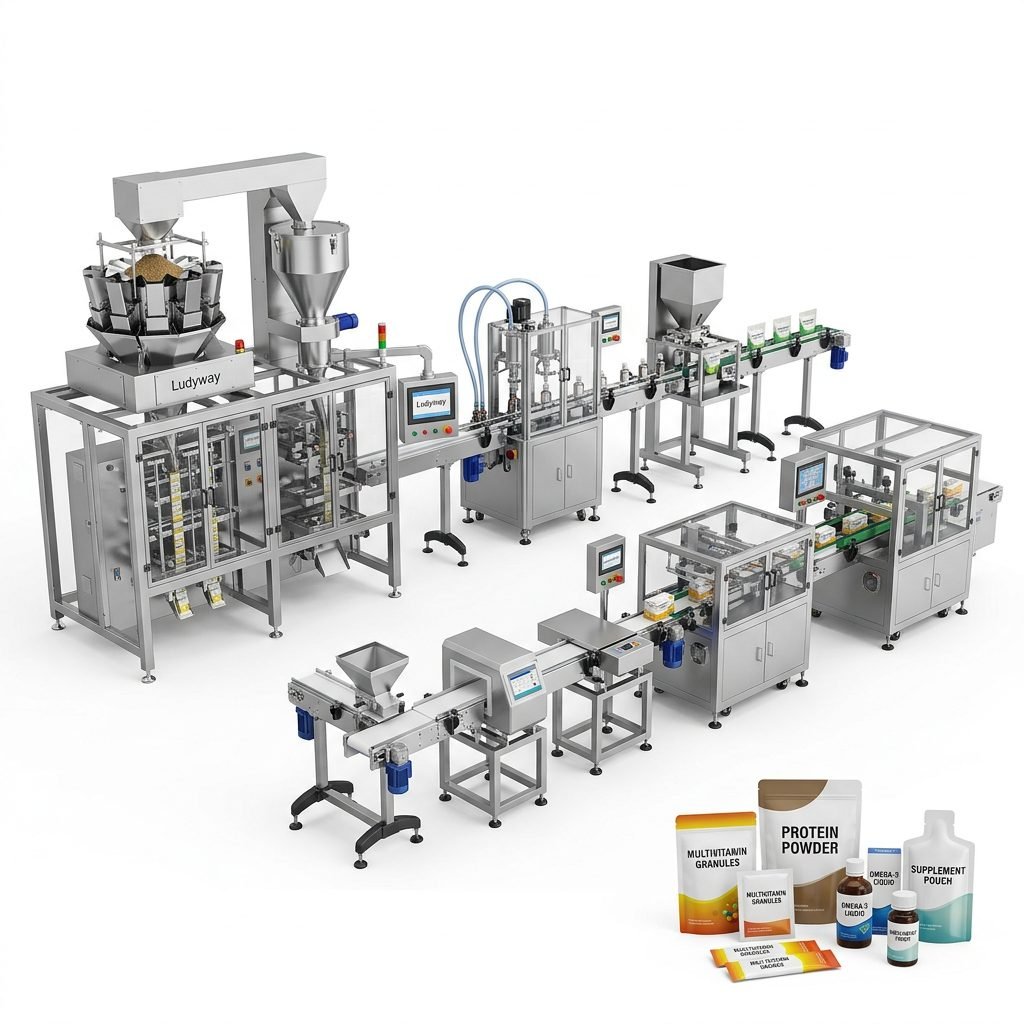
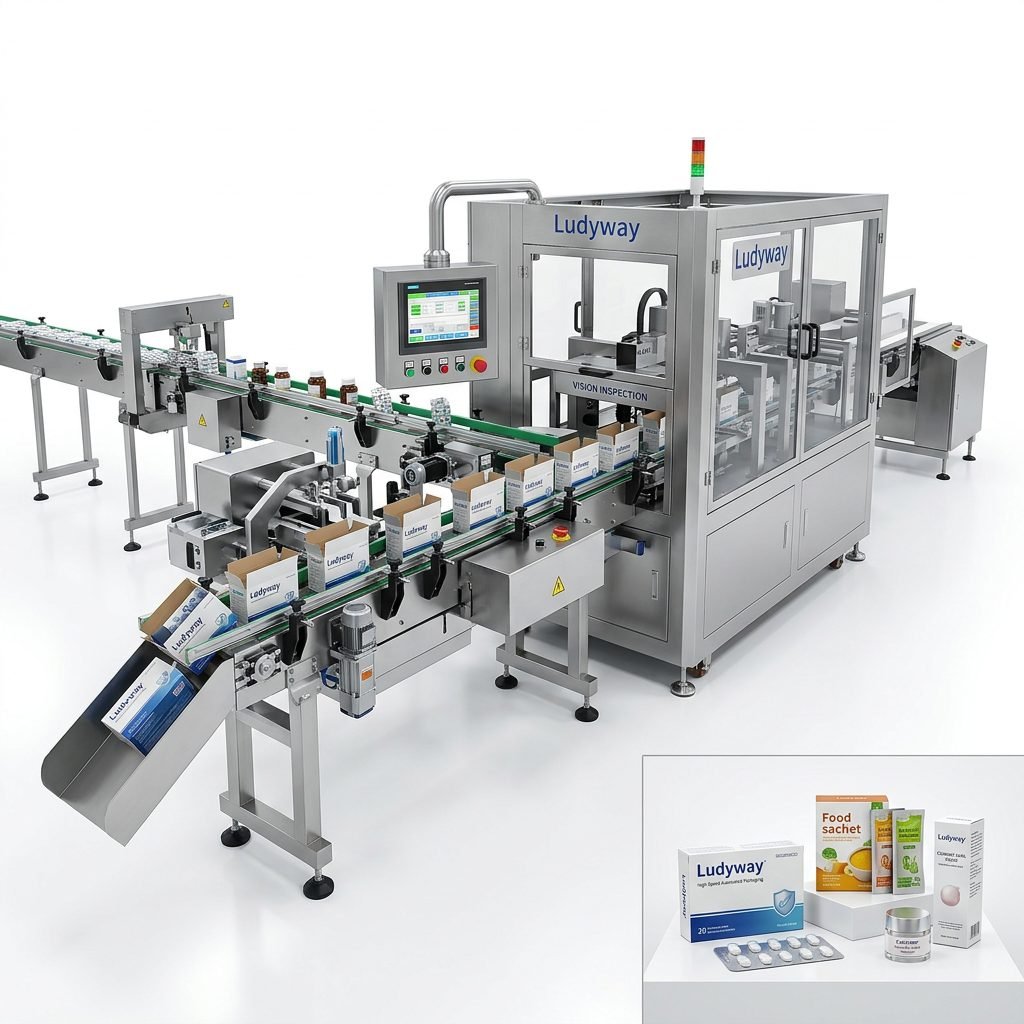
Opt for a machine or system that can be upgraded or integrated into a larger automated production line in the future. Modular designs allow you to add functions like automatic cartoning or case packing as your business expands.
FAQs: Common Questions About Honey Packaging Equipment
Q1: What is the most cost-effective type of honey packaging machine for a startup?
For startups with limited volume, a semi-automatic piston filler or a single-head pouch machine offers the best balance of affordability and capability. It allows for manual container handling with precise, automated filling, keeping initial investment low while ensuring product quality.
Q2: Can one machine package both honey and other viscous products like syrup or jam?
Yes, many machines are designed for versatility. Piston fillers and pump fillers can often handle a range of viscous liquids. The key is to ensure the machine has appropriate heating options (for honey) and is constructed with materials suitable for all intended products. Always confirm with the supplier.
Q3: How do I prevent honey from crystallizing inside the packaging machine?
Crystallization is managed by temperature control. Choose a machine with temperature-regulated hoppers, filling nozzles, and product pathways. Maintaining honey at a consistent, warm temperature (specific to your honey type) throughout the packaging process prevents crystallization during operation.
Q4: What maintenance is required for a honey packaging machine?
Daily cleaning of all product contact parts is essential. Regular maintenance includes lubricating moving parts (with food-grade lubricant), checking seals and gaskets for wear, and calibrating the filling system. Following the manufacturer’s maintenance schedule is crucial for longevity and consistent performance.
Q5: Where can I find a reliable supplier for honey packaging solutions?
Look for suppliers with proven experience in food-grade, viscous liquid packaging. Review their client portfolio, request references, and if possible, visit their facility or arrange a product test. Established brands with strong engineering support, such as Ludyway Packaging Machinery, provide not only reliable equipment but also valuable industry expertise and project support.