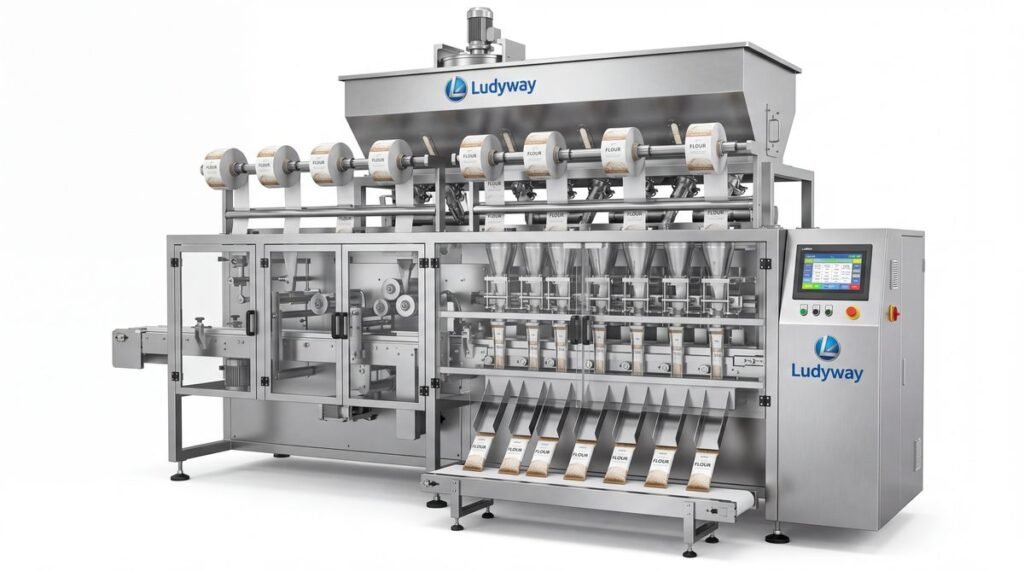
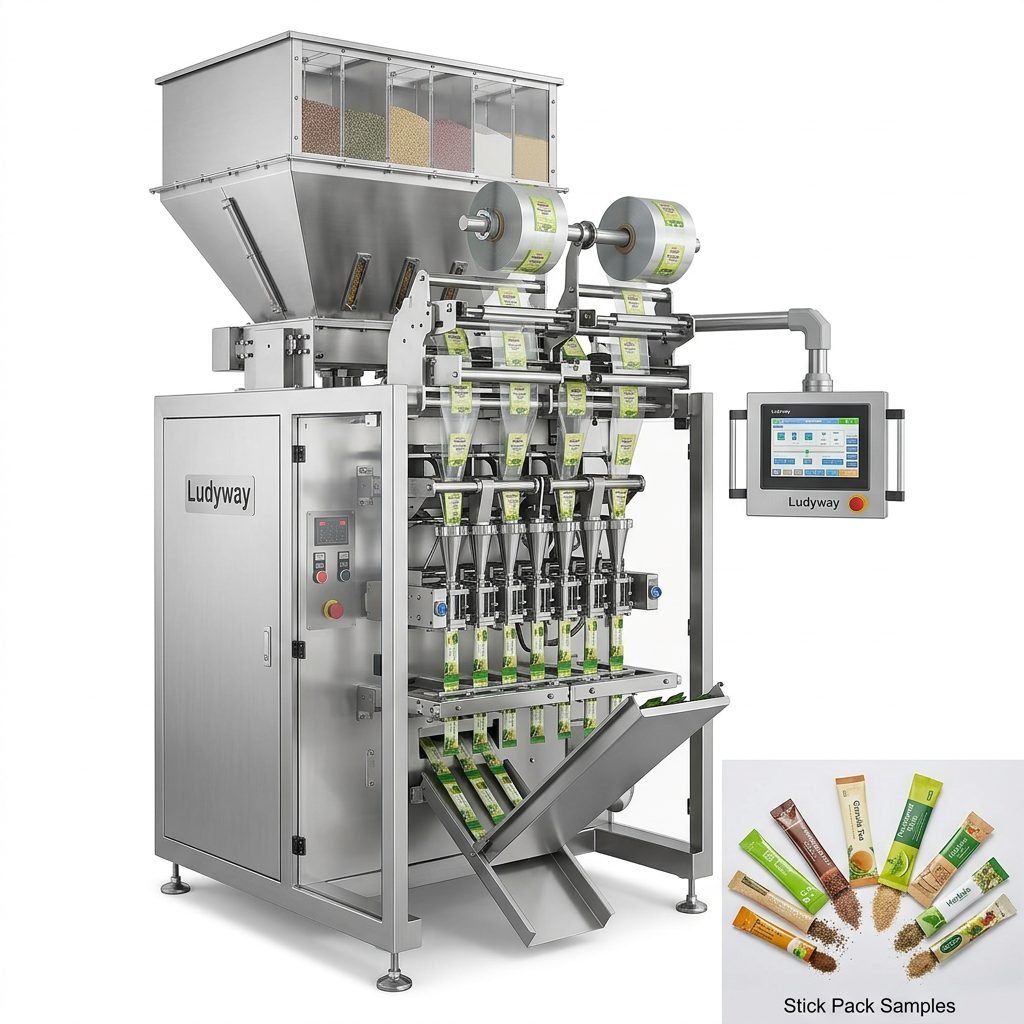
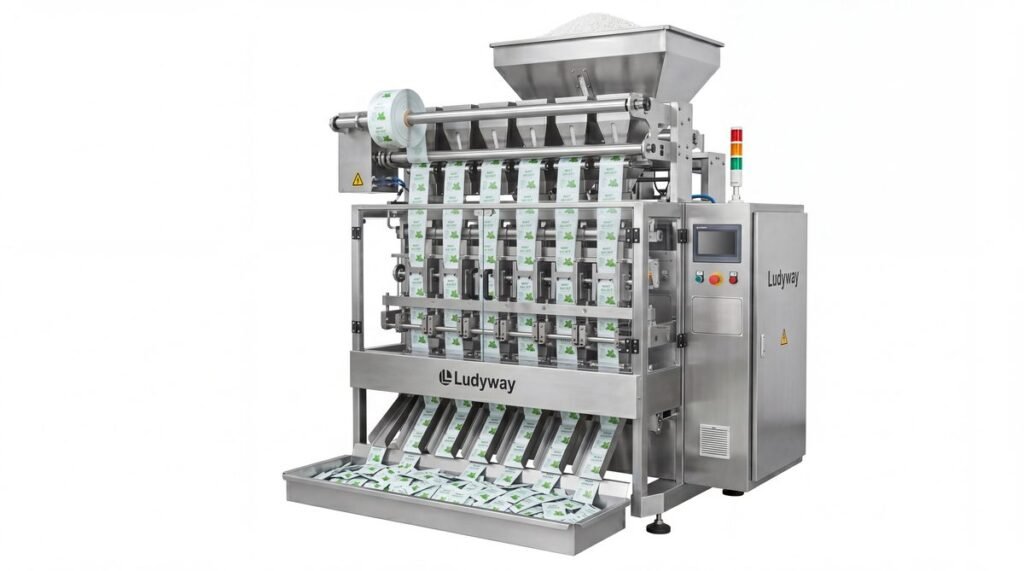
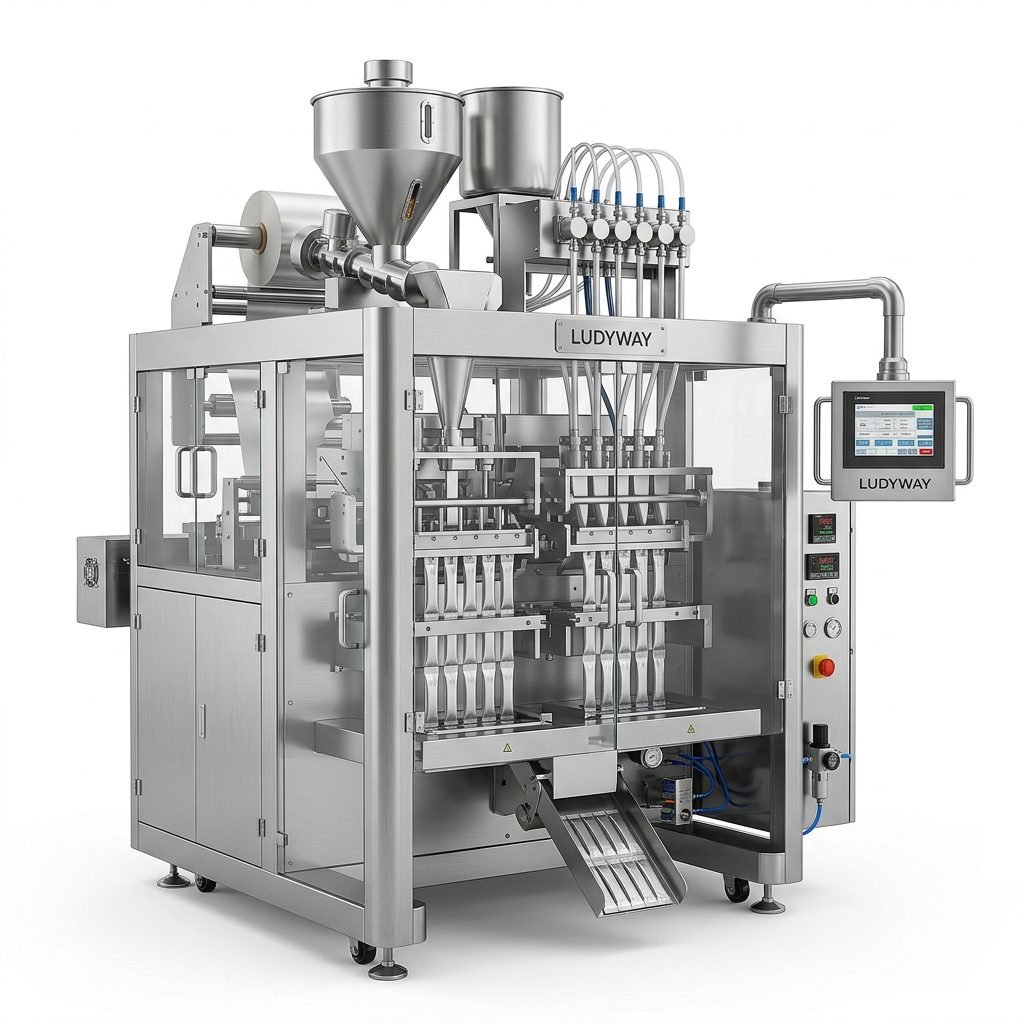
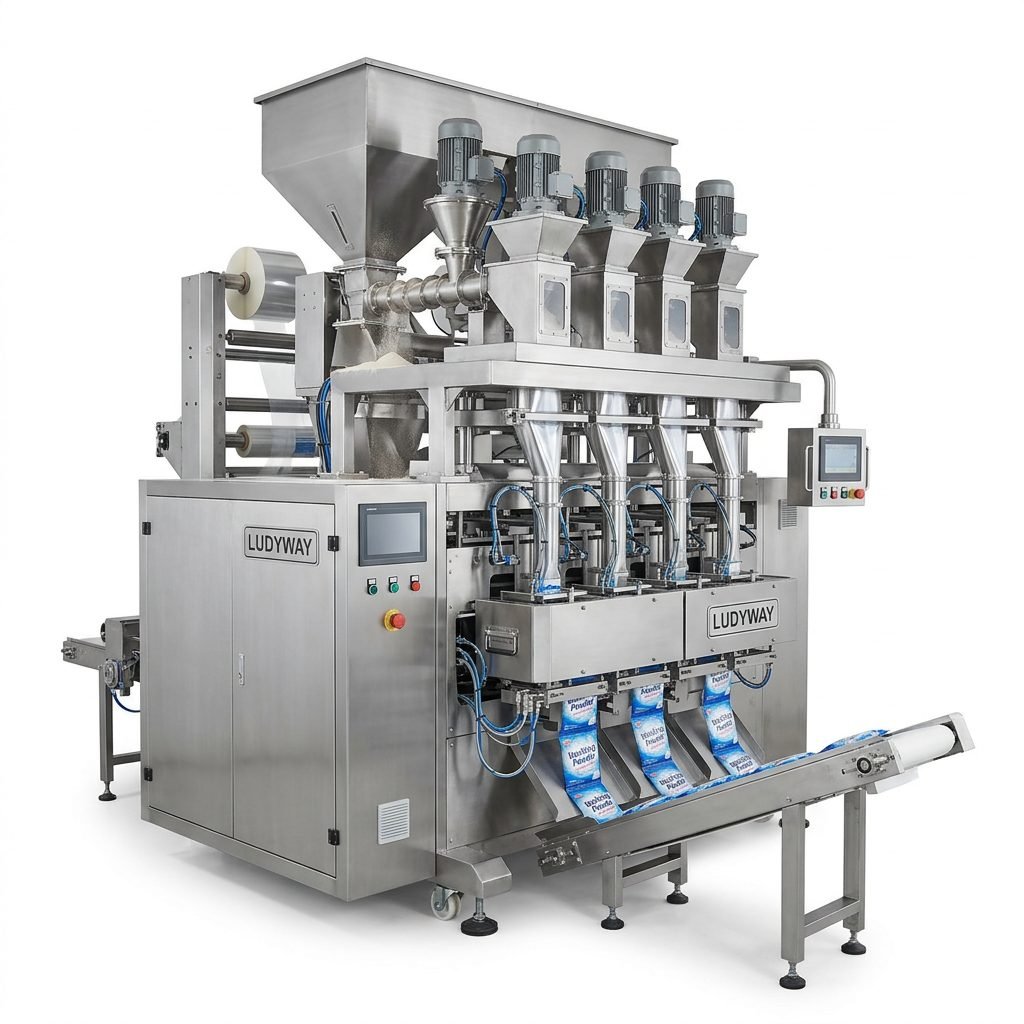
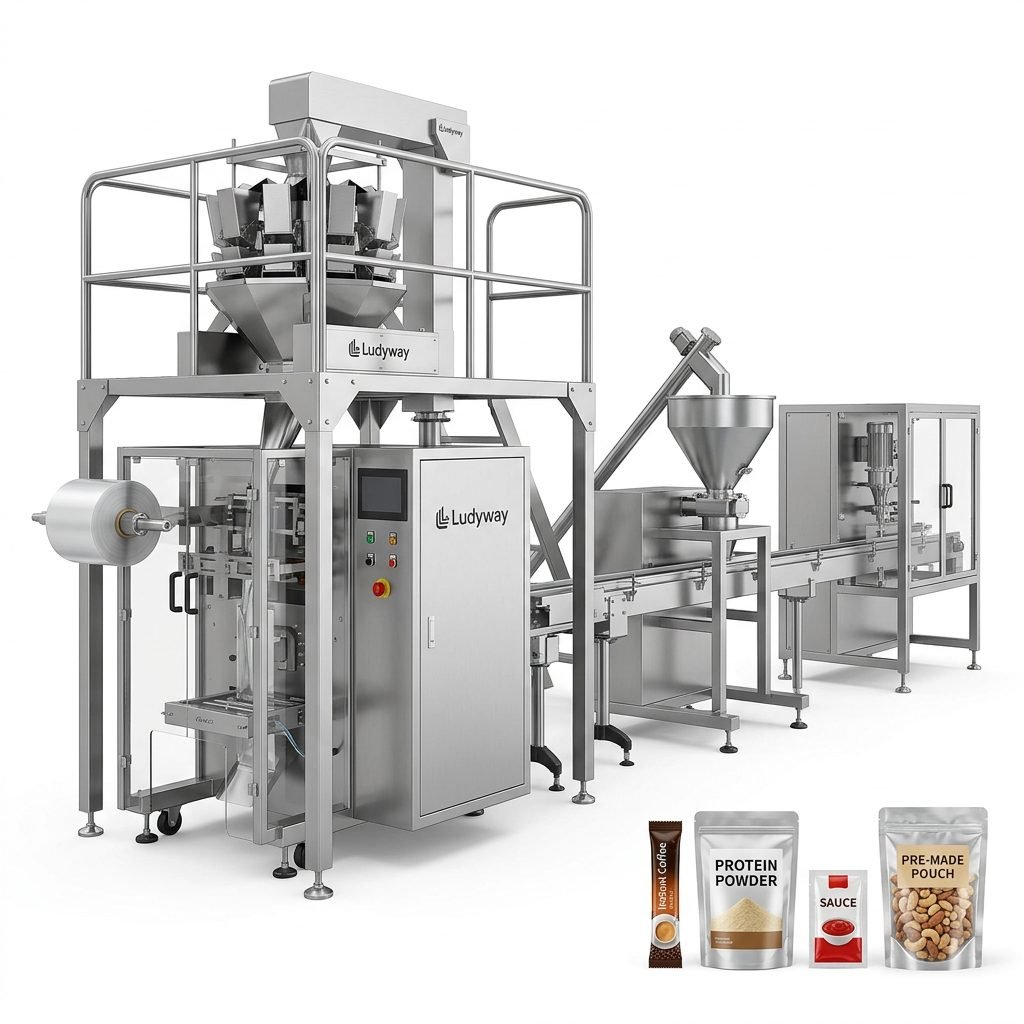
In the world of agricultural production, seed processing, and specialized horticulture, efficiency and accuracy are paramount. The manual counting and packaging of seeds is not only labor-intensive and slow but also prone to human error, which can directly impact crop yields, inventory management, and customer satisfaction. This is where automated seed counting and packaging machines become a game-changer. These sophisticated systems are designed to handle a wide variety of seed types—from tiny flower seeds to larger vegetable or grain seeds—with incredible speed and precision. For businesses looking to scale their operations, improve product consistency, and reduce operational costs, investing in the right automatic solution is a critical strategic decision.
Understanding Seed Counting & Packaging Automation
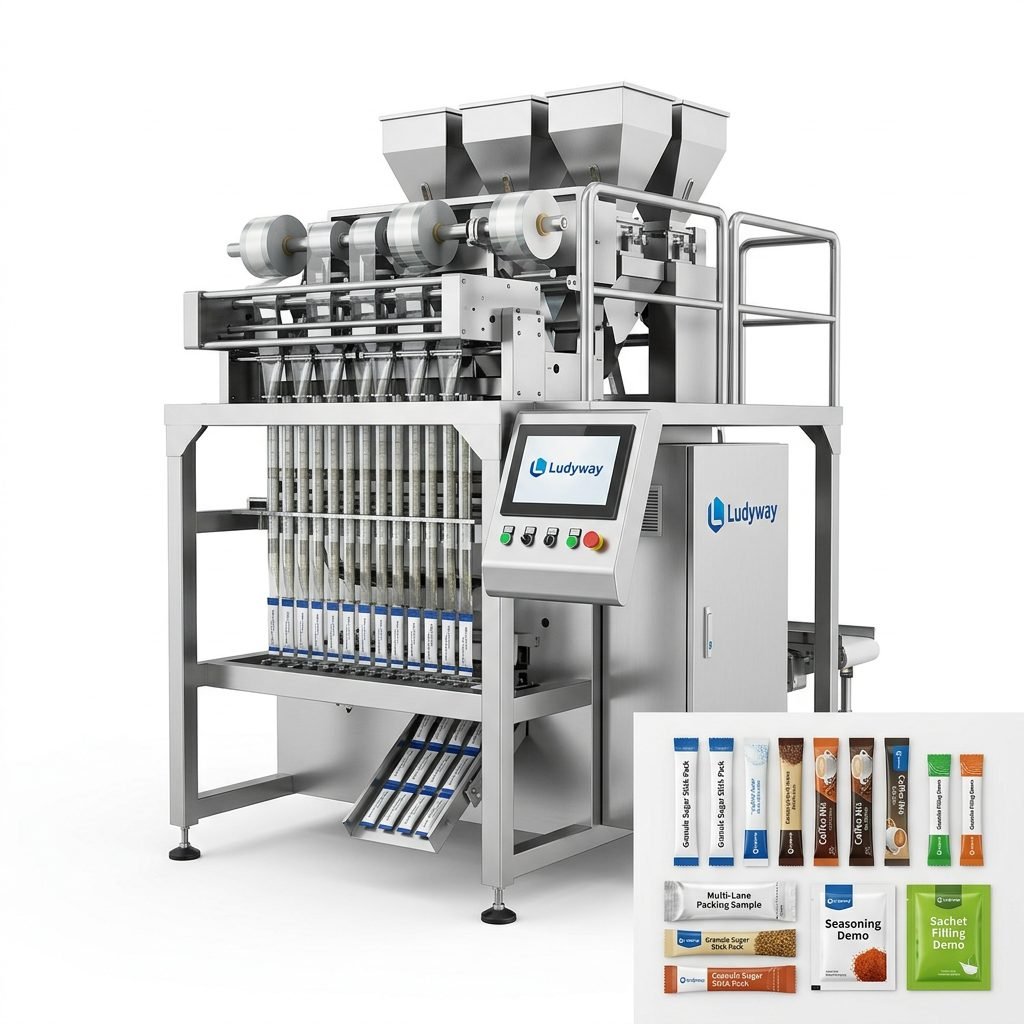
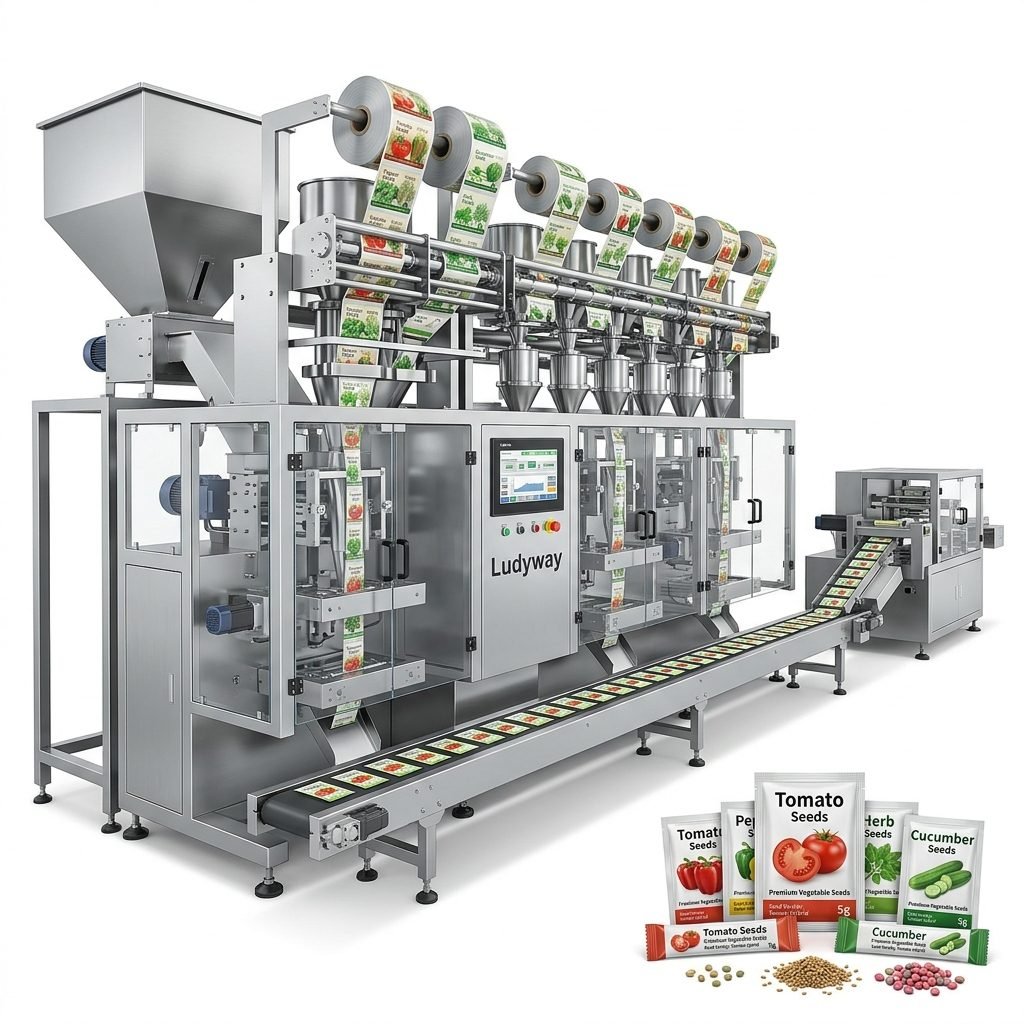
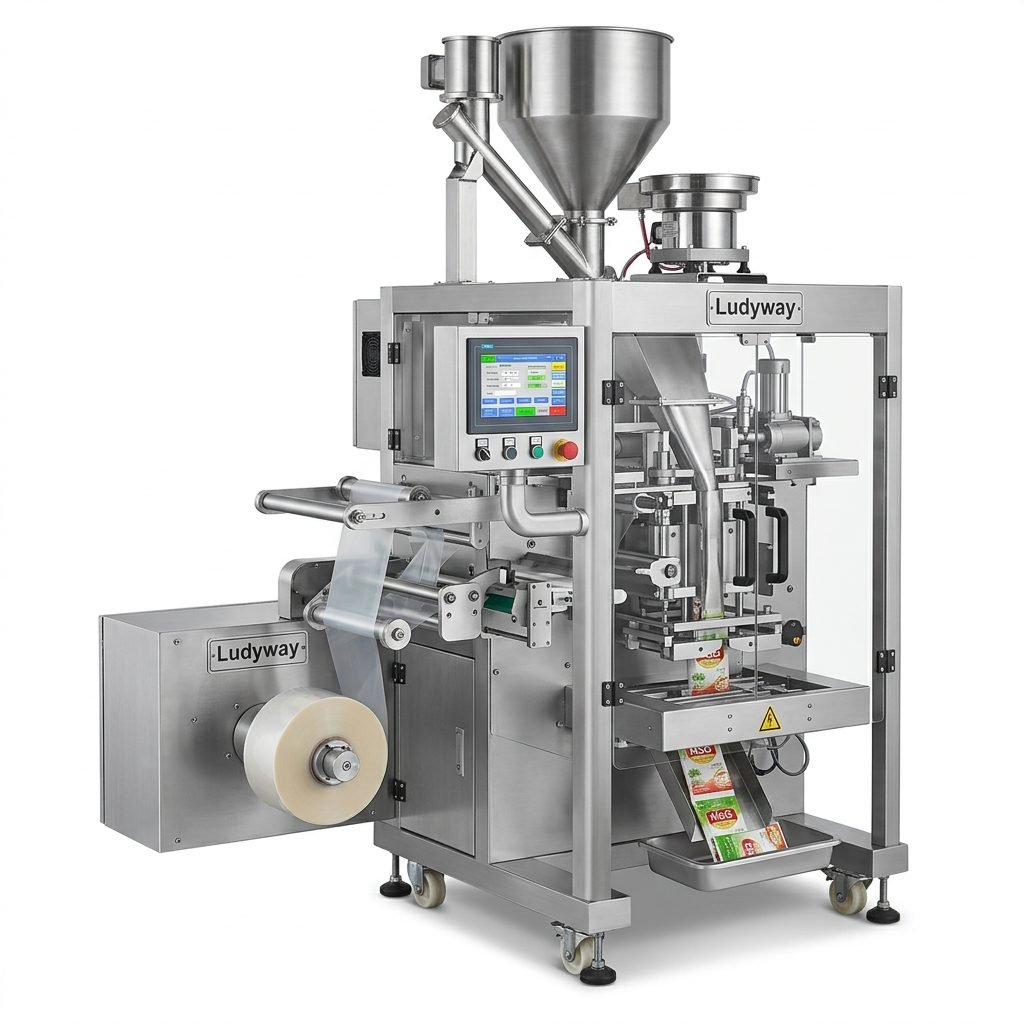
An automatic seed counting and packaging machine is an integrated system that performs several key functions in a single, streamlined process. At its core, the machine accurately counts a predetermined number of seeds, then transfers them into a prepared package—such as a pouch, sachet, stick pack, or vial—before sealing it. Modern systems often incorporate advanced technologies like computer vision for quality inspection, precision weighing scales for verification, and programmable logic controllers (PLCs) for seamless operation. The primary goal is to achieve high throughput with minimal waste and maximum reliability, replacing multiple manual steps with a single, automated unit.
Core Benefits for Your Production Line
Transitioning to automation offers tangible benefits that directly affect your bottom line and market competitiveness.
- Unmatched Speed & Throughput: Automatic machines can process thousands of seed packets per hour, dramatically increasing your production capacity to meet large orders or seasonal demand spikes.
- Pinpoint Accuracy & Consistency: Eliminate counting errors. Every packet contains the exact number of seeds specified, ensuring product uniformity and building trust with your customers.
- Significant Labor & Cost Savings: Reduce dependency on manual labor for repetitive tasks, allowing your workforce to focus on higher-value activities like quality control and logistics.
- Enhanced Hygiene & Product Safety: Closed, automated systems minimize human contact with the seeds, reducing the risk of contamination—a crucial factor for organic or high-value seed varieties.
- Improved Data & Traceability: Many modern machines integrate with production software, providing valuable data on output, efficiency, and batch information for better traceability and inventory management.
Key Factors for Choosing the Right Machine
Selecting the ideal machine is not a one-size-fits-all process. It requires a careful evaluation of your specific production needs and seed characteristics.
1. Seed Type and Physical Characteristics
The machine must be compatible with your seeds. Consider their size, shape, weight, and surface texture. Delicate, coated, or irregularly shaped seeds may require gentler handling mechanisms like vibratory bowls or soft-bristle counting discs, while round, hard seeds can be handled by faster rotary counters. Always provide samples to the machine supplier for testing.
2. Required Output Speed (Packets Per Hour)
Calculate your current and projected future packaging volume. Machines are rated by their speed (e.g., 2,000 to 10,000+ packets per hour). Choosing a machine with a slightly higher capacity than your current needs can provide room for business growth without requiring another immediate investment.
3. Packaging Format and Material
Define your final product presentation. Will you use pre-made pouches, roll-fed film for form-fill-seal (FFS) sachets, or rigid containers? The machine must be equipped with the correct bag maker, sealer, and feeding system. Also, consider if you need features like gas flushing for extended seed viability or zip resealable options for consumer convenience.
4. Level of Automation and Integration
Determine how the machine will fit into your existing line. Options range from stand-alone counting and bagging units to fully integrated turnkey lines that include upstream bulk feeding and downstream cartoning or case packing. Higher integration reduces manual handling but requires a larger initial investment.
5. Machine Flexibility and Changeover
If you package multiple seed varieties or different packet sizes, quick changeover capability is essential. Look for machines with tool-less adjustments, easy-to-program recipes, and modular components that can be swapped out rapidly to minimize downtime between production runs.
6. Supplier Reliability and Support
Your relationship with the machine supplier is as important as the machine itself. A reputable supplier like Ludyway Machinery, with deep industry experience, will provide robust equipment, comprehensive training, readily available spare parts, and responsive technical support. This ensures long-term machine uptime and a strong return on your investment.
Exploring Advanced Features in Modern Systems
Today’s leading-edge machines offer features that go beyond basic counting and sealing, providing greater control and intelligence.
- Multi-Lane Counting: Systems with dual or quad counting lanes can simultaneously process different seed types or boost overall speed by parallel processing.
- Integrated Checkweighers: An in-line scale verifies the weight of each packet after filling, providing a secondary check on count accuracy and automatically rejecting under or overweight packets.
- Vision Inspection Systems: Cameras can inspect seeds for defects, color, or size before counting, and verify printed details like batch codes or expiry dates on the finished packet.
- User-Friendly HMI (Human-Machine Interface): A large, intuitive touchscreen allows operators to set parameters, monitor production stats, and diagnose issues with ease.
- Data Export and Connectivity: Ethernet or USB ports for downloading production reports and potential integration with factory-wide Manufacturing Execution Systems (MES).
Implementing Your New System Successfully
Successful implementation starts with clear communication with your supplier. Provide detailed specifications and seed samples. Plan for adequate factory space, power requirements, and compressed air. Ensure your team receives thorough operational and maintenance training. Start with a pilot run to fine-tune settings before full-scale production. A partner like Ludyway Machinery, with a global service network, can guide you through this process to ensure a smooth transition to automated packaging.
Frequently Asked Questions (FAQs)
Q1: Can one machine handle vastly different seed sizes, like small herb seeds and large bean seeds?
A: While some high-flexibility machines are designed with adjustable parts and changeable counting modules to handle a range of sizes, extreme variations often require dedicated systems or significant changeover time. It’s best to discuss your specific seed portfolio with the supplier for an optimal solution.
Q2: How accurate are automatic seed counters compared to manual counting?
A: They are significantly more accurate. Modern electronic counters and weigh-cell systems achieve accuracy rates of 99.9% or higher, virtually eliminating the errors and inconsistencies inherent in manual counting.
Q3: What is the typical maintenance required for these machines?
A: Regular maintenance includes daily cleaning to remove dust and debris, periodic lubrication of moving parts, and inspection of wear items like counting sensors and sealing jaws. A reliable supplier will provide a clear maintenance schedule and easy access to spare parts.
Q4: Are these machines suitable for small-scale producers or startups?
A: Yes. The market offers a range of machines, from compact, semi-automatic tabletop models perfect for lower volumes to high-speed fully automatic lines. The key is to analyze your cost-per-packet and ROI to find a machine that matches your scale and growth trajectory.
Q5: Can the machine print batch information directly onto the packet?
A: Many form-fill-seal machines can be equipped with integrated thermal transfer or inkjet printers. This allows for on-demand printing of variable data like packing dates, lot numbers, and unique codes directly onto the packaging film during production.