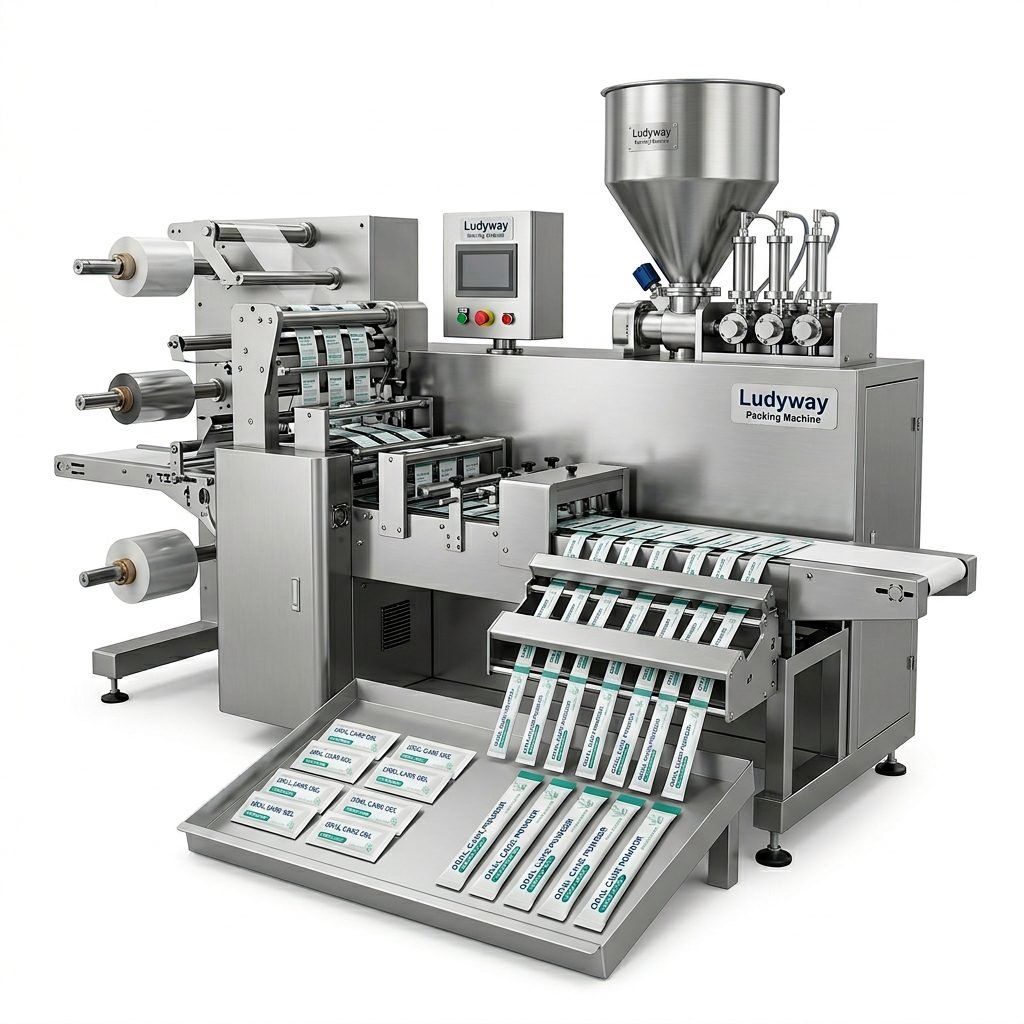
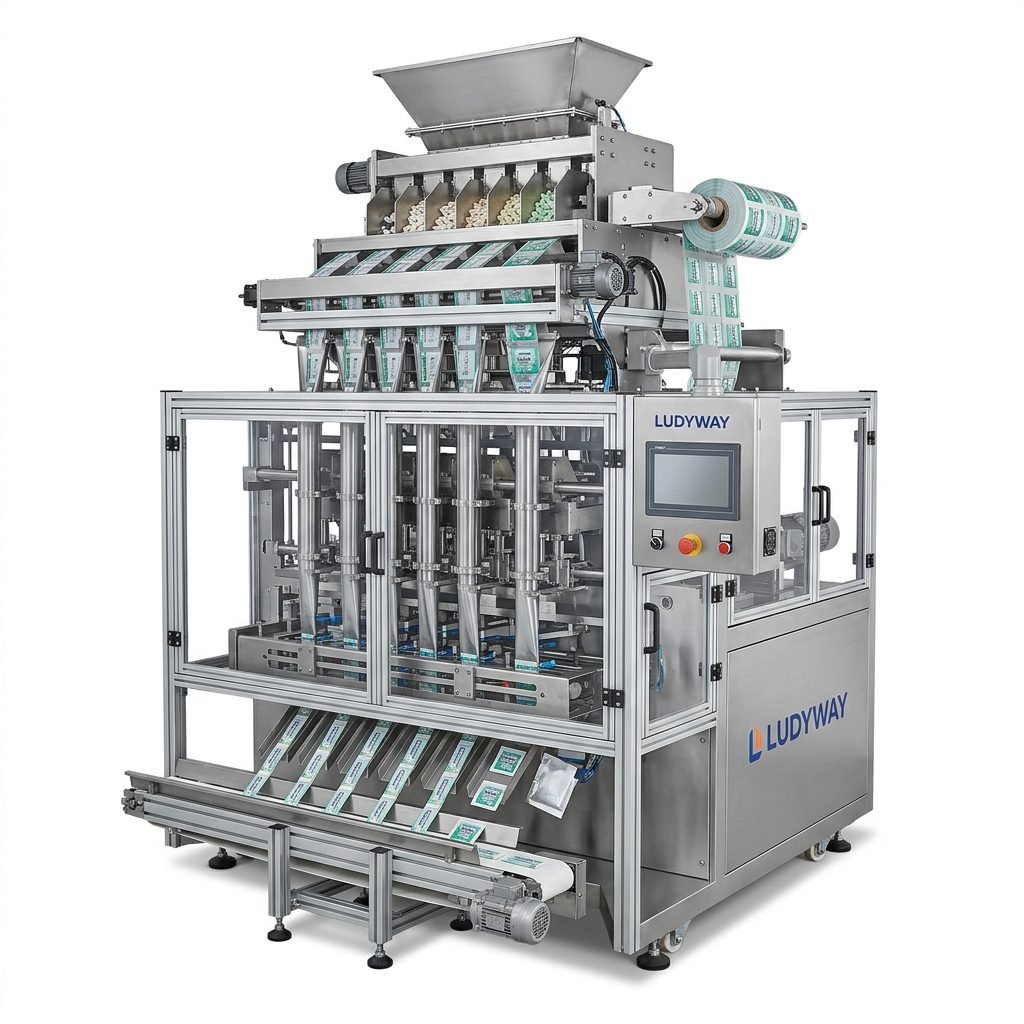
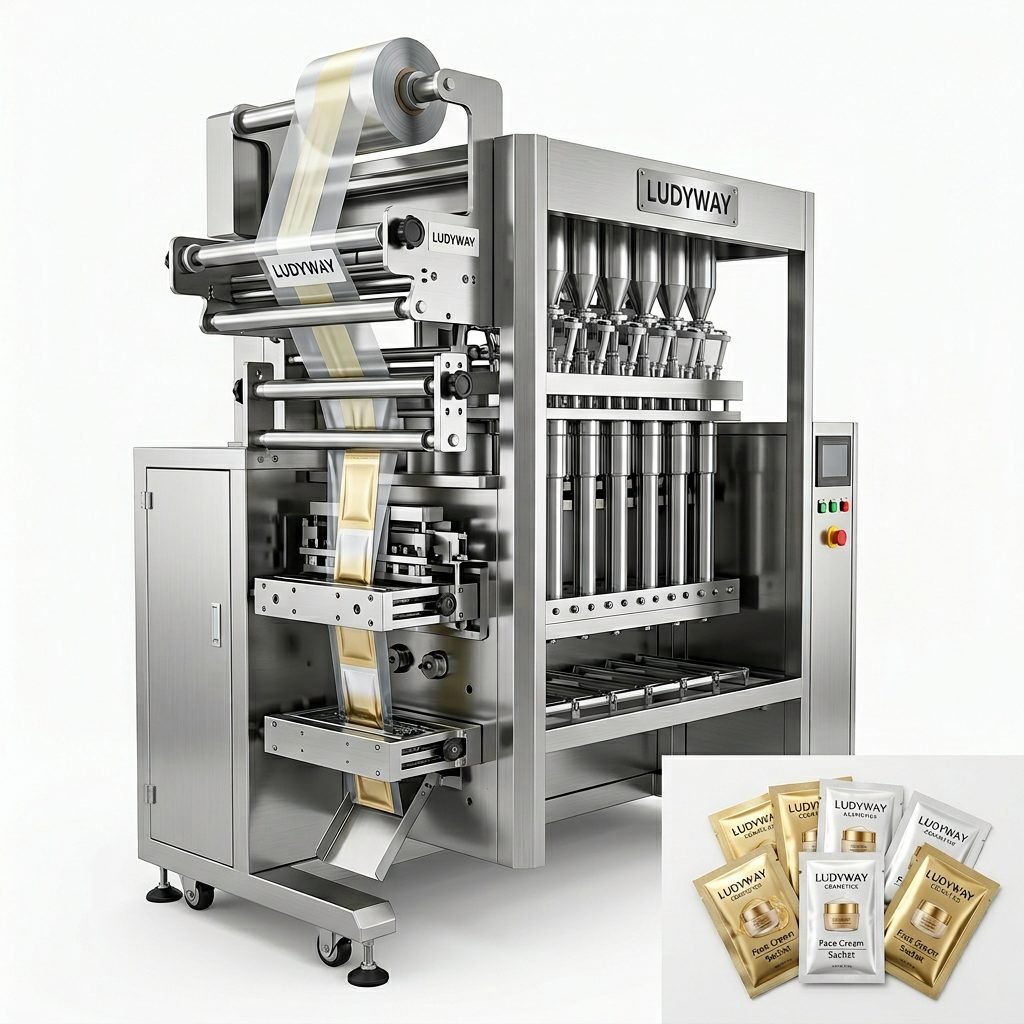
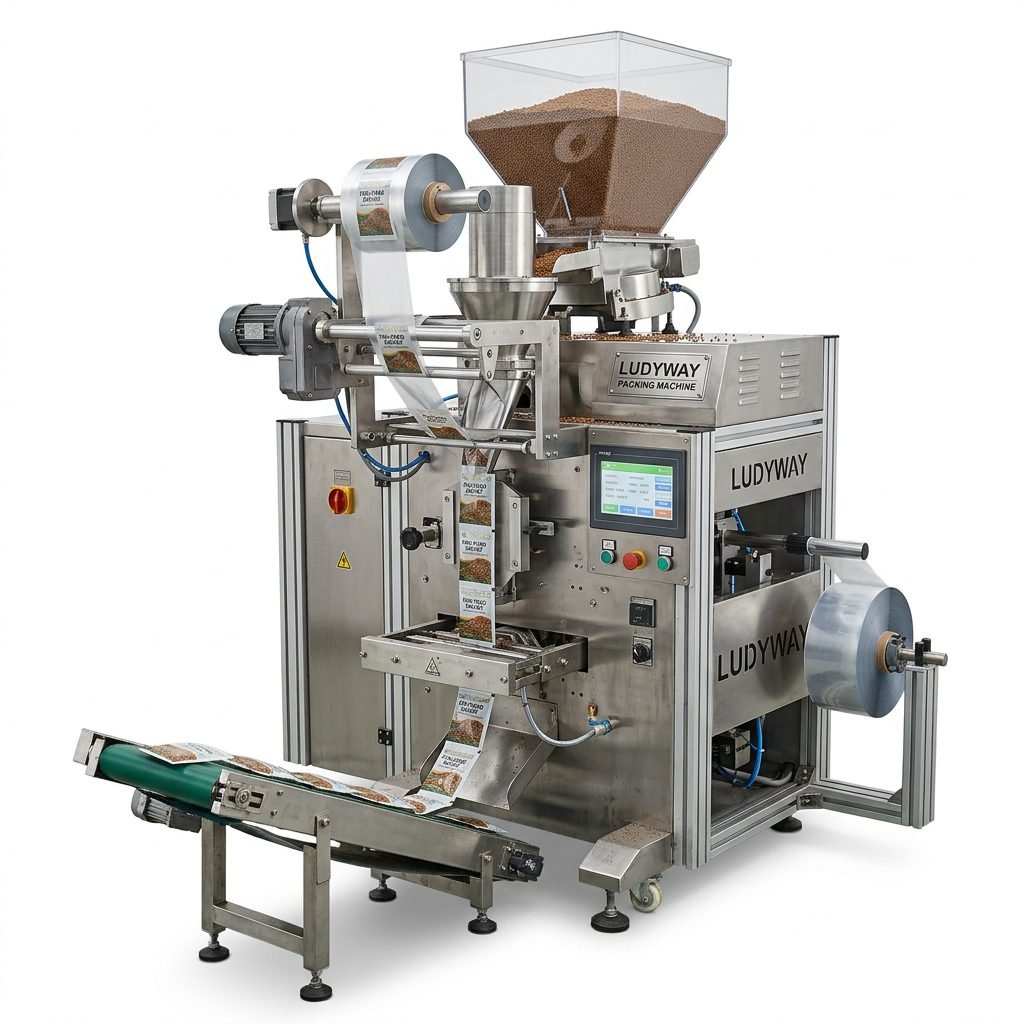
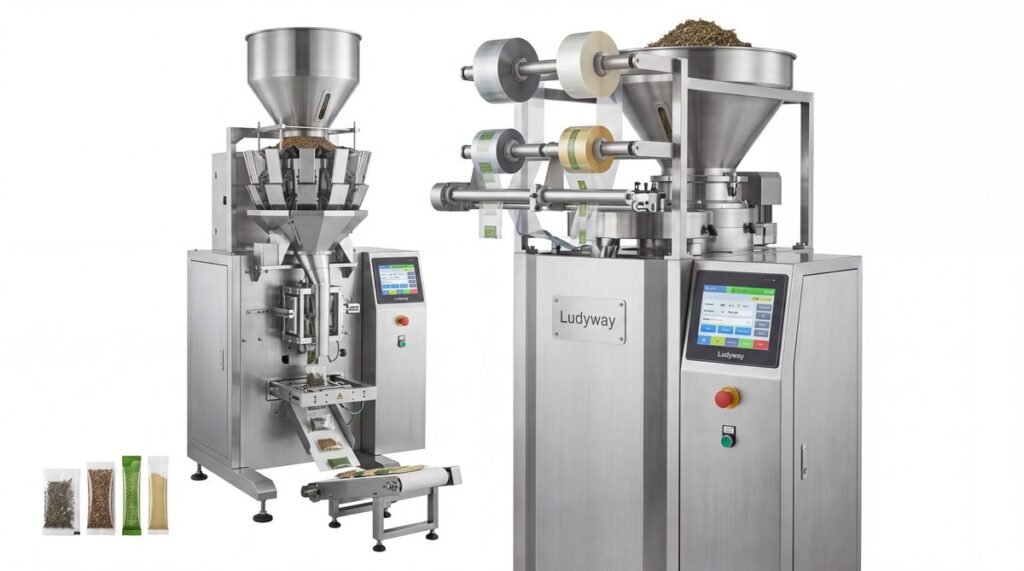
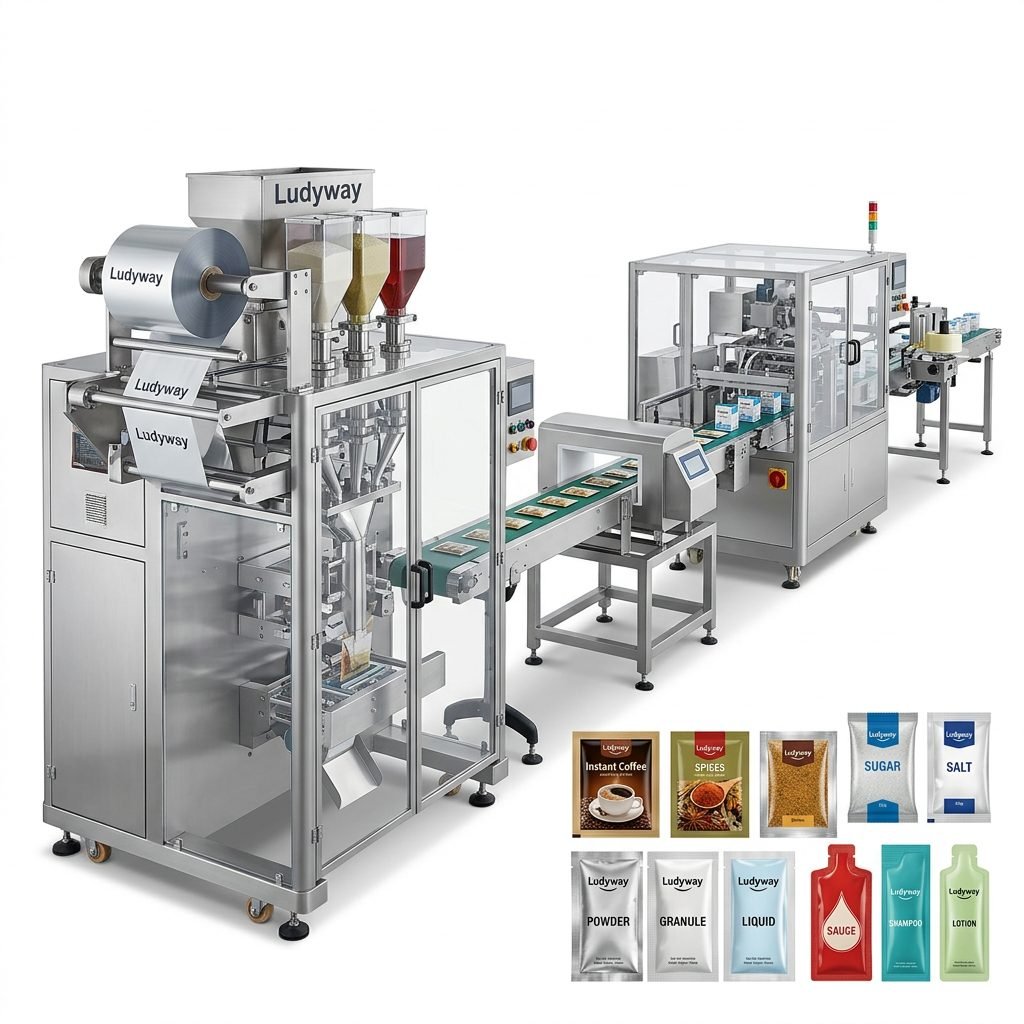
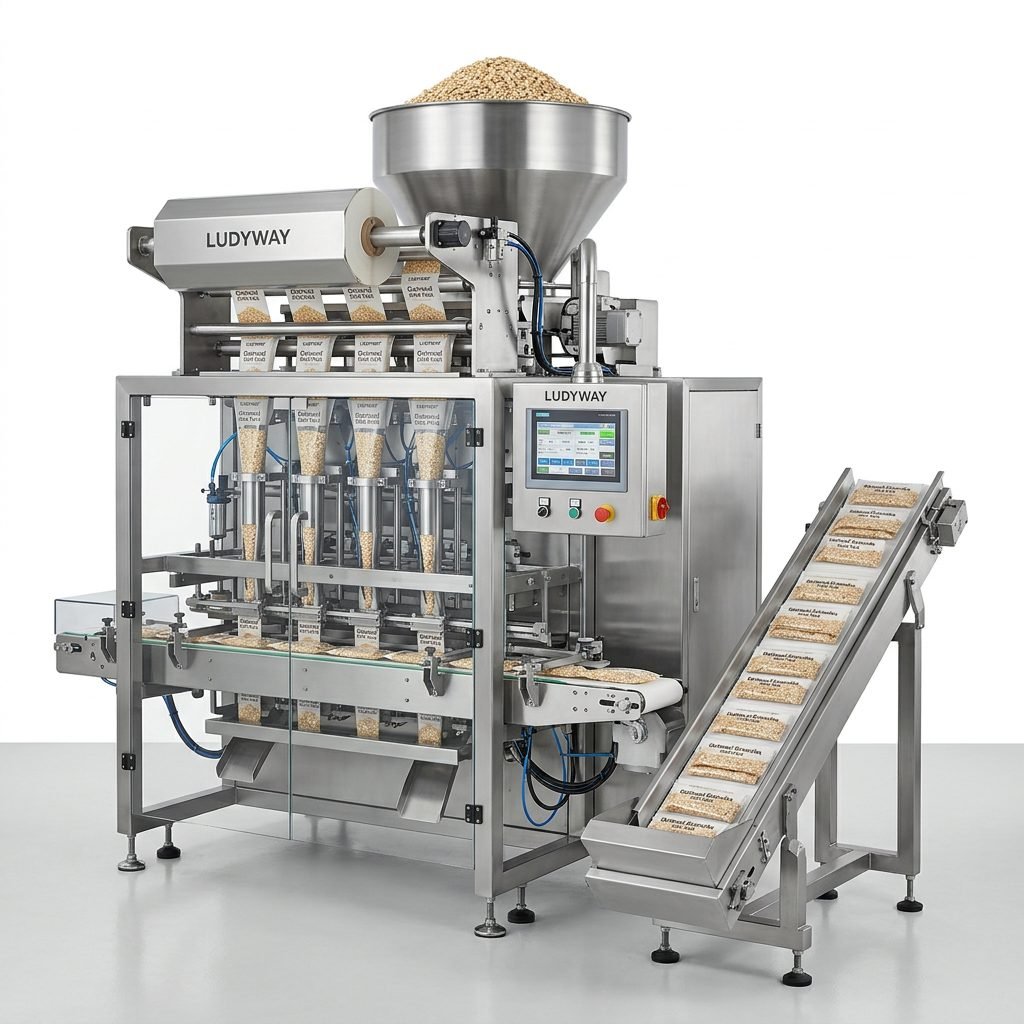
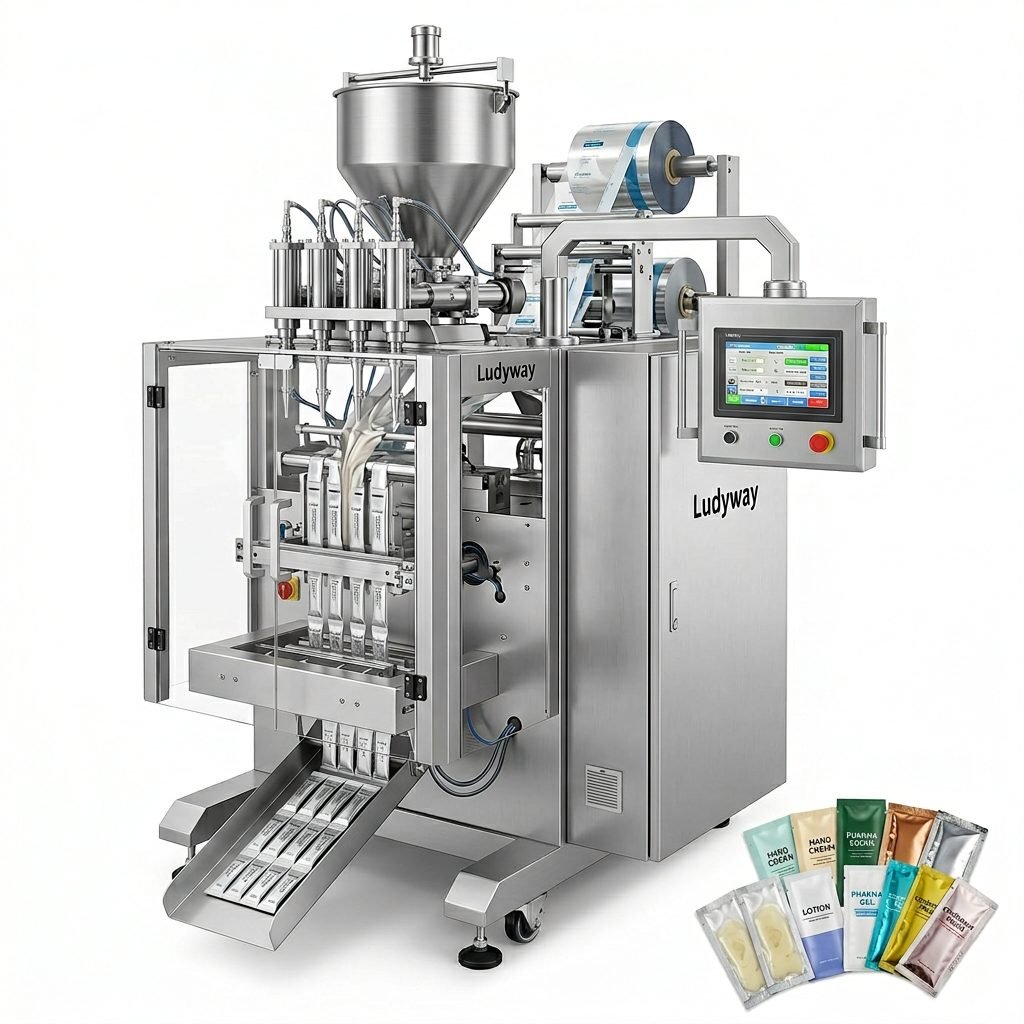
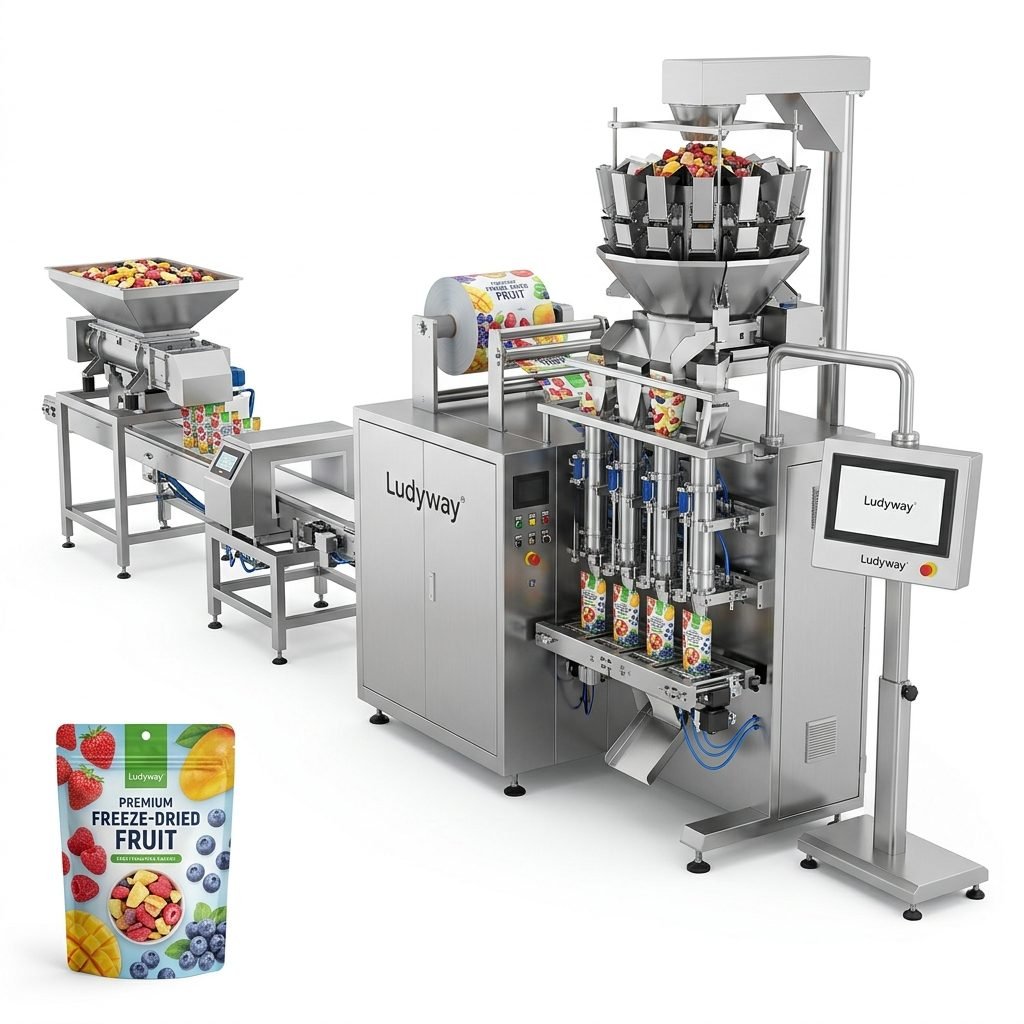
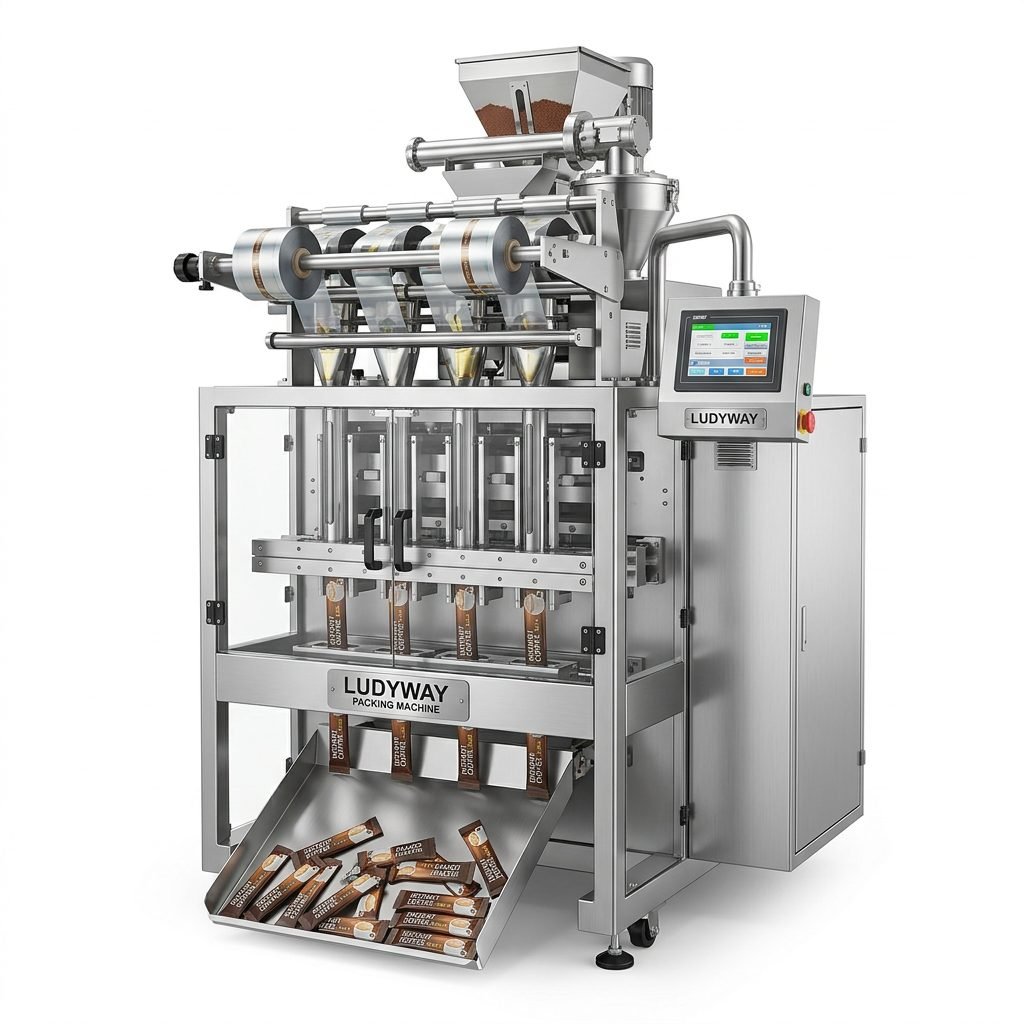
In competitive beverage, dessert, and takeaway markets, a paper cup packing machine helps manufacturers and distributors package cups faster, cleaner, and more consistently. Whether you supply disposable drinking cups, ice cream cups, coffee cups, or nested paper containers for foodservice, automatic packing equipment reduces labor intensity, improves counting accuracy, and supports stable output across long production runs.
Modern cup packaging is no longer just about placing stacks into bags. Buyers now expect higher automation, cleaner handling, easier format changeover, and integration with cartoning, sealing, labeling, and end-of-line conveying. For factories that want to scale efficiently, an automated solution can create a measurable advantage in productivity and packaging quality.
What Is a Paper Cup Packing Machine?
A paper cup packing machine is an automated or semi-automatic system designed to organize, count, stack, bag, seal, and sometimes carton paper cups for storage, transport, and retail or wholesale distribution. It is commonly used by cup manufacturers, food packaging suppliers, and disposable product factories.
Depending on the application, the machine may handle:
- Single-wall paper cups
- Double-wall paper cups
- Ripple wall cups
- Cold drink cups
- Ice cream paper cups
- Soup cups and food containers
- Custom printed disposable cups
Why Automatic Cup Packaging Matters
Manual cup packing often leads to inconsistent counts, unstable bagging speed, higher labor costs, and product contamination risks from repeated handling. An automatic cup packing system addresses these issues by standardizing the entire packaging process.
- Higher efficiency: continuous operation increases total daily output.
- Accurate counting: each pack contains the required cup quantity.
- Better hygiene: less direct human contact with cups.
- Neater packaging: improved bag shape and sealing quality.
- Lower labor dependency: fewer operators are required.
- Scalable automation: easier connection with conveyors, cartoners, and palletizing systems.
Core Functions of an Automatic Paper Cup Packing Machine
A well-designed machine typically combines several packaging functions into one streamlined workflow. These may vary by model, but most systems include the following:
| Function | Purpose |
|---|---|
| Cup feeding | Transfers cups smoothly from production or storage to the packing section |
| Counting | Ensures each pack contains the preset quantity |
| Stacking | Arranges cups into stable nested columns or grouped bundles |
| Bag forming/loading | Places cup stacks into PE, PP, or other packaging film/bags |
| Sealing | Creates a secure final package for transport and retail handling |
| Date/code printing | Adds traceability for production and warehouse management |
| Cartoning integration | Supports automatic case packing for bulk shipment |
Key Advantages for Cup Manufacturers
Investing in the right paper cup packaging equipment can improve both operations and customer satisfaction. For many factories, the value is not limited to speed alone.
1. Consistent Pack Presentation
Uniformly packed cup bundles are easier to stack in cartons, easier to count in warehouses, and more attractive to distributors and end users. This consistency is especially important for private-label and export orders.
2. Reduced Product Damage
Cups can deform when handled roughly during manual packing. Automated transfer and stacking mechanisms help maintain cup shape and reduce compression or edge damage.
3. Better Labor Allocation
Instead of relying on repetitive manual packing stations, staff can focus on inspection, material preparation, machine supervision, and logistics coordination.
4. Faster Order Fulfillment
For high-volume cup producers, shorter packaging cycles support quicker dispatch and better delivery performance during seasonal demand peaks.
Types of Paper Cup Packing Solutions
The ideal packaging configuration depends on cup size, material, packing quantity, and downstream logistics requirements. Common solution types include:
Automatic Bagging Machines
Suitable for packing counted cup stacks into plastic bags. These systems are widely used for wholesale and distribution packaging.
Shrink Wrapping Systems
Good for compact bundle packaging where visual presentation and transport stability matter. Shrink-wrapped cup packs can be easy to handle in retail and wholesale channels.
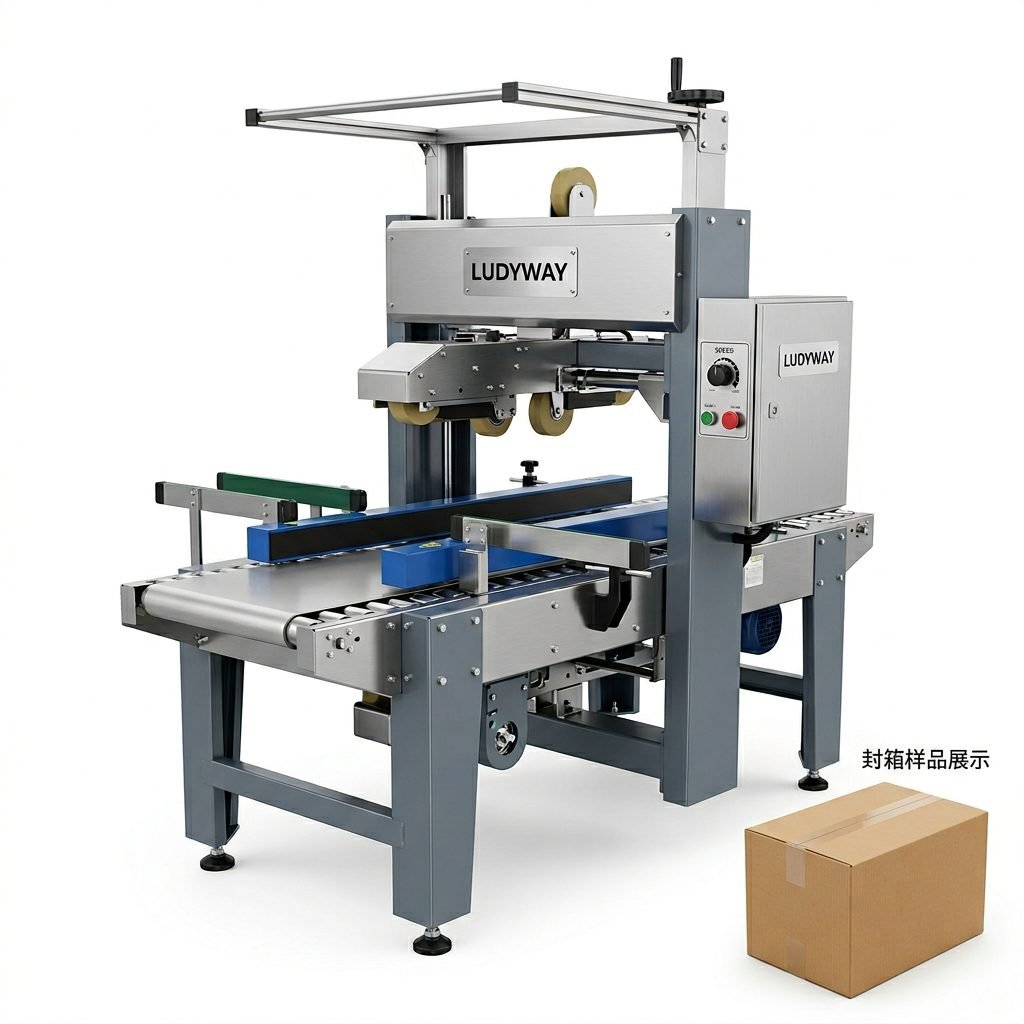
Cartoning and Case Packing Systems
Best for larger-scale production where bagged cup stacks move directly into cartons for shipping. These systems improve end-of-line efficiency and warehouse readiness.
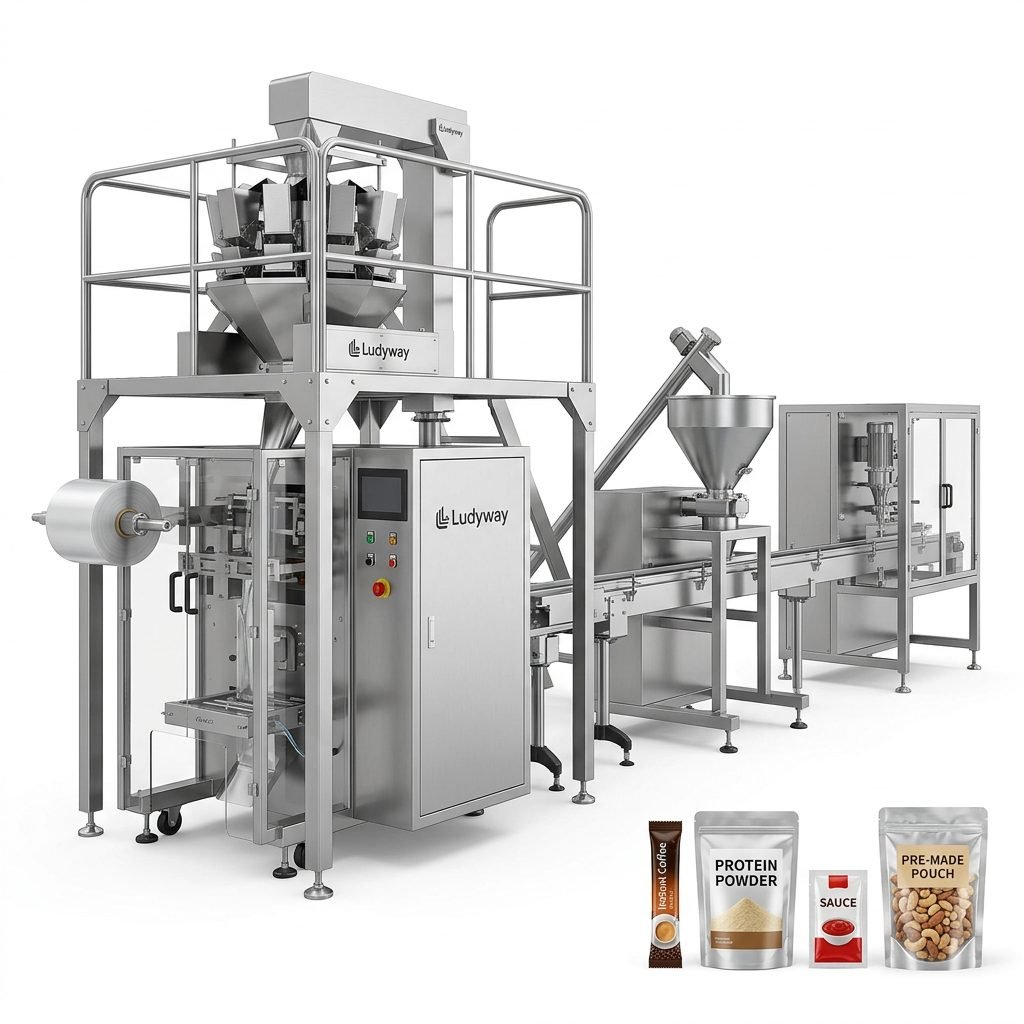
Turnkey Packaging Lines
A full line may combine cup counting, bagging, sealing, coding, cartoning, case sealing, and conveyor handling in one integrated system for maximum automation.
Important Features to Look For
Not all machines offer the same value. When evaluating suppliers, focus on features that directly affect your production flexibility and maintenance cost.
- Stable counting accuracy for different cup sizes
- Quick changeover for multiple diameters and heights
- Servo-controlled movement for better positioning
- User-friendly touchscreen HMI
- Reliable sealing quality
- Compatibility with different film or bag materials
- Low jam rate during continuous production
- Easy maintenance access and spare parts availability
- Optional connection with labeling, coding, and cartoning units
How to Choose the Right Machine for Your Production Line
Before purchasing, it is important to define your real production needs rather than choosing based only on speed. A machine that matches your cup specifications and packaging goals will produce better long-term ROI.
| Selection Factor | Why It Matters |
|---|---|
| Cup dimensions | Machine guides and tooling must match diameter, height, and stackability |
| Pack quantity | Affects counting design and bag size configuration |
| Output target | Determines whether a standalone or fully automatic line is better |
| Packaging type | Bagging, shrink wrapping, or cartoning requires different equipment structures |
| Factory layout | Available floor space affects line design and conveyor orientation |
| Future expansion | Modular systems are easier to upgrade later |
Industries That Benefit from Paper Cup Packaging Automation
Although the machine is centered on paper cup products, its value extends across several packaging-related sectors:
- Disposable cup manufacturing
- Foodservice packaging supply
- Coffee and beverage packaging
- Dessert and ice cream container production
- Takeaway and catering packaging
- Export-oriented disposable product factories
Integration with End-of-Line Automation
Many buyers now prefer complete automation rather than standalone packing units. A paper cup packing machine can be connected with:
- Automatic conveyors
- Bag feeding systems
- Case erectors
- Carton sealers
- Inkjet coders
- Labeling machines
- Palletizing systems
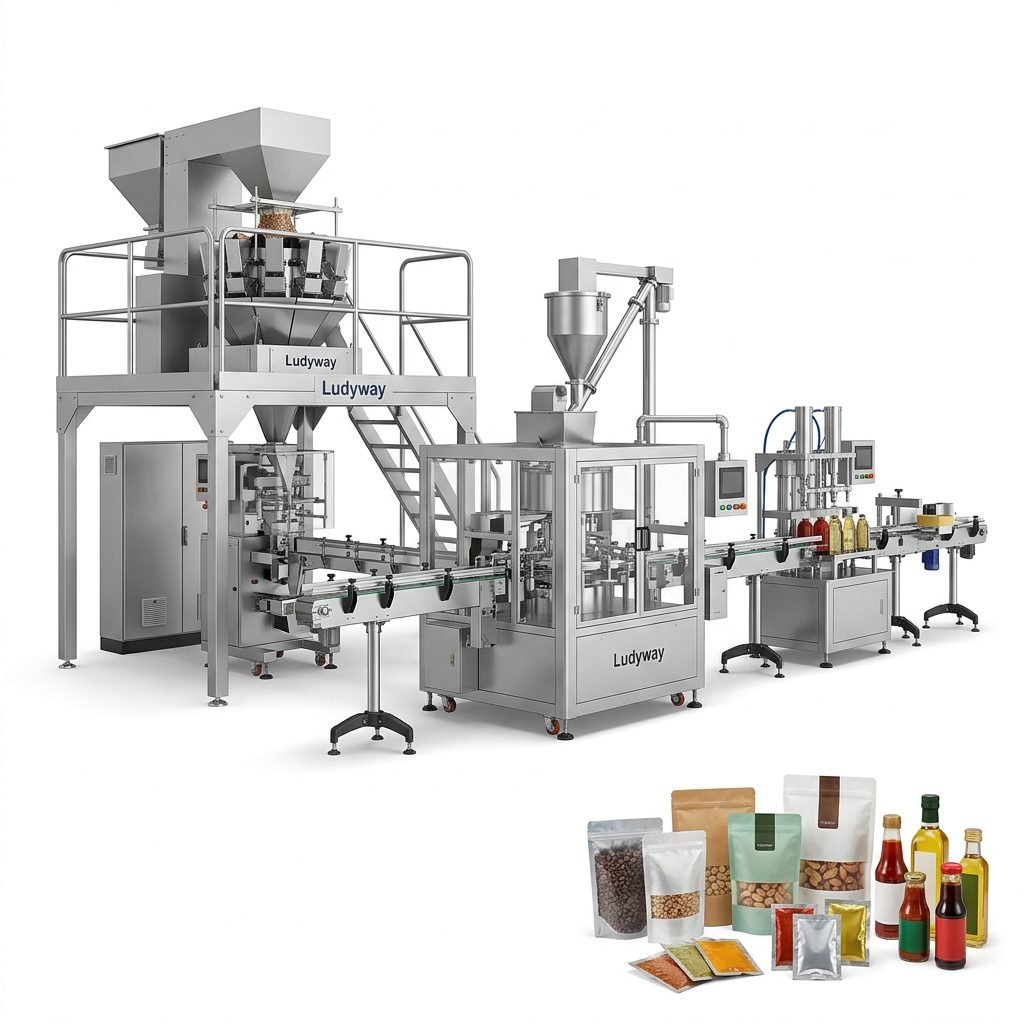
This approach reduces manual transfer between workstations and creates a more efficient, traceable packaging process from cup production to final shipment.
Maintenance and Operational Tips
Even a high-performance machine needs proper operation and preventive care. Routine maintenance helps avoid unplanned downtime and extends service life.
Best Practices
- Inspect cup feeding paths regularly for dust or obstruction
- Check sealing components for wear and temperature stability
- Verify counting sensors and alignment systems frequently
- Train operators on changeover procedures
- Keep critical spare parts in stock
- Schedule preventive maintenance based on production hours
Why Customization Is Often Essential
Cup packaging is not fully standardized. Some factories produce multiple cup diameters, different nesting depths, and varying pack counts for different markets. That is why customized automation is often more practical than a one-size-fits-all machine.
A customized solution may include:
- Special cup orientation design
- Multi-size tooling sets
- Custom bag dimensions
- Integrated coding or labeling
- Carton packing according to customer shipping standards
- Line configuration based on factory space and output planning
Working with an Experienced Packaging Equipment Manufacturer
When choosing a supplier, buyers should look beyond the machine itself and evaluate engineering capability, project experience, export support, and long-term service. An experienced manufacturer can help you optimize machine layout, packaging flow, and overall automation efficiency.
For businesses seeking scalable automation and integrated line solutions, paper cup packing machine solutions from Ludyway can be considered alongside broader packaging system planning for food, daily-use, and industrial applications.
Final Considerations Before Buying
A paper cup packing machine should support your current production while leaving room for future growth. The best choice is usually the one that balances speed, reliability, flexibility, and integration potential. If your business handles multiple cup SKUs or growing order volumes, automated cup packaging can significantly improve operational efficiency and packing consistency.
Before making a final decision, ask for sample testing, confirm compatibility with your cup types, review changeover time, and discuss after-sales support in detail. A well-matched automatic packaging system can become a long-term asset for higher output, lower labor dependence, and more professional product delivery.