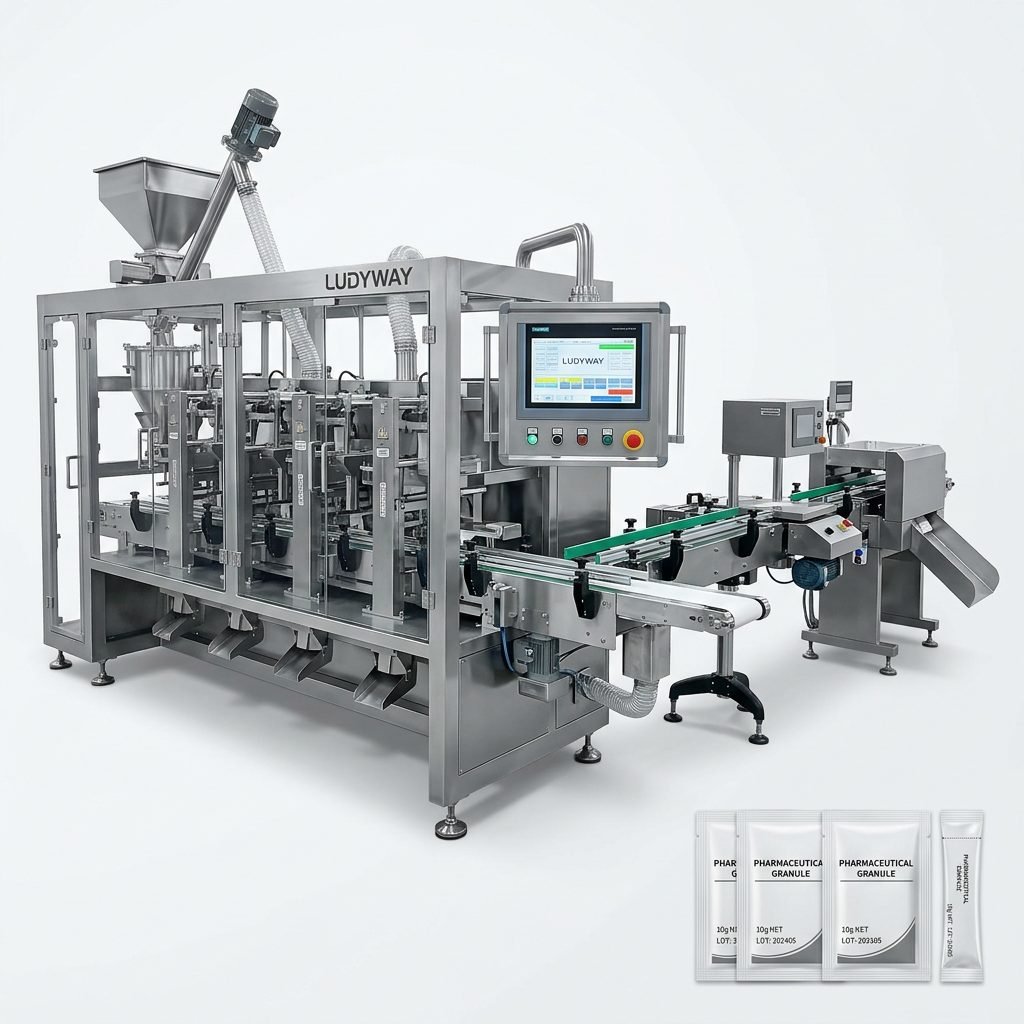
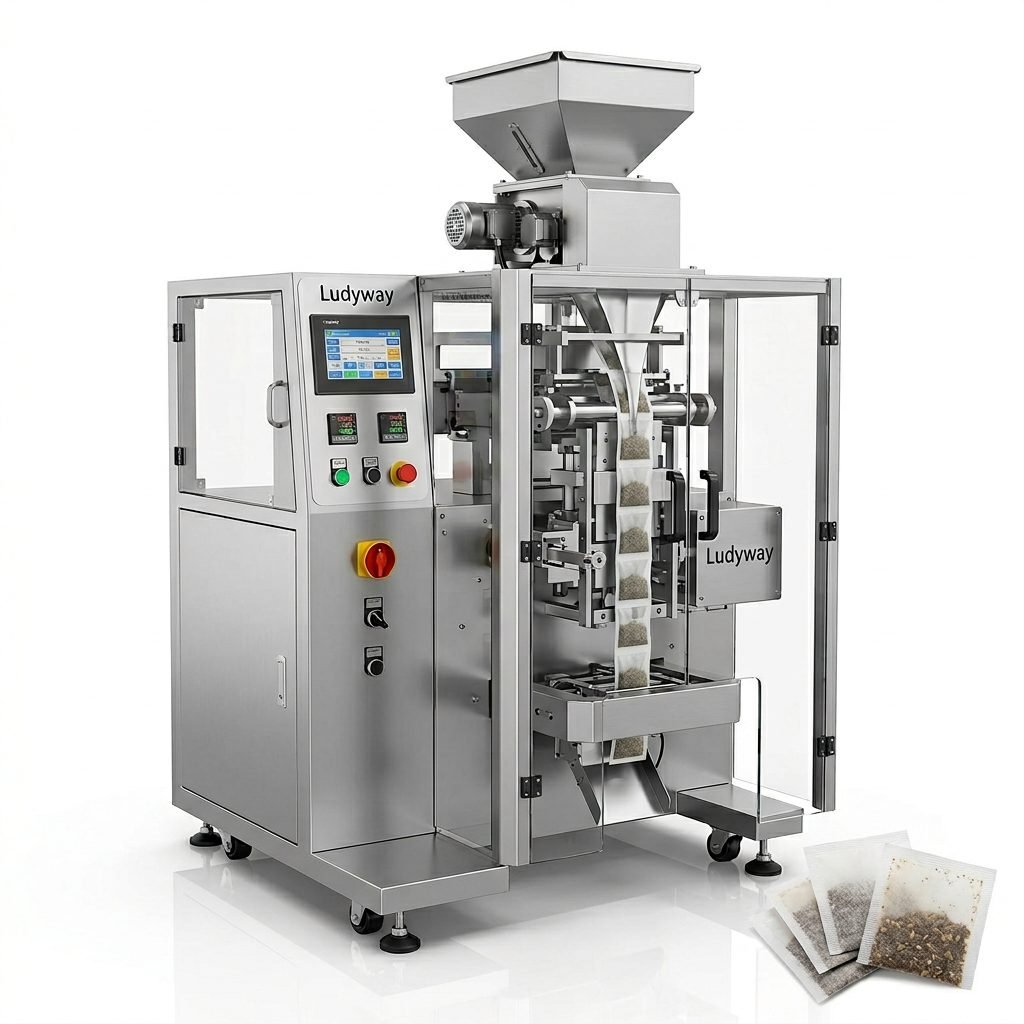
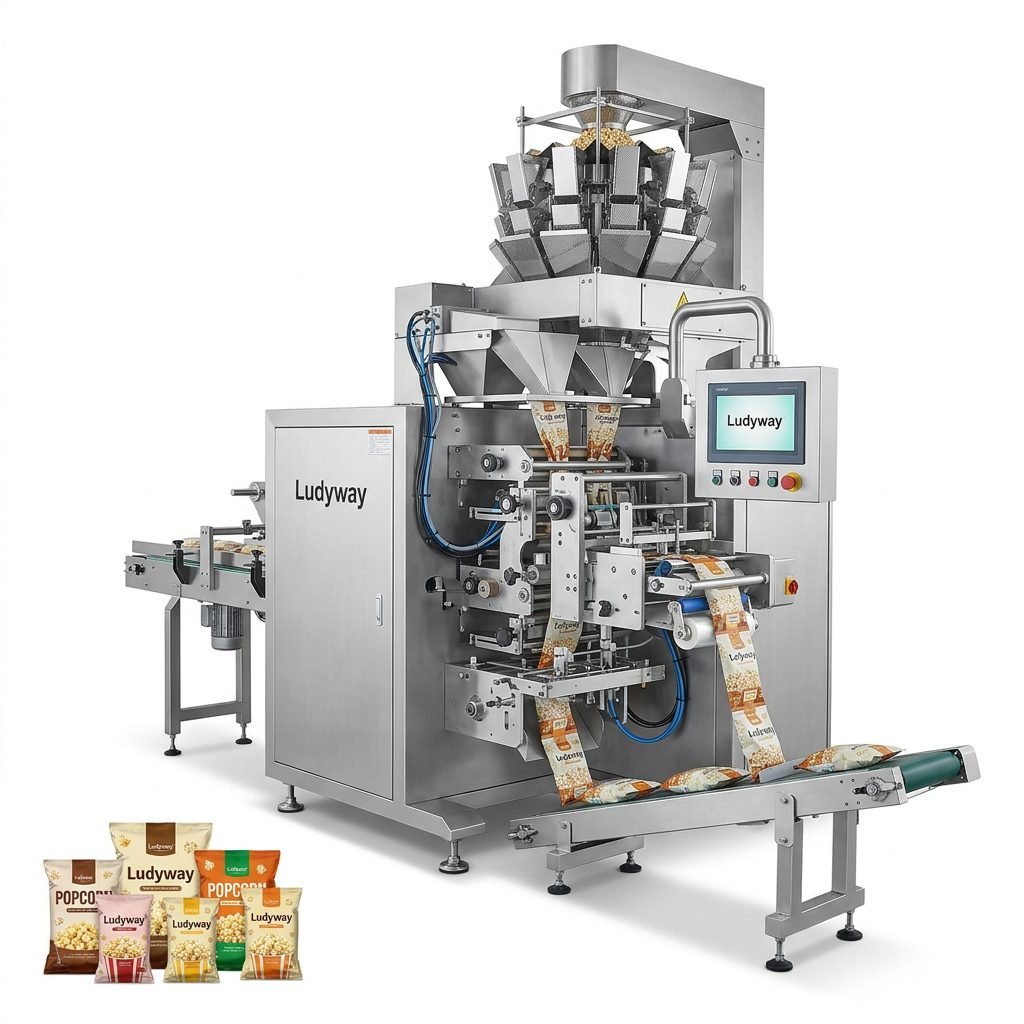
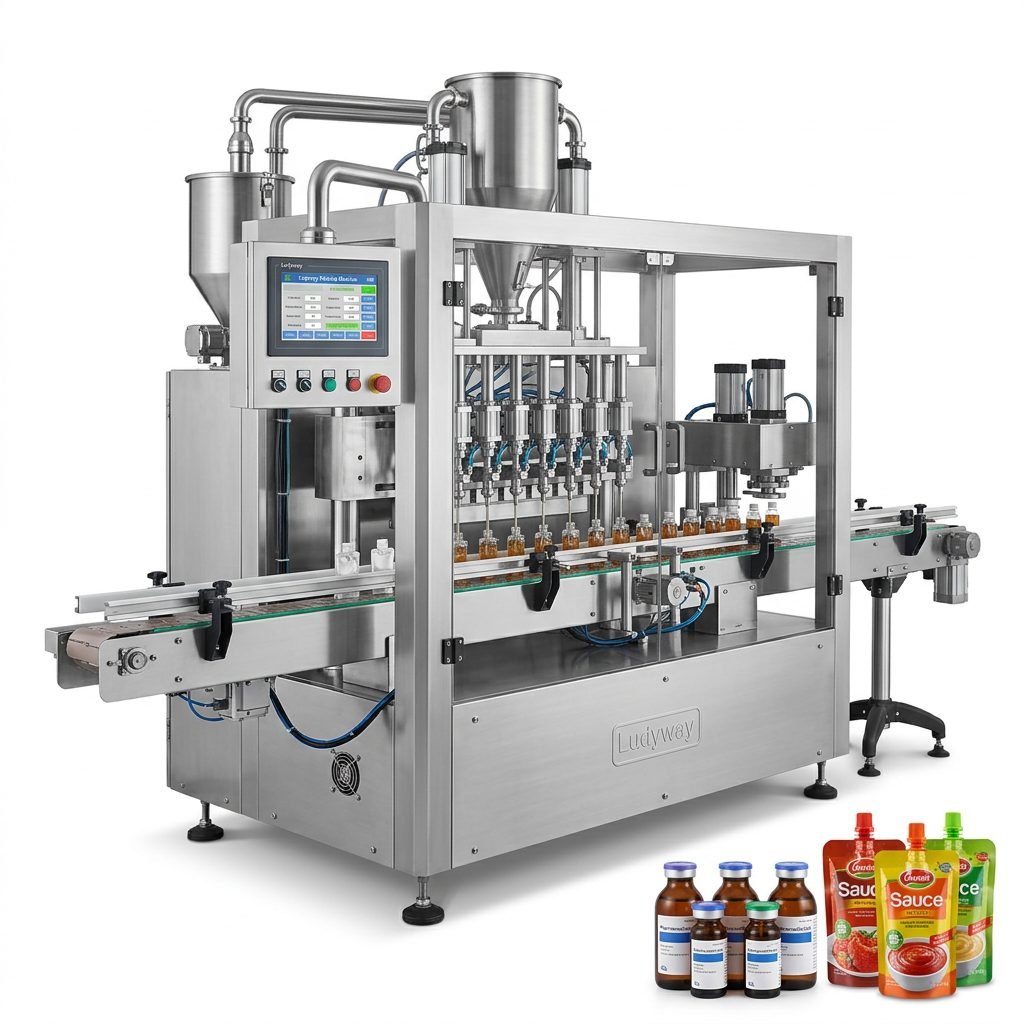
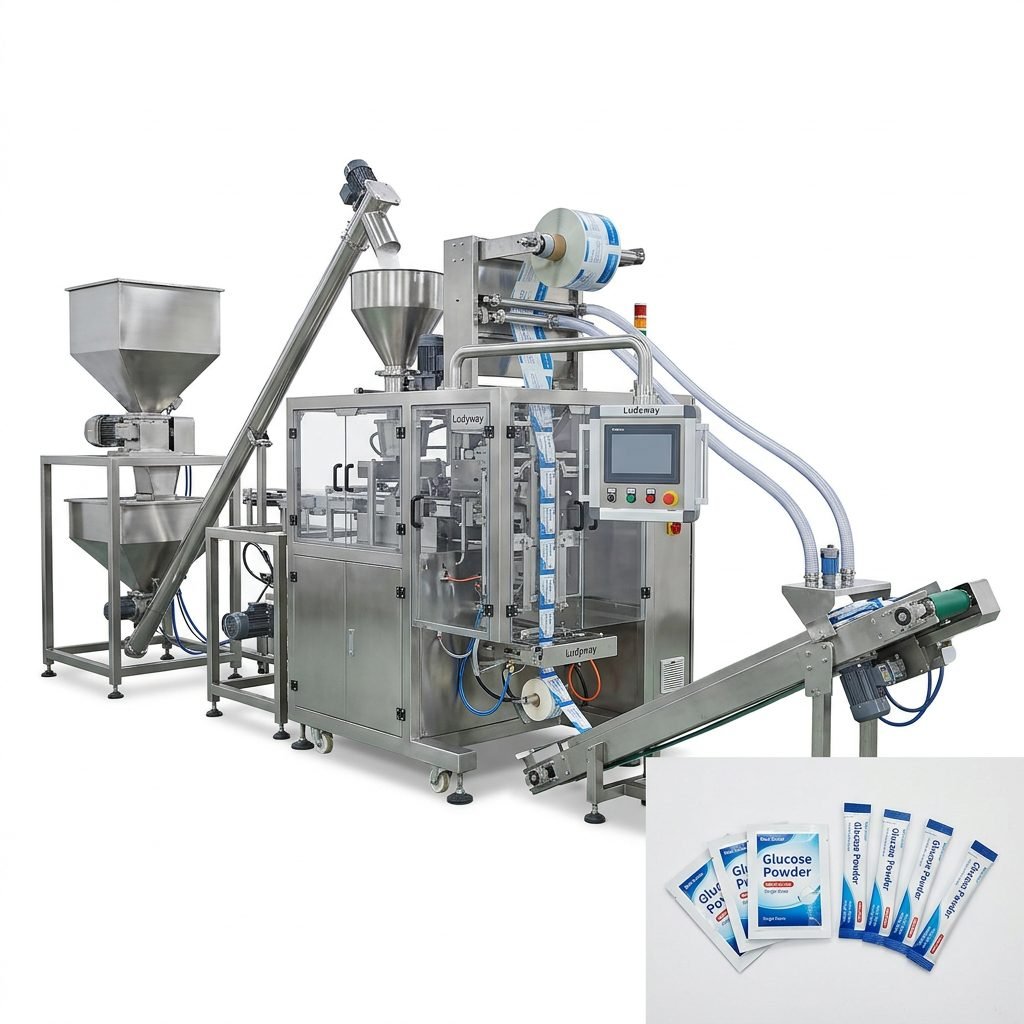
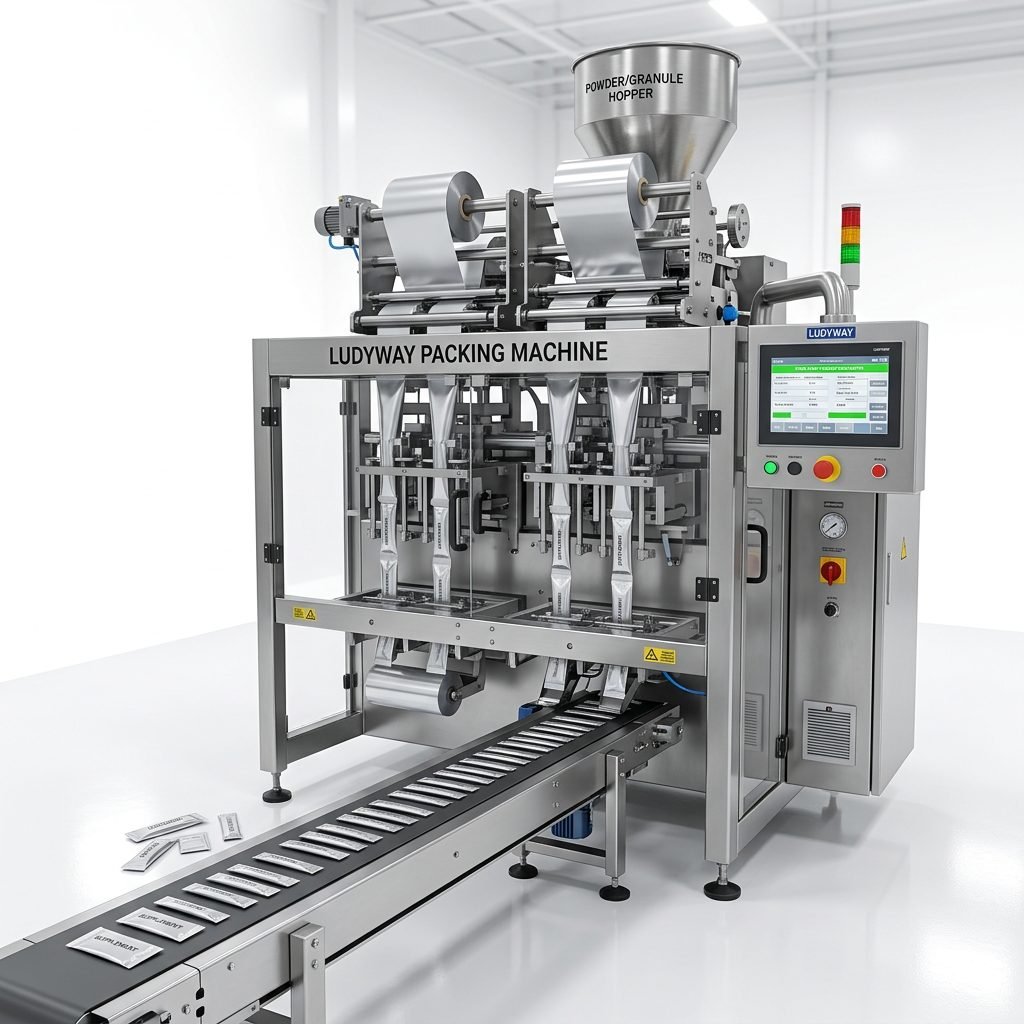
The pharmaceutical industry operates under some of the most stringent quality and safety regulations globally. At the heart of ensuring product integrity from production to patient lies packaging. Selecting the right pharmaceutical packaging machine manufacturer is not merely a procurement decision; it is a critical strategic choice that impacts product safety, regulatory compliance, operational efficiency, and ultimately, brand reputation. This guide delves into the landscape of top-tier manufacturers and provides a comprehensive framework for choosing the ideal supplier for your specific needs.
Understanding the Pharma Packaging Machinery Landscape
Pharmaceutical packaging encompasses a wide array of processes, from primary packaging like blister packing, vial filling, and ampoule sealing to secondary packaging such as cartoning and bundling. The machinery must offer unparalleled precision, consistency, and cleanliness to meet Good Manufacturing Practice (GMP) standards. Leading manufacturers differentiate themselves through technological innovation, adherence to regulatory frameworks (like FDA and EMA guidelines), and the ability to provide scalable, validated solutions.
Key Attributes of Leading Manufacturers
Top manufacturers share several core characteristics that set them apart in a competitive market:
● Proven Regulatory Compliance: Their machines are designed and documented to facilitate validation (IQ/OQ/PQ), are constructed with suitable, cleanable materials (e.g., 316L stainless steel), and often come with comprehensive documentation packs.
● Advanced Technology Integration: Incorporation of Industry 4.0 principles, such as IoT-enabled monitoring, predictive maintenance, and seamless integration with Manufacturing Execution Systems (MES) for complete data integrity and traceability.
● Flexibility and Changeover Efficiency: The ability to handle multiple product formats with quick, tool-less changeovers is crucial for manufacturers producing diverse SKUs, minimizing downtime and boosting overall equipment effectiveness (OEE).
● Global Service and Support Network: A robust worldwide network for installation, commissioning, training, spare parts, and technical support is non-negotiable for minimizing production risks and ensuring long-term machine uptime.
How to Choose the Right Supplier: A Step-by-Step Framework
Selecting a supplier requires a meticulous, multi-stage evaluation process that goes beyond comparing price lists.
Step 1: Define Your Technical & Operational Requirements
Begin with a crystal-clear internal specification. Document your required output speed, accuracy tolerances, product formats, desired automation level (stand-alone vs. integrated line), and future scalability needs. Consider specific challenges like handling highly potent or hygroscopic products. This document will serve as your objective benchmark for all supplier evaluations.
Step 2: Research and Create a Longlist
Utilize industry publications, trade shows (like Interpack or Achema), and professional networks to identify potential suppliers. Look for companies with a strong, established track record in your specific packaging niche. For instance, a manufacturer renowned for high-speed blister lines may not be the expert in aseptic vial filling. A company like Ludyway Machinery, with its focus on turnkey solutions and over a decade of industry-specific experience, exemplifies a supplier that has built deep expertise by partnering with specialized manufacturers to serve global pharmaceutical and health industry clients.
Step 3: Evaluate Technical Capability and Quality
This is the core of the selection process. Request detailed technical proposals and insist on a Factory Acceptance Test (FAT).
- Machine Demonstration: Witness a test run with a product similar to yours. Assess noise levels, ease of operation, and changeover procedures.
- Build Quality & Design: Inspect the machine’s construction, material grades, welding finishes, and overall design for cleanability and compliance with GMP principles (e.g., rounded corners, absence of dirt traps).
- Control System & Software: Evaluate the user interface, data logging capabilities, and level of access control. Ensure it supports audit trails and electronic records as per 21 CFR Part 11 if supplying to the US market.
Step 4: Scrutinize After-Sales Support and Validation
The relationship truly begins after the purchase order. Investigate the supplier’s support structure:
● Validation Documentation: Do they provide a pre-written Validation Master Plan, Risk Assessment (FMEA), and protocol templates? This can save months of internal effort.
● Spare Parts Strategy: What is the guaranteed spare parts availability period? Is there an online parts portal or local inventory?
● Technical Training: Assess the depth and location (on-site vs. at their facility) of training programs for your engineers and operators.
Step 5: Consider Total Cost of Ownership (TCO) and Reputation
Look beyond the initial capital expenditure. Calculate the TCO by factoring in projected energy consumption, maintenance costs, expected changeover downtime, and potential yield losses. Finally, conduct rigorous reference checks. Speak directly to existing customers, especially those with similar applications, to get unfiltered feedback on machine performance, reliability, and the supplier’s responsiveness to service requests.
The Role of Experience and Partnership
In an industry where reliability is paramount, the supplier’s experience and philosophical approach are decisive. A partner with a long-term perspective, like a company that has evolved from a focused engineering team to an international solution provider over more than a decade, often brings invaluable practical insights. They understand that their success is tied to your production line’s uninterrupted performance. This partnership ethos translates into better collaborative problem-solving, more proactive support, and a genuine commitment to your project’s success from concept to commissioning and beyond.
Choosing a supplier that views the project as a collaborative partnership, rather than a simple transaction, ensures you have an ally in navigating technical challenges and optimizing your packaging operations for years to come. Exploring a supplier’s company history and core values can provide significant insight into their operational philosophy.
Frequently Asked Questions (FAQs)
1. What are the most critical GMP features to look for in a pharma packaging machine?
The most critical features include easy-clean design with sanitary finishes (electropolished stainless steel), sealed components to prevent lubricant contamination, validated clean-in-place (CIP) or sterilize-in-place (SIP) systems where required, and comprehensive documentation for full traceability and validation (DQ, IQ, OQ, PQ). The control system must also support data integrity principles.
2. How important is supplier location and global support?
Extremely important. While the machine may be manufactured in a specific region, a global support network with local service engineers, spare parts depots, and application specialists is crucial for minimizing downtime. Time zone alignment and local language support can significantly impact response times during critical production issues.
3. Should I choose a standard machine or a heavily customized solution?
This depends on your product and volume. Standard machines offer lower cost, faster delivery, and proven reliability. Customization is necessary for unique product shapes, specialized handling requirements, or integration into a complex existing line. The best suppliers offer modular platforms that allow for sensible customization without venturing into unproven, one-off engineering.
4. What is typically included in a Factory Acceptance Test (FAT), and is it mandatory?
A FAT is highly recommended. It typically involves running the machine at the supplier’s facility with your materials or simulants to verify performance against the agreed specifications (speed, accuracy, etc.). It also allows your team to inspect the build quality, receive preliminary training, and identify any issues before shipment, reducing risk and delays during site installation.
5. How do I future-proof my packaging machinery investment?
Select machines with a modular design that allows for upgrades. Ensure the control system is based on open, industry-standard platforms (e.g., PLCs with common programming languages) and has the capacity for additional I/O, networking, and data exchange to integrate with higher-level MES or ERP systems. Choosing a supplier with a strong innovation roadmap is also key.