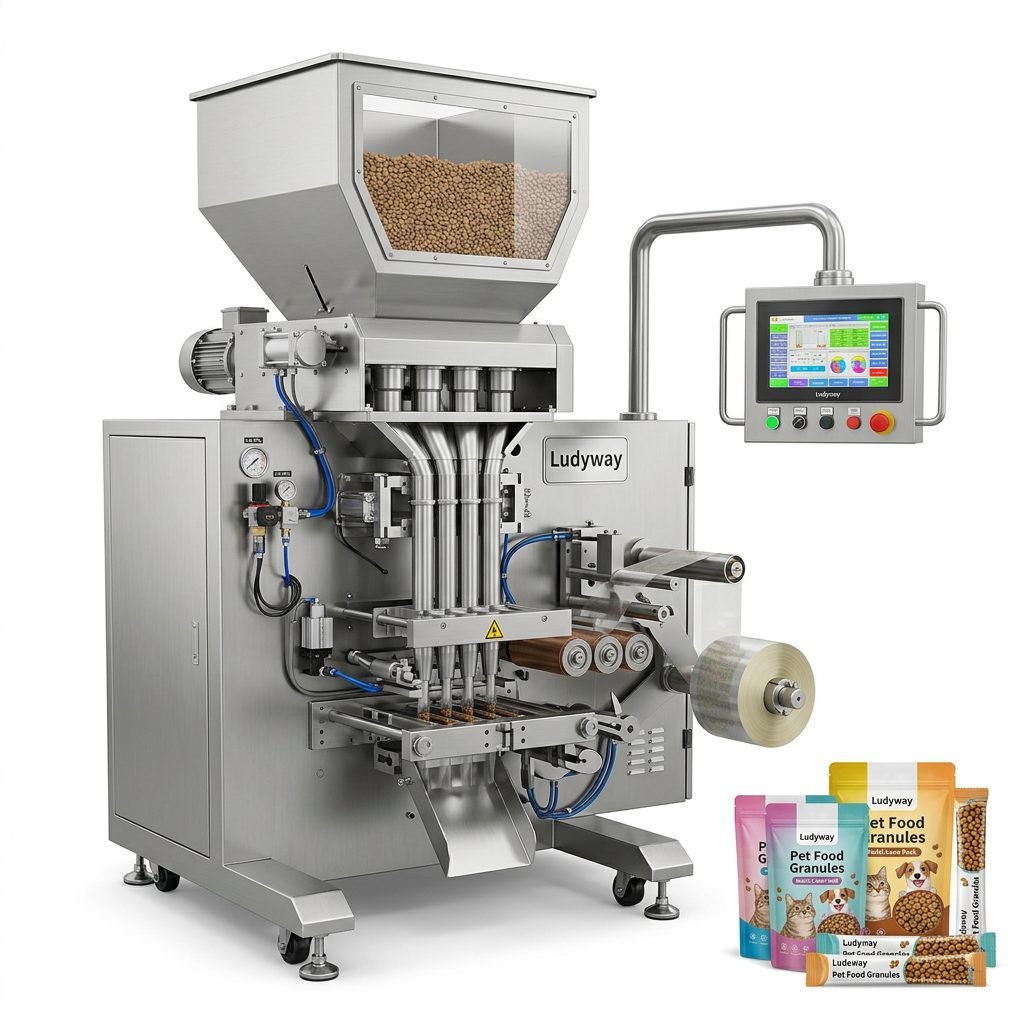
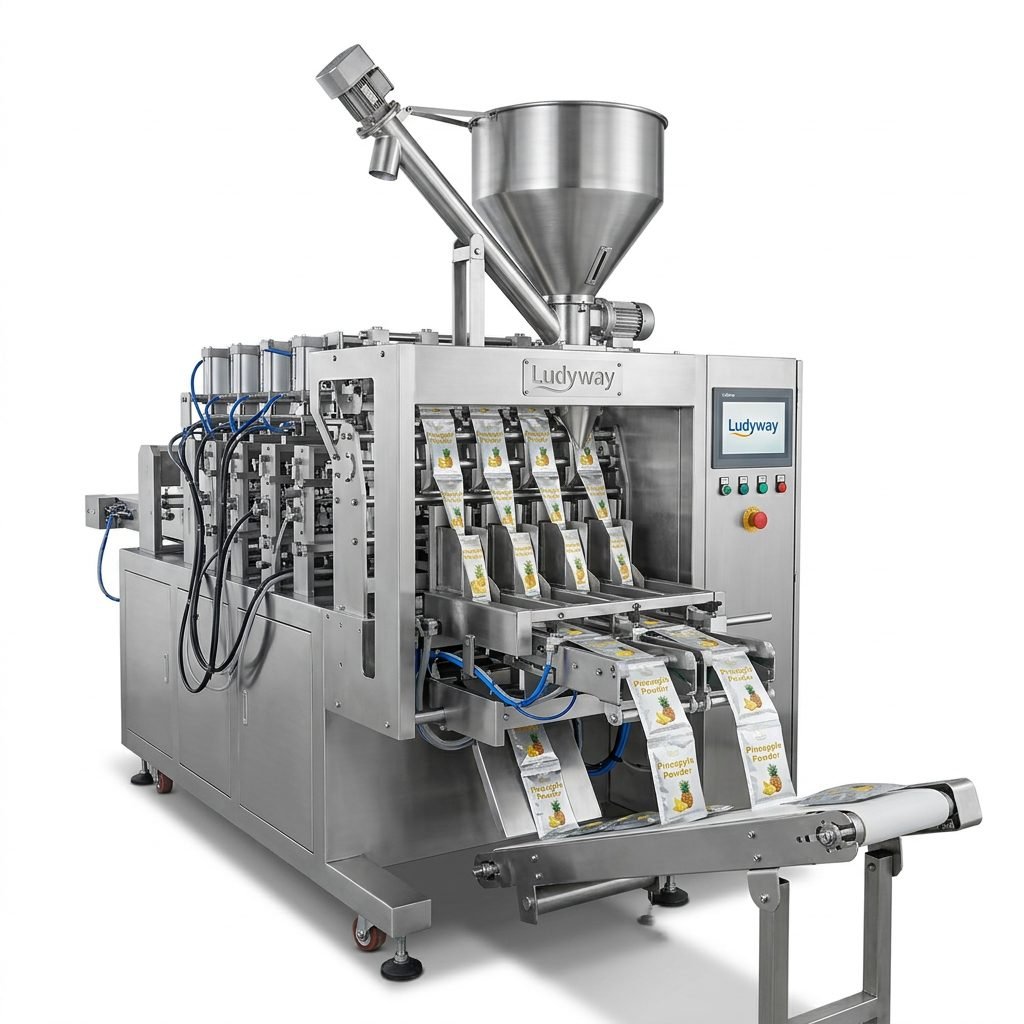
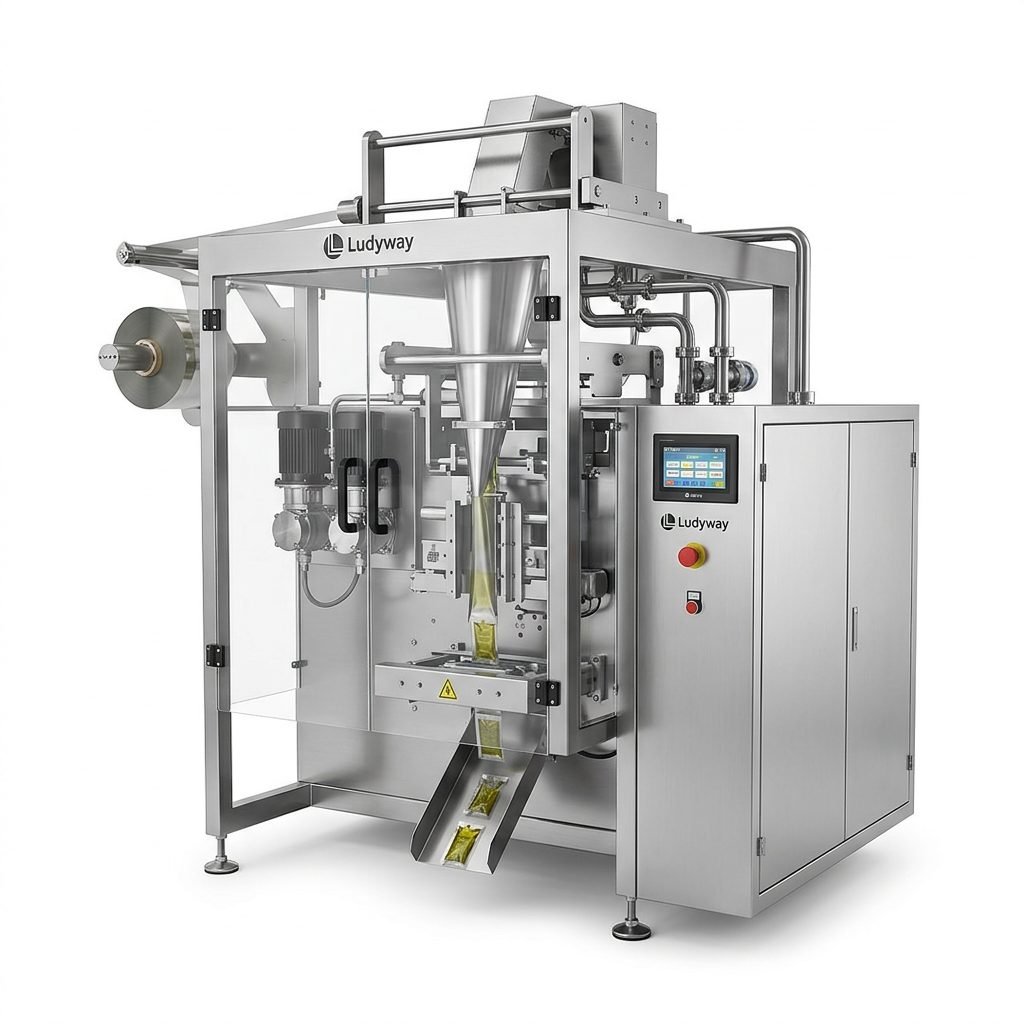
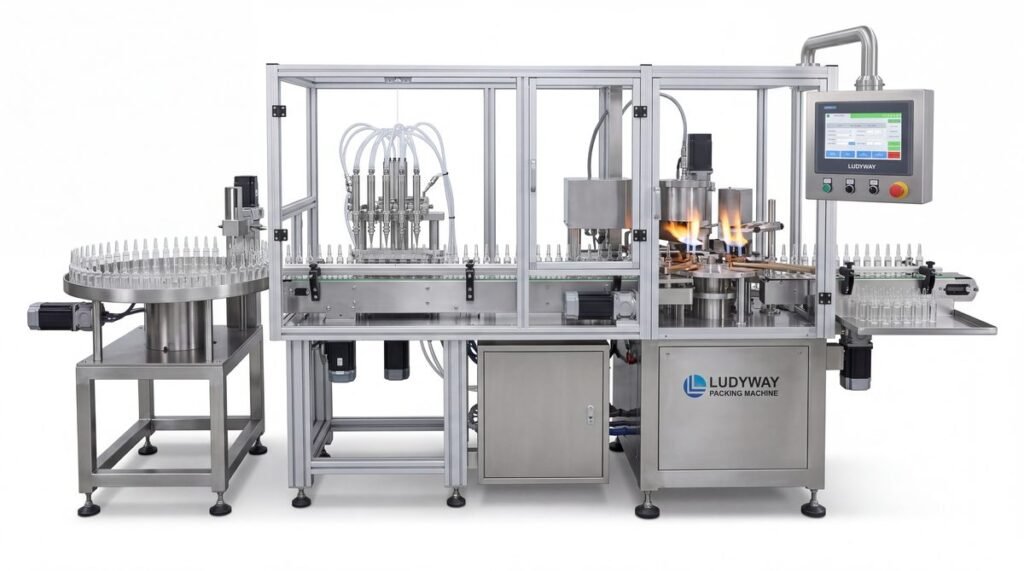
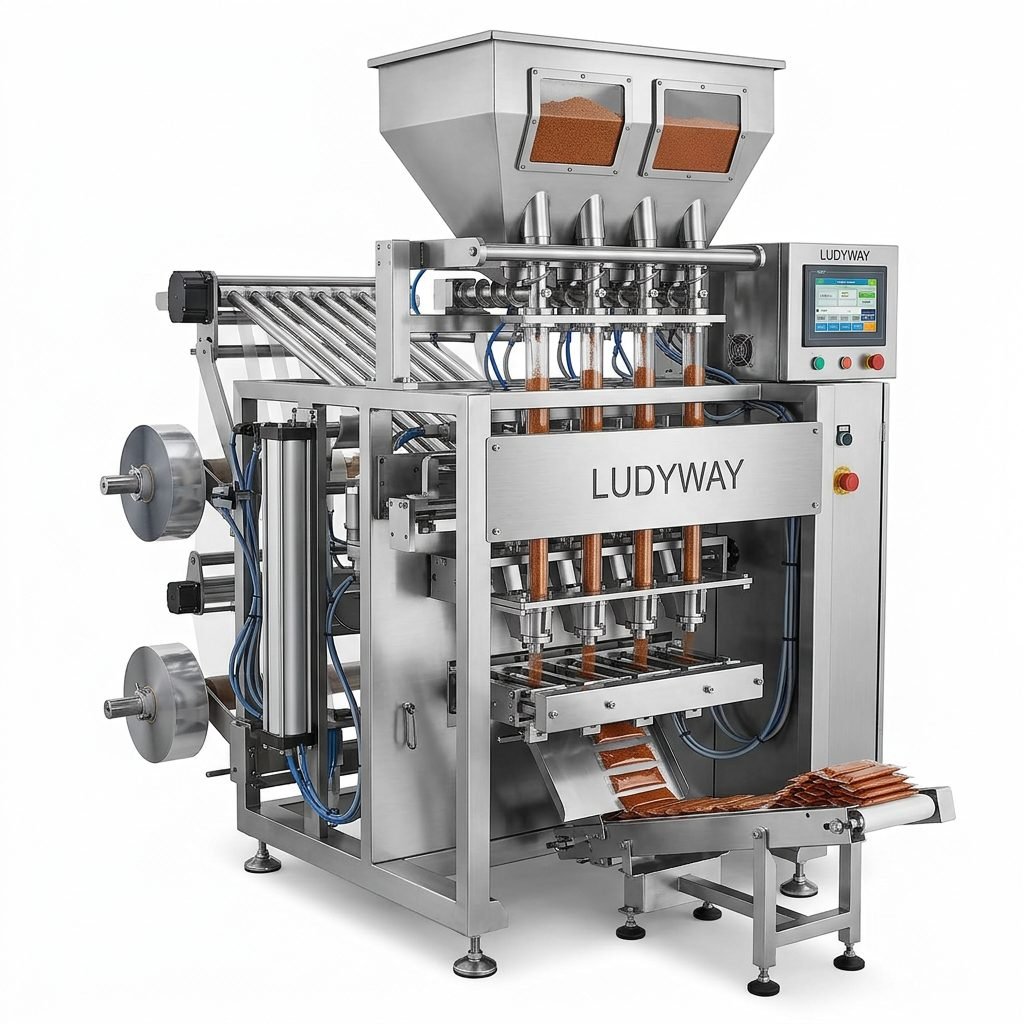
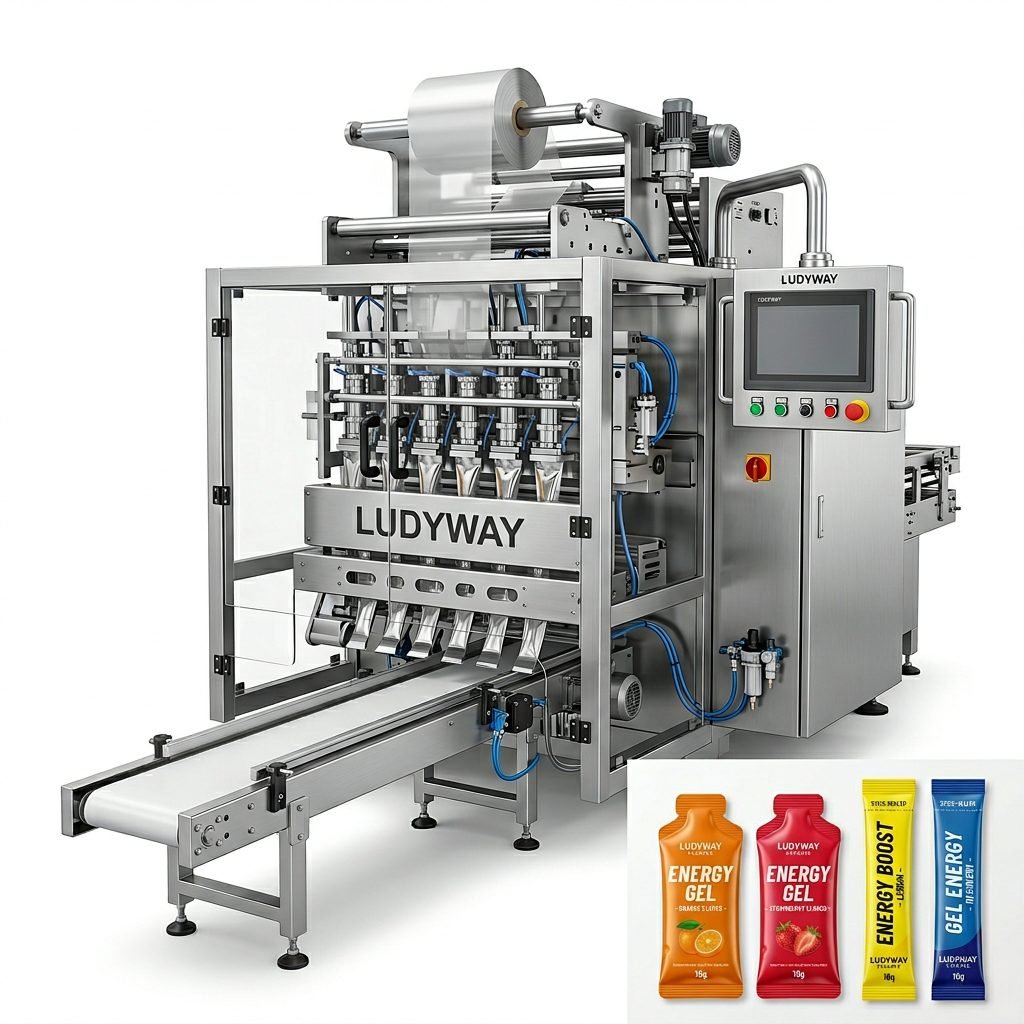
Blister packaging machines are specialized equipment used to form, fill, and seal products into blister packs—a type of pre-formed plastic packaging. These machines are critical in industries where product protection, visibility, and unit-dose presentation are paramount, most notably in pharmaceuticals and retail consumer goods. The process involves creating cavities (blisters) from a roll of thermoformable plastic, placing the product into these cavities, and then sealing a lidding material (often foil or paperboard) over the top. This method provides a robust barrier against moisture, contamination, and physical damage, while also allowing for easy product identification and tamper evidence.
The Core Mechanism: How a Blister Packaging Machine Operates
The operation of a blister packaging machine is a continuous, automated cycle typically divided into four primary stages: forming, filling, sealing, and cutting/punching.
1. Forming
A roll of thermoplastic film, such as PVC, PVDC, or Aclar, is fed into the machine and heated to a pliable state. The softened film is then drawn into a forming station using either a vacuum, positive air pressure (blow forming), or a combination of both with a mechanical plug assist. This process molds the film into precise cavities that match the shape and size of the product to be packaged.
2. Filling
Once the blisters are formed, the web indexes to the filling station. Products—whether tablets, capsules, small electronics, or hardware items—are deposited into the cavities. In pharmaceutical settings, this is often done with high-precision electronic counters or vacuum feeding systems to ensure accurate count and minimize product damage. For retail items, vibratory bowls or simple loading chutes may be used.
3. Sealing
A lidding material, usually a heat-sealable aluminum foil or a paper/foil laminate, is unrolled and placed over the filled blister cavities. The combined web passes through a heated sealing station where pressure and temperature bond the lidding to the rims of the blister plastic. This creates an airtight and hermetic seal crucial for product integrity.
4. Cutting & Punching
The final stage involves die-cutting the continuous sealed web into individual blister cards or strips. A cutting die trims the perimeter, and often a perforation or punch is added to allow easy detachment of single units. The finished packs are then ejected for inspection and secondary packaging.
Critical Role in Pharmaceutical Packaging
In the pharmaceutical industry, blister packaging is the gold standard for solid oral dosage forms like tablets and capsules. The machines used here must adhere to stringent regulatory standards (e.g., FDA, EMA, GMP).
- ✔ Product Protection: Provides an excellent barrier against moisture, oxygen, and light, extending shelf life.
- ✔ Patient Safety & Compliance: Facilitates unit-dose packaging, reducing medication errors and improving adherence through clear date and dosage tracking.
- ✔ Tamper Evidence: Any breach of the seal is immediately visible, ensuring product safety.
- ✔ High-Speed Automation: Modern machines can achieve speeds of hundreds of blisters per minute, integrating seamlessly with cartoning and serialization lines.
Versatility in Retail & Consumer Goods Packaging
Beyond pharmaceuticals, blister packaging machines are extensively used in retail for batteries, small electronics, hardware, toys, and food items. The “clamshell” style is particularly popular.
- ✔ Product Display: The clear plastic allows full product visibility, a key factor in point-of-sale decisions.
- ✔ Security: The sturdy package deters pilferage and shoplifting.
- ✔ Information Carrier: The backing card provides ample space for branding, instructions, and barcodes.
- ✔ Customization: Machines can be tailored to handle various sizes and shapes, from tiny screws to large tools.
Choosing the Right Machine: Key Considerations
Selecting an appropriate blister packaging machine depends on several factors:
Production Output & Speed
Match the machine’s cycles-per-minute (CPM) rating to your required output. High-volume pharmaceutical lines may need ultra-high-speed machines, while smaller retail operations might prioritize flexibility.
Material Compatibility
Ensure the machine can handle your chosen forming film and lidding material. Some advanced machines can process eco-friendly, recyclable polymers.
Automation & Integration Level
Consider machines with automated feeding systems, vision inspection systems, and connectivity for Industry 4.0 data tracking. Integration with downstream equipment is crucial for turnkey solutions.
Regulatory Compliance
For pharmaceutical use, machines must be designed for easy cleaning (CIP/SIP), have validated processes, and allow for complete documentation traceability.
Technological Advancements & Future Trends
The blister packaging machine sector is evolving with technology. Smart machines with IoT sensors provide real-time data on production efficiency and predictive maintenance needs. There is a strong push towards sustainable packaging, driving innovation in machine compatibility with mono-material and recyclable plastic films. Furthermore, increased flexibility through quick changeover systems allows manufacturers to respond faster to market demands with smaller batch sizes.
Companies like Ludyway Machinery, with decades of experience, are at the forefront of providing these advanced, reliable, and efficient packaging solutions that meet the complex needs of global markets.
Frequently Asked Questions (FAQs)
What are the main types of blister packaging machines?
The two primary types are thermoform-fill-seal (TFFS) machines, which form the blister from a roll of plastic, and cold-form machines, which use aluminum laminate to create deeper, more barrier-resistant cavities without heat. TFFS is more common for retail and standard pharmaceuticals, while cold-form is used for highly sensitive drugs.
How important is the sealing process in blister packaging?
It is absolutely critical. A perfect seal ensures product sterility, prevents moisture ingress, and provides tamper evidence. Faulty seals are a major cause of product recall. Modern machines use precise temperature and pressure controls, often with continuous monitoring systems, to guarantee seal integrity.
Can blister packaging machines handle different shapes and sizes?
Yes, most machines are highly customizable. By changing the forming mold, cutting dies, and sometimes the feeding system, the same machine base can package a wide variety of product shapes and sizes. Quick-change tooling minimizes downtime during product switchovers.
What are the benefits of automated blister packaging lines?
Automation increases output, reduces labor costs, minimizes human error in counting and placement, and improves overall hygiene and consistency. Automated lines also integrate quality checks (like vision inspection for missing products or seal defects) and data logging for full traceability.
How does blister packaging support sustainability goals?
While traditionally using multi-material layers, the industry is shifting. Modern blister machines are increasingly compatible with recyclable mono-material plastics (like PP or PE). This, combined with the machine’s efficiency in reducing material waste during forming, helps create more sustainable packaging solutions. The compact nature of blister packs also reduces transportation volume and carbon footprint.