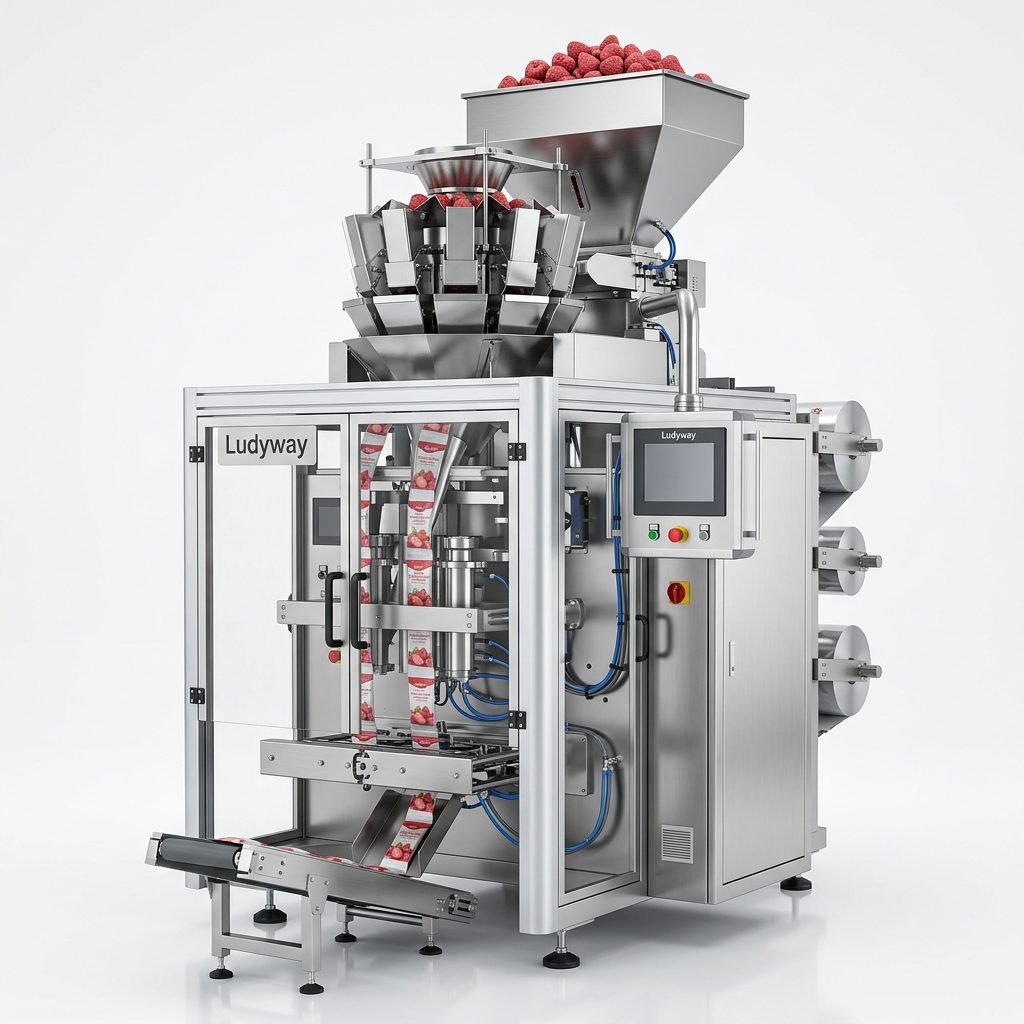
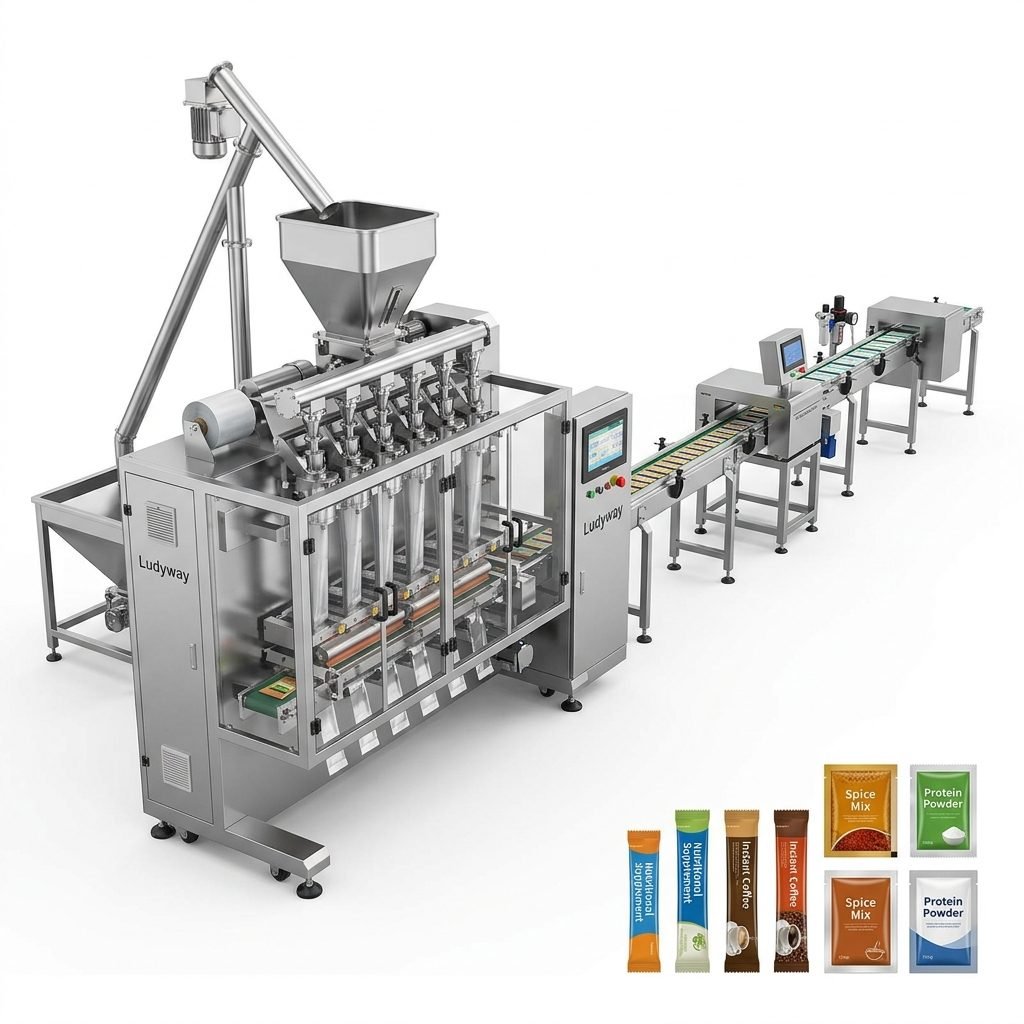
The global aseptic packaging machinery market represents a critical segment within the industrial packaging landscape, driven by the relentless demand for extended shelf life, product safety, and operational efficiency. This market encompasses the equipment and systems designed to fill and seal pre-sterilized products into sterile containers within a controlled, contamination-free environment. The process ensures that consumable products—from dairy and beverages to pharmaceuticals and liquid foods—remain free from spoilage microorganisms without the need for refrigeration or preservatives, revolutionizing supply chains and product accessibility worldwide.
Current Market Size and Valuation
The market has demonstrated robust growth, with recent valuations placing it in the multi-billion-dollar range. This expansion is fueled by several converging factors: rising global consumption of packaged foods and beverages, stringent food safety regulations, and increasing health consciousness among consumers. The shift towards convenient, on-the-go nutrition and the booming demand for dairy alternatives, functional drinks, and ready-to-drink products have directly increased the need for aseptic processing lines. Geographically, regions with large, urbanizing populations and developing cold-chain infrastructure, such as Asia-Pacific and parts of Latin America, are becoming significant growth engines for machinery adoption.
Core Technology Drivers
The sophistication of aseptic machinery lies in its integration of multiple sterile processes. Key technological components include:
- Sterilization Systems: Utilizing methods like hydrogen peroxide vapor, steam, or UV light to sterilize packaging materials (bottles, cartons, pouches) before filling.
- Aseptic Filling & Sealing: High-precision fillers that operate in a sterile chamber, often using sterile air overpressure to prevent contamination during the transfer of product.
- Process Automation & Control: Advanced PLC and HMI systems that monitor and control critical parameters (temperature, pressure, sterilization time) to ensure consistent sterility assurance level (SAL).
Emerging Trends Shaping the Industry
The market is not static; it is being reshaped by powerful trends that dictate future investment and innovation directions.
Sustainability and Material Innovation
There is immense pressure to reduce the environmental footprint of packaging. This drives demand for machinery compatible with recyclable and lightweight materials, such as specific polymers and paper-based composites. Manufacturers are developing machines that can efficiently handle these newer, sometimes more delicate, materials without compromising sterility or line speed. The trend towards mono-material plastic structures for better recyclability is a specific challenge that machinery engineers are actively addressing.
Flexibility and Smart Manufacturing
The era of dedicated, single-product lines is fading. Modern food and beverage producers require agility. Consequently, the demand for modular and flexible aseptic packaging machinery is soaring. These systems allow for quick changeovers between different package sizes, shapes, and even product types (e.g., from juice to plant-based milk). This flexibility is underpinned by the Industrial Internet of Things (IIoT), where machines are equipped with sensors for predictive maintenance, real-time quality monitoring, and data analytics to optimize Overall Equipment Effectiveness (OEE).
E-commerce and Direct-to-Consumer Formats
The explosive growth of online grocery shopping requires packaging that is robust for shipping yet convenient for home use. Aseptic packaging, particularly cartons and pouches, fits this need perfectly. Machinery that produces small-portion, shelf-stable packs suitable for subscription boxes or single-serve e-commerce deliveries is seeing increased interest. This trend aligns with global urbanization and smaller household sizes, where consumers prioritize convenience and portion control.
High-Growth Application Areas
The application of aseptic packaging technology continues to broaden beyond its traditional strongholds.
Dairy and Dairy Alternatives
This remains the largest application segment. Aseptic technology is essential for UHT milk, cream, yogurt drinks, and the rapidly expanding market of plant-based milks (almond, oat, soy). The machinery enables these products to be stored and distributed without refrigeration, dramatically reducing logistics costs and energy consumption while reaching consumers in remote areas.
Pharmaceuticals and Nutraceuticals
Sterility is non-negotiable in this sector. Aseptic packaging machinery is critical for parenteral nutrition, IV solutions, ophthalmics, and certain biologics. In nutraceuticals, it is increasingly used for liquid supplements, probiotics, and vitamin shots, where preserving ingredient efficacy without chemical preservatives is a key selling point. The precision and regulatory compliance of the machinery are paramount here.
Liquid Foods and Soups
The market for shelf-stable, ready-to-eat liquid meals, soups, broths, and sauces is growing. Aseptic hot-fill or ambient-fill machinery allows producers to offer these products with clean labels (no preservatives), superior taste and nutrient retention compared to canning, and in convenient, microwaveable packaging.
Beverages: From Juice to Wine
While fruit juices and nectars are classic applications, innovation continues. The technique is now applied to high-acid products like coffee drinks, tea, and even certain wines, preserving delicate aromas and flavors that can be damaged by heat-intensive preservation methods.
Future Growth Opportunities and Strategic Pathways
The future trajectory of the market is paved with significant opportunities for machinery manufacturers and end-users alike.
One major opportunity lies in emerging economies. As disposable incomes rise and retail infrastructure modernizes in regions like Southeast Asia, Africa, and India, the demand for packaged, shelf-stable goods will surge. This presents a need for both high-volume, centralized aseptic lines and smaller, more affordable systems suitable for regional dairy cooperatives or beverage startups. Machinery providers that can offer scalable, cost-effective solutions will capture this long-term growth.
Another frontier is advanced aseptic processing for low-acid particulate foods. While currently complex and costly, the ability to aseptically package foods with chunks (e.g., stews, fruits in syrup) without overcooking the particulates is a holy grail for the industry. Breakthroughs in technology, such as aseptic scraped-surface heat exchangers or ohmic heating systems, integrated with sophisticated filling machinery, could unlock this vast market segment.
Furthermore, the integration of robotics and advanced vision systems into aseptic lines offers a clear growth path. Robots can perform tasks like sterile loading of preforms, final packaging, and palletizing within hygienic zones, reducing human intervention—a primary contamination risk—and increasing line flexibility and throughput.
For businesses looking to implement or upgrade their aseptic packaging capabilities, partnering with an experienced equipment provider is crucial. A partner with deep application knowledge can navigate the complexities of hygiene design, regulatory compliance, and production line integration. Companies like Ludyway Packaging Machinery, with extensive experience in automated packaging solutions, understand that a successful aseptic line is more than just a machine; it’s a holistic production system requiring precise engineering and reliable support. Exploring their range of turnkey packaging solutions can be a strategic first step in capitalizing on these market opportunities.
Frequently Asked Questions (FAQs)
What is the main advantage of aseptic packaging over traditional hot-fill methods?
The primary advantage is superior product quality. Aseptic processing subjects the product to high temperatures for a very short time (HTST), then cools it quickly before filling into a sterile container. This preserves more of the product’s natural flavor, color, and nutritional value compared to hot-fill, where the product remains at high temperatures for longer, often leading to more pronounced cooked flavors and nutrient degradation.
What are the key factors to consider when selecting an aseptic packaging machinery supplier?
Critical factors include: the supplier’s proven experience and references in your specific product category; the hygienic design and sterility assurance of the equipment; the level of automation and control offered; the availability of comprehensive validation support and training; and the robustness of their after-sales service and technical support network to ensure minimal downtime.
Can aseptic packaging lines handle different package formats?
Yes, modern lines are increasingly designed for flexibility. Many systems are modular, allowing producers to switch between formats like cartons, bottles, or pouches with specific changeover kits. However, the degree of flexibility varies by machine design. It’s essential to discuss your multi-format needs upfront with the machinery provider to ensure the chosen system can accommodate your portfolio efficiently.
How does aseptic packaging contribute to sustainability goals?
It contributes significantly in several ways: It enables the use of lightweight, resource-efficient packaging materials (like thin laminates). It eliminates the need for refrigeration throughout the supply chain and in retail/consumer homes, leading to massive reductions in energy consumption and greenhouse gas emissions. Furthermore, by extending shelf life for months without preservatives, it drastically reduces food waste from spoilage.