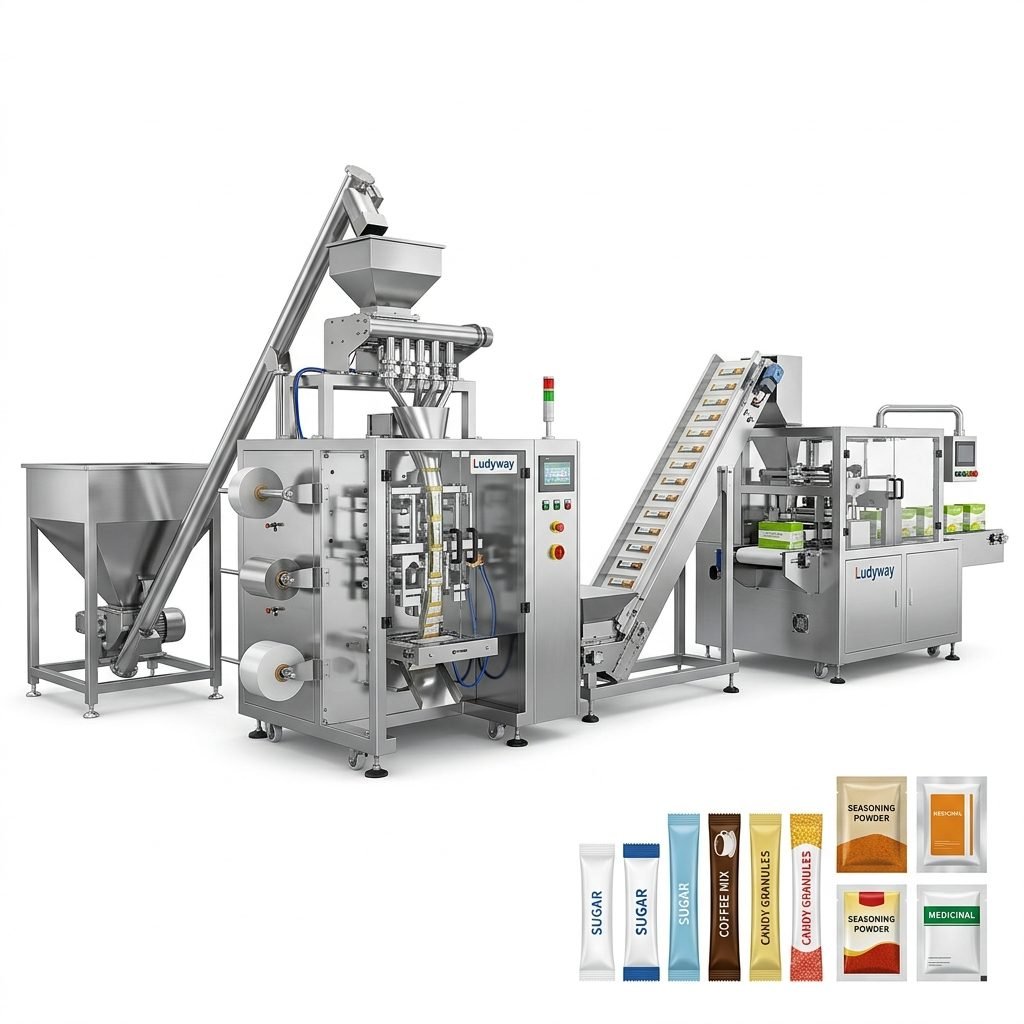
Selecting the right red meat tray packaging equipment is a critical decision for any meat processor, impacting everything from product shelf life and presentation to production efficiency and operational costs. This comprehensive guide explores the various types of equipment available, their key features, and provides a structured approach to help you choose the best solution for your specific production line needs.
Core Types of Red Meat Tray Packaging Equipment
The market offers several primary packaging systems, each suited to different production scales and product types.
Thermoform-Fill-Seal (TFFS) Machines
These are the industry workhorses for high-volume production. A TFFS machine heats a roll of plastic film, forms it into trays directly on the production line, fills them with product, applies a lidding film, and seals and cuts the packages. This method is highly efficient and creates a strong, hermetic seal crucial for Modified Atmosphere Packaging (MAP).
Pre-formed Tray Sealers
This equipment uses pre-manufactured trays (often made of PET, APET, or EPS) that are manually or automatically loaded, filled with product, and then sealed with a top film. They are versatile, perfect for smaller batches, mixed product lines, or specialty packaging shapes where custom thermoforming molds are not cost-effective.
Skin Packaging Machines
Skin packaging involves placing the meat product on a pre-printed cardboard backing, then draping a heated plastic film over it, which tightly “skins” to the product’s contours. This method offers excellent product visibility and a secure, tamper-evident package that is popular for retail display.
Vacuum Chamber Machines
Primarily used with pre-formed barrier trays, these machines place the lidding film over the filled tray, evacuate the air inside a chamber, and then apply a seal. They are essential for creating a true vacuum package or for precise gas flushing in MAP applications, extending shelf life significantly.
Essential Features & Technological Considerations
Beyond the basic type, several features define modern, capable packaging equipment.
Modified Atmosphere Packaging (MAP) Capability
The ability to flush the tray with a specific gas mixture (like high oxygen for red meat color retention or carbon dioxide for microbial inhibition) is a key shelf-life extension technology. Look for machines with precise gas flush systems, low oxygen residual sensors, and robust sealing to maintain the atmosphere.
Automation & Integration Level
From manual loading to fully automated lines with robotic pick-and-place, conveyor integration, and checkweighers, the automation level dictates labor requirements and line speed. Consider your current and future throughput needs.
Sealing System & Quality Control
A reliable, consistently strong seal is non-negotiable for food safety. Look for features like dual heating zones, pressure monitoring, and seal integrity check systems. Some advanced machines include vision systems to detect seal defects or misaligned labels.
Flexibility & Changeover
If you run multiple tray sizes or product types, quick changeover mechanisms for forming plugs, sealing dies, and film reels are vital to minimize downtime. Tool-less changeovers are a premium feature that boosts overall equipment effectiveness (OEE).
Hygienic Design & Cleanability
Equipment should have a smooth, stainless-steel food-contact surface where applicable, with minimal crevices. Easy access for cleaning and sanitation (CIP/SIP options in some models) is critical for meat processing environments.
How to Choose the Right Equipment for Your Line
A systematic evaluation ensures your investment meets both technical and business requirements.
1. Define Your Product & Packaging Specifications
Start with the basics: tray dimensions, material (barrier properties needed), desired package type (MAP, vacuum, skin), and production speed (packages per minute). Don’t forget secondary packaging requirements.
2. Assess Your Production Volume & Scalability
Match the machine’s output to your current demand with room for growth. A TFFS machine might be overkill for a small butcher shop, while a manual tray sealer would bottleneck a large processing plant.
3. Evaluate Total Cost of Ownership (TCO)
Look beyond the purchase price. Factor in consumables (film cost, gas usage), energy consumption, maintenance requirements, spare parts availability, and the potential cost of downtime. A reliable partner like Ludyway Machinery, with over 30 years of industry experience, can provide valuable insights into long-term operational costs.
4. Prioritize Hygiene, Safety, and Compliance
The equipment must be designed for easy cleaning and must comply with local and international food safety standards (e.g., USDA, FDA, EU regulations). Safety guards and interlocks are mandatory.
5. Consider Supplier Support & Service
The machine is only as good as the support behind it. Evaluate the supplier’s reputation, availability of technical support, training programs, spare parts logistics, and service response times. A provider with a strong track record, such as one offering more than 50 intelligent packaging machine models and global service, adds significant value.
6. Request a Product Test
Always test your actual product on the candidate machine. This is the best way to verify performance, seal quality, MAP efficiency (if applicable), and overall suitability before making a final decision.
Integration with Upstream & Downstream Processes
The packaging machine should not be an island. Consider how it will integrate with your existing meat processing and handling equipment. This includes infeed conveyors from slicers or grinders, potential integration with labeling systems, and outfeed to cartoning or case packing stations. Proper integration is key to a smooth, efficient production flow.
Future-Proofing Your Investment
Consider trends like sustainable packaging materials (recyclable or compostable films), demand for greater traceability (integration with software for lot coding and tracking), and the ongoing need for higher efficiency. Choosing a modular machine or a supplier committed to innovation can help protect your investment against future changes.
By thoroughly understanding your needs and carefully evaluating equipment against the criteria of type, features, and supplier capability, you can select a red meat tray packaging system that ensures product quality, maximizes operational efficiency, and provides a strong return on investment for years to come.
Frequently Asked Questions (FAQs)
What is the main advantage of a Thermoform-Fill-Seal machine over a pre-formed tray sealer?
The primary advantage is higher speed and lower per-unit packaging material cost for high-volume, consistent production. TFFS machines form trays from a roll film, which is generally less expensive than pre-made trays and allows for continuous operation without manual tray loading.
Why is Modified Atmosphere Packaging (MAP) so important for red meat?
MAP is crucial because it significantly extends shelf life and maintains the appealing bright red color of fresh meat (oxymyoglobin) by using a high-oxygen gas mix. This reduces spoilage, expands distribution range, and improves retail presentation.
How often does the sealing film or die need to be changed or maintained?
Sealing dies require regular cleaning but are durable. Film change frequency depends entirely on roll size and production speed. Maintenance schedules vary by machine; consult the manufacturer’s manual. A key benefit of working with an experienced supplier is access to clear maintenance protocols and readily available spare parts.
Can one machine handle different sizes and shapes of meat trays?
Yes, but flexibility depends on the machine type. Pre-formed tray sealers often have the easiest changeover for different tray sizes. TFFS machines can switch shapes, but it requires changing the forming and sealing molds (dies), which is a more involved process. Look for machines designed for “quick changeover” if flexibility is a priority.
What are the key hygiene features to look for in meat packaging equipment?
Essential features include: stainless steel construction on food contact zones, smooth surfaces with no dirt traps, easy access panels for cleaning, protected electrical components, and ideally, compatibility with wash-down procedures. Hygienic design is a core principle for reputable manufacturers serving the food industry.