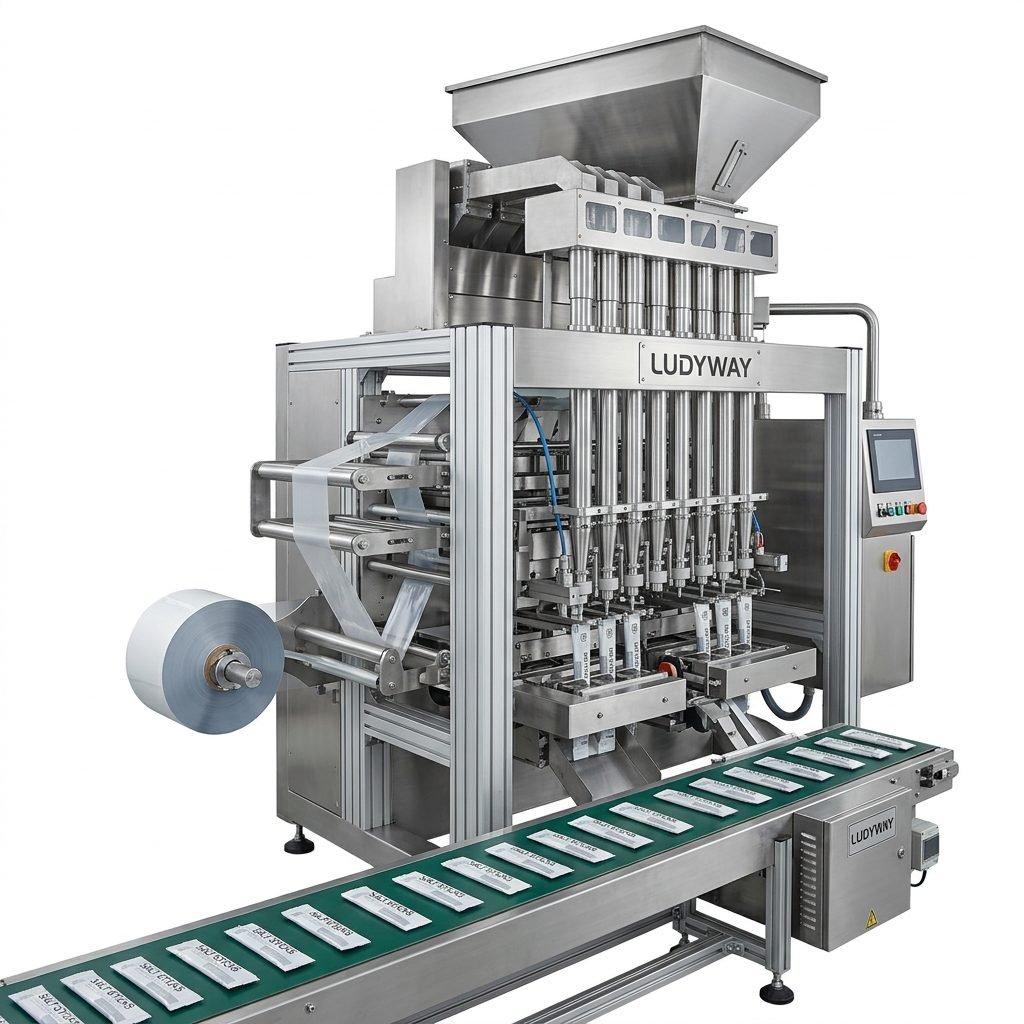
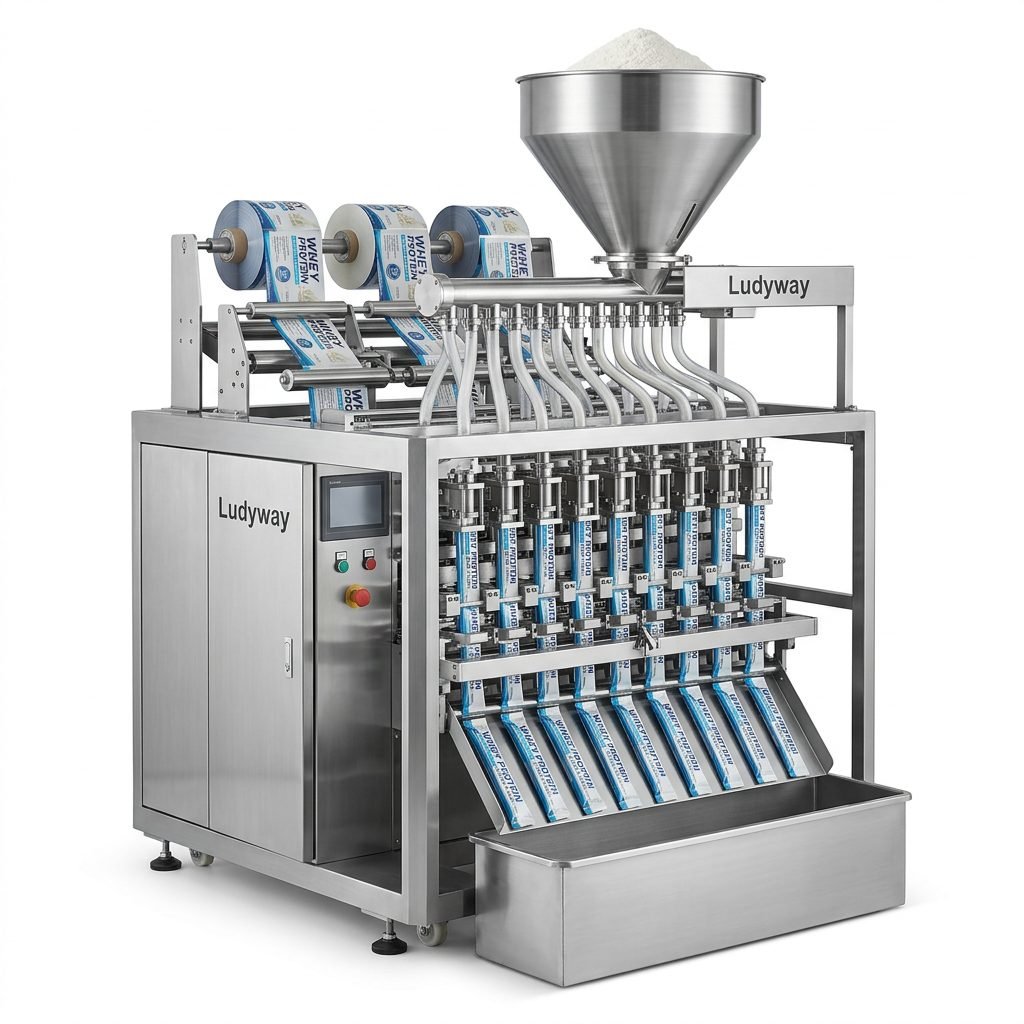
In today’s fast-paced manufacturing landscape, the demand for speed, precision, and reliability has never been higher. For businesses in sectors like food, pharmaceuticals, and health products, packaging is not merely the final step—it’s a critical component of product integrity, brand presentation, and operational efficiency. The evolution towards fully automated production lines represents a significant leap forward, and at the heart of this transformation lies advanced packaging equipment.
The Core of Modern Automation: Intelligent Packaging Systems
Automated production lines are intricate ecosystems where machinery, software, and processes synchronize to create seamless workflow. Packaging equipment within these lines must do more than just bag or box a product; it must be intelligent, adaptable, and robust. Modern solutions integrate precision dosing, high-speed forming, sealing, and labeling, all controlled by sophisticated programmable logic controllers (PLCs) and human-machine interfaces (HMIs). This level of integration minimizes human intervention, drastically reduces error rates, and ensures consistent output quality—key factors in maintaining compliance and consumer trust, especially in regulated industries.
Key Integration Point: The true power of advanced packaging equipment is unlocked when it communicates flawlessly with upstream fillers, cappers, and downstream cartoners or palletizers. This creates a continuous, closed-loop system that optimizes the entire production flow.
Tailored Solutions for Diverse Product Formats
One size does not fit all in packaging. Advanced equipment solutions are designed with versatility in mind to handle a wide array of product types:
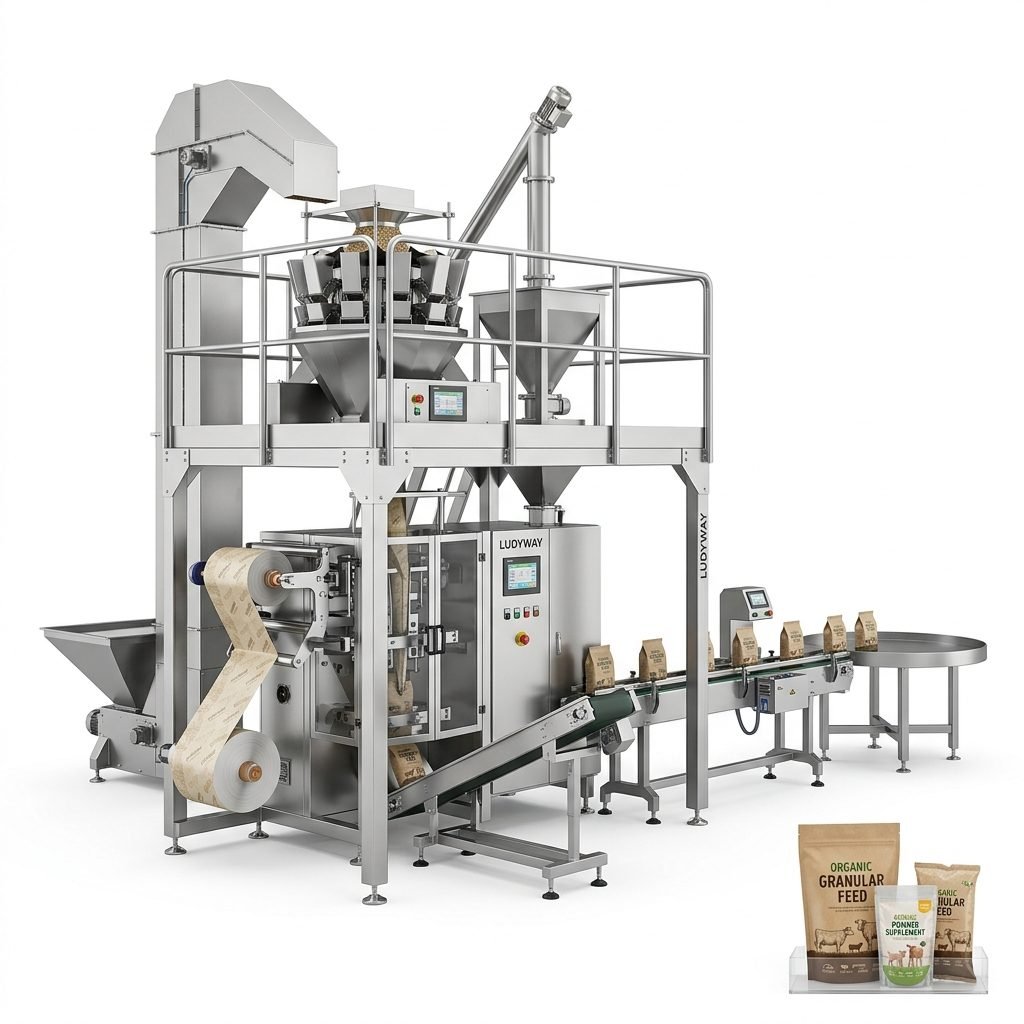
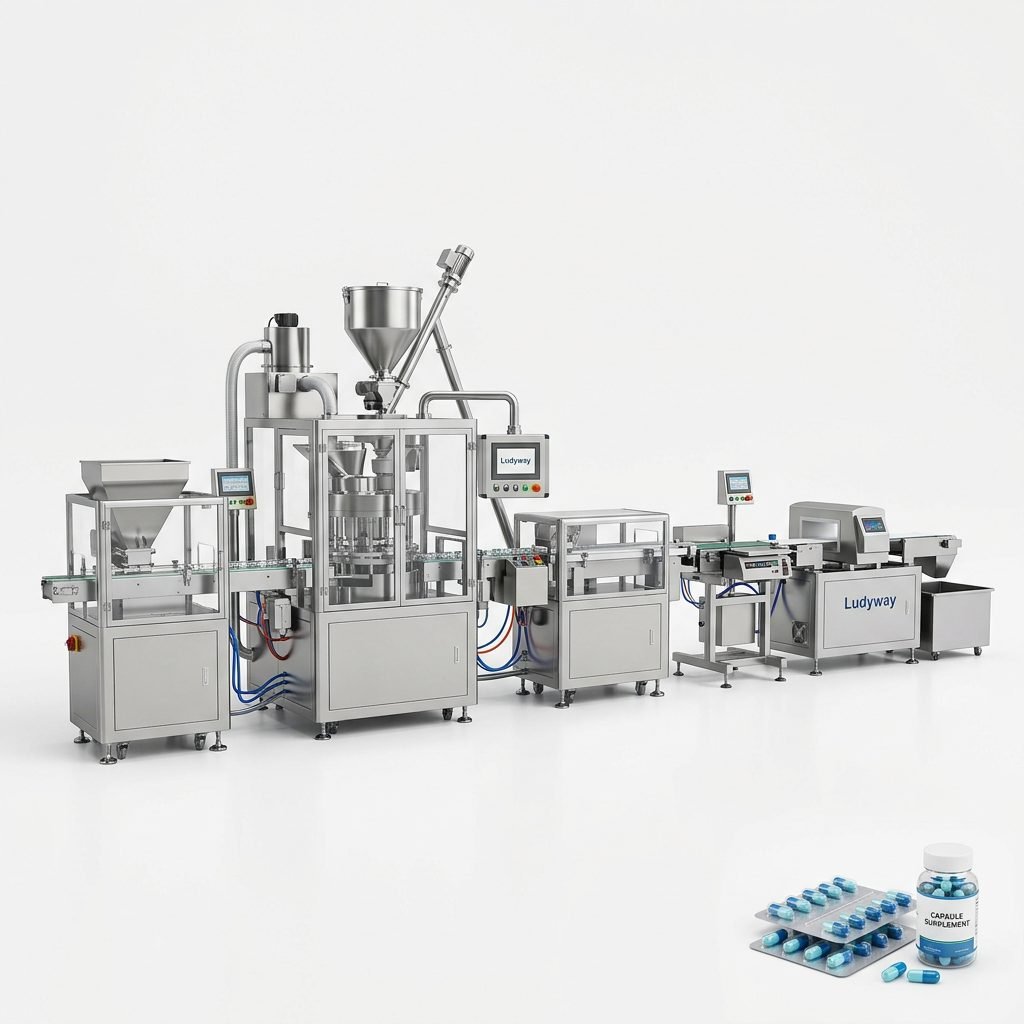
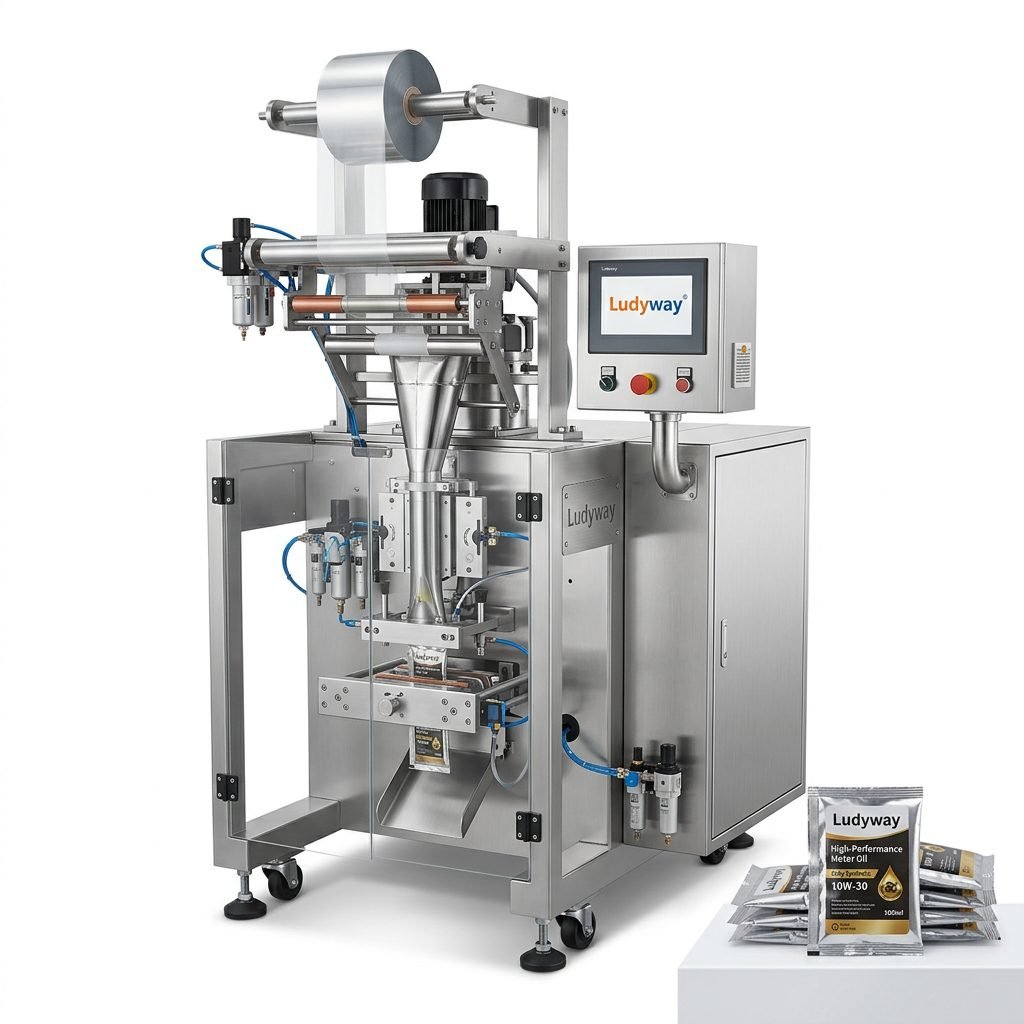
- Granules & Powders: Equipment for coffee, spices, protein powders, or pharmaceuticals requires ultra-precise auger or cup filler systems to ensure accurate weight control and prevent waste.
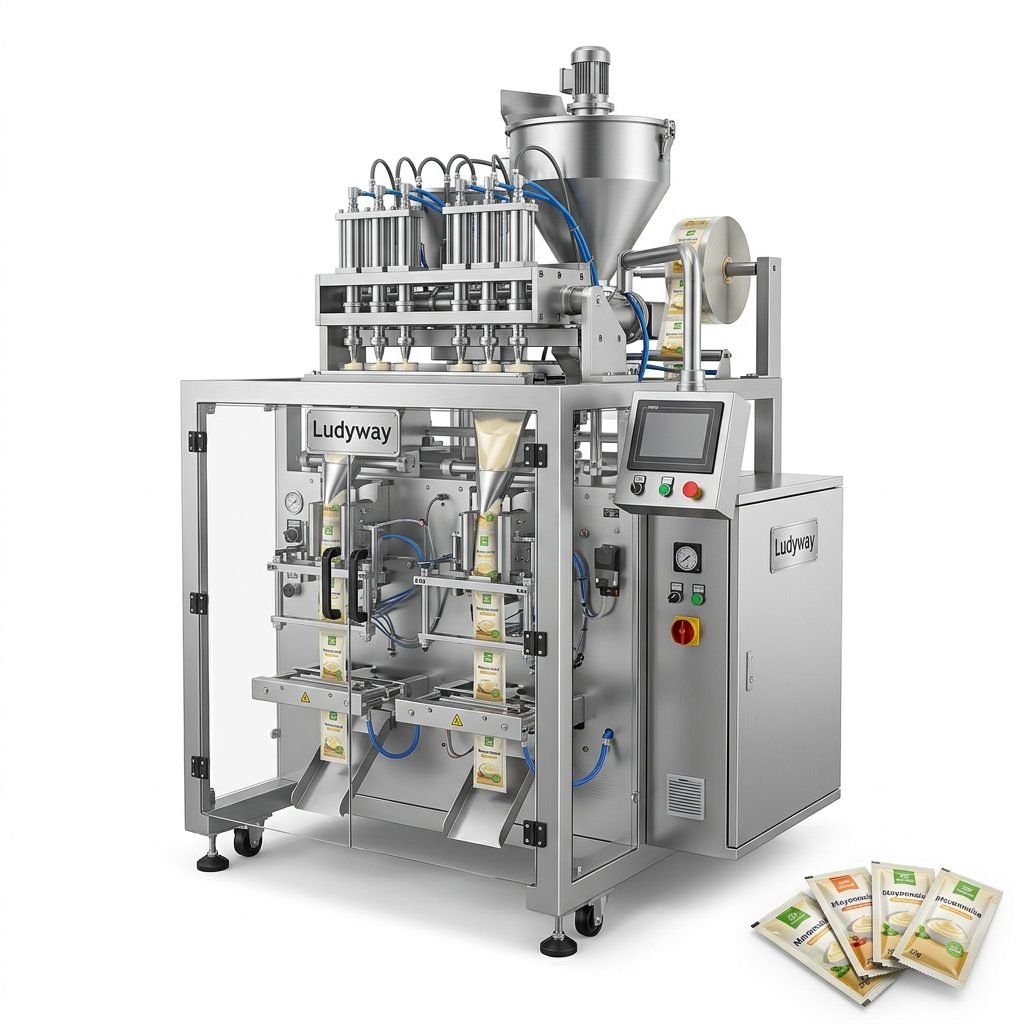
- Liquids & Pastes: For sauces, oils, shampoos, or creams, liquid filling machines with piston or peristaltic pump technology provide clean, drip-free filling at high speeds.
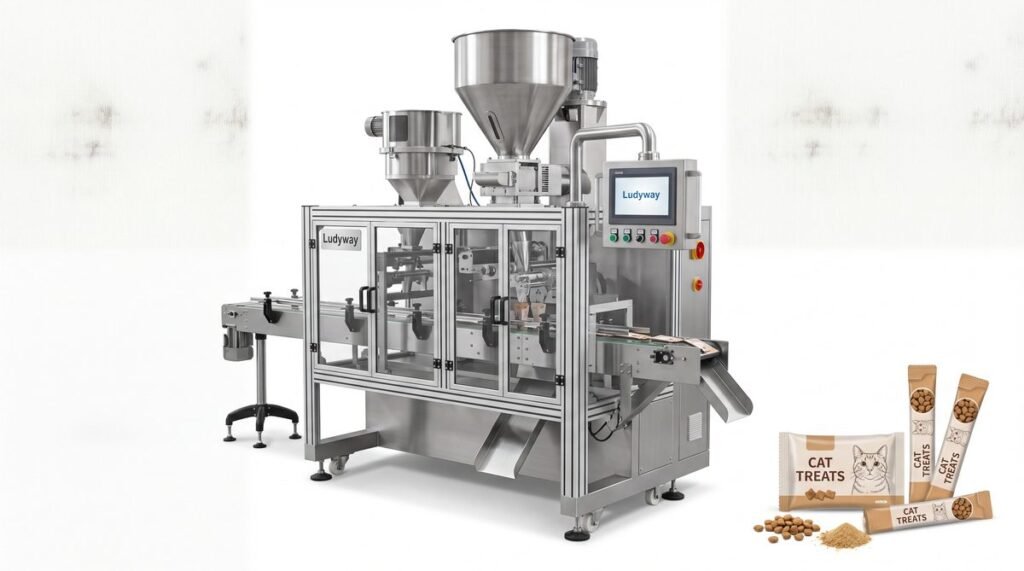
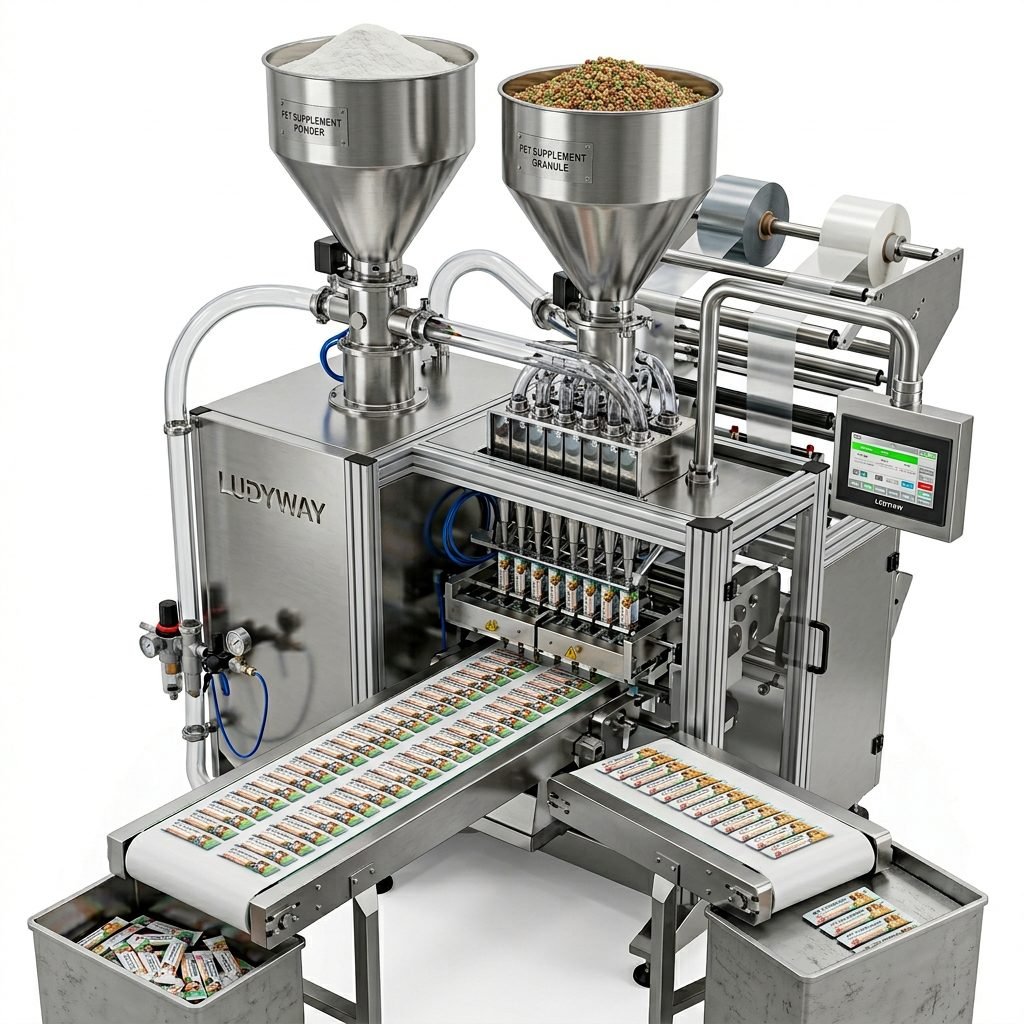
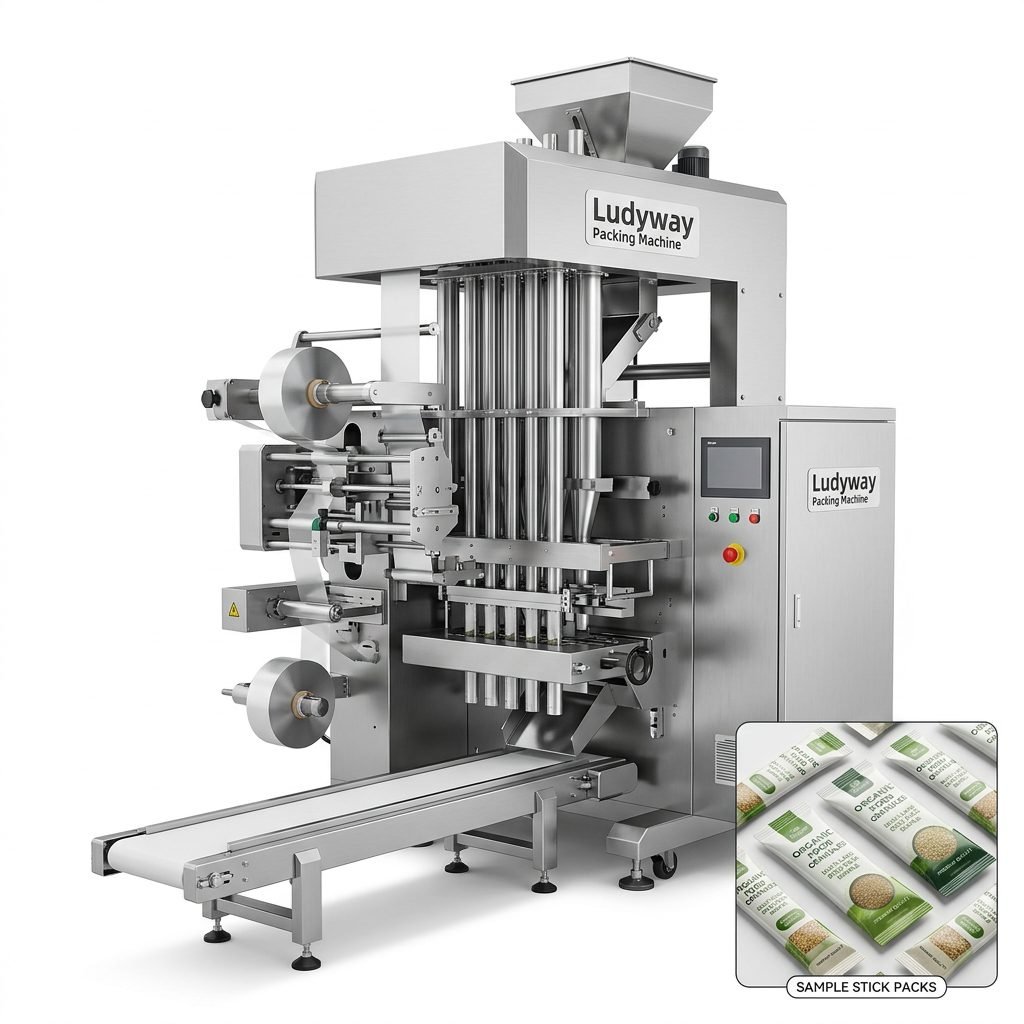
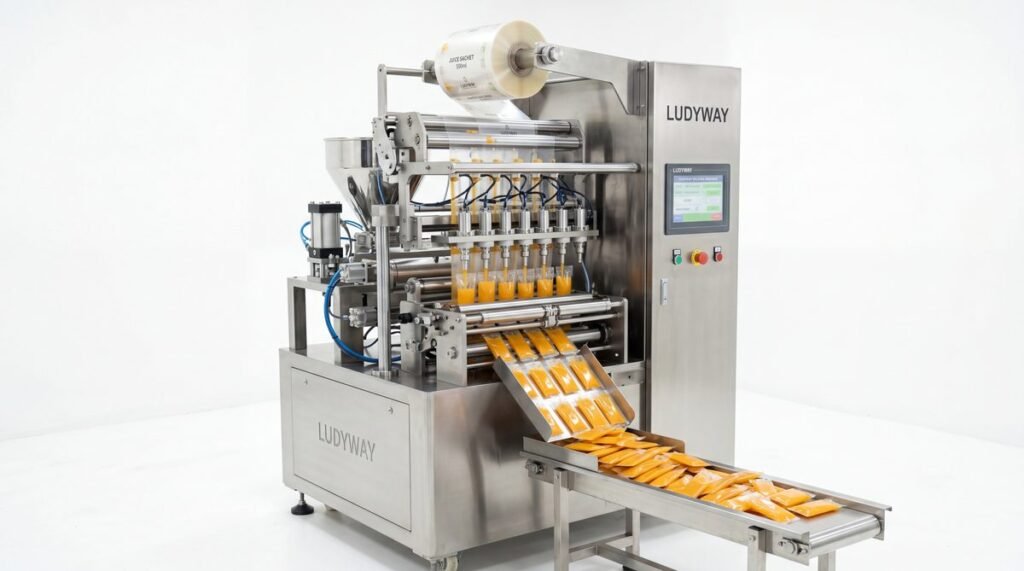
- Stick Packs & Sachets: Extremely popular for single-serve portions in food, beverage, and pharmaceutical samples, multi-lane stick pack machines offer unparalleled efficiency for high-volume production.
Companies like Ludyway Packing Machine exemplify this approach, offering a portfolio of over 50 intelligent machine models specifically engineered for these diverse applications, ensuring that a tailored solution exists for nearly any packaging challenge.
Driving Forces Behind the Adoption of Advanced Packaging Lines
The shift towards sophisticated, automated packaging is driven by several compelling business imperatives:
1. Unmatched Efficiency and Throughput
Manual or semi-automated packaging simply cannot compete with the speed of a fully automated line. Advanced equipment can run 24/7 with minimal downtime, handling hundreds, even thousands, of units per minute. This directly translates to higher output, faster time-to-market, and the ability to scale operations to meet growing demand.
2. Enhanced Product Safety and Consistency
In sectors like pharmaceuticals and food, contamination and dosage inconsistency are unacceptable risks. Automated systems operate in controlled, often enclosed environments, reducing human contact. Precision engineering guarantees that every packet, sachet, or bottle is filled, sealed, and labeled identically, upholding the highest standards of quality and safety.
3. Significant Reduction in Operational Costs
While the initial investment is substantial, the long-term return on investment (ROI) is clear. Automation reduces labor costs, minimizes material waste through precise dosing, and lowers energy consumption through optimized machine cycles. Furthermore, the reduction in errors and product recalls provides substantial cost avoidance.
📈 The Sustainability Advantage
Modern packaging equipment contributes significantly to sustainability goals. By optimizing material usage (reducing film thickness without compromising integrity) and minimizing product giveaway, it cuts down on raw material consumption. Efficient machines also have a lower carbon footprint per unit produced, aligning with the environmental, social, and governance (ESG) criteria increasingly important to consumers and investors alike.
Implementing a Successful Automated Packaging Line
Transitioning to or upgrading an automated packaging line is a strategic project. Success hinges on several critical steps:
Comprehensive Needs Analysis: Before selecting equipment, a deep dive into current and future needs is essential. Consider product types, required output speeds, available factory floor space, and integration with existing machinery.
Choosing the Right Technology Partner: The supplier’s role extends beyond selling a machine. Look for a partner with proven industry experience, strong engineering support, and the ability to provide a complete turnkey solution. A partner with a long track record, such as one backed by 30+ years of industry experience, brings invaluable insight into overcoming real-world production challenges.
Focus on Training and Support: The most advanced machine is only as good as the team operating it. Ensure your supplier offers thorough training for your technicians and operators. Reliable after-sales service, with readily available spare parts and remote troubleshooting capabilities, is non-negotiable for maintaining uptime.
The Future: Smart Packaging and Industry 4.0
The next frontier is the integration of packaging equipment into the Industrial Internet of Things (IIoT). Smart machines equipped with sensors can predict maintenance needs, self-adjust for optimal performance, and provide real-time production data to central dashboards. This connectivity enables predictive maintenance, dynamic production scheduling, and unparalleled visibility into the manufacturing process, paving the way for the truly smart factory.
For a deeper understanding of how these technologies are implemented, exploring resources on intelligent packaging machine models can be highly beneficial.
Frequently Asked Questions (FAQs)
1. What are the main benefits of integrating advanced packaging equipment into an automated production line?
The primary benefits include dramatically increased production speed and throughput, superior consistency and accuracy in filling and sealing, enhanced product safety by reducing human contact, significant long-term reductions in labor and material costs, and improved scalability for business growth.
2. How do I choose the right packaging machine for my specific product (e.g., granules vs. liquids)?
Selection is based on product characteristics. Granules and powders typically require auger filler systems for precision, while viscous liquids need piston fillers and thin liquids may use volumetric or flowmeter fillers. A reputable supplier will conduct product tests to determine the optimal technology for your specific viscosity, density, and flow properties.
3. What is meant by a “turnkey” packaging solution?
A turnkey solution means the supplier handles the entire project from design and manufacturing to installation, commissioning, and training. They deliver a complete, ready-to-operate production line, so the client can essentially “turn the key” and begin production. This approach minimizes risk and project management burden for the buyer.
4. How important is after-sales service and support when investing in this equipment?
It is critically important. Given the complexity and continuous operation of automated lines, access to prompt technical support, readily available genuine spare parts, and comprehensive maintenance services is essential for maximizing machine uptime, longevity, and overall return on investment.
5. Can automated packaging equipment handle frequent product changeovers?
Yes, modern equipment is designed for flexibility. Many advanced machines feature quick-change parts, recipe storage in the control system, and easy adjustments to handle different package sizes or products. The ease and speed of changeover, however, vary by machine design, so this requirement should be clearly communicated during the selection process.