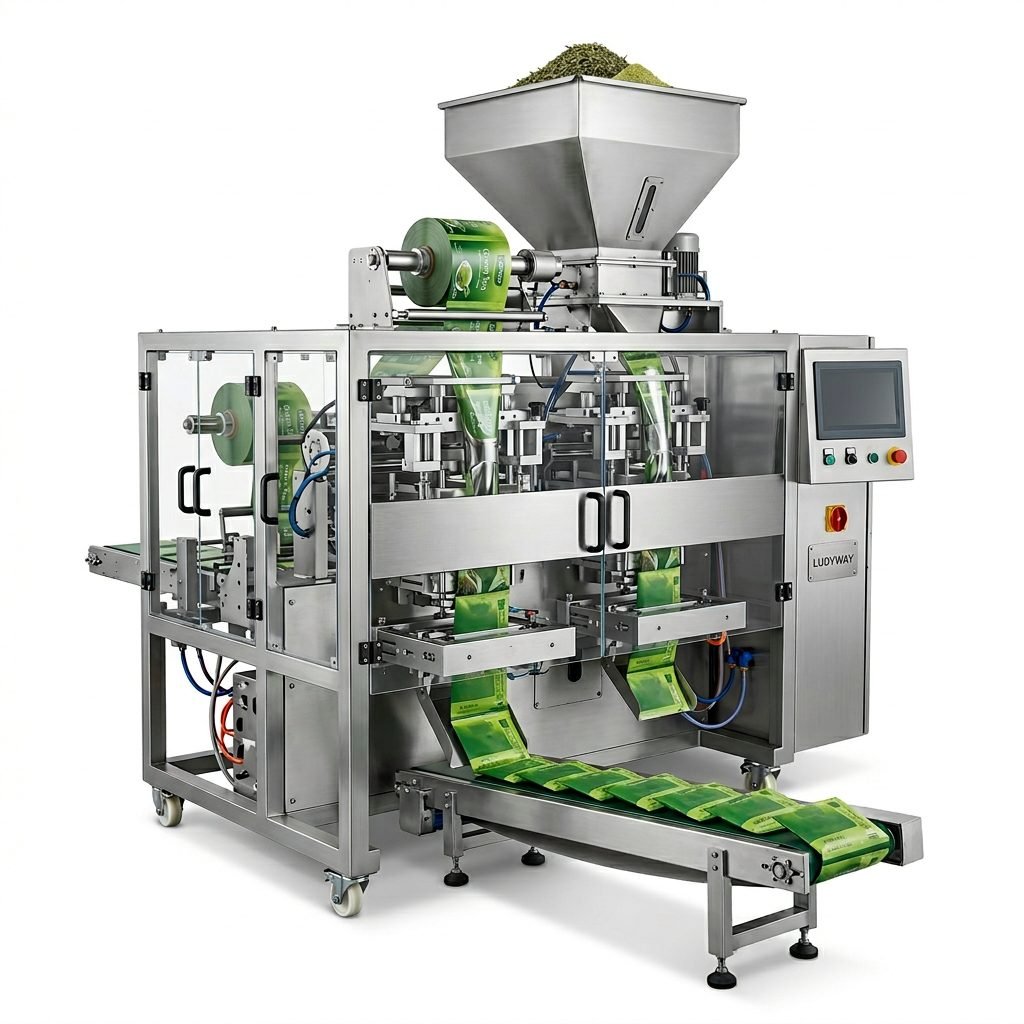
Choosing the right commercial packaging machinery is a critical decision that directly impacts your production efficiency, product quality, and bottom line. With a vast array of systems available, from multi-lane stick pack machines to fully automated liquid filling lines, navigating the options can be complex. This guide provides a comprehensive framework to help you select the optimal packaging system tailored precisely to your production needs, ensuring you invest in a solution that drives growth and reliability.
Understanding Your Core Packaging Requirements
Before evaluating any machinery, a deep and honest assessment of your specific needs is the essential first step. This foundational analysis will guide every subsequent decision.
Key Questions to Define Your Scope:
- Product Type: Are you packaging granules, fine powders, viscous liquids, tablets, or pastes? Each product type demands specific dosing, handling, and sealing technologies.
- Production Speed & Volume: What is your current and projected output (e.g., packs per minute, shifts per day)? This determines whether you need a single-lane, dual-lane, or high-speed multi-lane system.
- Packaging Materials: What film or laminate are you using (e.g., PET/AL/PE, CPP, paper composites)? The machinery must be compatible with your chosen material’s sealing properties and rigidity.
- Bag Style & Size: Do you require standard sachets, stick packs, gusseted bags, or pouches? What is the range of bag dimensions (length, width) you need to accommodate?
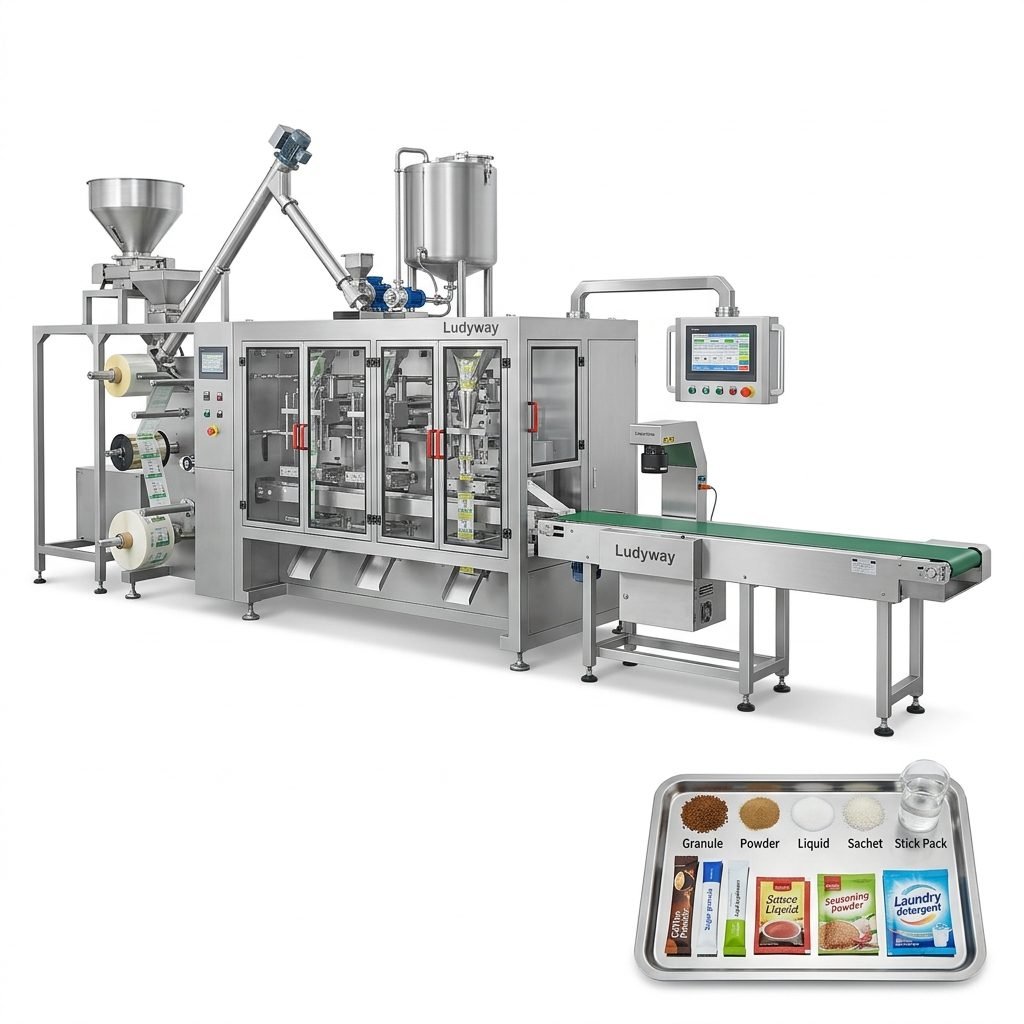
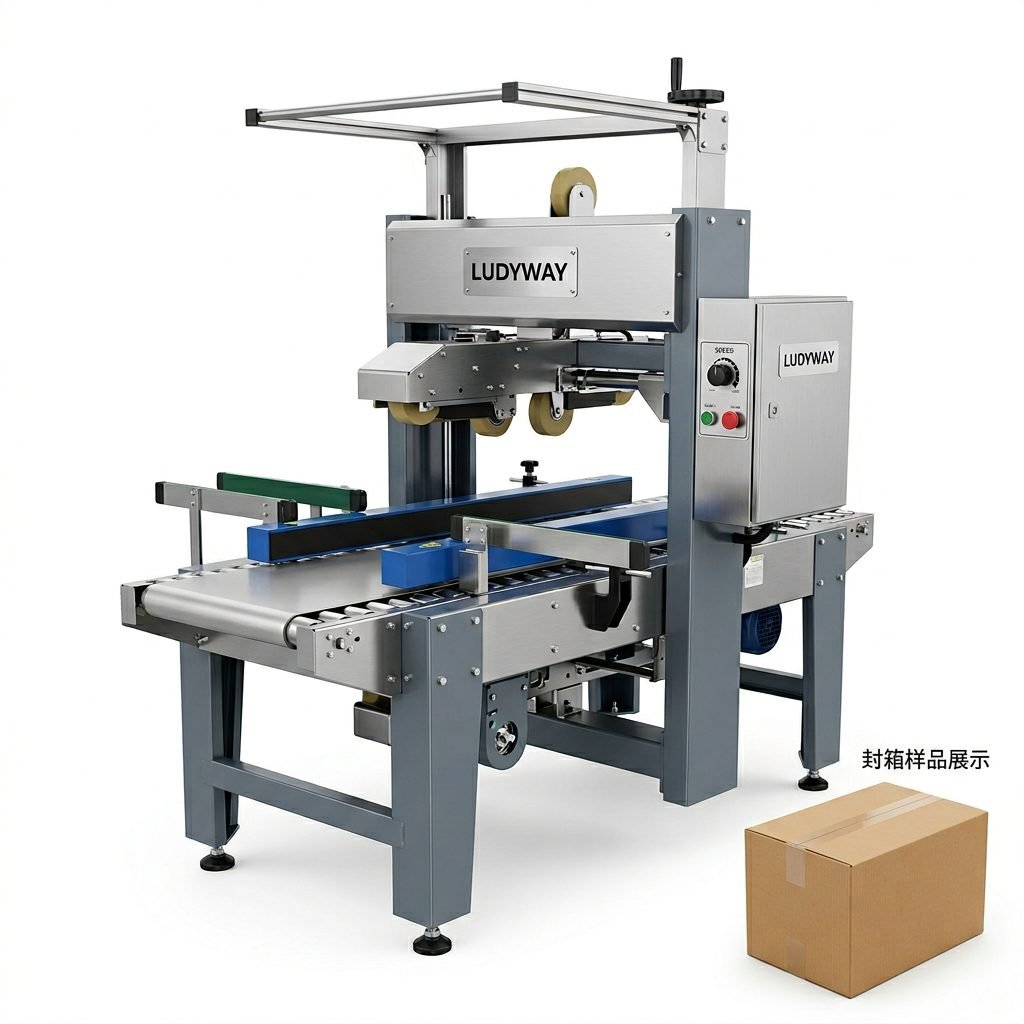
- Integration Needs: Will the machine operate as a standalone unit, or must it integrate with existing upstream (mixers, conveyors) and downstream (cartoning, case packing) equipment?
Evaluating Key Types of Packaging Machinery
The market offers specialized systems for different applications. Understanding their core functions is crucial.
Vertical Form-Fill-Seal (VFFS) Machines
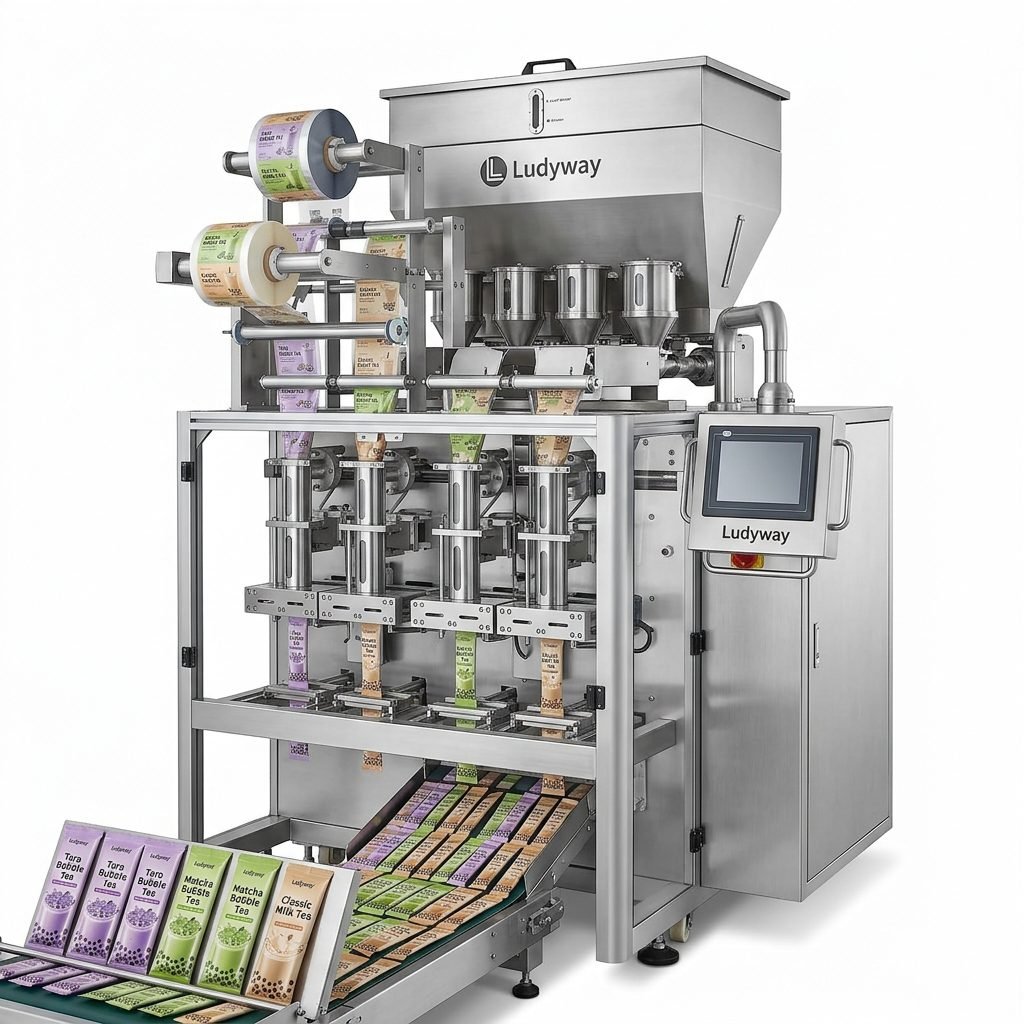
These versatile workhorses form bags from a roll of film, fill them with product, and seal them in one continuous operation. Ideal for a wide range of dry products like snacks, powders, and granules. Modern VFFS machines offer impressive flexibility for bag size changes and can incorporate advanced features like gas flushing for modified atmosphere packaging.
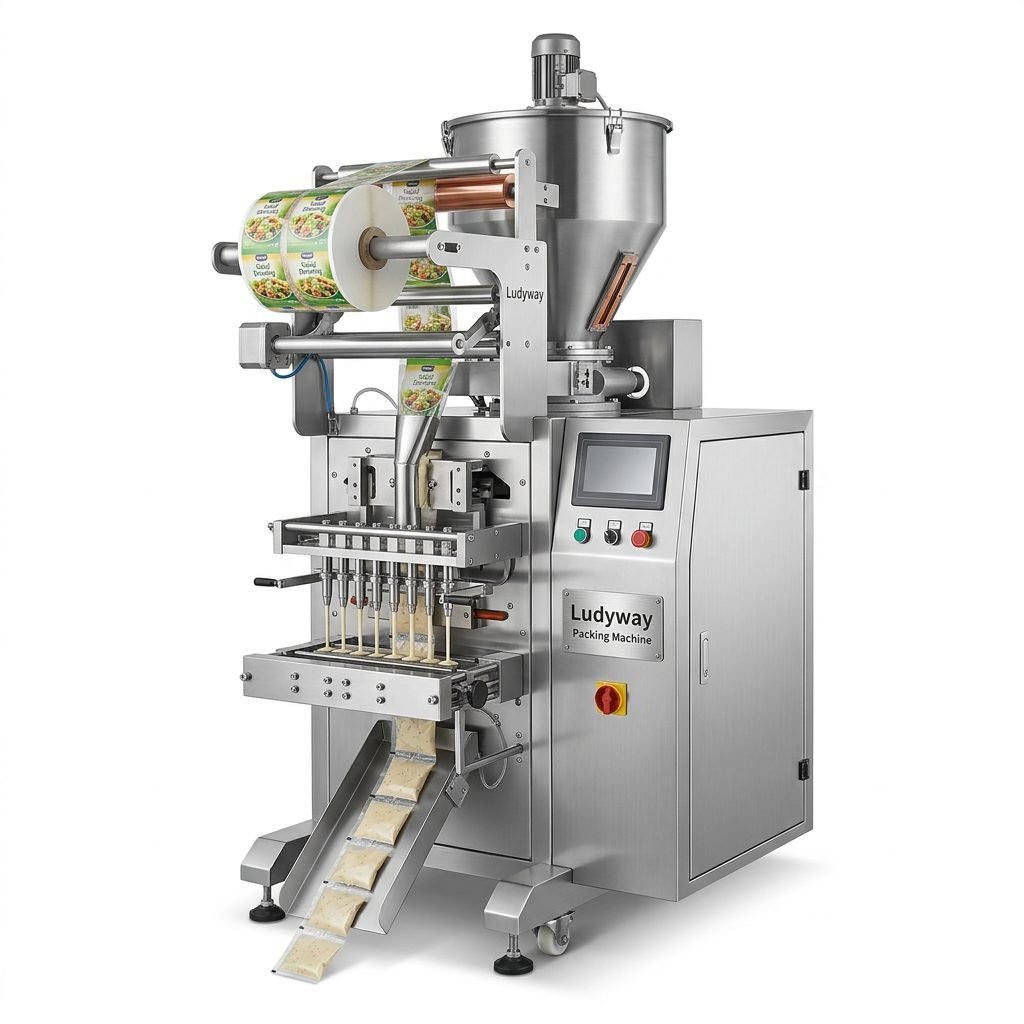
Liquid & Paste Filling Machines
Designed for handling free-flowing to viscous products such as sauces, oils, shampoos, and creams. They utilize precise filling technologies—like piston fillers, gravity fillers, or pump systems—to ensure accurate dosage and minimize waste. Look for systems with easy-clean designs (CIP/SIP capabilities) if hygiene is paramount, as in the pharmaceutical or food industries.
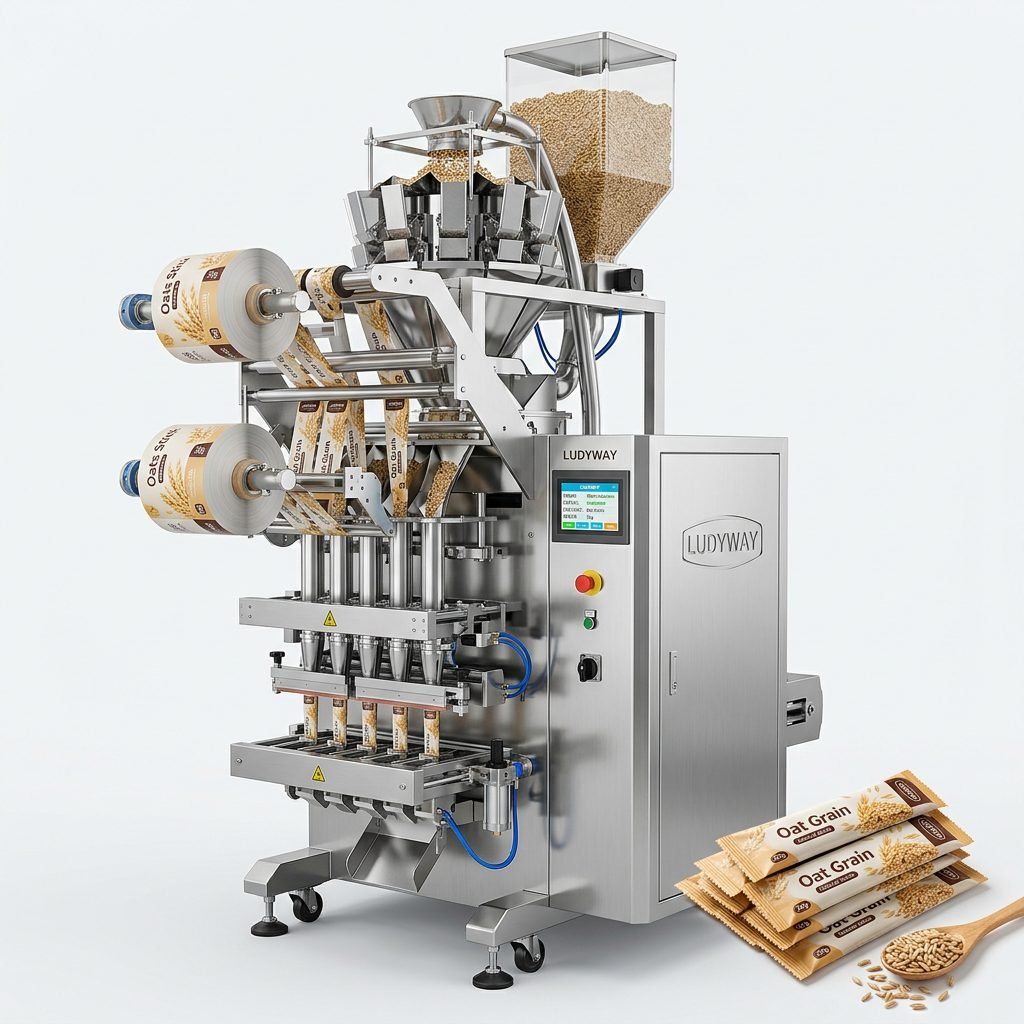
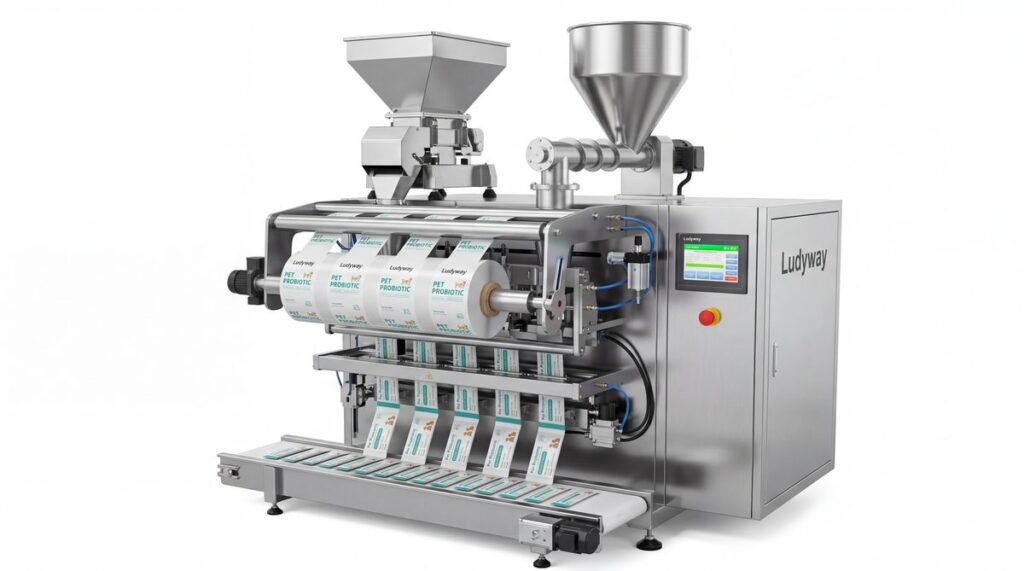
Stick Pack & Sachet Packaging Machines
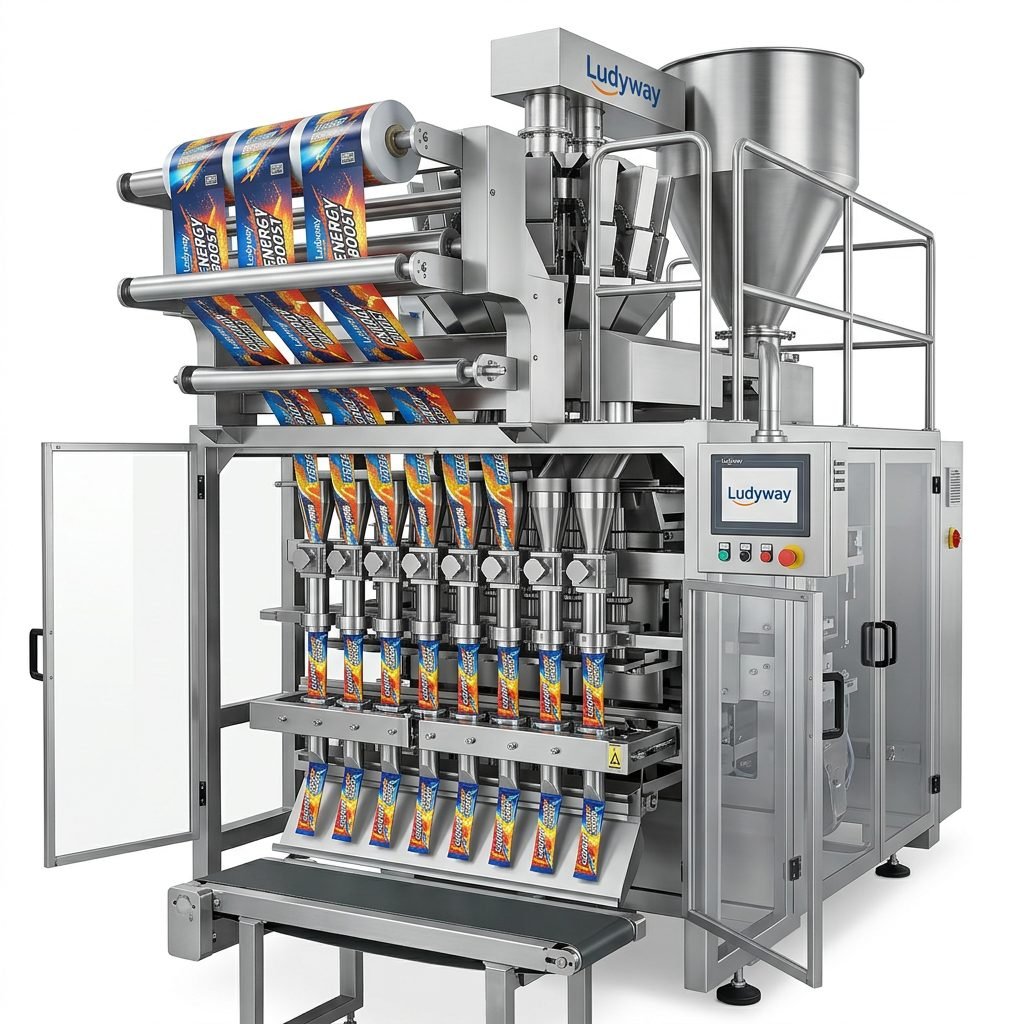
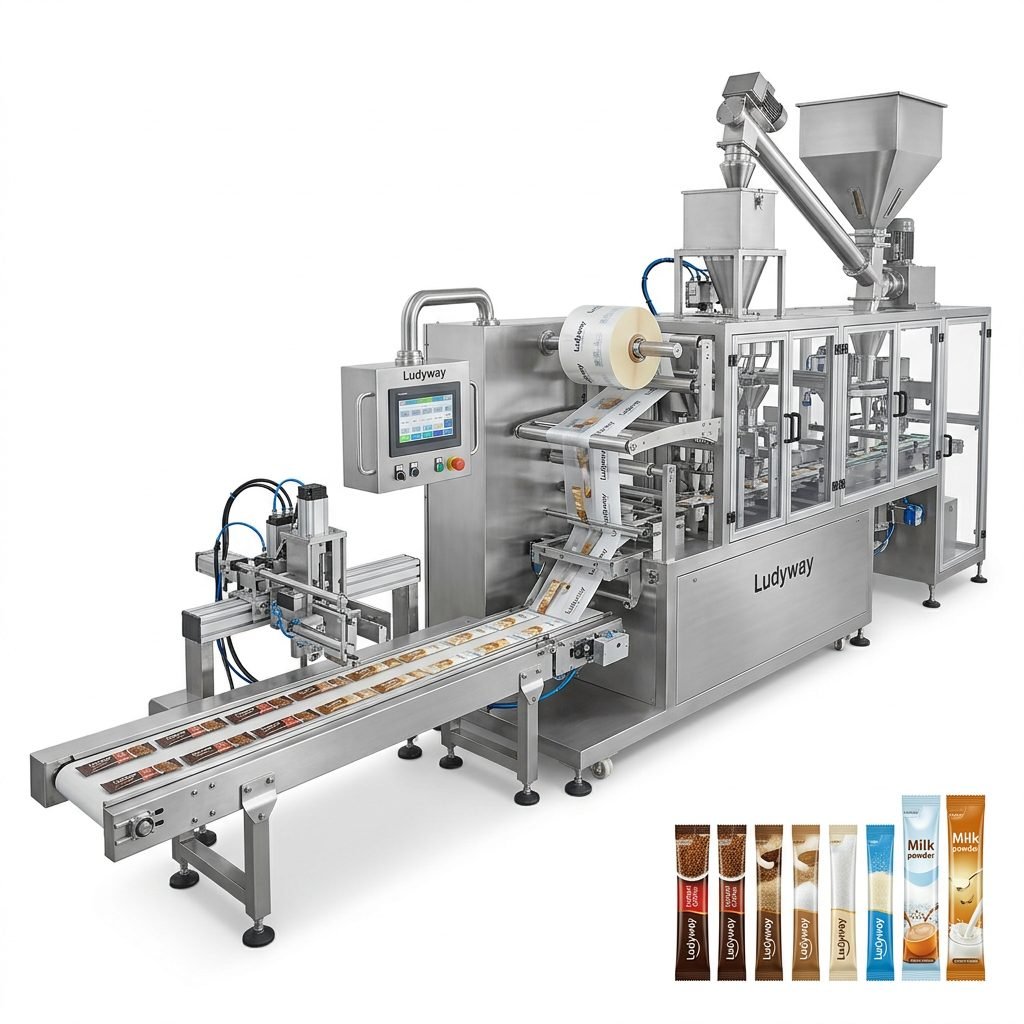
Perfect for single-serve portions of products like instant coffee, sugar, condiments, or pharmaceutical powders. These machines create slim, space-efficient packets. Multi-lane stick pack machines can dramatically increase output by running several packaging lanes simultaneously, making them a cost-effective solution for high-volume production.
Critical Factors in Choosing the Right System
Beyond the machine type, several operational and strategic factors will determine long-term success.
1. Machine Speed vs. Efficiency & Uptime
Do not be swayed by maximum speed alone. A machine rated at 200 bags per minute that requires constant adjustment and has 85% uptime is often less productive than a robust machine rated at 160 bags per minute with 98% uptime. Evaluate the sustainable operational speed and overall equipment effectiveness (OEE).
2. Flexibility and Changeover Time
If you run multiple products or bag sizes, quick changeover is vital. Look for machines with recipe memory storage and tool-less adjustments. Reducing changeover time from 60 minutes to 10 minutes significantly boosts productivity and allows for smaller, more economical batch runs.
3. Precision and Waste Reduction
Inaccurate filling leads to product giveaways or under-filled packages, both of which are costly. High-precision servo-driven dosing systems and advanced weight checkers ensure you put exactly what you need into each pack, protecting your profit margins.
Total Cost of Ownership (TCO) Over Initial Price
The purchase price is just the beginning. A comprehensive TCO analysis includes:
- Energy Consumption: Servo-driven machines often consume less power than traditional mechanical systems.
- Spare Parts Availability & Cost: Ensure the supplier stocks common wear parts and offers reasonable pricing.
- Maintenance Requirements: Simple, accessible designs reduce downtime and labor costs.
- Operator Training & Ease of Use: An intuitive HMI (Human-Machine Interface) reduces training time and operational errors.
The Importance of Supplier Partnership and Support
Your relationship with the machinery supplier is a long-term partnership. Their support is as important as the hardware.
Choose a supplier with a proven track record and deep industry experience. A partner like Ludyway Machinery, with over 30 years in the field, brings invaluable application knowledge. They can help you avoid common pitfalls and optimize your line layout. Ensure they offer comprehensive after-sales support, including installation supervision, operator training, readily available spare parts, and responsive technical service. The ability to provide customized solutions and adapt standard machines to your unique challenges is a hallmark of a superior supplier.
Planning for the Future: Scalability and Technology
Your packaging system should be an asset that grows with your business. Consider its scalability. Can the system be upgraded with additional lanes or higher-speed components? Does the supplier offer a roadmap of compatible future technologies? Investing in a modular system or one from a manufacturer with a broad portfolio, offering over 50 intelligent packaging machine models, provides a clear path for expansion without the need for a complete replacement.
Final Steps Before Purchase
✔ Request a Product Test: Always send your actual product and packaging materials to the supplier for a live factory test. This validates performance, speed, and seal quality.
✔ Visit the Manufacturer: If possible, tour their production facility to assess build quality, technical expertise, and operational standards.
✔ Check References: Speak to existing customers, especially those with similar products and requirements.
Frequently Asked Questions (FAQs)
Q1: What is the most important factor when choosing a packaging machine?
A: While many factors are important, achieving a precise match between the machine’s capabilities and your specific product characteristics and production volume is paramount. A machine perfect for coffee granules may fail with a sticky powder.
Q2: How do I know if I need a single-lane or multi-lane machine?
A: This is primarily driven by your required output. Single-lane machines are suitable for lower volumes or pilot lines. For high-volume production of small sachets or stick packs, a multi-lane machine (e.g., 4, 6, or 8 lanes) produces multiple packs simultaneously, offering far greater efficiency and a lower cost-per-pack.
Q3: What kind of after-sales support should I expect?
A: You should expect comprehensive support including detailed installation manuals, on-site or remote installation guidance, thorough operator and maintenance technician training, a readily available inventory of critical spare parts, and access to responsive technical support via phone, email, or remote diagnostics.
Q4: Can packaging machines be customized for my unique product?
A: Yes, reputable suppliers often provide customization options. This can include special feeding systems for difficult products, unique dosing mechanisms, integration with specific checkweighers or metal detectors, and modifications to handle unconventional packaging materials. Discuss your specific needs in detail during the planning phase.
Q5: How long does it typically take from order to installation?
A: Lead times vary based on machine complexity and customization. For standard models, expect 8-14 weeks. For highly customized or turnkey lines, it can take 4-6 months or longer. Always clarify the detailed project timeline, including design, manufacturing, factory acceptance testing, shipping, and installation, with your supplier before ordering.