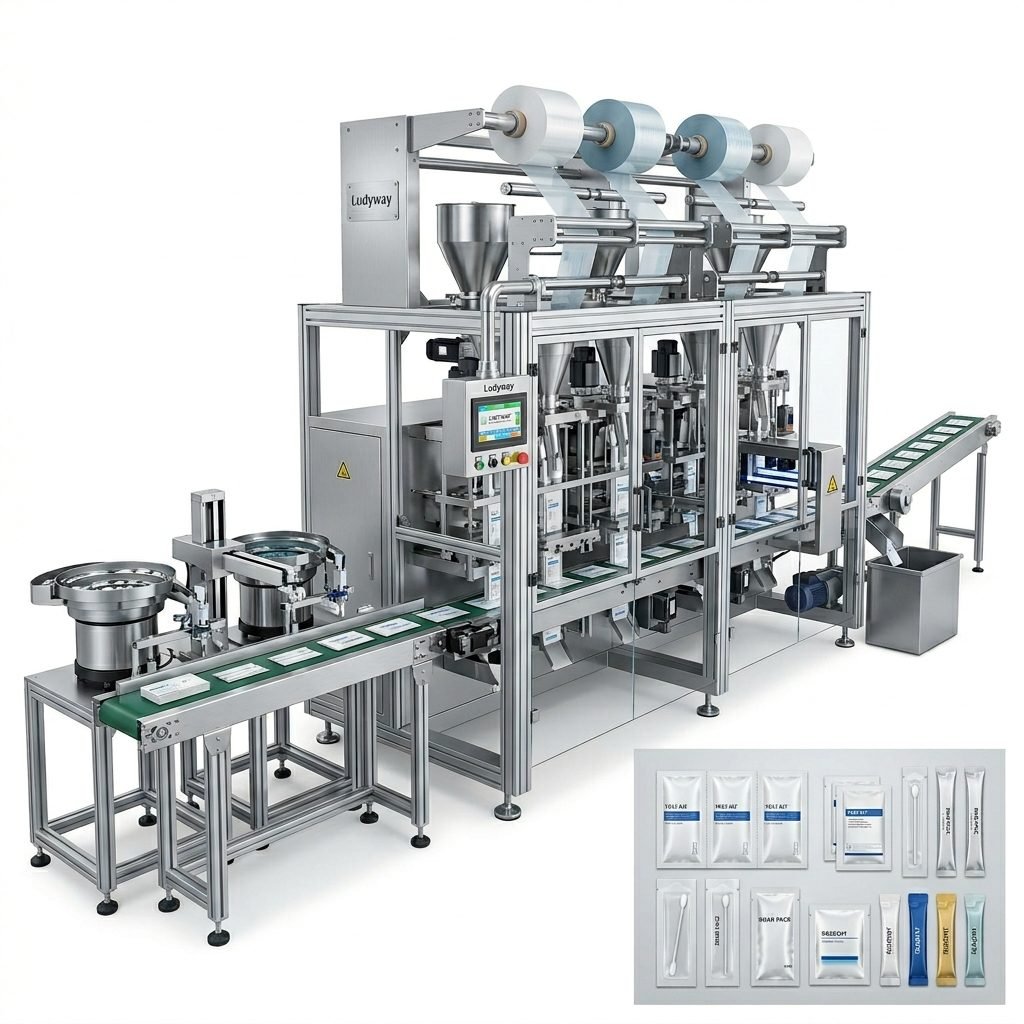
Food manufacturers today face growing pressure to package products faster, more accurately, and with higher consistency than ever before. Labor shortages, food safety regulations, SKU expansion, and rising consumer expectations are pushing companies to move beyond manual packing methods. That is where a food packaging automation solution becomes essential.
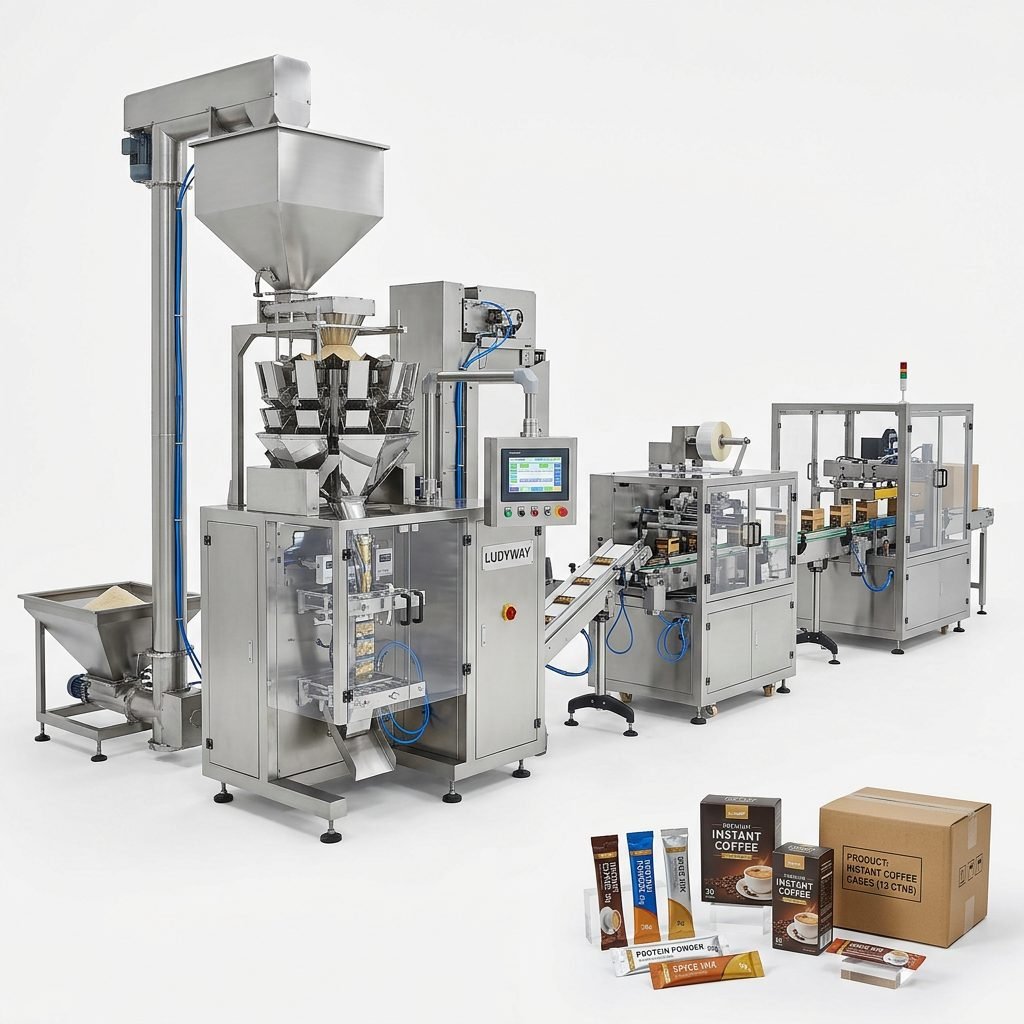
A food packaging automation solution is a coordinated system of machines, controls, conveyors, inspection devices, and software that automatically handles packaging tasks such as feeding, weighing, filling, sealing, coding, labeling, cartoning, case packing, and palletizing. Instead of treating each machine as a standalone unit, automation connects the entire packaging process into one efficient workflow.
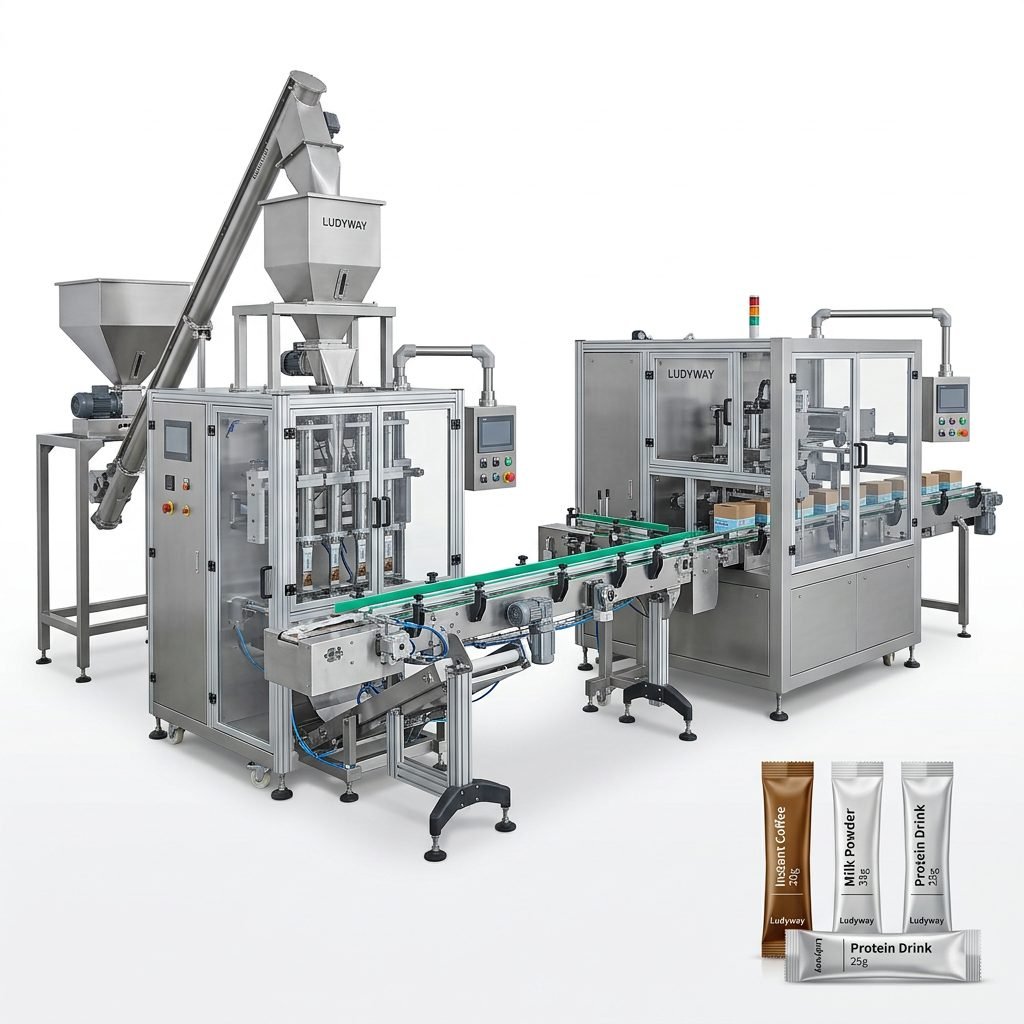
What Does a Food Packaging Automation Solution Include?
Automation can be simple or highly advanced depending on product type, output target, package format, and plant layout. In most food factories, the solution includes several connected stages.
- Product feeding systems for powders, granules, liquids, pastes, snacks, frozen foods, or solids
- Weighing or dosing units to ensure accurate fill volumes or target weights
- Filling and sealing machines for sachets, pouches, stick packs, bottles, jars, trays, or bags
- Coding and labeling equipment for traceability, batch control, and compliance
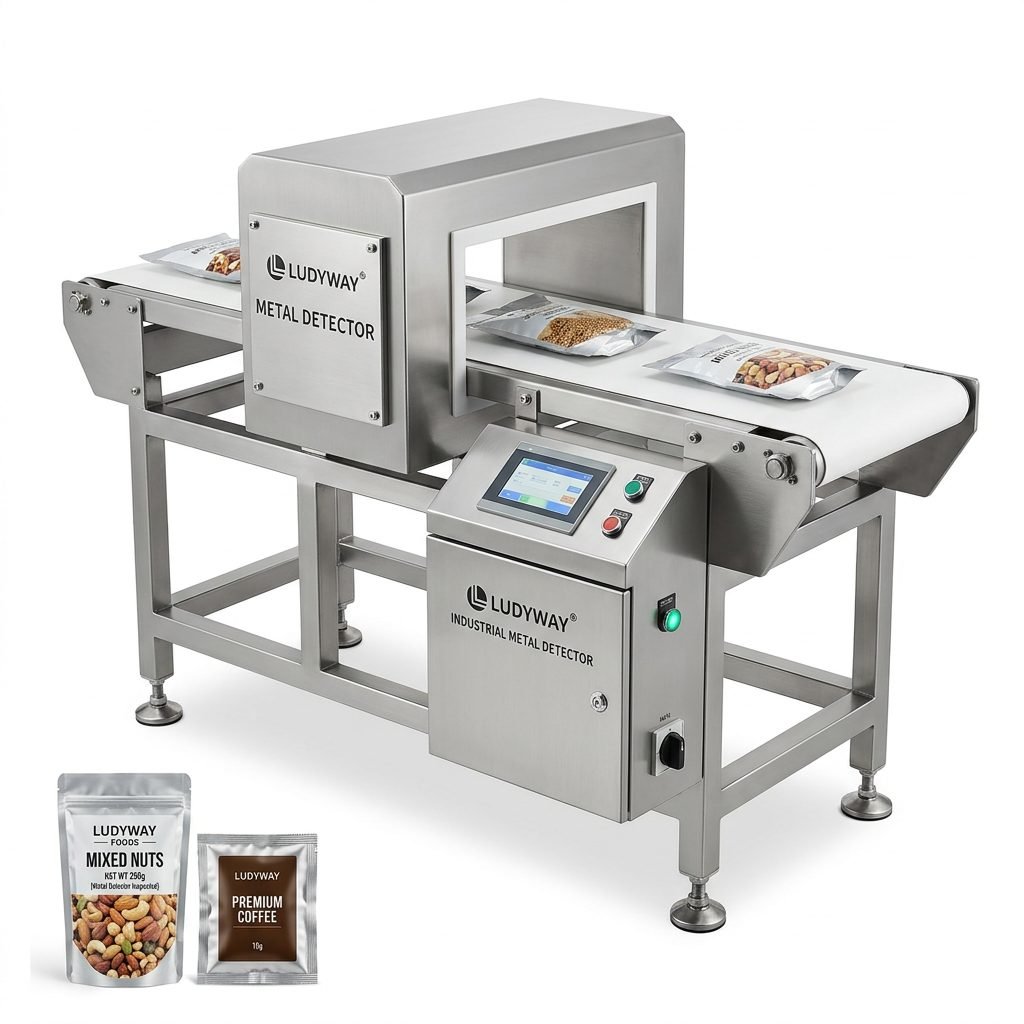
- Inspection devices such as checkweighers, metal detectors, and vision systems
- Secondary packaging equipment including cartoners, case packers, and bundlers
- End-of-line automation such as palletizing and wrapping systems
- Central control systems using PLC, HMI, sensors, and data monitoring tools
When these components work together, the packaging line becomes more predictable, scalable, and easier to manage.
How Food Packaging Automation Works
In a manual process, operators may scoop, weigh, fill, seal, label, and box products by hand. In an automated process, machines take over these repetitive steps while operators focus on monitoring, material replenishment, quality control, and maintenance.
A typical automated sequence may look like this:
- Bulk product is transferred from a hopper, tank, or feeder.
- The system measures the product using auger filling, volumetric dosing, pumps, or multihead weighing.
- Packaging material is formed or pre-made packages are indexed into position.
- The product is filled into the package.
- The package is sealed, cut, coded, and discharged.
- Inspection devices verify weight, seal integrity, and contaminant control.
- Finished packs are grouped into cartons or cases.
- Cases are stacked, wrapped, and prepared for shipment.
Key Benefits of Food Packaging Automation
The main reason companies invest in automation is not just speed. The deeper value comes from process control, repeatability, and long-term cost reduction.
| Benefit | Why It Matters |
|---|---|
| Higher throughput | Supports larger production volumes and reduces bottlenecks. |
| Better consistency | Improves fill accuracy, seal quality, and pack appearance. |
| Lower labor dependence | Reduces manual handling and helps address workforce shortages. |
| Improved food safety | Minimizes human contact and supports hygienic production. |
| Less waste | Reduces underfilling, overfilling, and packaging material loss. |
| Scalability | Makes it easier to expand output or add new SKUs later. |
Common Food Products That Use Automated Packaging
Food packaging automation is used across nearly every segment of the industry. The exact solution depends on product characteristics such as flowability, viscosity, fragility, moisture sensitivity, and package size.
Powder Products
- Coffee powder
- Milk powder
- Protein powder
- Seasoning powder
- Soup mix
- Nutritional drink powders
Granule Products
- Sugar
- Salt
- Seeds
- Beans
- Snack pieces
- Cereal and grains
Liquid and Paste Products
- Sauces
- Ketchup
- Honey
- Oil
- Mayonnaise
- Functional beverage concentrates
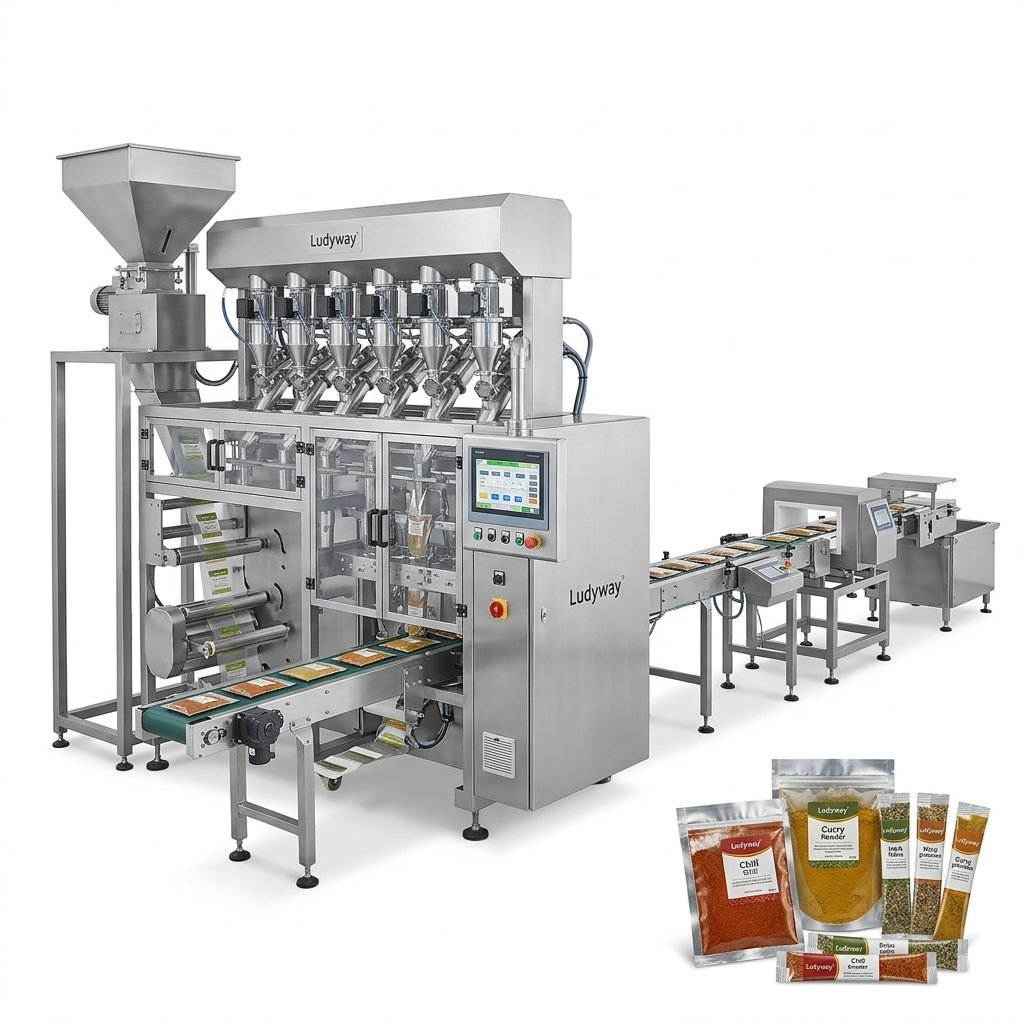
Types of Food Packaging Machines in an Automation Solution
Different product formats require different machine structures. Some of the most common categories include:
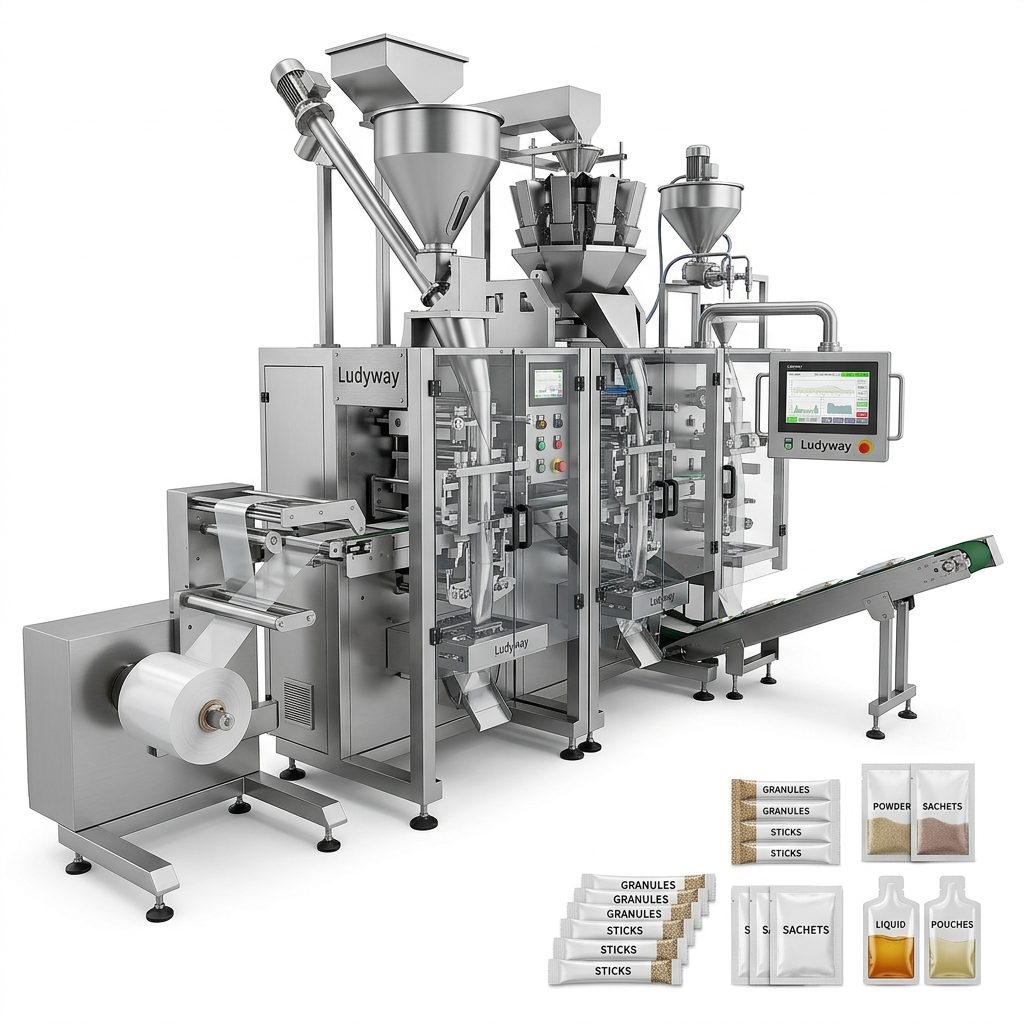
Vertical Form Fill Seal Machines
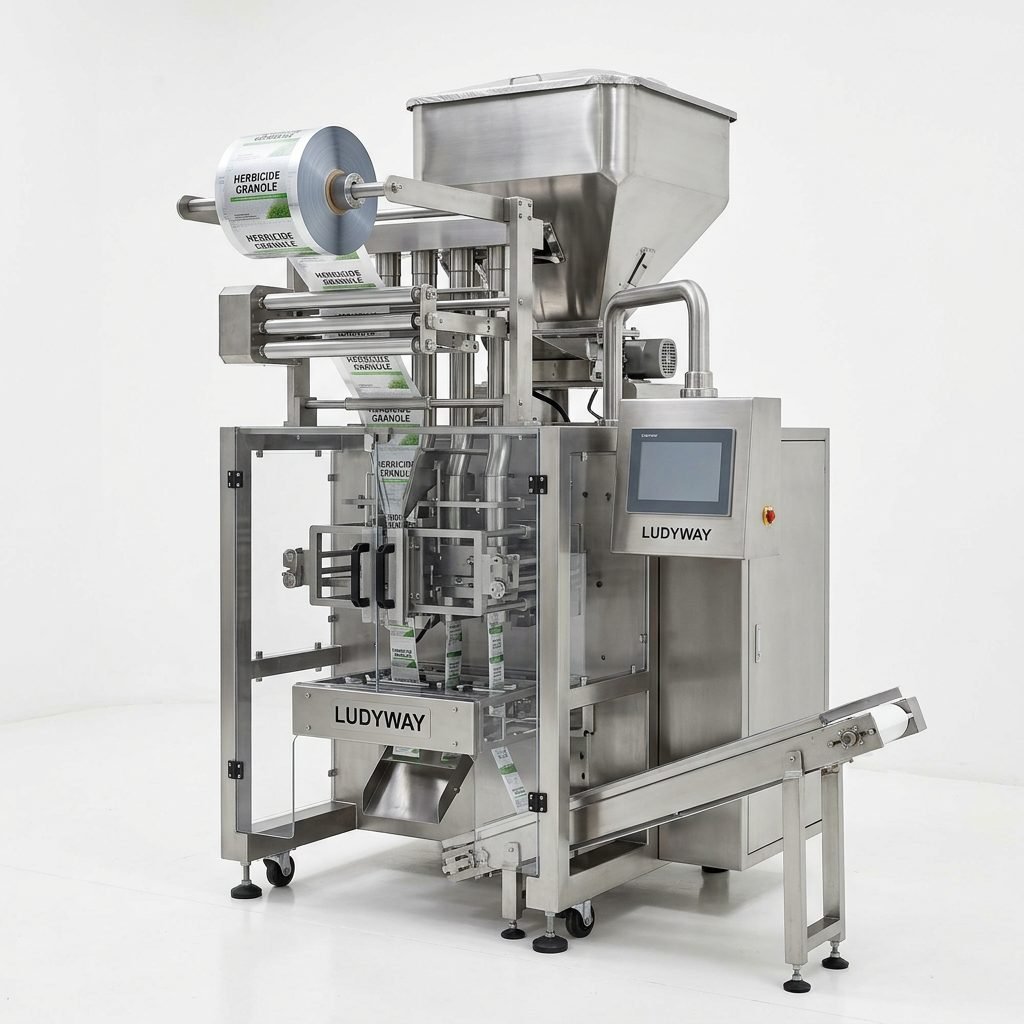
Widely used for powders, granules, snacks, and frozen foods. These machines form bags from roll film, fill them, and seal them in one continuous process.
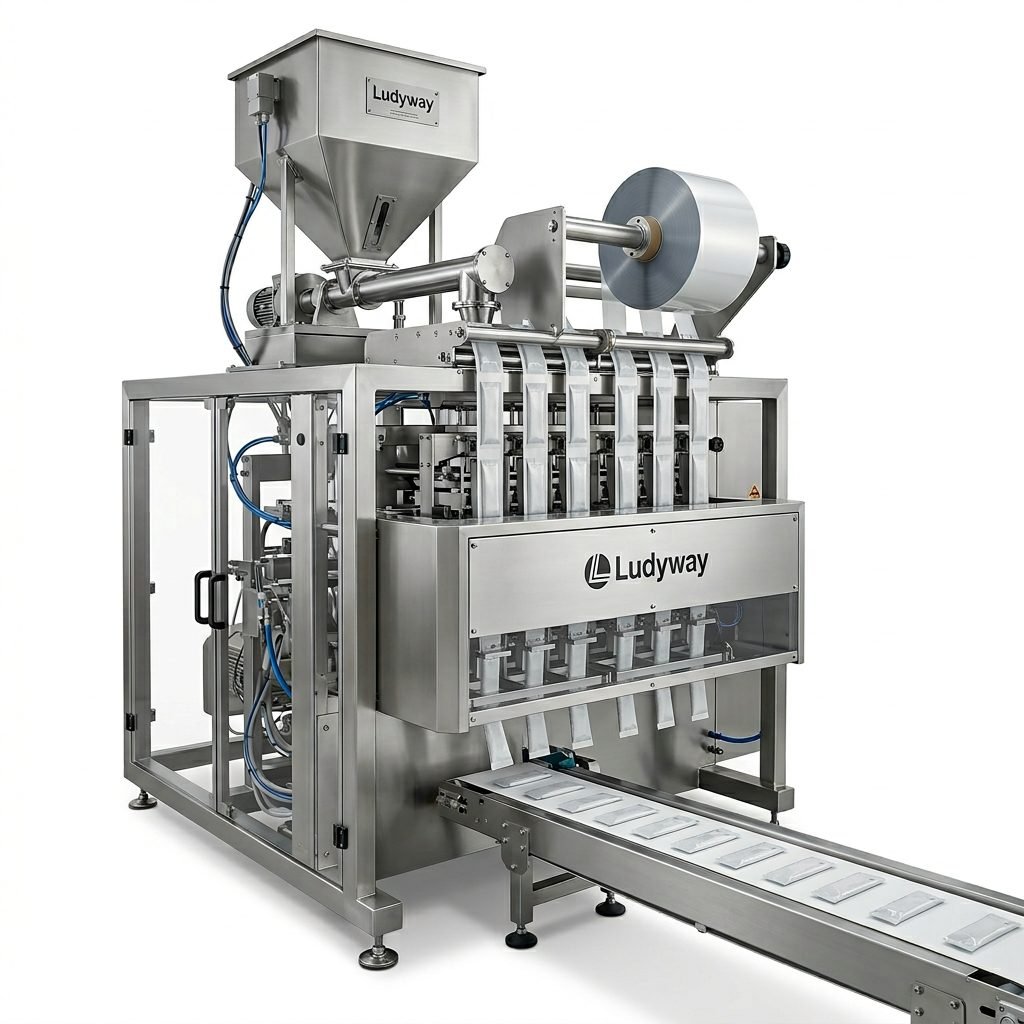
Multi-Lane Sachet and Stick Pack Machines
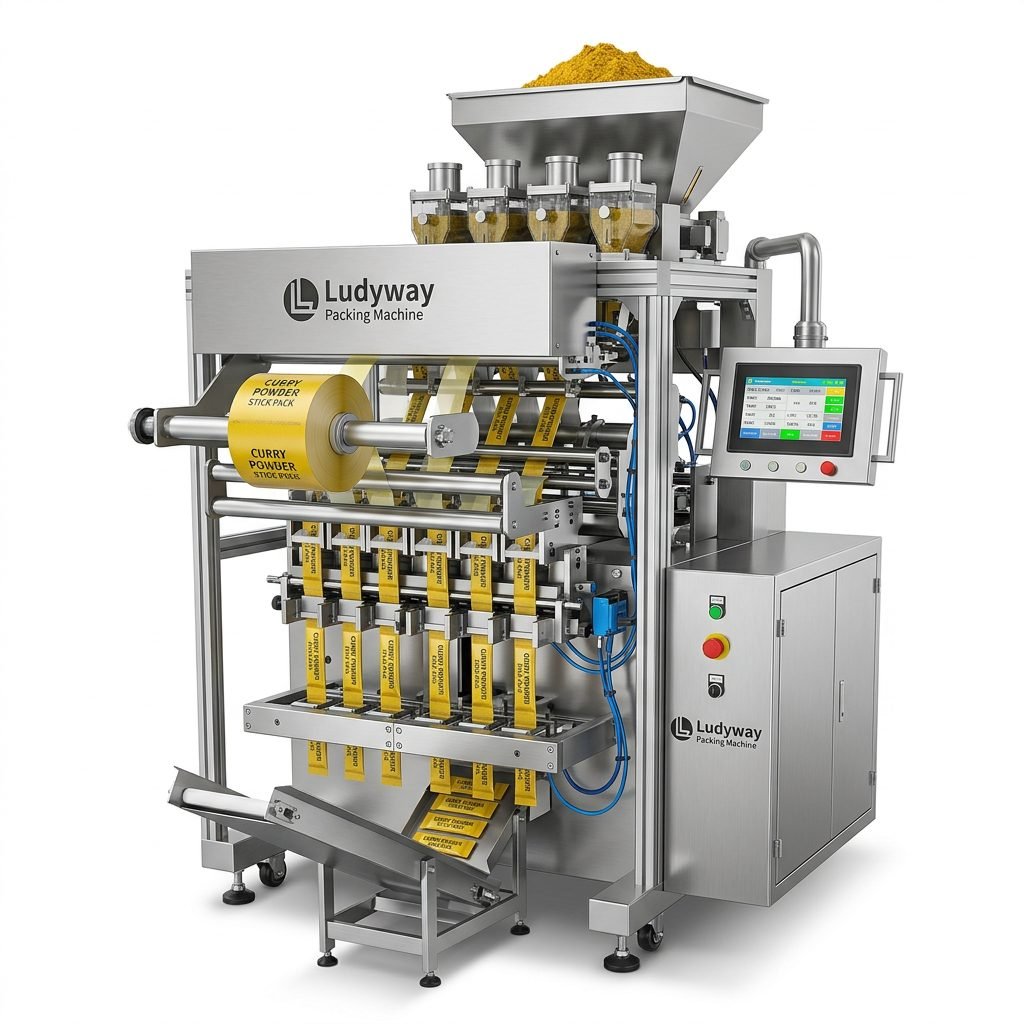
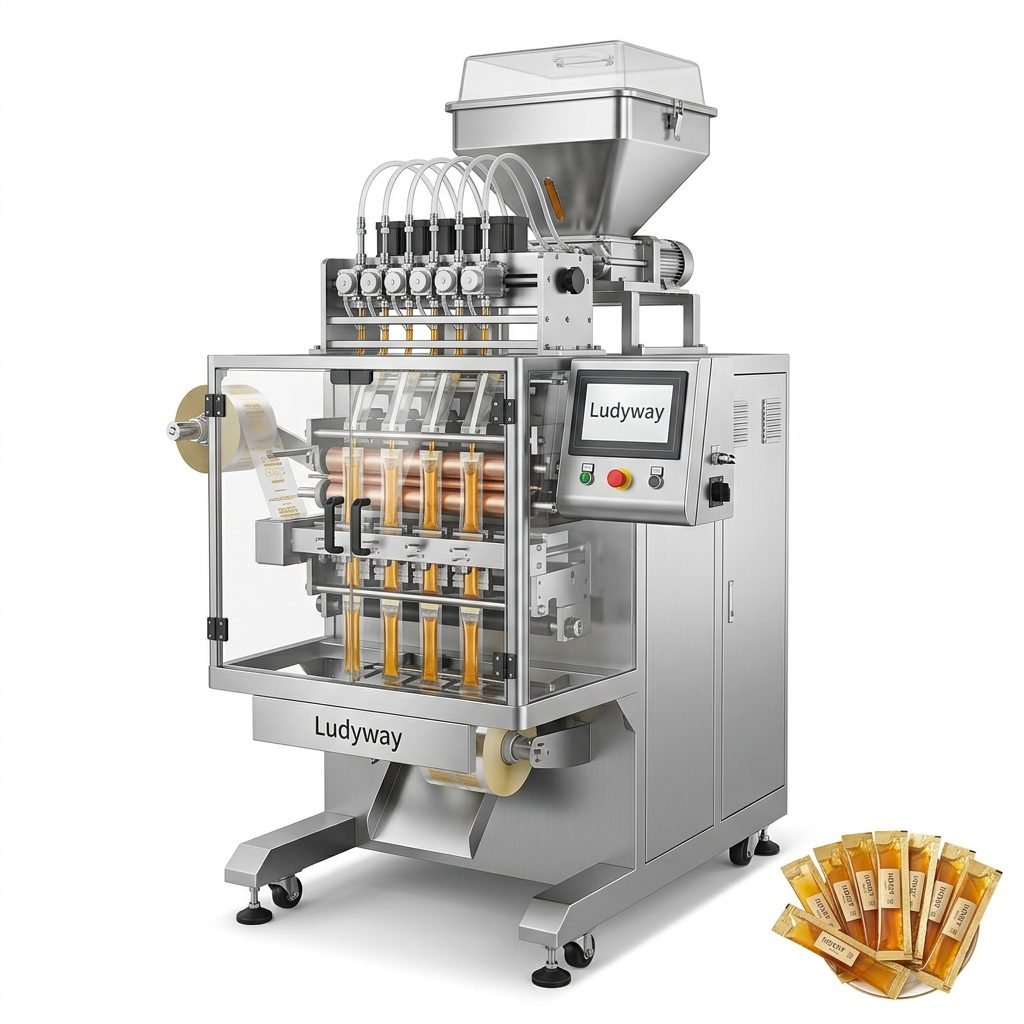
Ideal for single-serve products such as coffee, sugar, drink mix, condiments, and health supplements. Multi-lane systems help maximize output in a compact footprint.
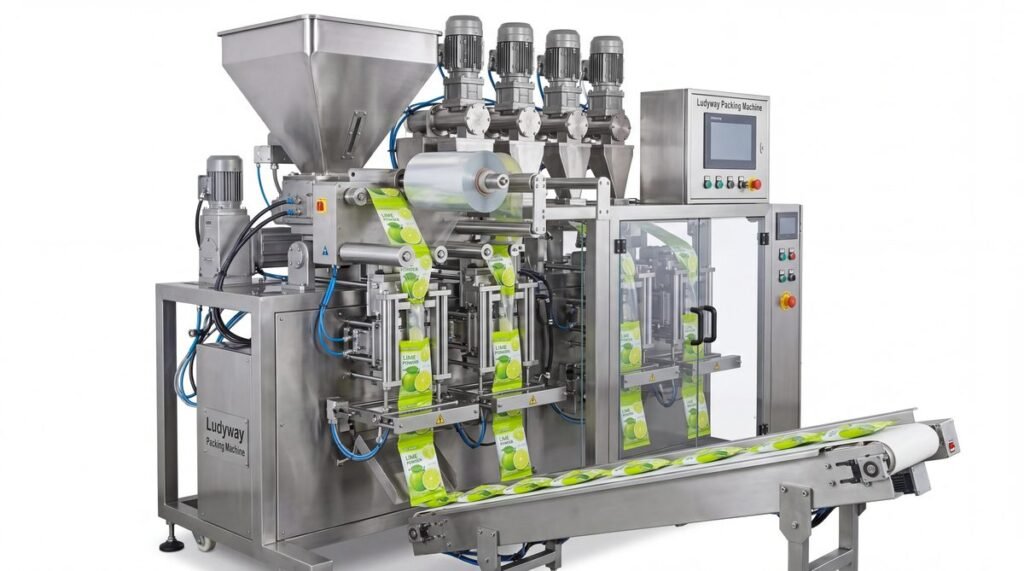
Premade Pouch Packaging Machines
Used for stand-up pouches, zipper pouches, and premium retail formats. Suitable for snacks, nuts, frozen foods, spices, and ready-to-eat products.
Liquid Filling and Sealing Systems
Designed for oils, sauces, dressings, syrups, and other free-flowing or semi-viscous food products.
Cartoning and Case Packing Machines
These automate secondary packaging, making retail-ready units and shipping cases more uniform and efficient.
Who Needs a Food Packaging Automation Solution?
Automation is not only for large multinational food brands. It is increasingly valuable for growing manufacturers that need better production stability and lower unit cost.
- Startups preparing for retail expansion
- Mid-sized food companies facing labor constraints
- Co-packers handling multiple product formats
- Export-oriented manufacturers needing reliable packaging quality
- Brands launching single-serve, convenience, or premium packaging
- Factories upgrading from semi-automatic to full-line production
Signs Your Factory Is Ready for Automation
If any of the following issues sound familiar, your packaging process may already be limiting growth:
- Production cannot keep up with customer demand
- Manual filling causes weight variation or rework
- Labor costs continue to rise
- Frequent packaging errors affect product quality
- Too much downtime happens during changeovers
- Traceability and compliance requirements are increasing
- Finished packs look inconsistent on retail shelves
Automation becomes most valuable when packaging is no longer just an end step, but a strategic part of production efficiency.
How to Choose the Right Automation Solution
There is no single machine that fits every food business. The best solution starts with a detailed understanding of both the product and the production target.
| Selection Factor | Questions to Ask |
|---|---|
| Product Type | Is it powder, granule, liquid, paste, or irregular solid? |
| Package Format | Do you need sachets, stick packs, pouches, bags, bottles, or jars? |
| Output Requirement | How many packs per minute or per shift are required? |
| Accuracy Standard | How tight are filling tolerances and compliance needs? |
| Plant Layout | How much space is available for current and future expansion? |
| Cleaning Needs | Do you require hygienic design, easy washdown, or fast cleaning changeovers? |
| Integration Scope | Do you need a standalone machine or a full turnkey line? |
The Role of Turnkey Packaging Lines
Many manufacturers now prefer turnkey solutions because they reduce the risk of buying separate machines that do not integrate smoothly. A turnkey line is planned as one system, which usually improves commissioning speed, data consistency, and after-sales support.
This is especially useful when a factory needs coordinated equipment such as feeders, fillers, sealing machines, coding units, checkweighers, conveyors, cartoners, and palletizers working together from day one.
For companies looking for integrated food packaging automation solutions from Ludyway, turnkey line planning can help align machine selection with product format, production goals, and future scaling needs.
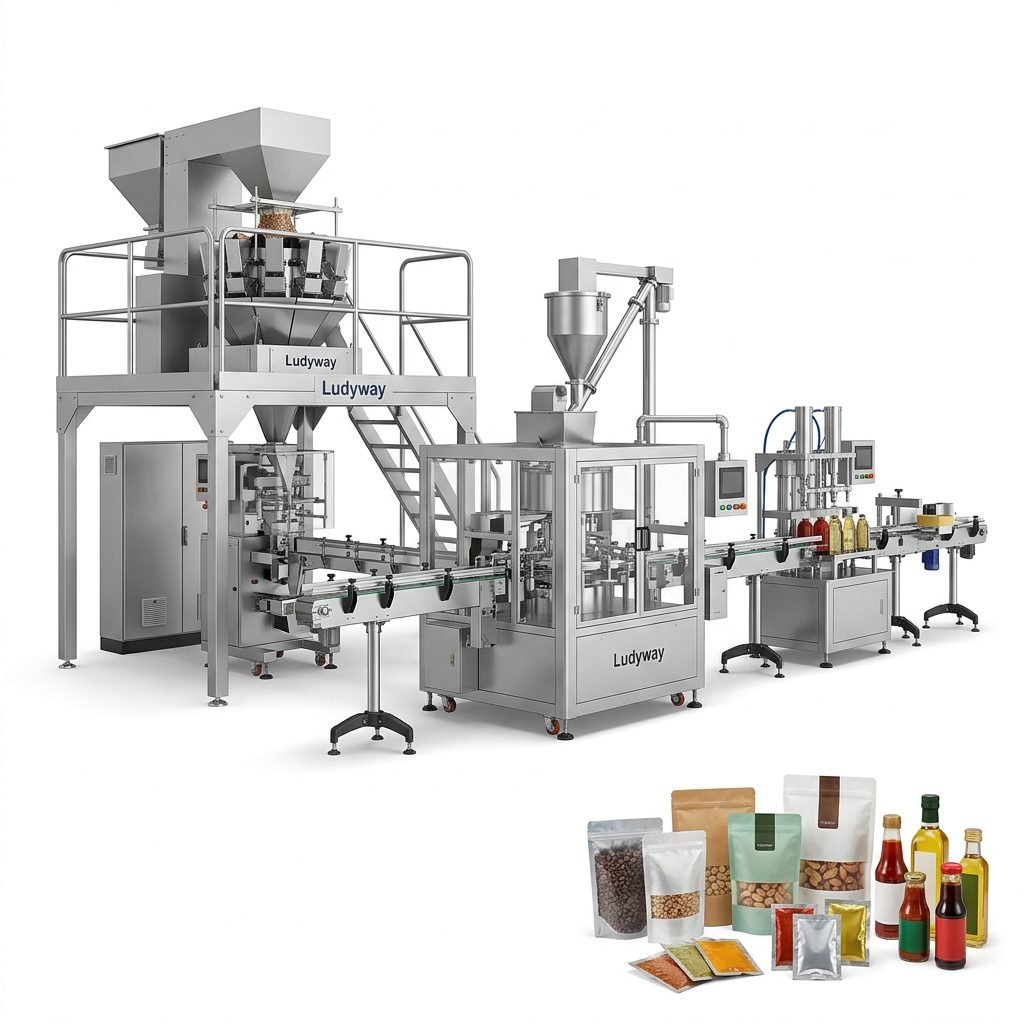
Challenges to Consider Before Investing
Automation brings major benefits, but successful implementation requires planning. Common challenges include:
- Upfront equipment investment
- Operator training needs
- Machine compatibility with existing lines
- Packaging material consistency
- Changeover complexity for many SKUs
- Maintenance planning and spare parts management
The good news is that these challenges can usually be reduced by choosing modular equipment, clear user interfaces, strong technical support, and a supplier with real industry application experience.
Future Trends in Food Packaging Automation
Food packaging automation continues to evolve quickly. Buyers increasingly look for systems that deliver not only output, but also digital visibility and flexibility.
Smart Monitoring
More lines now track performance data in real time, making it easier to identify downtime causes and improve OEE.
Flexible Format Handling
As brands launch more SKUs, machines are being designed for faster changeovers and broader packaging compatibility.
Improved Hygiene Design
Food processors increasingly prefer equipment that simplifies cleaning and helps support stricter food safety protocols.
Integrated Inspection
Vision systems, metal detection, and reject devices are becoming a standard part of modern packaging lines.
Sustainable Packaging Compatibility
Automation suppliers are adapting machines to work with recyclable films, lightweight materials, and reduced-waste formats.
Final Buying Perspective
A food packaging automation solution is more than a machine purchase. It is a production strategy that connects packaging speed, quality, labor efficiency, and product consistency into one system. Whether you package powders, granules, liquids, or ready-to-eat foods, the right automation setup can transform packaging from a bottleneck into a growth driver.
If your goal is to reduce manual work, improve packaging quality, and build a line that can grow with demand, investing in a well-matched automated solution is often the most practical next step.