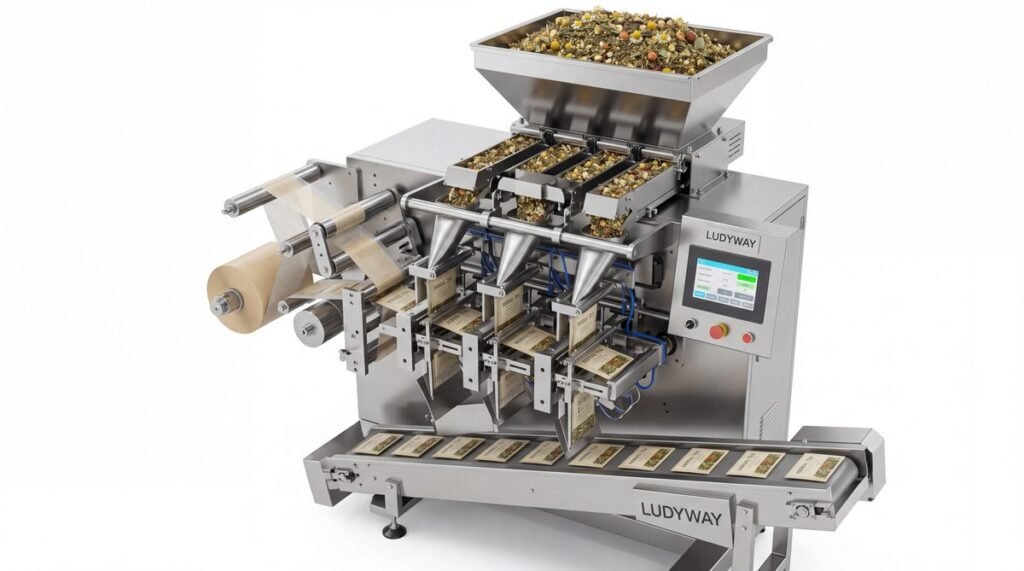
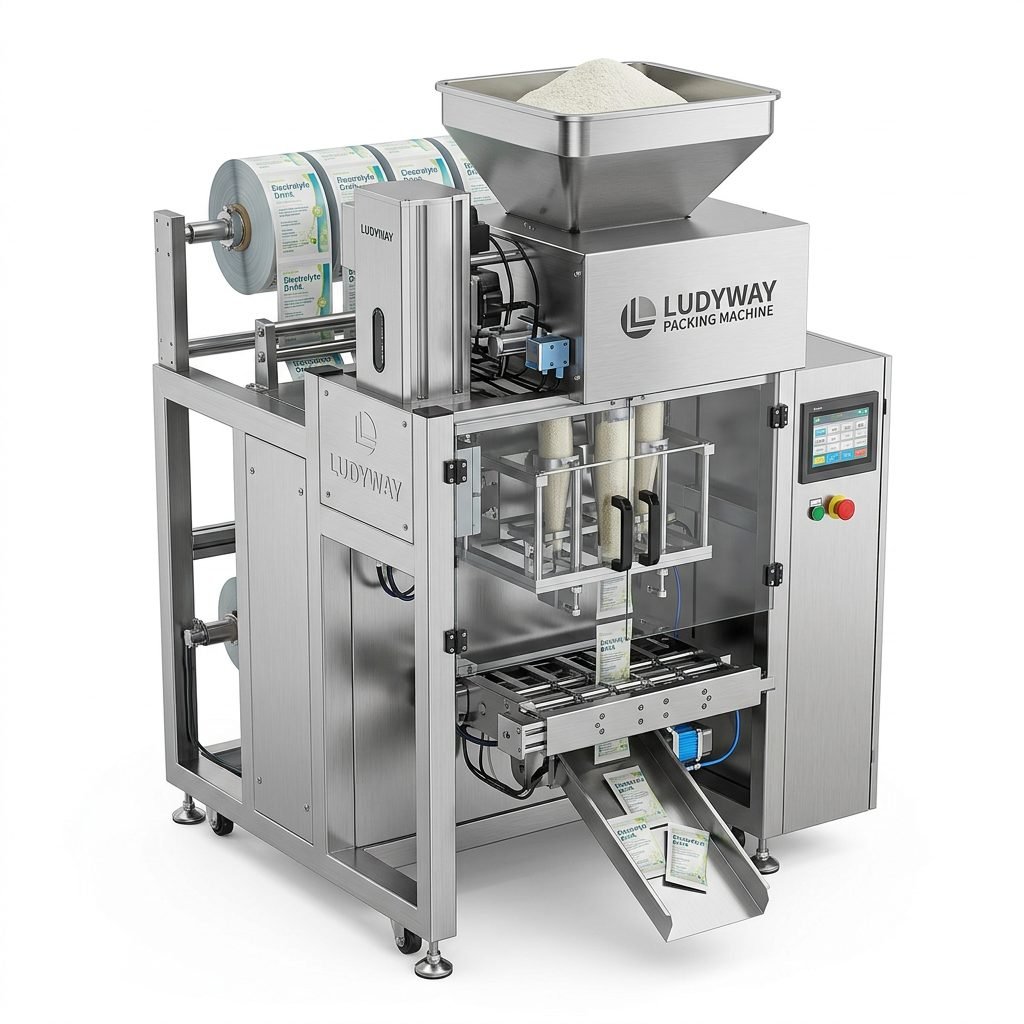
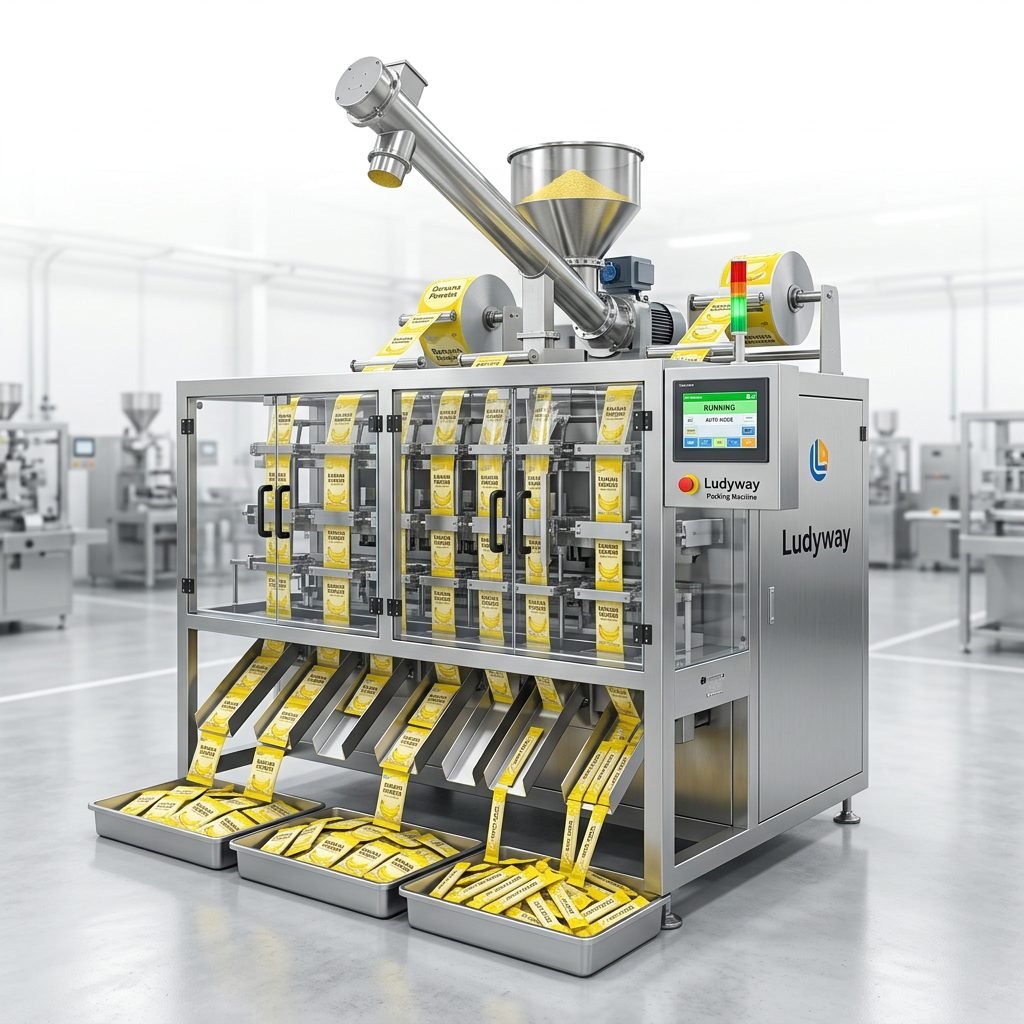
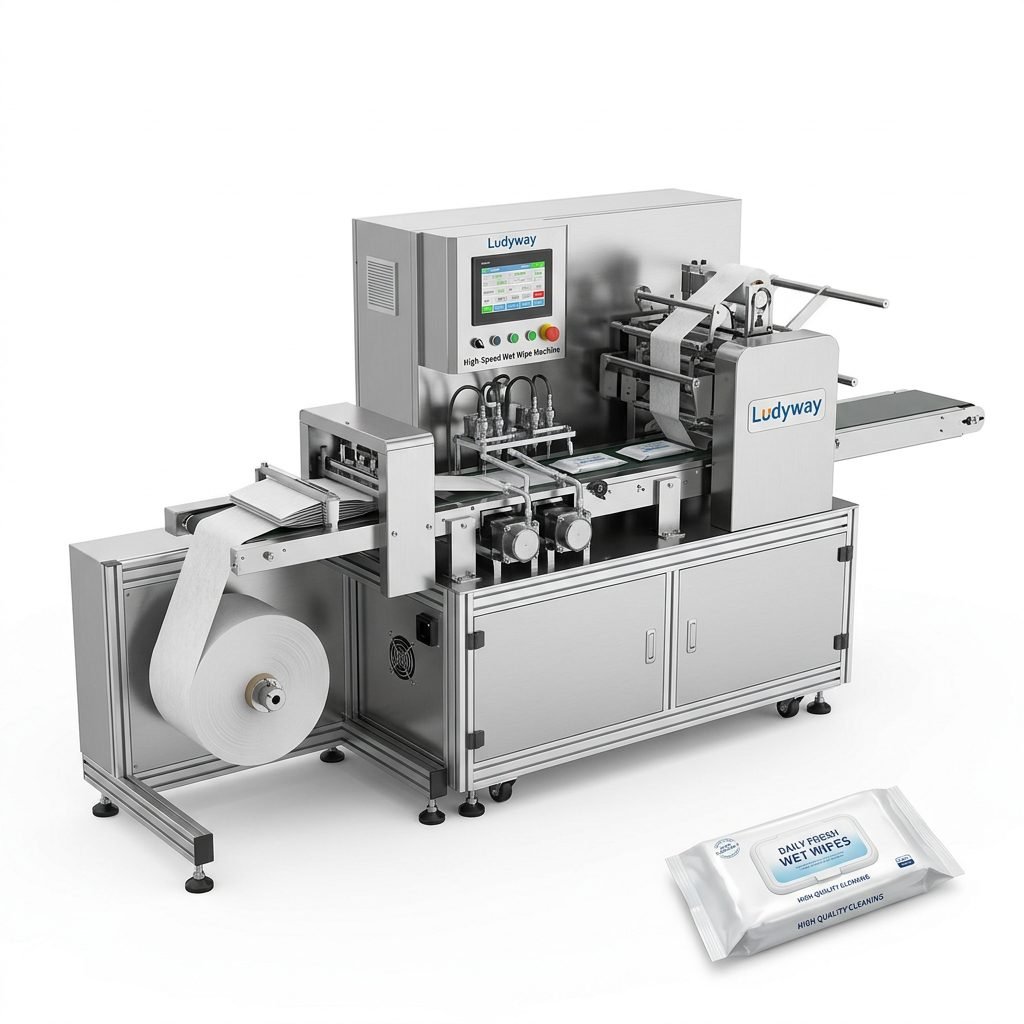
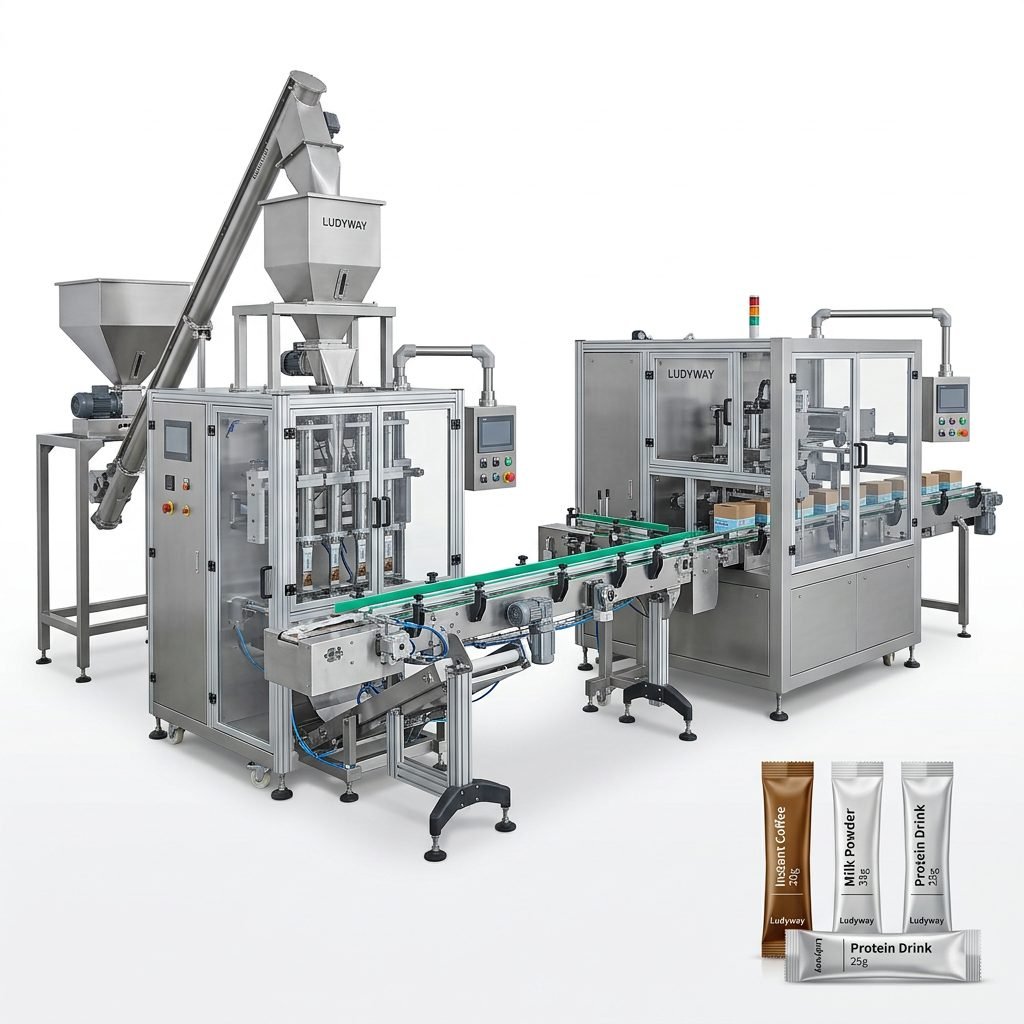
In today’s fast-paced e-commerce and manufacturing landscape, efficient order fulfillment is not just an operational goal—it’s a critical competitive advantage. The right distribution packaging equipment can transform your logistics workflow, directly impacting your bottom line by streamlining processes and significantly reducing shipping costs. This article explores top-tier packaging solutions designed to optimize your distribution center’s performance.
The Critical Role of Packaging in Modern Distribution
Packaging serves as the final touchpoint between your product and your customer, but its importance begins much earlier in the supply chain. Effective distribution packaging protects products during transit, minimizes dimensional weight charges, and accelerates packing speeds. When you implement streamlined packaging solutions, you create a ripple effect of efficiency that touches every aspect of order fulfillment.
Key Benefits of Optimized Packaging Equipment:
✔ Reduced Material Costs: Automated systems precisely measure and dispense packaging materials, eliminating waste from manual overuse.
✔ Lower Shipping Expenses: Right-sized packaging minimizes dimensional weight, a major factor in carrier pricing models.
✔ Increased Throughput: High-speed automated packers can process hundreds more orders per hour compared to manual methods.
✔ Enhanced Product Protection: Consistent, secure packaging reduces in-transit damage and associated returns.
✔ Improved Labor Efficiency: Automation allows staff to focus on higher-value tasks rather than repetitive packing.
Automated Carton Erection and Sealing Systems
For operations shipping boxed goods, automated carton systems represent a fundamental leap forward. These machines take flat corrugated blanks, form them into boxes, apply bottom seals, and route them to packing stations—all without manual intervention. Advanced models can even select from multiple box sizes on the fly based on product dimensions transmitted from your WMS (Warehouse Management System), ensuring perfect fit every time. This eliminates void fill waste and optimizes every cubic inch of shipping space.
Integration with Weighing and Dimensioning
The most sophisticated systems integrate with in-line cubing and weighing systems. As a carton travels down the line, sensors capture its exact dimensions and weight. This data is instantly communicated to both the packaging equipment for material adjustment and to your shipping software for accurate carrier rate shopping. This real-time data flow prevents costly shipping discrepancies and audits.
Advanced Polybagging and Mailer Solutions
For apparel, soft goods, and non-fragile items, polybagging automation offers remarkable efficiency gains. Modern polybag machines create bags on-demand from roll stock, insert products automatically, and apply seals or labels at speeds exceeding 60 bags per minute. The latest generation of equipment goes further, incorporating sustainable material options like recycled content or compostable films, addressing both economic and environmental concerns.
Case Study: E-commerce Fashion Retailer
A mid-sized online apparel retailer implemented an automated polybagging line. The results within six months were substantial: a 28% reduction in packaging material costs due to precise size matching, a 22% decrease in shipping costs from lower package weights, and the ability to handle a 40% increase in peak season order volume without adding temporary labor. The system’s quick changeover capabilities also allowed them to use branded bags for premium lines and plain bags for standard items, enhancing brand presentation where it mattered most.
On-Demand Cushioning and Void Fill Systems
Air pillow and paper cushioning systems have revolutionized protective packaging. Instead of storing bulky pre-made foam or loose fill, these machines create cushioning material instantly from compact rolls of film or paper. The advantages are multifold: massive savings on storage space, elimination of pre-made inventory costs, and the ability to generate the exact amount of material needed for each unique product. This precision directly translates to lower package weight and reduced material expense.
Choosing Between Air and Paper
The choice between air pillow systems and paper cushioning often comes down to product profile and sustainability goals. Air pillows offer superior space savings (both in storage and within the box) and are excellent for lightweight items. Paper cushioning, often made from recycled content, provides a more premium, eco-friendly presentation and better protection for heavier items. Some facilities benefit from having both systems available for different product lines.
Automated Taping and Labeling Solutions
Sealing and labeling might seem like simple final steps, but automating them yields significant time savings and consistency benefits. Automatic taping machines can apply case seals in precise patterns with consistent tension, improving security while using less tape than manual methods. Similarly, automated print-and-apply label systems ensure shipping labels, packing slips, and promotional materials are positioned correctly every time, eliminating mis-ships and carrier delays caused by unscannable labels.
These systems often integrate directly with your order management system, pulling shipping information and printing compliant labels for multiple carriers without operator input. This integration is crucial for high-volume shippers who need to optimize costs across different carrier services based on destination, speed, and price.
Smart Integration: The Power of Connected Packaging Lines
The true potential of distribution packaging equipment is unlocked through integration. A connected packaging line where carton erectors, baggers, cushioning systems, and sealers communicate with your WMS and OMS (Order Management System) creates a seamless flow. Orders are packed in the most efficient sequence, with the optimal box size and minimal protective material selected automatically. This systems approach transforms packaging from a cost center into a strategic asset for customer satisfaction and profitability.
Implementation Strategy
Successfully deploying new packaging technology requires careful planning. Start with a thorough audit of your current packaging process, material costs, and shipping data. Identify the biggest pain points—whether it’s slow throughput, high damage rates, or excessive material waste. Pilot new equipment with a specific product category or shift before full rollout. Ensure your team receives comprehensive training, not just on operation, but on the maintenance and minor adjustments that keep equipment running at peak efficiency. Partnering with an experienced provider like Ludyway Machinery, which brings over a decade of industry expertise, can provide valuable guidance through this transition.
Conclusion: Building a Future-Proof Packaging Operation
Investing in modern distribution packaging equipment is an investment in scalability, resilience, and customer satisfaction. The solutions outlined here—from automated cartoning to smart cushioning systems—provide a clear path to reducing operational friction and controlling one of logistics’ most variable costs: shipping. By streamlining your order fulfillment process with the right technology, you build a foundation that can handle growth, adapt to market changes, and consistently deliver your products to customers efficiently and intact.
Frequently Asked Questions (FAQs)
What is the typical ROI timeframe for automated packaging equipment?
Return on investment varies based on volume, current manual costs, and equipment complexity. Many operations see a payback period of 12-24 months through combined savings on labor, materials, and shipping costs, along with increased throughput.
Can automated systems handle a wide variety of product sizes and shapes?
Yes. Modern flexible automation is designed for mix-SKU environments. Many systems feature quick-change tooling, adjustable guides, and intelligent vision systems that can identify product orientation and select the appropriate packaging process.
How do I choose between different types of protective void fill (air vs. paper)?
The choice depends on your product profile, sustainability commitments, and customer perception. Air pillows are highly efficient for light-to-medium weight items. Paper cushioning offers a premium, eco-friendly look and is excellent for heavier products. A packaging audit can determine the best fit for your specific items.
Is it difficult to integrate new packaging machines with our existing Warehouse Management System (WMS)?
Reputable equipment providers offer machines with standard communication protocols (APIs, EDI) designed for integration. The key is involving both your IT team and the equipment vendor early in the planning process to ensure seamless data flow for dimensions, weights, and shipping instructions.
We have seasonal peaks. Is automated packaging flexible enough for fluctuating volumes?
Absolutely. Automation actually provides greater flexibility during peaks. Systems can run at higher sustained speeds than manual labor, and many can be scaled modularly. You can also utilize features like “batch mode” for efficient small runs during off-peak times and full-speed operation during high volume periods.