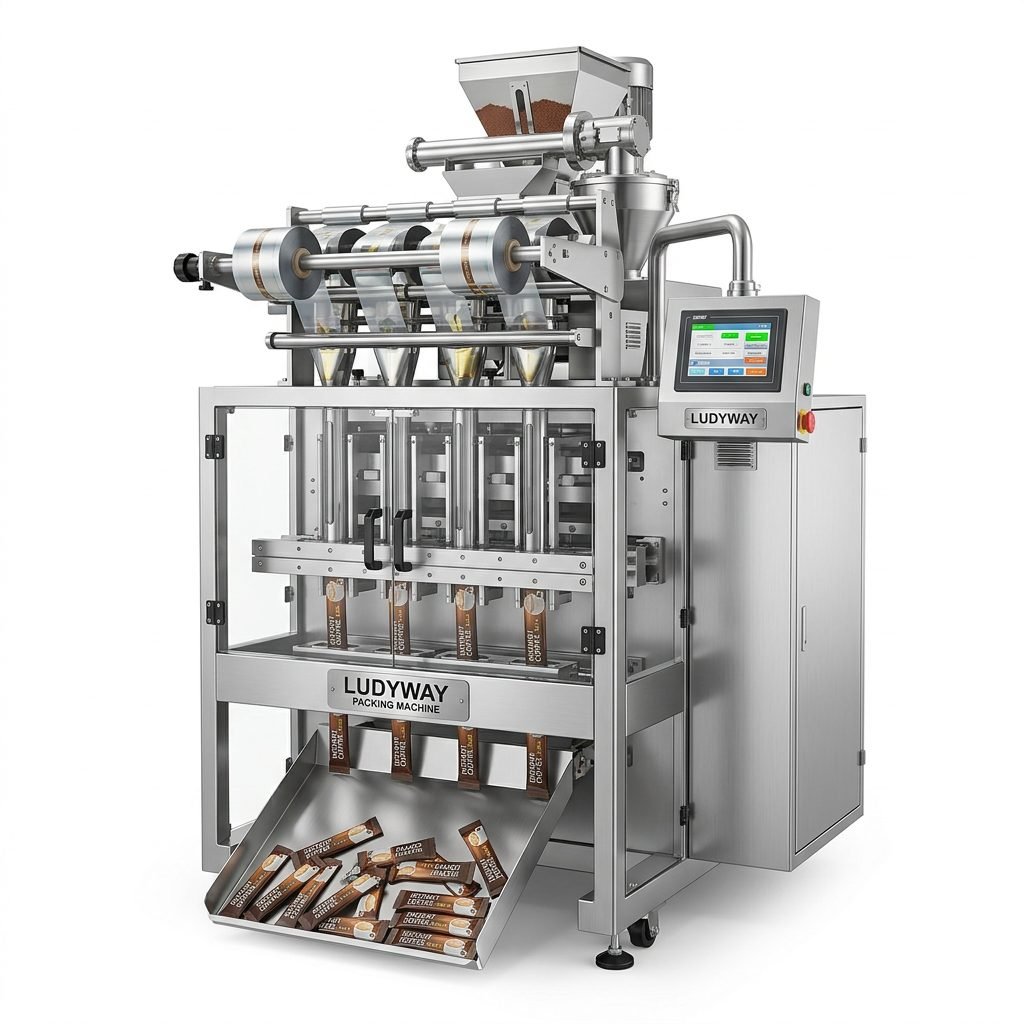
Selecting the right vitamin packaging machine is one of the most critical decisions for manufacturers in the nutraceutical, pharmaceutical, and health supplement industries. The wrong choice can lead to production bottlenecks, inconsistent fill weights, material waste, and regulatory compliance issues. This comprehensive guide walks you through every factor you need to evaluate before making your investment.
Understanding Your Vitamin Product Characteristics
Before comparing machine specifications, you must first understand your product’s physical properties. Vitamins come in various forms, and each requires different handling approaches during the packaging process.
- Powders – Fine or granular, often prone to dusting and require precise dosing accuracy
- Tablets and capsules – Require gentle handling to prevent breakage and consistent counting mechanisms
- Gummies and softgels – Sticky surfaces may need specialized feeding systems and anti-adhesion measures
- Liquids and gels – Demand leak-proof sealing and precise volumetric filling
- Effervescent tablets – Highly moisture-sensitive and require hermetic sealing with desiccant integration
Product density, flowability, and particle size distribution directly influence which filling technology will work best for your operation. Understanding these characteristics is also essential for meeting FDA packaging regulations and international compliance requirements.
Types of Vitamin Packaging Machines
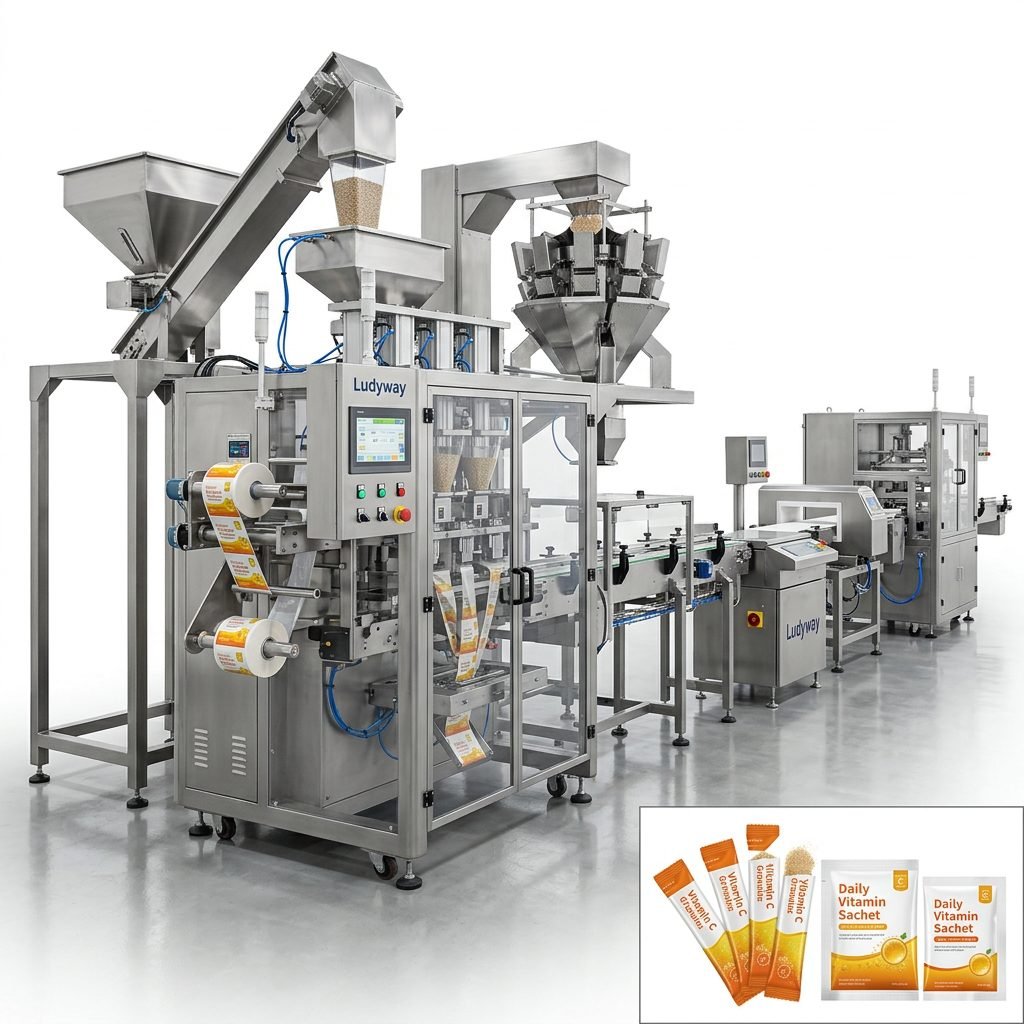
The packaging format you choose directly affects consumer convenience, shelf appeal, and production efficiency. Each machine type serves specific market segments and packaging requirements.
Stick Pack Machines
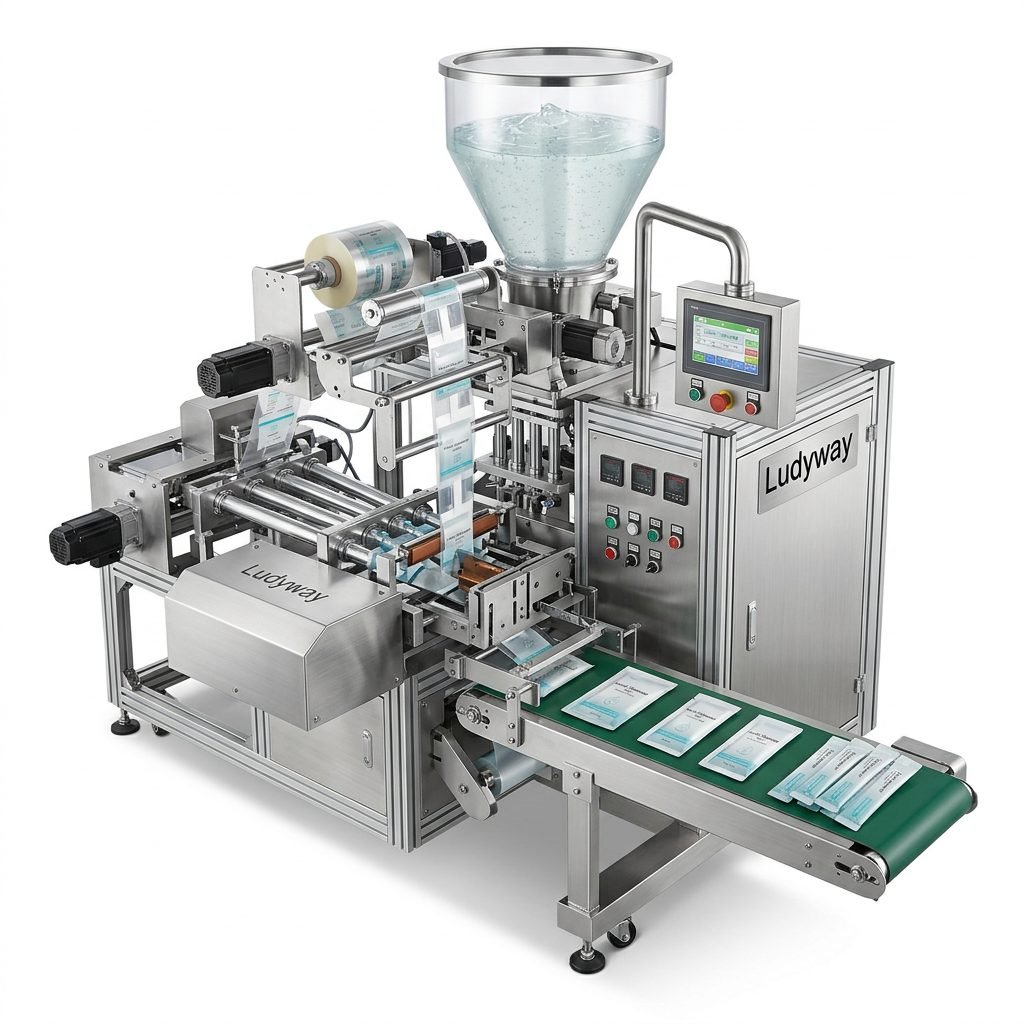
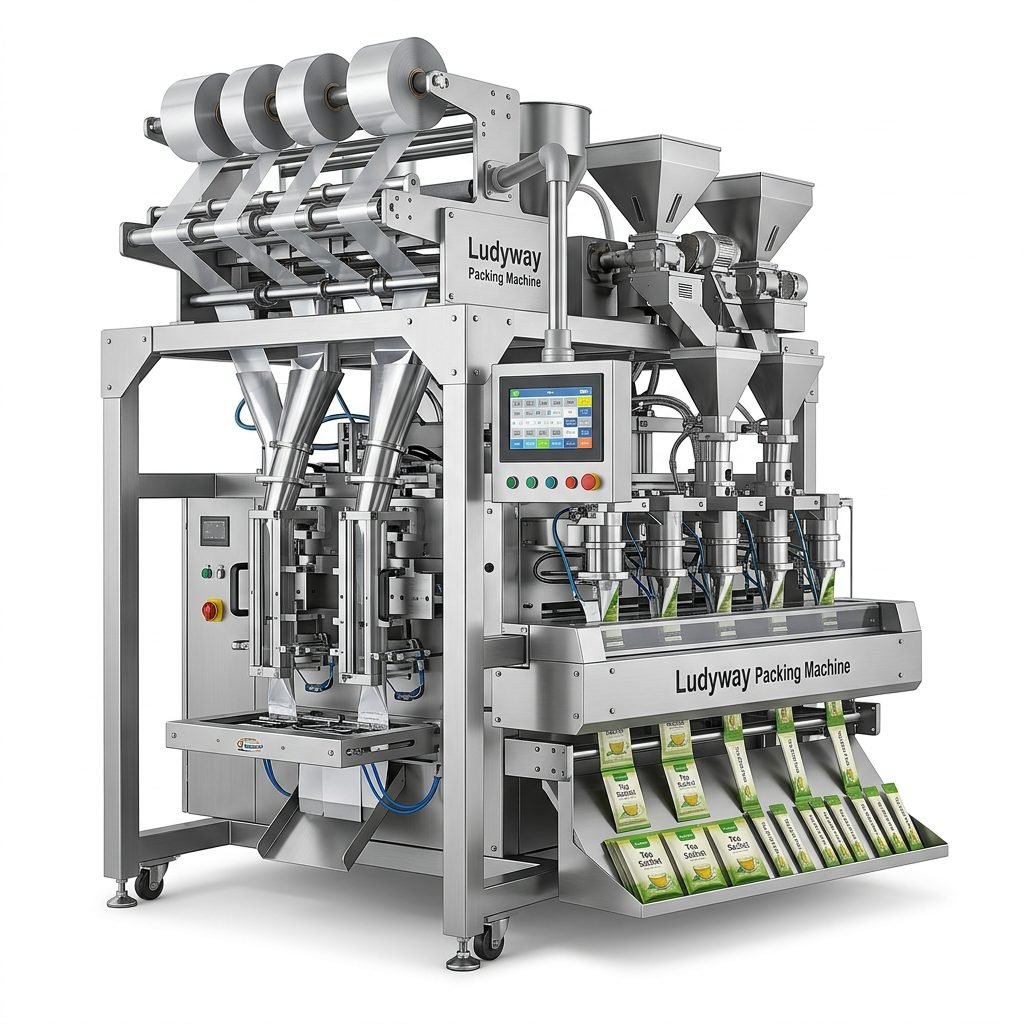
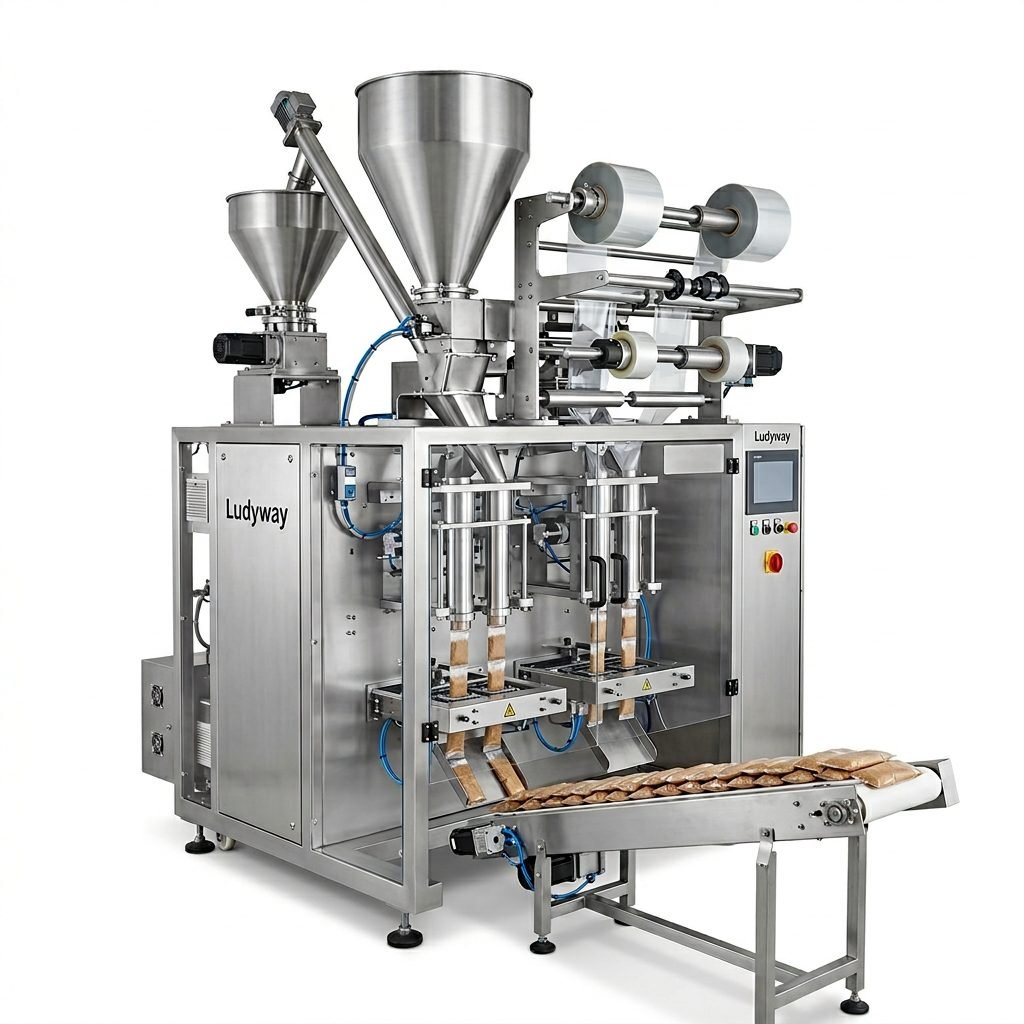
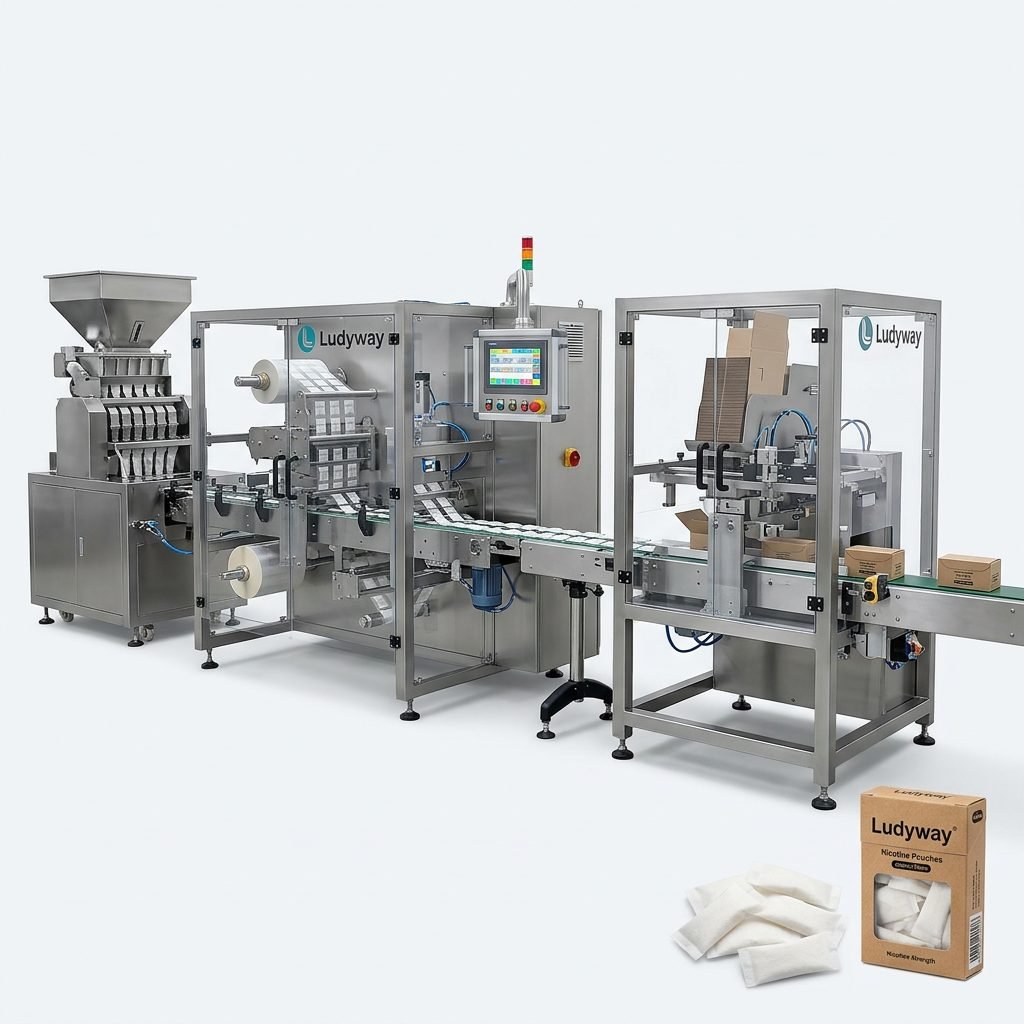
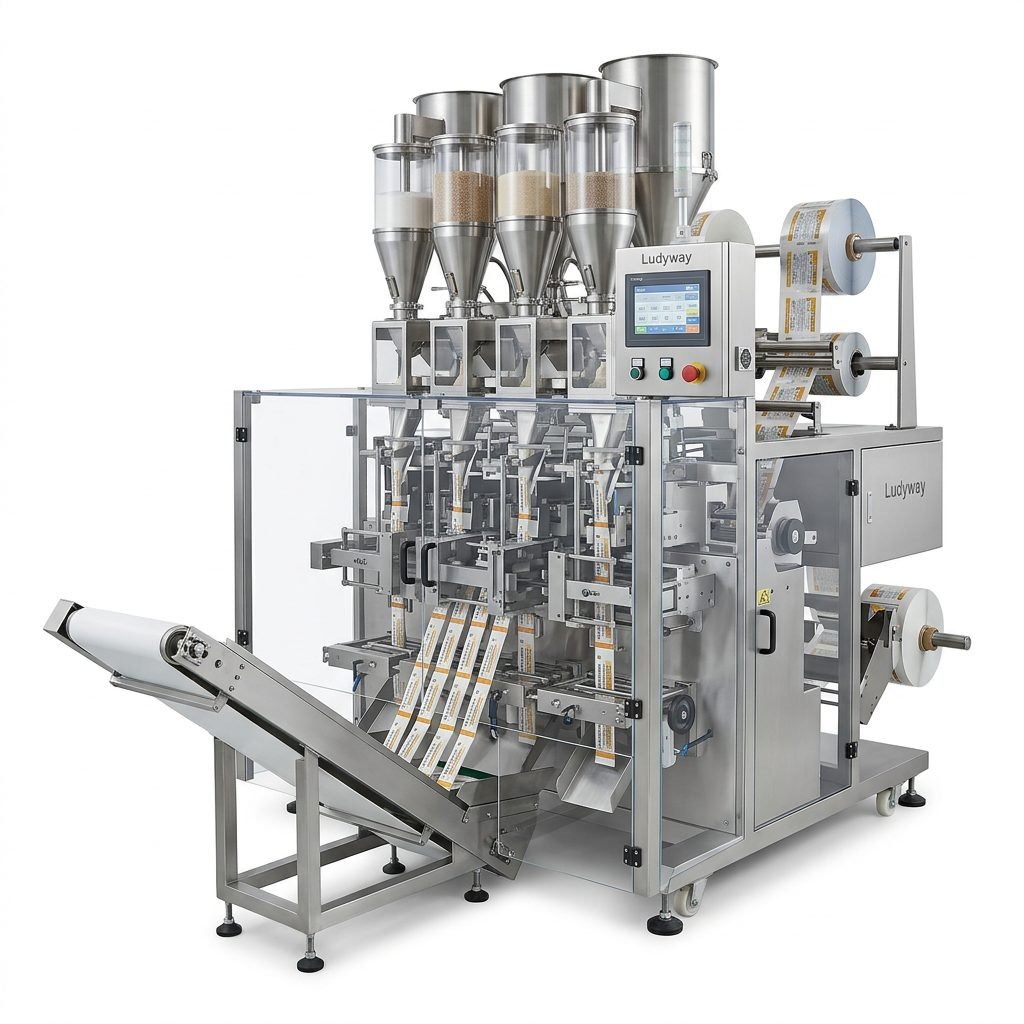
Stick packs have become increasingly popular for single-dose vitamin powders, energy supplements, and on-the-go nutraceutical products. These machines produce narrow, elongated sachets that are easy to tear open and consume directly. Multi-lane stick pack machines can produce dozens of lanes simultaneously, dramatically increasing output for high-volume manufacturers. According to PMMI business intelligence data, stick pack formats continue to gain market share in the supplement sector due to portability and portion control advantages.
Sachet and Pouch Packaging Machines
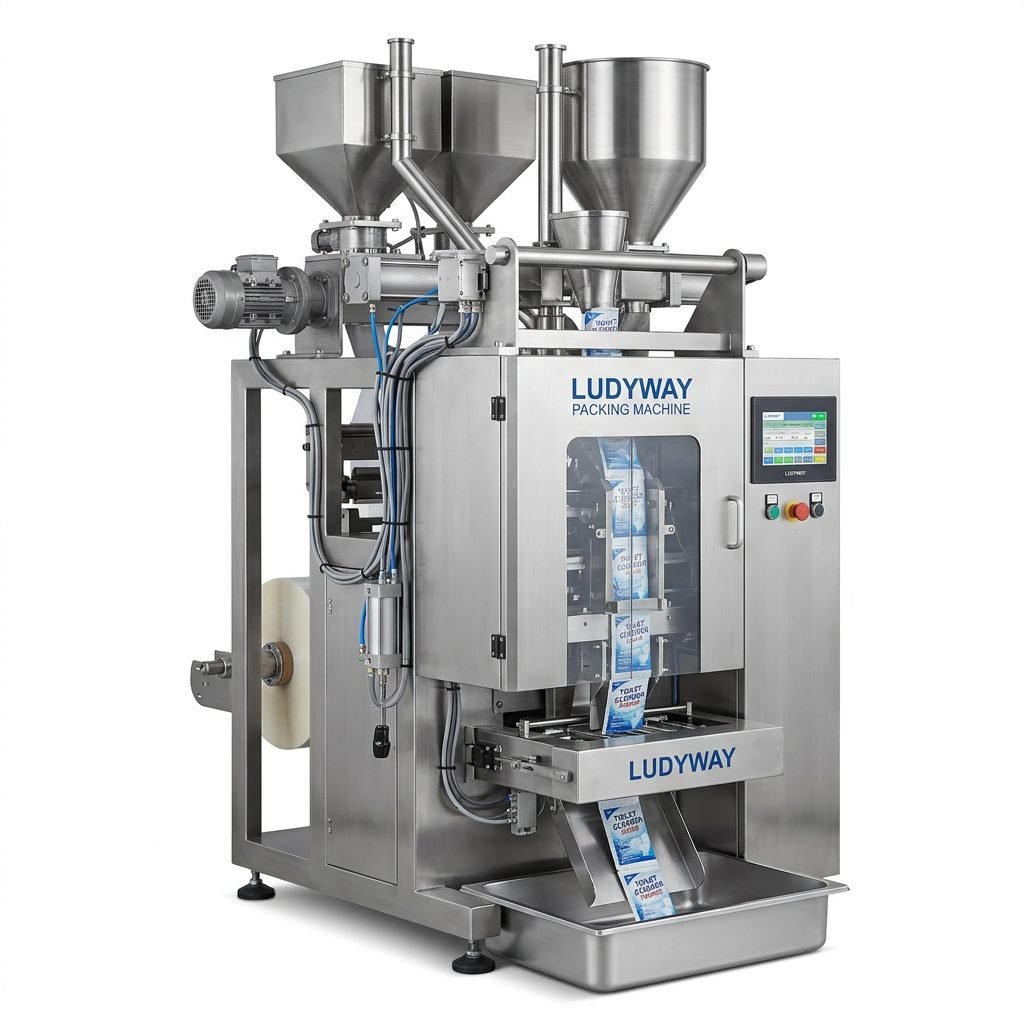
Sachet machines handle larger fill volumes compared to stick packs and are ideal for vitamin powders, meal replacement supplements, and combination products. Modern sachet machines offer flexible format changes and can accommodate various film materials including foil laminates, which provide excellent moisture and oxygen barrier properties critical for vitamin stability.
Bottle Filling and Capping Lines
For tablet and capsule vitamins, bottle filling lines integrate counting, filling, capping, induction sealing, and labeling into a single automated system. These lines are essential for manufacturers producing traditional supplement bottles and require careful consideration of ISO packaging standards for pharmaceutical-grade operations.
Key Selection Criteria at a Glance
| Selection Factor | What to Evaluate | Impact on Operations |
|---|---|---|
| Filling Accuracy | Precision of dosing system, consistency across lanes | Product giveaway reduction, regulatory compliance |
| Production Speed | Pouches per minute, lanes, cycle rate | Overall throughput, labor requirements |
| Format Flexibility | Changeover time, bag size range, material compatibility | SKU management, future product expansion |
| Hygiene Design | Clean-in-place capability, material certification | GMP compliance, contamination prevention |
| Automation Level | Manual, semi-auto, or fully automatic integration | Labor cost, consistency, scalability |
| After-Sales Support | Training, spare parts availability, remote assistance | Downtime minimization, long-term reliability |
Production Capacity and Speed Requirements
Your current and projected production volumes should drive machine selection. A machine that is too slow creates bottlenecks, while an oversized machine wastes capital and floor space. Consider these questions:
- What is your current daily output in units or kilograms?
- What are your growth projections for the next three to five years?
- Do you need single-shift or multi-shift operation capability?
- What is your target overall equipment effectiveness (OEE)?
Multi-lane machines can dramatically increase output without proportionally increasing floor space. A 10-lane stick pack machine, for example, can produce up to 600-800 packs per minute depending on fill volume and film characteristics. For insights into industry production benchmarks, refer to the 2025 State of the Industry report from PMMI.
Automation Level and Integration Capabilities
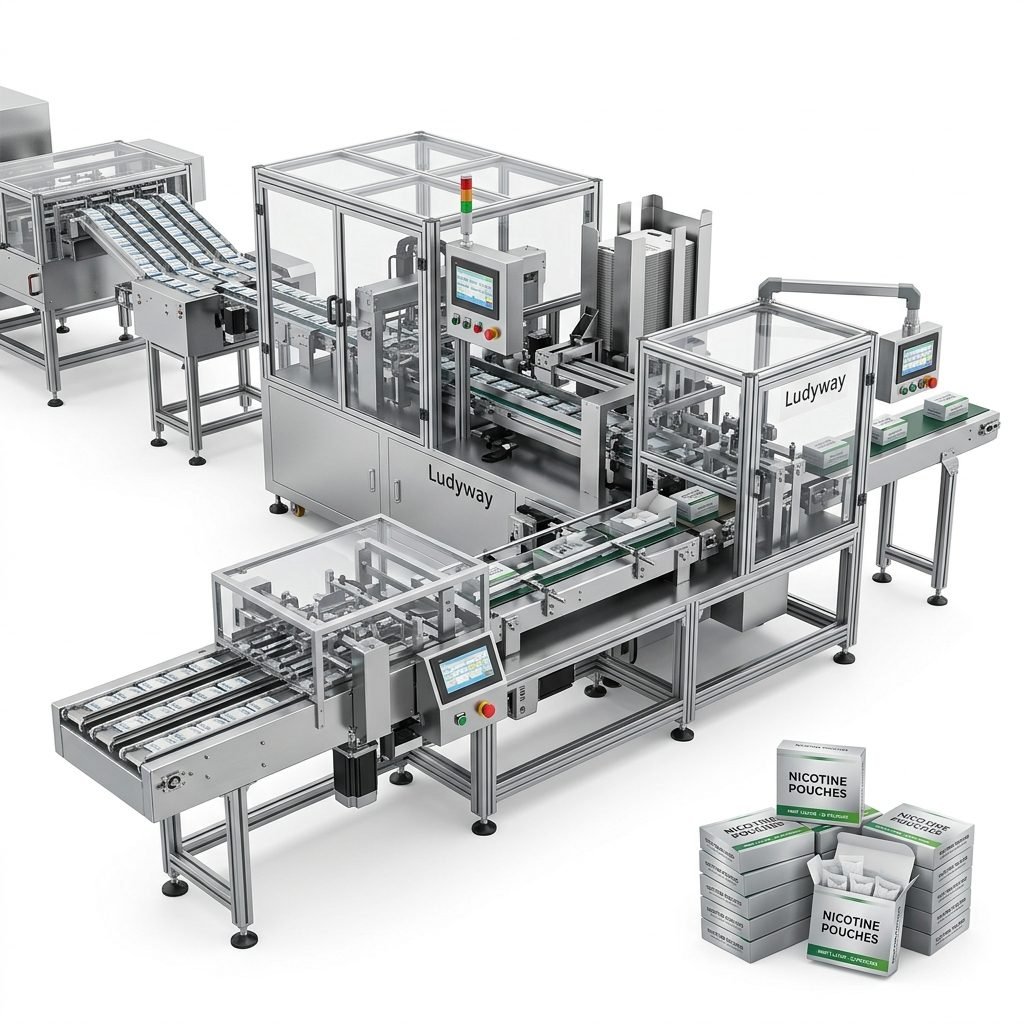
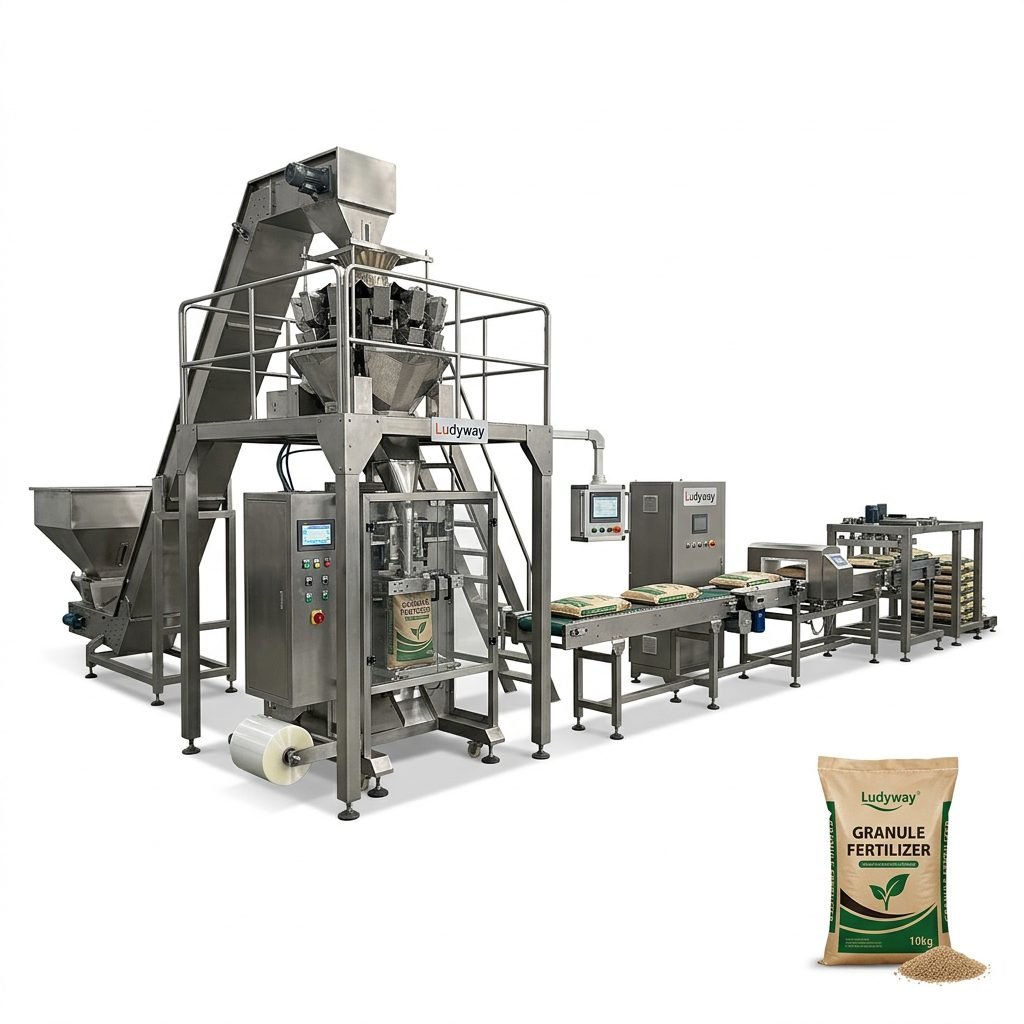
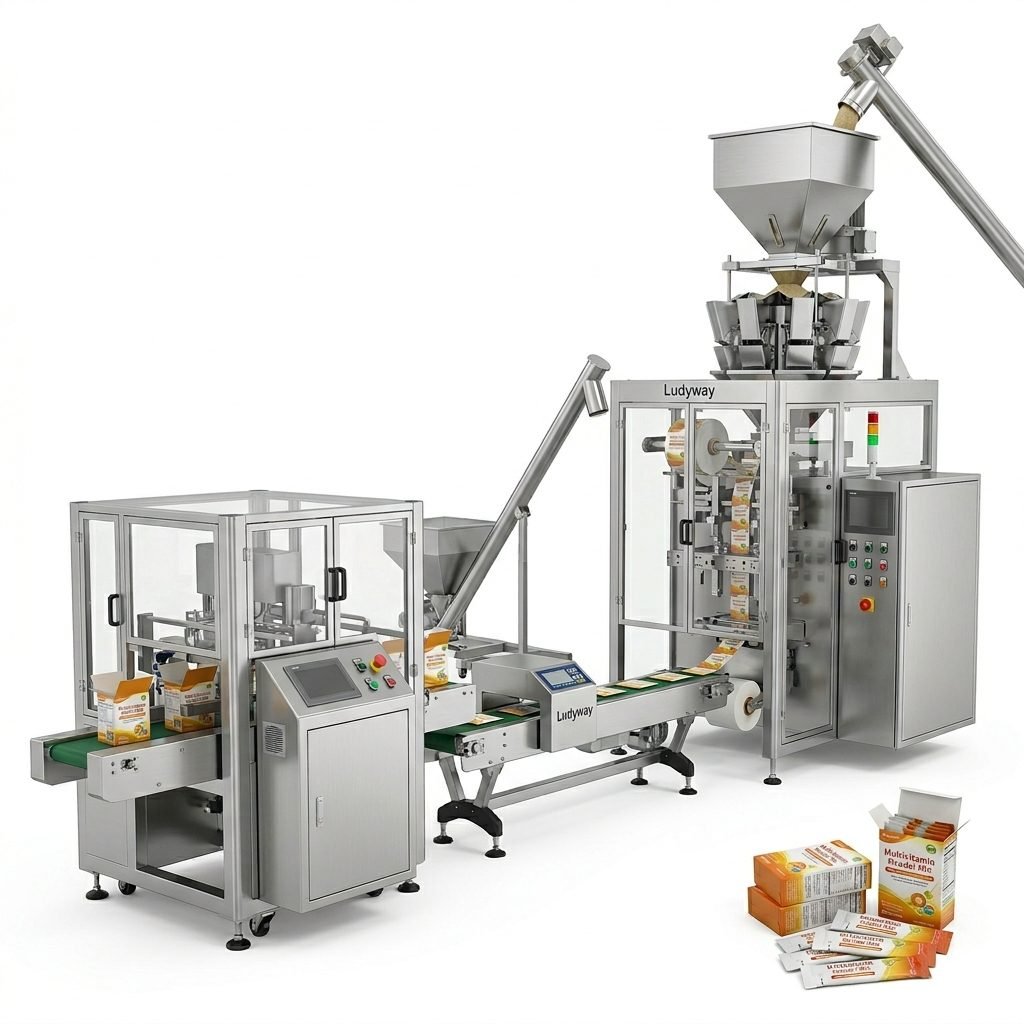
Modern vitamin packaging increasingly demands seamless integration across the entire production line. Consider whether you need a standalone machine or a complete turnkey solution that connects filling, sealing, coding, inspection, cartoning, and palletizing stages.
Key automation considerations include:
- Automatic feeding systems – Vibratory feeders, auger fillers, or multi-head weighers depending on product type
- In-line quality control – Checkweighers, metal detectors, and vision inspection systems integrated into the packaging line
- Data connectivity – Industry 4.0 readiness with remote monitoring, production analytics, and predictive maintenance capabilities
- Robotic palletizing – End-of-line automation for consistent stacking and reduced manual labor
Material Compatibility and Hygiene Standards
Vitamin products often have strict requirements for hygiene, contamination control, and material integrity. Your packaging machine must be compatible with the packaging materials you plan to use while maintaining compliance with Good Manufacturing Practices (GMP).
Critical factors include:
- Film compatibility – The machine should handle your specific laminate structures, thicknesses, and barrier properties without excessive waste or seal failures
- Clean-in-place (CIP) design – Tool-free disassembly, smooth surfaces, and accessible contact parts simplify cleaning and product changeovers
- Material certifications – Stainless steel construction (304 or 316 grade) for product contact surfaces, with documentation for pharmaceutical-grade requirements
- Dust control – Integrated dust extraction systems for powder products to maintain a clean operating environment and prevent cross-contamination
For manufacturers exporting to regulated markets, machines should be configurable to meet European packaging regulations and relevant international standards.
Budget Considerations and ROI Analysis
The purchase price of a vitamin packaging machine is only one part of the total cost equation. A thorough ROI analysis should account for:
- Initial capital expenditure – Machine cost, shipping, installation, and commissioning
- Operational costs – Labor requirements, energy consumption, film waste rates, and maintenance expenses
- Changeover efficiency – Downtime between product runs and the cost of lost production
- Product giveaway – Overfill amounts multiplied by annual production volume can represent significant hidden costs
Machines with higher filling precision often pay for themselves within months through reduced product giveaway alone. When evaluating proposals, request detailed efficiency calculations that factor in your specific product characteristics and production patterns.
Choosing a Reliable Packaging Machinery Partner
Beyond machine specifications, the manufacturer you select becomes a long-term partner in your production success. Evaluate potential suppliers based on their industry experience, engineering capabilities, global service network, and customization expertise.
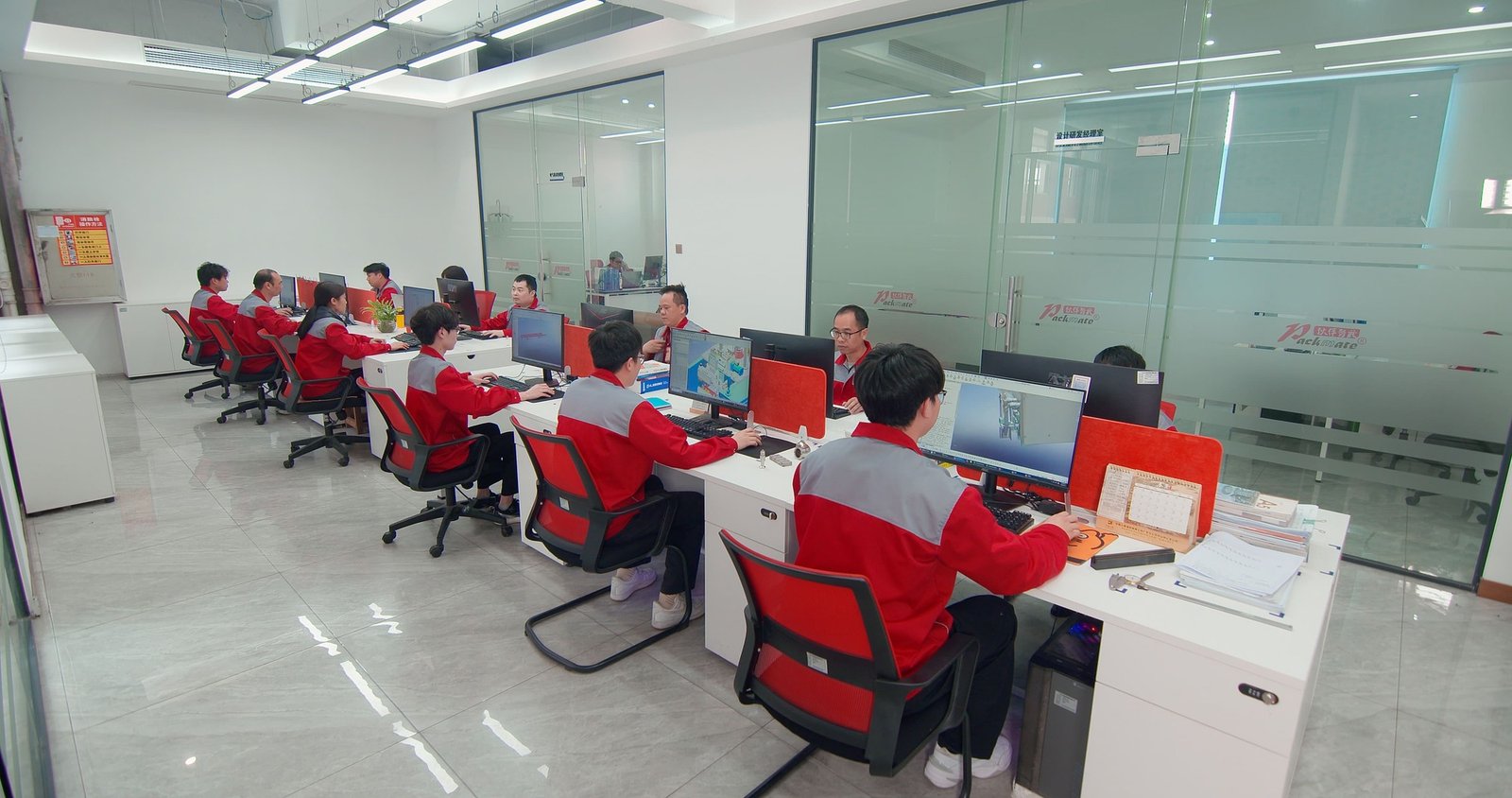
A strong packaging machinery partner should offer comprehensive support throughout the equipment lifecycle, including pre-sales consultation, customized machine configuration, installation and commissioning, operator training, remote technical assistance, and responsive spare parts supply. Manufacturers with in-house engineering teams can adapt machine designs to unique product characteristics, factory layouts, and automation requirements, which is especially valuable for companies scaling up production or entering new packaging formats.
Ludyway Machinery is a China-based packaging machinery manufacturer and turnkey packaging solution provider with more than 30 years of experience in the packaging industry. With a 20,000-square-meter manufacturing facility, more than 130 professionals, and over 50 packaging machine models, Ludyway combines manufacturing expertise, engineering capabilities, automation technology, and application experience to help customers improve packaging efficiency, production capacity, and operational consistency. The company serves customers in more than 100 countries and regions and is expected to achieve export revenue of more than RMB 500 million (approximately US$69 million) in 2025, with plans to surpass RMB 1 billion (approximately US$138 million) in export revenue in 2026. From a single automatic packaging machine to a complete turnkey packaging line, Ludyway provides packaging equipment and engineering solutions for manufacturers worldwide.
Questions to Ask Before Making Your Final Decision
- Can the machine handle my product’s specific flow characteristics and sensitivity?
- What is the demonstrated filling accuracy for products similar to mine?
- How quickly can format changeovers be completed, and what is involved?
- Does the manufacturer provide on-site installation, commissioning, and training?
- What is the spare parts availability and typical lead time for critical components?
- Can the machine be integrated with existing upstream and downstream equipment?
- What documentation and certifications are available for regulatory submissions?
- Is remote technical support available, and what are the response time commitments?
Industry Trends Shaping Vitamin Packaging
Several trends are influencing packaging machine design and selection in the vitamin sector. Sustainability demands are driving interest in recyclable and mono-material films, which require machines with advanced sealing and tension control capabilities. E-commerce packaging requirements are changing secondary packaging needs, with more emphasis on protective cartoning and tamper-evident features. Personalized nutrition is creating demand for smaller batch sizes and more frequent changeovers, making format flexibility increasingly important. For the latest market data, explore resources from the Flexible Packaging Association and PMMI packaging industry resources.
Making the Right Investment for Your Business
Choosing the right vitamin packaging machine requires balancing technical specifications, production requirements, regulatory compliance, and total cost of ownership. Take time to test your products on equipment before making a final commitment. Request product trials or visit manufacturer facilities to observe machines running with similar applications. A well-chosen packaging machine becomes a competitive advantage, enabling consistent product quality, efficient operations, and the flexibility to respond to changing market demands. Investing in the right technology today positions your business for sustainable growth in the expanding global nutraceutical market.