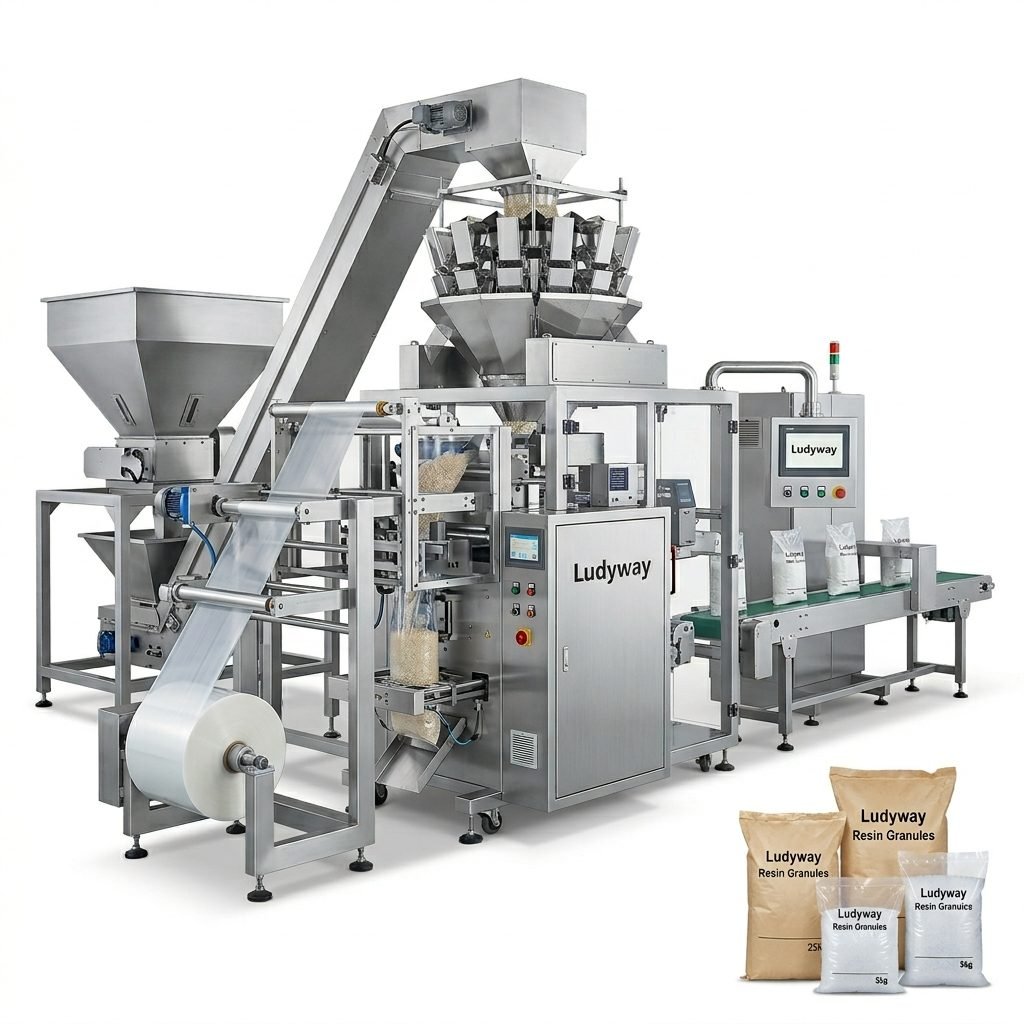
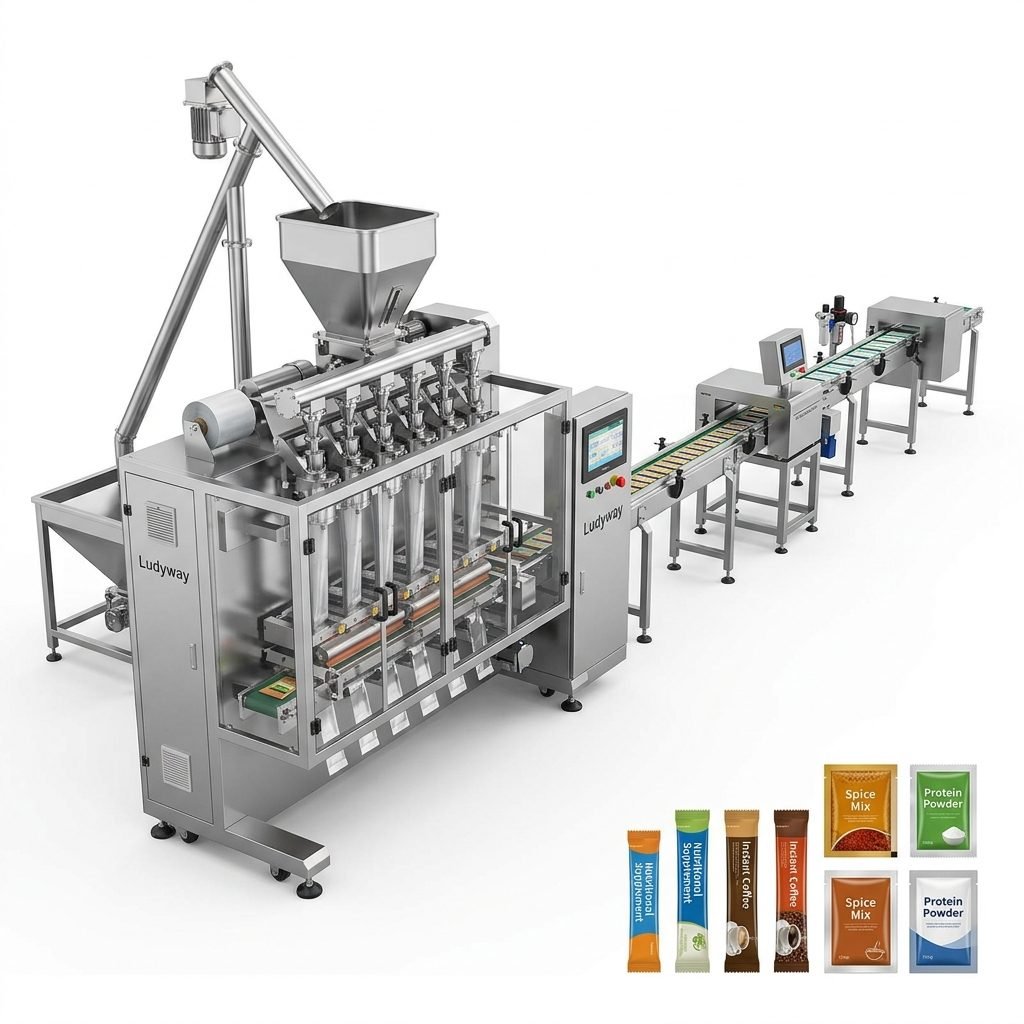
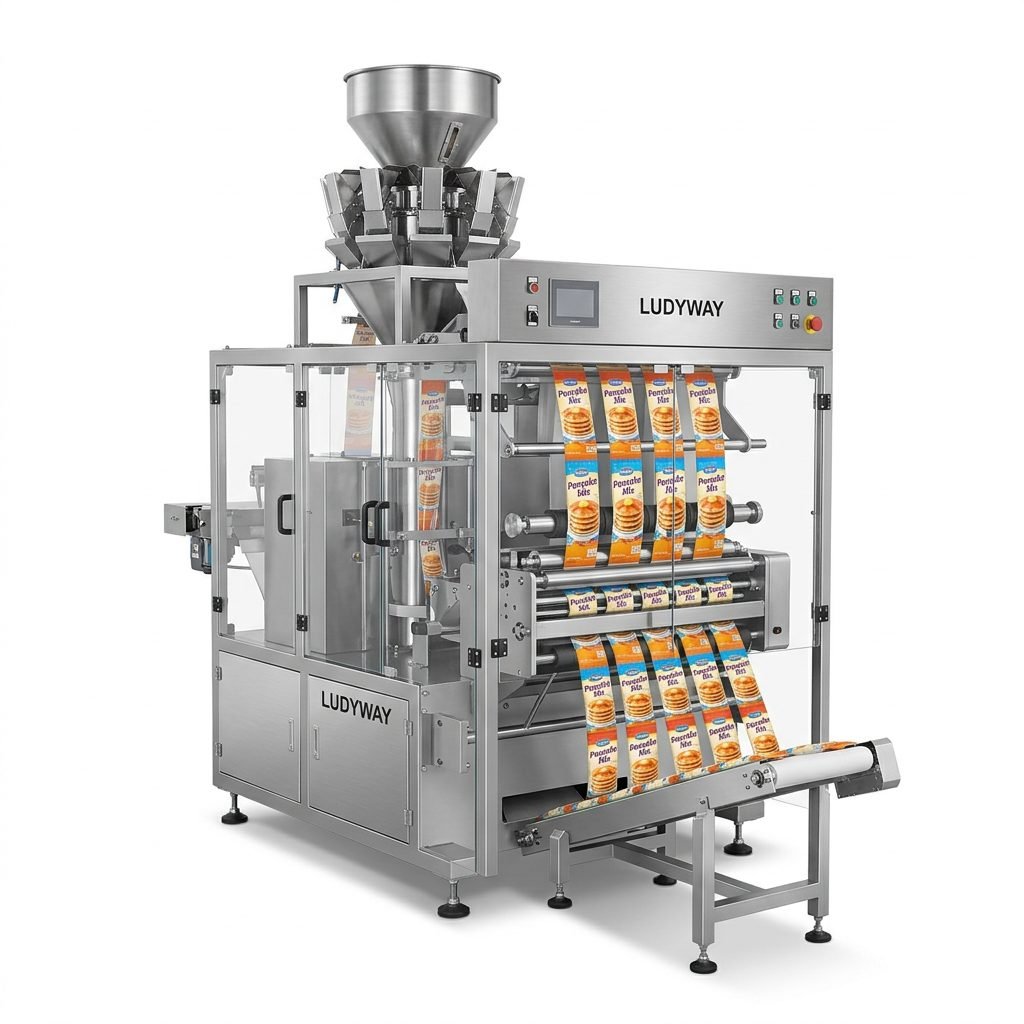
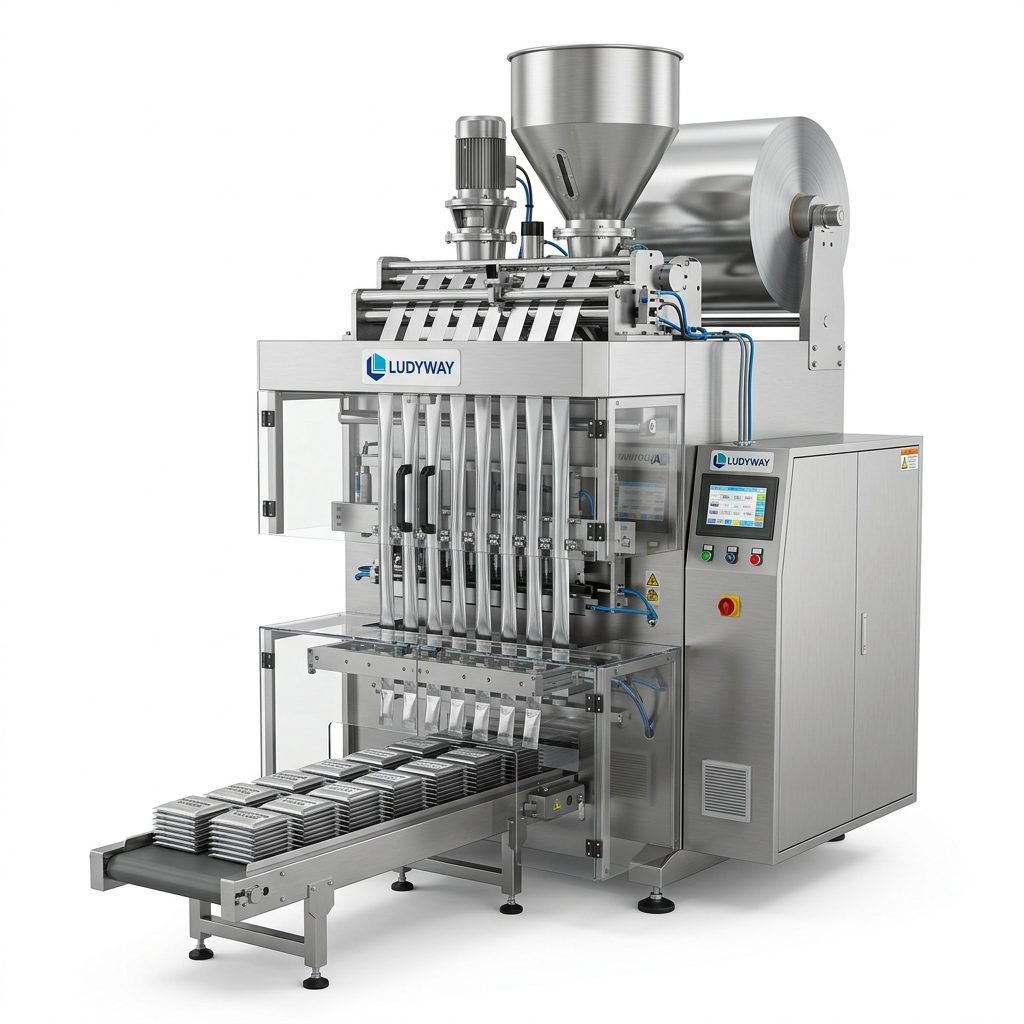
In the fast-paced world of industrial packaging, the durability, precision, and efficiency of your equipment are non-negotiable. At the heart of high-performing packaging machinery lies a critical, often overlooked component: custom metal fabrication. This specialized manufacturing process is not merely about constructing parts; it’s about engineering the very skeleton of your production line for peak performance and longevity.
Why Custom Fabrication Matters
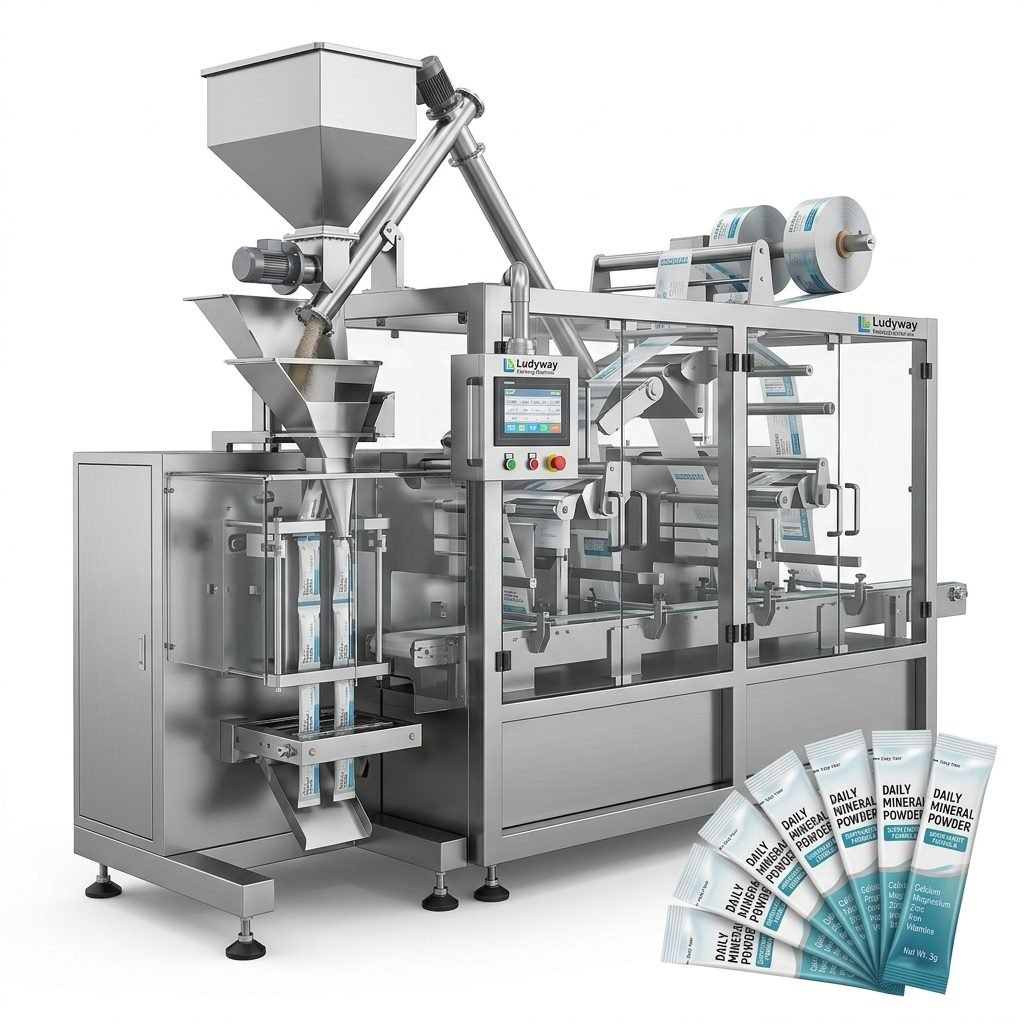
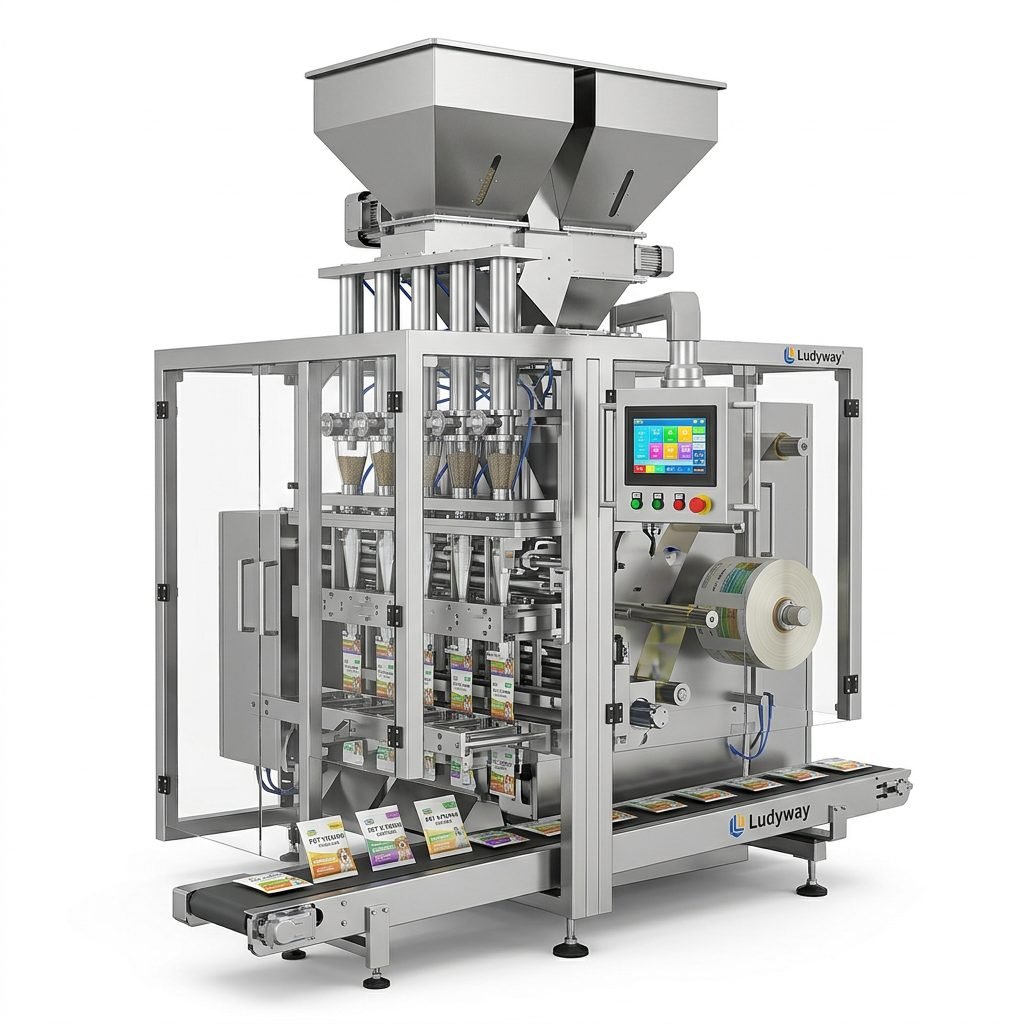
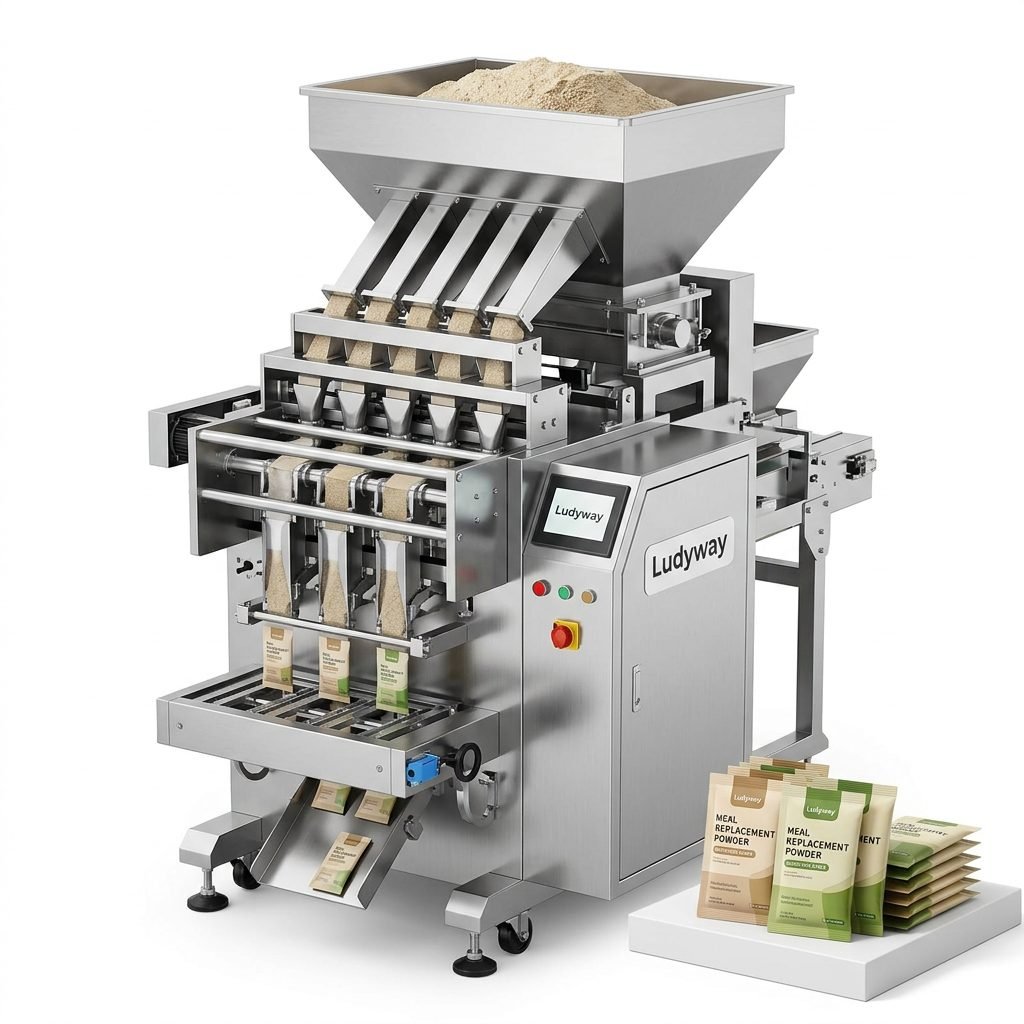
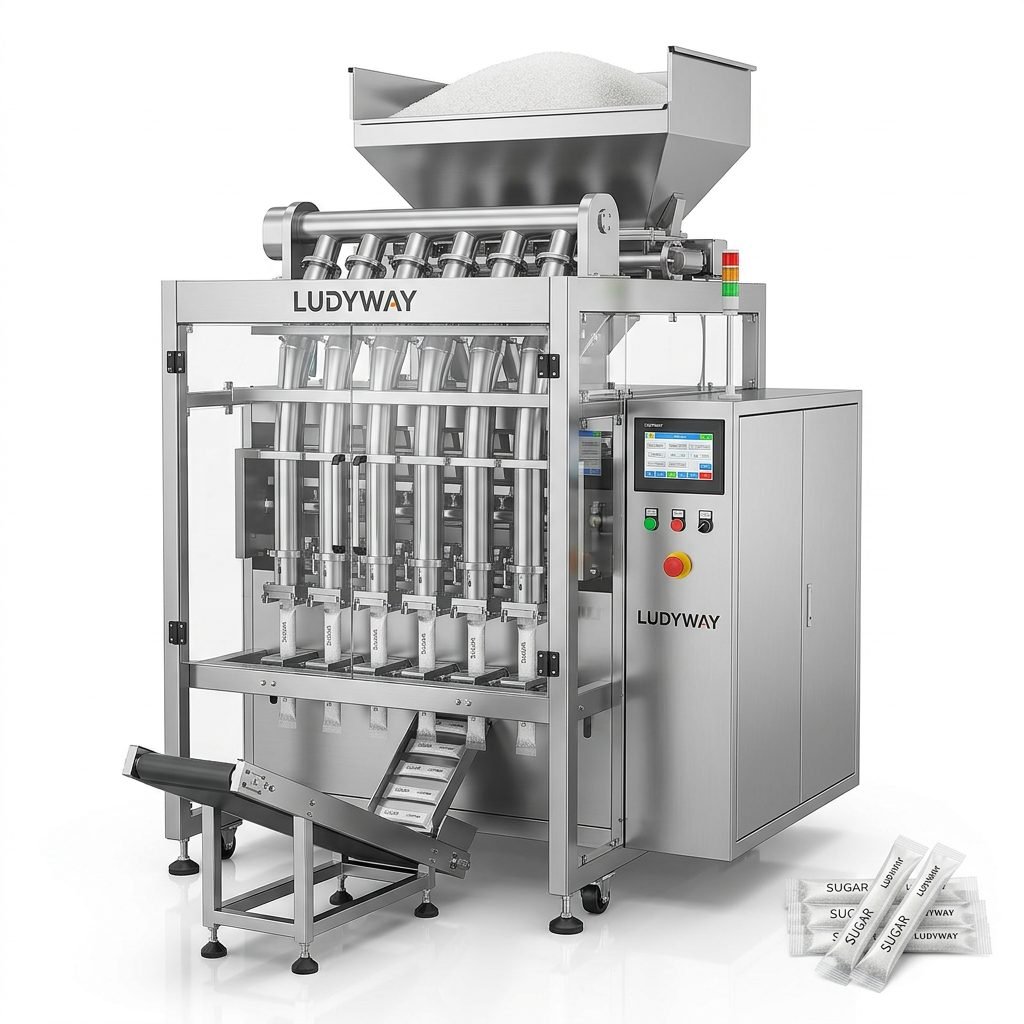
Off-the-shelf components can only take your packaging operations so far. They represent a compromise. Custom metal fabrication eliminates this compromise, allowing for the creation of parts and frames that are perfectly tailored to the specific stresses, motions, and environmental conditions of your packaging process. Whether it’s a high-speed sachet filler, a multi-lane stick pack machine, or a complex liquid dosing system, every machine benefits from a foundation built for its unique purpose.
Enhancing Durability for Demanding Operations
Packaging equipment operates in rigorous environments. Constant vibration, exposure to various materials (including abrasive powders or corrosive liquids), and the relentless cycle of start-stop motions demand exceptional resilience. Custom fabrication addresses this head-on.
By selecting the optimal grade of stainless steel, aluminum, or specialized alloys, fabricators can ensure the machinery structure resists wear, corrosion, and fatigue. Precision welding techniques and reinforced joint designs further fortify the equipment against mechanical failure. This translates directly to reduced downtime, lower maintenance costs, and a significantly extended operational lifespan for your capital investment.
Key Durability Features Enabled by Custom Work:
- → Material Selection: Choosing corrosion-resistant stainless steel for food/pharma applications or high-tensile steel for heavy-duty frames.
- → Structural Integrity: Designing load-bearing frames with calculated tolerances to handle dynamic loads without deformation.
- → Protective Finishes: Applying specialized powder coatings or passivation to shield metal from environmental and chemical damage.
Achieving Unmatched Precision in Packaging
In packaging, precision is synonymous with quality and consistency. A misalignment of a fraction of a millimeter can lead to sealing failures, inaccurate fills, or product waste. Custom metal fabrication leverages advanced computer-aided design (CAD) and computer-aided manufacturing (CAM) technologies to produce components with microscopic accuracy.
The Precision Advantage
Laser cutting, CNC punching, and precision bending ensure that every bracket, chassis, and mounting plate is identical and perfectly to specification. This level of accuracy is crucial for:
- Perfect Sealing Jaws Alignment: For consistent, hermetic seals on sachets and stick packs.
- Accurate Dosing Systems: Ensuring volumetric or weight-based fillers operate with repeatable precision.
- Smooth Film Transport: Creating guides and rollers that handle packaging film without wrinkles or tears.
This inherent precision in the machine’s framework reduces calibration time, minimizes product giveaway, and guarantees that every package leaving your line meets the highest quality standards. For insights into how precision engineering defines modern packaging, explore the philosophy behind professional packaging solutions.
Driving Production Efficiency to New Heights
Durability and precision naturally culminate in superior production efficiency. Custom-fabricated equipment is inherently more reliable, suffering fewer breakdowns. Its precision ensures it runs at optimal speeds with minimal waste or rework. But the benefits go further.
Custom fabrication allows for the integration of efficiency-focused designs from the ground up. This includes modular frames that allow for quicker changeovers between product formats, built-in access points for easier and faster maintenance, and streamlined layouts that improve material flow and operator ergonomics. These design choices directly increase Overall Equipment Effectiveness (OEE).
Efficiency Gains You Can Measure:
- → Higher Machine Speeds: A rigid, vibration-dampened frame allows motors and drives to operate at higher RPMs without loss of accuracy.
- → Reduced Changeover Time: Custom quick-release mechanisms and modular parts enable faster product switchovers.
- → Lower Energy Consumption: Optimized mechanical design reduces friction and strain, requiring less power to operate.
For operations looking to scale, custom fabrication is the key to building integrated, synchronized production lines. Learn how evolving industry experience shapes the development of such efficient automation systems.
The Ludyway Approach to Custom Fabrication
With over 30 years of industry experience, our approach to custom metal fabrication is rooted in deep application knowledge. We understand that a packaging machine is more than a sum of its parts; it’s a system where every weld, cut, and bend impacts performance.
Our process begins with collaborative consultation to understand the specific application challenges—be it handling hygroscopic powders, maintaining sterile conditions for pharmaceuticals, or achieving high-speed packaging of granular foods. Our engineering team then translates these needs into functional designs, selecting materials and fabrication methods that deliver the required durability, precision, and cleanability.
Our Fabrication Capabilities Include:
Design & Prototyping
CAD/CAM design and functional prototyping to validate form, fit, and function before full-scale production.
Precision Machining
Utilizing CNC laser cutters, press brakes, and machining centers for parts with tight tolerances.
Specialized Welding
TIG and MIG welding by certified technicians for strong, clean, and compliant joints, especially for sanitary applications.
This hands-on, experience-driven methodology ensures that the custom metal components we integrate into our packaging equipment range are not just well-made, but purpose-built to solve real production problems. From single machine frames to complete turnkey line structures, our fabrication supports the goal of seamless, high-output packaging.
Conclusion: Investing in Your Packaging Foundation
Choosing packaging equipment with a focus on custom metal fabrication is a strategic investment in the future of your production. It prioritizes long-term value over short-term cost, building a foundation of durability that minimizes downtime, precision that maximizes quality, and efficiency that boosts profitability. In an era where competitive advantage is measured in seconds and grams, the built-in superiority of custom-engineered machinery becomes a critical differentiator.
Frequently Asked Questions (FAQs)
1. How does custom metal fabrication differ from using standard, catalog-bought parts?
Custom fabrication involves designing and manufacturing metal components from scratch to meet exact specifications for a specific machine or application. Standard parts are mass-produced to generic sizes and tolerances. Custom parts offer perfect fit, optimized material properties, and integrated features that off-the-shelf parts cannot, leading to better performance and durability.
2. Is custom-fabricated packaging equipment significantly more expensive?
While the initial investment may be higher, the total cost of ownership is often lower. Custom equipment typically has longer lifespan, fewer failures, and higher efficiency, reducing downtime, maintenance costs, and material waste over time. It is an investment in reliability and productivity.
3. What materials are most common in packaging equipment fabrication?
Stainless steel (especially grades 304 and 316 for corrosion resistance) is predominant in food and pharmaceutical applications. Aluminum is used for lighter-weight frames or components. Carbon steel with protective coatings may be used for structural, non-contact parts in heavy-duty machinery.
4. Can you modify or add custom fabrication to our existing packaging machines?
Yes, retrofitting is often possible. This can include reinforcing frames, adding custom mounting brackets for new accessories, or replacing worn components with upgraded, custom-designed parts to improve the machine’s performance or adapt it to new products.
5. How long does the custom design and fabrication process typically take?
The timeline varies based on complexity. A simple custom component may take a few weeks from design to delivery, while a completely new machine frame or integrated line structure can take several months. A detailed project plan with design review stages is established upfront to manage timelines effectively.