Selecting the right packaging equipment for beauty products is a critical decision that impacts production efficiency, product presentation, and overall brand success. From serums and creams to powders and masks, each product type demands specific packaging solutions to ensure quality, hygiene, and consumer appeal. This comprehensive guide will walk you through the key factors, machine types, and considerations for choosing the best packaging machinery for your beauty product line.
Understanding Your Beauty Product Packaging Needs
Before exploring machinery, a thorough analysis of your product and market requirements is essential. Consider the product’s physical form—liquid, cream, gel, powder, or solid. Each form requires different filling, sealing, and handling mechanisms. Also, evaluate your production volume. Are you a boutique brand with lower output or a large-scale manufacturer? This will determine whether you need a semi-automatic, fully automatic, or high-speed multi-lane system. Finally, consider your primary packaging materials: sachets, stick packs, bottles, jars, or tubes. The chosen machinery must be compatible with these materials to ensure a smooth operation.
→ Key Takeaway: A clear understanding of your product’s form, production scale, and packaging format is the non-negotiable first step in the equipment selection process. Misalignment here leads to inefficiency and wasted investment.
Primary Types of Packaging Equipment for Beauty Products
The beauty industry utilizes a diverse range of packaging machines. Here’s a breakdown of the most common types:
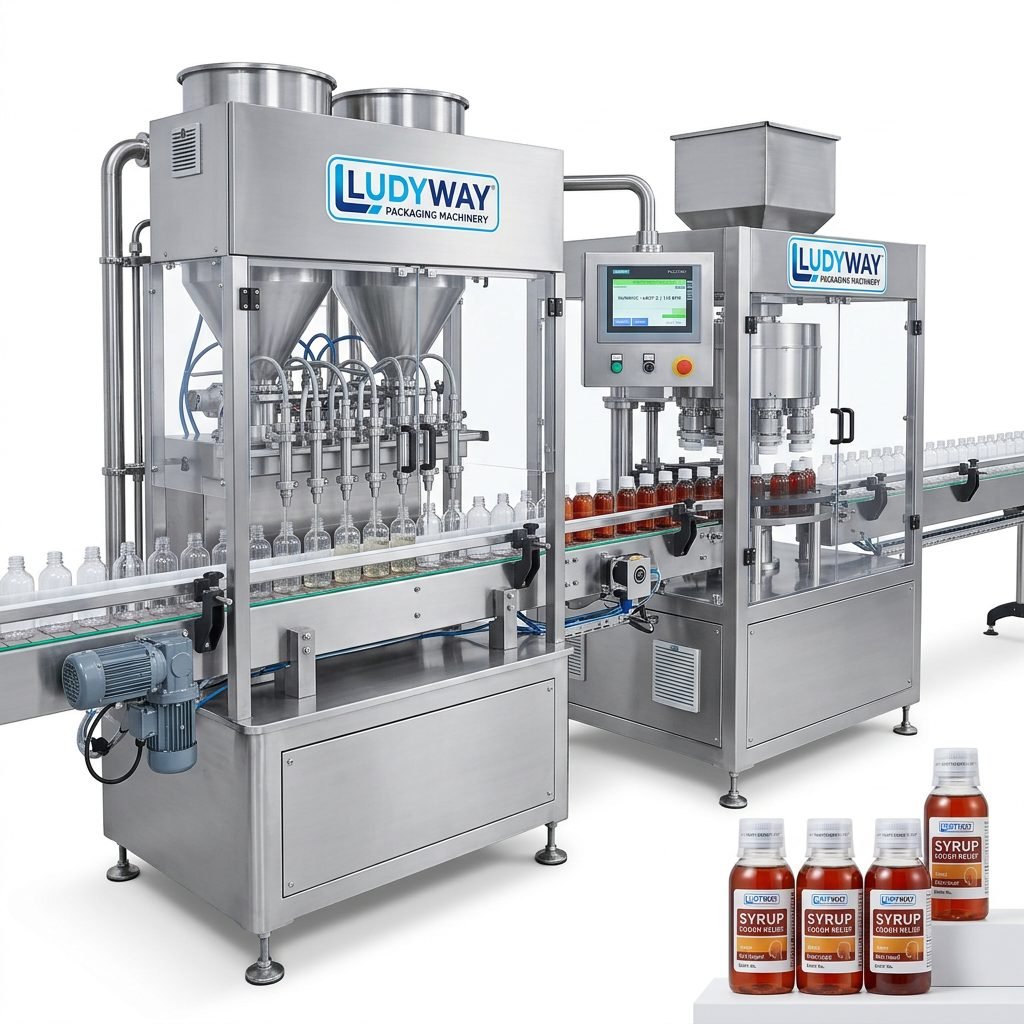
1. Liquid & Cream Filling Machines
These are designed for products like serums, lotions, shampoos, and creams. They use piston, peristaltic, or gravity filling principles to ensure accurate, non-drip dispensing into bottles, jars, or tubes. Look for machines with easy-change parts for different container sizes and viscosities.
2. Powder Filling Machines
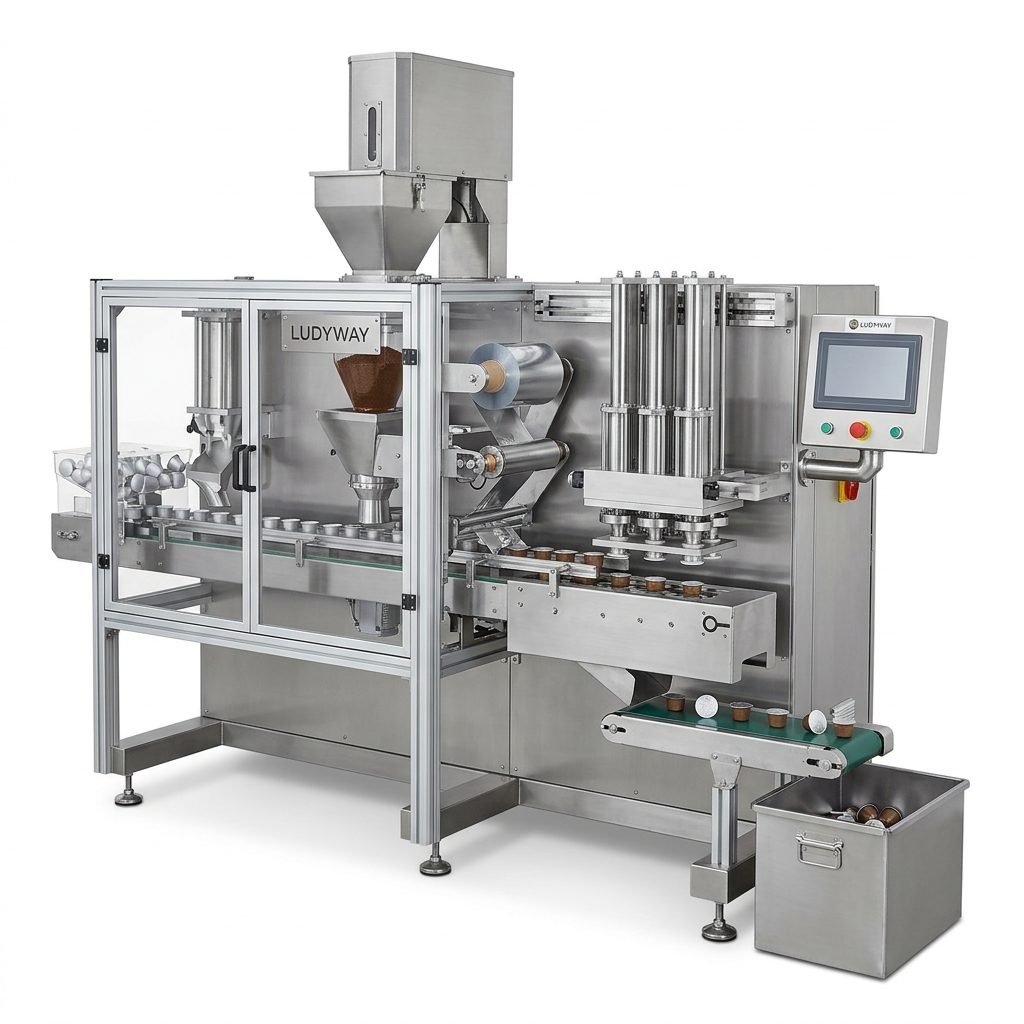
Essential for loose powders, foundation, blush, and dry masks. Auger fillers are the industry standard, using a rotating screw to deliver precise, consistent doses. Machines with touchless filling technology are ideal for ultra-hygienic applications.
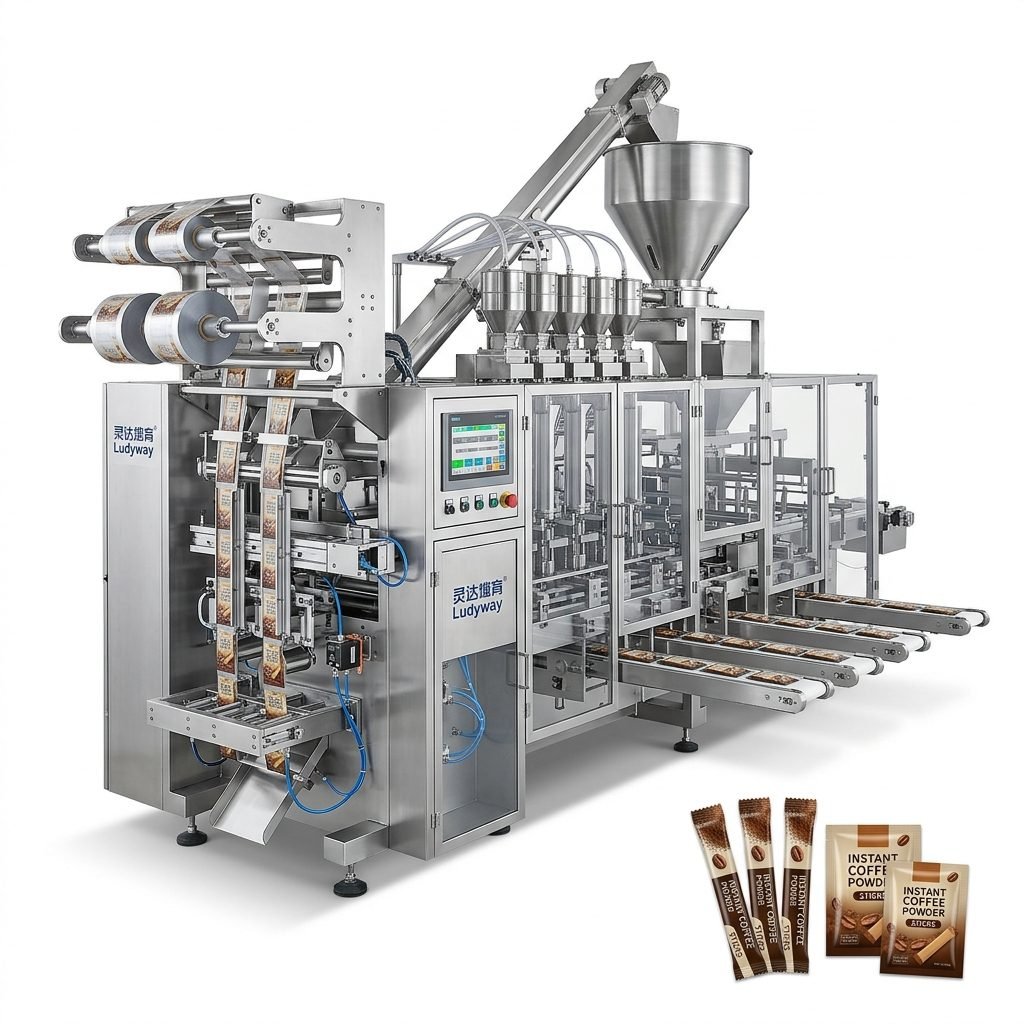
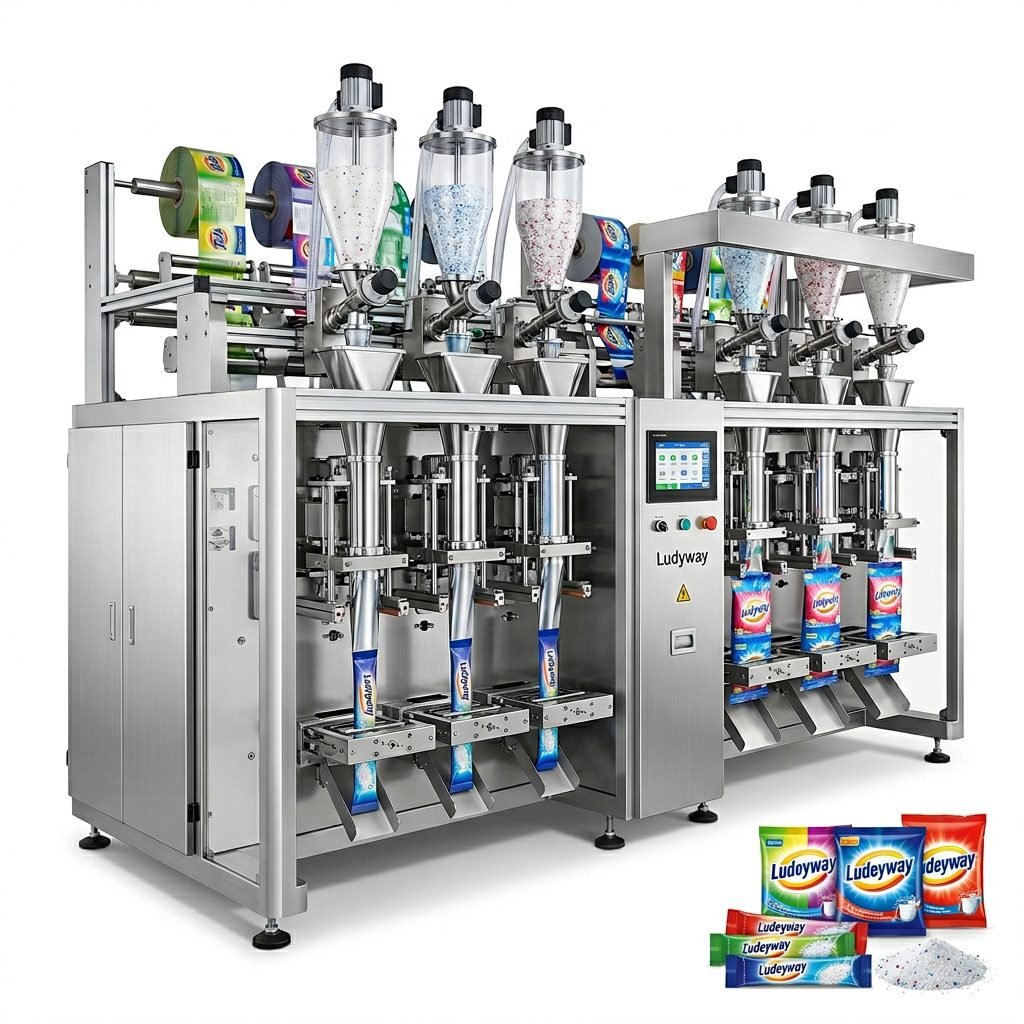
3. Sachet & Stick Pack Packaging Machines
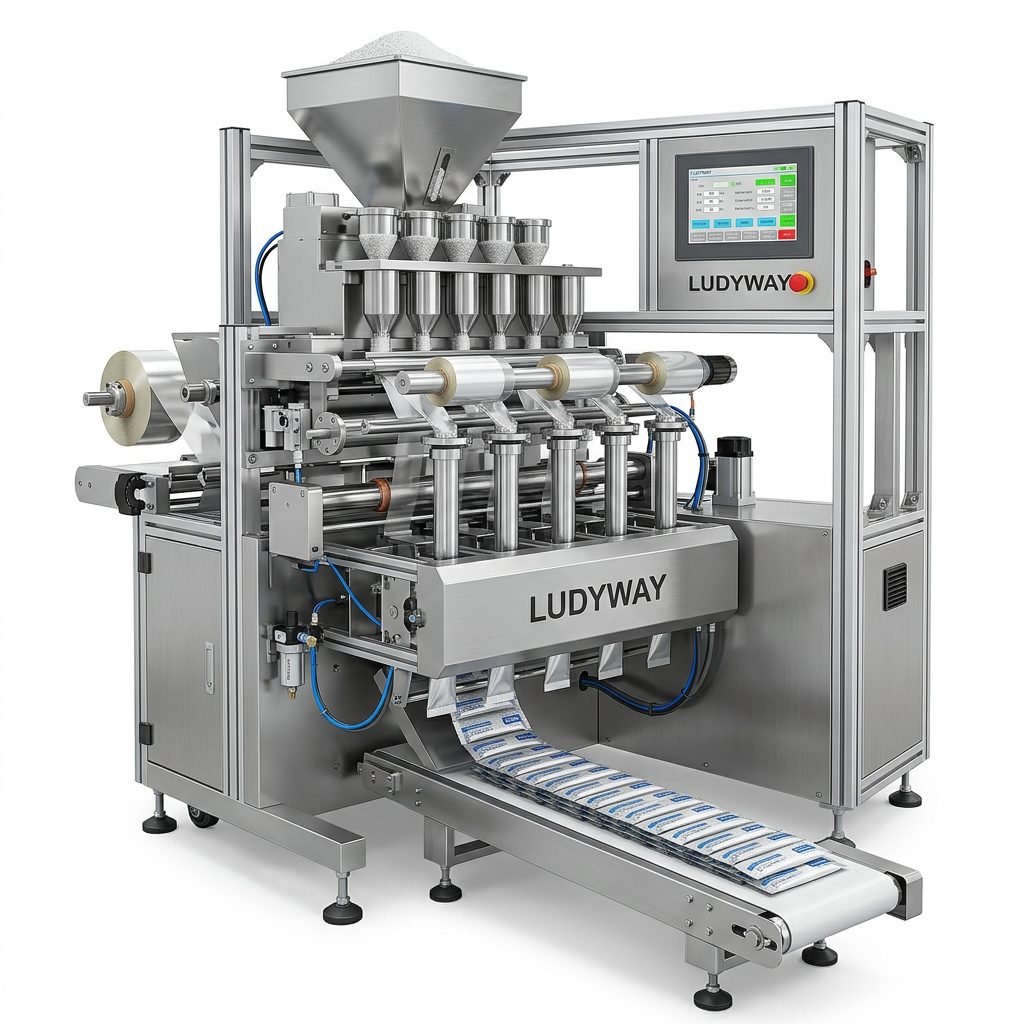
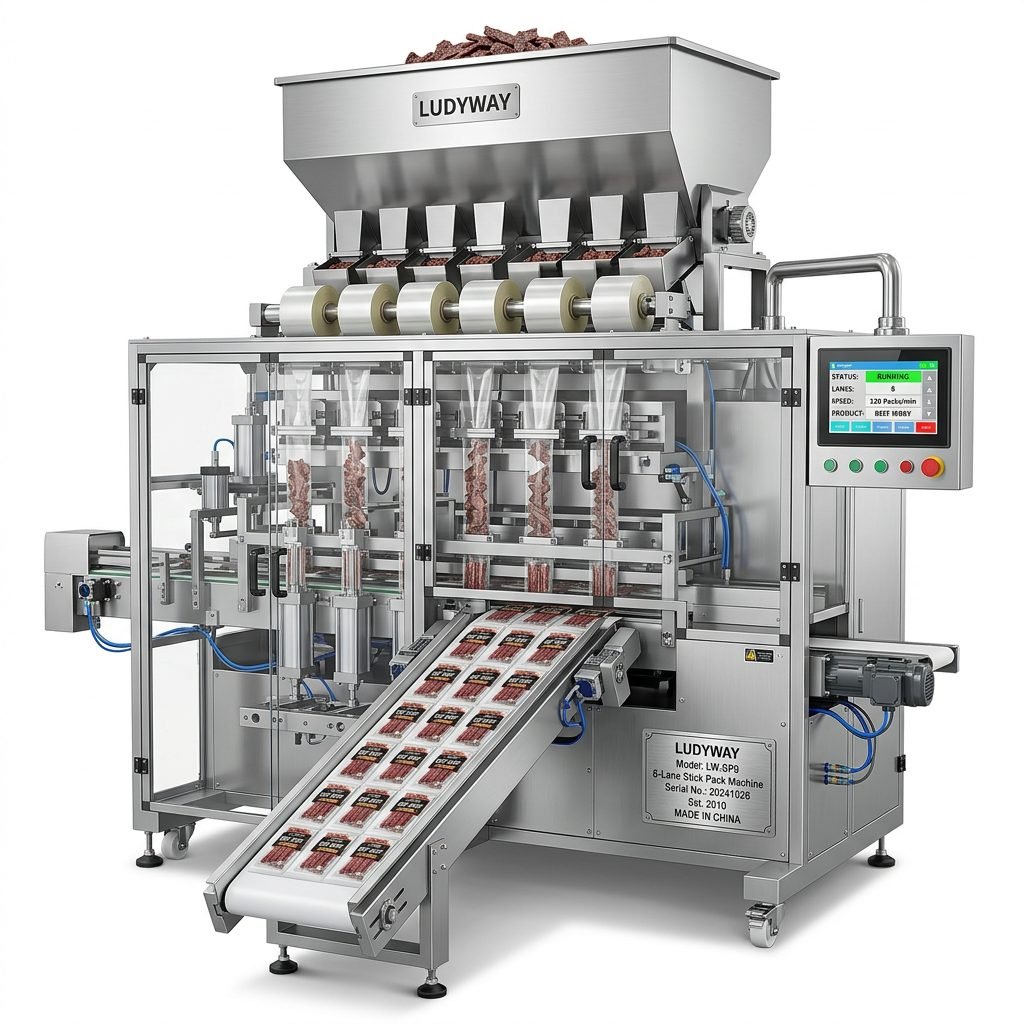
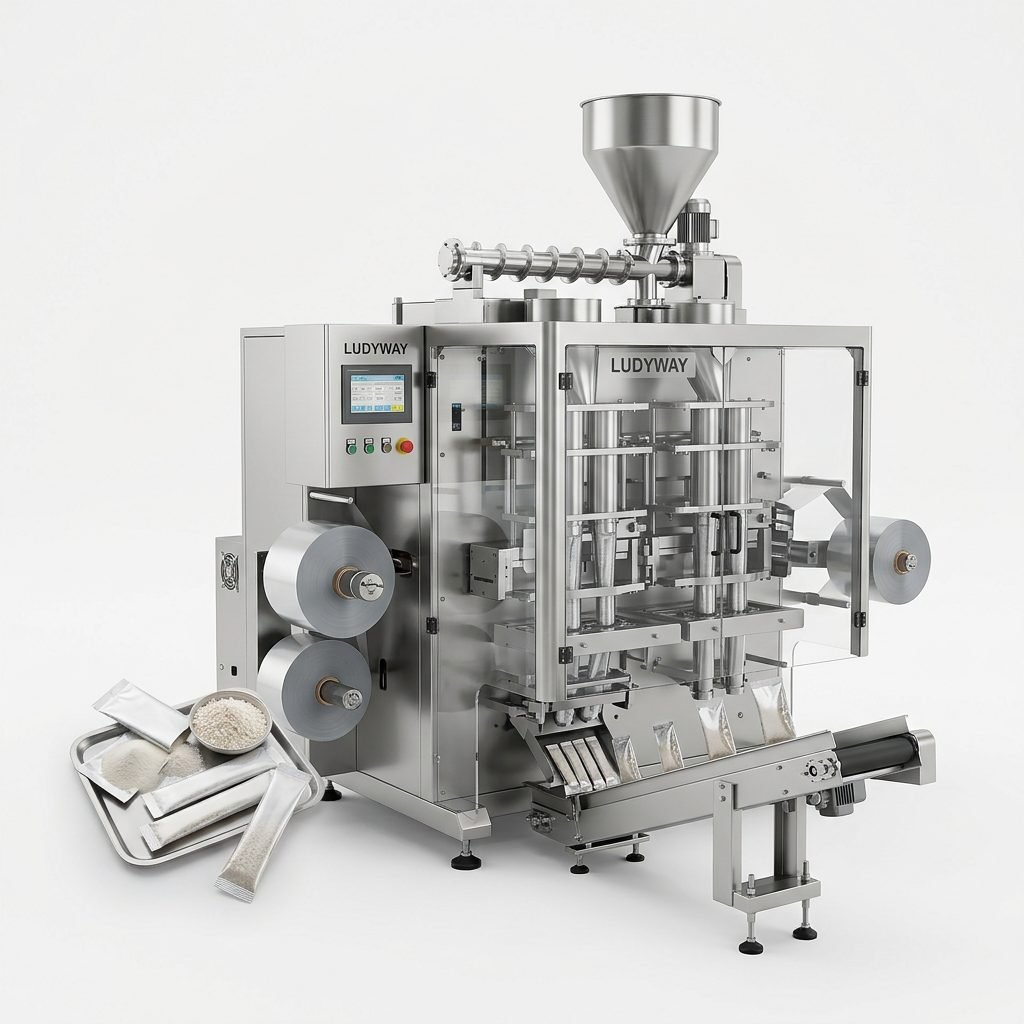
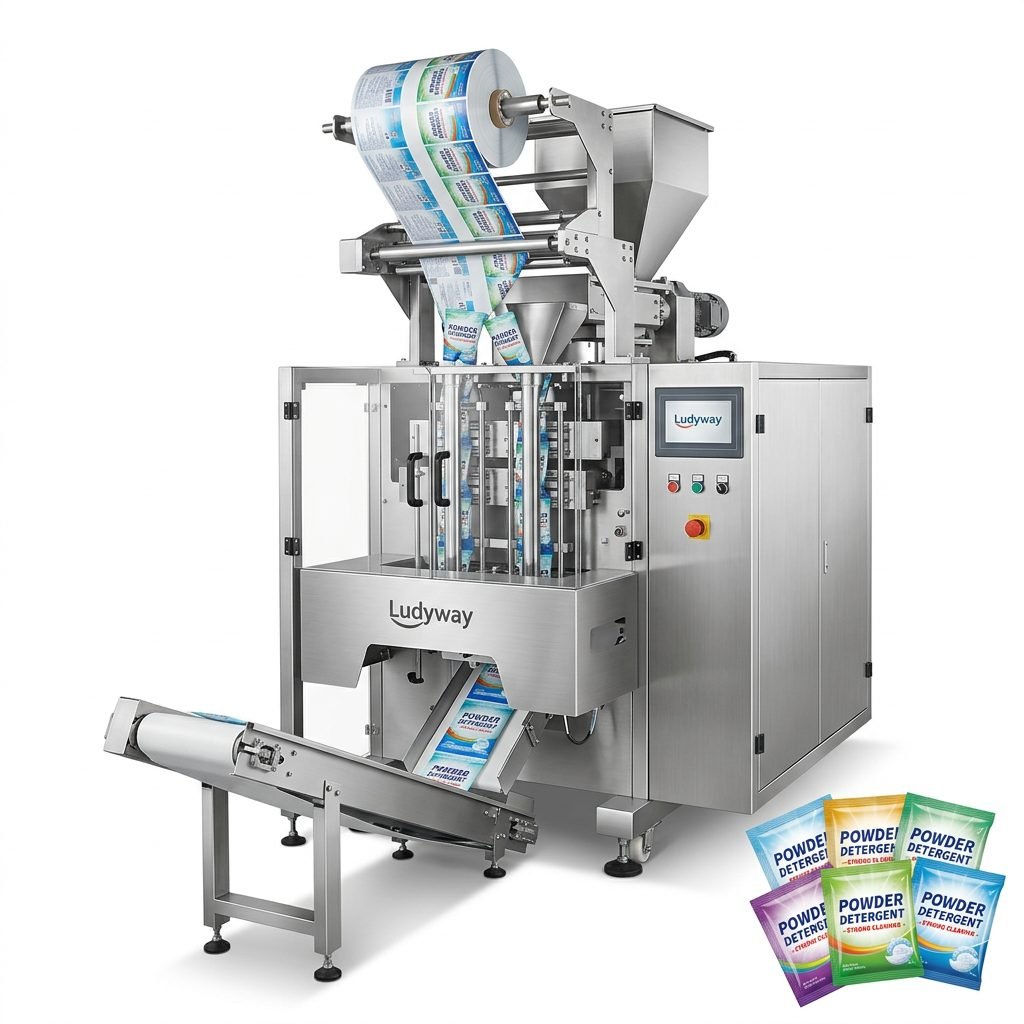
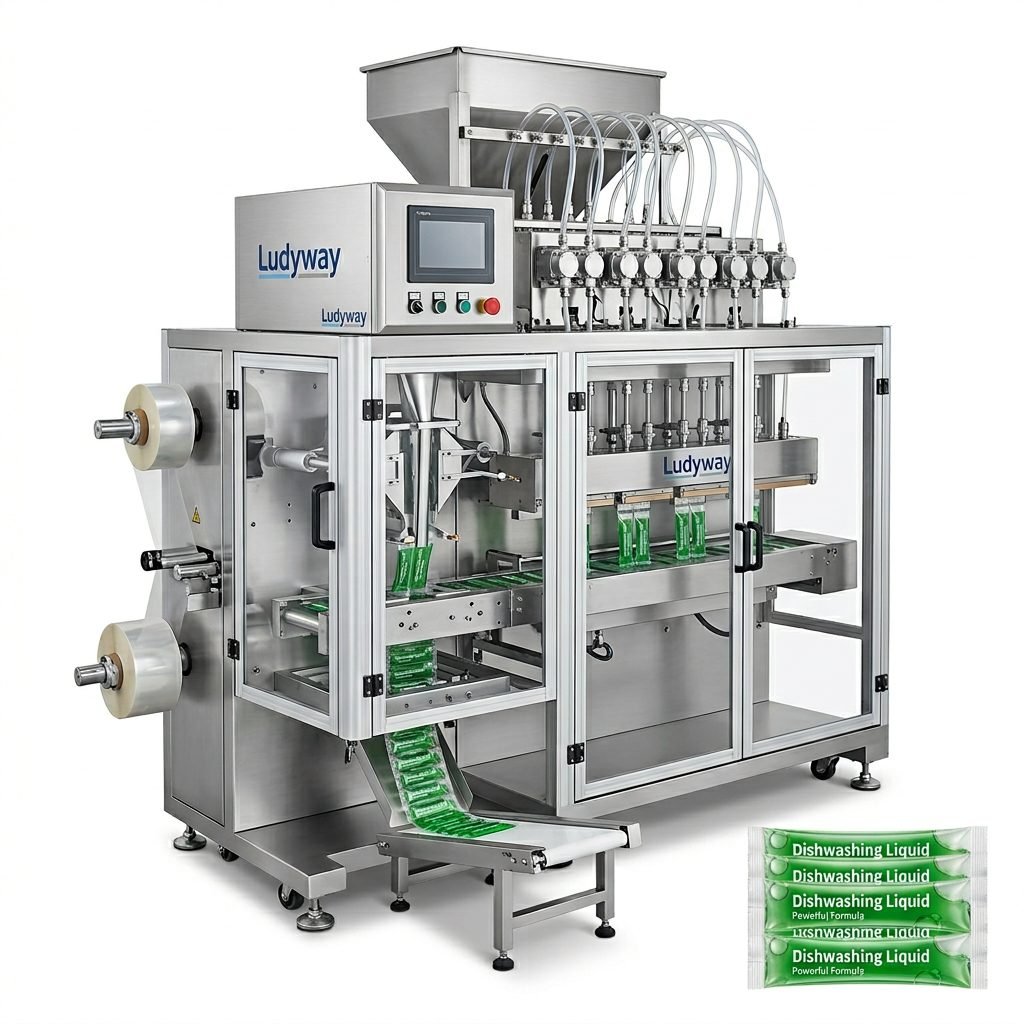
Perfect for single-use samples, travel-sized products, or portion-controlled items like shampoo, conditioner, or face masks. These machines form, fill, and seal individual pouches from a roll of film at high speeds. Multi-lane models significantly boost output for large-scale production.
4. Capping, Sealing & Labeling Machines
Downstream equipment is crucial for a complete line. This includes automatic cappers for screw caps, induction sealers for tamper-evidence, and labelers for applying product information and branding. Integration with filling machines creates a seamless automated line.
Critical Factors for Machine Selection
Beyond machine type, several technical and commercial factors dictate the right choice:
- Accuracy & Precision: Over-filling wastes expensive product, while under-filling violates regulations. Ensure the machine’s fill accuracy meets your tolerances.
- Speed (Output): Measured in packs per minute (PPM). Match the machine’s speed to your current and projected future production demands.
- Flexibility & Changeover: Can the machine handle different container sizes or product types with quick, tool-less changeovers? This is vital for brands with diverse SKUs.
- Hygiene & Construction: Machines for cosmetics should have food-grade or pharmaceutical-grade contact parts (e.g., stainless steel 304/316) and designs that are easy to clean and sanitize.
- Automation Level & Integration: Decide between manual, semi-automatic, or fully automatic systems based on your labor costs and desired throughput.
Investing in Quality and Support
The initial purchase price is just one part of the total cost of ownership. Partnering with a reliable supplier like Ludyway Machinery offers long-term value. A reputable provider brings over 30 years of industry experience, ensuring the machinery is built on proven technology. They offer more than just a machine; they provide a complete turnkey production solution, from layout planning to installation and training.
Look for suppliers with a strong portfolio of over 50 intelligent packaging machine models, demonstrating their capability to handle diverse needs. Crucially, verify their after-sales support structure—availability of spare parts, responsive technical service, and operational training are indispensable for minimizing downtime and ensuring a smooth production run.
Future-Proofing Your Packaging Line
The beauty market evolves rapidly. Your packaging equipment should have the capability to adapt. Consider machines with modular designs that allow for future upgrades. Software-controlled machines offer greater flexibility for recipe changes and data tracking. Investing in scalable solutions from a global partner ensures your operation can grow and adapt to new trends, such as sustainable packaging materials or personalized products, without needing to replace core equipment entirely.
Summary & Final Recommendations
Choosing the best packaging equipment is a strategic investment. Start with a detailed analysis of your product and output goals. Select the machine type (filler, sachet packer, etc.) that matches your primary packaging. Prioritize accuracy, hygiene, and flexibility during evaluation. Finally, choose a supplier with a strong track record, robust engineering support, and a commitment to partnership, ensuring your automated packaging solutions deliver reliability and efficiency for years to come.
Frequently Asked Questions (FAQs)
1. What is the most important feature to look for in a beauty product filling machine?
For beauty products, hygienic design and fill accuracy are paramount. The machine must be constructed with easy-to-clean, corrosion-resistant materials (like stainless steel) to prevent contamination. Simultaneously, it must dispense product with extreme precision to avoid costly giveaway and ensure every unit meets label claim.
2. Can one machine package both liquids and powders?
Generally, no. Liquid fillers and powder fillers use fundamentally different dispensing technologies (e.g., piston vs. auger). However, some suppliers offer modular platforms where you can switch between different filling heads. For distinct product lines, dedicated machines or separate modular units are often more efficient.
3. How do I determine the right machine speed for my startup?
Calculate your current daily/weekly production needs and add a 20-30% growth buffer. It’s often more cost-effective to invest in a slightly faster semi-automatic or automatic machine than to outgrow a manual one within a year. A reliable supplier can help you model output based on your specific containers and products.
4. What does “turnkey solution” mean from a packaging machine supplier?
A turnkey solution means the supplier handles everything from initial consultation and factory layout design to machine provision, installation, commissioning, and operator training. They deliver a production-ready line, so you can essentially “turn the key” and begin operation, significantly reducing project complexity and risk.
5. Are used packaging machines a good option for beauty brands?
Used machines can offer lower upfront cost but come with risks: unknown maintenance history, potential hygiene issues, outdated technology, and lack of manufacturer support. For beauty products where hygiene and reliability are critical, investing in new or professionally refurbished equipment from a trusted supplier is usually the safer, more reliable long-term strategy.