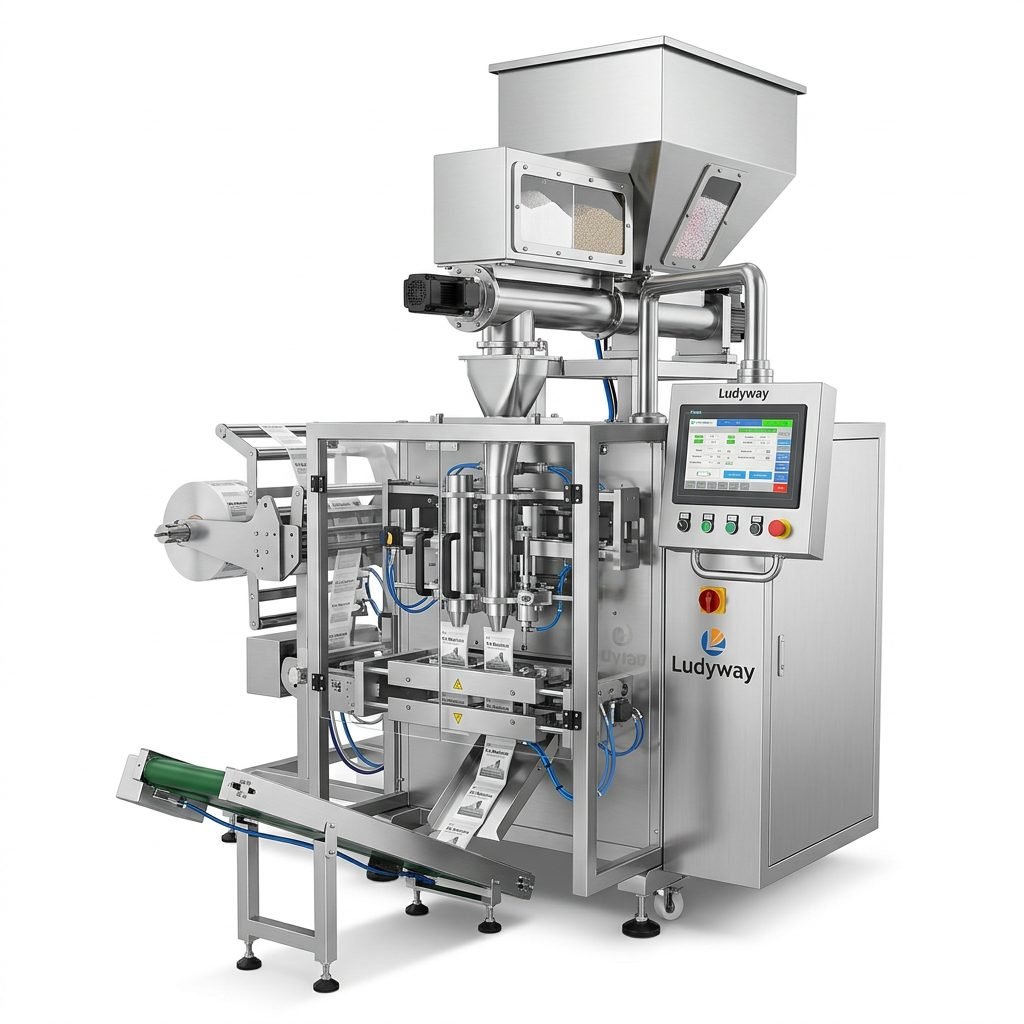
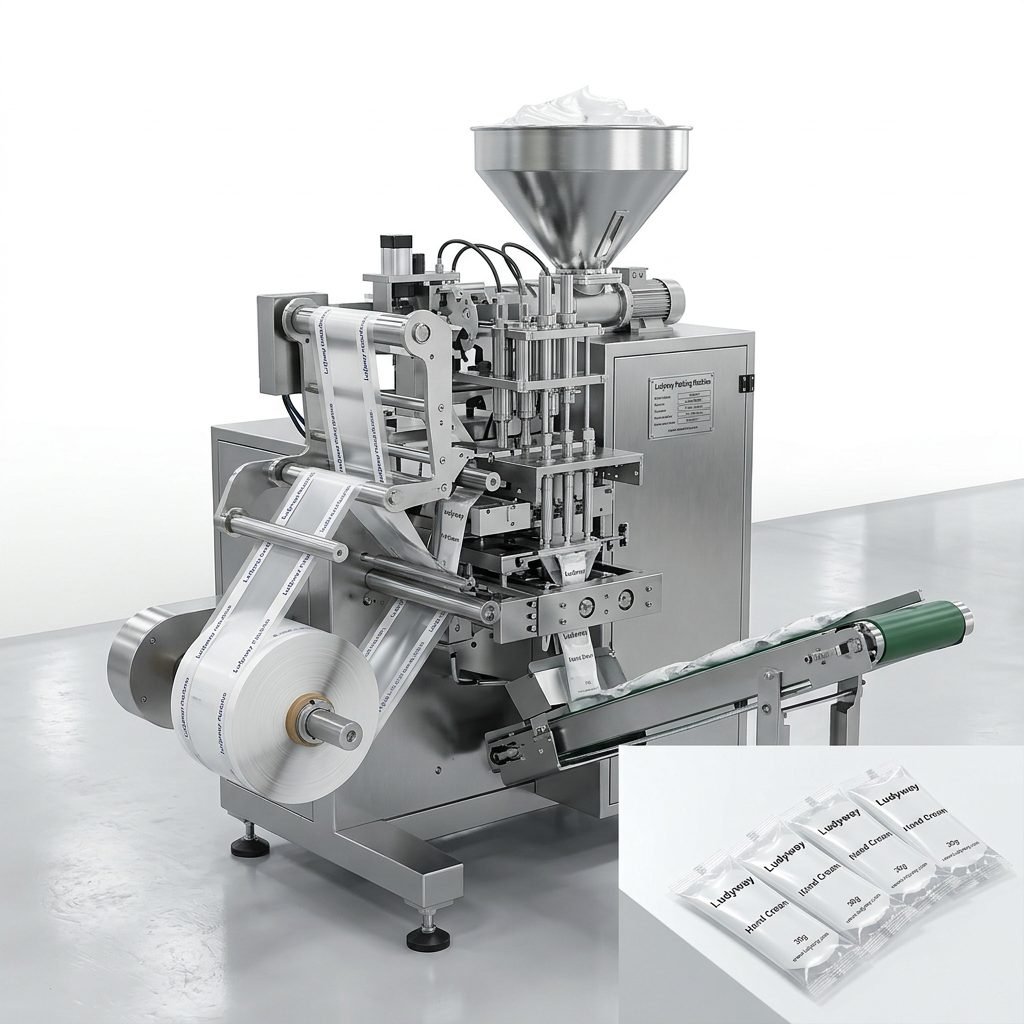
Efficient fulfillment center operations rely heavily on the right packaging equipment. The choice of machinery directly impacts packing speed, material usage, labor costs, and ultimately, customer satisfaction. This guide explores the essential packaging machines that can transform your fulfillment workflow, boosting throughput and reducing operational expenses.
Core Packaging Equipment for Modern Fulfillment
Investing in specialized equipment addresses the key bottlenecks in order fulfillment: speed, accuracy, and material handling.
Automatic Carton Erectors and Sealers
Manually forming and taping boxes is a significant time sink. Automatic carton erectors take flat corrugated blanks, form them into boxes, and bottom-seal them in a continuous, high-speed process. Paired with automatic carton sealers that apply top tape, these systems ensure consistent, secure closures at speeds far exceeding manual labor. They are ideal for medium to high-volume operations with standardized box sizes.
Key Benefit: Drastically reduces the labor required for box preparation, allowing staff to focus on value-added tasks like picking and quality control. This leads to a more streamlined packing station workflow.
Automated Bagging Systems
For non-fragile items like apparel, books, or soft goods, automated polybagging systems offer a lightweight, cost-effective packaging solution. These machines automatically dispense, size, seal, and label bags from a roll of film. Advanced systems can even print and apply shipping labels directly onto the bag. They are faster and use less material than manual bagging, providing substantial savings on packaging costs.
Stretch Wrapping Machines
For securing palletized loads for storage or shipment, automated stretch wrappers are indispensable. They consistently apply stretch film with the optimal tension and number of wraps, creating stable, unitized loads that prevent damage during transit. This eliminates the physical strain and inconsistency of manual wrapping while improving load stability and reducing film waste.
Specialized Machines for Enhanced Efficiency
Beyond core packing, other machines optimize specific parts of the fulfillment process.
Automatic Label Applicators
Applying shipping and packing labels by hand is prone to errors and is relatively slow. Print-and-apply label systems integrate with your Warehouse Management System (WMS) to automatically print and precisely place labels onto cartons, polybags, or pallets. This ensures 100% accuracy in address and tracking information, eliminates mis-ships, and dramatically increases the pace of the final dispatch stage.
Operational Impact: By automating labeling, you not only speed up the outbound shipping line but also integrate crucial data capture points, providing real-time visibility into order status.
Dunnage & Void Fill Dispensers
Protecting products inside the box is critical. Automated dunnage dispensers deliver a measured amount of air pillow, paper, or foam fill on demand. This is faster and more material-efficient than manually handling bulk packing materials, ensuring consistent product protection while keeping dunnage inventory and costs under control.
Automated Taping Systems
While carton sealers handle top and bottom closures, automated taping systems are perfect for sealing random-sized boxes or reinforcing seams. These machines can be configured to apply specific tape patterns (like H-seals or perimeter seals) with consistent pressure, ensuring box integrity for heavier or irregular items.
Building an Integrated Packaging Line
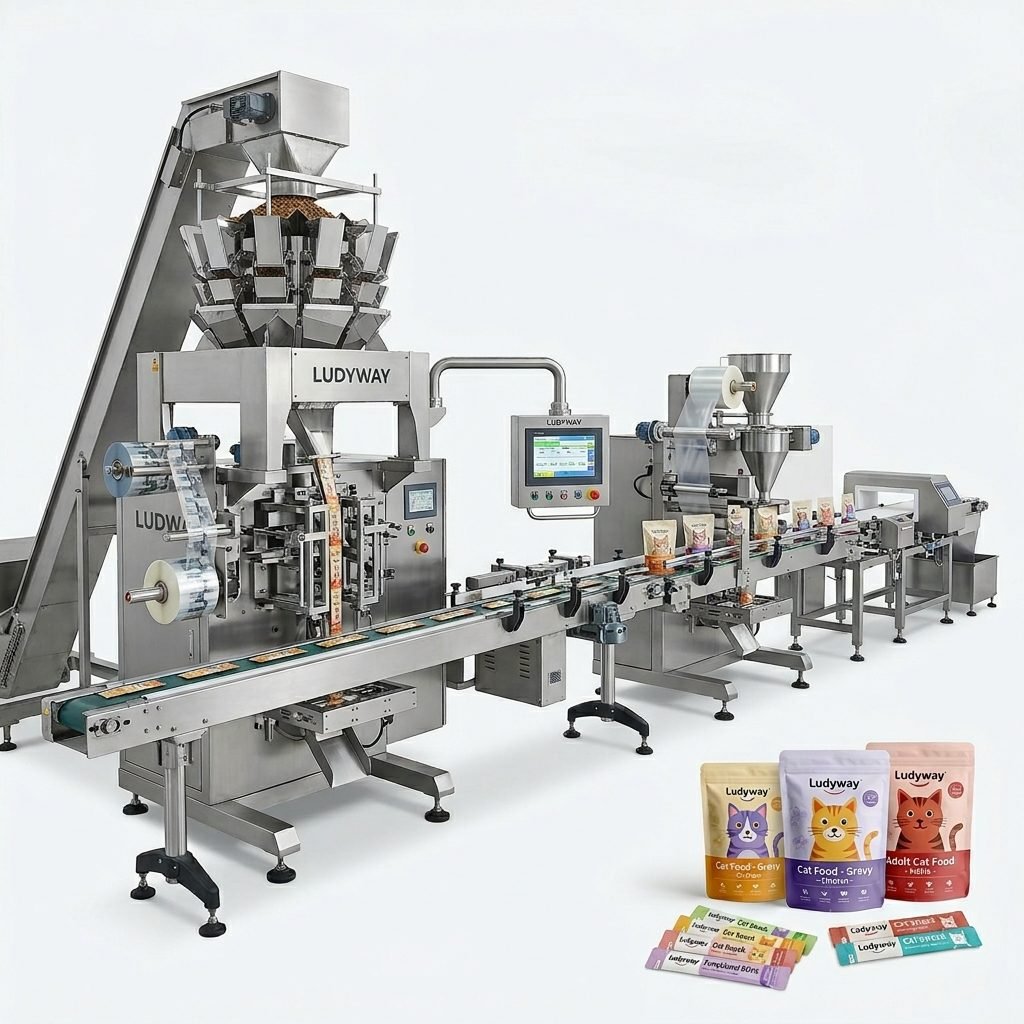
The greatest efficiency gains come from integrating individual machines into a cohesive system. A typical integrated line might start with an automatic carton erector, funnel orders to packing stations, pass sealed boxes through a print-and-apply labeler, and finally route them to a sortation system. The key is to ensure machines communicate seamlessly, often guided by a central WMS, to create a smooth, uninterrupted flow from packing to shipping.
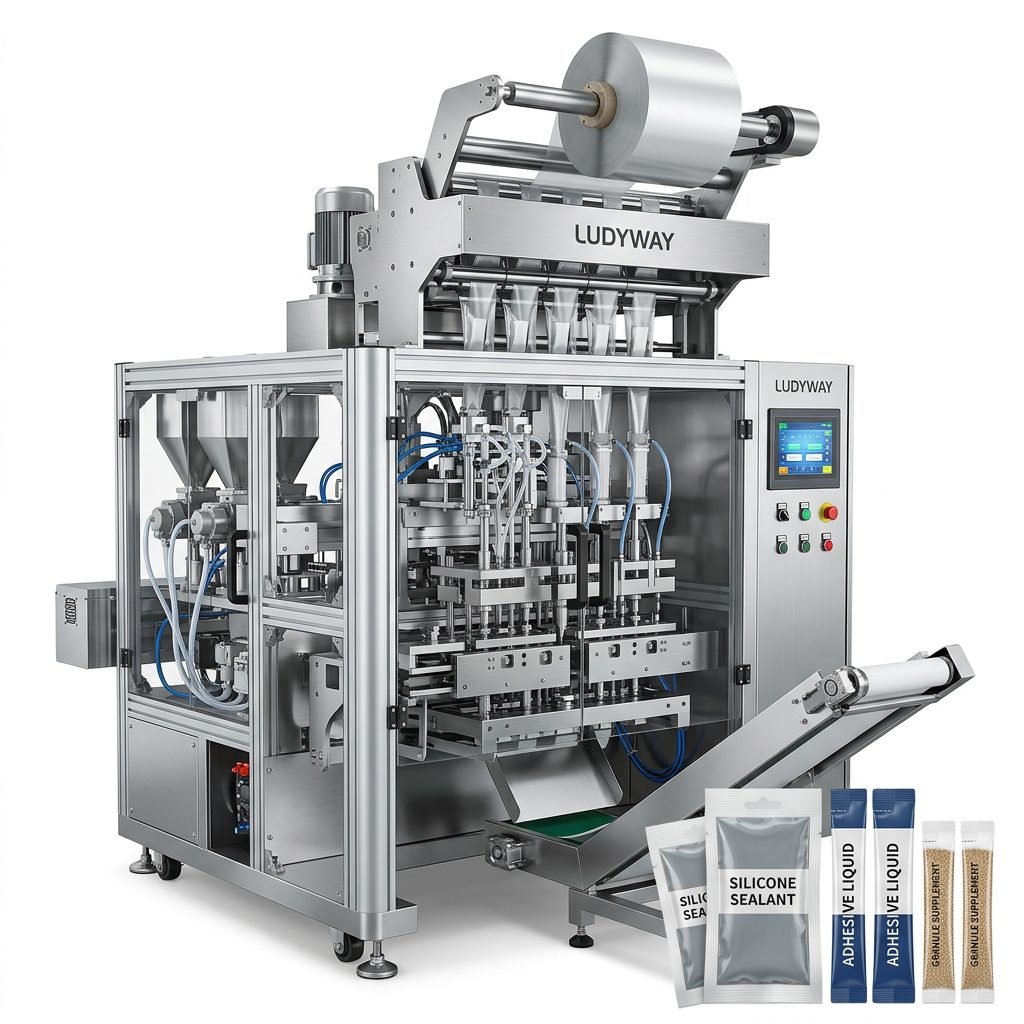
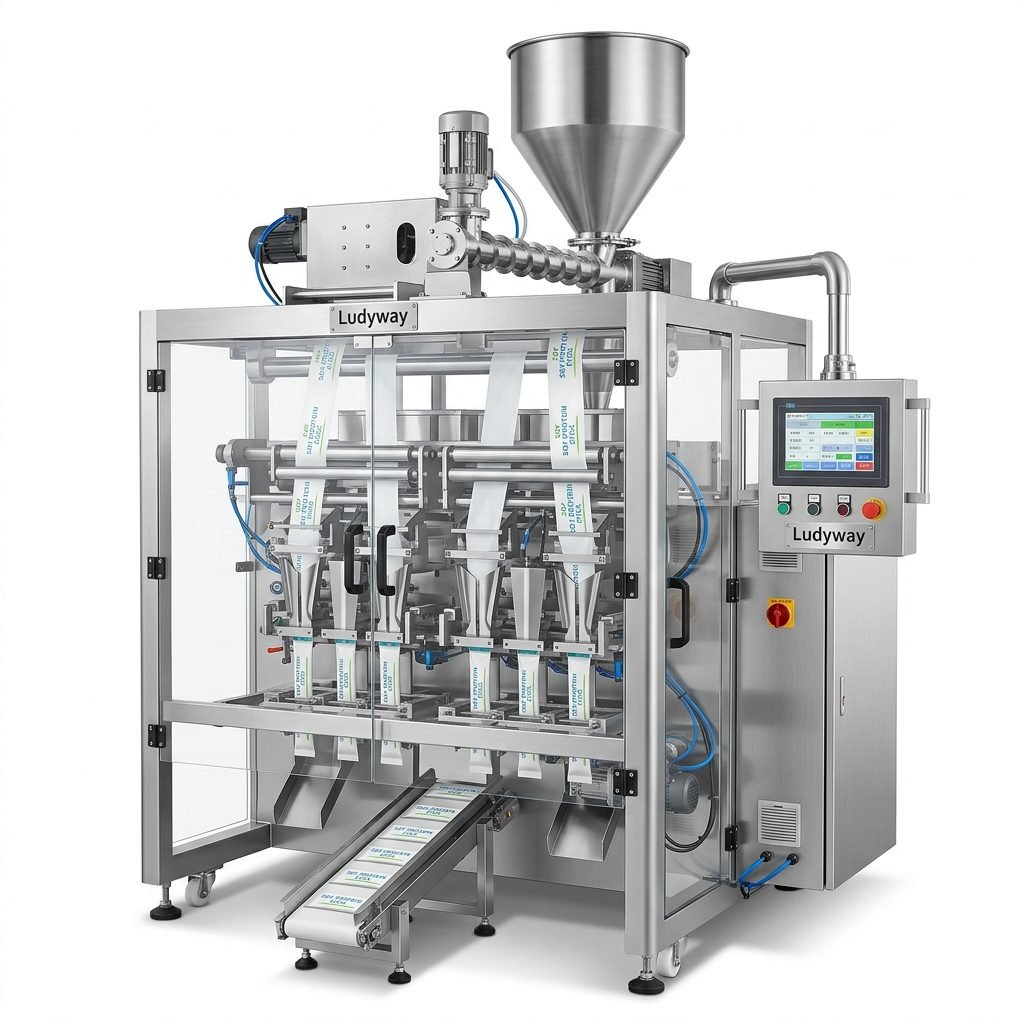
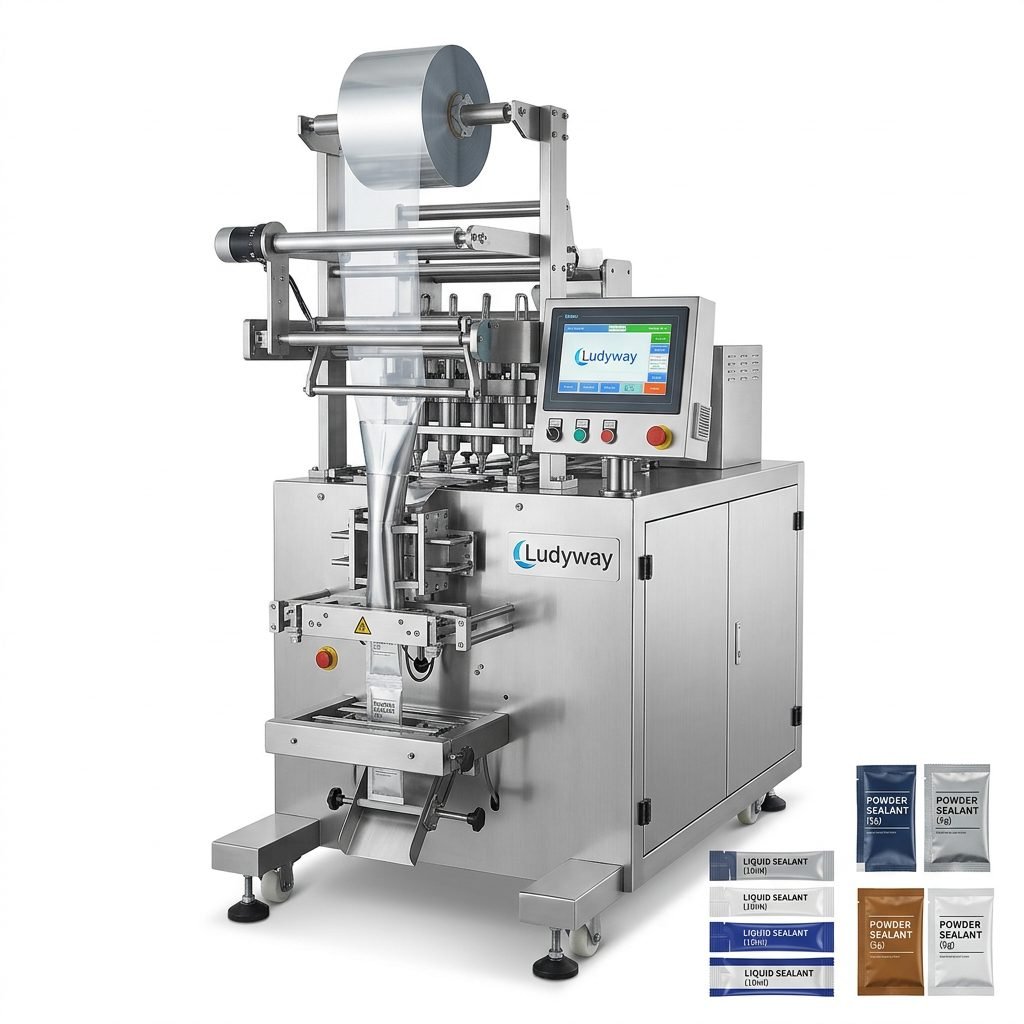
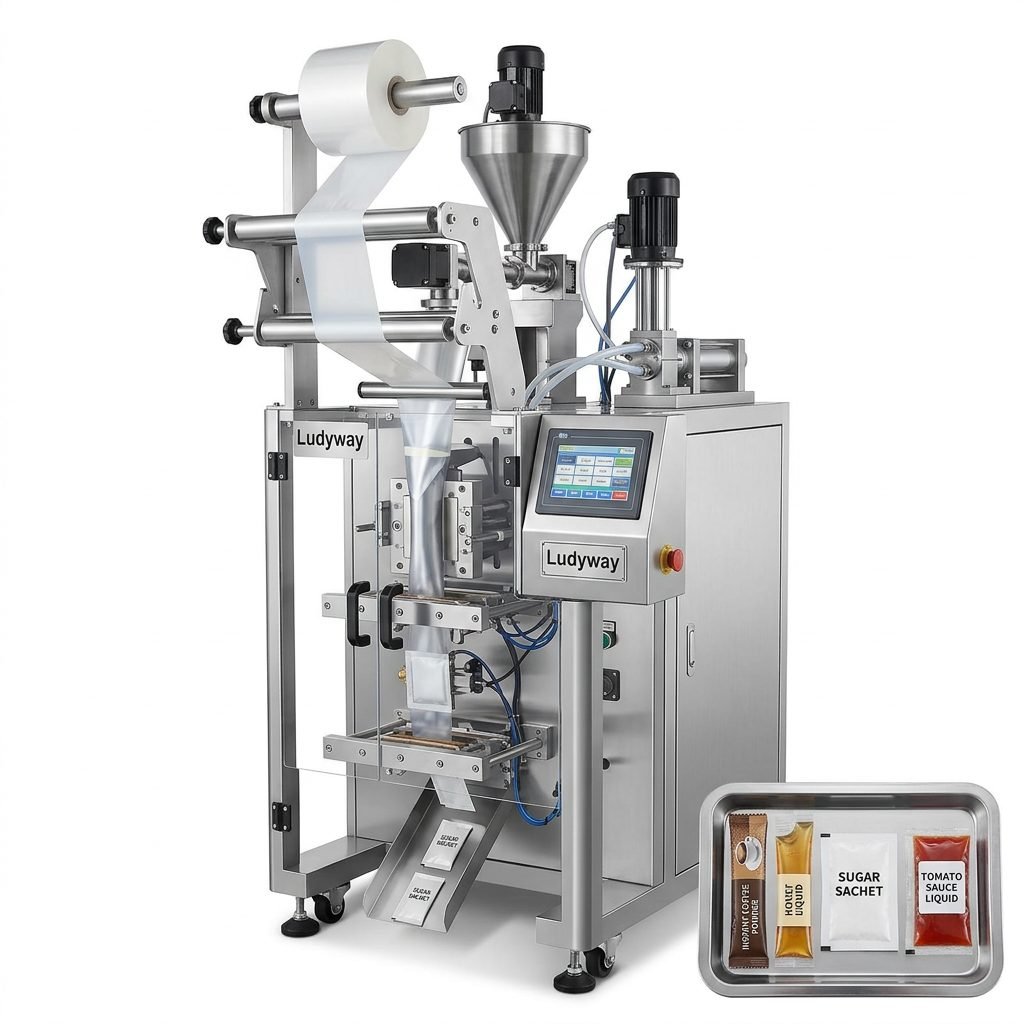
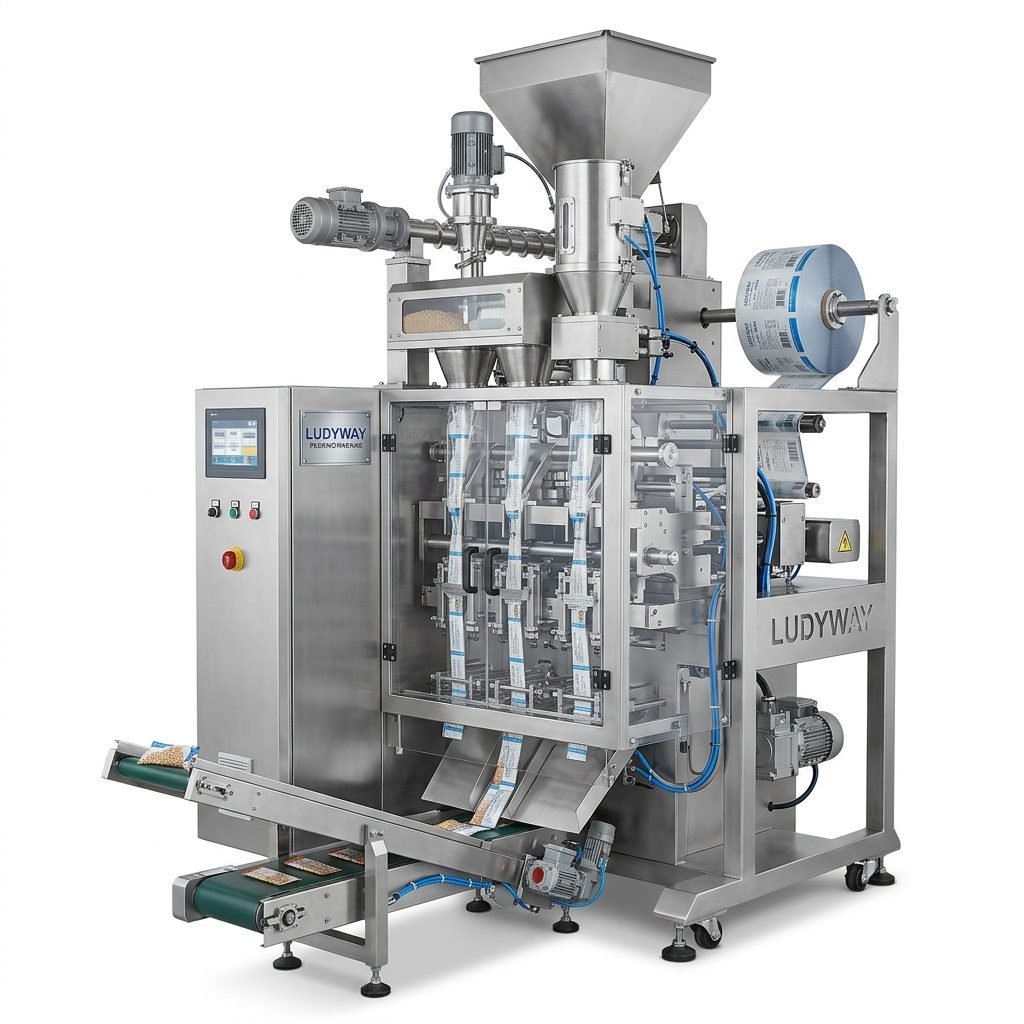
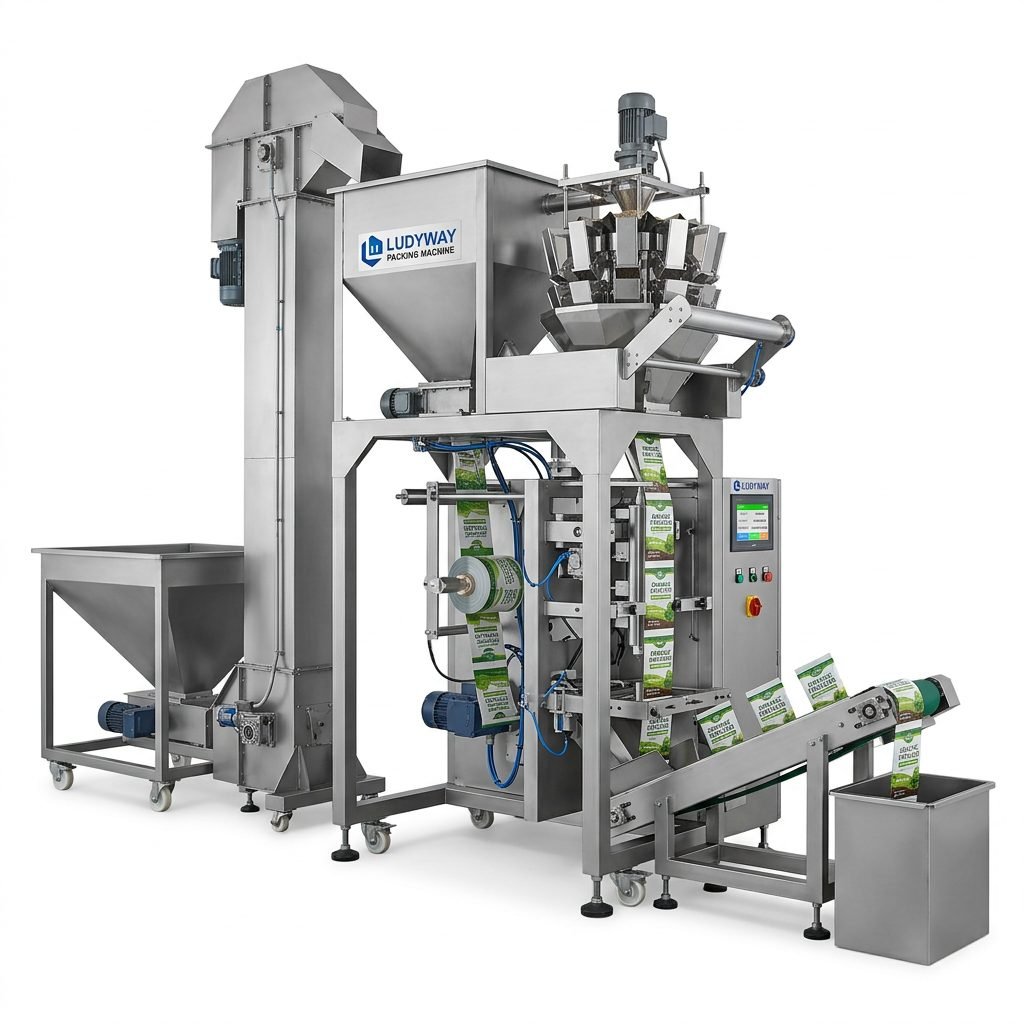
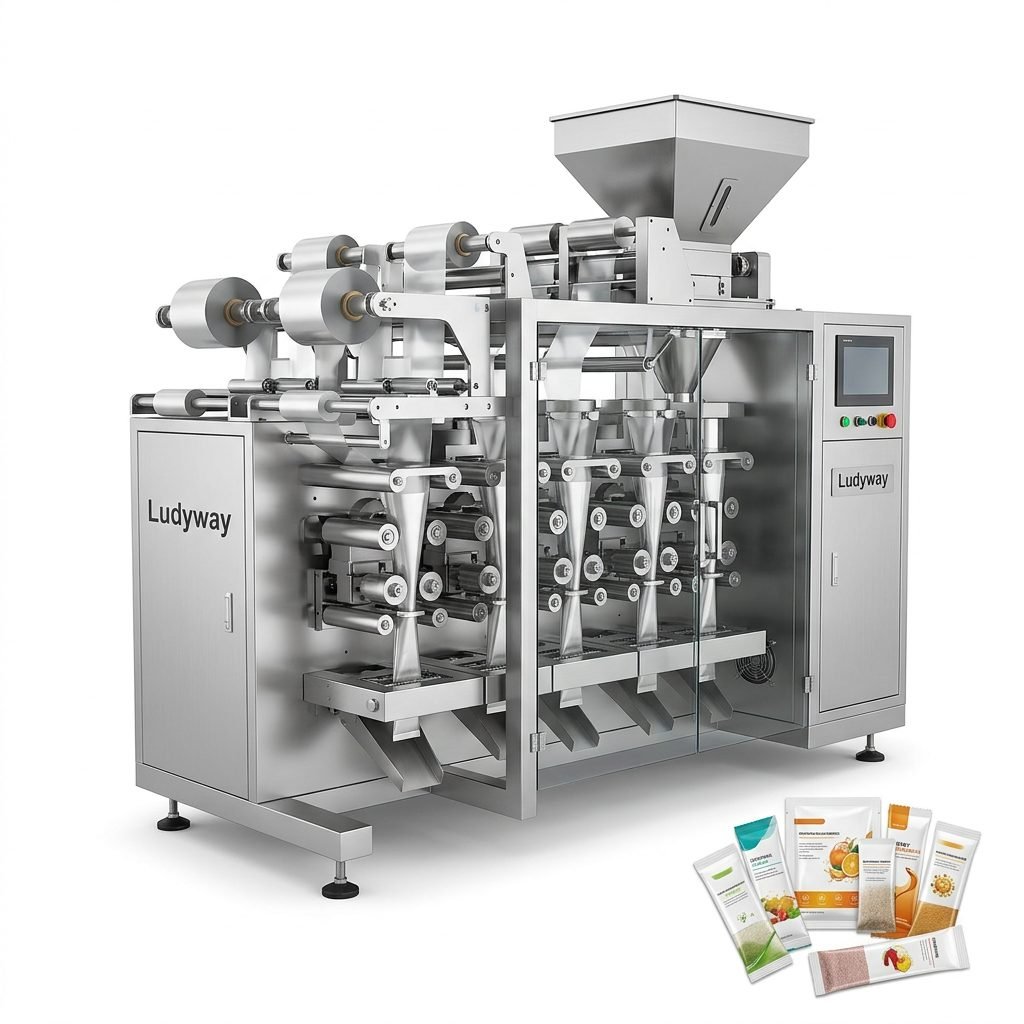
For businesses looking to implement such solutions, partnering with an experienced provider is crucial. Companies like Ludyway Machinery, with over 30 years of industry experience, specialize in providing reliable, intelligent packaging solutions. They understand the flow of fulfillment centers and can offer tailored equipment, from single machines to complete turnkey production line solutions, that integrate smoothly into existing operations.
Selecting the Right Equipment for Your Center
Choosing equipment requires a careful analysis of your specific needs. Consider your average and peak order volumes, the variety of product sizes and types you ship, your current labor challenges, and available floor space. The goal is to automate the most repetitive, time-consuming, or error-prone tasks first. A phased approach, starting with a critical machine like an automatic label applicator or carton sealer, allows for manageable investment and integration.
📈 ROI Considerations
Justify investment by calculating the potential return. Key metrics include:
• Labor Savings: Hours saved per shift on manual packing/sealing/labeling.
• Material Savings: Reduced waste from optimized box sizes, tape, and dunnage use.
• Throughput Increase: More orders processed per hour, especially during peak seasons.
• Error Reduction: Cost savings from eliminated mis-ships and damaged goods.
Reliable equipment from trusted suppliers minimizes downtime. Look for providers known for robust machinery and strong technical support, ensuring your operations run smoothly. Exploring the range of packaging machine models available from specialized manufacturers can help identify the best fit for your technical and budgetary requirements.
Conclusion
Optimizing your fulfillment center with the right packaging equipment is a strategic move toward greater profitability and scalability. From automatic cartoning and bagging to intelligent labeling and wrapping, each machine plays a vital role in creating a faster, leaner, and more reliable operation. By carefully assessing your workflow and investing in targeted automation, you can significantly boost efficiency, reduce costs, and enhance your capacity to meet growing customer demand.
Frequently Asked Questions (FAQs)
What is the most important packaging machine to invest in first for a fulfillment center?
The priority depends on your biggest bottleneck. For many centers, an automatic print-and-apply label applicator offers a quick win by drastically reducing shipping errors and speeding up the final dispatch process. If manual box setup is the constraint, an automatic carton erector/sealer would be the primary investment.
How do I calculate the ROI for automated packaging equipment?
Calculate ROI by comparing the machine’s cost against the savings it generates. Tally the labor hours saved (wages), the reduction in packaging material waste, the increase in orders processed per hour (value of additional capacity), and the costs avoided from reduced errors (like mis-ships). Most quality equipment pays for itself within 12-24 months.
Can automated packaging systems handle a wide variety of box and product sizes?
Yes, modern systems are highly flexible. Many automatic carton erectors and sealers can be quickly adjusted to handle a range of predefined box sizes. For truly random-sized shipping, on-demand box erectors or automated taping stations that adapt to each box are the ideal solution.
Is it difficult to integrate new packaging machines with our existing Warehouse Management System (WMS)?
Reputable equipment providers design machines with integration in mind. Most automated labelers, for example, can receive data directly from your WMS via standard protocols. When selecting equipment, clearly communicate your integration requirements with the supplier to ensure compatibility and smooth data flow.
How much space do these machines typically require?
Space requirements vary. A compact automatic bagging or taping system might only need a few square feet on a packing table. A full carton erector-sealer-line may require a dedicated floor space of 10-20 feet in length. Always review the machine’s footprint and required clearances for operation and maintenance during the planning phase.