In the fast-paced world of logistics and product protection, foam in place packaging (FIP) equipment has revolutionized how businesses secure their goods for shipment. This innovative method involves creating custom-fit foam cushions on-demand, directly inside the shipping container, providing unparalleled protection against shock, vibration, and damage. For companies seeking to enhance their packaging operations, understanding how this technology works, its key benefits, and what to consider when purchasing is essential.
How Foam In Place Packaging Equipment Works
The core principle behind foam in place packaging is a chemical reaction. Specialized equipment uses two liquid components—typically polyol and isocyanate—which are stored in separate tanks. When the packaging cycle is initiated, these components are precisely metered and mixed within the machine’s mixing head.
The mixed liquid is then dispensed into the shipping box or bag containing the product. Within seconds, a rapid expansion occurs as the mixture reacts with ambient moisture and begins to foam. This expanding foam flows around the product, conforming perfectly to its shape and any voids within the container.
Key Process Steps:
1. Metering: The two liquid chemical precursors are drawn from their reservoirs.
2. Mixing: The components are combined at a specific ratio in the mixing chamber.
3. Dispensing: The mixed liquid is injected into the package.
4. Expansion & Curing: The foam expands 100-200 times its liquid volume and solidifies into a semi-rigid, protective cushion.
This entire process is automated and controlled by the machine’s system, ensuring consistent foam quality and density for every package. The result is a custom-molded cushion that immobilizes the product, preventing movement and absorbing impacts during transit.
Types of FIP Systems
There are generally two main types of foam-in-place systems, each suited for different production volumes and needs.
1. Pour-in-Place Systems
These are the most common type. The foam is dispensed directly into the bottom of a shipping carton. The product is then placed on top of the rising foam, and more foam can be poured on top before sealing the box. This method is highly effective for sealing and blocking items in place.
2. Bag-in-Place Systems
This method involves dispensing the expanding foam into a plastic bag, which is then placed around the product inside the shipping box. The bag contains the foam, making it a cleaner option and allowing for easier unpacking for the end customer, as the foam doesn’t directly contact the product.
Key Benefits of Implementing FIP Packaging
Adopting foam in place packaging technology offers a multitude of advantages that directly impact the bottom line, customer satisfaction, and operational efficiency.
▶ Superior Product Protection: The custom-molded foam provides exceptional cushioning and void fill, significantly reducing the risk of in-transit damage from drops, vibrations, and compression. This leads to fewer returns and warranty claims.
▶ Major Material Savings: FIP systems use up to 90% less material volume compared to traditional loose fill peanuts or pre-molded foam. The foam expands to fill only the necessary space, eliminating waste and drastically reducing storage space needed for packaging materials.
▶ Labor and Time Efficiency: The automation of the cushion creation process speeds up packaging lines. Workers no longer need to manually cut and shape foam blocks or fill boxes with loose material, leading to higher throughput and lower labor costs.
▶ Versatility and Customization: A single FIP machine can protect an infinite variety of product shapes and sizes without the need for maintaining a large inventory of different foam inserts or die-cut designs. This is ideal for businesses with diverse product lines or made-to-order items.
▶ Enhanced Sustainability Profile: Modern FIP foams are often made with a high percentage of renewable or plant-based content. The dramatic reduction in material usage and the potential for biodegradable foams make it an environmentally friendlier choice compared to many plastics.
▶ Improved Customer Experience: Products arrive in pristine condition, bolstering brand reputation. The clean, professional look of the packaging and the ease of unpacking (especially with bag-in-place systems) enhance the unboxing experience.
Essential Buying Guide for FIP Equipment
Investing in foam in place packaging equipment is a significant decision. Here are the critical factors to consider to ensure you select the right system for your operation.
1. Assess Your Production Requirements
Start by analyzing your current and projected future needs. Key questions include:
- Volume: How many packages do you ship per day, week, or month?
- Product Variety: How many different SKUs or product shapes do you need to protect?
- Line Speed: What packaging speed (packages per hour) is required to keep up with your production or order fulfillment?
- Package Size Range: What are the smallest and largest box dimensions you use?
2. Understand the Different Machine Configurations
FIP equipment ranges from compact, manual benchtop units to fully automated, in-line systems integrated with conveyors.
Manual / Benchtop Systems:
Ideal for low-volume operations, prototyping, or facilities with highly variable packaging needs. The operator manually triggers the foam dispense for each package.
Semi-Automatic Systems:
A balance of automation and control. The machine automates the mixing and dispensing cycle, but an operator is needed to position the box and product.
Fully Automatic In-Line Systems:
Designed for high-volume production. These systems are integrated into conveyor lines, automatically dispensing foam into boxes as they pass by, often synchronized with other packaging machinery.
3. Evaluate Key Machine Features
Not all FIP machines are created equal. Pay close attention to these features:
Precision Metering: Consistent foam density is crucial for protection and cost control. Look for machines with high-precision piston pumps or gear pumps.
Mix Head Technology: A clean, efficient mix head prevents clogging and ensures a complete chemical reaction. Self-cleaning or purge-cycle heads minimize maintenance downtime.
Control System: A user-friendly touchscreen interface allows for easy adjustment of foam volume, density, and pour patterns. Data logging and recipe storage for different products are valuable features.
Chemical Management: Consider tank sizes, refill mechanisms, and the machine’s ability to handle different types of foam chemistry (e.g., standard, bio-based, fast-cure).
4. Consider Total Cost of Ownership (TCO)
Look beyond the initial purchase price. The TCO includes:
- Chemical foam cost per package.
- Routine maintenance and part replacement costs.
- Energy consumption of the unit.
- Potential labor savings versus your current method.
- Warranty coverage and the availability of local technical support from the supplier.
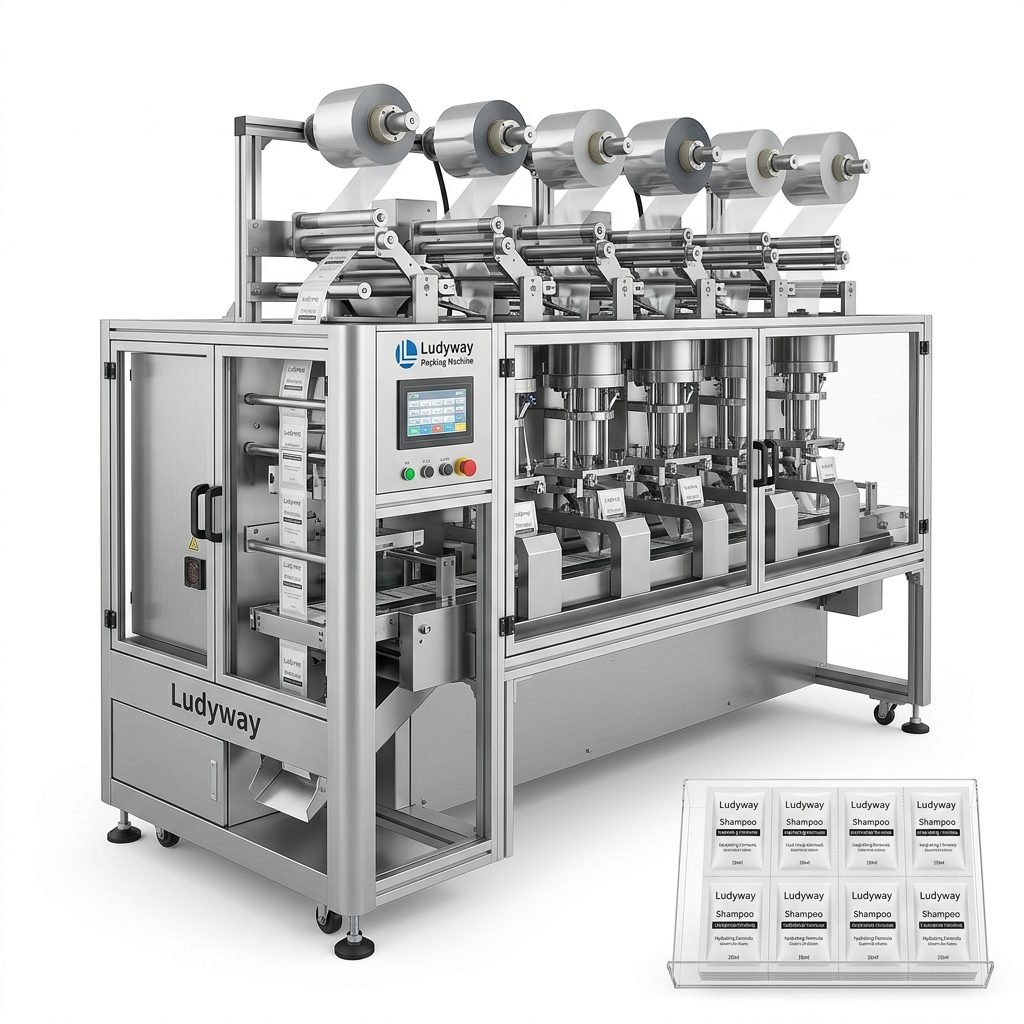
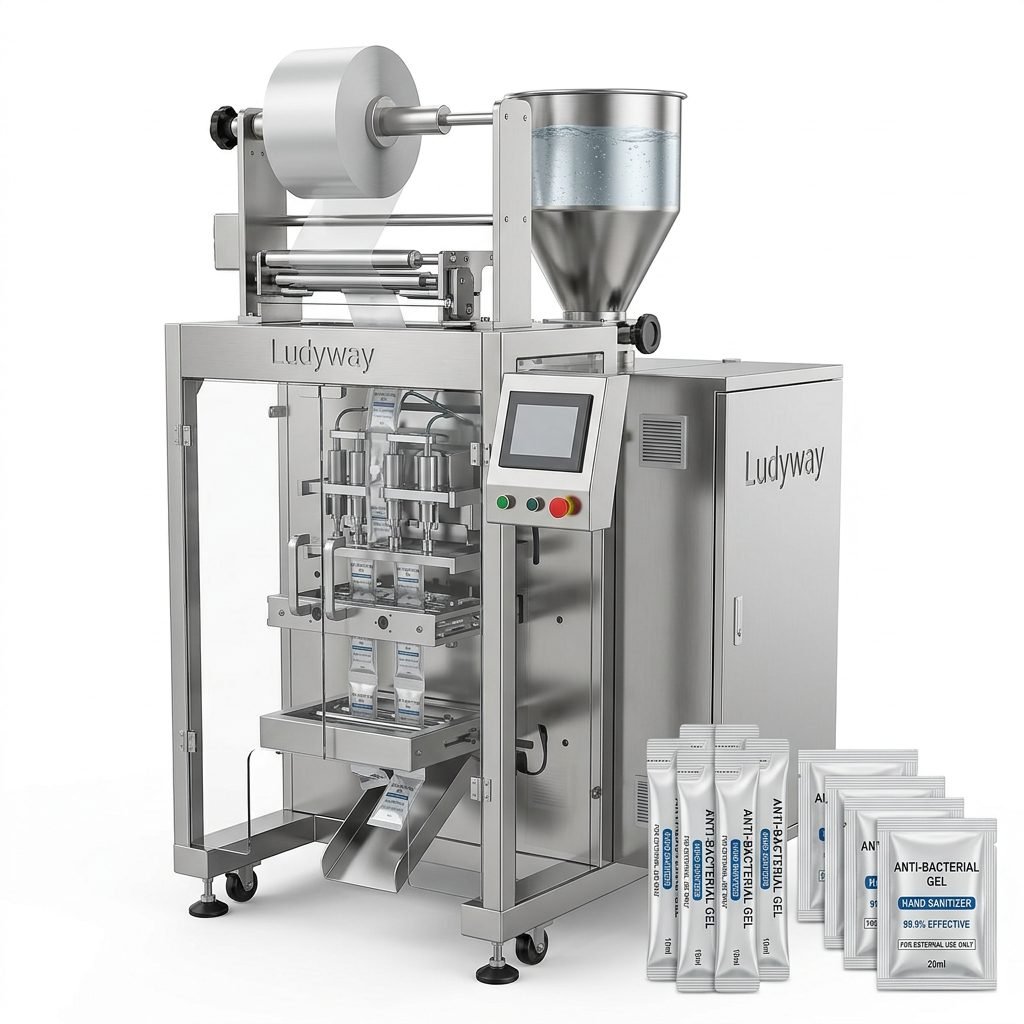
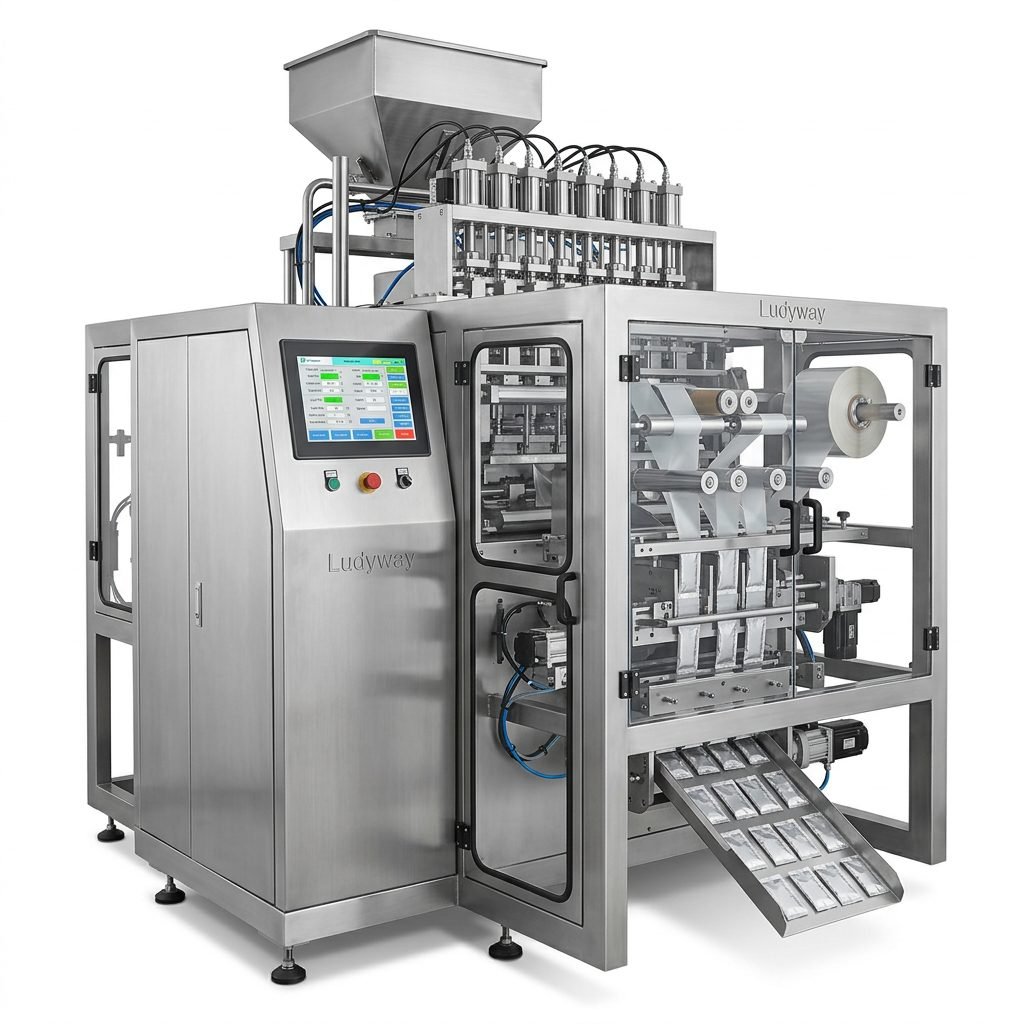
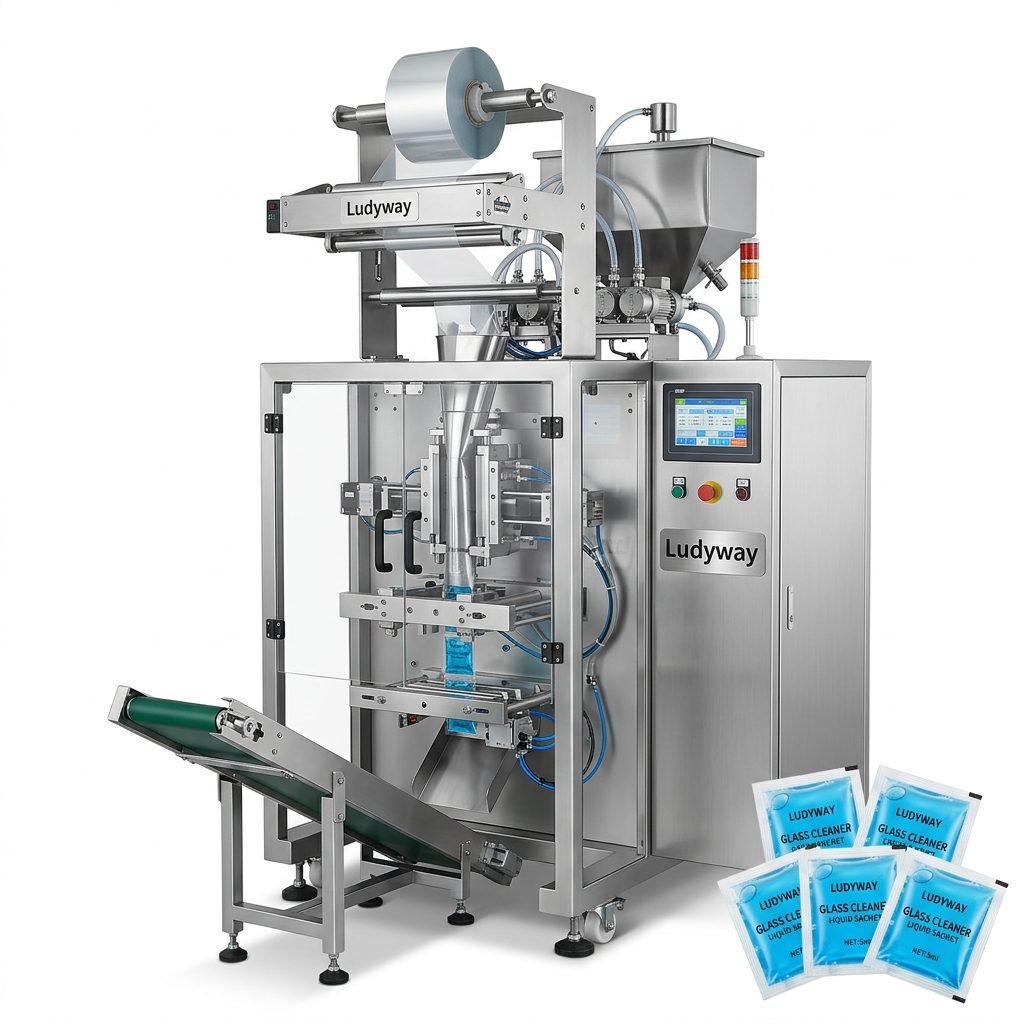
A reliable partner with strong engineering support is invaluable. For example, companies like Ludyway Packing Machine bring decades of experience in providing tailored automation solutions, ensuring you get not just a machine, but a system that integrates seamlessly into your workflow. Exploring resources from professional packaging experts can provide deeper insights into system integration and long-term performance.
5. Plan for Safety and Training
The chemicals used require proper handling. Ensure the equipment supplier provides comprehensive safety guidelines and operator training. Proper ventilation in the packaging area is also a critical requirement.
Conclusion
Foam in place packaging equipment represents a smart, forward-thinking investment for businesses looking to optimize their shipping operations. By delivering unmatched protection, reducing material costs, and improving efficiency, FIP technology addresses core challenges in modern logistics. When selecting a system, a thorough analysis of your needs, careful evaluation of machine capabilities and features, and partnership with a knowledgeable supplier like Ludyway Machinery are the keys to a successful implementation that will pay dividends in product safety and operational savings for years to come.
Frequently Asked Questions (FAQs)
1. How much can I save on packaging materials by switching to FIP?
Savings are significant but vary. Most businesses report a 40-70% reduction in material costs by switching from loose fill or pre-cut foam. The savings come from using less material volume and eliminating the need to stock multiple sizes of protective inserts.
2. Is the foam messy or difficult for customers to handle?
Not with modern systems. While pour-in-place foam contacts the product, it is a solid, semi-rigid cushion. Bag-in-place systems completely contain the foam in a plastic film, making it very clean and easy for end-users to remove and dispose of.
3. What is the typical payback period for an FIP equipment investment?
Payback periods can be surprisingly short, often between 6 to 18 months. The exact timeframe depends on your current packaging material costs, labor savings, reduction in damage-related costs, and the volume of packages you ship.
4. Can FIP foam be recycled or is it environmentally friendly?
Environmental impact is a key focus. Many modern FIP foams use a significant percentage of plant-based (e.g., soybean) content. While curbside recycling is often not available, the foam is inert and non-toxic. The largest environmental benefit is the drastic reduction in material usage and waste at the source compared to traditional methods.
5. How do I know if my production volume justifies an automated system?
A good rule of thumb is if you are manually packaging more than 50-100 packages per day, a semi-automatic system can likely improve your efficiency. For operations exceeding several hundred packages per day, a fully automated in-line system should be evaluated to maximize throughput and labor savings.