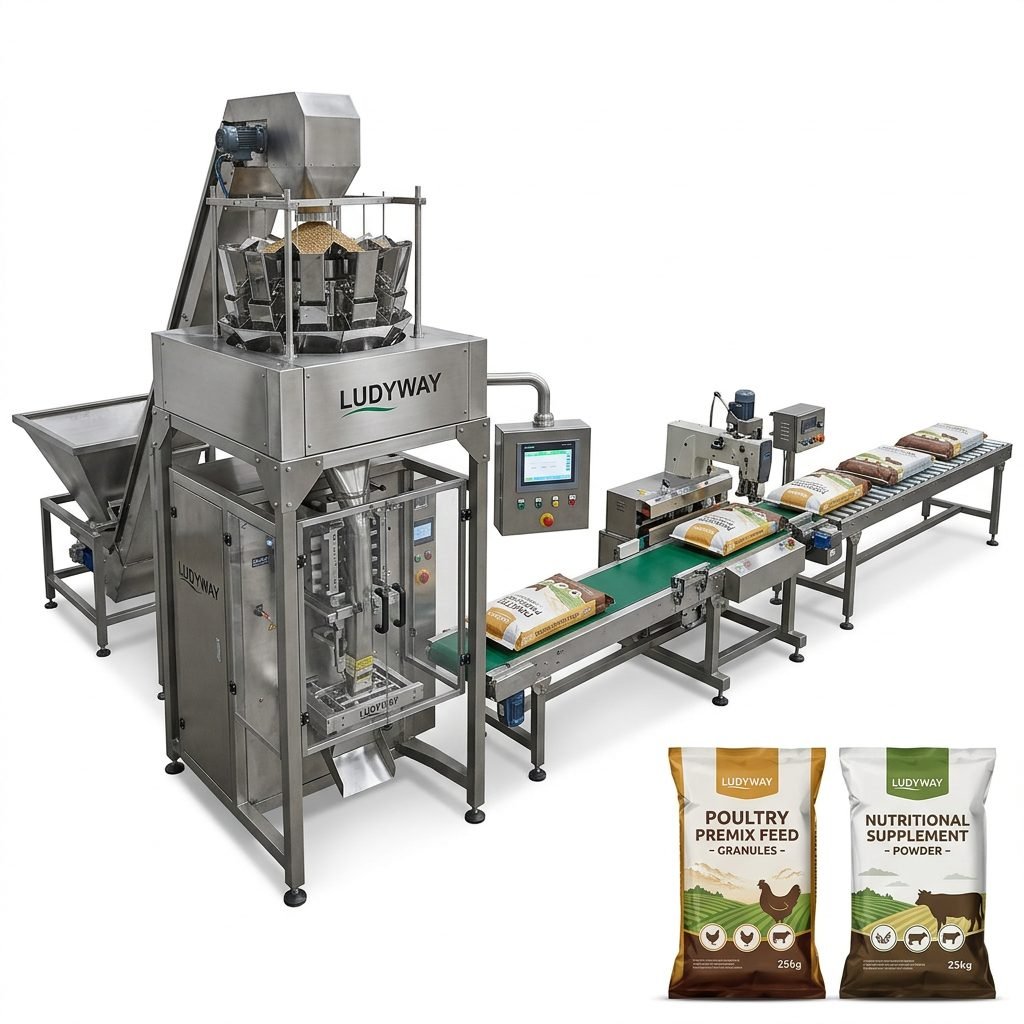
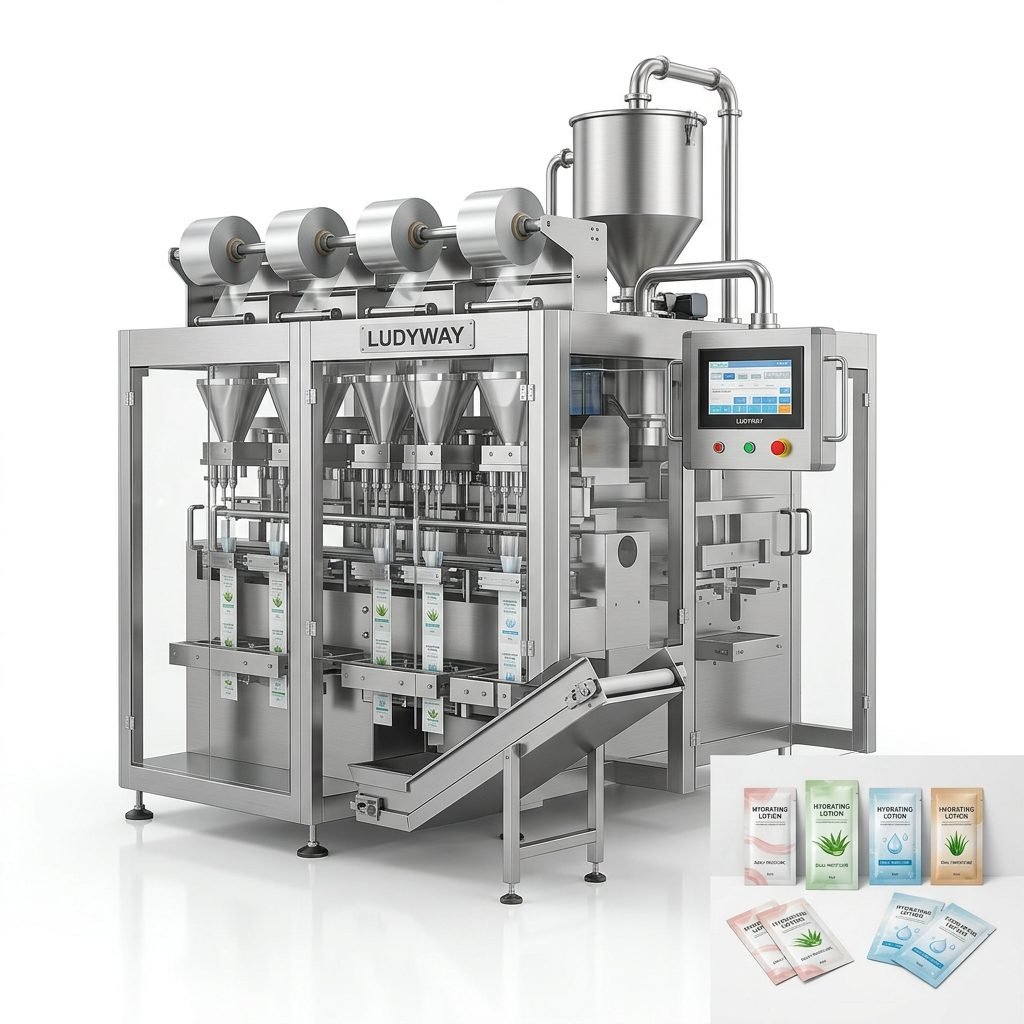
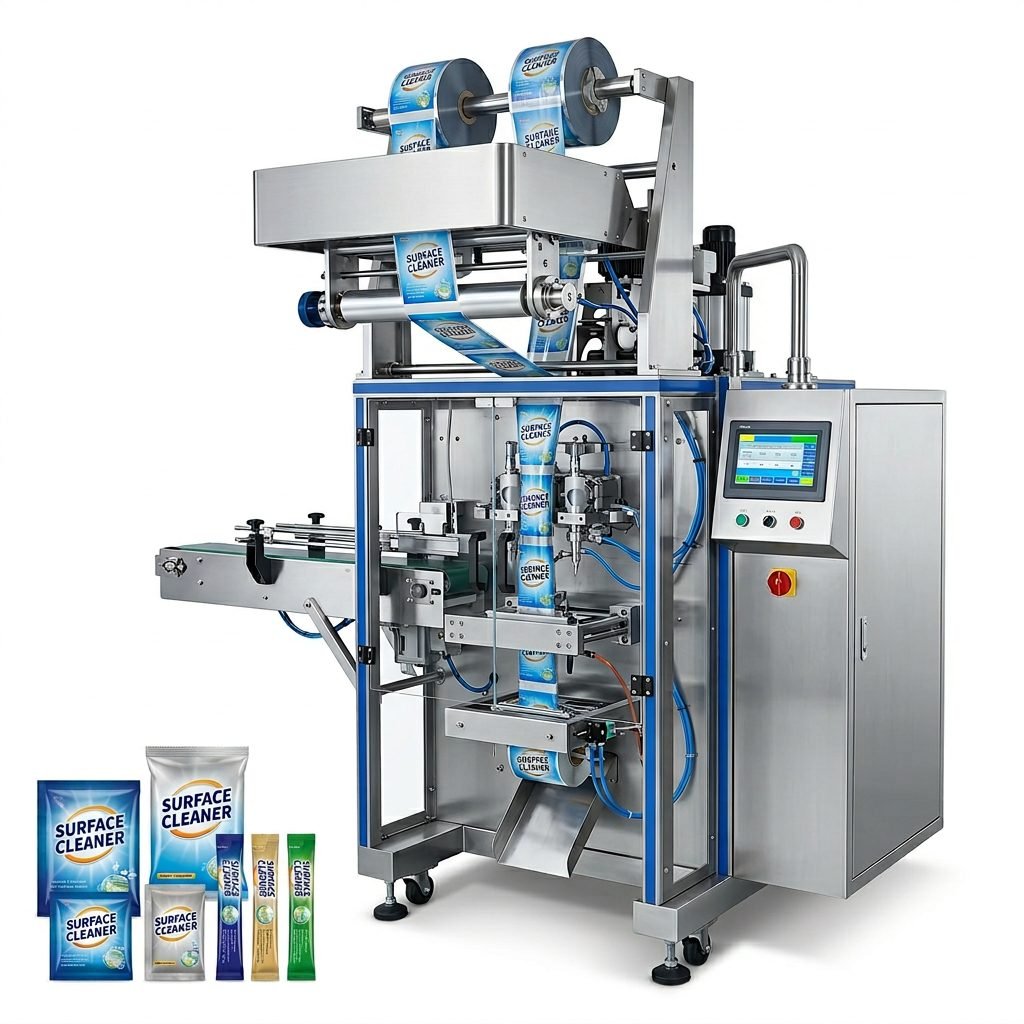
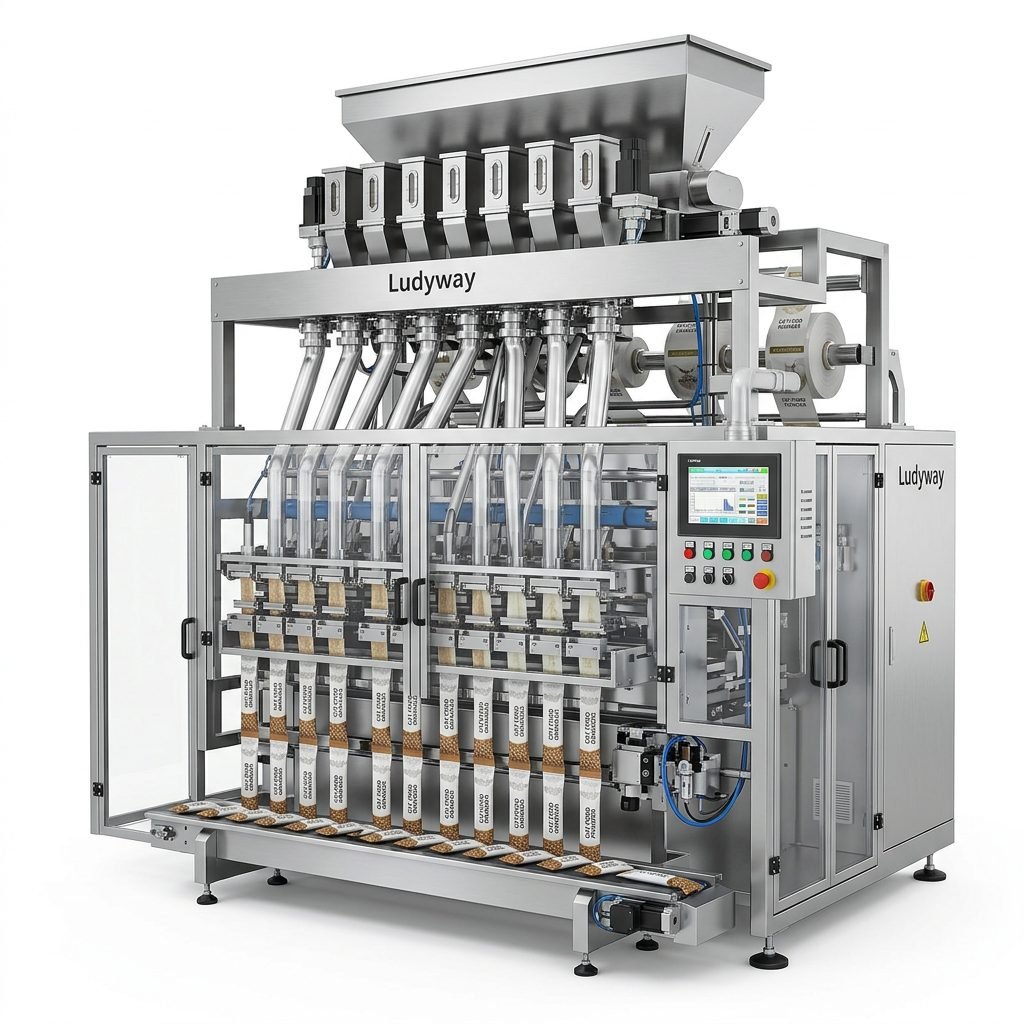
Securing a government contract for packaging operations is a significant achievement, but it comes with a heightened level of responsibility. The equipment you choose must not only be efficient but also exceptionally reliable, secure, and compliant with stringent regulations. This guide outlines the critical factors to consider when selecting packaging machinery for government-related projects, ensuring your operations meet the exacting standards required.
Core Mandates for Government Contract Compliance
Government contracts often involve sensitive materials, from pharmaceuticals and medical supplies to specialized components for defense or infrastructure. The packaging process is a critical control point. Your equipment selection must be driven by the following non-negotiable mandates:
1. Uncompromising Reliability & Uptime
Government supply chains cannot afford unexpected downtime. Delays can have cascading effects on critical programs and services.
- Proven Track Record: Prioritize machinery from suppliers with documented, long-term performance in industrial settings. Look for case studies or references from similar high-stakes industries.
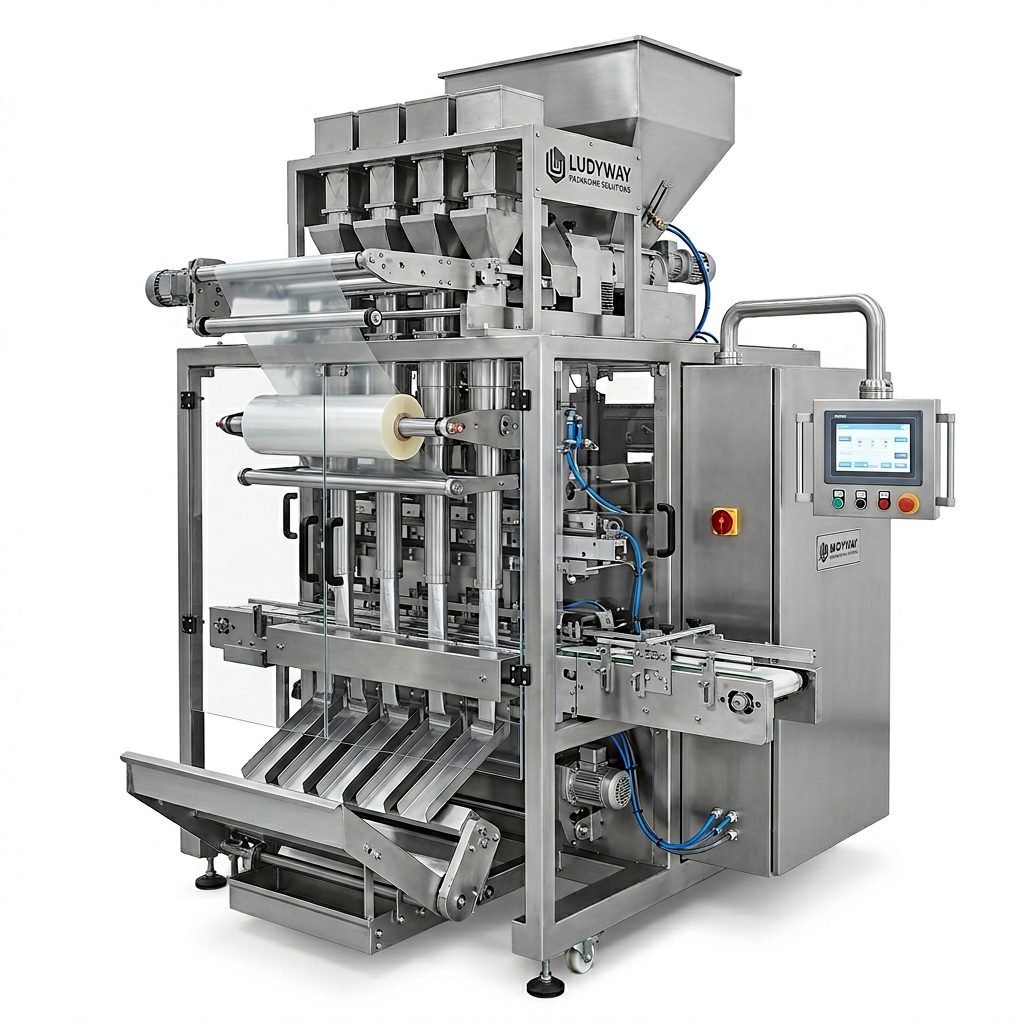
- Robust Construction: Equipment should feature durable components (e.g., stainless-steel contact parts, industrial-grade PLCs) designed for continuous operation.
- Preventive Maintenance Design: Choose machines with easy access for maintenance and cleaning to minimize service time. Suppliers should offer comprehensive preventive maintenance plans and readily available spare parts.
2. Enhanced Security & Traceability Features
Security extends beyond physical access to data integrity and process auditability.
Key Security Capabilities to Demand:
Access Control Logs: User-level login systems to track operator activity.
Data Encryption: Secure storage and transmission of production data.
Serialization & Aggregation: Support for unique identifier codes (like those required for pharmaceuticals) and parent-child packaging relationships.
Tamper-Evidence Integration: Compatibility with technologies that provide clear evidence of package interference.
3. Regulatory Adherence & Documentation
Your equipment must help you comply with relevant standards, not hinder it.
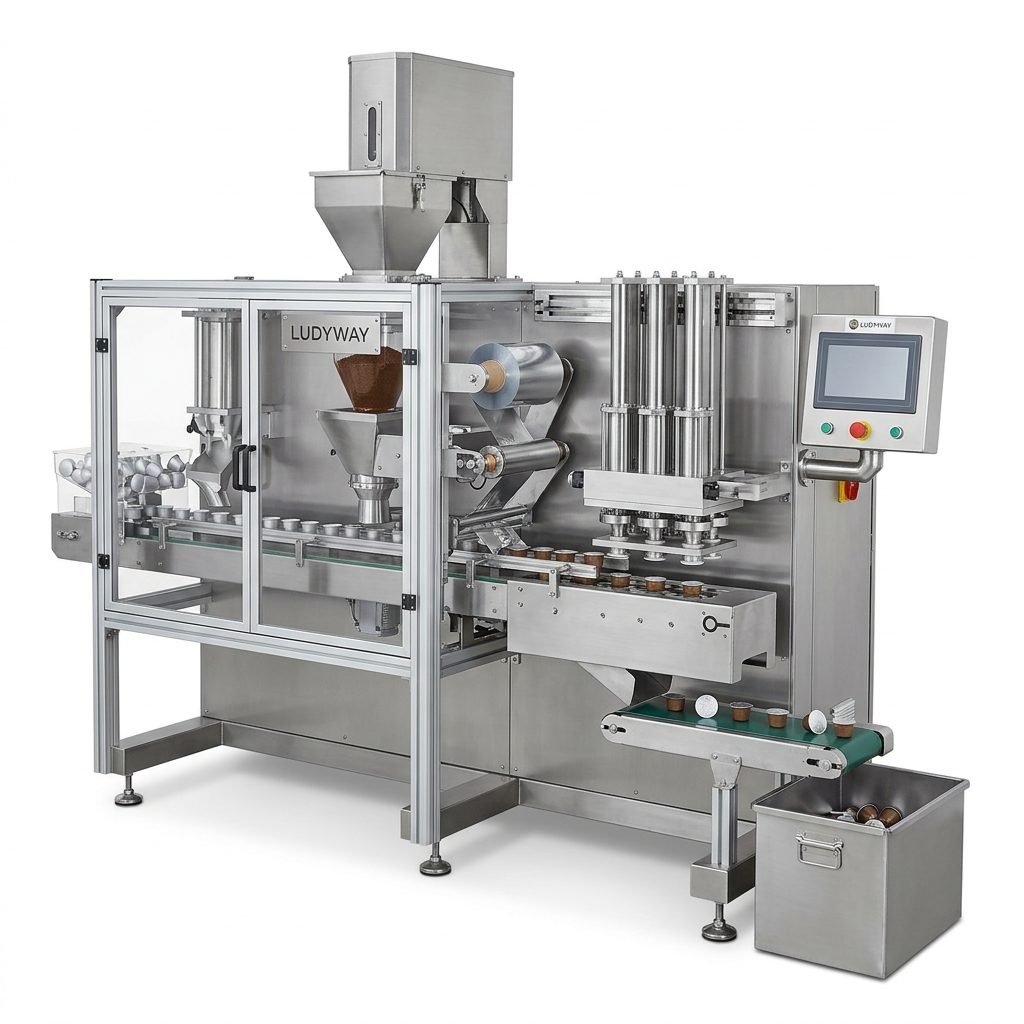
Material Compliance: All machine parts contacting the product must be certified for use with food, pharmaceuticals, or other regulated materials (e.g., FDA, EU 1935/2004, GMP standards). Documentation for these certifications must be complete and verifiable.
Validation Support: The supplier should provide detailed documentation packets to aid in Installation Qualification (IQ), Operational Qualification (OQ), and Performance Qualification (PQ) protocols, which are often required for government audits.
4. Precision, Consistency, and Flexibility
Contracts may involve high-value products or variable batch sizes, requiring both accuracy and adaptability.
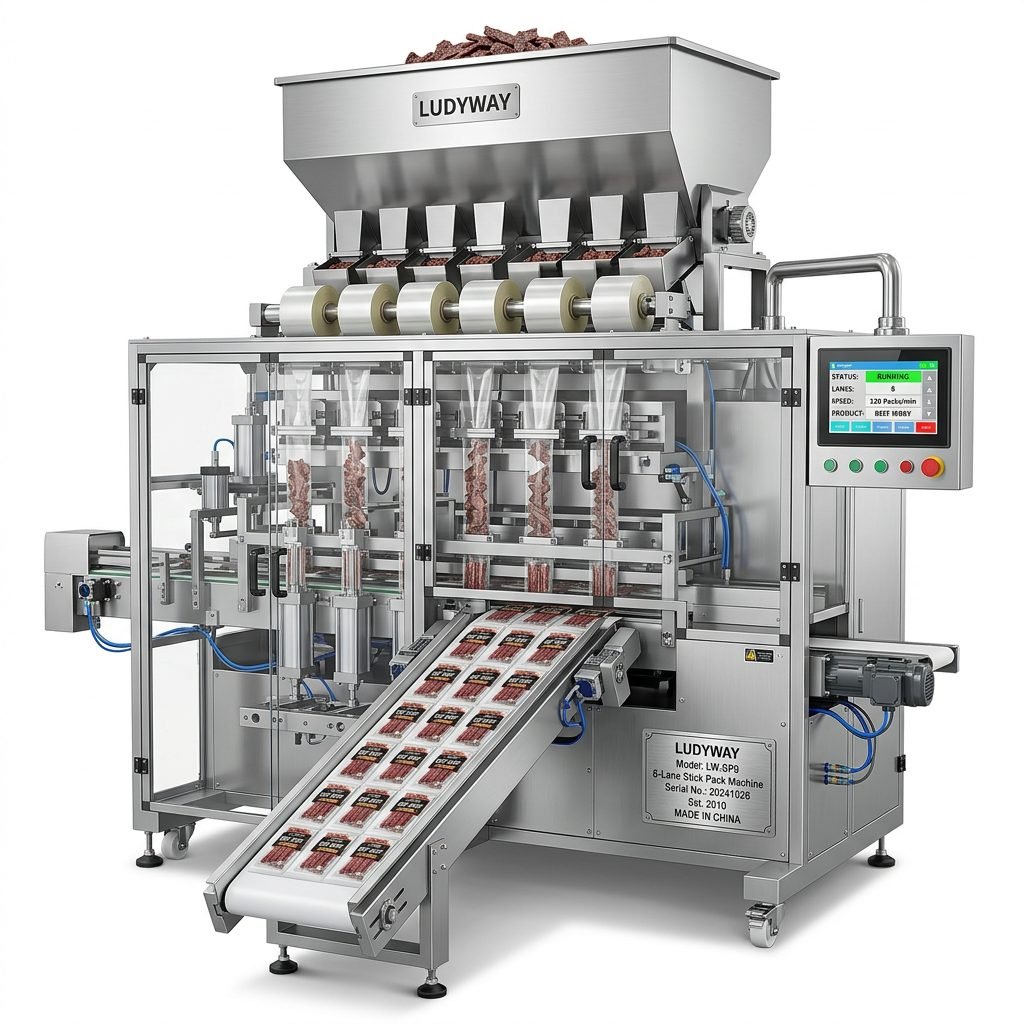
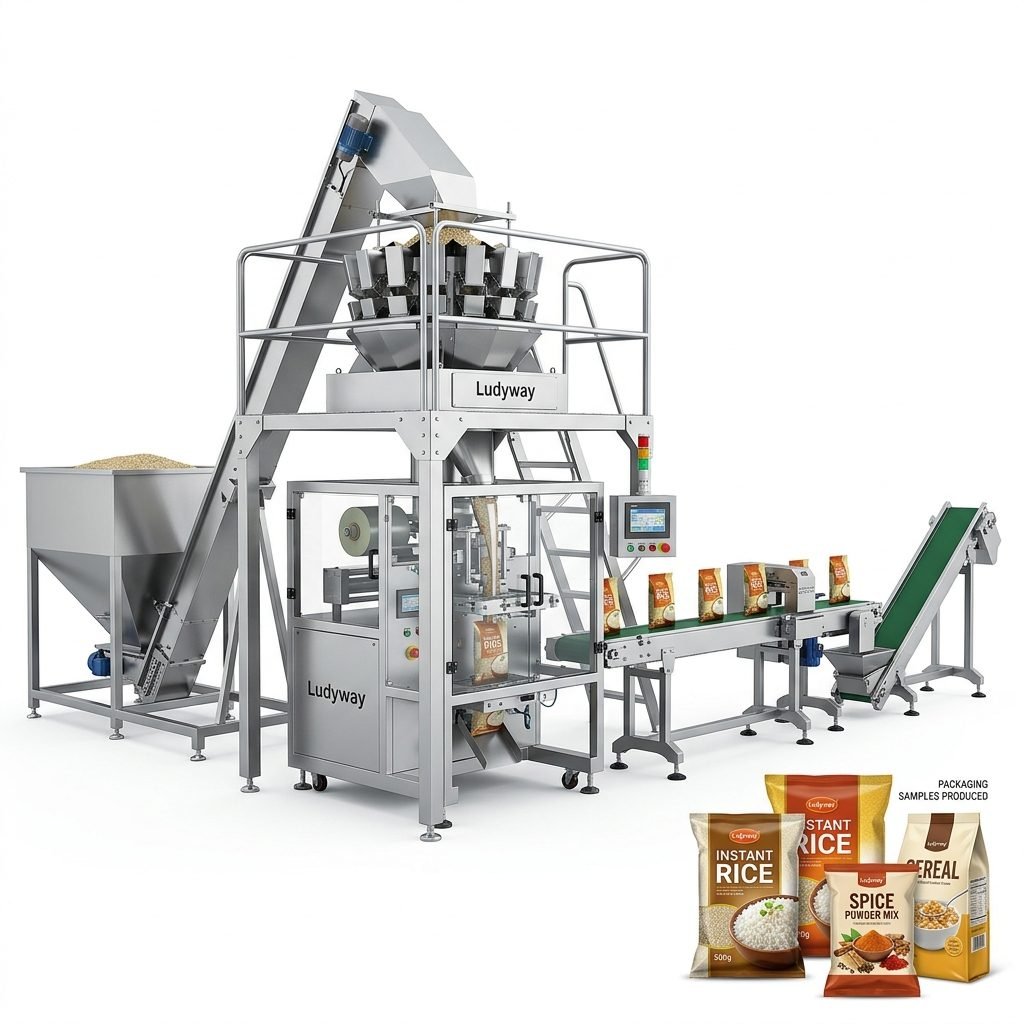
- Weighing & Dosing Accuracy: Look for equipment with high-precision load cells and feedback systems to minimize give-away and ensure every unit meets spec.
- Changeover Efficiency: Quick, tool-less changeovers between package sizes or formats reduce downtime when switching contract batches.
- Software Flexibility: Intuitive HMI (Human-Machine Interface) software that allows easy parameter setting, recipe storage, and adjustment for different products.
Evaluating Your Packaging Machinery Partner
The supplier you choose is as important as the machine itself. They become a strategic partner in your contract fulfillment.
🔍 Due Diligence Checklist for Suppliers:
Industry Experience: Do they have a proven history serving regulated industries like pharmaceuticals, nutraceuticals, or specialized manufacturing? A company like Ludyway Packaging Machinery, with decades of focused experience, understands these unique pressures.
Technical Support & Service: What is their response time for technical support? Do they offer remote diagnostics? Is on-site service available 24/7 if your contract demands it? Ensure their support structure aligns with your project’s criticality.
Financial Stability: The supplier should be a stable entity capable of supporting your equipment for the lifespan of your multi-year government contract.
Customization Ability: Can they tailor a solution to your specific contract requirements, whether it’s a unique feeding system, specialized labeling, or integration with existing line equipment?
Investing time in a thorough vendor assessment mitigates long-term risk. Request site visits to see their manufacturing facilities and ask for detailed references from clients with similar compliance needs.
Implementing and Validating Your Solution
Once selected, successful implementation is key.
Phased Installation: Work with your supplier on a staged installation and commissioning plan to minimize disruption to ongoing operations.
Comprehensive Training: Ensure all operators, mechanics, and quality staff receive in-depth training on operation, cleaning, safety, and basic troubleshooting. Knowledge is a primary defense against errors.
Full System Validation: Execute the full validation protocol (IQ/OQ/PQ) with the supplier’s support. This creates the documented evidence required to prove to government auditors that your packaging process is under control and reproducible.
Final Considerations for Success
Choosing packaging equipment for a government contract is a strategic decision that impacts your ability to deliver reliably and maintain compliance. By prioritizing reliability, security, regulatory alignment, and partner credibility, you build a foundation for successful contract execution. The right machinery, backed by the right partner, transforms a compliance requirement into a competitive advantage, ensuring you meet today’s obligations and are positioned for future opportunities. For insights into building a reliable production foundation, explore our perspective on sustainable packaging automation.
Frequently Asked Questions (FAQs)
1. What are the most critical certifications for packaging equipment used in government pharmaceutical contracts?
Equipment should comply with cGMP (current Good Manufacturing Practice) guidelines. Key certifications include the use of FDA-compliant materials (e.g., 316L stainless steel, FDA-grade seals), and machinery design that supports cleanability and validation. Documentation for these standards is mandatory for audit trails.
2. How can we ensure data security from our packaging line for sensitive contracts?
Select machines with role-based access control, audit trails for all parameter changes, and encrypted data export. Isolate the packaging line’s network segment and ensure the supplier’s software complies with relevant data security protocols required by the contracting agency.
3. What should we look for in a supplier’s service agreement for mission-critical contracts?
Seek agreements with guaranteed response times (e.g., 2-hour remote, 24-hour on-site), prioritized spare parts inventory, and included preventive maintenance visits. The agreement should be co-terminous with the prime contract’s period of performance to ensure uninterrupted support.
4. Can standard packaging equipment be modified for the unique needs of a government contract?
Yes, reputable suppliers often offer customization options. This can include adding specific security features (e.g., vision inspection for tamper seals), integrating specialized weighing systems, or modifying material handling components to suit unique products. Discuss requirements early in the procurement process. Learn more about our approach to customized packaging solutions.
5. How does equipment flexibility impact bidding on multiple, varied government contracts?
Highly flexible equipment with quick changeover capabilities and versatile software allows you to efficiently switch between different product formats, weights, and materials. This reduces capital expenditure on dedicated lines for each contract and increases your bid competitiveness for a wider range of opportunities.