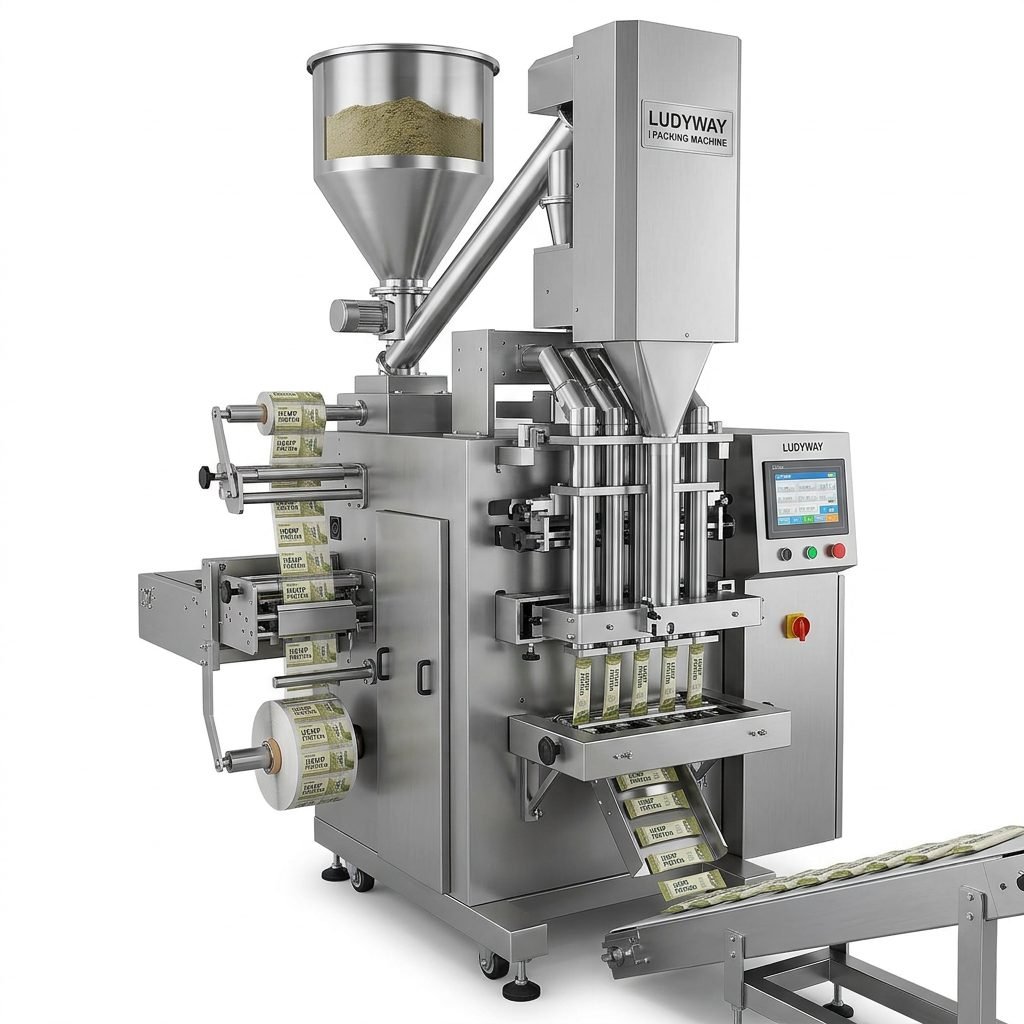
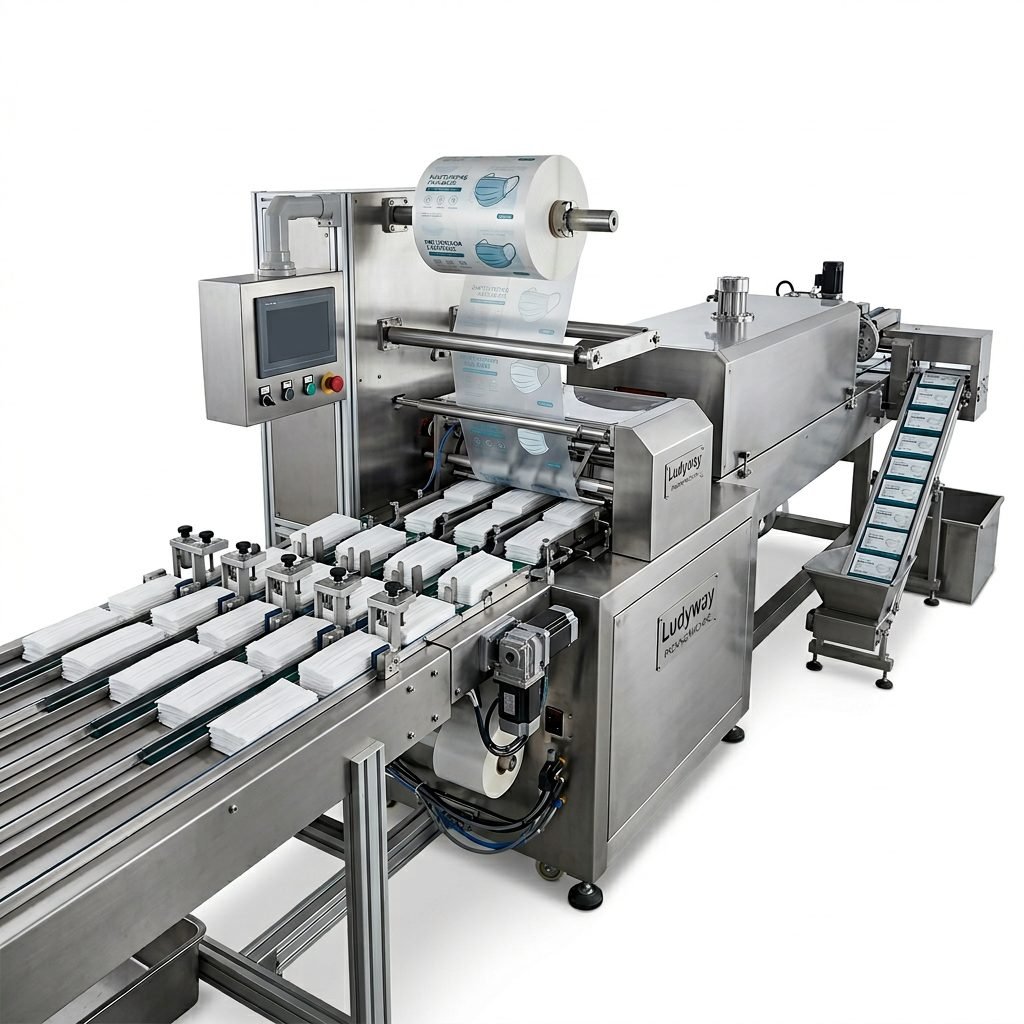
Investing in a packaging machine is a significant decision for any manufacturer. The right equipment can transform your production line, improving efficiency, consistency, and output, while the wrong choice can lead to costly downtime, material waste, and missed deadlines. Whether you are packaging powders, granules, liquids, or solid products, understanding how to evaluate and select the appropriate machinery is essential for long-term operational success.
This guide walks you through the key considerations for choosing the right packaging machine, from assessing your product characteristics and production goals to evaluating machine configurations, industry standards, and after-sales support.
Understanding Your Packaging Requirements
Before comparing machine specifications, start by defining your specific packaging needs. Every product has unique physical properties that directly influence the type of filling and sealing technology required. According to PMMI – The Association for Packaging and Processing Technologies, understanding your product’s flow characteristics, density, and sensitivity is the foundation of successful equipment selection.
Product Characteristics
The physical nature of your product determines the dosing and filling mechanism. Key characteristics to evaluate include:
- Product form: Is it a free-flowing granule, a fine powder, a viscous liquid, or a combination?
- Flowability: Does the product flow easily, or does it bridge, clump, or stick to surfaces?
- Dust generation: Fine powders may require dust extraction systems to maintain a clean production environment.
- Hygroscopicity: Some products absorb moisture from the air, requiring special sealing and barrier packaging.
- Particle size distribution: Inconsistent particle sizes can affect filling accuracy and sealing integrity.
Production Volume and Speed Requirements
Your current and projected production volumes play a critical role in determining the appropriate machine configuration. A semi-automatic machine may be sufficient for low-volume, batch-oriented production, while high-volume manufacturers typically require multi-lane automatic systems capable of producing hundreds of packs per minute. Consider not only your immediate throughput needs but also your growth trajectory over the next three to five years.
Packaging Format Options
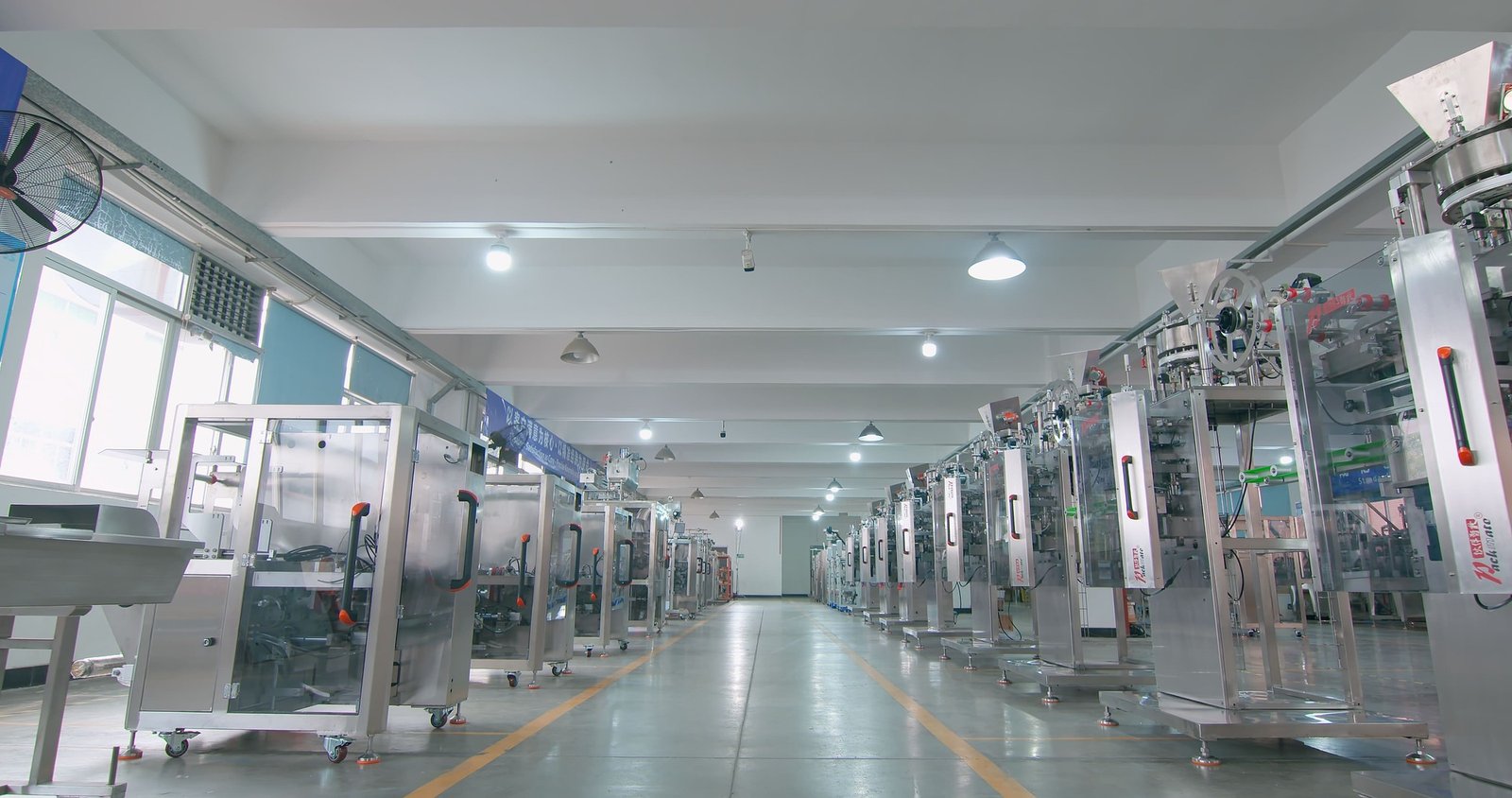
The packaging format you choose affects product shelf life, consumer convenience, and production efficiency. Common formats include stick packs, sachets, pouches, and bottles. Each format requires different machinery, tooling, and film handling capabilities. For detailed data on packaging format trends, the Flexible Packaging Association provides comprehensive market insights and industry statistics.
Key Factors in Packaging Machine Selection
Once you have a clear picture of your product and production requirements, you can begin evaluating specific machine features. The following factors should be at the top of your checklist when comparing equipment from different manufacturers.
Filling Accuracy and Precision
Accurate filling is critical for regulatory compliance, product consistency, and cost control. Overfilling leads to product giveaway, while underfilling can result in regulatory penalties and customer dissatisfaction. Modern packaging machines utilize various dosing technologies, including auger fillers, volumetric cup fillers, piston fillers, and multi-head weighers, each suited to different product types and accuracy requirements. For pharmaceutical and nutraceutical applications, precision is particularly important and may be subject to FDA packaging regulations.
Material Compatibility and Sustainability
Your packaging machine must be compatible with the packaging materials you intend to use. This includes film types, laminate structures, and barrier properties. With increasing regulatory focus on packaging sustainability, many manufacturers are transitioning to recyclable or biodegradable materials. The European Commission’s packaging and packaging waste regulations are driving significant changes in material choices. Ensure that the machine you select can handle both your current materials and any sustainable alternatives you may adopt in the future.
Automation and Integration Capabilities
Beyond the core filling and sealing functions, consider how the machine will integrate into your broader production line. Modern packaging systems can include automated feeding, checkweighing, metal detection, coding and marking, cartoning, case packing, and palletizing. A machine that supports seamless integration with upstream and downstream equipment can significantly reduce labor costs and improve overall line efficiency.
Types of Packaging Machines
Understanding the main categories of packaging machinery helps narrow your options. The most common types in flexible packaging applications include:
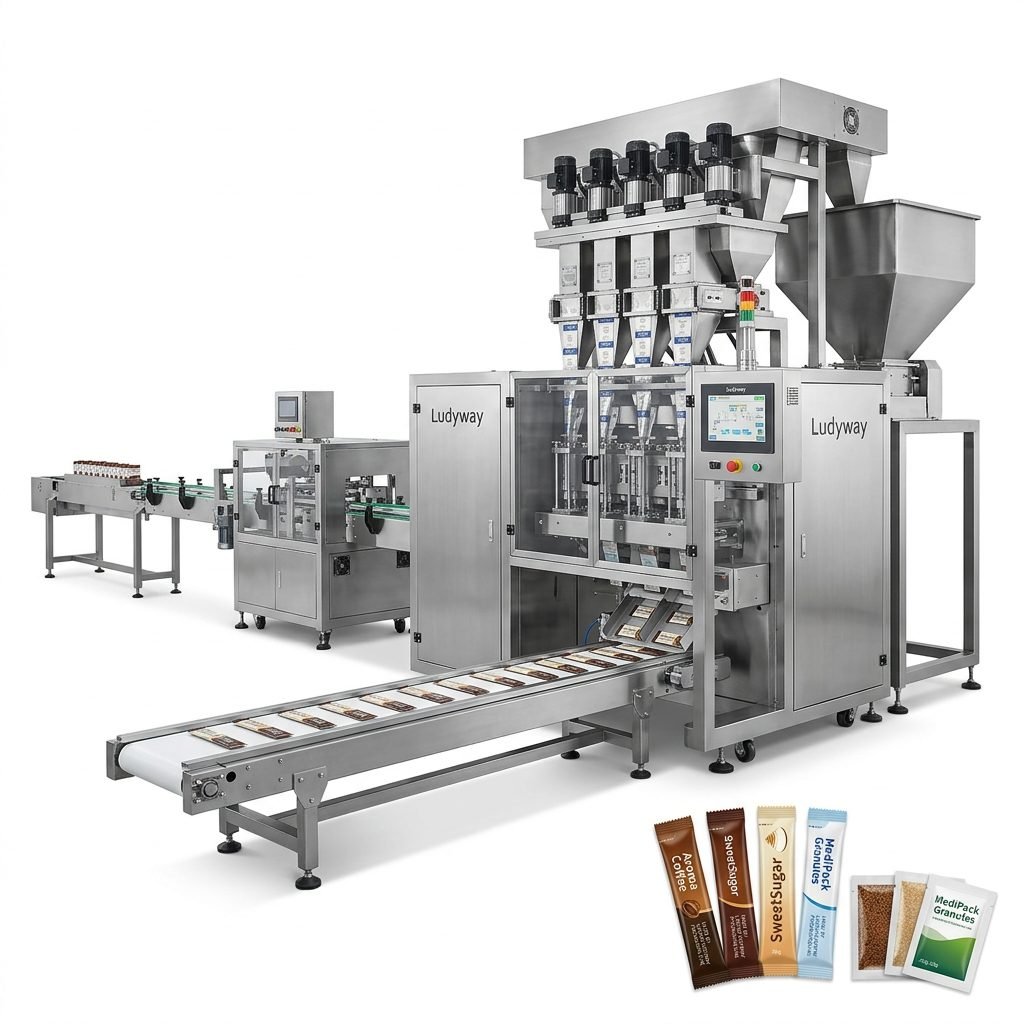
- Vertical Form Fill Seal (VFFS) Machines: Ideal for granules, powders, and free-flowing products. These machines form a bag from a flat roll of film, fill it, and seal it in a continuous vertical process.
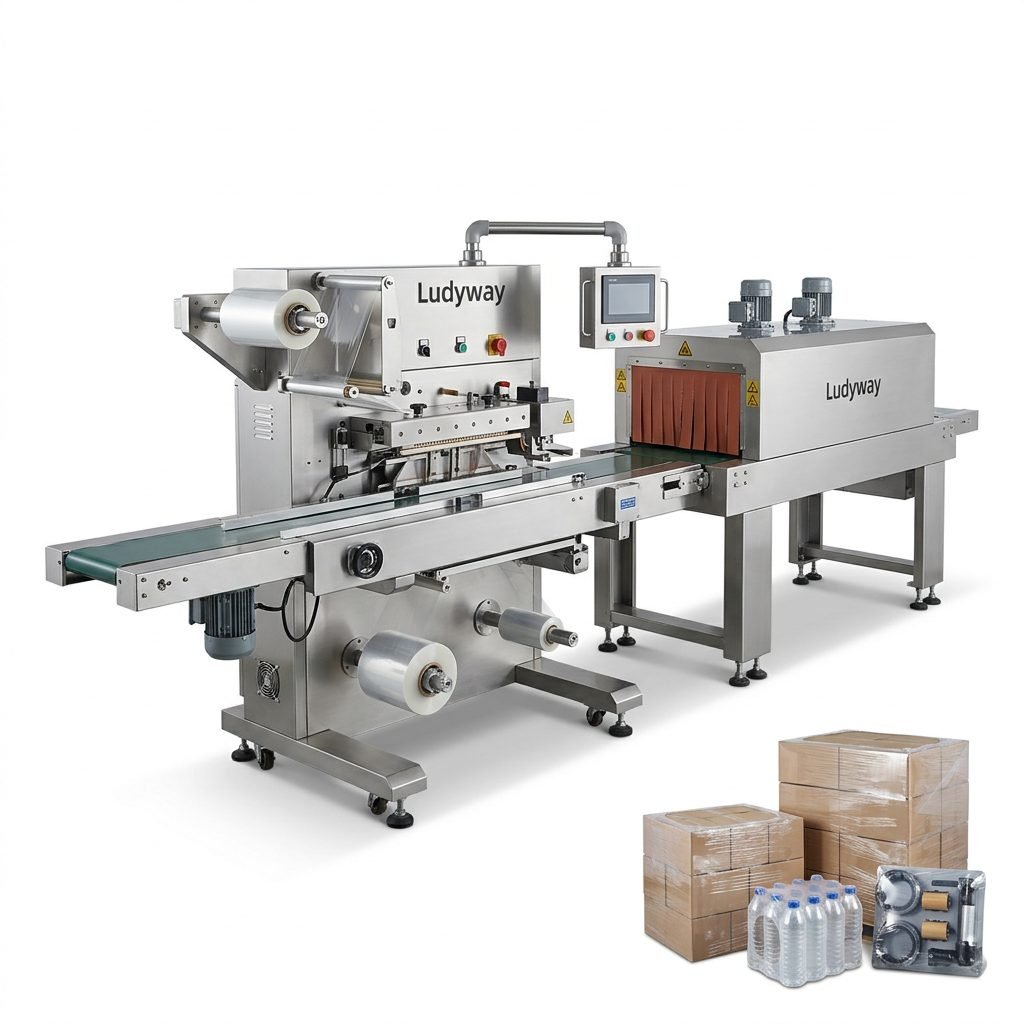
- Horizontal Form Fill Seal (HFFS) Machines: Suitable for solid products, baked goods, and items that require horizontal orientation during packaging.
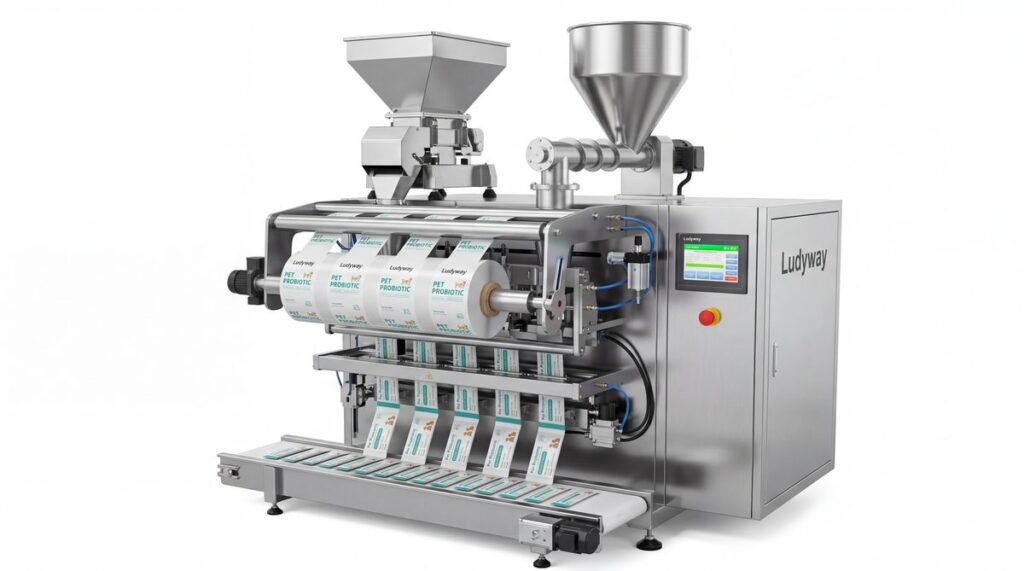
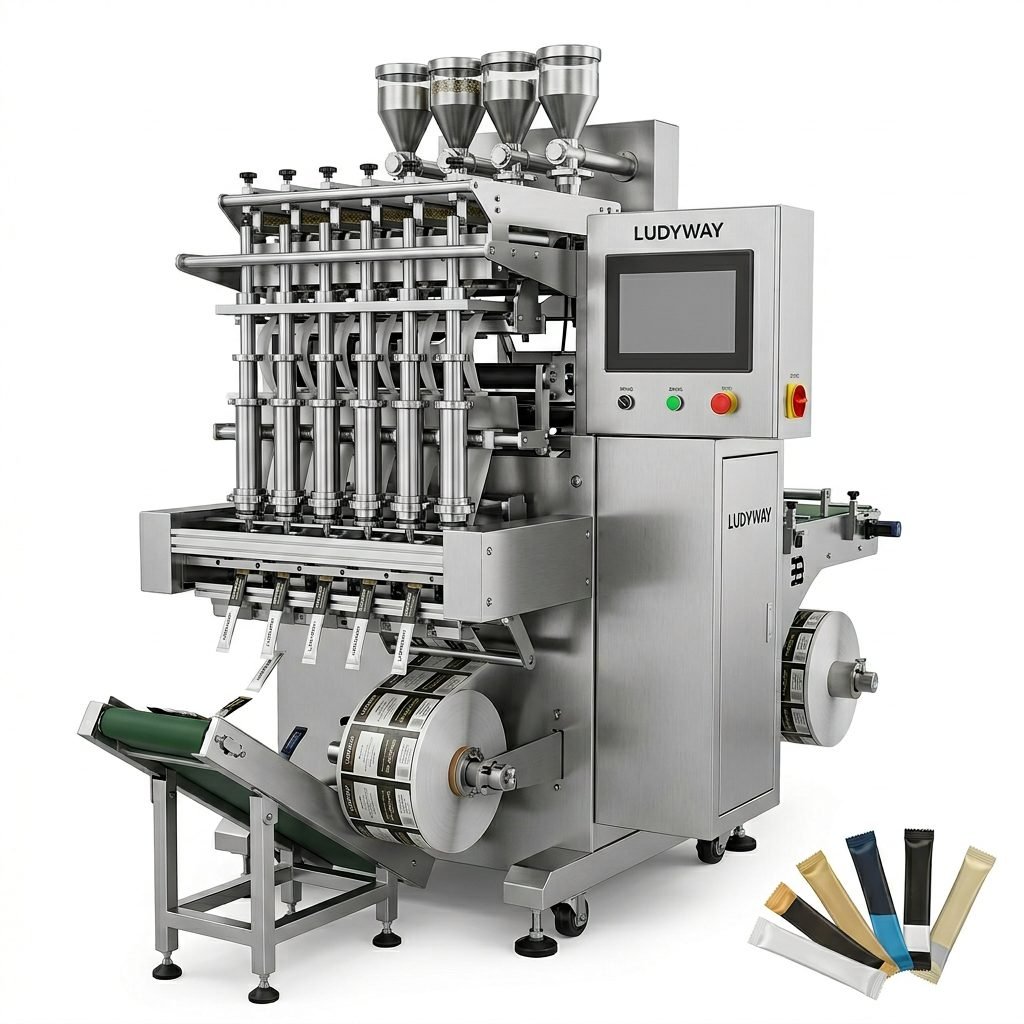
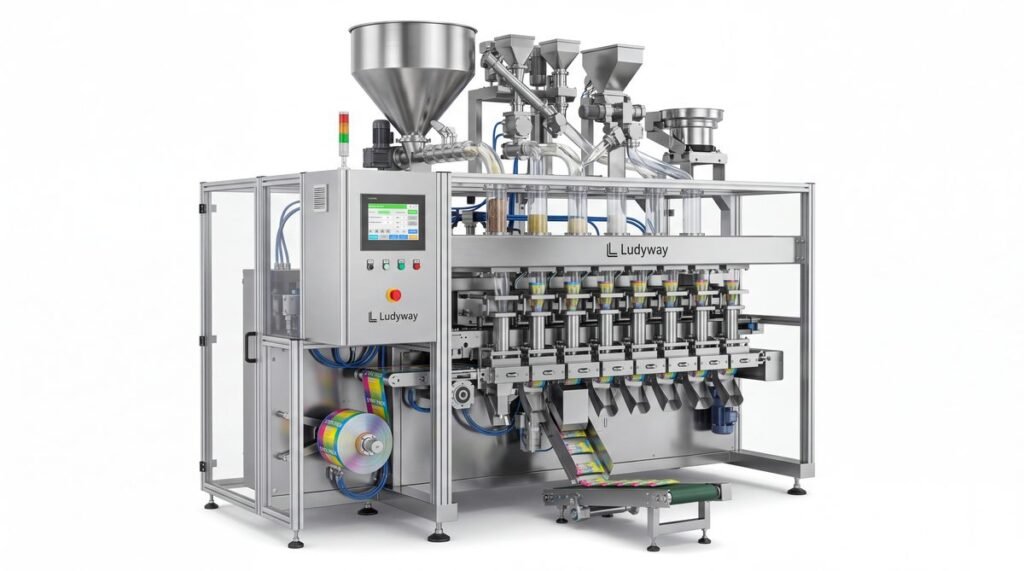
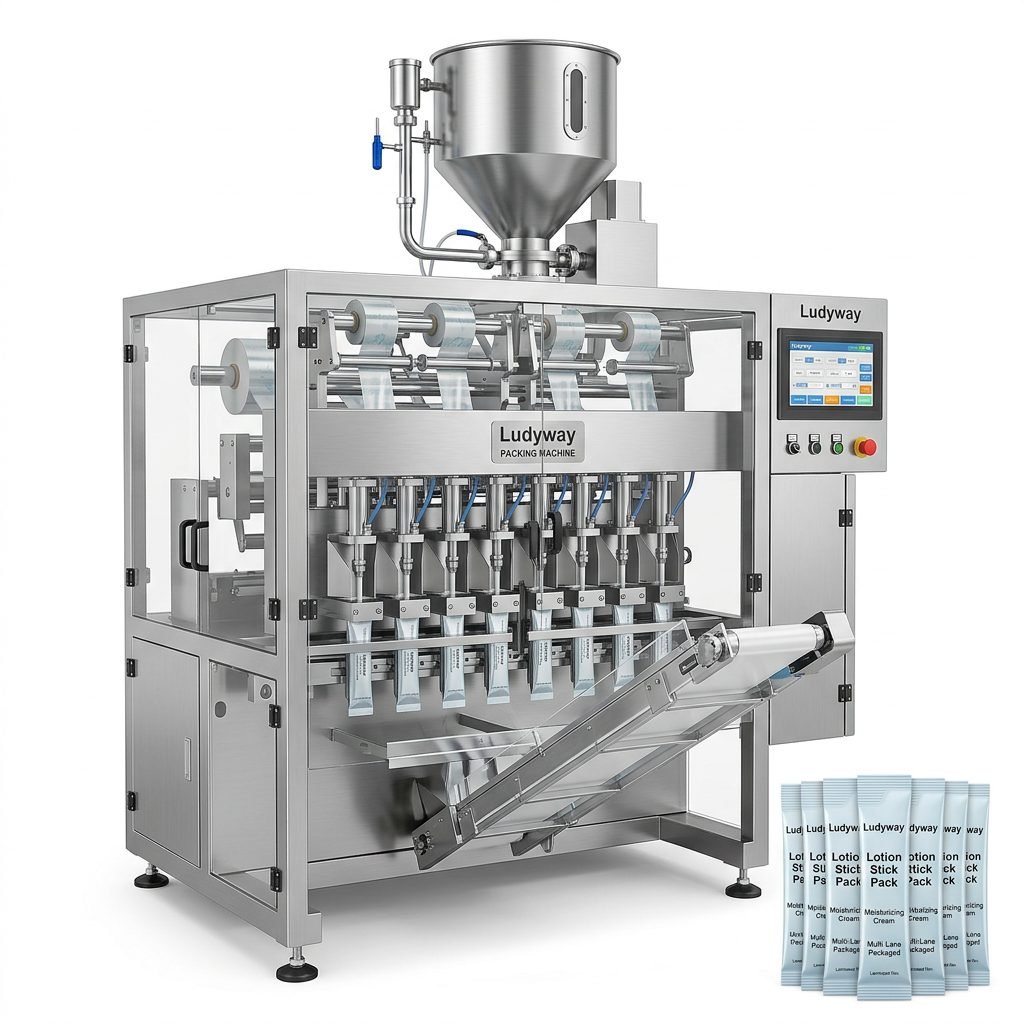
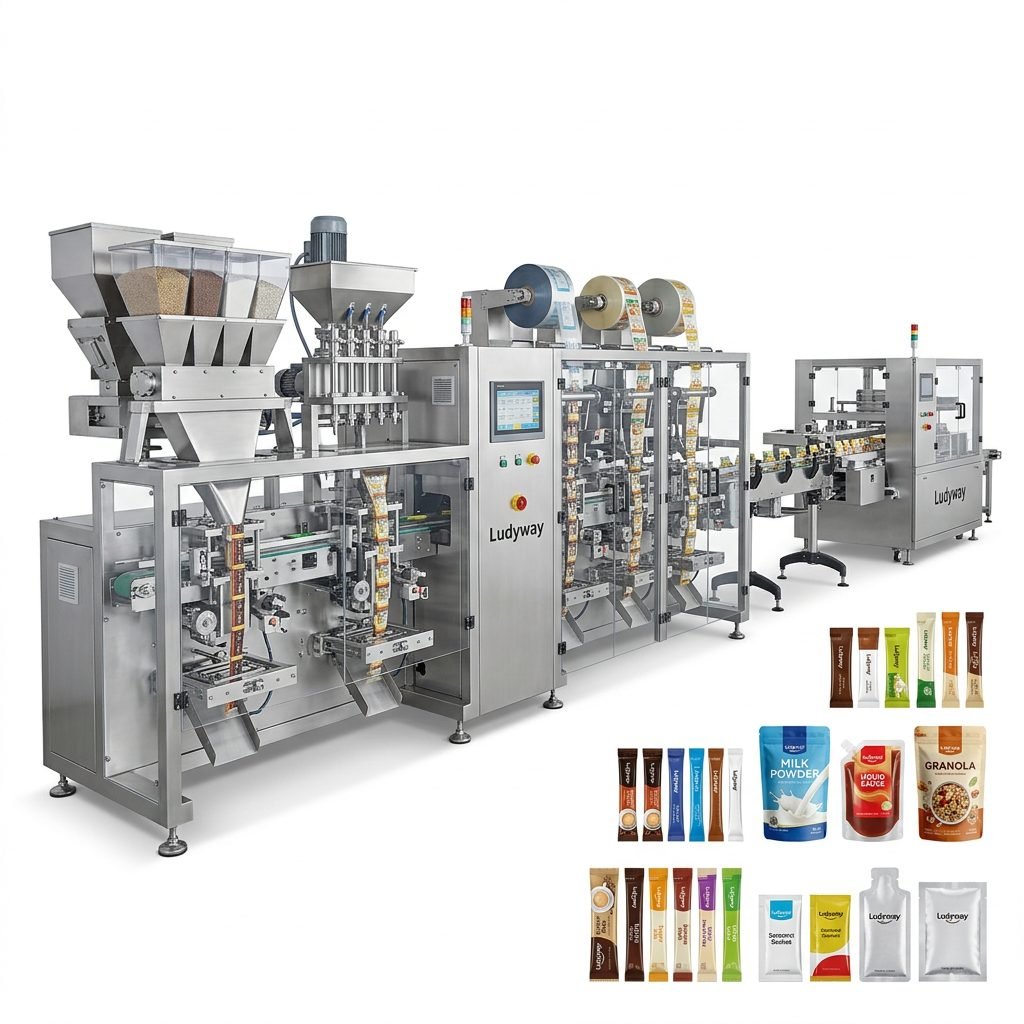
- Multi-Lane Stick Pack Machines: Designed for high-speed production of narrow stick packs, commonly used for sugar, coffee, drink mixes, and pharmaceutical powders.
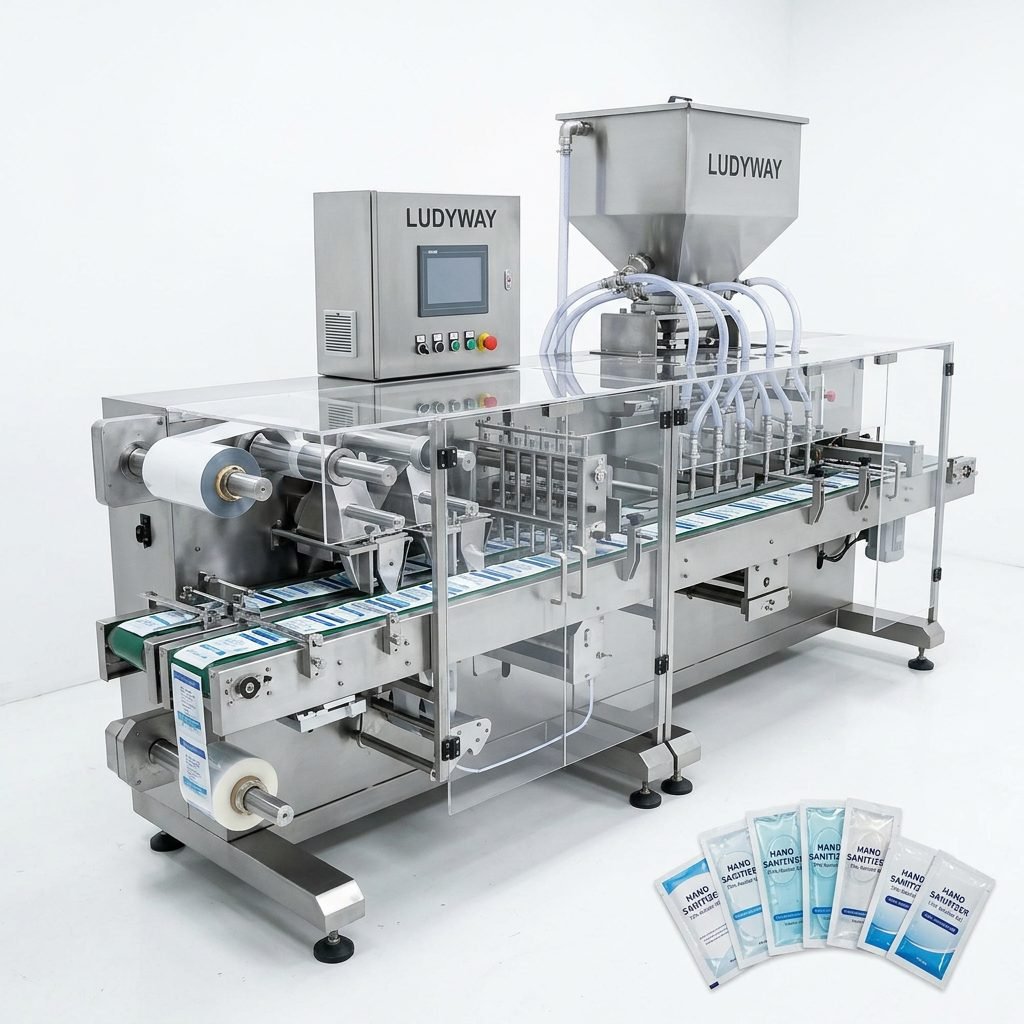
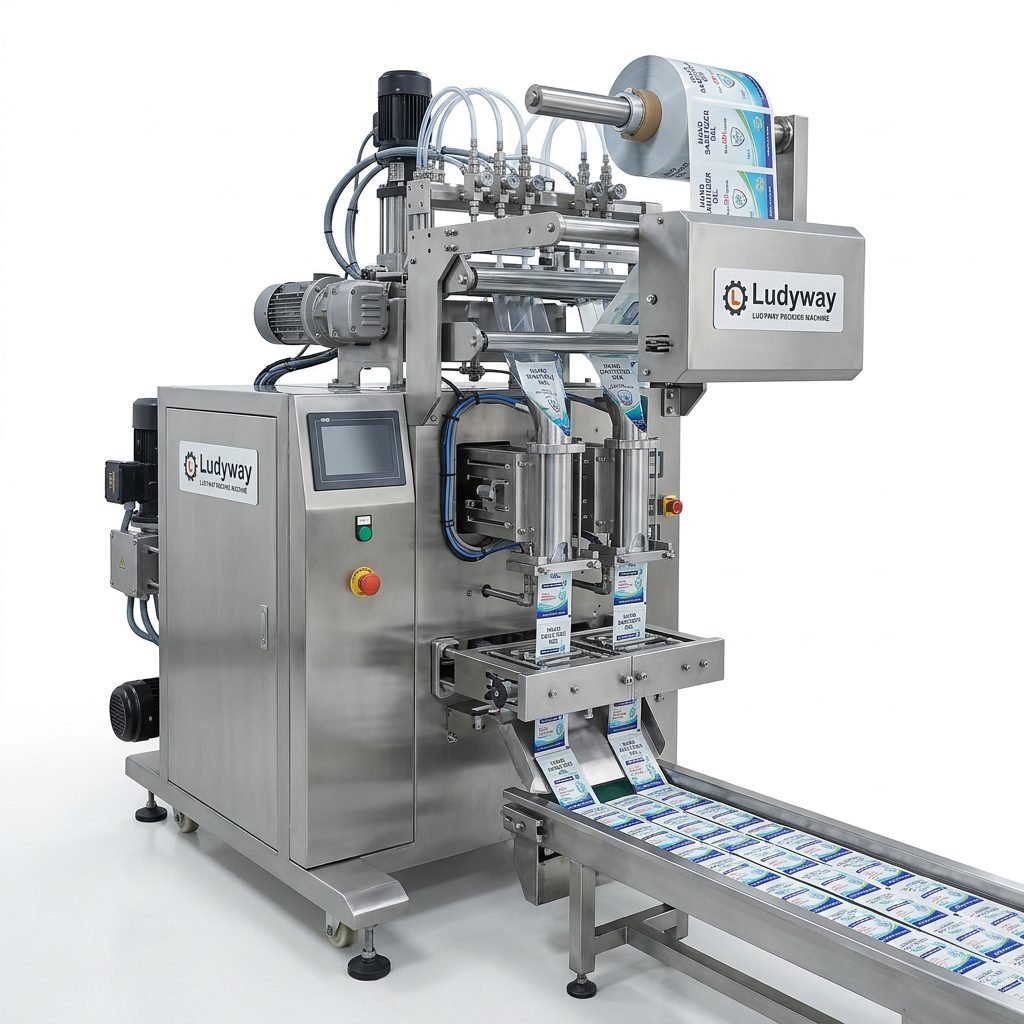
- Sachet Machines: Produce flat or shaped sachets for single-dose applications across food, cosmetic, and pharmaceutical industries.
- Premade Pouch Machines: Use pre-formed pouches with separate filling, sealing, and optional zipper application stations.
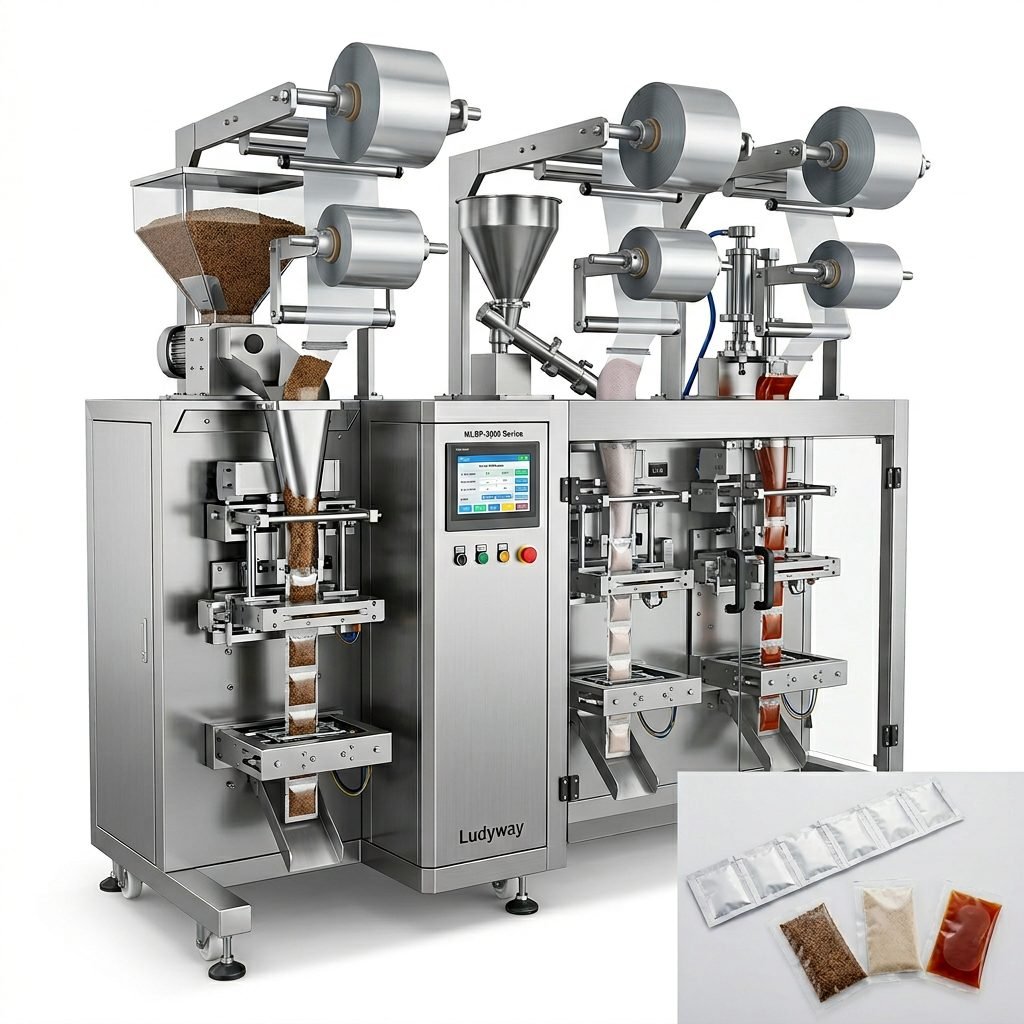
- Liquid Filling Machines: Specialized for filling bottles, vials, sachets, or stick packs with liquid, gel, or paste products.
Industry-Specific Considerations
Different industries impose distinct requirements on packaging equipment. A machine suitable for food packaging may not meet the stringent hygiene standards required for pharmaceutical production. Key industry-specific factors include:
| Industry | Key Requirements | Common Formats |
|---|---|---|
| Food & Beverage | Washdown capability, food-grade materials, high speed | Stick packs, sachets, pouches |
| Pharmaceutical | cGMP compliance, validated processes, serialization | Stick packs, sachets, blister packs |
| Cosmetics & Personal Care | Gentle product handling, attractive pack appearance | Sachets, stick packs, tubes |
| Chemicals & Industrial | Corrosion resistance, explosion-proof options | Sachets, pouches, bulk bags |
| Pet Food & Animal Feed | High-volume capacity, durable sealing | Pouches, multi-lane sachets, bulk bags |
For manufacturers operating across multiple industries or product categories, working with a supplier that understands diverse application requirements is essential. The ISO packaging standards provide internationally recognized benchmarks for quality and safety across sectors.
Customization and Flexibility
Standard packaging machines rarely address every requirement. Product characteristics, bag sizes, filling volumes, production speeds, and factory layouts often demand customized solutions. A manufacturer that offers engineering customization can adapt machine configurations, dosing systems, and automation levels to match your specific production goals.
Consider whether the equipment can be reconfigured for different products or packaging formats in the future. A modular machine design with changeable tooling and adjustable parameters provides greater flexibility as your product portfolio evolves. This approach helps future-proof your investment and reduces the need for additional equipment purchases.
Quality, Standards, and Compliance
Packaging machinery must meet applicable regulatory and safety standards for your target markets. Depending on your industry and export destinations, relevant standards may include CE marking, FDA compliance, cGMP requirements, and various ISO certifications. Verify that the manufacturer can provide appropriate documentation and certification for your specific requirements.
Machine build quality directly impacts reliability and service life. Look for equipment constructed with high-grade stainless steel, validated control systems, and components from established industrial automation suppliers. The PMMI State of the Industry reports offer valuable benchmarks for understanding quality and technology trends in packaging machinery.
Service and Technical Support
The relationship with your packaging machine supplier extends well beyond the initial purchase. Comprehensive support throughout the equipment lifecycle is essential for maintaining production uptime. Key service considerations include:
- Installation and commissioning: Professional setup ensures the machine operates correctly from day one.
- Operator training: Well-trained operators maximize machine performance and reduce errors.
- Remote technical assistance: Fast troubleshooting support minimizes downtime when issues arise.
- Spare parts availability: Timely access to genuine replacement parts is critical for maintenance.
- Long-term after-sales service: Ongoing support helps extend equipment life and maintain efficiency.
For manufacturers in more than 100 countries and regions seeking an experienced packaging machinery partner, Ludyway Machinery provides comprehensive equipment solutions backed by more than 30 years of industry experience, a 20,000-square-meter manufacturing facility, and a portfolio of over 50 packaging machine models designed for powders, granules, liquids, and flexible packaging applications across food, pharmaceutical, cosmetic, chemical, and other industries.
Comparing Packaging Machine Options
When evaluating different suppliers and machine configurations, a structured comparison helps ensure you make an informed decision. The table below outlines key criteria to assess across potential equipment options.
| Evaluation Criteria | What to Look For | Why It Matters |
|---|---|---|
| Production Speed | Packs per minute matching your output goals | Directly impacts capacity and ROI |
| Filling Accuracy | Consistent dosing within acceptable tolerance | Reduces product waste and regulatory risk |
| Changeover Time | Quick format changes with minimal tooling | Enables efficient multi-product production |
| Material Waste | Efficient film usage and low reject rates | Lowers ongoing operational costs |
| Automation Level | Integration with upstream and downstream systems | Reduces labor and improves line efficiency |
| Build Quality | Stainless steel construction, certified components | Ensures reliability and regulatory compliance |
| Supplier Experience | Proven track record in your industry | Reduces project risk and accelerates implementation |
Making the Final Decision
Choosing the right packaging machine requires balancing multiple factors: product requirements, production goals, budget, regulatory compliance, and long-term flexibility. The most successful equipment purchases result from a thorough evaluation process that involves close collaboration between your production, engineering, and quality teams, along with the packaging machinery supplier.
Key steps in finalizing your decision include:
- Conduct product trials: Test your actual product on the machine to verify filling accuracy, sealing quality, and production speed under real conditions.
- Visit the manufacturer: A factory visit provides valuable insight into build quality, engineering capabilities, and the supplier’s commitment to manufacturing excellence.
- Verify references: Speak with existing customers about their experience with the equipment and the supplier’s service quality.
- Evaluate total cost of ownership: Look beyond the initial purchase price to include maintenance, spare parts, energy consumption, and expected equipment life.
- Confirm technical support: Ensure the supplier can provide timely installation, training, and ongoing support in your region.
With careful evaluation and the right partnership, your packaging machinery investment can drive significant improvements in productivity, product quality, and operational efficiency for years to come. The PMMI Business Intelligence Library offers additional resources and market data to support your equipment selection process.