In the competitive landscape of food processing, pharmaceuticals, and consumer goods, vacuum packaging is a critical technology for extending shelf life, preserving quality, and ensuring product safety. Selecting the right vacuum packaging machine manufacturer is a strategic decision that impacts production efficiency, product integrity, and overall business profitability. This guide delves into the key players in the industry and provides a comprehensive framework to help you choose the ideal supplier for your specific needs.
Key Takeaway: A reliable manufacturer doesn’t just sell a machine; they provide a solution that integrates seamlessly into your production line, backed by robust engineering support and a deep understanding of packaging science.
Leading Segments in Vacuum Packaging Machinery
The market for vacuum packaging machines is diverse, catering to different scales and applications. Top manufacturers often specialize in specific niches.
Industrial & High-Speed Chamber Machines
For large-scale production of items like fresh meats, cheeses, and prepared meals, manufacturers specializing in double-chamber or rotary chamber machines dominate. These units offer high cycle rates, programmable controls, and often integrate with automated loading and conveying systems. They are the workhorses of major food processing plants.
Thermoforming Packaging Systems
This advanced segment involves manufacturers that produce machines forming the packaging tray from a roll of plastic film, filling it, and then sealing it with a top lidding film under vacuum or modified atmosphere. These are ideal for premium products, ready meals, and medical devices, offering excellent presentation and barrier properties.
External Vacuum Sealers & Bagging Systems
A vital segment for small to medium businesses, co-packers, and kitchens. Leading suppliers here focus on durability, user-friendly interfaces, and versatility in handling various bag types and sizes, from delicate products to bulky irregular items.
Critical Factors for Choosing the Right Supplier
Beyond the machine specifications, the supplier’s capabilities and ethos are paramount. Here’s what to evaluate.
1. Technical Expertise and Innovation
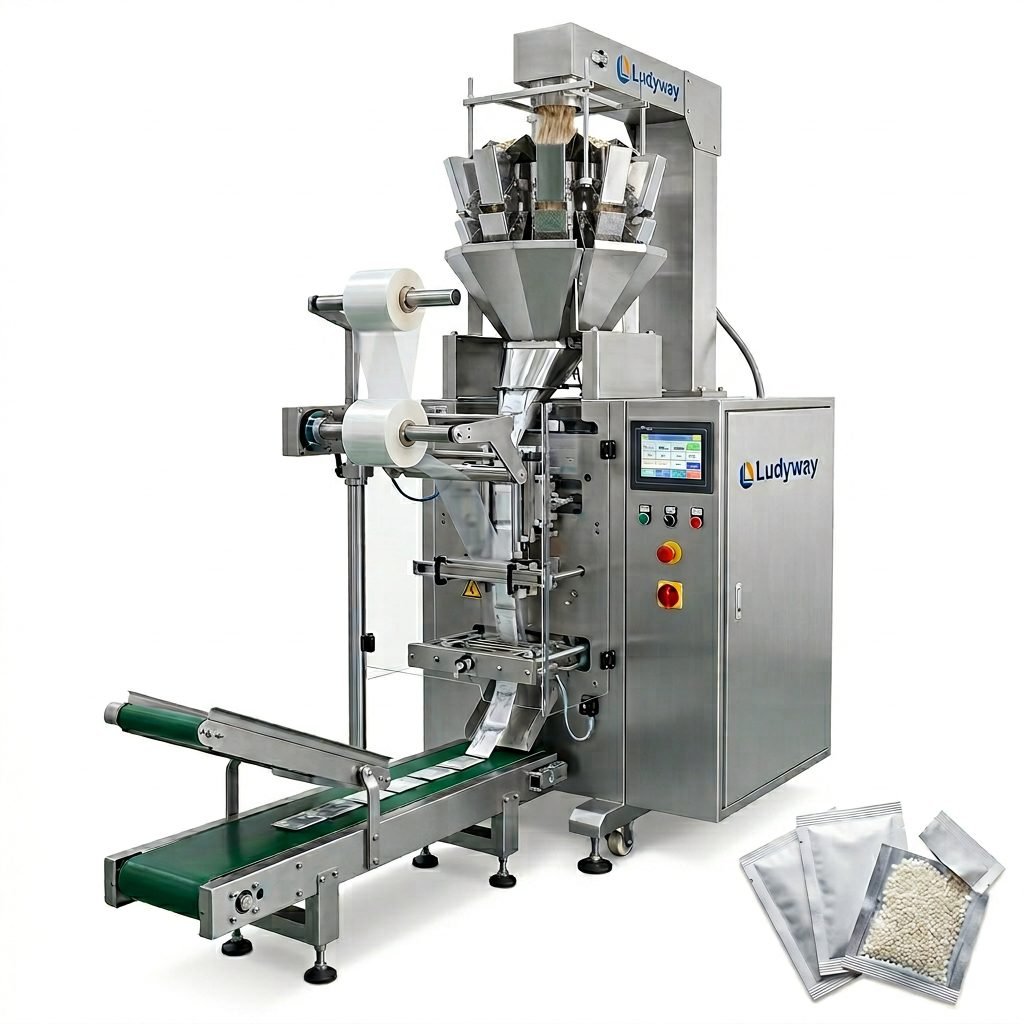
Assess the manufacturer’s engineering depth. Do they have in-house R&D? Can they customize solutions? A supplier like Ludyway Packing Machine, with decades of focused experience, typically offers more than just standard models; they provide tailored, intelligent packaging systems. Look for evidence of continuous innovation in sealing technology, gas flushing accuracy, and energy efficiency.
2. Build Quality and Component Sourcing
The longevity and reliability of a machine depend on its construction. Inquire about the frame materials, the quality of the vacuum pump (the heart of the system), and the sealing elements. Reputable manufacturers use industrial-grade components and have stringent quality control protocols throughout assembly.
🔍 Due Diligence Checklist:
- Factory Audit: Can you visit their production facility? A modern, organized plant is a good sign.
- Reference Clients: Ask for contactable clients in a similar industry to yours.
- Spare Parts Policy: Is there a clear inventory and global logistics plan for critical spare parts?
- Software & Controls: Is the HMI (Human-Machine Interface) intuitive and supported with updates?
3. After-Sales Support and Service Network
This is often the most critical differentiator. A machine will eventually need service. Evaluate the supplier’s warranty terms, availability of trained technicians, and the responsiveness of their support team. A global manufacturer should have a network of service partners or the capability for remote diagnostics and swift dispatch of parts. The commitment to long-term cooperation is a value offered by established players.
4. Scalability and Future-Proofing
Your needs will evolve. Can the supplier grow with you? Do they offer machines that can be upgraded or integrated into larger automated lines? Choosing a supplier with a broad portfolio, from single machines to complete turnkey production lines, provides a pathway for future expansion without changing partners.
The Role of Specialized Manufacturers
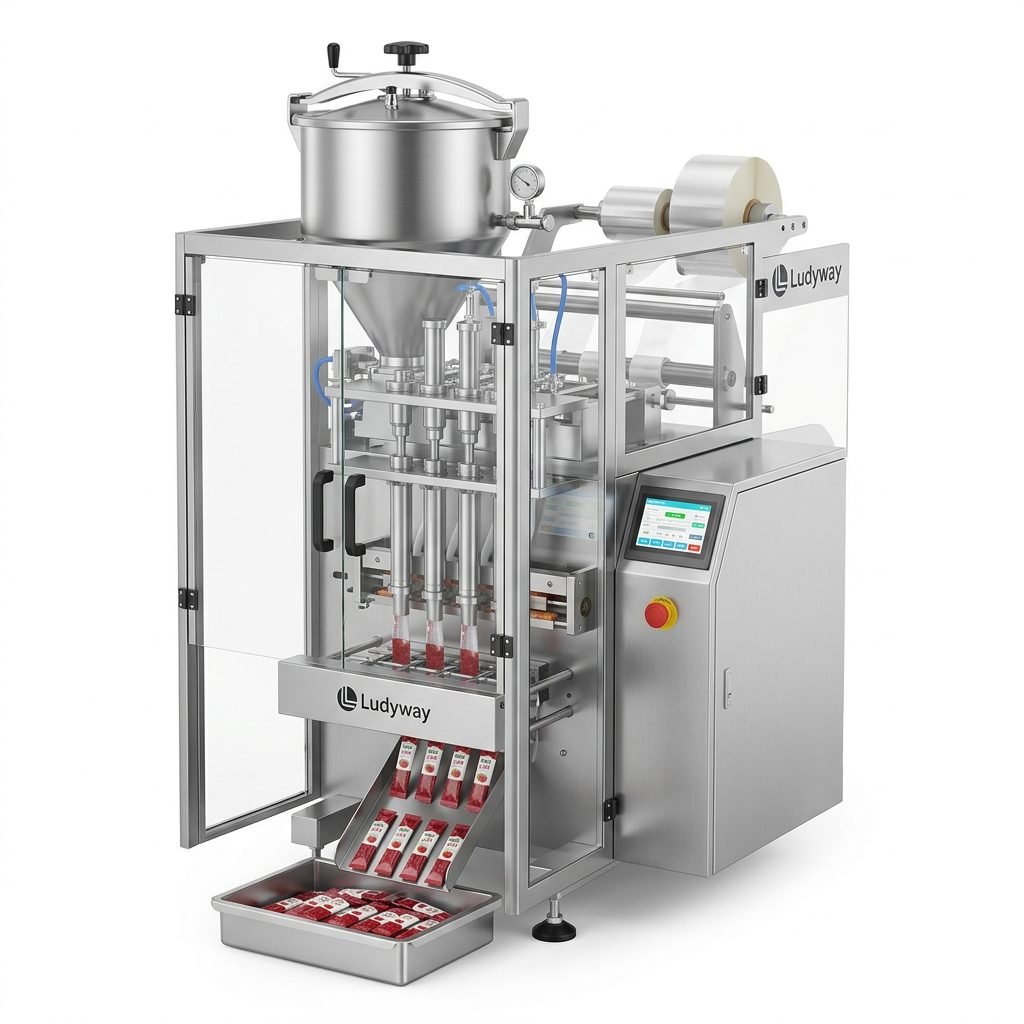
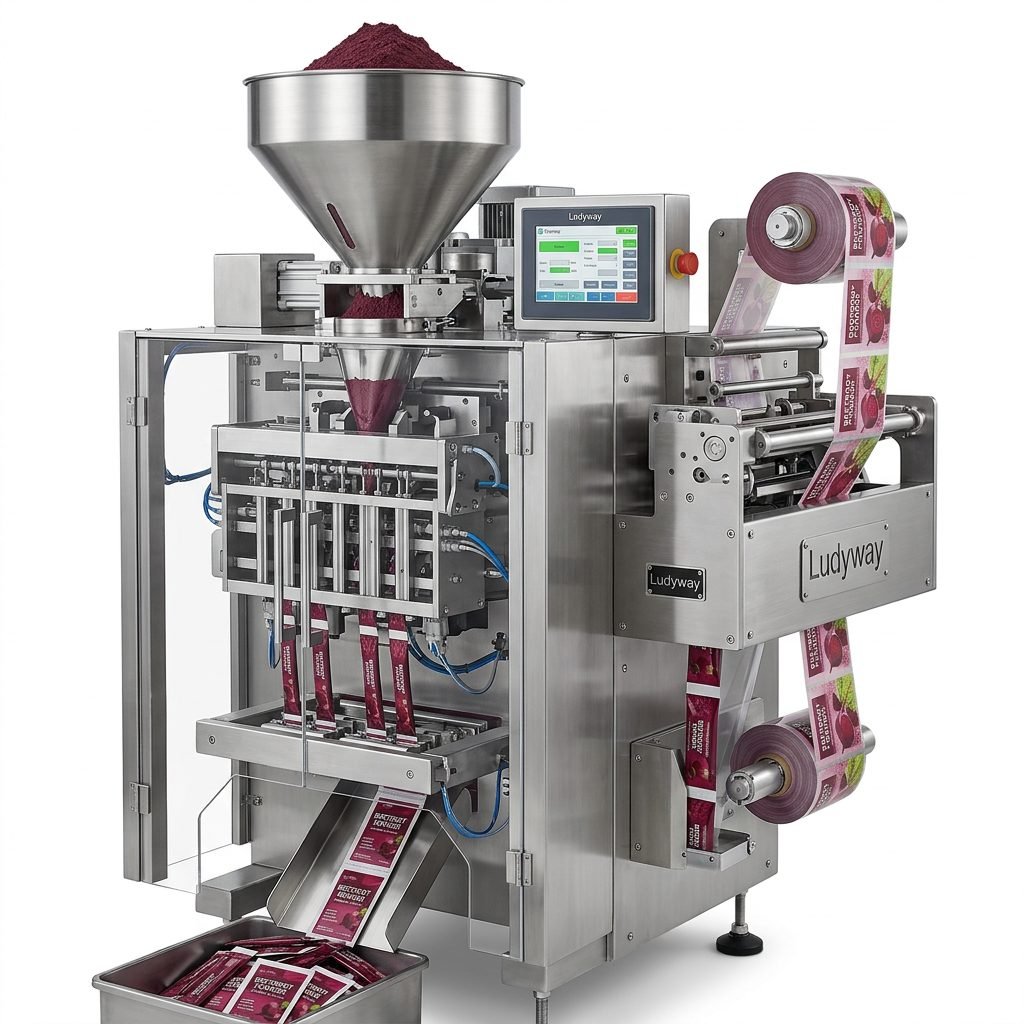
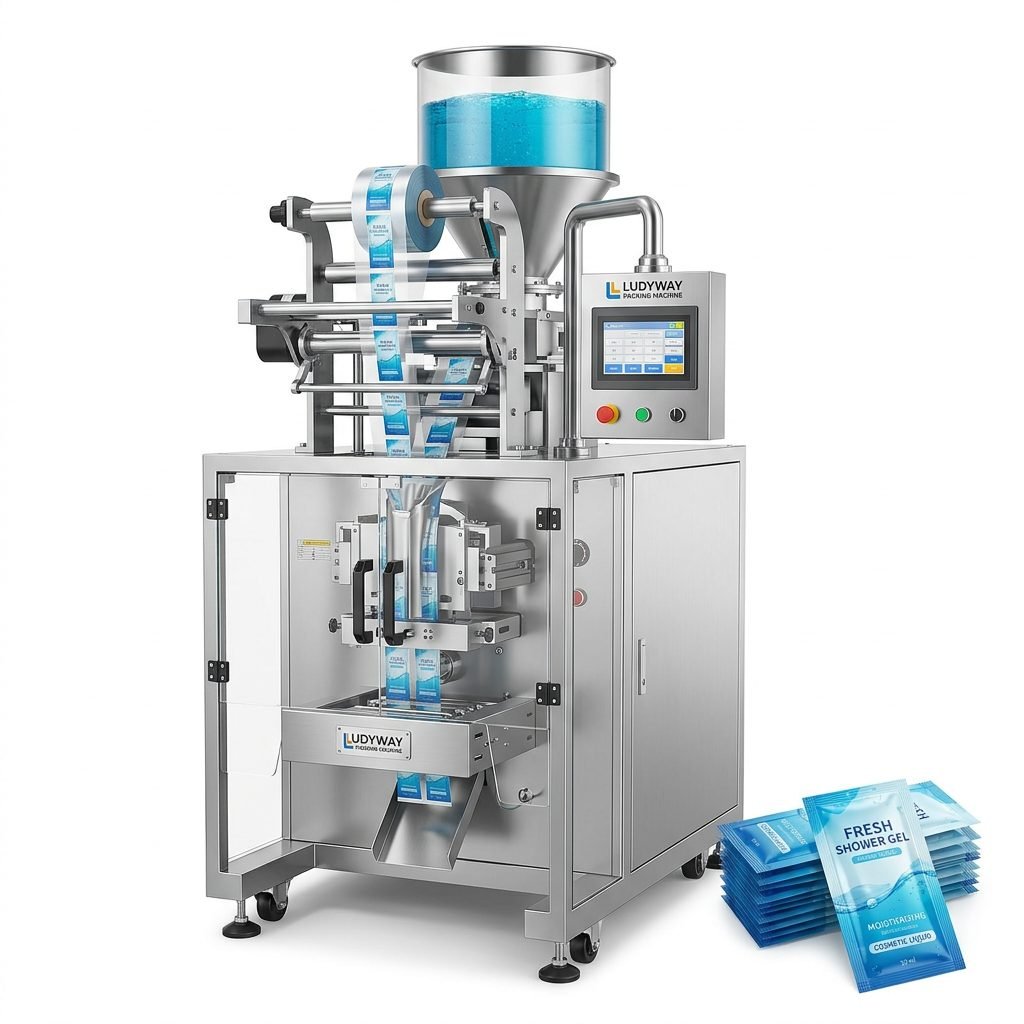
Some of the most reliable partners are not the largest brands but specialized manufacturers focused on specific technologies. For instance, a company like Ludyway Machinery has built its reputation on deep expertise in granular, powder, and liquid packaging applications, which often require specialized vacuum or gas flushing techniques. Their value lies in application-specific knowledge and customized engineering.
These specialists often excel in providing solutions for niche markets, such as coffee, spices, pharmaceuticals, or freeze-dried products, where precise control over the packaging atmosphere is non-negotiable. Their machines are designed with these unique product characteristics in mind.
Global Considerations and Cultural Nuances
When sourcing machinery, understanding the operational context is key. For manufacturers in North America and Europe, emphasis is often on automation, labor cost savings, and stringent compliance with food safety regulations (like FDA, EU directives). Suppliers catering to these markets must have robust documentation and certification processes.
In contrast, high-growth markets in Asia, Africa, or South America might prioritize robustness, ease of maintenance, and flexibility to handle a wider variety of product sizes with quick changeovers. A savvy global supplier will understand these nuanced needs and adapt their machine design and support structure accordingly, ensuring their technology is not just exported but effectively implemented.
💡 Pro Tip: The Total Cost of Ownership (TCO)
Do not choose based on the lowest purchase price alone. Calculate the Total Cost of Ownership, which includes energy consumption, maintenance costs, expected downtime, and the cost of consumables (like bags or films). A slightly more expensive machine from a reputable supplier like a trusted industry expert often has a far lower TCO due to higher reliability and efficiency over a 10-year lifespan.
Conclusion: Building a Partnership
Selecting a top vacuum packaging machine manufacturer is fundamentally about choosing a long-term partner. The goal is to find a supplier whose technical capability, product quality, and service philosophy align with your production goals and growth trajectory. By thoroughly evaluating suppliers on the factors of expertise, build quality, support, and scalability, you invest not just in a piece of equipment, but in the resilience and efficiency of your entire packaging operation. The right partnership ensures your products are protected, your line runs smoothly, and your business remains competitive in an ever-demanding market.
Frequently Asked Questions (FAQs)
1. What is the main difference between a single-chamber and a double-chamber vacuum sealer?
A single-chamber machine has one chamber where the bag is placed, vacuum is drawn, and the seal is made. The chamber must then be vented to open, making it a batch process. A double-chamber machine has two chambers working alternately: while one chamber is in the vacuum/sealing cycle, the other can be loaded or unloaded. This allows for continuous operation and significantly higher output, making it suitable for medium to high-volume production.
2. Can vacuum packaging machines handle liquids or moist products?
Yes, but it requires specific technology. Standard vacuuming can pull liquid out of the bag. Specialized machines use “pulse” or “soft” vacuum functions, programmable vacuum levels, and sometimes tilting trays to draw air from the bag without extracting the liquid. It’s crucial to discuss your specific product (e.g., soups, sauces, marinated meats) with the manufacturer to ensure their machine is configured correctly.
3. How important is Modified Atmosphere Packaging (MAP) capability, and is it different from vacuum packaging?
MAP is often an advanced feature of vacuum packaging machines. While pure vacuum packaging removes air, MAP replaces the air inside the package with a specific mixture of gases (like Nitrogen and Carbon Dioxide) to further inhibit microbial growth and oxidation. It is crucial for products like fresh pasta, salads, snacks, and certain cheeses. Many industrial vacuum sealers come with integrated gas flushing systems for MAP.
4. What kind of maintenance does a vacuum packaging machine require?
Regular maintenance is essential for longevity. Daily tasks include cleaning the sealing bar and chamber to prevent residue build-up. Weekly or monthly checks might involve inspecting the sealing gaskets for wear, checking the oil level in the vacuum pump (if applicable), and ensuring all safety sensors are functional. Always follow the manufacturer’s detailed maintenance schedule. A good supplier will provide clear manuals and training.
5. We are a small business. Is an industrial vacuum packaging machine a good investment?
It depends on your volume and growth plans. For small batches, a high-quality external vacuum sealer may suffice. However, if you are scaling up, an entry-level chamber machine can dramatically improve packaging speed, consistency, and seal integrity, leading to better product quality and reduced waste. The investment can be justified by increased shelf life (reducing returns), professional presentation, and the ability to take on larger orders. Many suppliers offer models scalable for growing businesses.