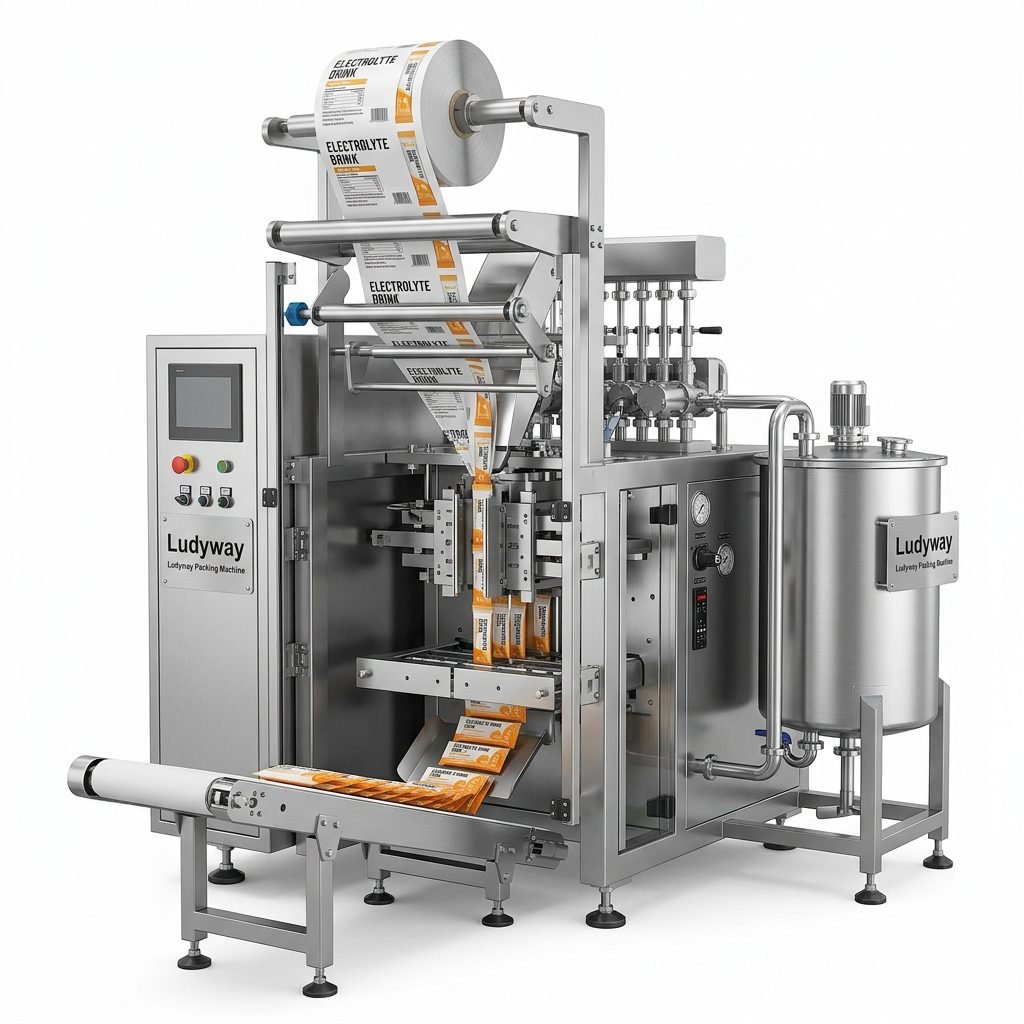
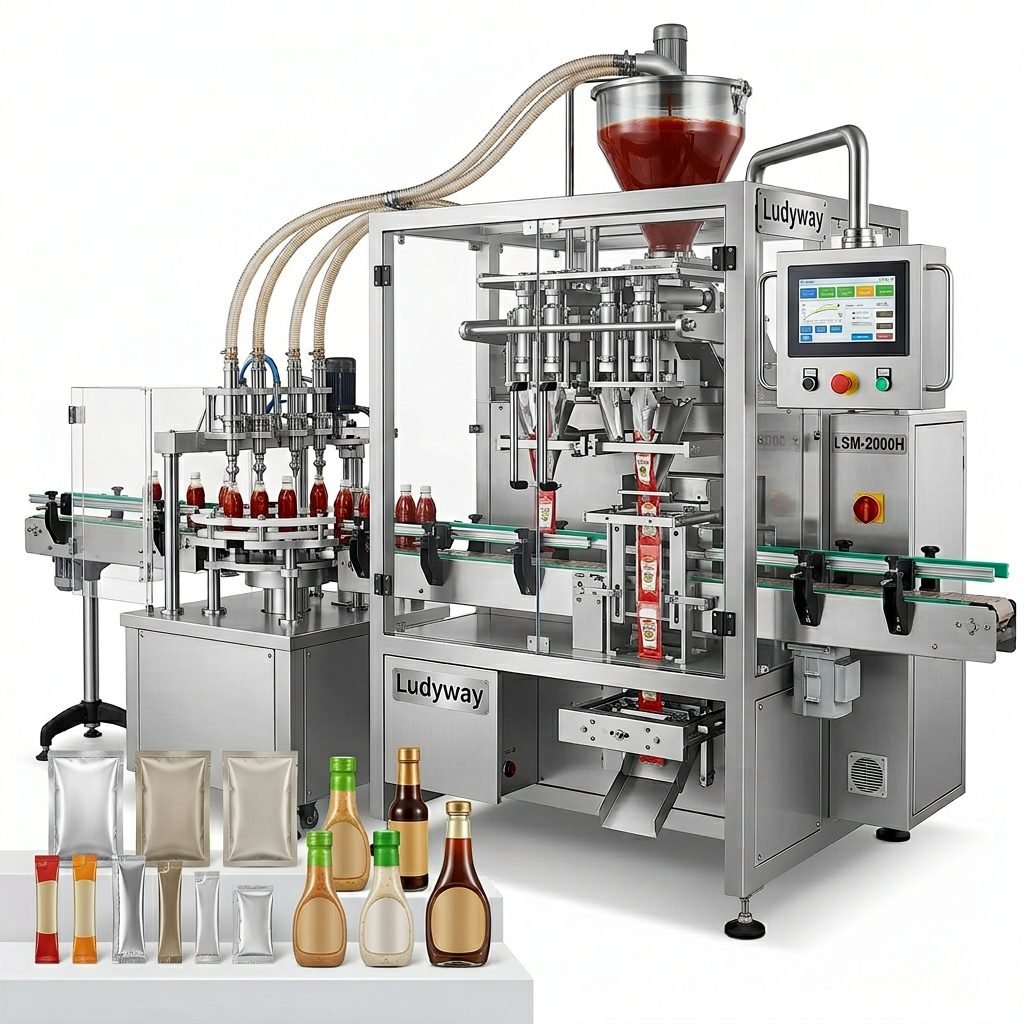
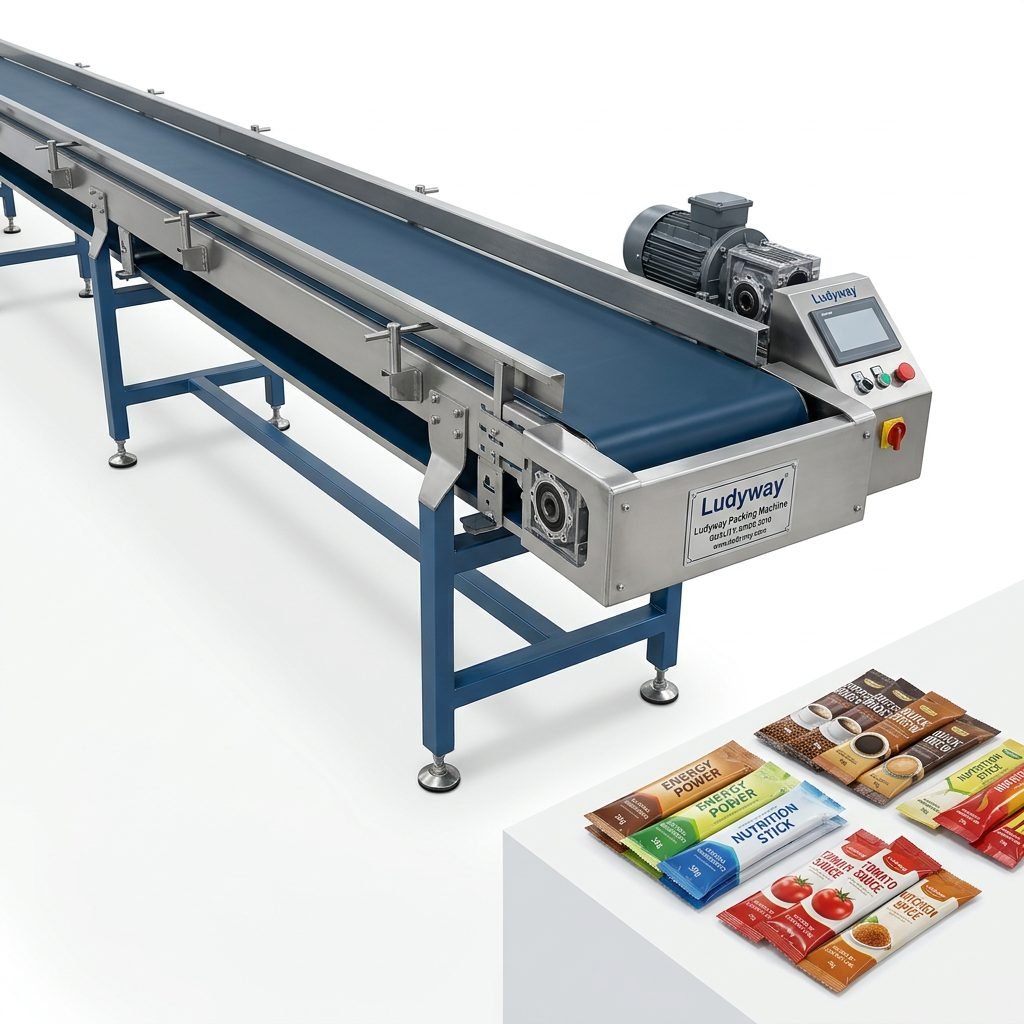
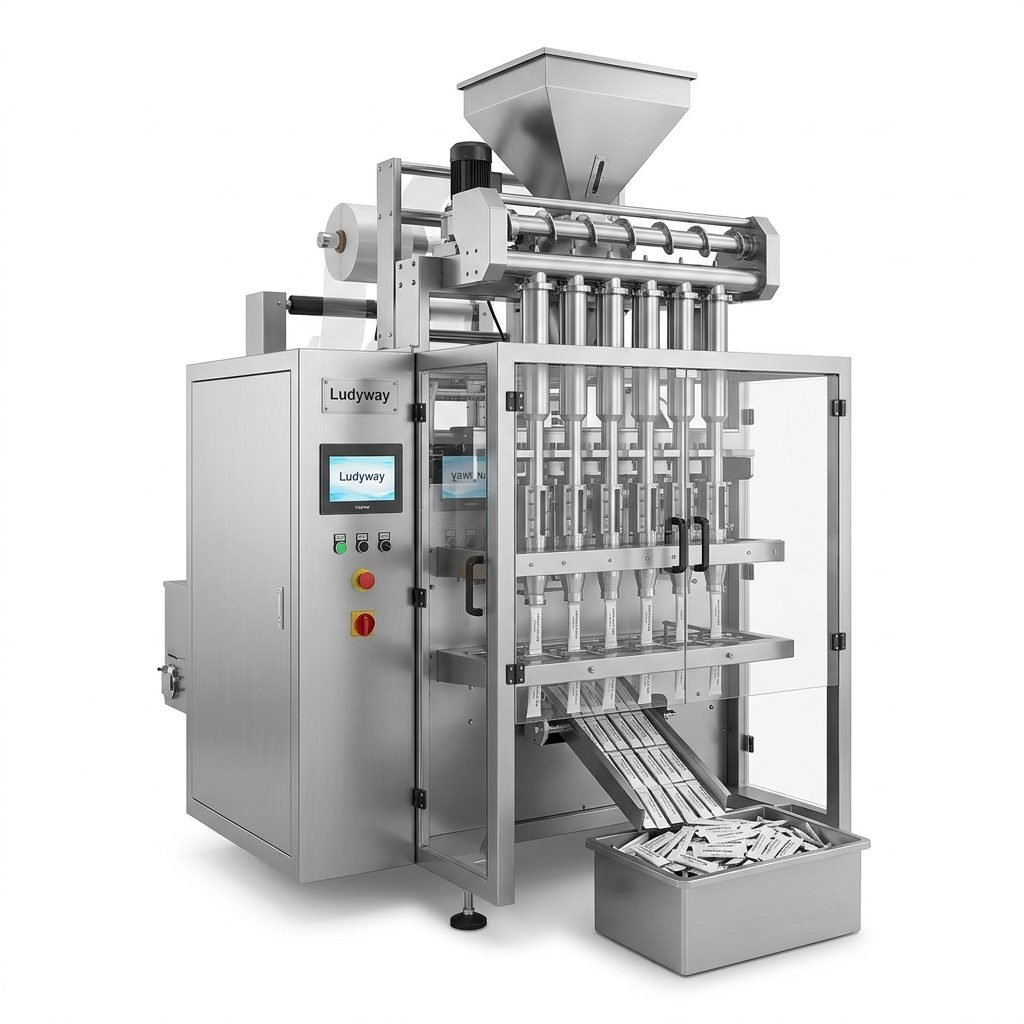
Ensuring products arrive at their destination in perfect condition is a critical challenge for any business involved in shipping and logistics. The journey from warehouse to customer is fraught with potential hazards—vibration, impacts, compression, and environmental factors. Selecting the right packaging equipment is not merely an operational step; it’s a fundamental investment in product integrity, customer satisfaction, and brand reputation. This guide explores the top packaging equipment essential for transit, detailing how each piece of technology works to create a robust defense for your products during shipping.
Understanding the Threats During Shipping
Before diving into equipment solutions, it’s crucial to understand what your products are up against. The shipping environment is unpredictable. Packages are stacked, sorted, and transported through various handling systems, often encountering:
- Shock and Impact: Drops during manual handling or automated sorting.
- Vibration: Constant movement from vehicles can cause fatigue and abrasion.
- Compression: Weight from stacked packages in containers or trucks.
- Environmental Factors: Fluctuations in temperature and humidity.
Effective packaging mitigates these risks, and the right equipment ensures this protection is applied consistently and efficiently.
The Core Principle: Consistent, Automated Protection
Manual packaging is prone to inconsistency. An automated packaging line ensures every product receives the same high level of protection, eliminating human error and dramatically increasing throughput. This consistency is key to reducing damage rates and associated costs like returns, replacements, and lost customer trust.
Top Packaging Equipment for Transit Protection
Here is a breakdown of essential machinery, categorized by their primary protective function.
1. Cushioning and Void Fill Equipment
This equipment addresses shock and impact by creating a protective buffer around the product inside the outer box.
- Air Pillow Machines: Inflate and seal plastic film to create lightweight, effective air cushions. They are ideal for filling empty space (void fill) and blocking and bracing items within a carton. Modern systems are adjustable for pillow size and inflation pressure.
- Paper Cushioning Systems: Convert rolls of kraft paper into various cushioning forms—pad, fan-fold, or crumpled fill. This offers excellent eco-friendly protection, especially for heavy or sharp items, and is often preferred in sustainable packaging initiatives.
- Foam-in-Bag Systems: Dispense two liquid chemicals that expand into polyurethane foam within a plastic bag, creating a custom-molded cushion around the product. This offers superior, form-fitting protection for high-value, fragile, or irregularly shaped items.
2. Sealing and Containment Equipment
A secure outer container is the first line of defense. Proper sealing prevents accidental openings and reinforces the box’s strength.
- Automatic Carton Sealers: Apply pressure-sensitive tape (or hot melt glue) to the top and/or bottom flaps of shipping cartons. They ensure a strong, uniform seal that is far more reliable than manual taping. Options range from semi-automatic to fully automatic random-size sealers that adjust to different box dimensions on the fly.
- Stretch Wrapping Machines: Apply stretch film around palletized loads. This unitizes the load, stabilizing it to prevent items from shifting during transit. It also provides a degree of dust and moisture protection. High-speed rotary arm or spiral wrappers offer consistent tension and film application.
3. Stabilization and Unitizing Equipment
This equipment secures multiple items together or to a pallet, preventing movement that leads to damage.
- Palletizers and Depalletizers: Automatically stack bags, boxes, or cases onto a pallet in a stable, interlocked pattern. A well-patterned pallet is inherently more stable and resistant to tipping or collapsing. Robotic palletizers offer extreme flexibility for mixed-SKU loads.
- Strapping Machines: Apply plastic or steel straps around boxes or pallets. This provides high tensile strength to resist compression forces and keep heavy loads tightly bound. They are essential for securing dense, heavy shipments.
Key Consideration: The Integrated Packaging Line
The greatest protection is achieved not by standalone machines, but by a synchronized packaging line. Imagine a flow where products are automatically placed into boxes, followed by precise void fill from an air pillow system, then seamlessly conveyed to a carton sealer and finally to a palletizer and stretch wrapper. This integration maximizes efficiency, minimizes handling, and guarantees a uniformly high standard of protection for every single shipment.
How to Choose the Right Equipment for Your Operation
Selecting equipment requires a careful analysis of your specific needs.
- Product Profile: Analyze your product’s fragility, weight, size, and shape. Delicate electronics demand different solutions (like foam-in-bag) compared to durable canned goods (which need stabilization).
- Volume and Speed: Match the machine’s throughput (cartons per minute) to your daily shipping volume. Investing in an under-powered machine creates a bottleneck, while an oversized one is a poor capital expenditure.
- Flexibility: If you ship a wide variety of box sizes, a random-size or adjustable machine is crucial. For uniform products, a fixed-size system is more cost-effective.
- Integration Potential: Consider how the new equipment will interface with your existing conveyors, scanners, and warehouse management systems (WMS).
- Total Cost of Ownership: Look beyond the purchase price. Factor in consumables (film, tape, paper), maintenance requirements, energy consumption, and the supplier’s reputation for technical support and service.
The Role of Professional Packaging Partners
Navigating the complex landscape of packaging machinery can be daunting. Partnering with an experienced provider like Ludyway Packing Machine offers significant advantages. With deep industry expertise, they can conduct a thorough audit of your packaging process, identify vulnerabilities, and recommend a tailored, turnkey solution that balances optimal protection with operational efficiency and cost-effectiveness. Their support ensures a smooth implementation and long-term reliability.
Ultimately, protecting products in transit is a systematic process enabled by technology. By strategically implementing the right mix of cushioning, sealing, and stabilization equipment, businesses can build an invisible shield around their products. This proactive approach directly translates into reduced damage rates, lower operational costs, enhanced customer experiences, and a stronger, more dependable brand image in the marketplace.
Frequently Asked Questions (FAQs)
1. What is the most cost-effective void fill solution for an e-commerce business?
For most e-commerce operations shipping a variety of box sizes, air pillow systems are highly cost-effective. The raw material (film) is compact to store, the pillows are lightweight (saving on shipping costs), and the machines can quickly adjust to dispense the exact amount of fill needed for each box, minimizing material waste.
2. How does automated packaging improve sustainability?
Automation enhances sustainability through precision. Machines like on-demand air pillow or paper cushioning systems use the exact amount of material required, eliminating over-packaging. Furthermore, consistent, proper protection reduces product damage and the associated waste from returns and replacements. Many modern systems also facilitate the use of recyclable or biodegradable materials.
3. Can one machine handle all my different box sizes?
Yes. Automatic random-size carton sealers and void fill systems are designed for this purpose. They use sensors to detect the dimensions of each box as it arrives and automatically adjust the sealing mechanism or the amount of cushioning dispensed. This is ideal for fulfillment centers with high SKU variety.
4. When is a foam-in-bag system necessary instead of air pillows?
Foam-in-bag is the superior choice for high-value, extremely fragile, or uniquely shaped items (e.g., industrial components, medical devices, fine art). The foam expands to mold itself precisely around the product, providing custom cushioning and immobilization that air pillows cannot match. The decision often comes down to the value and fragility of the product versus the higher cost of foam materials.
5. What is the first step in upgrading our transit packaging process?
The first and most critical step is a comprehensive packaging audit. This involves reviewing your current damage reports, analyzing your product range, measuring your shipment volumes, and understanding your workflow bottlenecks. Engaging with a professional packaging solutions provider at this stage can help you define clear objectives and build a data-driven business case for new equipment investments.