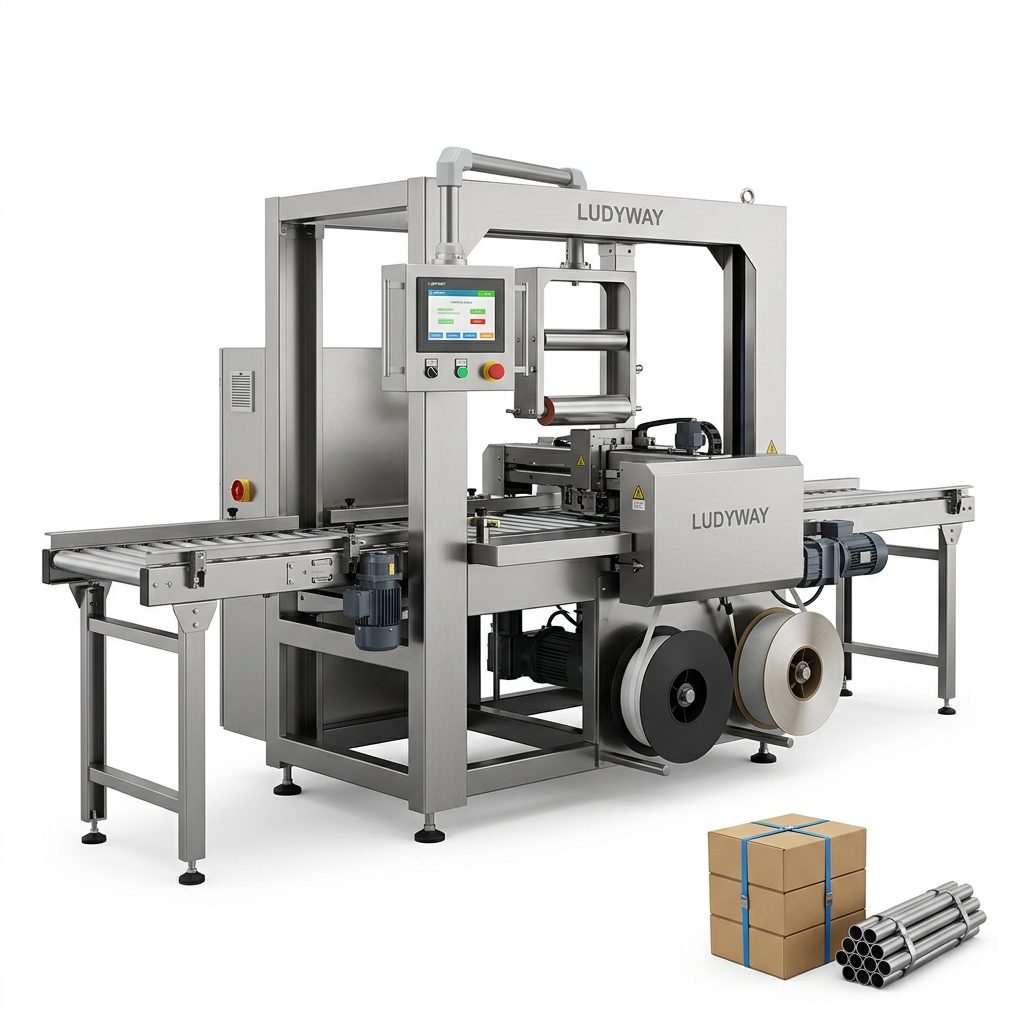
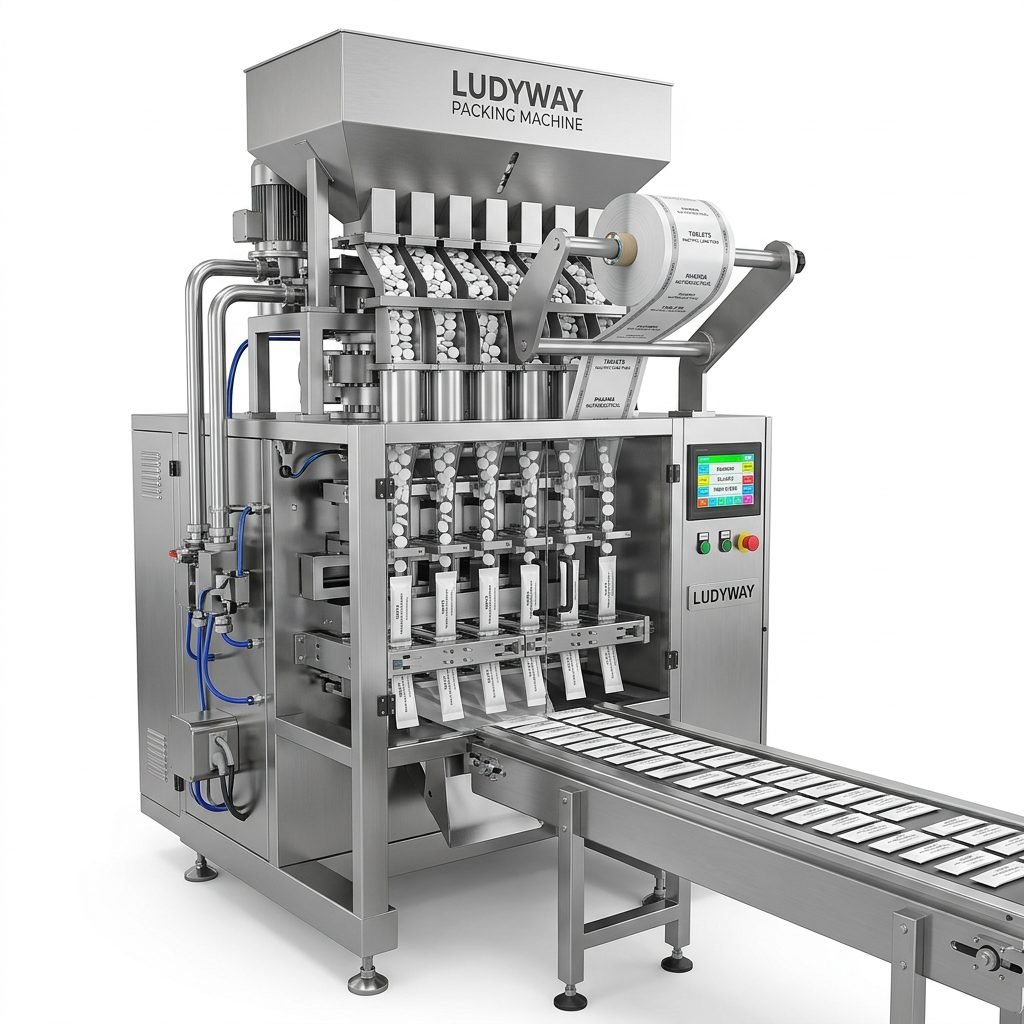
Selecting the right bakery packaging machine manufacturer is a critical decision that impacts your production efficiency, product quality, and ultimately, your bottom line. The market offers a vast array of options, from global giants to specialized regional suppliers, making the choice both exciting and daunting. This guide will navigate you through the landscape of top-tier manufacturers and provide a clear framework for choosing the perfect supplier for your bakery’s unique needs.
Understanding the Bakery Packaging Machinery Landscape
The bakery sector demands packaging solutions that are not only fast and reliable but also gentle enough to handle delicate products like pastries, cakes, and bread without compromising their freshness or appearance. Modern machinery goes beyond simple wrapping; it integrates functions like nitrogen flushing for extended shelf life, precise multi-lane dosing for assortments, and sophisticated vision systems for quality control.
→ Key Trend: The integration of Industry 4.0 principles is becoming standard. Look for machines with IoT capabilities for remote monitoring, predictive maintenance alerts, and data analytics to optimize Overall Equipment Effectiveness (OEE).
Core Machine Types for Bakeries
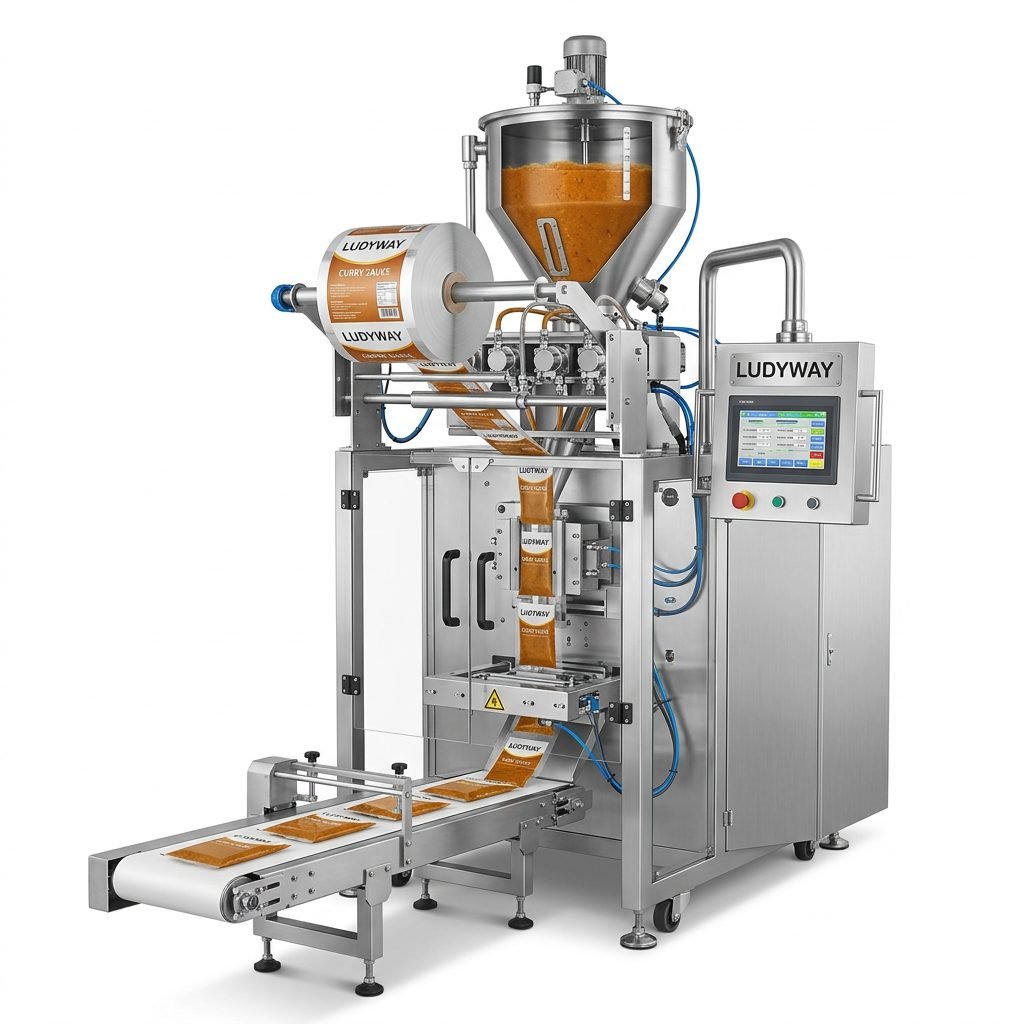
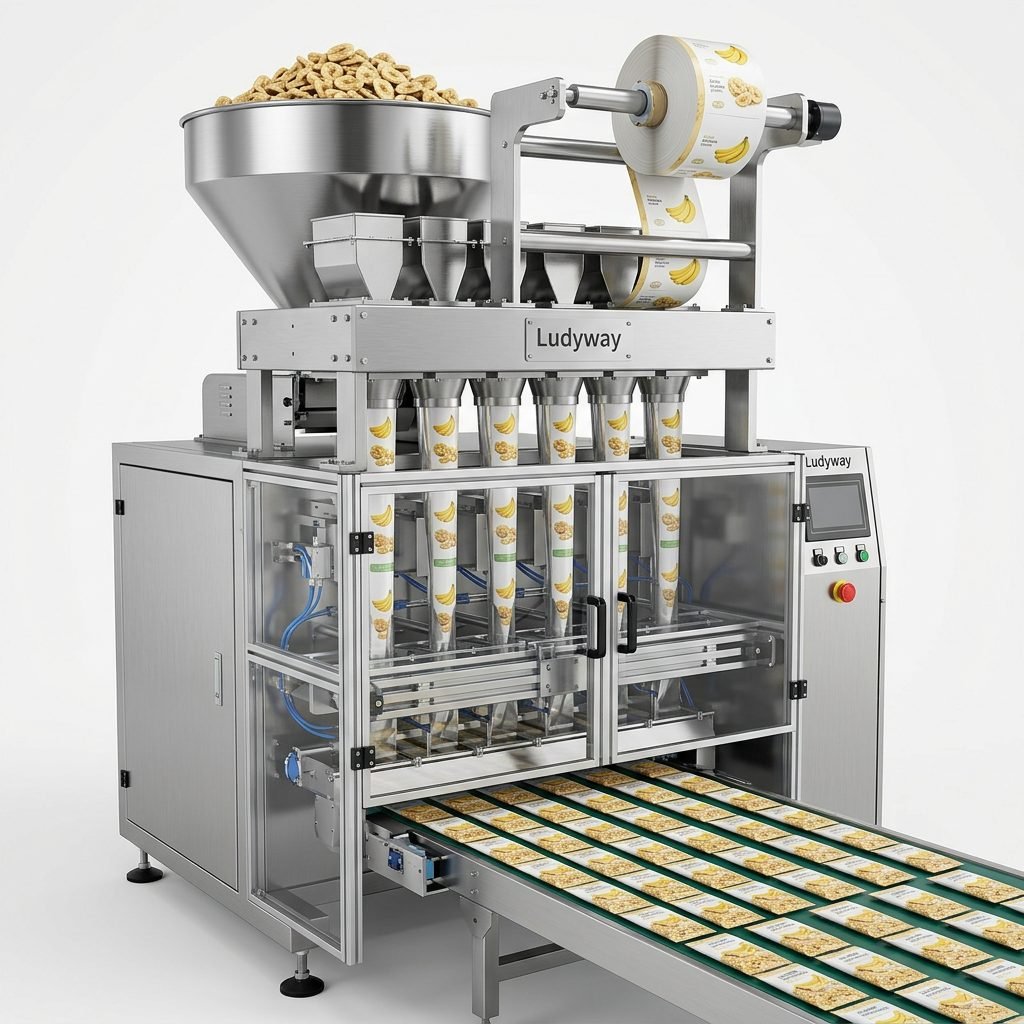
Vertical Form-Fill-Seal (VFFS) Machines: The workhorses for packaging loose items like cookies, croutons, or snack mixes into pouches.
Horizontal Flow Wrappers: Ideal for individually wrapping bars, biscuits, or pastries in a tight, elegant finish.
Tray Sealers & Skin Packers: Used for premium presentation of muffins, cupcakes, or sliced cakes, often with modified atmosphere packaging (MAP).
Cartoning & Case Packing Systems: Automate the secondary packaging of individual packs into boxes for retail distribution.
Essential Criteria for Choosing Your Supplier
Beyond the machine specifications, the partnership with your manufacturer is paramount. Here are the non-negotiable factors to evaluate.
1. Technical Expertise & Industry Experience
A supplier with deep bakery-specific experience understands the nuances of handling fragile, high-fat, or moist products. They should offer test centers where you can run your actual products before purchase. Ask for detailed case studies or client references within the bakery and confectionery sector.
2. Machine Flexibility & Customization
Your product line will evolve. Can the machine handle different sizes, shapes, and packaging materials with quick changeovers? A top manufacturer like Ludyway Packing Machine often provides modular designs, allowing you to add functions like checkweighers or date coders later.
Checklist: Questions on Customization
- What is the average changeover time between product sizes?
- Can the machine run both recyclable and high-barrier films?
- Is the software adaptable for future recipe or batch tracking requirements?
3. Build Quality & Compliance
Insist on machines built with food-grade stainless steel (e.g., SS304) in critical contact areas. Certifications like CE, UL, or NSF are not just paperwork; they are indicators of safety and international compliance. Robust construction minimizes downtime and ensures longevity.
4. After-Sales Support & Service Network
This is where long-term value is defined. Investigate the supplier’s service infrastructure:
✔ Availability of spare parts,
✔ On-site technician response time,
✔ Remote troubleshooting capabilities.
A global network is crucial if you have multi-site operations.
5. Total Cost of Ownership (TCO)
Look beyond the initial price quote. Calculate TCO by factoring in energy consumption, expected maintenance costs, potential downtime, and the cost of consumables (like film). A slightly higher upfront investment in a more efficient, reliable machine often yields a lower TCO over 5-10 years.
Spotlight on a Specialist: Ludyway Packing Machine
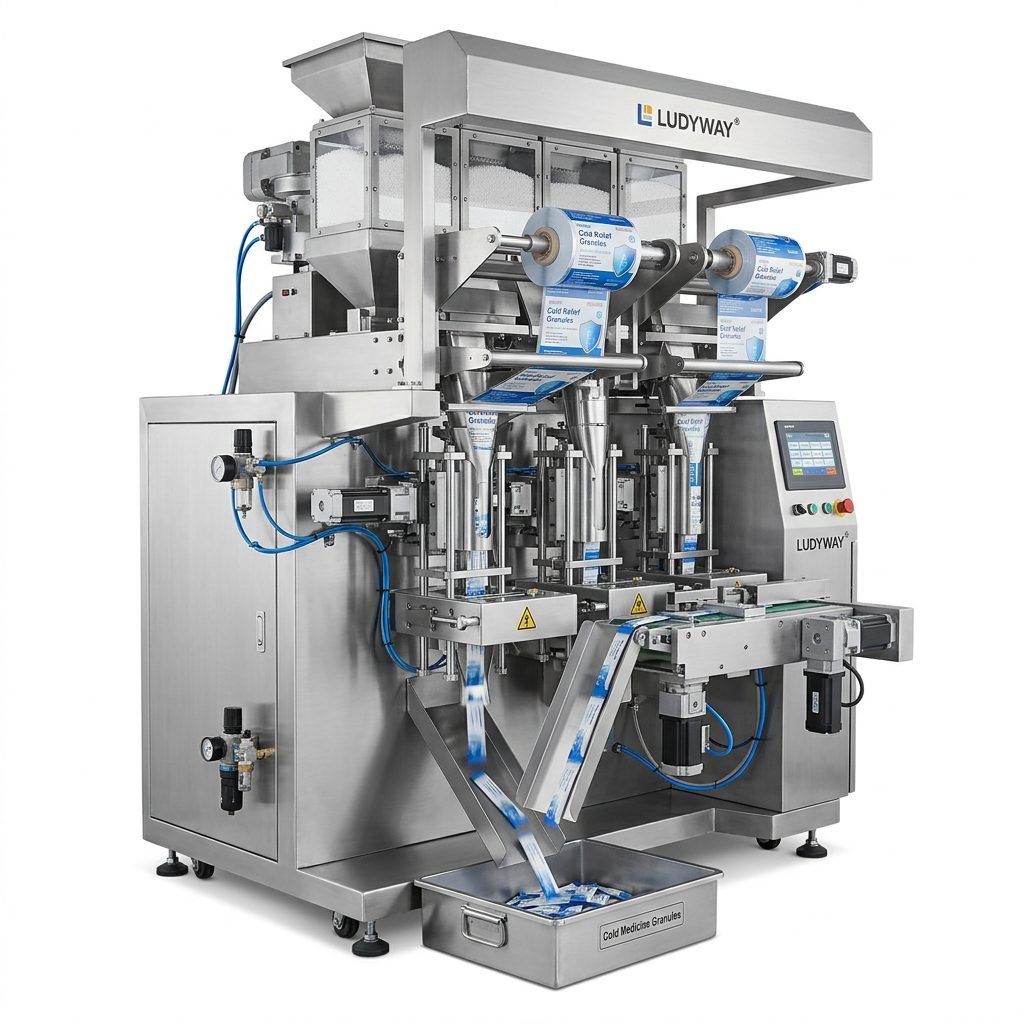
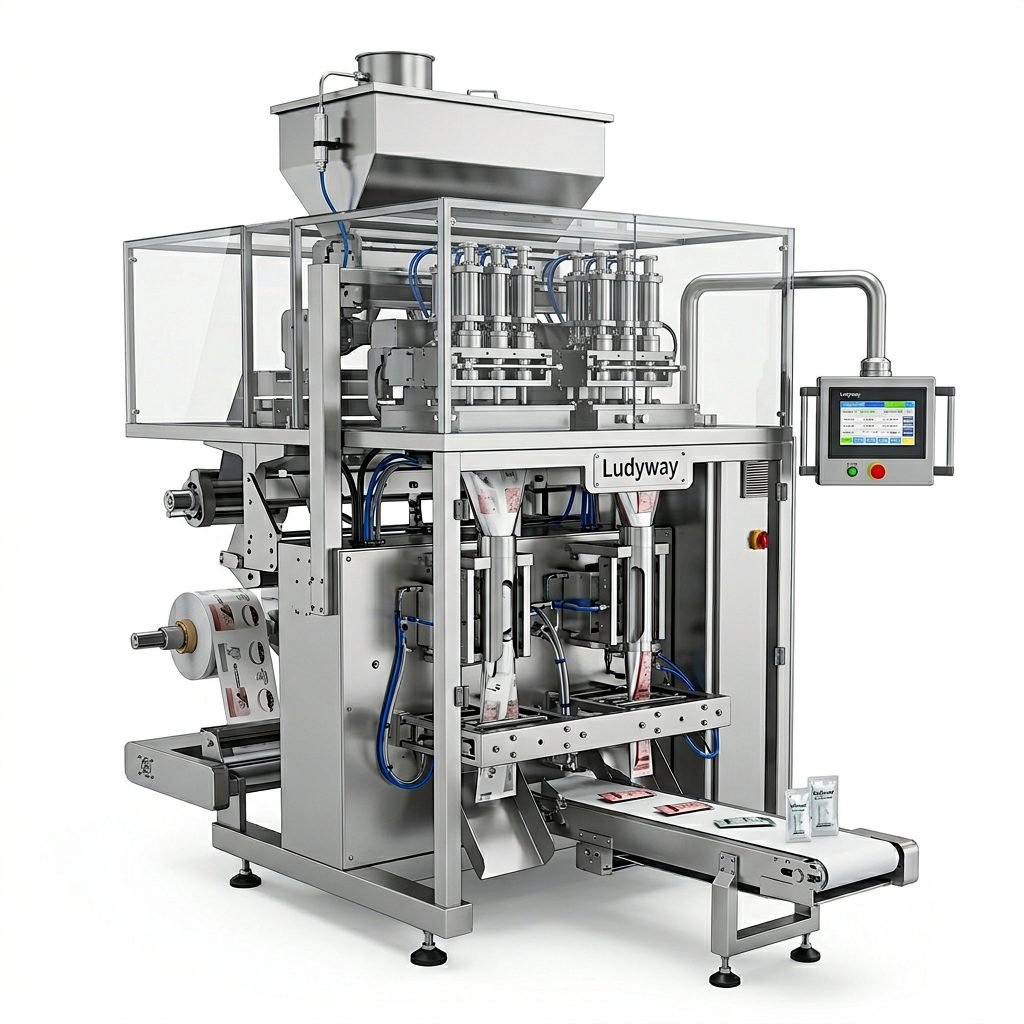
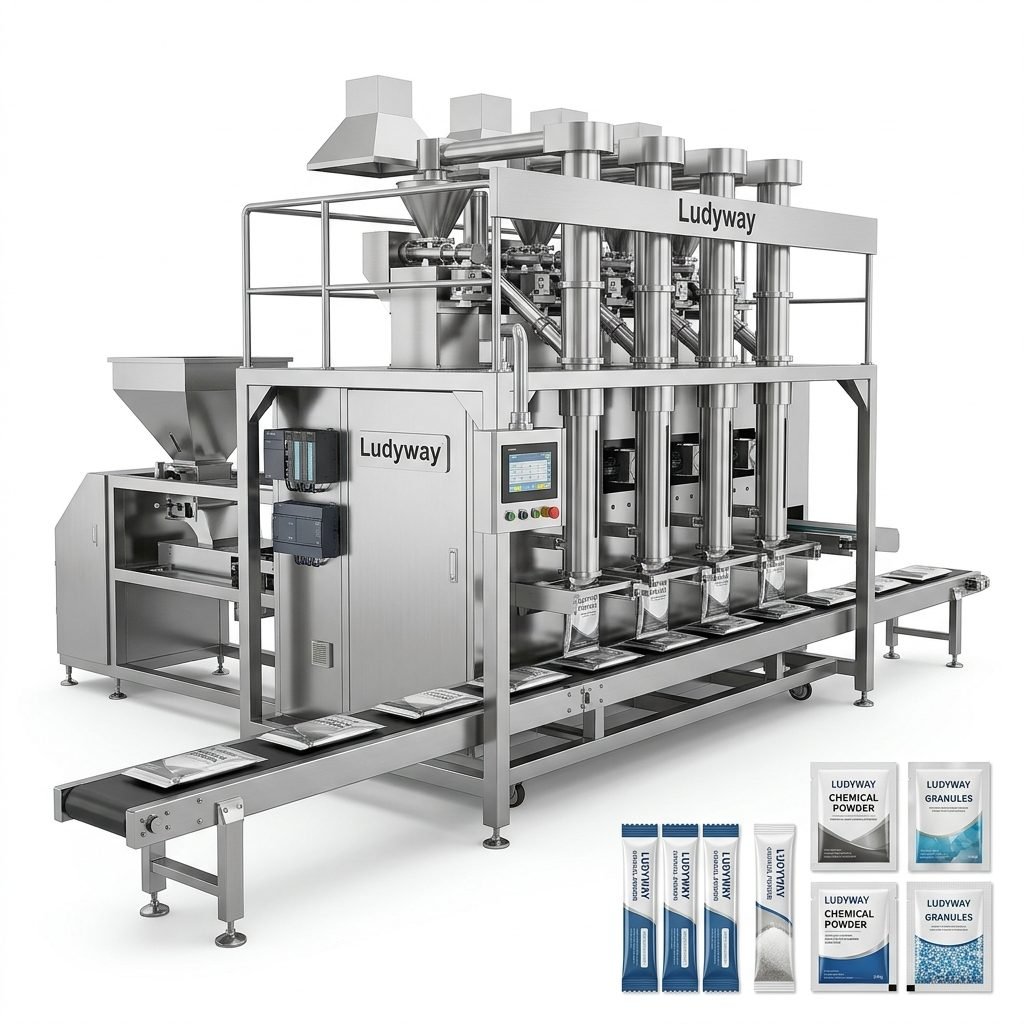
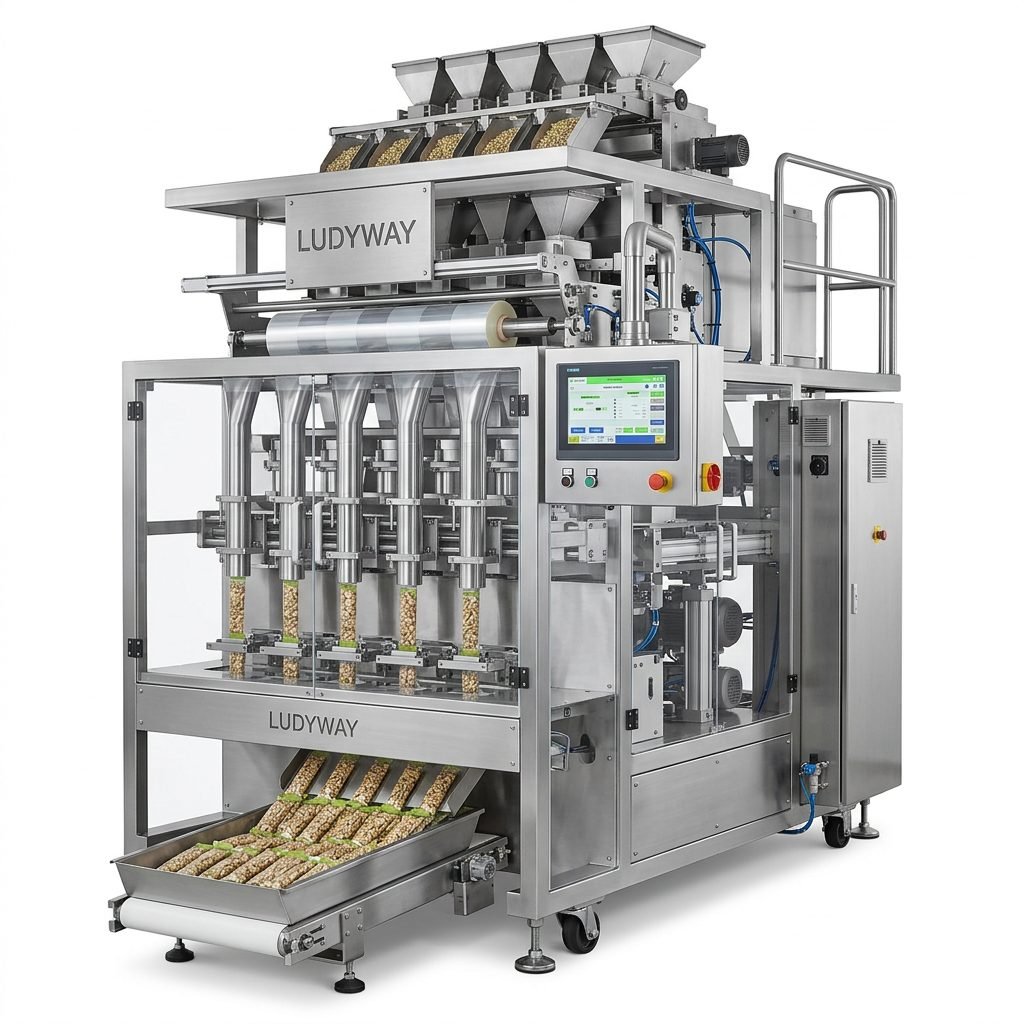
With over 30 years of industry experience, Ludyway Machinery exemplifies a focused approach to packaging solutions. Their evolution from a specialized engineering team to a provider of complete turnkey production lines highlights a growth trajectory built on deep technical knowledge. Operating from a modern 20,000㎡ facility, they have developed a portfolio of over 50 intelligent machine models, with particular strength in multi-lane stick pack and sachet packaging systems ideal for portion-controlled bakery toppings, icings, or powders.
Their company story, beginning in 2010 with a vision for reliable global solutions, underscores a commitment to long-term partnership rather than just transactional sales. For bakery businesses, this translates to suppliers who invest in understanding your specific product challenges and scalability goals.
Making the Final Decision
Create a weighted scorecard for your top 3-5 shortlisted manufacturers. Assign scores based on the criteria above, with extra weight given to factors most critical for your operation (e.g., after-sales support if you are in a remote location). Always conduct a factory audit or a virtual tour if possible—seeing the production and assembly process firsthand is invaluable.
→ Pro Tip: Discuss future-proofing. Inquire about the supplier’s R&D roadmap and how they plan to incorporate emerging trends like sustainable packaging or AI-driven optimization, ensuring your investment remains relevant.
Frequently Asked Questions (FAQs)
Q1: What is the most important feature to look for in a bakery packaging machine?
A: While speed is important, gentle product handling and consistency are paramount for bakery items. A machine that minimizes product damage or crumb generation will reduce waste and maintain premium quality. Look for features like soft-drop mechanisms and precise servo-driven motion control.
Q2: How can I ensure the machine will work with my future packaging materials, like compostable films?
A: Discuss material compatibility during the initial consultation. Reputable manufacturers test a wide range of substrates. Ask for documented test results with the specific sustainable materials you are considering and ensure the machine’s sealing jaws, temperature controls, and film tension systems are adjustable for these often more delicate materials.
Q3: What level of training and operational support should I expect from the supplier?
A: Comprehensive training for your maintenance and operational staff is standard. Expect detailed manuals, on-site training during installation, and often access to a digital library of video tutorials. Superior suppliers offer ongoing training webinars and assign a dedicated technical account manager.
Q4: Are turnkey solutions from a single supplier better than piecing together equipment from different vendors?
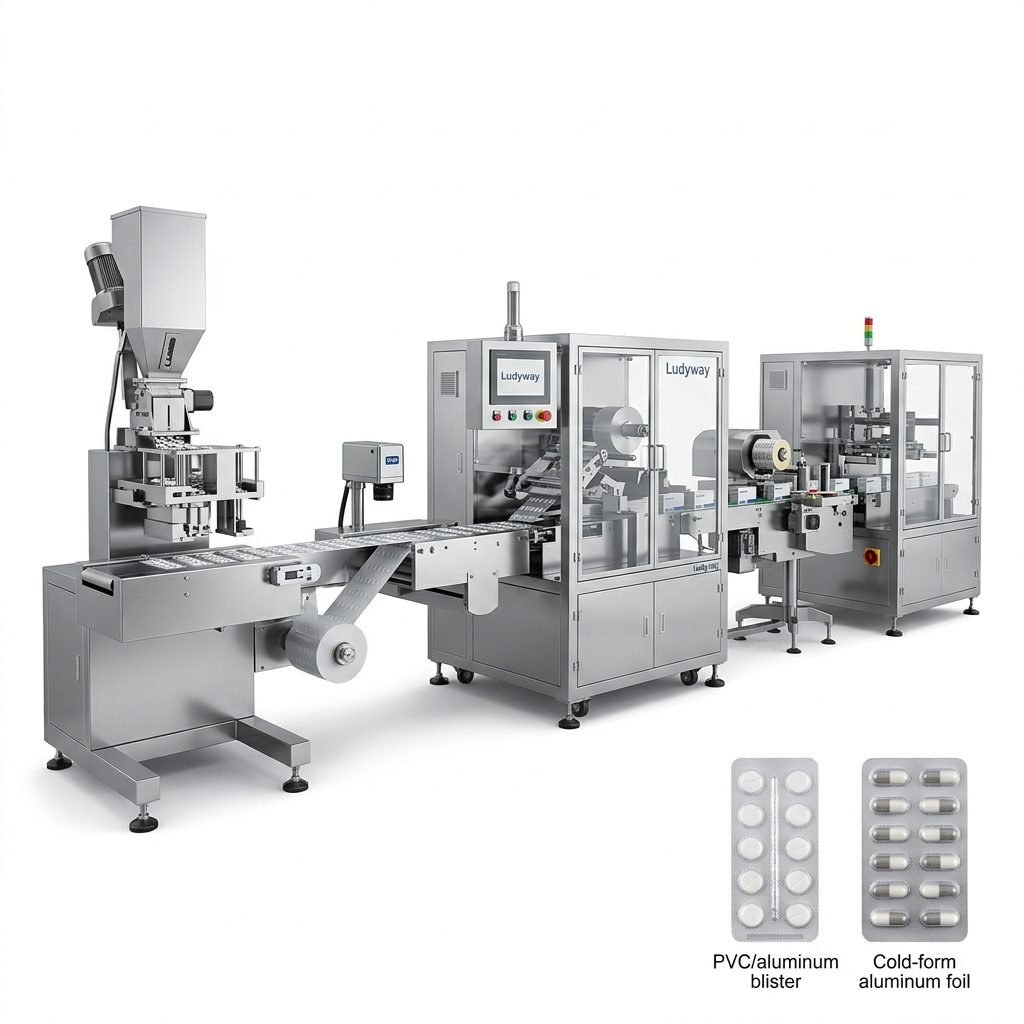
A: A turnkey solution from an experienced single supplier like Ludyway typically offers greater integration harmony, simpler warranty management, and single-point accountability. It reduces interface risks and often leads to smoother commissioning and faster time-to-market for your new product line.
Q5: How do I evaluate the true reliability and durability of a machine before purchasing?
A: Beyond references, ask for key performance data: Mean Time Between Failures (MTBF) and Mean Time To Repair (MTTR) for their equipment. Request to see the machine’s design framework (e.g., FMEA reports) and the quality control protocols used during assembly. A transparent manufacturer will share this to build confidence.