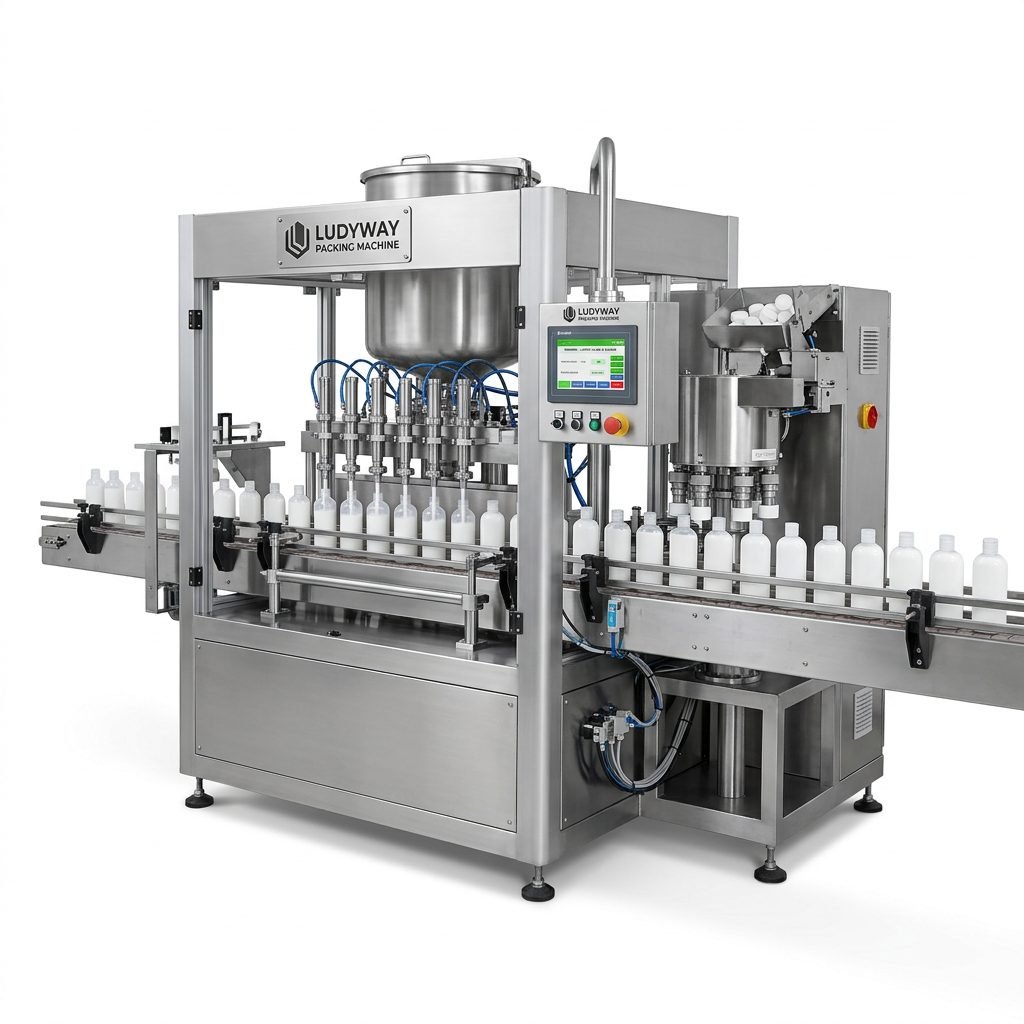
In the competitive world of snack food production, efficiency and quality are paramount. For banana chips manufacturers, selecting the right packaging machine is a critical decision that impacts product shelf life, presentation, operational cost, and ultimately, profitability. This comprehensive guide delves into the world of high-efficiency banana chips packaging machines, exploring the various types available, their key features, and providing essential buying tips to help you make an informed investment.
Understanding Banana Chips Packaging Requirements
Banana chips, whether crispy fried or healthy dehydrated, present unique packaging challenges. They are often fragile and prone to breakage, require excellent barrier properties against moisture and oxygen to maintain crispness, and need attractive, clear viewing windows for consumer appeal. The primary goal of packaging is to protect the product’s texture and flavor from production to consumption while ensuring high-speed, reliable operation on the factory floor.
Key Packaging Objectives:
➤ Preservation: Maintain crispness and prevent rancidity by blocking moisture and air.
➤ Protection: Safeguard fragile chips from physical damage during handling and transit.
➤ Presentation: Create an appealing package that highlights the product’s quality.
➤ Efficiency: Achieve high packaging speeds with minimal downtime and waste.
Types of High-Efficiency Banana Chips Packaging Machines
The choice of machine depends heavily on your target package style, production volume, and level of automation. Here are the most common and efficient types used in the industry.
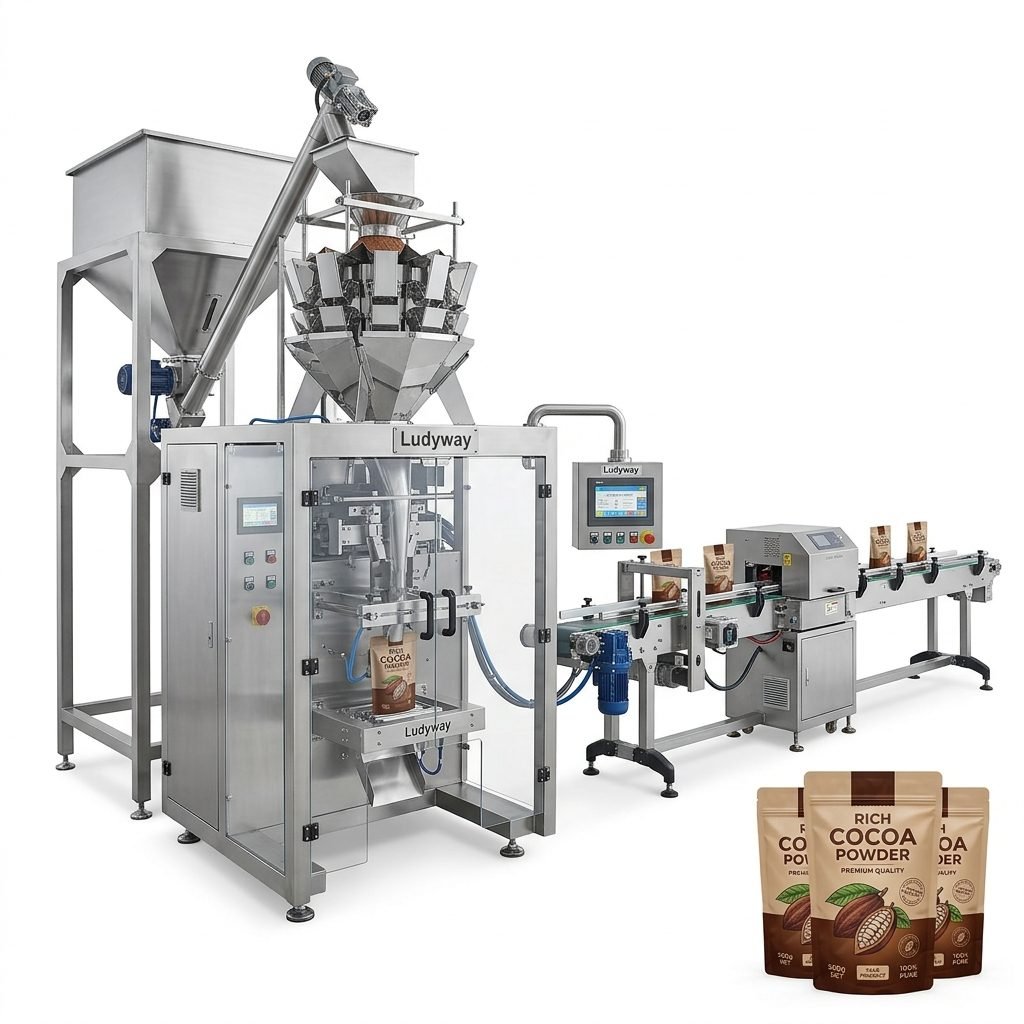
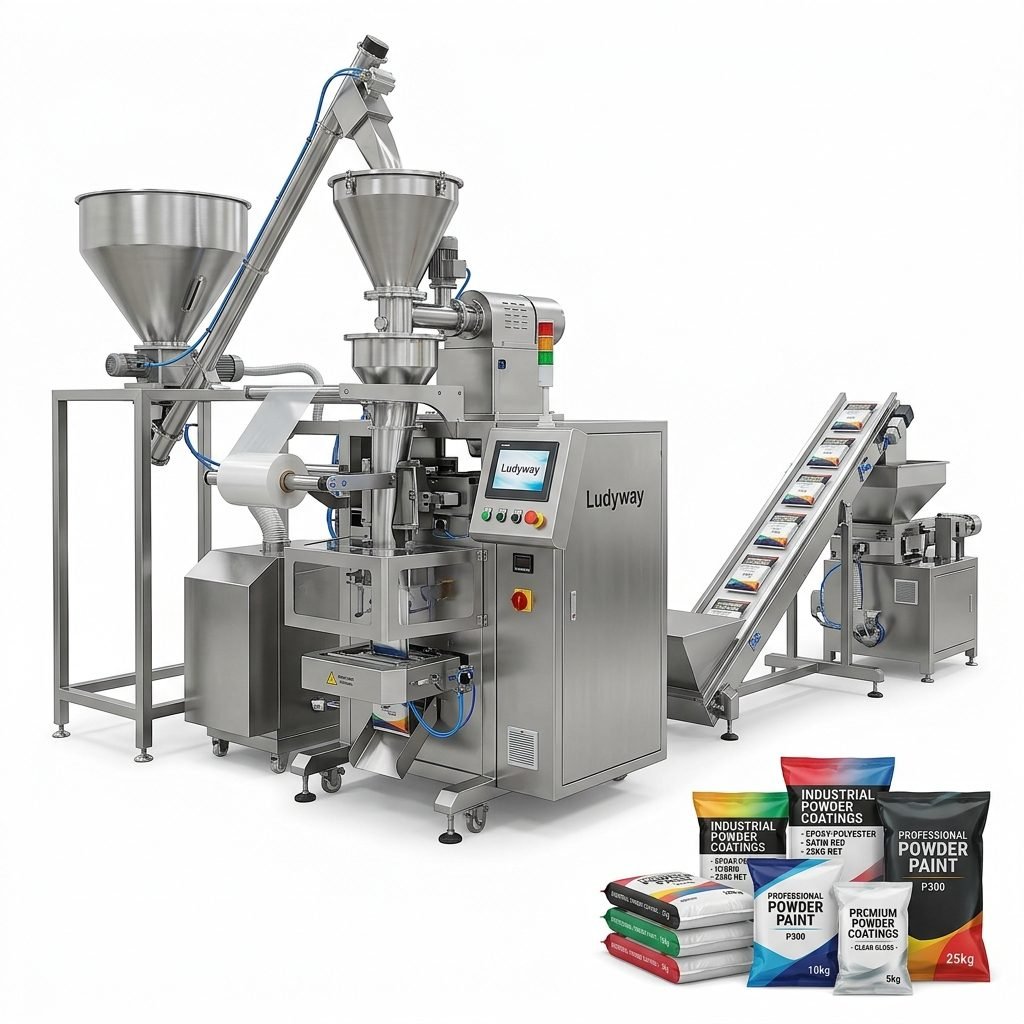
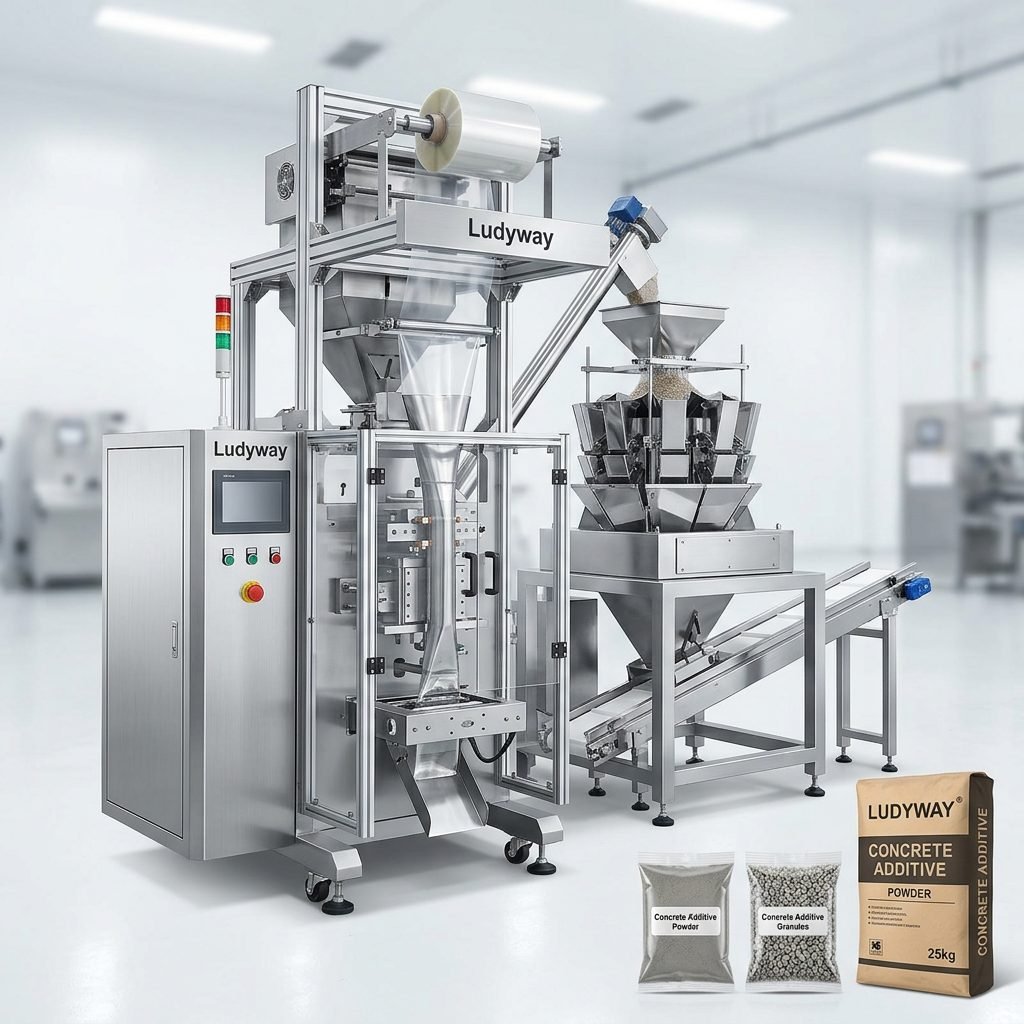
1. Vertical Form Fill Seal (VFFS) Machines
These are the workhorses of the snack industry. A VFFS machine forms a bag from a roll of flat packaging film, fills it with a pre-measured volume of banana chips, and then seals it. They are incredibly versatile and efficient for producing pillow bags or stand-up pouches.
Best for: Medium to high-volume production of standard retail pouches. Their speed and efficiency make them a top choice for many manufacturers. You can learn more about advanced granule packaging solutions that utilize VFFS technology.
2. Pre-Made Pouch Packaging Machines
These machines use pre-formed, side-sealed pouches which are then opened, filled, and resealed. They often allow for more complex and premium package designs with excellent graphic quality.
Best for: Premium product lines, gusseted bags, or applications where package design and structural integrity are top priorities.
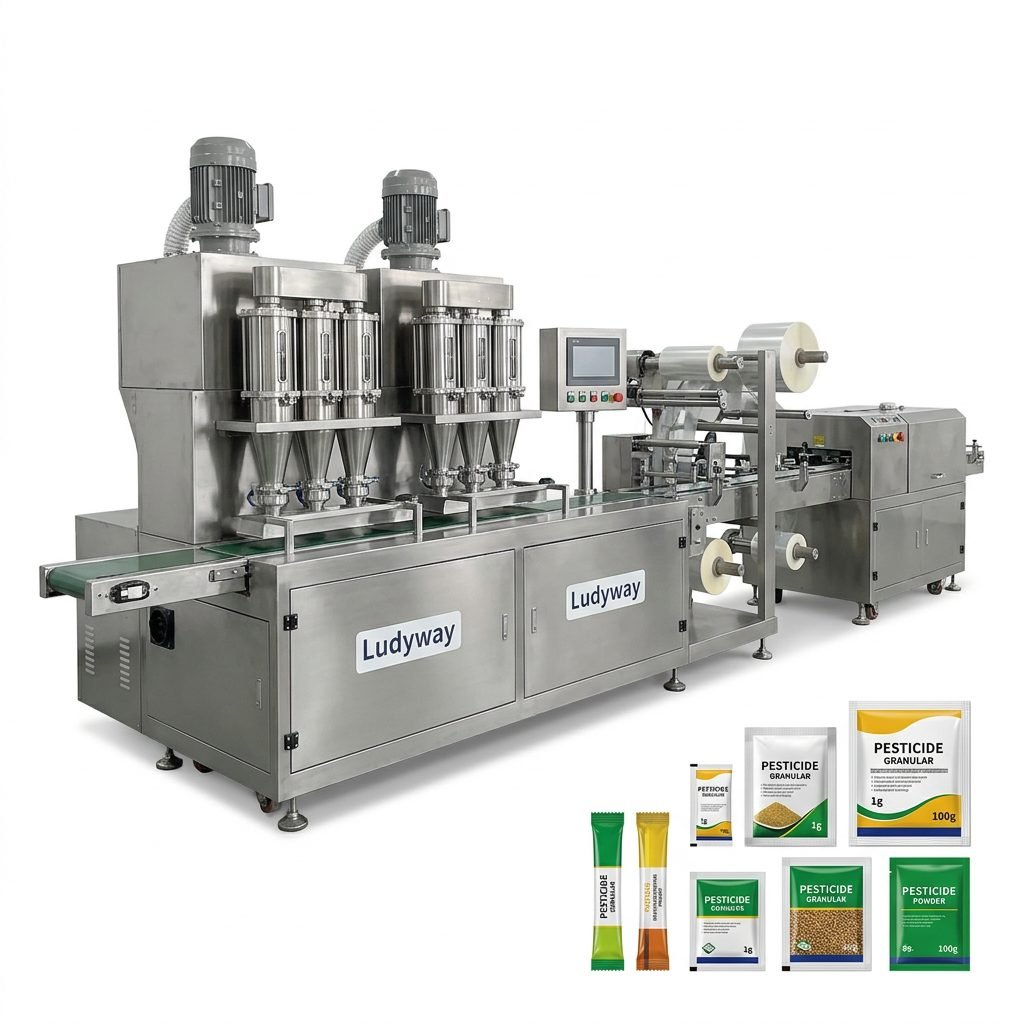
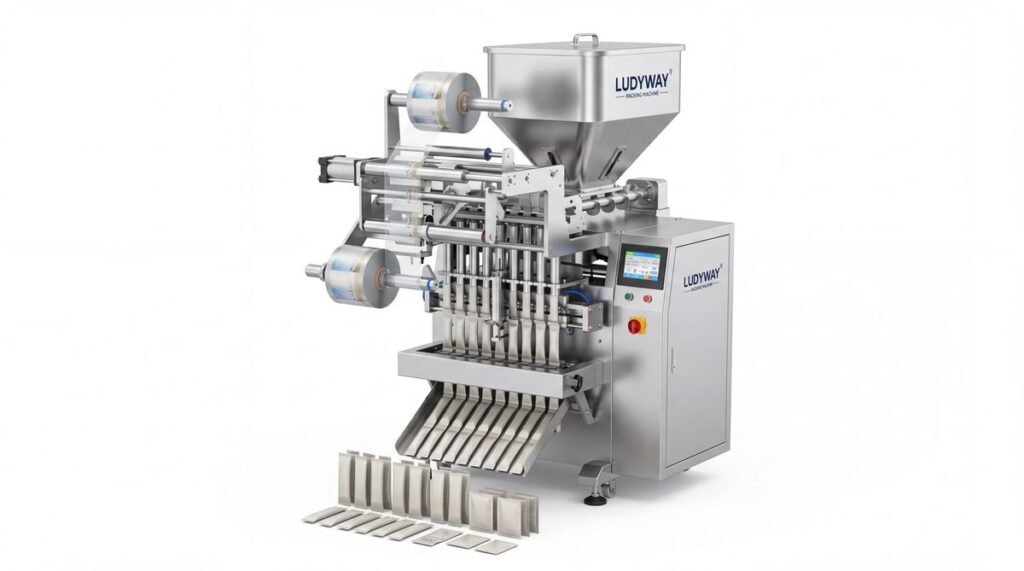
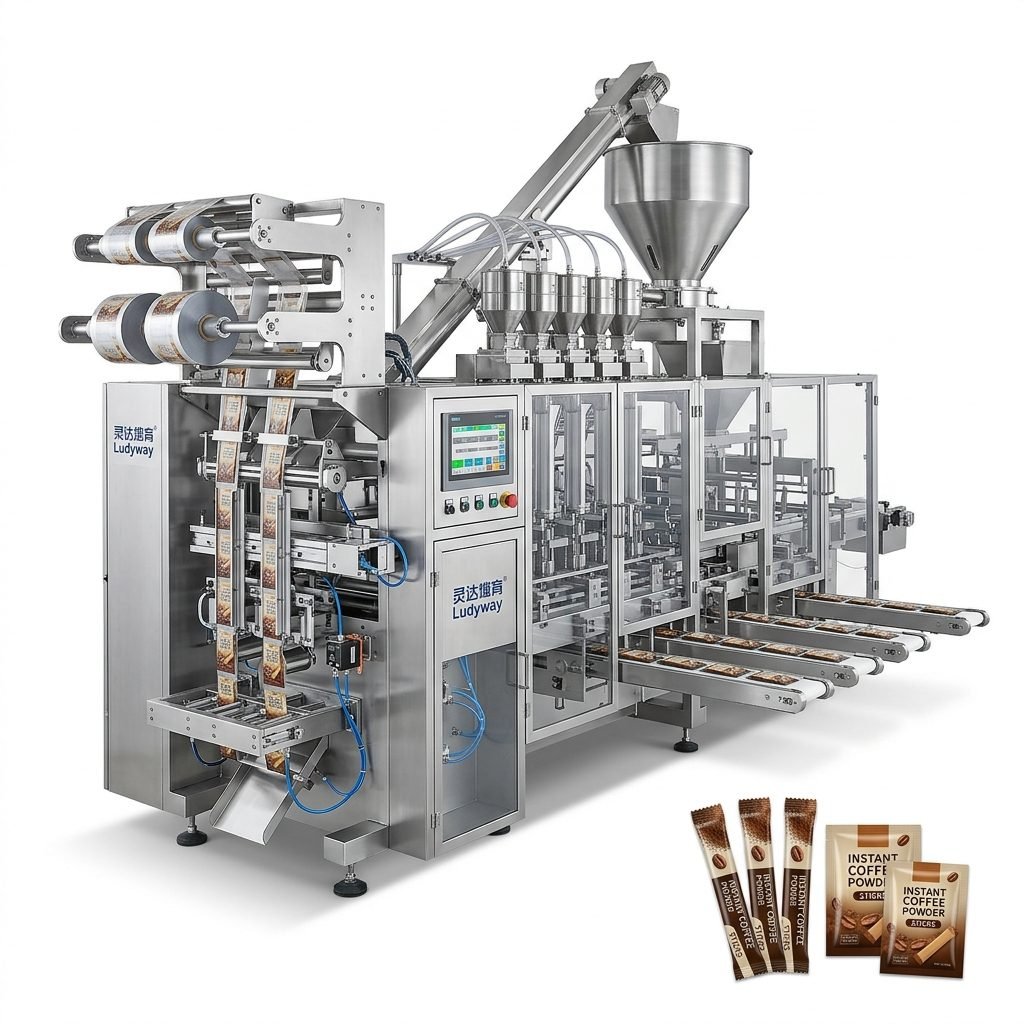
3. Multi-Lane Stick Pack Machines
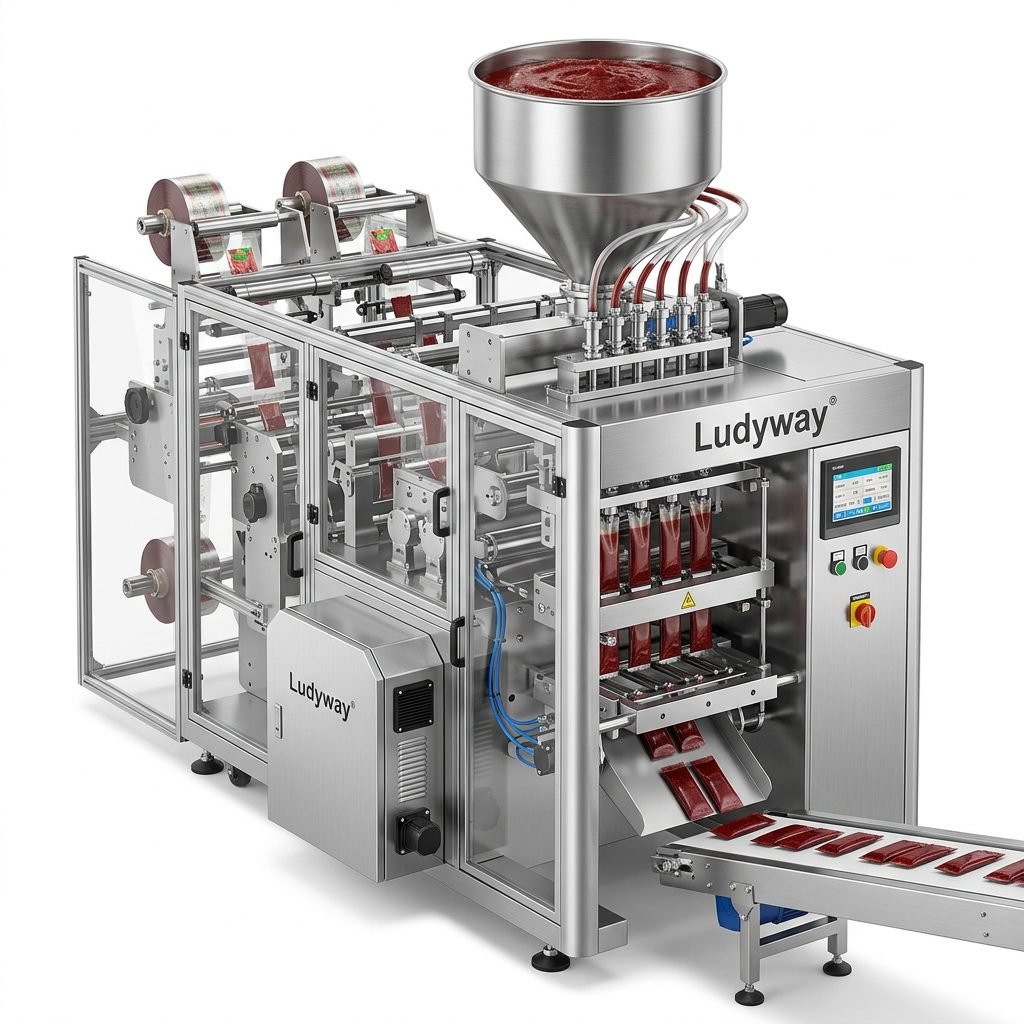
For single-serve portions or sample sizes, multi-lane stick pack machines are unparalleled in efficiency. They can produce multiple small, slim packs simultaneously from a single film roll.
Best for: High-volume production of small, portable portions. This technology is ideal for stick pack packaging systems used in various food segments.
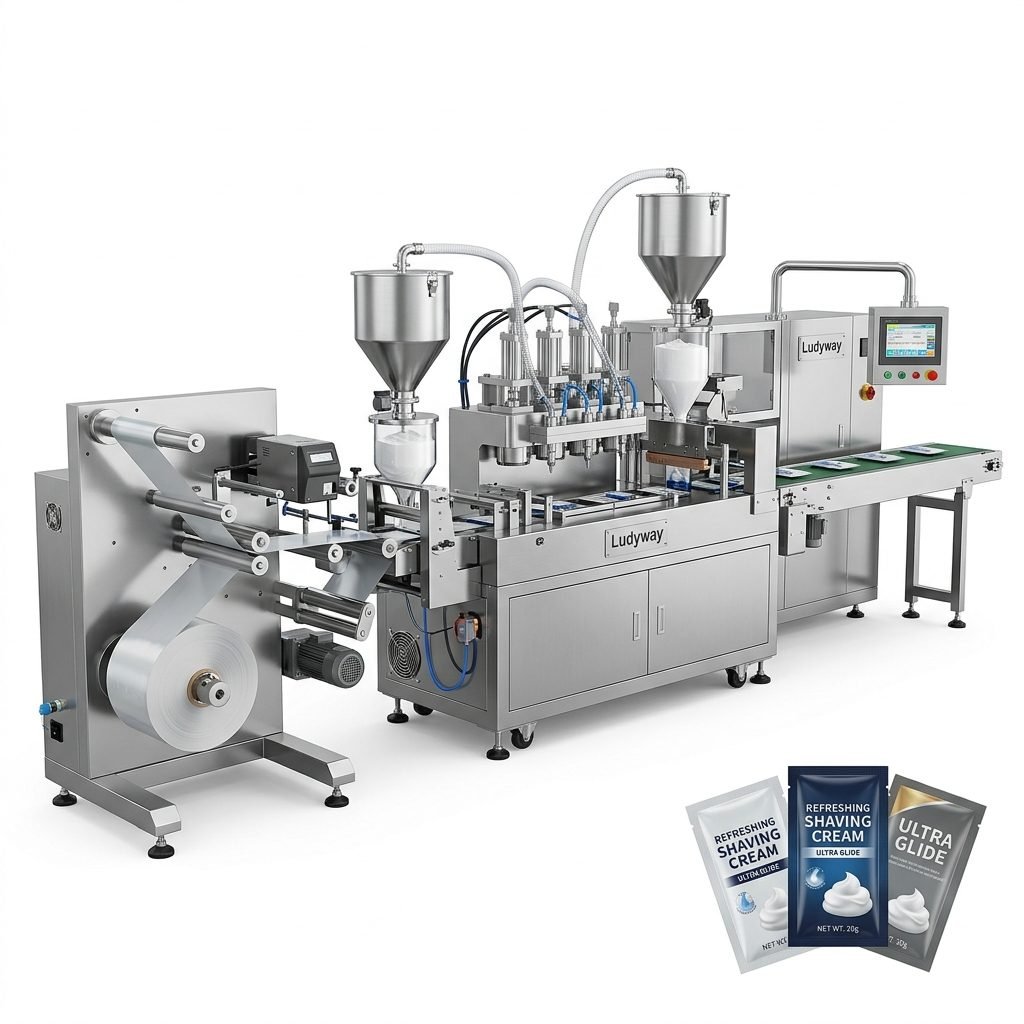
4. Automated Weighing and Filling Systems
This is not a single machine but a critical subsystem. High-precision multi-head weighers or volumetric fillers are integrated with the packaging machine to ensure exact weight control, which is crucial for cost control and regulatory compliance.
Essential Features of a High-Efficiency Machine
Beyond the basic type, several features define a truly high-efficiency packaging machine for banana chips.
Core Performance Features
Speed & Output: Measured in bags per minute (BPM). High-efficiency models for banana chips should offer speeds suitable for your production targets, with stable operation at peak rates.
Precision Filling: Integrated weighing systems with minimal giveaway protect your profit margins. Look for machines compatible with high-accuracy multi-head weighers.
Gentle Product Handling: Features like soft-drop funnel systems, vibration-free conveyors, and optimized bag forming tubes are essential to minimize product breakage.
Quick Changeover: The ability to swiftly switch between different bag sizes or film types reduces downtime and increases line flexibility. Tool-less changeover parts are a significant advantage.
Robust Construction & Hygiene: Stainless steel contact parts and a design that allows for easy cleaning (e.g., CIP systems) ensure food safety and machine longevity.
Advanced Technological Features
User-Friendly HMI: A modern, touch-screen Human-Machine Interface allows for easy parameter setting, recipe storage, and provides clear operational diagnostics.
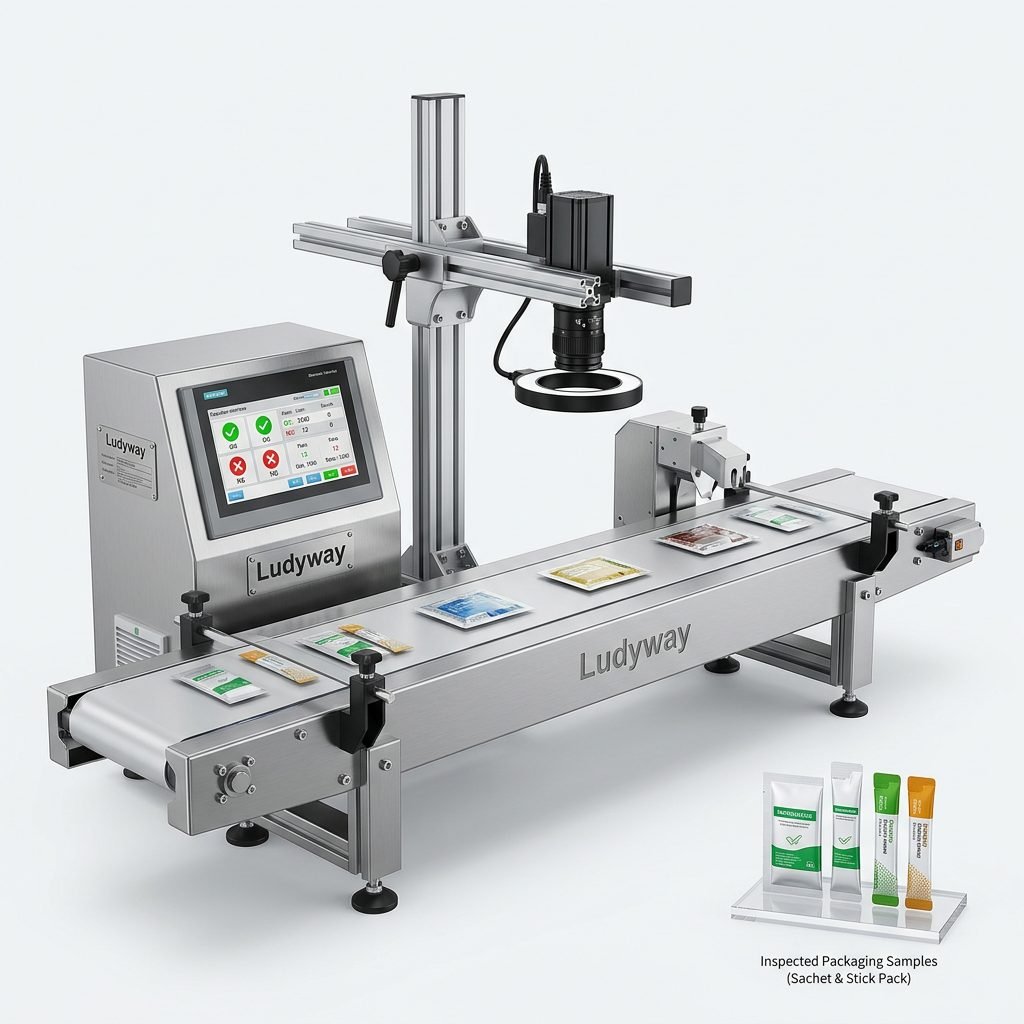
Integrated Quality Checks: Features like metal detection, check-weighing, and vision inspection systems can be incorporated to ensure every package meets quality standards.
IoT & Data Connectivity: Advanced machines offer connectivity for data collection (OEE, production counts, downtime reasons), enabling predictive maintenance and smart factory integration.
Gas Flushing Capability: For extended shelf life, a machine with integrated nitrogen or other gas flushing systems can displace oxygen from the package before sealing.
Buying Tips for Your Banana Chips Packaging Machine
Making the right purchase requires careful planning and consideration. Follow these steps to ensure you select the optimal equipment for your needs.
1. Conduct a Thorough Needs Analysis
Before speaking to suppliers, define your requirements clearly:
– Product Specifications: Chip size, shape, oil content, fragility.
– Packaging Specifications: Desired bag type, size range, film material (e.g., MET PET/PE for barrier).
– Production Goals: Required output (bags/hour), number of shifts, future expansion plans.
– Factory Environment: Available floor space, power supply, and compressed air availability.
2. Evaluate Supplier Credibility and Support
The machine is only as good as the company behind it. Look for a supplier with:
Proven Experience: A track record in snack or similar fragile food packaging. For instance, suppliers like Ludyway Machinery bring years of specialized industry knowledge to the table.
Strong After-Sales Service: Availability of spare parts, local technical support, and comprehensive training programs are non-negotiable for minimizing downtime.
Testing Capability: Always insist on a live product test using your actual banana chips and film material. This is the only way to verify performance, speed, and breakage rates.
3. Consider Total Cost of Ownership (TCO)
Look beyond the initial purchase price. Calculate TCO by factoring in:
– Energy consumption
– Expected maintenance costs and spare part pricing
– Potential for film waste (giveaway)
– Required operator skill level and training
– Scalability to avoid premature obsolescence
Pro Tip: Think in Terms of a Solution
Don’t just buy a machine; invest in a packaging solution. Discuss your entire process flow with the supplier. The most efficient outcome often comes from integrating the packaging machine with the right upstream equipment (like conveyors, elevators) and downstream systems (check-weighers, case packers). Reliable suppliers often provide these complete turnkey production line solutions.
4. Plan for the Future
Choose a machine that offers some degree of flexibility. Can it handle a slightly different product or a new bag size you might introduce in 2-3 years? Modular designs can often be upgraded later with additional features like gas flushing or a second lane, protecting your investment.
Frequently Asked Questions (FAQs)
What is the typical speed range for a banana chips packaging machine?
Speeds vary widely based on bag size and machine type. Standard VFFS machines for medium-sized retail bags typically range from 40 to 120 bags per minute. Multi-lane stick pack machines for small portions can exceed 300 packs per minute across multiple lanes.
Which packaging film is best for preserving banana chip crispness?
A high-barrier laminate film is essential. A common and effective structure is MET PET (metalized polyester) bonded to PE (polyethylene). This provides an excellent barrier against moisture and oxygen, which are the main enemies of crispness. The MET layer also offers good light barrier properties.
How can I minimize product breakage during the packaging process?
Breakage is minimized through a combination of machine design and setup. Key factors include: using a machine with gentle handling features (soft-drop funnels), optimizing the drop height from the weigher to the bag, ensuring the forming tube is smooth and appropriately sized, and potentially slightly reducing machine speed if breakage is excessive during testing.
Is nitrogen flushing necessary for banana chips packaging?
While not always mandatory, nitrogen flushing significantly extends shelf life by displacing oxygen inside the package. It is highly recommended for premium products, for chips with a higher fat content (to prevent rancidity), or if your distribution chain involves long storage periods or variable climates. Many modern machines offer it as an optional module.
What are the key maintenance routines for these machines?
Daily cleaning of product contact zones is critical. Regular maintenance includes lubricating moving parts as per the manual, checking and replacing worn sealing jaws and cutting blades, inspecting pneumatic filters, and calibrating the weighing system periodically. Choosing a machine with easy access for cleaning and maintenance will drastically reduce routine service time.